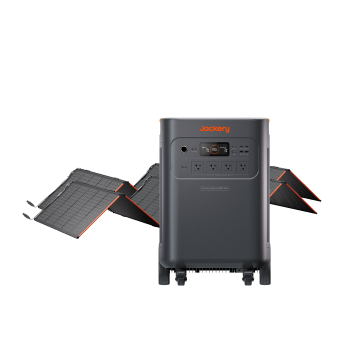
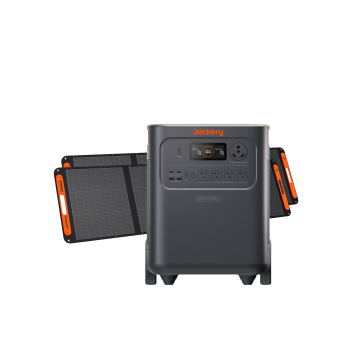
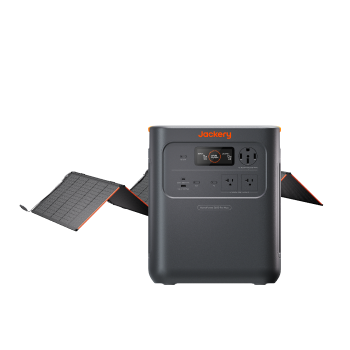
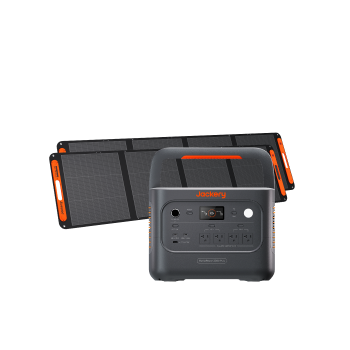



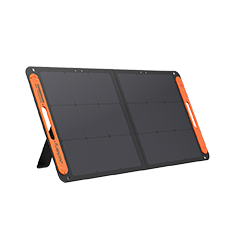



![[Add-on] Jackery SolarSaga 500 X - Jackery](http://www.jackery.com/cdn/shop/files/add-on-jackery-solarsaga-500-x-1493607.webp?v=1786503068&width=324)
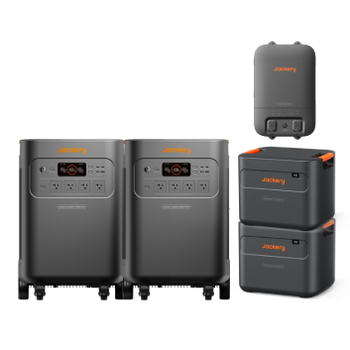
![[Add-on] Jackery Battery Pack 5000 Plus - Jackery](http://www.jackery.com/cdn/shop/files/add-on-jackery-battery-pack-5000-plus-6713401.webp?v=1786503068&width=324)




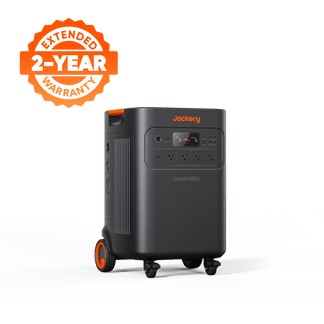


Quick Answer: An inverter is the component inside a portable power station that converts stored DC battery power into the standard 120V AC electricity your household appliances require. Without it, your power station could only charge USB and 12V devices — the inverter is what lets you run a refrigerator, lights, or a fan during an outage. Modern power stations use pure sine wave inverters, which deliver clean, grid-quality power that protects sensitive electronics from damage.
Key Takeaways
- An inverter converts DC battery power into 120V AC household electricity, making portable power stations compatible with standard appliances like refrigerators and fans.
- Pure sine wave inverters produce clean, stable power essential for sensitive electronics like laptops and smart appliances — modified sine wave can cause humming or erratic behavior.
- Inverter efficiency typically ranges from 85–95%, meaning some energy is lost as heat during the DC-to-AC conversion process, reducing total runtime.
- Appliances with motors (refrigerators, pumps, air conditioners) require 3–7 times their running wattage for startup, which the inverter must handle via surge capacity.
- Most off-the-shelf portable power stations include a built-in inverter — only custom DIY battery systems need a separate external unit, which adds complexity and wiring risks.
What Does an Inverter Actually Do in a Power Station?
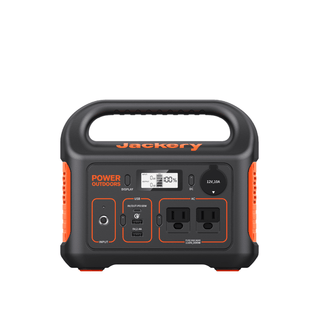
An inverter takes the direct current (DC) stored in the battery and converts it into alternating current (AC) — the same type of electricity that comes from a wall outlet [1]. That conversion is the reason you can plug a standard appliance straight into a Jackery Explorer or similar unit and it just works.
- DC-to-AC conversion changes the steady flow of electrons into a waveform that oscillates at 60 Hz, matching the grid standard. This process happens instantly when you turn on an AC outlet. Inside the inverter, a switching circuit rapidly flips the DC voltage on and off, then shapes the pulses into a smooth sine wave.
- Voltage regulation keeps the output steady at 120V. Without it, voltage would sag as the battery drains or spike under light loads. Modern pure sine wave inverters hold voltage within ±3% of the nominal value, preventing the flickering or brownout conditions that can trip sensitive electronics.
- Surge handling is the inverter’s ability to briefly deliver more than its continuous rating. A refrigerator that runs at 200 watts may need 600–1,200 watts for a split second when the compressor kicks on. Inverters designed for motor-driven appliances include a surge rating, often double the continuous wattage, that absorbs those peaks without shutting down.
- Built-in integration means all of this happens inside the power station. You never see a separate inverter box or touch wiring. That plug-and-play design eliminates common DIY risks — dead starter batteries from parasitic drain, melted wires from undersized cables, and the fire hazard of loose connections.
- Bypass for DC loads keeps the USB and 12V ports completely separate from the inverter circuit. A DC fan or LED light runs straight off the battery without any conversion loss. That preserves efficiency for low-voltage devices and reserves AC power only for appliances that truly need it.
Pure Sine Wave vs. Modified Sine Wave: Why It Matters
Pure sine wave inverters produce clean, grid-quality power that safely runs all appliances, while modified sine wave inverters can cause humming, erratic behavior, and potential damage to sensitive electronics.
Appliance / Load Type |
Best Waveform |
Why |
Laptops, smart appliances, audio gear |
Pure Sine Wave |
Prevents damage, hum, and erratic behavior from distorted waveform |
Refrigerators, pumps, fans (motor-driven) |
Pure Sine Wave |
Avoids overheating, noise, and premature wear caused by stepped waveform |
Digital clocks, microwave displays |
Pure Sine Wave |
Eliminates timing glitches and display flicker |
Simple resistive loads (incandescent lights) |
Pure Sine Wave |
Modified sine wave is safe but rare in modern stations — pure sine is the standard |
Pure sine wave inverters generate a smooth, symmetrical AC curve identical to utility power, with zero distortion. Every electronic device manufactured for a 120V grid expects this waveform, and a pure sine wave inverter delivers it — no exceptions, no compromises. For sensitive electronics like laptops, smart appliances, or audio gear, this is the only safe option.
Modified sine wave inverters take a shortcut, creating a stepped, jagged approximation — a blocky signal that jumps from positive to negative in crude steps. The resulting waveform contains harmonics and voltage spikes that waste energy as heat and can cause erratic behavior.
Motor-driven appliances like refrigerators, pumps, and fans run noticeably worse on modified sine wave power. Induction motors rely on the rotating magnetic field created by a smooth AC waveform; the stepped waveform causes inefficient torque delivery, making motors run hotter and louder and shortening their lifespan. A refrigerator compressor on modified sine wave may draw 20–30% more current just to produce the same cooling, accelerating wear.
Digital clocks and audio equipment can glitch. A microwave’s digital display may count seconds incorrectly. A powered speaker may hum. None of this happens with pure sine wave because the waveform contains no unexpected frequency content.
Modern portable power stations universally use pure sine wave inverters — this is the standard, not a premium upgrade. Jackery, along with other reputable brands, ships only pure sine wave units. If you come across an older or budget unit with modified sine wave, skip it — the cost savings aren’t worth the headaches.
How Inverter Efficiency Affects Your Battery Runtime
Inverter efficiency directly dictates runtime: conversion losses consume 5–15% of stored energy as heat, and idle power draw can silently empty the battery.
- Conversion losses eat 5–15% of your stored energy. Every watt that flows through the inverter encounters resistance in the switching transistors and output transformers. That energy becomes heat, vented through the case. A 1,000 Wh power station with a 90% efficient inverter delivers only about 900 Wh to your AC devices.
- Idle power draw drains the battery even when nothing is plugged in. The inverter’s control circuitry and voltage regulation circuits consume 10–30 watts continuously as long as the AC outlets are active. Leave the inverter on overnight with no load, and you lose roughly 240–720 watt-hours — enough to shorten a fridge’s runtime by several hours.
- Higher-quality inverters achieve 90–95% efficiency at their optimal load range. Budget units may drop to 80–85%, especially when running far below their maximum rating. That 5–10% difference matters. On a 2,000 Wh battery, you lose an extra 100–200 Wh of usable energy — the equivalent of running a 60W fan for 1.5–3.3 fewer hours.
- Running DC-native devices is a simple way to stretch runtime. USB lights, 12V fans, and phone chargers all bypass the inverter entirely. If you need a fan and lights during an outage, plug them into the DC ports and save the AC capacity for the refrigerator and router. You get every watt-hour you stored.
- Matching the inverter to the load also helps. Inverters are least efficient when idling at 0–10% of rated capacity. Running a 150W appliance on a 3,000W inverter wastes more energy to heat than using a properly sized 500W unit. Portable power stations don’t let you swap inverters, but choosing a model whose continuous rating aligns with your typical loads avoids excessive idle losses.
Common Inverter Mistakes That Drain Power or Damage Devices
Mistake 1: Overloading Without Checking Continuous Ratings
Plugging a 1,500W space heater into an inverter rated for 1,000W continuous output shuts the system down — or worse, damages the inverter’s output stage. Heaters, air conditioners, and large kitchen appliances draw consistent, high wattage. If the inverter’s spec sheet says 1,000W, that’s the ceiling for sustained loads, not a suggestion.
Mistake 2: Ignoring Surge Requirements
A refrigerator’s nameplate says 300W running. Inrush current when the compressor starts spikes to 900–2,100W for a fraction of a second. If the inverter’s surge rating is only 500W, the fridge never starts. Always check the surge rating before connecting motor-driven appliances, not just the running wattage.
Mistake 3: Stacking High-Draw Devices on a Power Strip
Plugging a microwave, coffee maker, and toaster into a single power strip connected to the inverter looks convenient but easily exceeds the unit’s rating. A 2,200W inverter cannot run three 1,000W appliances simultaneously, even briefly. The inverter will shut off, and after repeated trips, the protection circuitry may fail permanently.
Mistake 4: Using Modified Sine Wave with Sensitive Electronics
If you own a power station with a modified sine wave inverter — and you know it’s modified — don’t plug in your laptop, smart TV, or newer appliance with digital controls. The stepped waveform can corrupt data, cause power supply buzz, and overheat internal capacitors. Permanent damage is rare but not worth the gamble.
Mistake 5: Leaving the Inverter On with Nothing Connected
Idle drain of 10–30W doesn’t sound like much, but over 24 hours it consumes 240–720 Wh. A fully charged 1,000 Wh power station left on standby could be dead by morning. Turn off the AC outlets when you’re not actively powering something — it’s the simplest runtime hack there is.
Limitations / What to Know Before
- Efficiency is never 100%: Expect 5–15% energy loss as heat during DC-to-AC conversion — running DC loads directly always preserves more runtime.
- High-surge appliances may not start: A 500W appliance with 2,500W inrush demand on a 2,000W surge-rated inverter will fail, so check your startup loads.
- Portable units handle essentials, not whole-house loads: They can run fridges, lights, and routers but not central air or water heaters — for full-home backup a permanently installed battery or generator is needed, as detailed in home backup power system guides.
- Vehicle charging has limits: A standalone inverter won’t speed up charging — 12V ports cap around 100–150W, and direct battery wiring risks damage; DC-to-DC converters are faster but complex.
- Standalone setups add complexity for simple loads: DIY battery banks require careful wiring and ventilation, while an integrated solar generator avoids those pitfalls.
Product Recommendation: Essential Home Backup with Pure Sine Wave Inverter
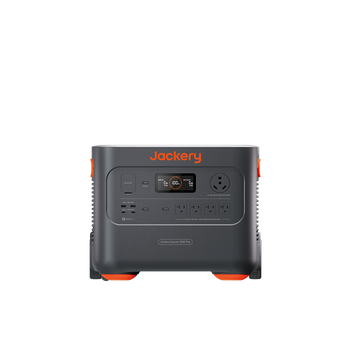
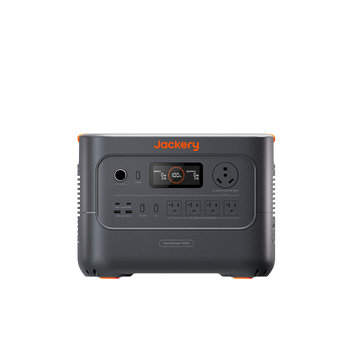
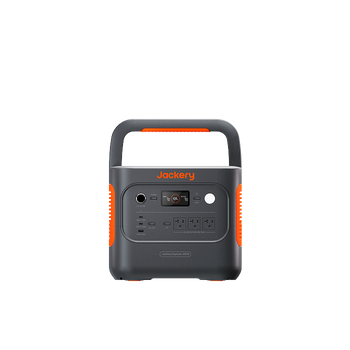
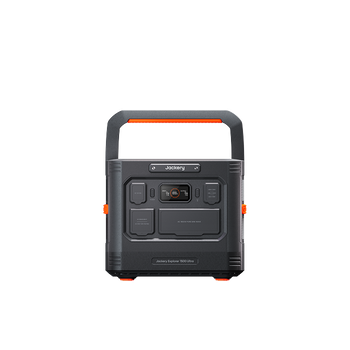
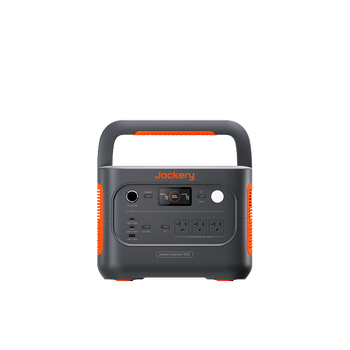
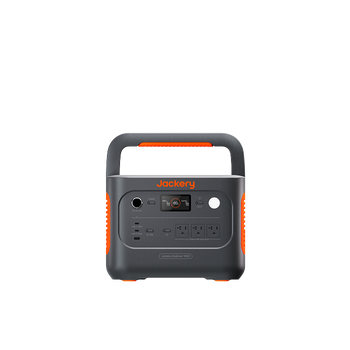
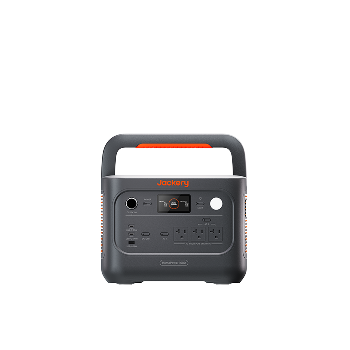
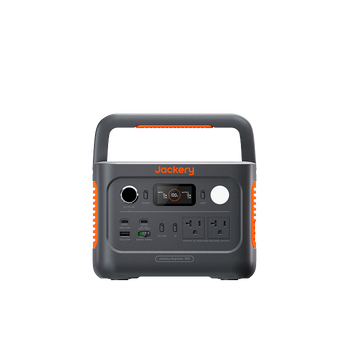
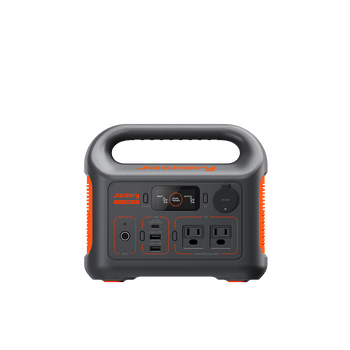
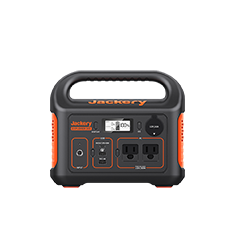
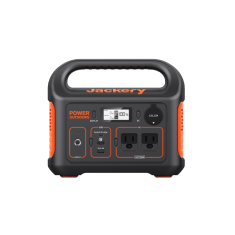
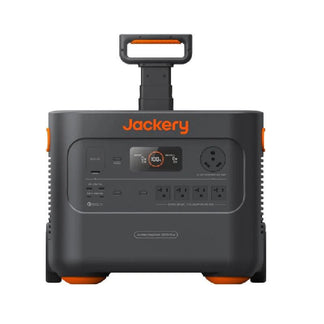
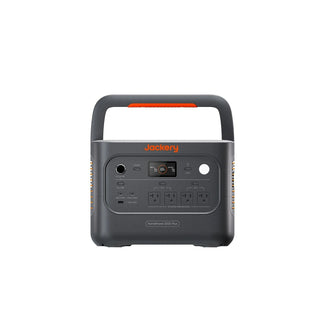
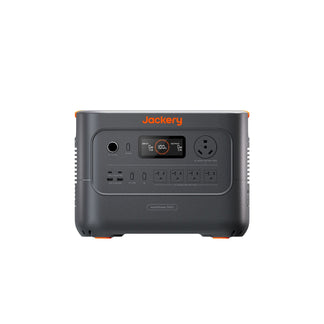
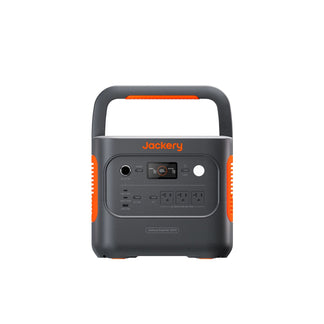
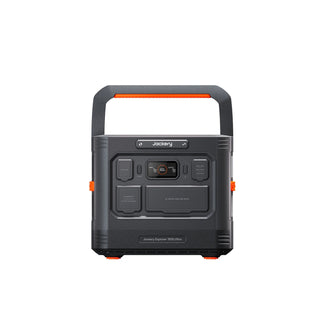
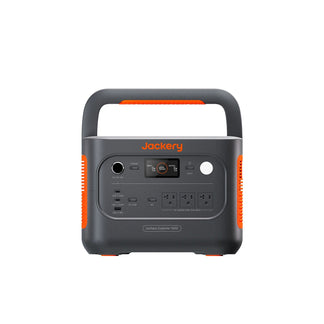
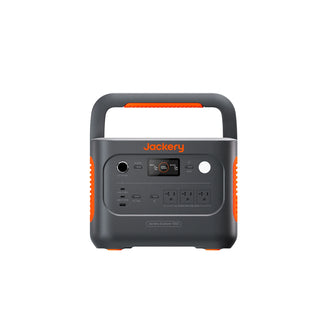
Incorporating the pure sine wave inverter and plug-and-play integration described above, Jackery’s Explorer series delivers a complete home backup — just use the AC outlets for your essential loads.
Use Case |
Recommended Jackery Product |
Continuous Inverter |
Surge Capacity |
Battery (Wh) |
Why It Fits |
Small fridge, router, lights, phone |
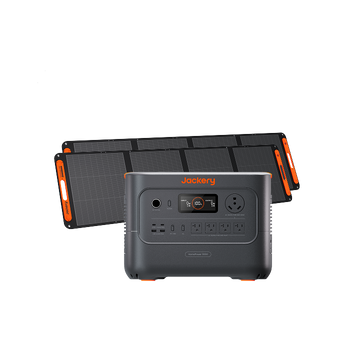
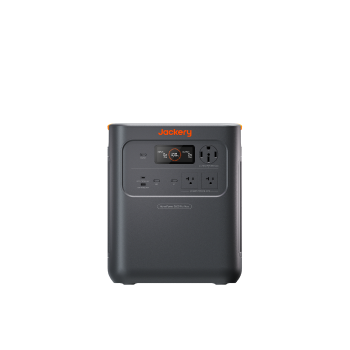
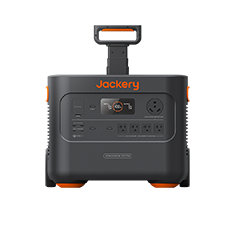
Jackery Explorer 2000 v2 Portable Power Station |
2,200W |
4,400W |
2,042 |
LiFePO4 battery powers essentials for hours; compact, self-contained |
Portable AC, full-size fridge, home office |
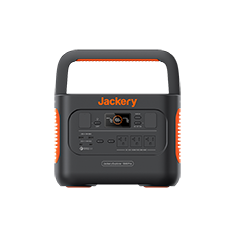
Jackery Explorer 1000 v2 Portable Power Station |
1,500W |
3,000W |
1,070 |
Handles larger startup loads; Emergency Super Charge refills quickly |
Extended outage, silent solar recharging |
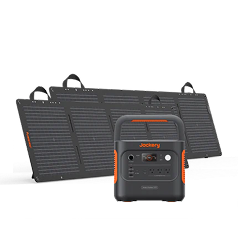
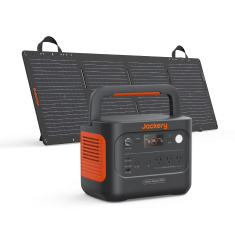
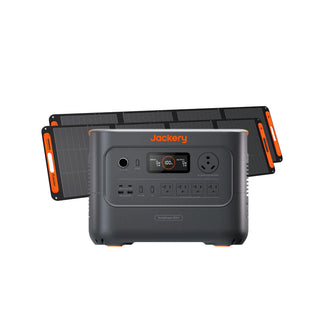
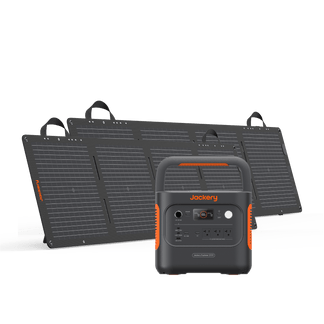
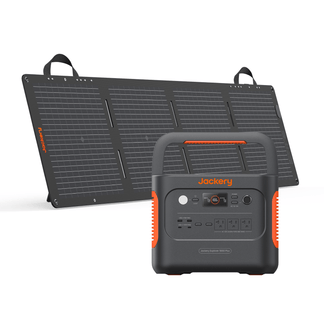
Jackery Solar Generator 2000 v2 |
2,200W |
4,400W |
2,042 |
Panels included for indefinite runtime; clean power for smart appliances |
Exploring battery backup generators for your specific appliances helps match inverter specs to actual loads. A pure sine wave inverter in any Jackery unit ensures your portable power supply works exactly as a wall outlet would — no damage, no noise, no surprises.
Frequently Asked Questions (FAQ)
Can I run a microwave on a pure sine wave inverter?
Yes, but microwaves typically require 1000–1500W running power, so ensure your inverter’s continuous rating exceeds the microwave’s listed wattage.
Does leaving the inverter on drain the battery overnight?
Yes, most inverters consume 10–30 watts in idle mode, which can drain a power station’s battery completely within 24–48 hours if no devices are connected.
What happens if I plug a power strip into an inverter?
It’s safe if the total load from all devices plugged into the strip stays below the inverter’s continuous wattage rating.
Can an inverter damage my laptop or phone charger?
No, pure sine wave inverters produce clean power identical to wall outlets, making them completely safe for all laptop and phone chargers.
Why does my inverter shut off when I plug in a space heater?
Space heaters typically draw 1500W continuously, which often exceeds the inverter’s rating or triggers thermal protection from sustained high load.
Sources & References
[1] Solar Integration: Inverters and Grid Services Basics, U.S. Department of Energy, https://www.energy.gov/cmei/systems/solar-integration-inverters-and-grid-services-basics, accessed June 2026.


