


![[Add - on] Jackery Manual Transfer Switch for Explorer 5000 Plus - Jackery](http://www.jackery.com/cdn/shop/files/add-on-jackery-manual-transfer-switch-for-explorer-5000-plus-9017324.png?v=1754016782&width=350)



![[Add - on] Jackery Manual Transfer Switch for Explorer 5000 Plus - Jackery](http://www.jackery.com/cdn/shop/files/add-on-jackery-manual-transfer-switch-for-explorer-5000-plus-9017324.png?v=1754016782&width=324)


Load shedding is a controlled power outage implemented when demand exceeds supply to prevent total grid collapse. While necessary, extended cuts threaten health and livelihoods by spoiling food, disabling medical devices, and severing internet connectivity. Preparation is essential. This guide covers actionable strategies and technical solutions—specifically how to select a load shedding generator—to help you mitigate grid instability and keep your home powered.
Understanding Load Shedding: Mechanics and Causes
What Is Load Shedding and How Does It Differ from a Blackout?
Load shedding is a planned, rotational power cut designed to prevent a total collapse of the electrical grid. When the grid becomes unstable due to high demand or low supply, utility companies cut power to specific areas for a set period. This controlled reduction prevents the entire system from shutting down, which would take days or weeks to restart.
It is crucial to distinguish this from a blackout. A blackout is an unplanned, uncontrolled failure caused by equipment damage, storms, or technical faults. In contrast, load shedding is scheduled and communicated in advance. For a deeper understanding of grid failures, you can read about the differences between a brownout vs. blackout.
Utilities often use a Stage system to communicate the severity of the deficit. Lower stages involve infrequent, short cuts, while higher stages indicate massive generation deficits requiring frequent, prolonged outages.
Why Does Load Shedding Happen?
Load shedding occurs when electricity demand exceeds available supply. Primary drivers include unexpected equipment breakdowns, aging infrastructure, and extreme weather that spikes energy consumption. When the grid’s reserve margin drops too low, operators intentionally cut power to prevent a total system collapse.
The grid mechanics involve isolating specific zones or feeders. Control centers remotely open breakers to disconnect these areas, instantly lowering the aggregate load to match the available generation. This balance must be maintained second-by-second to keep the grid frequency stable at 60Hz.
The Real-World Impact of Load Shedding
How Does It Impact Daily Life?
Load shedding primarily disrupts food security, water access, and digital connectivity.
- Food Security: A freezer can keep food frozen for 24-48 hours if unopened, but frequent rotational cuts can cause the internal temperature to rise cumulatively. This leads to bacterial growth and spoilage, forcing families to discard expensive groceries.
- Water Access: Many homes rely on electric pumps for well water or pressure boosting. When the power cuts, water flow stops immediately, impacting sanitation and hydration.
- Connectivity: Wi-Fi routers and Optical Network Terminals (fibre boxes) require electricity to function. Even if the ISP has backup power, your home network will go down the moment the grid fails, severing communication channels.
What Are the Health and Safety Risks?
For individuals with medical needs, reliable power is a matter of life and death. CPAP machines, oxygen concentrators, and home dialysis equipment require continuous electricity. Refrigerated medications, such as insulin, must be kept within strict temperature ranges to remain effective.
Security systems are also vulnerable during extended outages. Electric fences, gate motors, and alarm systems rely on portable power stations or internal batteries to function. These batteries have limited lifespans and may deplete during long or frequent shedding intervals, leaving properties exposed.
Carbon Monoxide (CO) Warning: The most dangerous risk involves improper generator usage. Never run a gas generator indoors, in a garage, or near open windows. These engines produce Carbon Monoxide, an odorless, colorless gas that is fatal within minutes.
Can It Damage Your Electronics and Wallet?
Power restoration often brings voltage surges that can fry circuit boards and shorten appliance lifespans. Beyond hardware damage, load shedding causes significant financial loss through lost productivity for remote workers and businesses, alongside hidden costs like generator fuel, data bundles, and spoiled food replacement. Over time, these expenses often exceed the cost of investing in a proper solar generator backup system.
Strategic Preparation and Mitigation
How Can You Plan Ahead?
Preparation involves monitoring utility apps and auditing energy usage before an outage occurs. Download official utility apps or join reliable community groups that monitor grid status. These sources often provide real-time alerts faster than general news outlets.
Audit your energy needs before an outage hits. Calculate the watt-hours required for your critical devices. For example, determine how much power your medical devices, emergency lights, and router consume to size your backup needs accurately.
Behavioral shifts can reduce the impact. Shift high-load tasks like laundry, dishwashing, and electric cooking to times when grid power is stable. This ensures you aren't caught with wet clothes or half-cooked meals when the power cuts.
How Do You Protect Your Electronics?
- Install Surge Protection: Install high-quality surge protector strips for individual appliances or have an electrician install a diverter on your main distribution board. This protects your gear from the damaging spike that occurs when power returns.
- Unplug Sensitive Gear: If you know an outage is scheduled, unplug computers and TVs beforehand. This eliminates the risk of power-back surge damage entirely.
- Configure Auto-Shutdown: If you use a UPS (Uninterruptible Power Supply), set the software to safely shut down your PC after a few minutes of power loss to prevent data corruption.
Which Backup Power Solution Is Right for You?
Choosing the right backup system depends on your specific power requirements and living situation.
|
Solution Type |
Best For |
Pros |
Cons |
|---|---|---|---|
|
Portable Power Stations |
Renters, specific device backup (Laptops, CPAP). |
Silent, emission-free, safe for indoor use. |
Limited capacity for heavy appliances. |
|
Solar Generators |
Sustainable backup for homes and outdoor use. |
Recharges via sun, no fuel costs, eco-friendly. |
Requires solar panels and sunlight. |
|
Whole-Home Systems |
High-wattage appliances (Well pumps, AC, Fridges). |
Powers multiple circuits, seamless integration. |
Higher initial investment. |
|
Gas Generators |
High power output for outdoor use. |
High output, relatively cheap upfront. |
Noisy, requires fuel/maintenance, CO risks. |
How Much Capacity Do You Need?
Scenario A (Heavy Duty)
For families needing to power high-wattage appliances like refrigerators, sump pumps, or window AC units during an outage, you need substantial capacity and high output.
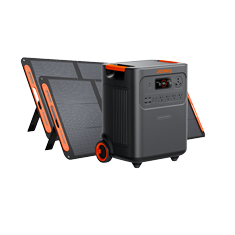
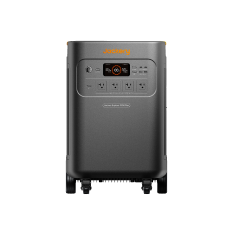
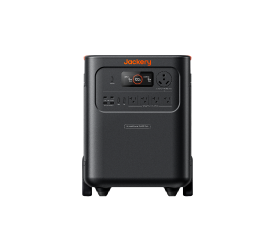
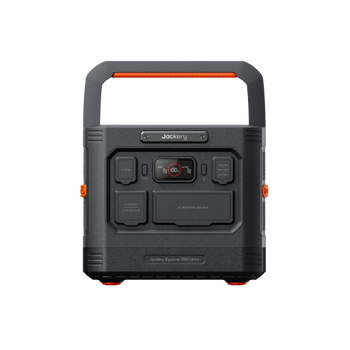
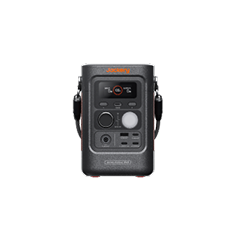
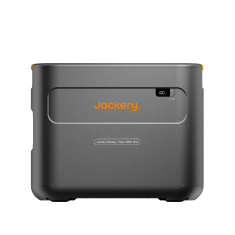
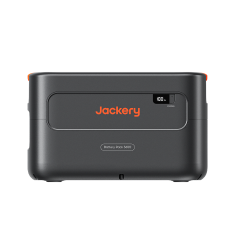
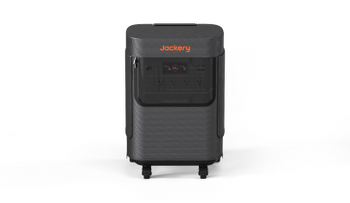
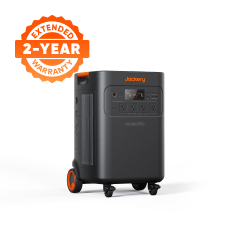
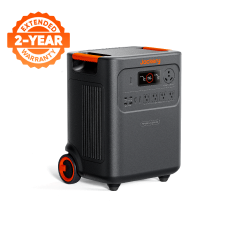
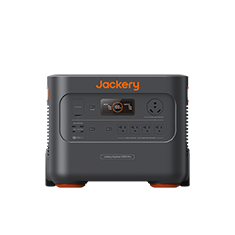
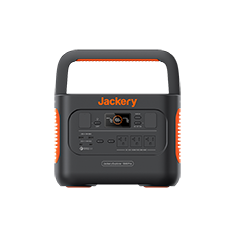
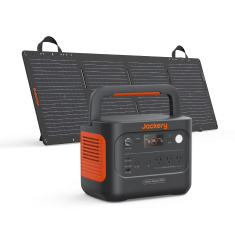
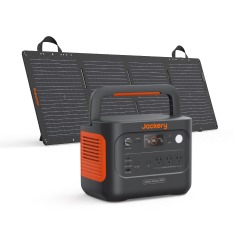
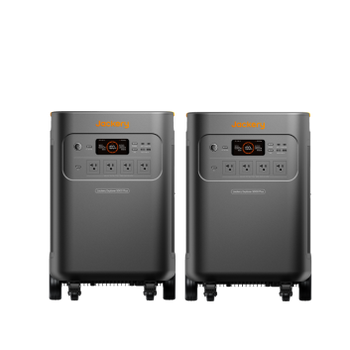
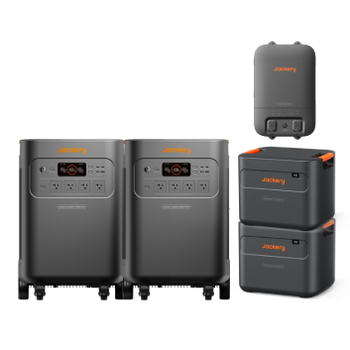
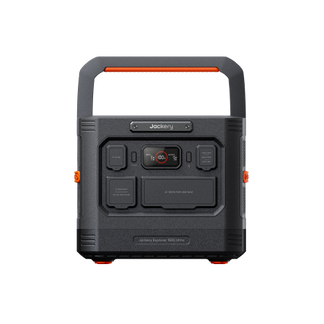
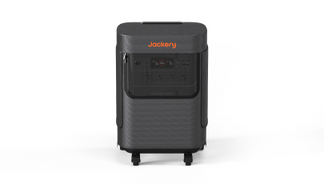
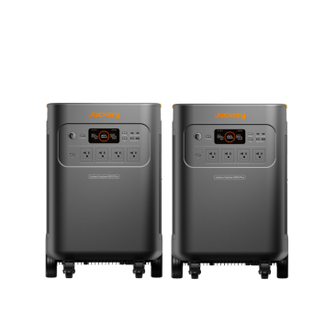
- Recommended Unit: Jackery Solar Generator 5000 Plus
- Capacity: 5040Wh (Expandable up to 60kWh)
- Output: 7200W (Surge Peak 14400W)
- Key Feature: UPS with 0ms switchover time
- Use Case: The Jackery Solar Generator 5000 Plus provides seamless transition for sensitive electronics and supports heavy-duty 240V appliances, effectively acting as a powerful home backup.
Scenario B (Versatile Backup)
This scenario balances mobility with significant power output, suitable for running tools, kitchen appliances, or a home office setup.
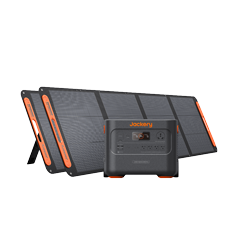
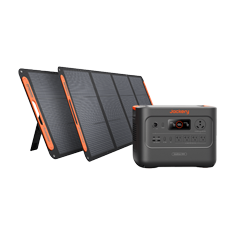
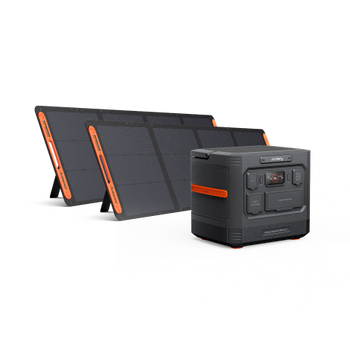
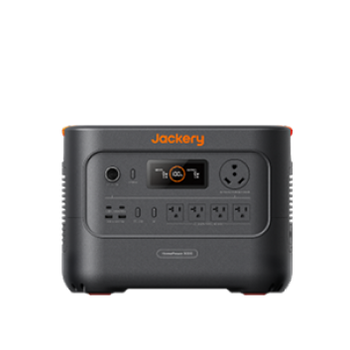
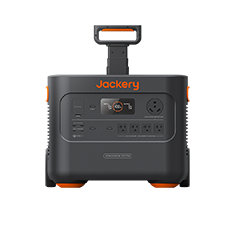
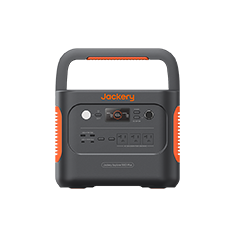
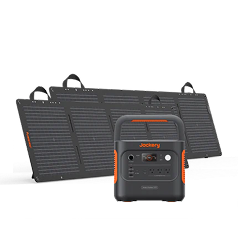
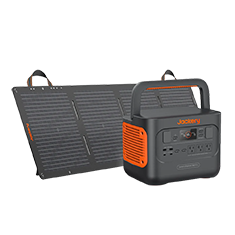
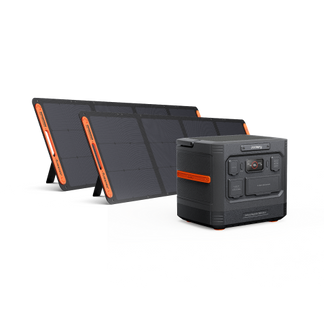
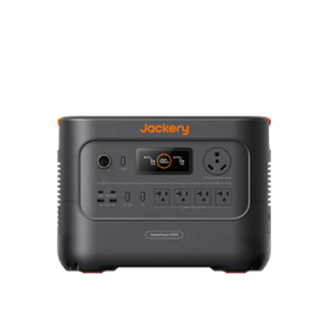
- Recommended Unit: Jackery Solar Generator HomePower 3600 Plus
- Output: 3600W (Surge Peak 7200W)
- Protection: UPS 0.01s (10ms) seamless power backup
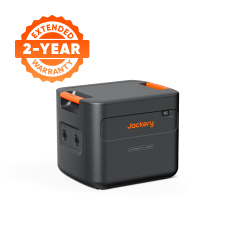
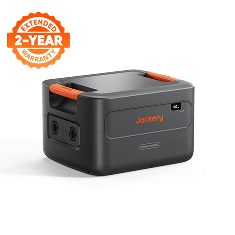
- Key Feature: 3584Wh LiFePO4 Capacity (Expandable to 21kWh)
- Use Case: The Jackery Solar Generator HomePower 3600 Plus features a durable LiFePO4 battery with a 10-year lifespan. With a rapid 0.01s switchover time to protect sensitive electronics and the ability to expand capacity for weeks of runtime, it offers a future-proof solution for extended load shedding events.

Scenario C (Essentials Only)
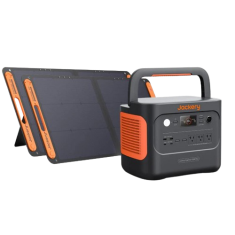
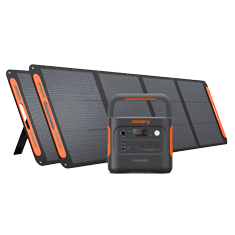
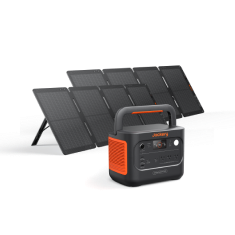
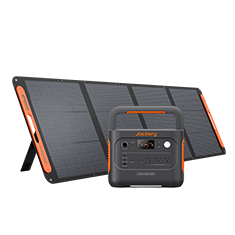
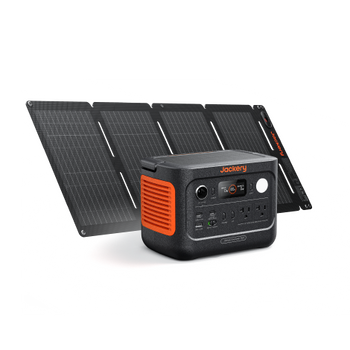
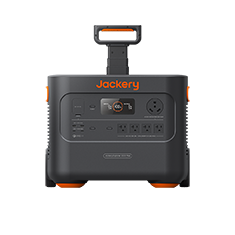
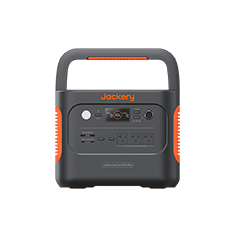
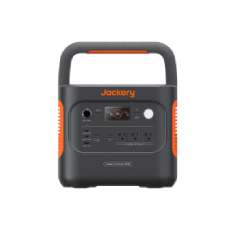
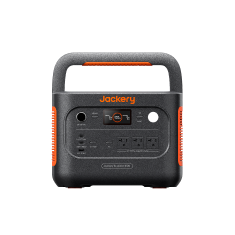
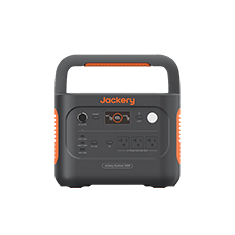
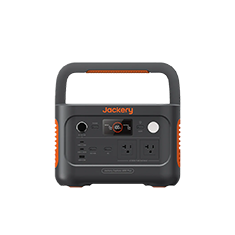
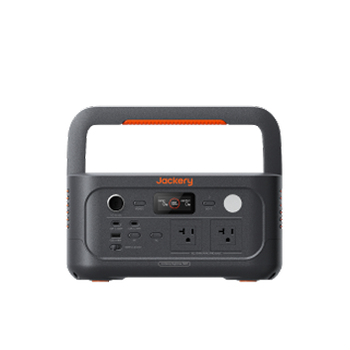
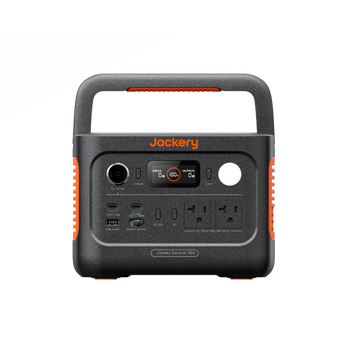
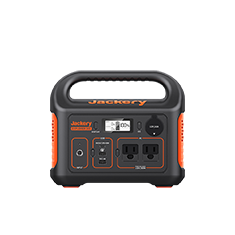
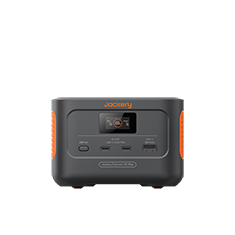
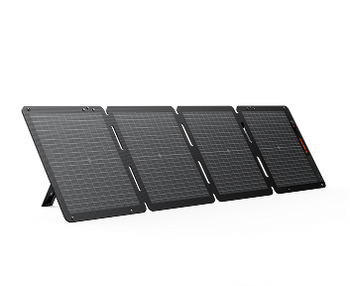
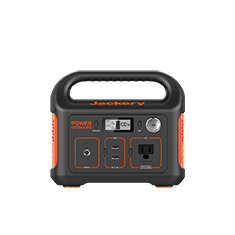
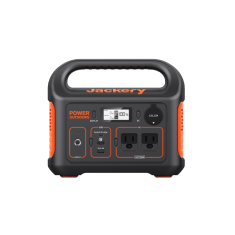
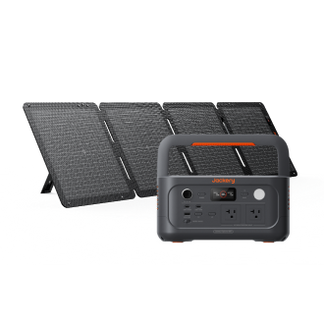
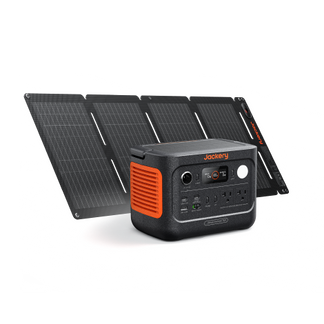
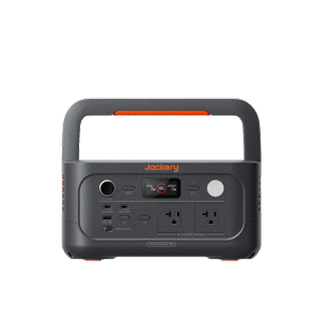
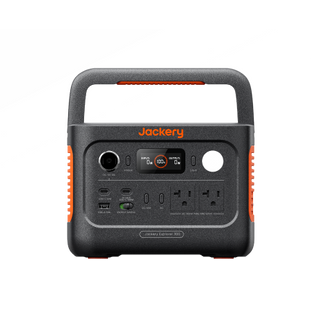
For users who simply need to keep Wi-Fi running, charge phones, and power a laptop, smaller portable units (300-1000Wh) are sufficient. These are cost-effective entry points into energy security.
Long-Term Resilience and Community Action
Can the Grid Be Modernized?
Ending load shedding requires systemic modernization. Smart grids utilize advanced monitoring to balance loads precisely, preventing broad outages. Simultaneously, investing in infrastructure maintenance and new generation sources is critical for achieving long-term grid stability.
Do Renewables Play a Role?
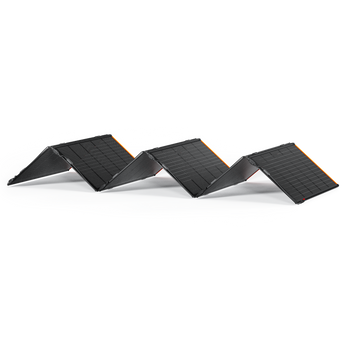
Distributed generation reduces grid strain by lowering the demand utilities must meet. For homeowners, personal energy storage provides independence, insulating your household from instability by allowing you to generate and store your own power. For more on surviving without grid reliance, read our guide on how to live without electricity.
Practical Case Studies
The Remote Worker
Sarah, a graphic designer, faces frequent daytime outages. She uses a small UPS for her fibre box and router to maintain internet connectivity. For her laptop and monitors, she utilizes a portable power station, allowing her to meet deadlines regardless of the utility schedule.
The Medical Household
The Johnson family cares for an elderly parent requiring an oxygen concentrator. They cannot risk a power failure. They rely on the Jackery Solar Generator 5000 Plus. The generator's 0ms UPS feature ensures the medical equipment never stops, even for a second, providing peace of mind and safety.
The Small Business
A local coffee shop installed a hybrid system comprising solar panels and battery backup. This load shedding generator setup keeps their Point-of-Sale (POS) system and espresso machine running. While competitors close during outages, this shop remains open, increasing their customer base and revenue.
Frequently Asked Questions (FAQs)
Will a surge protector stop load shedding?
No, a surge protector cannot keep the power on; it only protects your devices from voltage spikes when the electricity returns.
How long will a battery last?
You can estimate runtime using this formula: Battery Capacity (Wh) × 0.85 / Device Wattage = Hours.
Can I claim spoiled food on insurance?
You must check your specific policy wording, as many insurers exclude losses caused by deliberate grid acts or scheduled interruptions.
Is solar viable during load shedding?
Yes, but only if you have a battery backup; standard grid-tied solar systems shut off during outages for safety reasons to protect line workers.
Conclusion
Load shedding is manageable. By monitoring schedules and investing in a load shedding generator, you turn a crisis into a minor inconvenience. Assess your critical devices today and secure a backup solution to keep your lights on when the grid goes dark.
Appendix: Decision Tools
Wattage Chart
Use these average values to estimate your power requirements. Check your specific device labels for exact numbers.
|
Appliance |
Estimated Wattage |
|---|---|
|
Wi-Fi Router |
10W |
|
CPAP Machine |
40W - 80W |
|
LED Light Bulb |
9W |
|
Laptop |
60W |
|
Refrigerator |
150W - 800W |
|
Sump Pump |
800W - 1050W |
|
Microwave |
1000W |
|
Coffee Maker |
1000W |