



















Power grid resilience is the grid's ability to withstand disruptions, limit how much damage they cause, and recover from them quickly. It matters to US households because it shapes three things directly: how often outages happen, how severe they get when they do, and how fast the lights come back on afterward.
What actually threatens power grid resilience is a mix of factors: aging equipment, extreme weather, rising electricity demand, and security risks all play a role, and utilities and regulators are actively working across all of them. This article walks through what resilience means, how it differs from reliability, what puts pressure on it today, how the grid is being strengthened, and what all of this means for your own household.
Key Takeaways
- Power grid resilience means how well the grid withstands disruptions, limits their impact, and recovers quickly afterward.
- Resilience differs from reliability: reliability is about consistent everyday service, whereas resilience is about handling the unexpected.
- Aging infrastructure, extreme weather, rising electricity demand, and security threats are the main pressures on US grid resilience.
- Utilities improve resilience through infrastructure hardening, grid modernization, energy storage, microgrids, and faster restoration planning.
- No grid can eliminate every outage, so household-level preparedness still matters even as the broader grid improves.
What is Power Grid Resilience?
Power grid resilience is the grid's capacity to anticipate, absorb, adapt to, and rapidly recover from a disruptive event, while limiting the magnitude and duration of the disruption itself. This framing draws on the definition regulators and grid-security bodies, including FERC and NERC, have developed specifically to describe how the power system handles unexpected or extreme events, as distinct from its everyday performance.
In practical terms, a resilient grid does five things: it withstands a disruptive event to whatever extent possible, continues serving customers where it still can, limits the overall impact of the disruption, restores service as quickly as conditions allow, and adapts based on what it learns from each event. Resilience applies across generation, transmission, and distribution, as well as the response and recovery process that follows an event.
How is Power Grid Resilience Different From Grid Reliability?
Reliability and resilience are related but not identical. Grid reliability is generally understood as a "before-the-fact" concept. It combines adequacy (having enough generation and transmission resources to meet expected demand) and security (the grid's ability to withstand normal disturbances), and it is typically measured using standard metrics like outage frequency and average outage duration.
Resilience, by contrast, is more of an "after-the-fact," event-oriented concept. It is specifically about how well the system anticipates, absorbs, adapts to, and recovers from disruptive events, especially unexpected or extreme ones that fall outside normal operating conditions. The two ideas overlap heavily and are often used interchangeably in casual conversation, but they aren't quite the same thing.
|
Grid Reliability |
Power Grid Resilience |
|
Consistent, everyday service under expected conditions |
Ability to withstand and recover from unexpected or extreme events |
|
Focuses on adequacy (enough resources) and security (withstanding disturbances) |
Focuses on anticipation, absorption, adaptation, and rapid recovery |
|
Measured with standard metrics (e.g., outage frequency/duration) |
Less standardized measurement; often qualitative or event-based |
|
A "before-the-fact" concept |
An "after-the-fact," event-oriented concept |
What Threatens Power Grid Resilience in the US?
A handful of overlapping pressures make resilience an ongoing challenge rather than a solved problem. None of them, on their own, threatens the entire grid at once. However, together they explain why resilience investment is a continuous, long-term effort rather than a one-time fix.
How Does Extreme Weather Affect Grid Resilience?
Hurricanes, ice storms, extreme heat, severe thunderstorms, flooding, wildfire, and winter storms are recurring pressure points for the US grid. Resilience against weather covers two distinct halves of the problem: preventing damage in the first place through infrastructure hardening, vegetation management, and pre-positioning repair crews ahead of a forecast event, and restoring service efficiently once damage has occurred.
Most weather events cause localized damage and do not lead to widespread, region-scale outages. The events that make national news (a major hurricane knocking out power across an entire state, for instance) are the exception, even though they are the ones most associated with the term "grid resilience" in public conversation.
How Does Aging Infrastructure Affect Grid Resilience?
A meaningful share of US transmission and distribution equipment, such as transformers, substations, and lines, has been in service for decades. Some of this equipment, particularly large power transformers, can take a long time to replace once a utility decides it's needed, since manufacturing and delivery lead times for that kind of equipment can stretch well beyond a year.
Well-maintained older equipment can continue operating safely for a long time, and age alone is not a reliable predictor of failure. That said, proactive replacement and modernization still matter for long-term resilience, since older equipment is generally less able to support advanced monitoring, automated fault isolation, and other resilience-enhancing technologies that newer equipment is built to handle.
How Does Rising Electricity Demand Affect Grid Resilience?
Electricity demand in the US is increasing, driven by a combination of factors: data centers and AI-related computing infrastructure, expanding domestic manufacturing, growing electric vehicle charging needs, and broader electrification of things like home heating.
The Department of Energy's 2026 National Transmission Needs Study specifically identifies load growth from data centers, large industrial facilities, and general economic expansion as key drivers of additional transmission capacity needed across the country.
The core resilience challenge here is timing. Large new electricity loads, such as a data center campus, can come online faster than utilities can plan, permit, and build the new transmission and substation capacity needed to serve them reliably. That mismatch is one of the more pressing near-term resilience concerns utilities and regulators are actively working through.
Can Cybersecurity and Physical Security Affect Grid Resilience?
Yes, cybersecurity and physical security can affect grid resilience in a general sense. The grid faces both cyber threats aimed at control systems and communications, and physical threats aimed at substations and other critical infrastructure.
What's worth understanding at a high level is that most security incidents are contained through isolating the affected equipment or system. Utilities, NERC, and federal agencies like CISA and DOE maintain security standards and coordination specifically aimed at limiting how far any single incident can spread.
How Does the US Improve Power Grid Resilience?
There is no single technology or policy that solves grid resilience on its own. It is built through a combination of hardening, modernization, and operational improvements working together. The main categories of ongoing work include:
- Hardening infrastructure by reinforcing poles, lines, and substations against weather and physical stress.
- Proactively replacing vulnerable or aging equipment rather than waiting for failure.
- Grid modernization by deploying advanced monitoring, automated controls, and "self-healing" devices that can detect a fault and automatically reroute power around it.
- Better forecasting for both weather events and electricity demand, so utilities can prepare resources ahead of time.
- Vegetation management by proactively clearing growth near lines to reduce a leading cause of outages.
- Improved communications and restoration coordination by helping utilities restore power faster and keep customers accurately informed during an event.
- Interconnection and transmission expansion by building out the network so power can be rerouted around a localized problem rather than leaving an area fully isolated.
Each of these measures addresses a different part of resilience: prevention, detection, response, or recovery, which is why utilities and regulators pursue them together rather than treating any single one as sufficient by itself.
What Does Power Grid Resilience Mean for Homeowners?
In practical terms, a household might experience several different kinds of outages over time:
- Short and routine interruptions that resolve in minutes to hours
- Extended outages following a major weather event
- Less commonly, longer disruptions tied to significant infrastructure damage
Grid resilience work is aimed at reducing the frequency and severity of the more serious end of that range, and speeding up recovery when disruptions do happen.
What is actually at stake at home during any of these outages is fairly consistent: refrigeration and food safety, communications and internet-connected devices, lighting, heating or cooling, and things like sump pumps that protect against secondary damage.
Ongoing grid-resilience investment generally works to reduce how often and how severely households experience disruption over time, but it does not eliminate the possibility of an outage reaching your home. There is no reasonable basis for expecting a nationwide blackout.
The more realistic takeaway is that individual, localized outages remain a normal part of owning a home, regardless of how resilient the broader grid becomes.
How Can Households Prepare for Grid Outages?
Preparing for a power outage works alongside grid-level resilience rather than instead of it. The grid improving over time does not remove the value of having your own plan for the outages that still happen. Here is a concise power outage preparation checklist:
- Identify your essential electrical loads: what genuinely needs power (refrigeration, medical equipment) versus what can wait.
- Keep basic emergency supplies on hand, including water, non-perishable food, flashlights, and batteries.
- Have a communications plan, charged phones, and an agreed way to reach other household members.
- Protect food and medication by practicing fridge/freezer door discipline
- Keep phones and backup batteries or power banks charged.
- Consider portable backup power for key devices like a refrigerator, router, or lights.
- Consider a larger backup system if your household relies on higher-load equipment like a well pump, central HVAC, or multiple large appliances.
- Follow your local utility's outage guidance and alerts, including for any planned or scheduled power outages.
How Does the 2026 Grid-Security Order Relate to Power Grid Resilience?
On August 26, 2026, the President signed an executive order declaring a national emergency to secure the US bulk-power system. The order focused on the security of certain foreign-produced bulk-power system electric equipment and associated technologies and software.
The executive order does not cause household outages, does not predict future blackouts, does not make outages more likely, does not require households to buy backup power, does not directly improve household-level resilience, and does not change any household's legal obligations.
It is a bulk-power-system equipment-security action rather than a household-outage event. In the broader resilience conversation, it reflects continued federal attention to the security of bulk-power-system equipment as one input among many into national grid resilience efforts.
What are the Limits of Power Grid Resilience?
No grid, however modernized, can eliminate every outage. Severe events, such as a major hurricane or a significant ice storm, can still cause substantial, widespread damage regardless of how much resilience investment has gone into the system beforehand. Resilience is best understood as a combination of prevention, response, and recovery capability.
It is also worth separating bulk-grid resilience from local distribution reliability. A downed line or a damaged transformer on a single street can knock out power to a handful of homes even when the broader bulk transmission system is stable and completely unaffected. That is precisely why household-level preparedness remains useful independent of how much the broader grid improves.
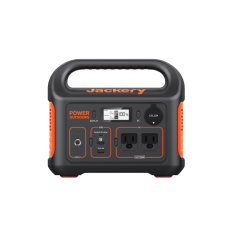
Which Jackery Solar Generators Can Help During a Grid Outage?
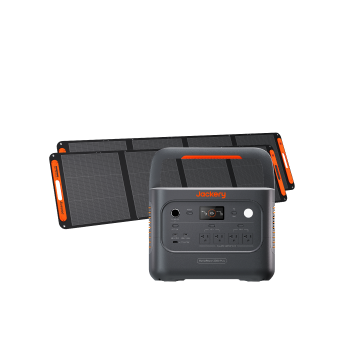
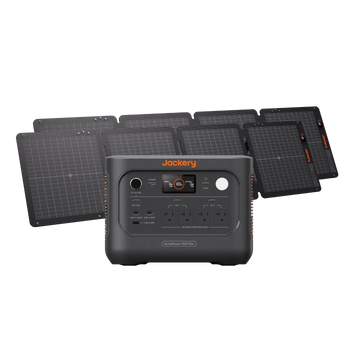
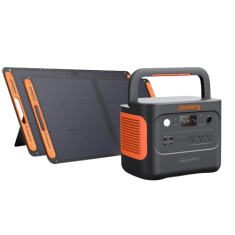
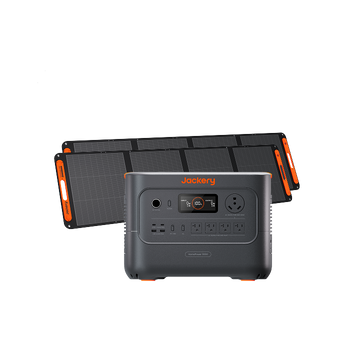
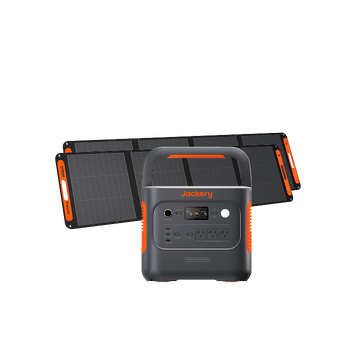
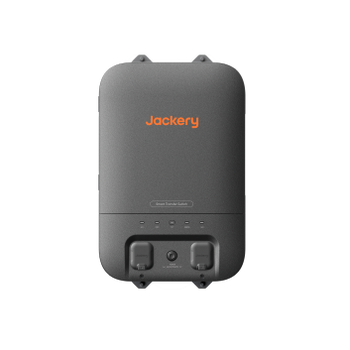
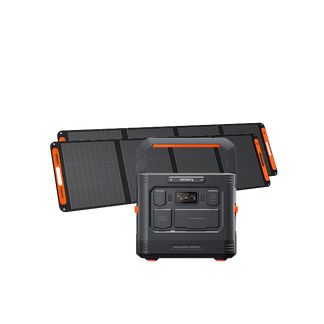
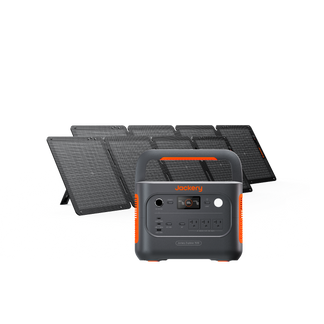
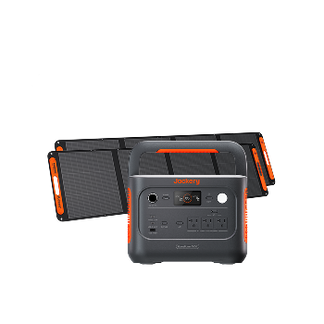
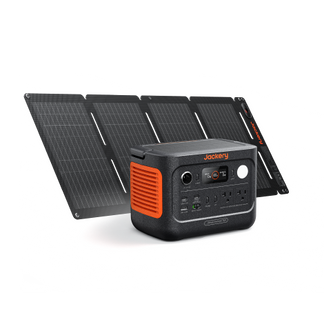
Grid resilience is a system-level effort, but the outage that actually reaches your kitchen is a local event. Household backup power solutions keep a specific set of essential loads running at your home while the grid recovers. The right solar generator size depends on what you actually need to protect and for how long, so the three tiers below move from a compact single-household option up to a high-capacity system built for longer or larger-load outages.
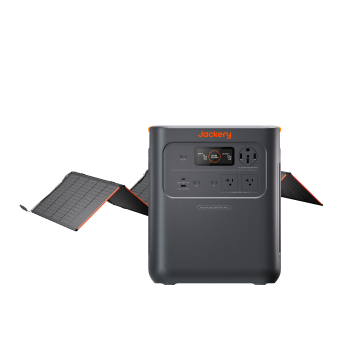
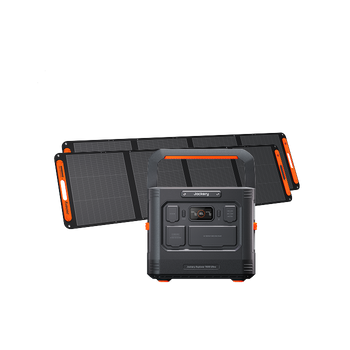
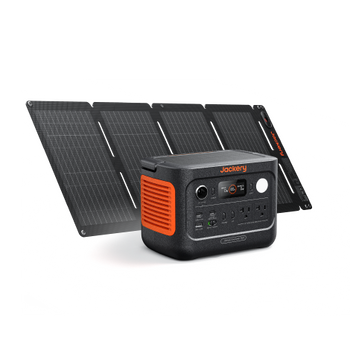
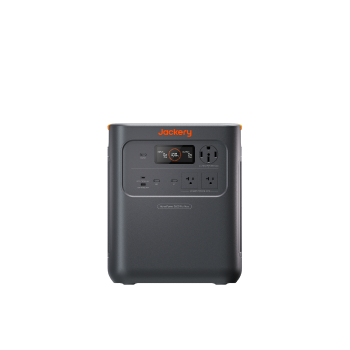
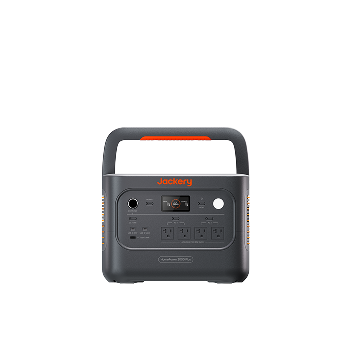
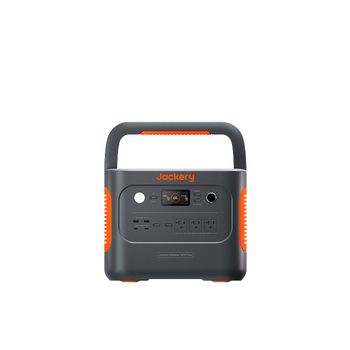
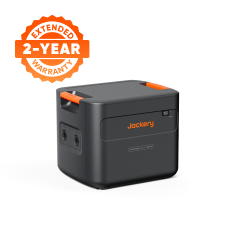
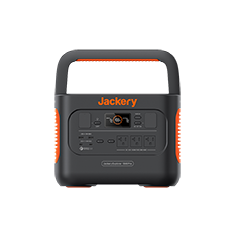
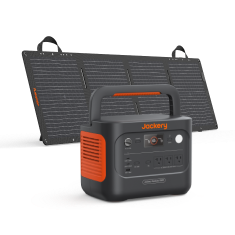
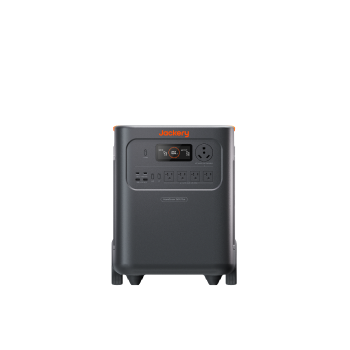
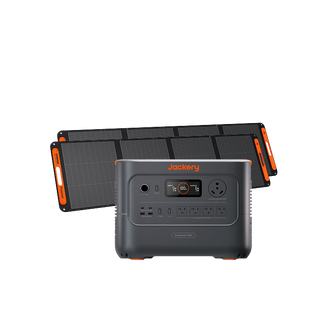
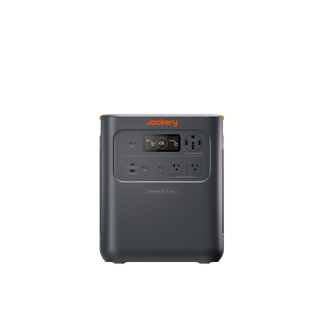
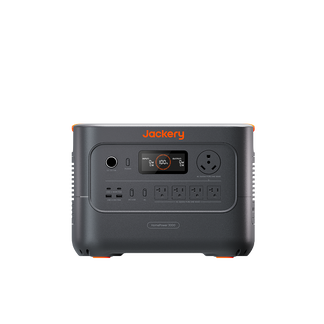
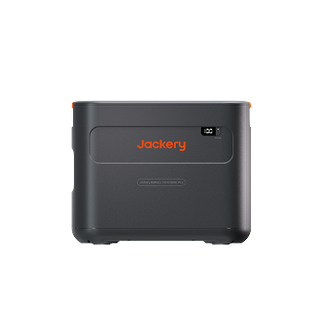
Jackery Solar Generator HomePower 2000 Plus v2
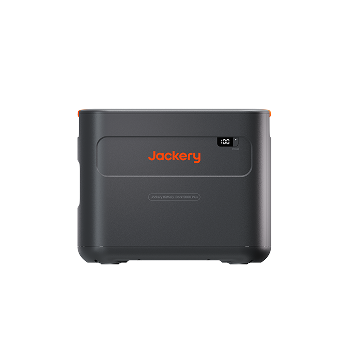
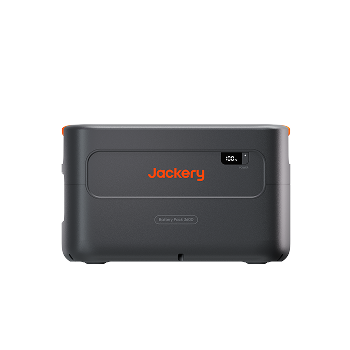
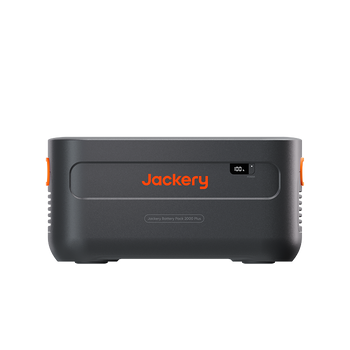
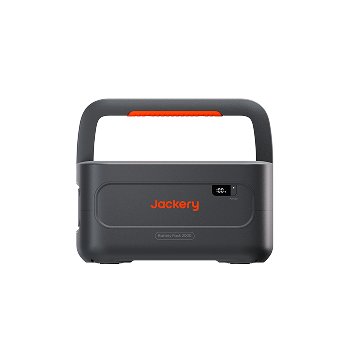
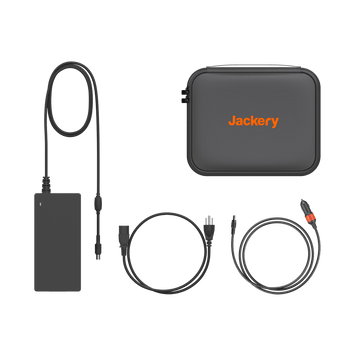
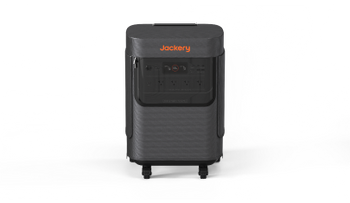
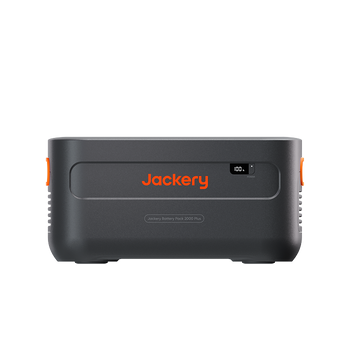
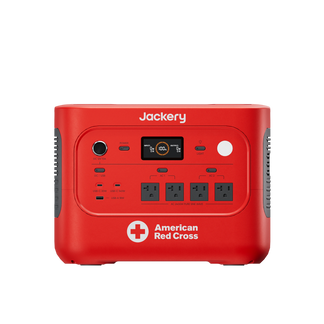
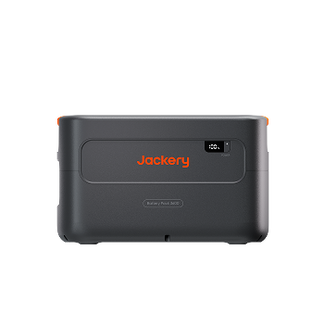
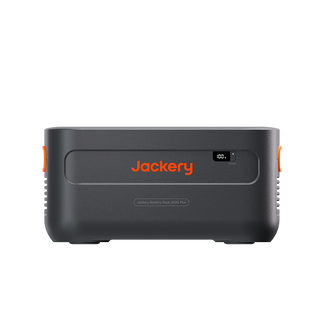
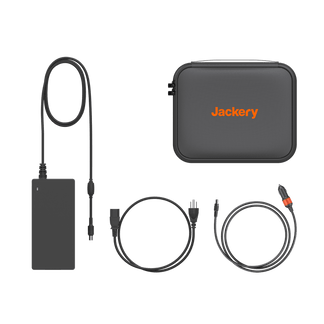
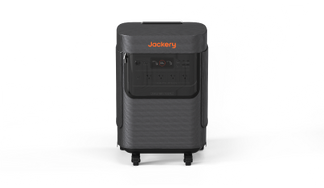
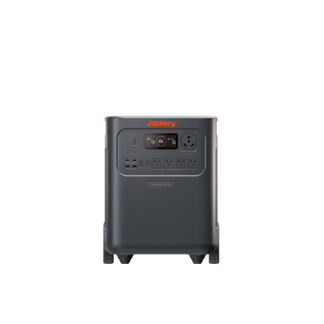
The Jackery Solar Generator HomePower 2000 Plus v2 is a home battery backup solution built with the Smart Energy Management and Priority Routing feature. It lets a household set which circuits stay powered first as the battery draws down, so the refrigerator and lights keep running even if less essential loads get cut automatically. It can expand up to 12kWh with add-on batteries, so you can keep essentials powered even if an outage runs longer than expected.
Appliances Running Time
- Refrigerator (300W) = 5.0H
- WiFi Router (10W) = 60.0H
- Portable Fan (60W) = 22.0H
- Laptop (65W) = 20.0H
- Window AC Unit (900W) = 2.0H
Who Should Buy This
The Jackery Solar Generator HomePower 2000 Plus v2 is ideal for households wanting an expandable home battery backup solution that can automatically prioritize a handful of essential circuits (fridge, router, and lights) through outages ranging from a few hours to about a day.

Customer Review
It was delivered so quickly! I have assembled the solar panels, which are really big, and have been familiarizing myself with them. Took it out to the goat barn to run fan and lights and was impressed with how long it ran without much drop in stored power, 98%.
— Kathy W.
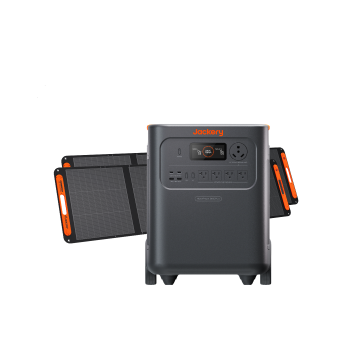
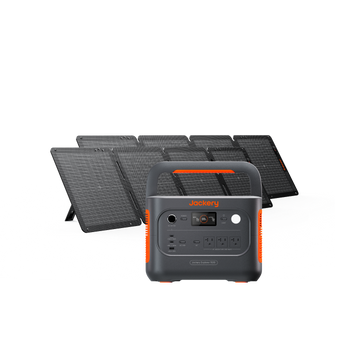
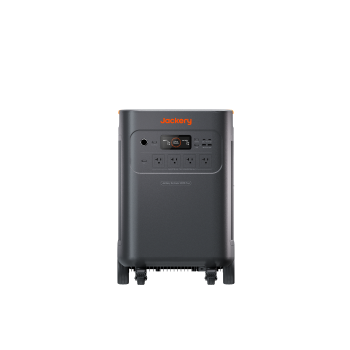
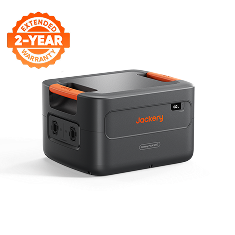
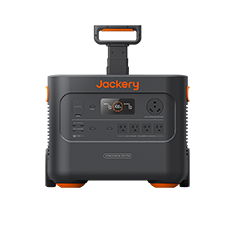
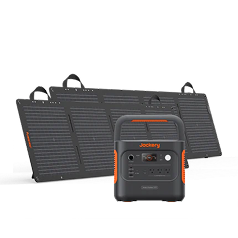
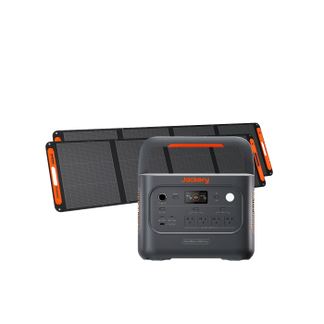
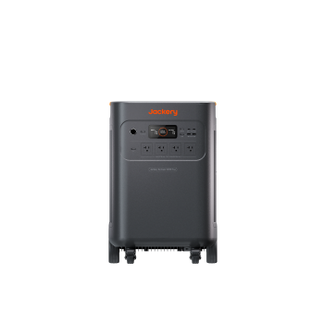
Jackery Solar Generator HomePower 3600 Plus
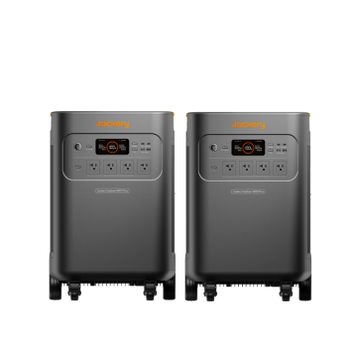
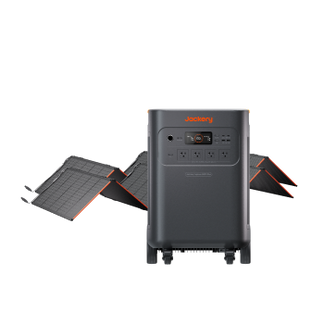
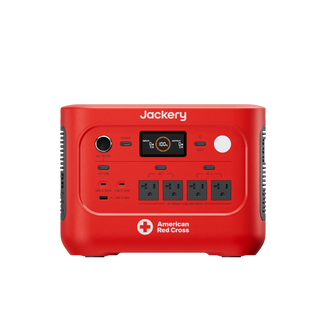
The Jackery Solar Generator HomePower 3600 Plus is an essential home backup solution that can be expanded up to roughly 21kWh (and higher with linked units) for households who want to cover more than the essentials during a longer disruption. Its sub-10-millisecond UPS-style switchover matters most for anyone running a home office, where even a brief interruption during transfer could restart sensitive electronics. It is a meaningful advantage if a resilience-related outage, such as a regional heat event straining demand, stretches into a full day or more.
Appliances Running Time
- Refrigerator (300W) = 9.5H
- WiFi Router (10W) = 95.2H
- Portable Fan (60W) = 37.2H
- Laptop (65W) = 35.0H
- Window AC Unit (900W) = 3.3H
Who Should Buy This
The Jackery Solar Generator HomePower 3600 Plus is suitable for households planning to run several essential circuits simultaneously (fridge, office, and lighting) through outages lasting most of a day, with room to expand if outages in the area tend to run longer.

Customer Review
I was thrilled to find the unit was with a 20+% charge on it. We had lost power and the sump pit was filling up. We plugged the sump pump in and it took care of the water. It ran over an hour and still had power. The rain had stopped but more was on the way. I took the unit to a neighbor's house to fully charge it. In about 2.5 hours it was ready to go.
— Cathy.
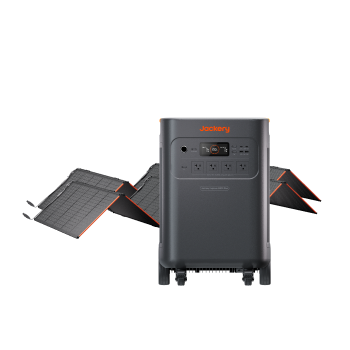
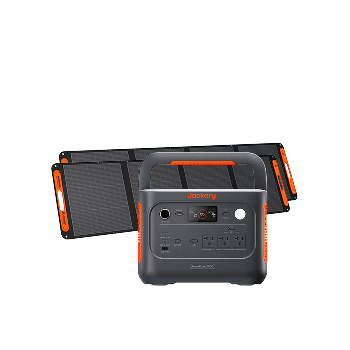
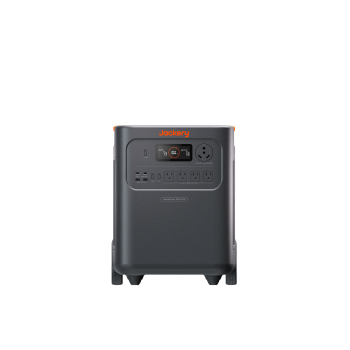
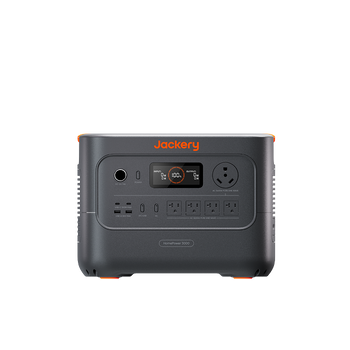
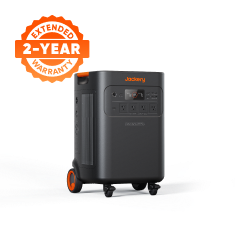
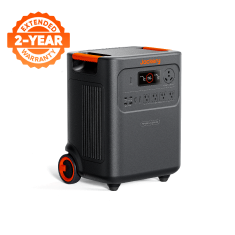
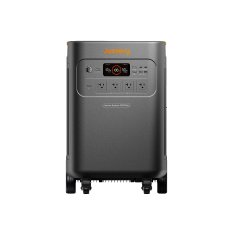
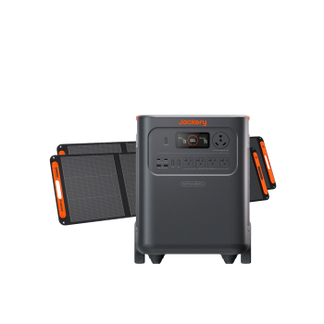
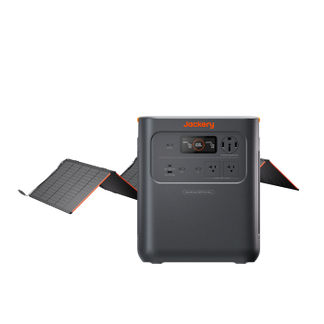
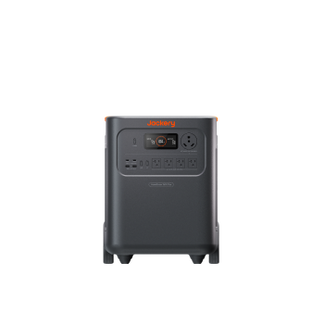
Jackery Solar Generator 5000 Plus
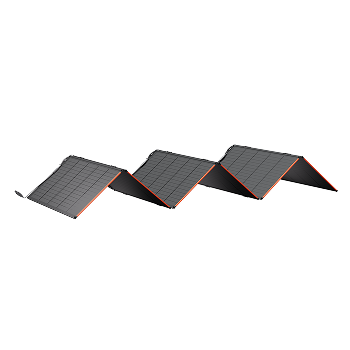
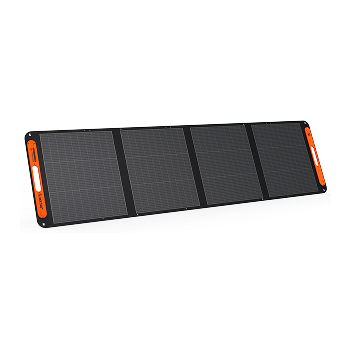
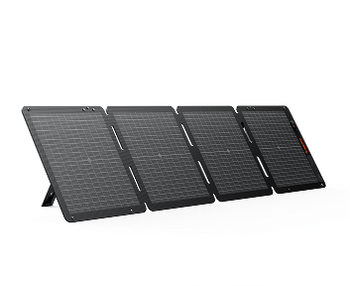
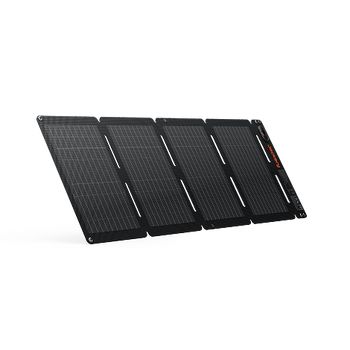
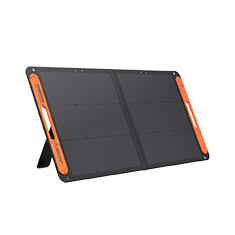
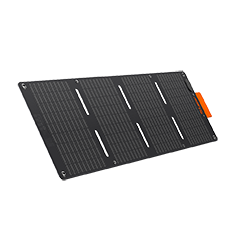
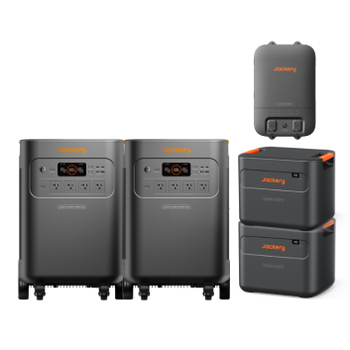
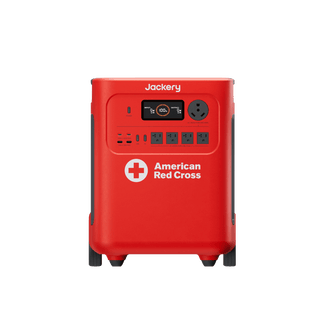
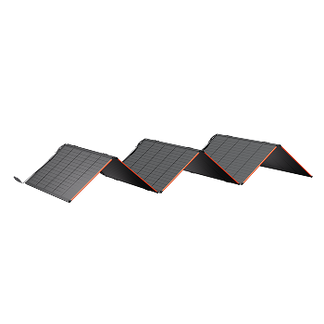
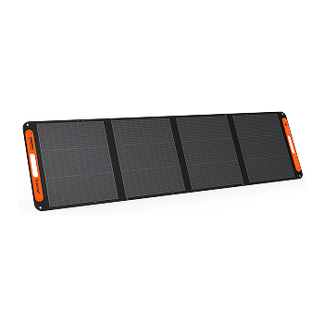
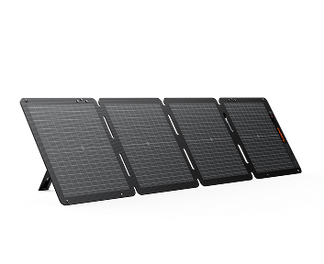
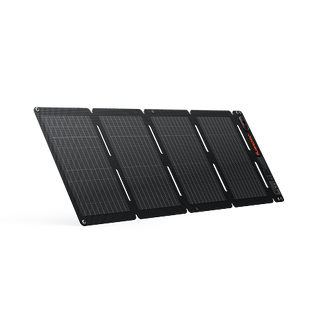
The Jackery Solar Generator 5000 Plus is sized for essential home coverage during extended or severe-weather-driven outages. Its dual-voltage support (120V and 240V) means larger 240V loads like a well pump or central AC can run without a separate system, and its solar-recharging capability with the Jackery SolarSaga 500X Solar Panels lets a household extend runtime indefinitely during a daytime outage without depending on the grid at all.
Appliances Running Time
- Refrigerator (300W) = 12.2H
- WiFi Router (10W) = 71.4H
- Portable Fan (60W) = 38.9H
- Laptop (65W) = 37.3H
- Window AC Unit (900W) = 4.5H
Who Should Buy This
The Jackery Solar Generator 5000 Plus is ideal for larger households, homes with large appliances needing 240V, or anyone in a region where severe weather or aging infrastructure tends to produce longer, less predictable outages.

Customer Review
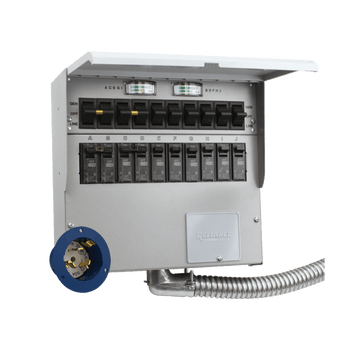
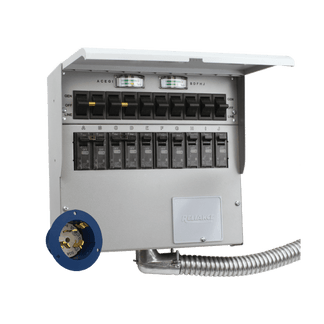
Love my Jackery solar generator and smart transfer switch. I have already put it to use to offset reliance on the grid and stand ready for any outages.
— Gmeghoo.
FAQs
Why is power grid resilience important?
Power grid reliance directly affects how often outages happen, how severe they get, and how quickly service is restored. All of these factors shape how much disruption a household or business experiences when something goes wrong.
What makes the US power grid less resilient?
Aging infrastructure, extreme weather events, rapidly rising electricity demand from data centers and other large loads, and cybersecurity or physical security risks are the primary pressures affecting US grid resilience.
How does extreme weather affect grid resilience?
Extreme weather can damage lines, poles, and substations, requiring both preventive measures like infrastructure hardening and vegetation management, and efficient restoration once damage occurs. However, most weather events cause localized rather than widespread damage.
How can the power grid become more resilient?
The power grid becomes more resilient through a combination of infrastructure hardening, proactive equipment replacement, grid modernization with automated monitoring and self-healing technology, improved forecasting, and better restoration coordination.
Does battery storage improve grid resilience?
Grid-scale battery storage, microgrids, and other distributed energy resources can improve resilience by allowing smaller areas to keep operating independently during a broader disruption, but this is distinct from a household battery, which protects one home's essential loads rather than the grid as a whole.
Can a power station keep a home running during a grid outage?
Yes, a portable power station sized to your household's essential loads (like a refrigerator, router, or lights) can keep those specific devices running during an outage, though it does not make the broader grid more resilient.
Conclusion
Power grid resilience is a long-term, system-wide effort spanning generation, transmission, distribution, and recovery. While US utilities and regulators continue investing in hardening, modernization, and storage to strengthen it, no amount of grid-level improvement removes the value of having your own backup plan.
Jackery Solar Generators keep the refrigerator cold, the kitchen appliances running, and the lights on while the broader grid recovers, and recharge from solar power when the outage runs long enough that grid power is not an option. Whether the next disruption comes from a summer heat wave, an aging transformer, or routine maintenance, matching household loads to the right solar generator turns an uncertain event into a manageable one.


