
















![[Add - on] Jackery Manual Transfer Switch for Explorer 5000 Plus - Jackery](http://www.jackery.com/cdn/shop/files/add-on-jackery-manual-transfer-switch-for-explorer-5000-plus-9017324.png?v=1754016782&width=350)













![[Add - on] Jackery Manual Transfer Switch for Explorer 5000 Plus - Jackery](http://www.jackery.com/cdn/shop/files/add-on-jackery-manual-transfer-switch-for-explorer-5000-plus-9017324.png?v=1754016782&width=324)


![What Is The Average Electric Bill in Chicago [2026 Updated] - Jackery](http://www.jackery.com/cdn/shop/articles/what-is-the-average-electric-bill-in-chicago-2026-updated-5056298.jpg?v=1774134743&width=800)
The average monthly residential electricity bill in Chicago, Illinois, is $93.38. This is based on an average monthly electricity usage of 637 kWh and an average rate of 14.66 cents per kWh.
Chicago, the largest city in Illinois, is home to over 2 million people. As of March 2026, Chicago's average electricity rate per kWh is 14.66 cents per kWh, which is lower than the Illinois electric rate of 17.07 cents per kWh. The increased rate has affected the average electric bill in Chicago and forced people to look for alternative options to lower their monthly utility bills.
Jackery Solar Generators are essential home backup solutions that can run appliances using clean energy and lower your electricity bills in Chicago, Illinois. These solar generators work by converting free solar energy into usable AC electricity to power a wide range of household appliances, including ACs, refrigerators, TVs, sump pumps, CPAP machines, and kitchen appliances.
Takeaways
- The average cost of electricity for Chicago area households was around 14.66 cents per kilowatt-hour (kWh) in March 2026, which is slightly lower than the Illinois average of around 17.07 cents per kWh during the same period.
- The "Price to Compare" for ComEd customers, which combines the electric supply charge and transmission services charge, is approximately 9.6 cents per kWh effective from January 1, 2026.
- If you are a ComEd customer and use around 1,000 kWh, your monthly electric bill in Chicago is $96, as of 2026.
- How much does it cost to live in Chicago.
- Why is your electric bill so high in Chicago.
What Is The Average Electric Bill in Chicago?
In December 2024, the electricity costs in Chicago were around 16.10 cents per kWh, which was much lower than the national average of 17.60 cents. As per the data by the U.S. Bureau of Labor Statistics, the average electric rate in Chicago increased to 16.10 cents per kWh in December 2024. The average electric bill in Chicago is $102.07, with a monthly usage of 634 kWh.
Over the past five years (December 2020 - December 2024), electricity prices in the Chicago area have ranged from 14.10 cents per kWh to 16.10 cents per kWh. Here's a chart that compares the electricity rates of Chicago and the overall US from February 2020 to February 2024.
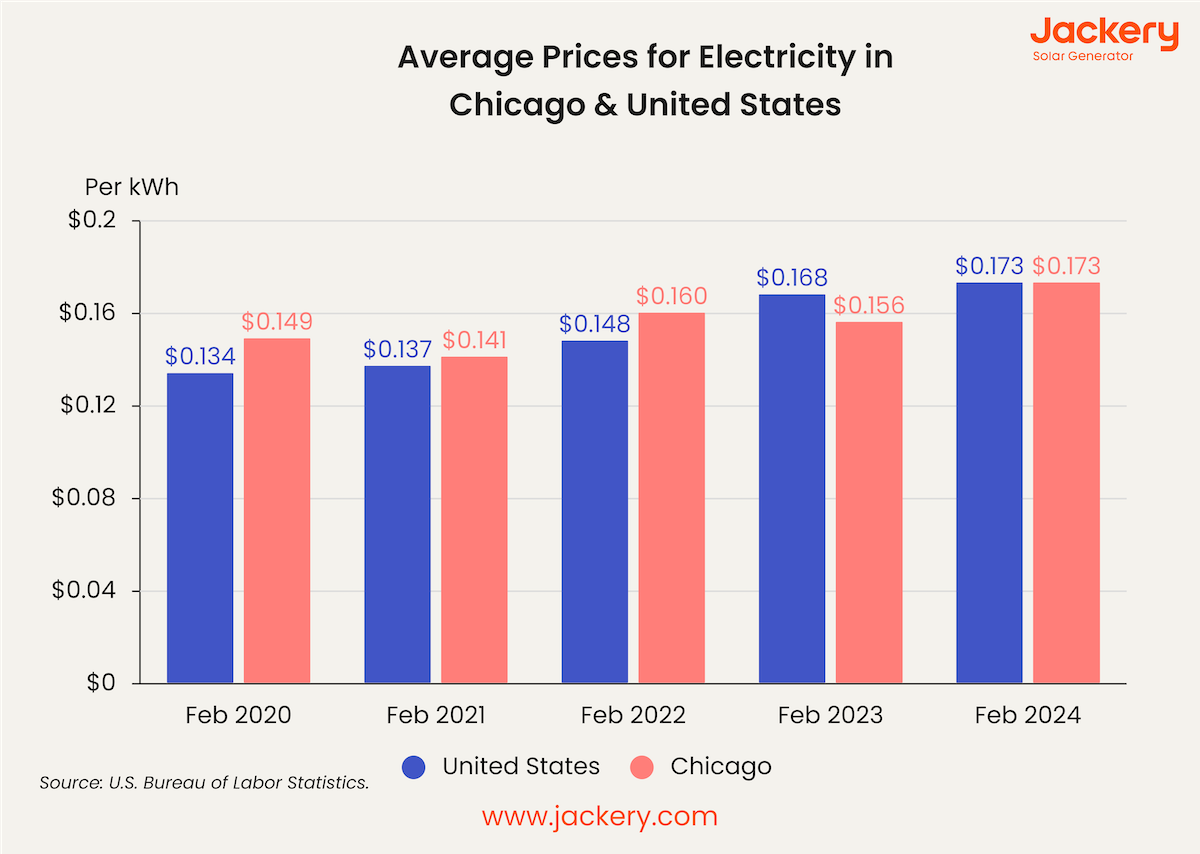
Source: U.S. Bureau of Labor Statistics
According to the March 2026 data from PowerOutage.us, Chicago residents pay nearly 14.66 cents per kWh. In the City of Chicago, the average electric rate lies between 6.57 cents to 35.12 cents per kWh.
Electricity bills and power usage vary depending on the city or state. For example, Connecticut and Hawaii have the highest electricity bills, whereas New Mexico, Colorado, and Utah have less expensive rates. Here's a table comparing the average electric bill of Illinois with that of other US states.
|
State |
Avg. Monthly Electric Bill |
Avg. Electricity Rate |
Avg. Monthly Usage |
|
Illinois |
$114.19 |
17.07 ¢/kWh |
669 kWh |
|
Georgia |
$141.48 |
13.67 ¢/kWh |
1035 kWh |
|
Florida |
$166.27 |
15.02 ¢/kWh |
1107 kWh |
|
California |
$170.42 |
34.71 ¢/kWh |
491 kWh |
|
Hawaii |
$209.34 |
41.62 ¢/kWh |
503 kWh |
Source: December 2025 Data from EIA
What Are The Electric Rates in Chicago?
The electricity rates in Chicago, Illinois, range from 6.57 cents per kWh to 35.12 cents per kWh. However, it may differ depending on the electricity provider you choose and the plan. There are many electricity providers working in the Chicago area, including NextEra Energy, AEP Energy, Public Power, FreePoint, etc.
They offer different plans that vary in contract length and rate. For example, NextEra Energy's 30-month plan costs $0.0684 per kWh, whereas its 24-month plan costs $0.0707 per kWh. ComEd is one of the largest utilities in Illinois, and it provides energy to Chicago and many parts of Northern Illinois. All Illinois residents can freely shop for electricity providers in Chicago.
Energy deregulation has increased competition among Chicago utility companies. Residents can save money on electric bills by shopping for energy rates in Chicago. The residential rate is high, around 19.17 cents per kWh, whereas the commercial electric rate is 16.70 cents per kWh.
Here are a few things to keep in mind when choosing the best electric rate in Chicago.
Your Electricity Needs: The first thing you need to consider is how much kWh you need per month. This will depend on the size of the apartment, the number of appliances you need, etc. Understanding these factors is essential because some plans have discounts after 1500 kWh consumption. So, if you draw less than 1500 kWh from the grid, it won't save you any money.
Contract Length: The most common contract lengths are 6, 12, and 18 months, and sometimes, plans for 24 months or longer are also available. The choice of the term will vary depending on how long you need the service.
Type of Rate: The two standard electricity rate types are fixed and variable. While fixed rates do not change over time, variable rates change based on the time of day, day of the week, month of the year, etc. If your electricity consumption varies throughout the day, you may consider a variable rate plan. On the other hand, if you want a basic and straightforward plan, choose a fixed-rate plan.
How Much Does It Cost to Live in Chicago?
The cost of living in Chicago significantly depends on utility costs, such as electricity, gas, Internet, water, sewer, garbage, etc. According to the U.S. Bureau of Labor Statistics, an average Chicago resident spends $7,148 annually on food at home and $4,567 on food away from home.
Let's explain the cost of each utility in Chicago briefly.
Electricity: The average price of electricity in Chicago is $93.38 per month, with an average monthly consumption of 637 kWh and an electric rate of 14.66 cents per kWh. It may increase in the summer months when the AC is constantly running and in winter when space heaters are used to keep the home warm.
Gas: Chicago residents pay somewhere around $90 - $110 per month for gas. When the temperature falls, the gas bills rise to combat the extra costs due to the surge in electricity.
Chicago households are facing steeper electricity bills in March 2026, with high fuel prices continuing to put upward pressure on the cost of grid power across Illinois. ComEd, the city's primary electric utility, draws from a regional grid that still depends on natural gas for a meaningful share of its generation capacity, meaning fuel market conditions have a direct impact on what residents pay each month. Chicago's climate makes the situation harder to absorb, leaving households exposed to elevated energy bills year-round.
Cable & Internet: The average cost of Internet in Chicago is around $75, with $110 being the national average for cable. However, it may vary depending on the Internet speed. If you don't mind using slow Internet, you can lower the costs of monthly Internet.
Water: The average bill for water in Chicago is around $37.18 per month, effective from June 1, 2026, with a sewer charge added as a separate line item at 100% of the water charge. Therefore, the total charge for water and sewer combined is $74.36 per month. The water rate increased by 1.85% compared to the previous year.
Sewer/Garbage: The city of Chicago charges nearly $10 per month as a garbage fee. However, it is most likely to be handled by the apartment building.
There are many factors affecting the cost of utility companies, including:
Property Type: Top-floor apartments and older-built homes consume different amounts of electricity. For example, the airy top-floor apartments have windows that let in lots of sunlight. This can heat your apartment, increase your cooling bills in summer, and reduce your heating bills. On the other hand, older-built buildings do not have any ACs installed, and hence, they use less energy.
Number of Roommates: More people in the apartment means higher average utility bills in Chicago. Sometimes, having more roommates means cutting utility costs in half by sharing the expenses.
Season: Chicago is best known for its cold, snowy winters. This means you are likely to pay higher heating bills. On the other hand, the warmth of summer months often increases the usage of air conditioners.
Provider: The utility and water prices also depend on the provider. While residents can get water from the city of Chicago, their gas and electricity bills are usually from private providers with different rates.
Features of Home: The electricity consumption for heating and cooling the home will depend on its features. If you want to reduce the high electricity bills, opt for smart thermostats, LED lights, and other energy-efficient gadgets.
Here's a table where we will compare Chicago's living costs with other cities in the US.
|
Utility |
Chicago |
New York |
Los Angeles |
Detroit |
|
Electricity |
$93.38 |
$145.09 |
||
|
Water |
$37.18 |
$40 |
$77-$84 |
$29 |
|
Gas |
$90 - $110 |
$100 |
$409 |
$74 |
|
Cable & Internet |
$75 / $110 |
$70.21 |
$9.99 |
$30 |
Note: Remember, these are the average costs and may be higher or lower depending on utility usage, location, amenities, and apartment size.
Why Is My Electric Bill So High in Chicago?
High electric bills in Chicago can be caused by a combination of factors, including increased electricity rates, changes in usage patterns, and the age and efficiency of your appliances.
If you are getting a higher-than-expected bill from the utility company, it is essential to check the potential reasons that can affect the average electric bill in Chicago. Here are a few of them:
Electric Rate
The electricity rate fluctuates across Chicago and typically increases over time. As the cost you pay for electricity continues to rise, it will lead to high electricity bills even if you are not using more electricity.
Older Appliances
Over time, home appliances can degrade and lose their efficiency. If you have a lot of older appliances at home, it will lead to higher electricity bills. You can consider replacing them with Energy Star appliances that draw less electricity and are more efficient.
Changes in Weather and Seasons
Home appliances like air conditioners work harder on hot days, and heaters run nonstop during cold days. Your electricity bill will likely be higher during the summer or winter months.
Inadequate Insulation
In extreme cold months, air can leak through windows and doors, making it hard to heat the home in winter. Similarly, cold air can leak, making it hard to cool the room during the summer season. As a result, poor insulation can cause high electric bills.
How to Calculate My Electric Bill in Chicago?
To calculate your electric bill in Chicago, you need to determine your electricity usage in kilowatt-hours (kWh) and then multiply that by your electricity rate. You can find your kWh usage on your monthly bill and your electricity rate from your provider.
If you want to calculate the electric bill per month manually, the first step is to understand how much kWh each electric appliance consumes. Here are the steps you need to follow:
List the Home Appliances You Use
The first step is to create a list of household appliances with their wattage and monthly use. You can typically find the wattage on the product. If you can't find the watts directly, use the formula mentioned below:
The most common household appliances that use a lot of electricity include:
- HVAC systems
- Air conditioners
- Space heaters
- Refrigerators
- TVs
- Dishwashers
- Laundry machines and dryers
- Electric ovens and stoves
- Water heaters
Calculate the Electricity Consumption of Each Appliance
The simple formula to calculate the electricity consumption of each appliance is multiplying the appliance wattage by the estimated monthly usage (in hours). For example, if you are using a 100 W TV for 30 hours per month, the total energy consumption will be 100 W × 30 H = 3000 Wh. Then, you can convert the watt-hour into kilowatt-hour by dividing the watt-hour by 1000. In this case, 3000 Wh will be 3000 Wh ÷ 1000 = 3 kWh.
Calculate the Total Kilowatt-hour Consumed
The last step is to add the kWh consumption of all the household appliances you will use at home. The result will be the electricity consumed per month in your Chicago home. For example, if the monthly consumption of your home is 700 kWh, the electricity bill in Chicago will be $102.62 per month.
Jackery Solar Generators for Lowering Your Electric Bills
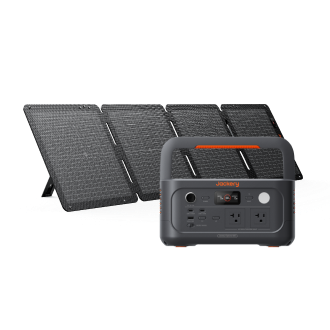
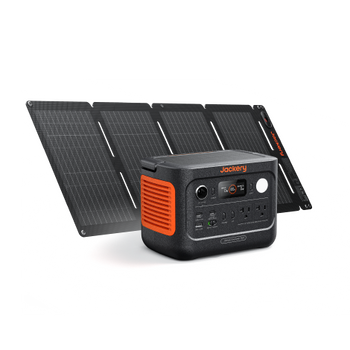
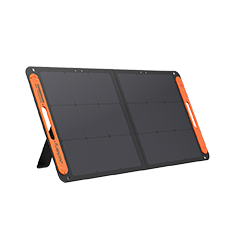
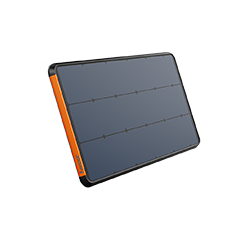
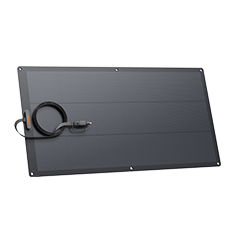
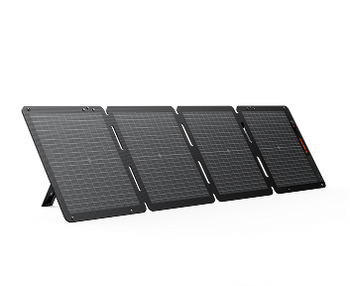
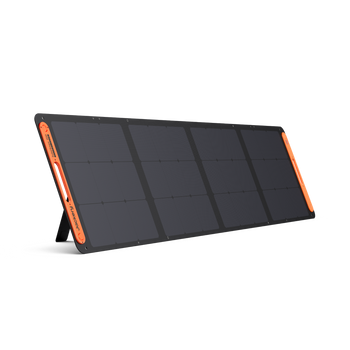
Jackery is a well-known solar brand that manufactures and sells high-quality solar generators, solar panels, and power stations. The Jackery Solar Generators are great off-grid solutions that combine Jackery Portable Power Stations and foldable Jackery SolarSaga Solar Panels.
They work when the sun's rays fall on the monocrystalline silicon solar cells of the solar panels and convert the direct sunlight into DC electricity. This current is passed through the portable power stations, where the pure sine wave inverter converts the DC electricity to AC.
You can then plug the household appliances into the battery backup to start charging them anytime, anywhere. Thus, it helps you reduce the monthly average electric bills in Chicago by lowering the reliance on the utility grid.
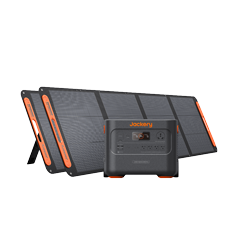
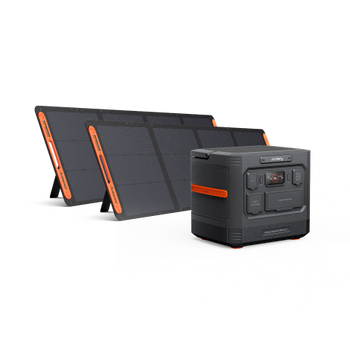
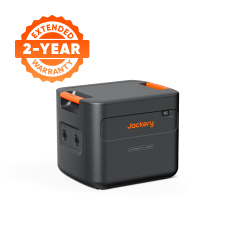
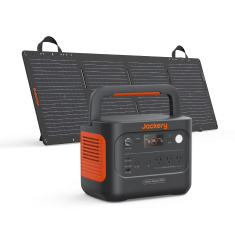
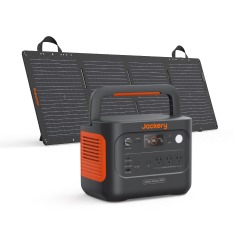
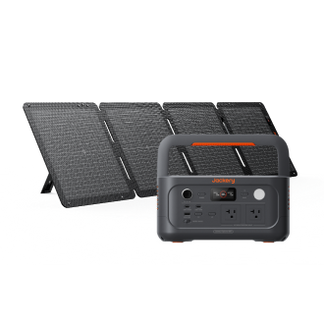
Jackery Solar Generator 2000 Plus
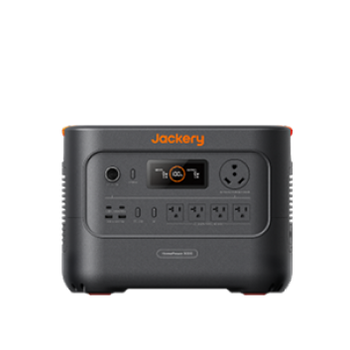
The Jackery Solar Generator 2000 Plus helps Chicago residents reduce their electric bills with a compact and reliable home battery backup solution. In sunny Chicago seasons, you can recharge the power station via solar panels and use stored energy during high-rate periods, especially in the evening when rates often rise. That switch from paid grid electricity to “free” solar can reduce your monthly bill without disrupting your routine.
Appliances Running Time
- Refrigerator (300W) = 5.3H
- TV (150W) = 10.0H
- Vacuum Cleaner (1000W) = 1.6H
- Cooler (200W) = 7.7H
- AC (1500W) = 1.1H
Who Should Buy This
If your goal is to offset evening and weekend electricity costs with an essential home battery backup solution, the Jackery Solar Generator 2000 Plus is a great starting point.

Customer Review
It's got a lot of power. It powered my air conditioner on high. It powered power tools. It's really not that heavy. It doesn't take too long to charge.
— Michelle H.
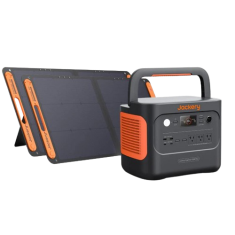
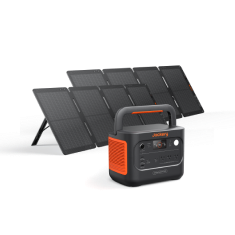
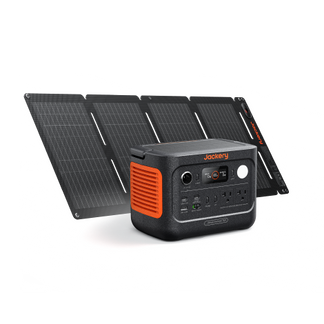
Jackery Solar Generator HomePower 3000
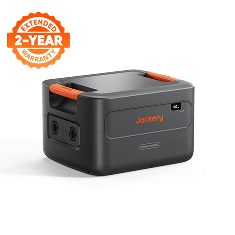
The Jackery Solar Generator HomePower 3000 is an advanced essential home backup solution ideal for powering multiple devices, home office setups, or longer cooling needs. It lets you store more solar energy when the sun shines, then tap it when electricity usage and prices peak. It helps shift electricity use away from expensive daylight hours and onto cleaner, cheaper solar power. It is especially useful during Chicago’s unpredictable weather and cooling spikes.
Appliances Running Time
- Refrigerator (300W) = 8.0H
- TV (150W) = 15.2H
- Vacuum Cleaner (1000W) = 2.6H
- Cooler (200W) = 11.8H
- AC (1500W) = 1.7H
Who Should Buy This
If you are juggling multiple electronics or running the AC more often, the Jackery Solar Generator HomePower 3000 helps keep electric bills steady and manageable.

Customer Review
Was able to use my kids' jumper/swimming pool all day and only used 20% super great products. Also used it on my dryer and it works perfectly.
— Ramon Deavila.
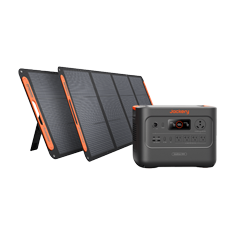
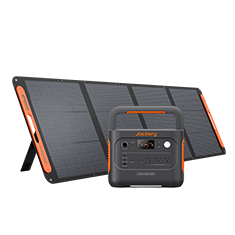
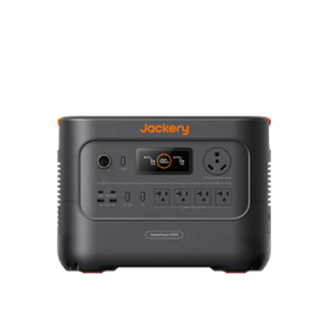
Jackery Solar Generator HomePower 3600 Plus
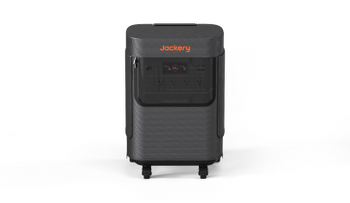
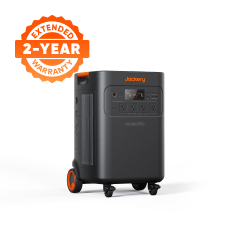
Living in Chicago means dealing with freezing winters, surprise outages, and power bills that jump the moment the heat or space heaters stay on a little longer. The Jackery Solar Generator HomePower 3600 Plus provides you with a reliable backup you can actually rely on when the grid fails. It has enough power to keep heat essentials like space heaters, the fridge, WiFi, and a few lights going, so the house doesn’t feel shut down. You can charge this home battery backup from the solar panels if you want more control over your usage. And because it rolls easily, you can move this solar generator wherever you need backup instead of leaving it stuck in one corner.
Appliances Running Time
- Refrigerator (300W) = 9.5H
- TV (150W) = 17.7H
- Vacuum Cleaner (1000W) = 3.0H
- Cooler (200W) = 13.7H
- AC (1500W) = 2.0H
Who Should Buy This
If you want to lower the reliance on the electricity grid and wish to invest in an expandable solar battery backup solution, the Jackery Solar Generator HomePower 3600 Plus is a reliable way to keep electric bills manageable.

Customer Review
I purchased the Jackery Solar Generator HomePower 3600 Plus as an off-grid power supply for my bus, as well as for a home backup via the transfer switch. It works great for supplying power to my diesel heater block for 2h with a little juice left to run some lights.
Miranda T.
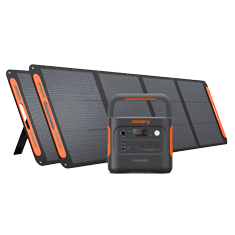
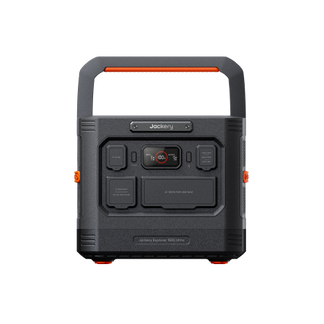
Jackery Solar Generator 5000 Plus
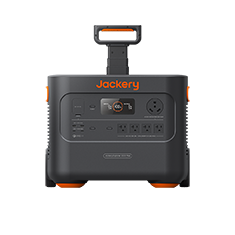
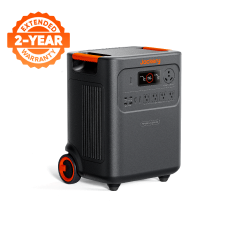
If you need a powerful home battery backup solution that can power core household appliances, the Jackery Solar Generator 5000 Plus is an ideal solution. In Chicago, where electricity costs can surge during extreme weather, using sunlight-stored power to run essentials like HVAC systems, refrigerators, or home offices can deliver long-term reductions in your bills. It also seamlessly switches over during outages, helping you stay powered without dipping into grid power when rates peak.
Appliances Running Time
- Refrigerator (300W) = 12.2H
- TV (150W) = 21.4H
- Vacuum Cleaner (1000W) = 4.1H
- Cooler (200W) = 17.1H
- AC (1500W) = 2.8H
Who Should Buy This
If you need an essential home backup solution that can power most core appliances for long hours to reduce the electric bills significantly, you can consider going ahead with the Jackery Solar Generator 5000 Plus.

Customer Review
I recently purchased a Jakery 5000 plus with an extra battery and a manual transfer switch. They all work well. I am currently peak shaving higher summer electric rates and am comforted that I will have power in an outage.
— James Anglewicz.
Chicago Average Electric Bill FAQs
What size of solar generator do I need for my house in Chicago?
The solar generator size that is right for your Chicago home will depend on the number of electrical appliances you are powering at the same time and for how long. For example, suppose you are powering a refrigerator (500W), an AC (1000W), and a TV (100W) at the same time using the Jackery Solar Generator 5000 Plus. The working hours of the solar generator can be calculated using the Running Time Calculator. On the product page, scroll to find the calculator and add the total appliance wattage (1600W). In this case, the estimated runtime will be 2.6 hours.
How much is the average monthly gas in Chicago?
The average gas price in Chicago is nearly $97 per month. However, this number can fluctuate significantly throughout the year.
How much is a typical water bill in Chicago?
The current water bill rate in Chicago, effective from June 1, 2026, is $37.18 per 1000 cubic feet. The water rate increased by 1.85% compared to the previous year.
How much is the electric bill for a 2-bedroom apartment in Chicago?
The average monthly electric bill for a 2-bedroom apartment in Chicago can range between $102.62 and $146.60. This is based on an average monthly usage of 700 - 1000 kWh.
Is Chicago's cost of living high?
The cost of living in Chicago is nearly 5% higher than the state's average and 15% higher than the national average.
Final Thoughts
Chicago is a great place to live. However, the high average electric bill in Chicago can be a matter of concern. If you are living in Chicago and worrying about the high monthly bills, it's best to invest in free and renewable solar energy. Jackery Solar Generators are reliable solutions that can power most household appliances for long hours. For example, the Jackery Solar Generator 5000 Plus is the most powerful home battery backup that can power essential household appliances, including refrigerators, ACs, space heaters, LED lights, etc., to reduce the high electricity bills in Chicago.