


















![[Add - on] Jackery Manual Transfer Switch for Explorer 5000 Plus - Jackery](http://www.jackery.com/cdn/shop/files/add-on-jackery-manual-transfer-switch-for-explorer-5000-plus-9017324.png?v=1754016782&width=350)











![[Add - on] Jackery Manual Transfer Switch for Explorer 5000 Plus - Jackery](http://www.jackery.com/cdn/shop/files/add-on-jackery-manual-transfer-switch-for-explorer-5000-plus-9017324.png?v=1754016782&width=324)


![What Is The Average Electric Bill in Wisconsin [2026 Updated] - Jackery](http://www.jackery.com/cdn/shop/articles/what-is-the-average-electric-bill-in-wisconsin-2026-updated-1749924.jpg?v=1773968842&width=800)
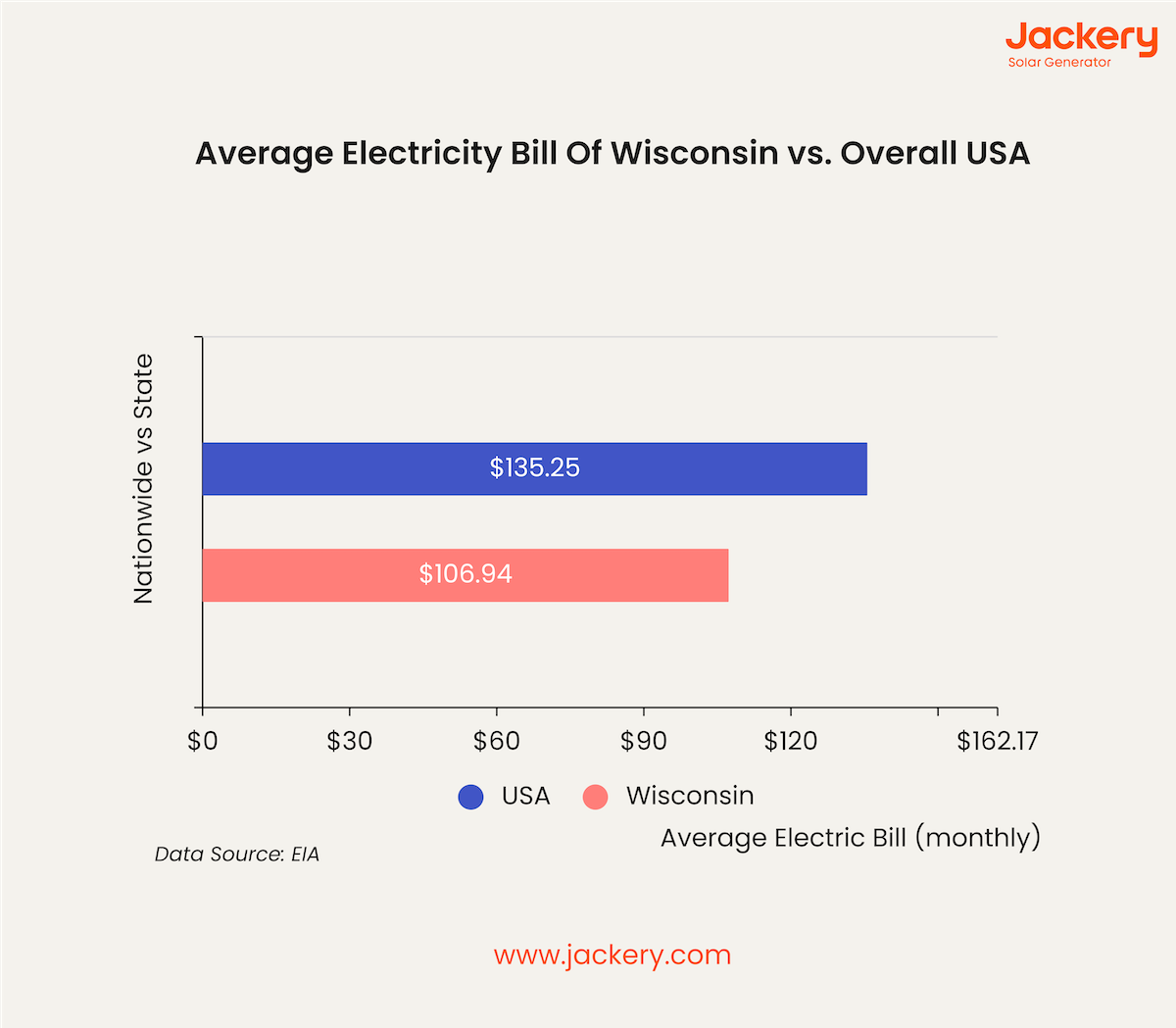
The average monthly electricity bill in Wisconsin is $117.38, with an average monthly usage of 658 kWh and an electric rate of 17.84 cents per kWh. This is based on the EIA data from December 2025. This places Wisconsin below the national average monthly bill of $154.98.
The average electric bill in Wisconsin has significantly increased and is impacting many households. In December 2024, the average electric bill in Wisconsin was around $106.99 per month, with an average rate of 16.26 cents per kWh and a monthly consumption of 658 kWh. The electric rate increased to 17.84 cents per kWh with a monthly usage of 658 kWh and a utility bill of $117.38 in December 2025, marking the high expenses on electricity.
For this reason, people are looking for renewable energy sources to power their household appliances in Wisconsin. Jackery Solar Generators are robust and efficient home battery backup solutions that can power most household appliances for long hours. These solar generators can efficiently power appliances during the peak electricity hours and lower your reliance on the utility grid.
Takeaways
- In December 2025, households in Wisconsin averaged an electricity bill of $117.38 per month, with an electric rate of 17.84 cents per kWh.
- For those served by Wisconsin Public Service, typical bills are projected to increase by 8.5% in 2025 (and an additional 4.9% in 2026), which would raise a current ~$110 bill to $120 per month in 2025.
- The cost to live in Wisconsin is 1% lower than the US average.
- How to save money on your electricity in Wisconsin.
- How solar helps to save on electricity bills in Wisconsin.
What Is The Average Electric Bill in Wisconsin?
As of December 2025, the average electric bill in Wisconsin is around $117.38 per month, with an average rate of 17.84 cents per kWh and a monthly consumption of 658 kWh. This is lower than the US monthly electricity bill of $154.98 per month, with an average rate of 17.24 cents per kWh and monthly consumption of 899 kWh.
Wisconsin residents are no strangers to high energy costs, and in March 2026 electricity bills are climbing even further as persistently elevated fuel prices drive up the cost of grid power across the state. Wisconsin's electric grid still leans heavily on natural gas and coal for a significant share of its generation, meaning fuel market swings hit household budgets directly. Utilities like We Energies and Alliant Energy have seen their generation costs rise alongside fuel prices, and those costs ultimately land on monthly customer bills, adding financial pressure on top of the state's already demanding heating season.
Wisconsin is a US state that pays one of the highest electricity bills. Here, we will compare Wisconsin's average bill and energy rates with five other US states.
|
State |
Avg. Bill |
Avg. Rate |
Monthly Usage |
|
Michigan |
$122.84 |
19.35 ¢/kWh |
603 kWh |
|
Utah |
$98.59 |
12.99 ¢/kWh |
759 kWh |
|
New York |
$155.02 |
27.39 ¢/kWh |
566 kWh |
|
Florida |
$166.27 |
15.02 ¢/kWh |
1107 kWh |
|
Hawaii |
$209.34 |
41.62 ¢/kWh |
503 kWh |
Source: EIA
What Are The Electricity Rates in Wisconsin?
The residential electric service in Wisconsin provides a steady supply of electricity to the residents. The electricity rate varies depending on multiple factors, such as energy usage, size of the home, and specific utility provider. The electricity rates in Wisconsin also include customer charges, delivery charges, and energy charges. Let's explain them briefly:
Customer Charge: It is the fixed monthly fee that includes the cost of owning, maintaining, and operating all the equipment. The customer charge in Wisconsin varies from $17 to $20 per month. However, the amount is around $5-12 per month for the off-peak service.
Delivery Charge: As the name indicates, the delivery charge is the fee for delivering electricity from the power plant to a home or business. The delivery charges in Wisconsin are around $0.042000 per kWh for residential service and residential TOU service. They are less for off-peak service and are around $0.028810 - $0.029400 per kWh.
Energy Charge: This calculation is based on the amount of electricity in kilowatt-hours (kWh) consumed during the monthly billing period. Energy charges vary depending on the season. For example, they are $0.135000 per kWh in winter and $0.160000 per kWh in summer.
Wisconsin Public Service is a regulated natural gas and electric utility provider that serves approximately 443,000 electric customers. We Energies is another utility company in Wisconsin serving 2.3 million customers. Here, we will compare the average rates per kWh of different electricity providers in Wisconsin.
|
Provider |
Length |
Average Rate Per kWh |
|
WE Energies |
6 - 12 Months |
18.99 ¢ |
|
Alliant Energy |
6 - 12 Months |
16.23 ¢ |
|
Wisconsin Public Service |
6 - 12 Months |
16.52 ¢ |
|
Northern States Power Company |
6 - 12 Months |
16.04 ¢ |
|
Madison Gas & Electric |
6 - 12 Months |
19.81 ¢ |
|
Adams Columbia Electric Cooperative |
6 - 12 Months |
17.19 ¢ |
|
Riverland Energy Cooperative |
6 - 12 Months |
14.27 ¢ |
|
Barron Electric Cooperative |
6 - 12 Months |
13.61 ¢ |
Note: The average rate per kWh and length of the plan are subject to change. You should check the official website of the electricity providers and choose the plan that best meets your needs.
How Much Does It Cost to Live in Wisconsin?
The average cost of living in Wisconsin varies depending on how much electricity, fuel, and other utilities are used by the residents. The cost of living in Wisconsin is 1% lower than the national average. Similarly, the cost of living in Northeast and Central Wisconsin is 7% less than the US average. In fact, the median home cost in Northeast and Central Wisconsin is $146,300, whereas it is $169,700 in Wisconsin.
Standard utilities in Wisconsin include electric, water, sewer, cable TV, Internet, phone, security, and recycling. The utility costs can significantly impact the overall cost of living in Wisconsin, which is around $395 per month. Let's briefly explain some other expenses in Wisconsin that can contribute to the overall cost of living:
Groceries and Food: Wisconsin's groceries and food prices are similar to those found elsewhere in the US. The average monthly spending on food typically ranges between $400 and $440.
Transportation Costs: These costs typically include vehicle maintenance and gas prices. A single adult might pay around $ 5,300 on transportation, with gas prices typically in and around the national average.
Healthcare: The costs can vary depending on factors such as individual circumstances and insurance coverage. You can expect to spend between $3335 and $8241 per year on healthcare.
Tax: Wisconsin's state income tax rate is progressive and ranges between 3.50% and 7.65%. The current sales tax rate is 5%, and depending on the location, there is an additional local sales tax of 5.5% and 6.75%.
Here's a diagram representing the average utility cost in Wisconsin.
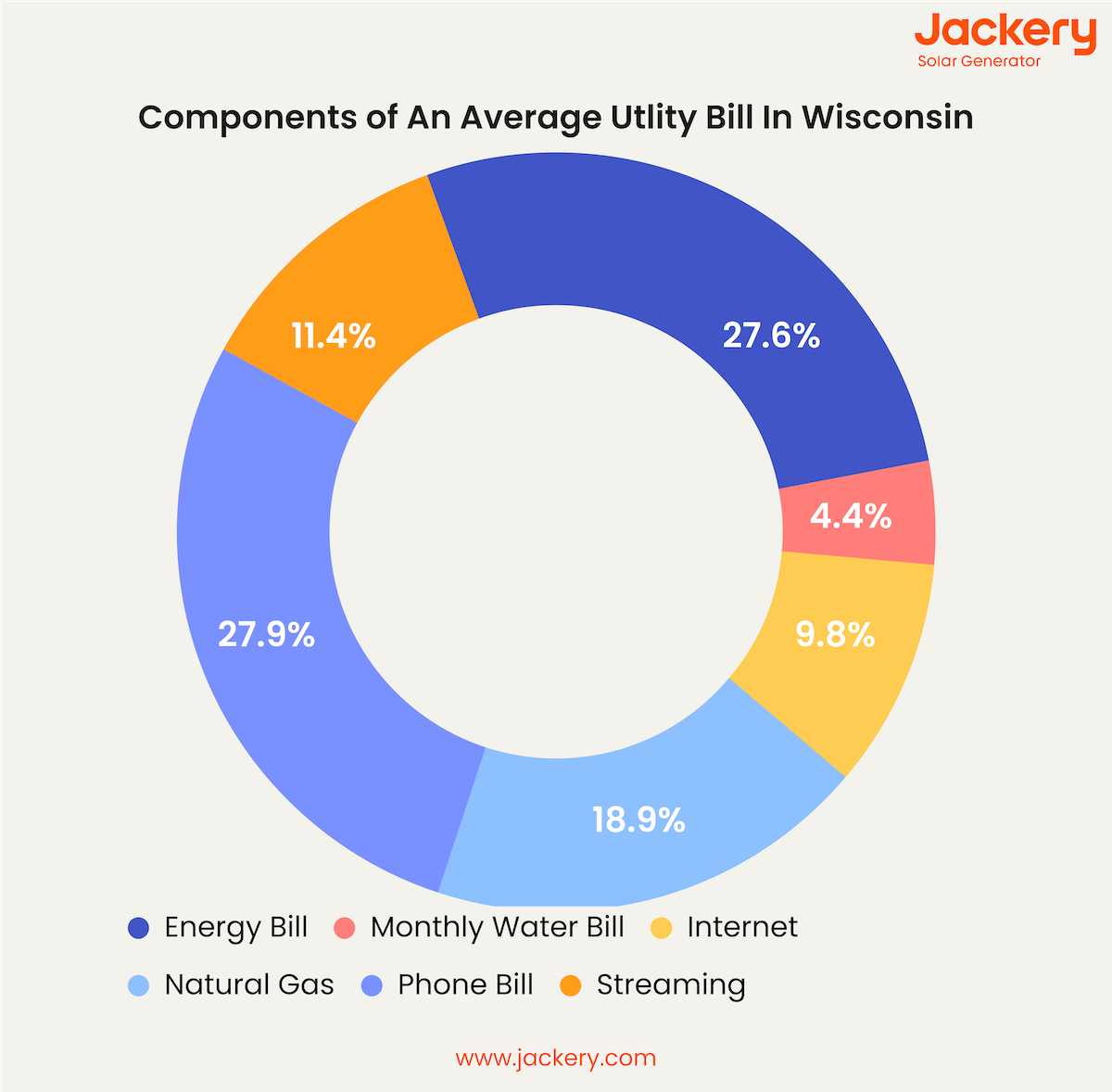
Note: This data is based on information gathered from different official websites, like the Bureau of Labor Statistics, Energy.gov, and the Energy Information Administration.
The cost of living in Wisconsin also depends on the city. Compared to Nationwide living costs, Milwaukee, Madison, and Sturgeon Bay are expensive cities. On the other hand, the cheap cities in Wisconsin include Marshfield, Fond Du Lac, Green Bay, Wausau, Janesville, and Eau Claire.
How to Save Money on Your Electricity in Wisconsin?
Some simple ways to save money on your electricity in Wisconsin are by insulating the home, unplugging unused devices, replacing home lights with LEDs, and switching to clean energy sources like solar generators. There are many factors that can influence the electricity consumption per month. If you want to reduce the electricity consumption in Wisconsin, here are a few ways to do so:
Home Insulation
The average electric bill in Wisconsin includes heating and cooling costs. One way to reduce electricity usage is by improving home insulation. Consider reducing air leakage by air sealing, properly insulating your home, and improving your heating/cooling systems to lower the overall electricity bill.
Smart Thermostat
Air conditioners draw a lot of power, and adjusting their temperature according to the season and time of day will help you save energy and money. For this reason, consider installing a smart and programmable thermostat to control the temperature of your home better and reduce energy waste. The smart thermostat automatically adjusts the temperature higher in summer and lower in winter to increase savings.
Unplug Devices
If you are not using appliances, consider unplugging them. For example, turn off the lights and ACs when you are not in the room. Many chargers draw a small amount of power when the device they charge is not plugged or full. This can add up over time. Therefore, make sure to unplug chargers, including those of power tools, phones, computers, electric toothbrushes, etc.
Replace Home Lighting with LEDs
Your home would have the most frequently and least frequently used bulbs. If you want to lower your electricity bills in Wisconsin, consider replacing the five most frequently used bulbs with LEDs, which could save you over $75 per year.
Switch to Clean Energy
Instead of entirely relying on the electricity grid, consider shifting some of your electricity consumption to renewable energy sources like solar generators. If you want to start using solar power but have a limited budget, consider investing in Jackery Solar Generators. These portable home battery backups can power most household appliances, including ACs, refrigerators, etc., to reduce your reliance on electricity grids.
Jackery Solar Generators For Lowering Your Electric Bills
Jackery is a reputable brand that manufactures portable solar generators, solar panels, and power stations. The Jackery Solar Generators have two components: the portable Jackery Portable Power Stations and foldable Jackery SolarSaga Solar Panels. They work when sunlight falls on the solar panels, which are made with highly efficient monocrystalline silicon solar cells.
The sun's energy is converted to DC electricity, which is supplied to the portable power stations. The pure sine wave inverter in the power station converts the DC to AC electricity to charge most household appliances for long hours. These home battery backups charge the appliances using free energy, reducing your reliance on the utility grid. Additionally, these are portable energy solutions that can be carried anywhere around the house.
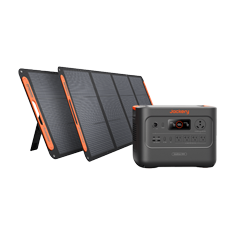
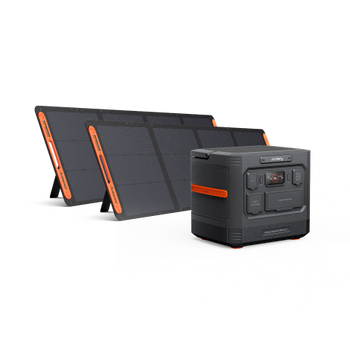
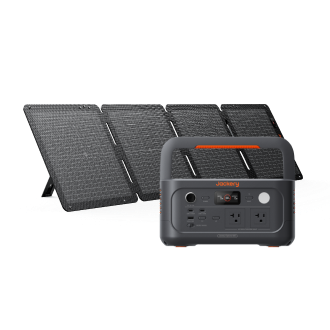
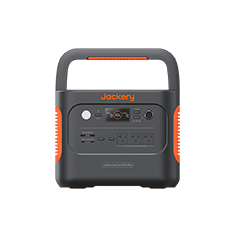
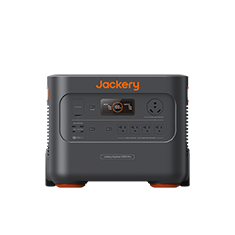
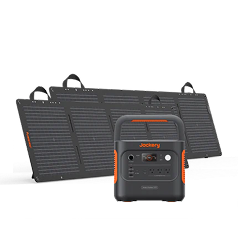
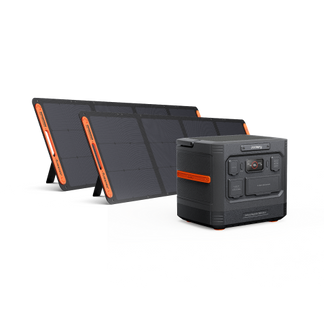
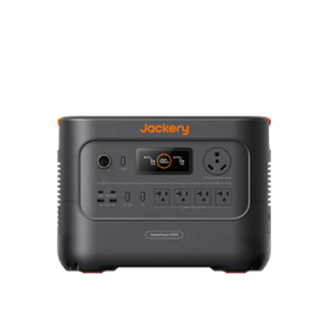
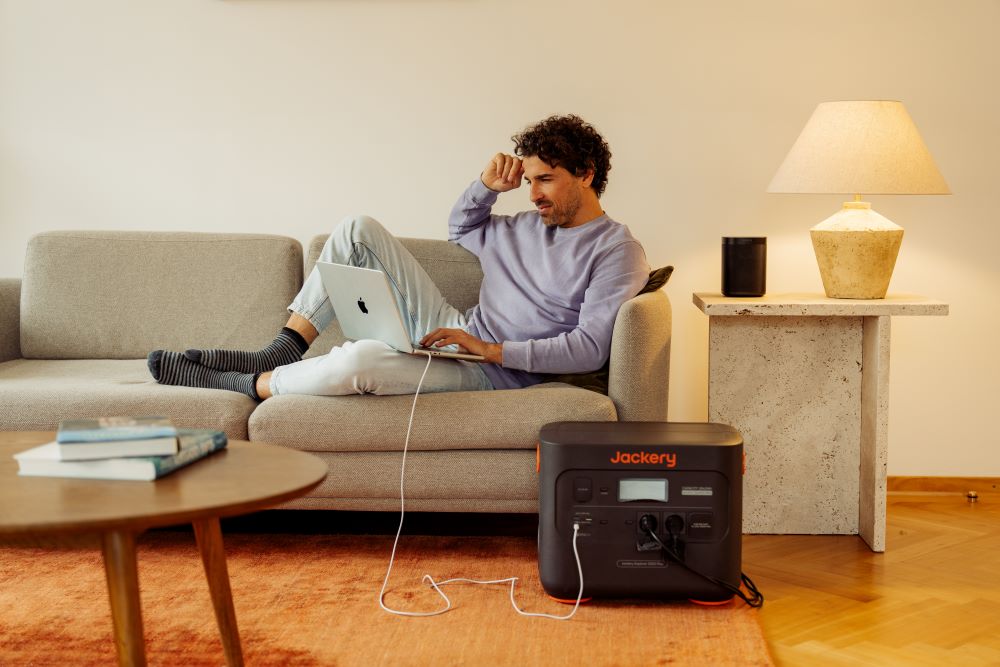
Jackery Solar Generator 2000 Plus
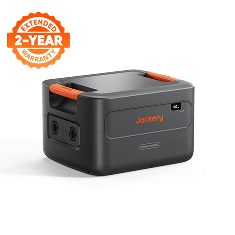
The Jackery Solar Generator 2000 Plus is a battery backup for homes. It is a robust and scalable solution that can power ACs and coolers during Wisconsin’s summers when cooling costs rise steeply. It can easily power heavy-duty appliances like air conditioners or refrigerators using solar energy to offset grid usage and reduce monthly utility bills significantly. Its expandable design means households can start with essential backup power and grow capacity over time, enabling flexible budgeting and long-term savings.
Appliances Running Time
- Microwave (1000W): 1.6H
- Kettle (800W): 2.0H
- Electric Oven (800W): 2.0H
- Refrigerator (500W): 3.2H
- TV (60W): 21.5H
Who Should Buy This
The Jackery Solar Generator 2000 Plus is ideal for homeowners in Wisconsin who face rising seasonal energy costs and want a home battery backup to power essential appliances.
Customer Review
I like this thing. It's got a lot of power. It powered my air conditioner on high. It powered power tools. It's really not that heavy. It doesn't take too long to charge.
— Michelle H.
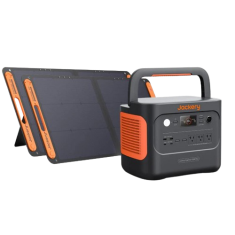
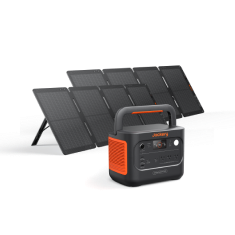
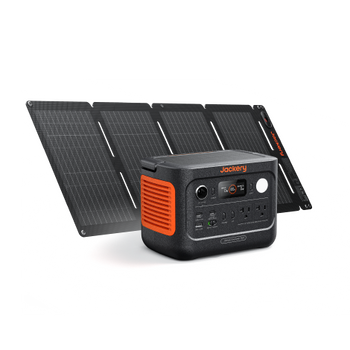
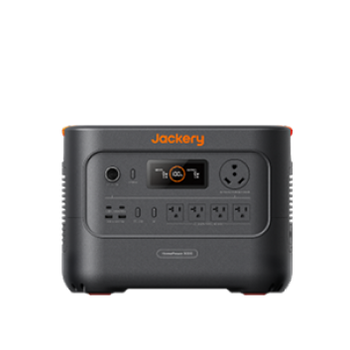
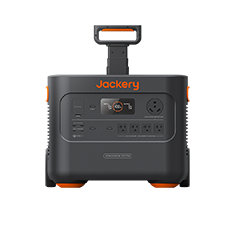
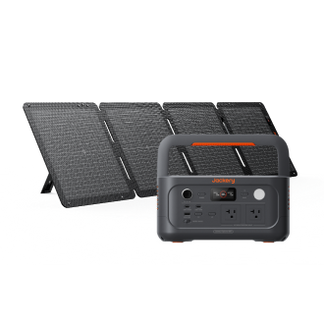
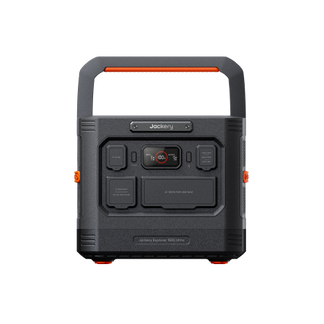
Jackery Solar Generator HomePower 3000
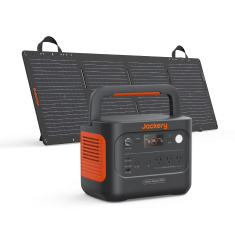
The Jackery Solar Generator HomePower 3000 can keep critical systems running smoothly, such as fridges, routers, and cooling fans, during outages or peak-rate periods. Its silent, plug-and-play design makes it a seamless addition to any household, powering essential appliances for long hours. If you already own a gas generator, you can recharge this power station even when there is no sunlight available.
Appliances Running Time
- Microwave (1000W): 2.6H
- Kettle (800W): 3.2H
- Electric Oven (800W): 3.2H
- Refrigerator (500W): 5.0H
- TV (60W): 31.8H
Who Should Buy This
The Jackery Solar Generator HomePower 3000 is suitable for families and residents in Wisconsin who need an easy home backup that offers both emergency resilience and everyday electricity bill reduction.

Customer Review
I finally feel secure knowing that when the blackouts occur, I can simply push a button and keep my fridge and freezer running. Blackouts are occurring more frequently, and I am prepared. Thank you.
— Victoria Woodward.
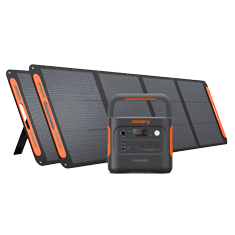
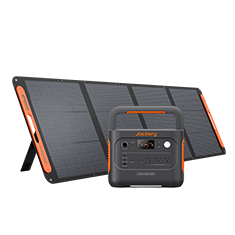
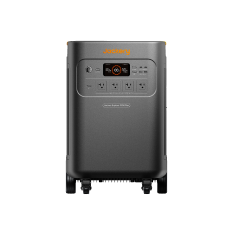
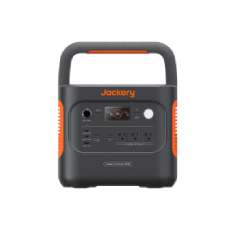
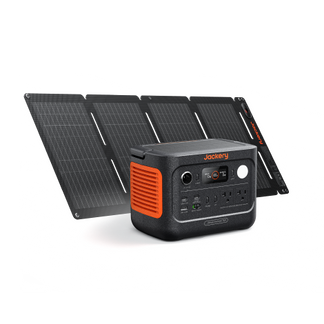
Jackery Solar Generator HomePower 3600 Plus
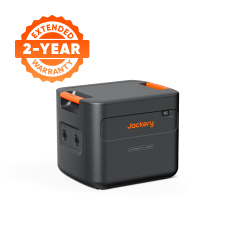
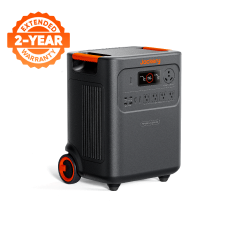
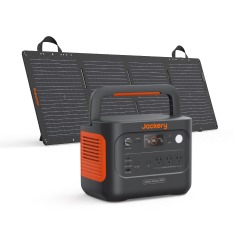
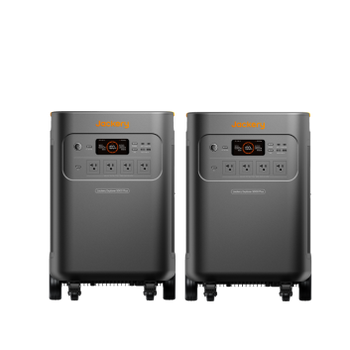
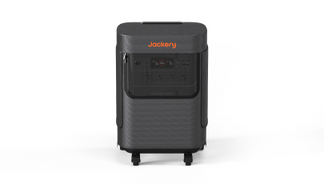
The Jackery Solar Generator HomePower 3600 Plus is a practical backup option for Wisconsin homes that see long winters, icy storms, and unexpected power outages. It offers a strong battery system that can be expanded up to 21kWh with battery packs, giving enough backup to keep everyday essentials running when the grid goes out. It can run your refrigerator, Wi-Fi, lights, and small heaters or fans. It helps you stay comfortable and connected instead of worrying about food, work, or communication during outages. With its pull handle and double wheel design, you can easily roll it wherever backup is needed, from the living room to the basement or garage, without any complicated setup.
Appliances Running Time
- Microwave (1000W): 3.0H
- Kettle (800W): 3.7H
- Electric Oven (800W): 3.7H
- Refrigerator (500W): 5.8H
- TV (60W): 37.2H
Who Should Buy This
If you often face power outages or want to reduce your reliance on the grid, the Jackery Solar Generator HomePower 3600 Plus is a reliable choice. When expanded, it can run your refrigerator for up to 14 days.

Customer Review
This is our 3rd Jackery Backup Battery. Living on a mountain top in West, By the Gods, Virginia, we often find ourselves off the grid. Knowing that we have power at our fingertips to keep the heat going on these cold nights is a great mental comfort.
— Kevin H.
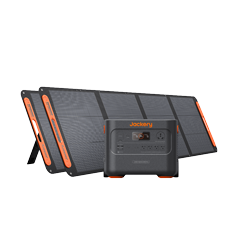
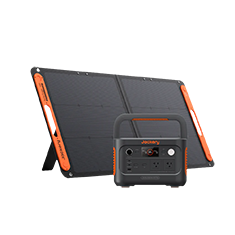
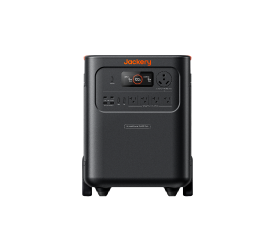
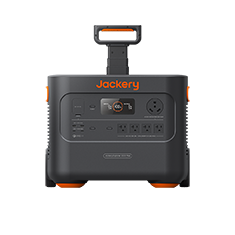
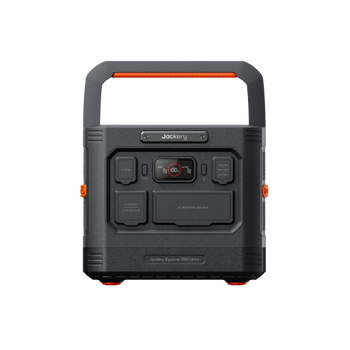
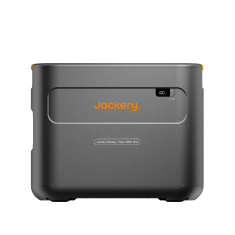
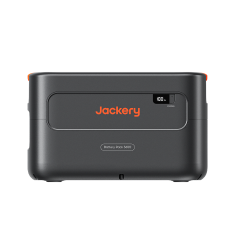
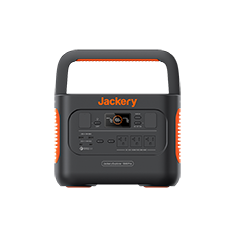
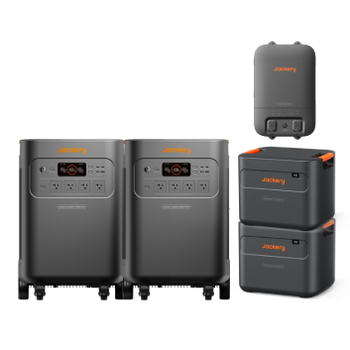
Jackery Solar Generator 5000 Plus
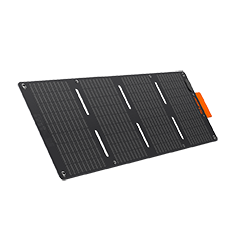
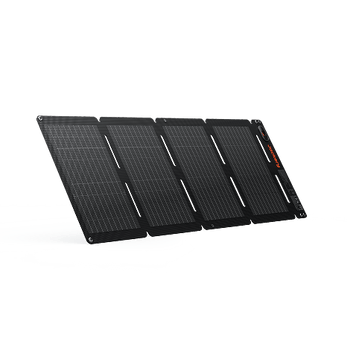
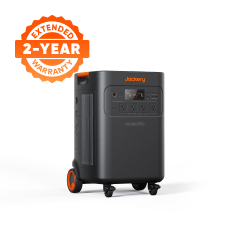
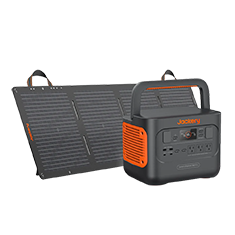
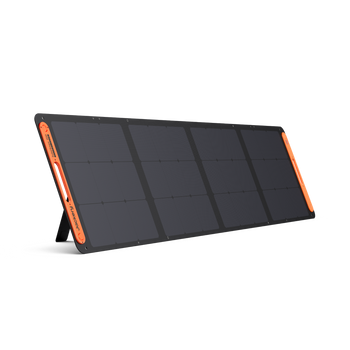
The Jackery Solar Generator 5000 Plus is an essential home backup solution that can power almost all household appliances for long hours. With the ability to pair with the Jackery SolarSaga 500X Solar Panels, it offers a combined system that can generate and store significant clean energy, enough to power an average home for days during outages or peak usage times. This setup is ideal for households looking to dramatically reduce grid reliance.
Appliances Running Time
- Microwave (1000W): 4.1H
- Kettle (800W): 5.0H
- Electric Oven (800W): 5.0H
- Refrigerator (500W): 7.8H
- TV (60W): 38.9H
Who Should Buy This
The Jackery Solar Generator 5000 Plus is ideal for eco-conscious Wisconsin homeowners aiming for utility grid independence.

Customer Review
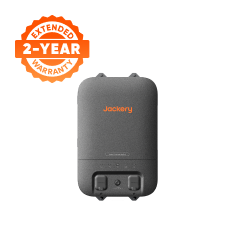
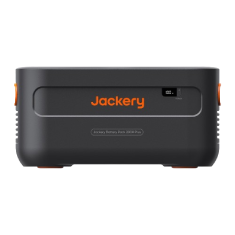
I recently purchased a Jakery 5000 Plus with an extra battery and a manual transfer switch. They all work well. I am currently peak shaving higher summer electric rates and am comforted that I will have power in an outage. I am building a small solar array to add to the system. Very happy with my purchase.
— James Anglewicz.
How Solar Helps to Save Electric Bills?
Solar systems can reduce — or even eliminate — electricity bills in Wisconsin. However, the exact amount you save on the monthly bill will depend on two main factors: how much electricity bills can be offset with solar and how much you spend on electric bills currently.
Let's say a Wisconsin resident needs an 8.9 kW solar panel system to offset their entire annual electricity consumption of around 684 kWh per month or 8208 kWh per year. If there is a 1.6% yearly rise in electricity prices, you can expect to save $2100 in the first year, $10,900 in five years, $22,800 in ten years, and $49,400 in twenty years.
However, it can be expensive to install a solar panel system at your Wisconsin home. If you want to go for a solution that's affordable, you may consider choosing the Jackery Solar Generators. They are portable and efficient enough to power most household appliances, making these home battery backup solutions ideal for offsetting electricity bills.
Wisconsin Average Electric Bill FAQs
What size of solar generator do I need for my house in Wisconsin?
The size of a solar generator for your Wisconsin home will depend on the electric appliances used at the same time, their wattage consumption, and the time for which you want to run them. For instance, if you are charging a refrigerator (500W), LED lights (10W), and a fan (150W) simultaneously with the Jackery Solar Generator HomePower 3000, the working time can be calculated using the Running Time Calculator. Visit the product page, scroll to the calculator, and then add the total wattage of the appliances. In this case, the Jackery Solar Generator HomePower 3000 will power these appliances for 3.8 hours.
What is the average utility bill in Wisconsin?
The average utility bill in Wisconsin varies depending on how much you use it and typically ranges between $380 and $420. It impacts the overall cost of living of Wisconsin residents. Here's a table revealing different utilities and their average cost in Wisconsin.
|
Utility |
Average Bill |
|
Energy bill |
$117.38 |
|
Monthly water bill |
$18 |
|
Internet |
$40 |
|
Natural gas |
$77 |
|
Phone bill |
$114 |
|
Streaming |
$46.50 |
Note: These are average rates and may change based on how the residents use these utilities.
Why is my electric bill so high in Wisconsin?
There are many reasons why electricity bills are high in Wisconsin, including changes in the amount of natural gas used, modifications in energy prices, and the effects of weather on energy usage.
How much is the average electric bill in the US per month?
As of December 2025, the average electric bill in the United States is $154.98, with an average rate of 17.47 cents per kWh and monthly consumption of 899 kWh.
What state has the highest average electric bill?
Hawaii has the highest average electric bill of $209.34, with an average electric rate of 41.62 cents per kWh and a monthly usage of 503 kWh.
Final Thoughts
The average electric bill in Wisconsin fluctuates throughout the year and typically tends to increase in summer and winter because of the increased usage of heating and cooling devices. For this reason, many people are planning to switch to clean and green energy like Jackery Solar Generators. They are portable home battery backups that work on the free sun's energy and charge most household appliances. The Jackery Solar Generator 5000 Plus, for example, is an essential home backup solution that can power most home appliances for long hours and reduce the overall high electricity bills in Wisconsin.