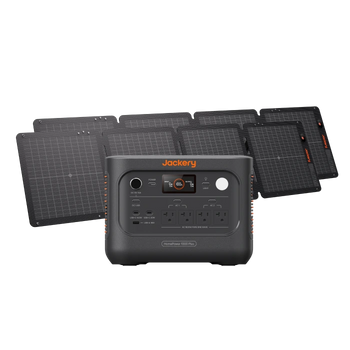
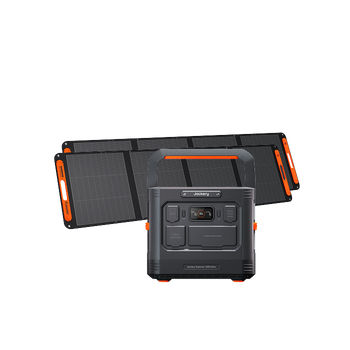

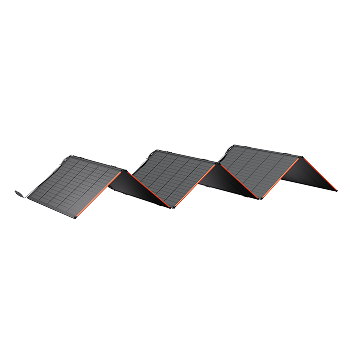
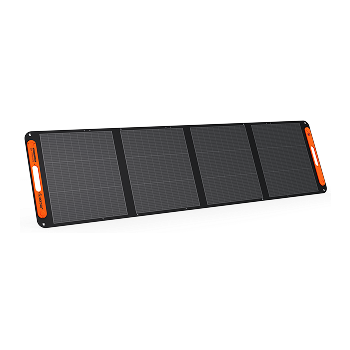











![[Add-on] Jackery SolarSaga 500 X - Jackery](http://www.jackery.com/cdn/shop/files/add-on-jackery-solarsaga-500-x-1493607.webp?v=1786503068&width=324)
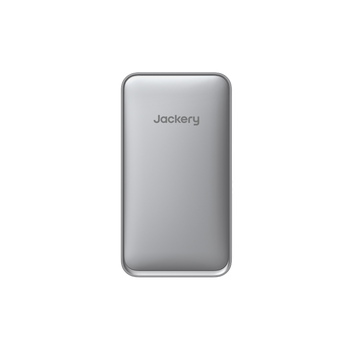
![[Add-on] Jackery Battery Pack 5000 Plus - Jackery](http://www.jackery.com/cdn/shop/files/add-on-jackery-battery-pack-5000-plus-6713401.webp?v=1786503068&width=324)







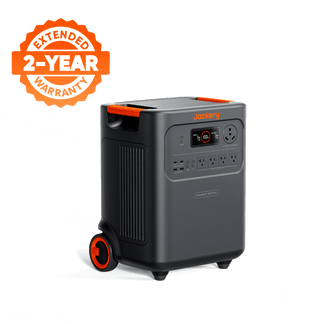
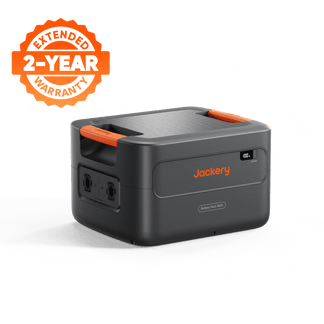
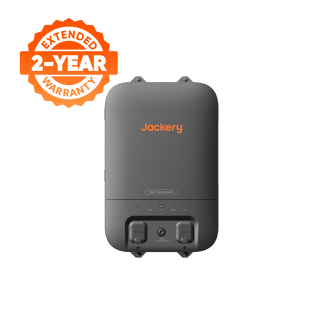
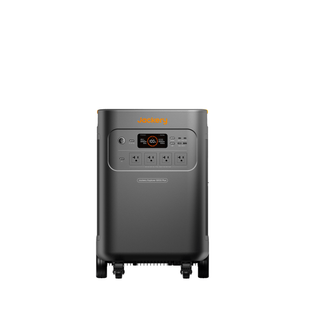
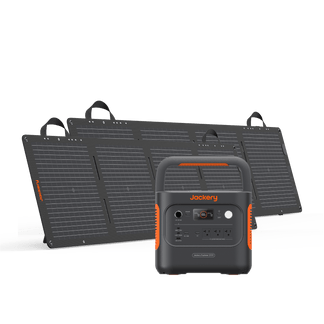
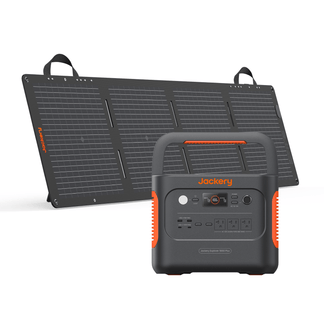
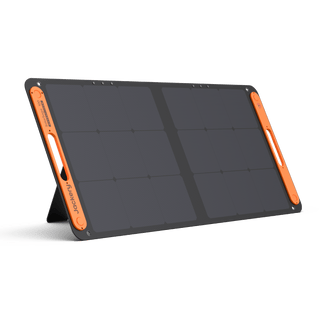
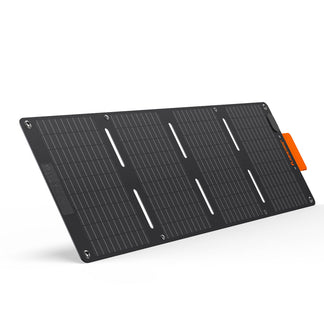


Quick Answer: A 12V RV fridge typically consumes 350–650 Wh per day, draining a 100Ah lead-acid battery below 50% in a single night. The fix is a 12V solar panel kit sized at 200W of solar per 100Ah of lithium battery, with an MPPT controller and low-voltage disconnect to prevent BMS deadlock. For a fridge-only setup, 200–400W of solar is the practical minimum; adding other loads pushes the requirement to 400–600W.
Key Takeaways:
- A standard 200W roof kit is insufficient for dry camping without a generator — you need 400–600W of solar for reliable fridge operation.
- Lithium (LiFePO4) batteries deliver 80–100% usable capacity and 3,000–5,000 cycles, doubling effective runtime versus lead-acid.
- An MPPT charge controller extracts up to 30% more energy than PWM, especially in cold or low-light conditions.
- A programmable low-voltage disconnect set to 12.0V prevents the BMS from locking out the battery at 10–11V, allowing solar to recharge.
- Portable ground panels that you can angle toward the sun often solve the power deficit for far less than a propane fridge upgrade.
The “Fridge Shut-Off” Nightmare Is Real
Your RV fridge shuts off at 3 a.m. because voltage sagged below the cutoff threshold.
By morning, 20–50 lbs of food is spoiled. This happens even with “good” factory roof solar after 2–4 days of overcast weather. The problem isn’t the fridge — it’s the system sizing.
Most RVs come with a single 100Ah lead-acid battery and a 200W roof panel. That battery can’t safely deliver more than 50Ah overnight without permanent damage. A 12V fridge pulling 4–6A for 12 hours consumes 48–72Ah, leaving nothing for lights, water pump, or furnace fan.
4–6A × 12h = 48–72Ah
Consecutive cloudy days drop the battery below 10.5V, and the BMS disconnects. Once the BMS trips, the solar charge controller can’t “see” the battery to recharge it — you’re dead in the water until you jump-start the battery manually.
The fix begins with understanding your fridge’s real power draw.
The Real Power Draw of a 12V RV Fridge (It’s Not What the Label Says)
A 12V compressor fridge typically consumes 350–650 Wh per day, not the steady-state wattage on the label, because it cycles on and off. Actual daily consumption depends on duty cycle, ambient temperature, and how often you open the door.
- Average consumption: 350–650 Wh per day.
- Hot weather increases duty cycle by 20–40% — a fridge that uses 400 Wh in spring can jump to 560 Wh in summer.
- Overnight, with zero solar input, the fridge alone pulls 50–70 Ah (600–840 Wh) from a 12V battery.
- Other DC loads — water pump, LED lights, furnace fan — add 100–200 Wh daily. Always include them in your total load calculation.
If you only plan for the label number, you’ll undersize your battery and solar by 30% or more. The next question isn’t “Is 200W enough?” — that’s the wrong frame entirely.
Why “Is 200W Enough?” Is the Wrong Question
A single 100Ah lead-acid battery can cover one day of fridge operation, but it fails for two or more days without massive solar input. The golden rule of sizing: 200W of solar per 100Ah of lithium battery. For a 200Ah LiFePO4 bank, you need at least 400W of solar.
Standard 200W roof kits are insufficient for dry camping; add portable ground panels to reach the 400–600W threshold. Size your system for the worst insolation month — December in the northern US delivers only 3–4 peak sun hours, versus 5–6 in the Southwest. A system that barely works in July will leave you stranded in November.
A 12V solar panel kit with 400–600W is the reliable minimum for consistent fridge operation in variable weather. But wattage alone doesn’t solve the problem — battery chemistry matters just as much.
Battery Capacity: Why Lead-Acid Batteries Are Failing You
Lithium iron phosphate (LiFePO4) batteries deliver 80–100% usable capacity without damage. A 100Ah lithium bank doubles the effective runtime of a 100Ah lead-acid battery, which can only be discharged to 50% before voltage sag becomes critical.
Lead-acid hates partial cycling. The compressor’s start/stop pattern creates hundreds of shallow discharge events that degrade capacity faster than deep cycles. Lithium handles this effortlessly and recharges at higher rates from solar, reaching full charge in fewer sun hours.
For a fridge alone, the minimum recommended battery bank is 200Ah lead-acid or 100Ah lithium — enough to cover one night plus a cloudy-day buffer. If you’re already considering a lithium upgrade, this guide to battery backup generators breaks down the capacity you actually need.
Your Situation |
Best Fit |
Why |
|---|---|---|
Occasional camping, budget under $200 |
Lead-Acid (100Ah) |
Low cost ($100–$200), acceptable for short trips, replace every 2–3 years |
Full-time dry camping, need reliable daily cycling |
LiFePO4 (100Ah) |
3,000–5,000 cycles, 80–100Ah usable per charge, fast solar recharge |
Solar Panel Sizing: Matching Wattage to Your Fridge’s Daily Hunger
To cover your fridge's daily consumption, match your solar wattage to local peak sun hours. In the northern US, expect 3–4 hours; in the Southwest, 5–6. A 200W panel in 4 sun hours yields 800 Wh — enough to cover a 600 Wh fridge load with a 25% buffer for cloudy days and panel soiling.
Real-world output is 60–80% of rating due to angle, temperature, and dust. A 200W panel is the practical minimum for a fridge-only setup; add lights or a water pump, and you need 300–400W. A 12V solar panel kit in the 200–400W range works for most single-fridge rigs; if you also run a furnace fan in winter, push to 400–600W.
When sizing, remember that portable panels you can angle toward the sun outperform fixed roof panels by 20–30%. This solar generator sizing guide walks through the math for any appliance load.
The Charge Controller Trap: Why MPPT Pays for Itself
PWM controllers waste excess panel voltage as heat. A 200W panel with a 12V battery loses roughly 30% of potential power because the controller can’t step down voltage efficiently. MPPT controllers convert higher voltage into more amps, so you can use 24V or 36V panels to charge a 12V battery without waste.
Real-world tests show MPPT delivers 15–30% more daily amp-hours than PWM under the same sun conditions. MPPT also handles partial shading better — if one corner of a panel is shaded, PWM output drops sharply while MPPT maintains higher output by tracking the maximum power point.
Cost difference is $30–$80. That’s recouped in a single season of reliable fridge operation versus a dead battery and spoiled food. For winter camping, MPPT is non-negotiable: cold panels produce higher voltage, and only MPPT can convert that extra voltage into usable charging current.
The “Smart Disconnect” Solution: Preventing BMS Deadlock
A programmable low-voltage disconnect set to 12.0V prevents BMS deadlock by cutting the fridge load before the battery drops below 12V. When battery voltage drops to 10–11V, the BMS shuts down to protect the cells.
The solar charge controller then sees zero volts and won’t recharge — a deadlock that requires a manual reset. The disconnect lets solar continue charging the battery while the fridge is off. Once voltage recovers above 12.5V, the fridge reconnects.
Smart switches with WiFi or cellular monitoring send alerts when voltage drops critical. Battery monitors with shunts are essential for lithium — voltage is a poor state-of-charge indicator, staying flat at ~13.0V for 80% of capacity.
Set the disconnect above the BMS threshold, then reconnect after sunrise. The fridge can survive several hours off, but not days. This one device prevents the most common cause of silent battery death in RVs.
Practical Tips That Save Your Food and Your Budget
- Pre-cool everything the night before departure. A fridge full of cold food uses far less energy on day one.
- Carry 2 gallons of ice as a thermal buffer. It reduces compressor runtime on cloudy days and becomes drinking water later.
- Portable ground panels angled for the sun often solve the power deficit for less than a propane fridge upgrade.
- A small generator (1,000–2,000W) covers the “3-day cloud” scenario or heavy shade. Run it for an hour to bulk-charge the battery, then let solar finish.
- Propane fridge return is rarely cost-effective. 12V fridges offer superior temperature control and storage, making the power management effort worthwhile.
Limitations / What to Know Before: Common Sizing Mistakes That Kill Your Off-Grid Fridge Setup
Even a correctly sized 12V solar panel kit can fail if you ignore these realities:
- Undersizing the battery bank for overnight use. A 100Ah lead-acid battery can’t run a fridge all night without dropping below 50% depth of discharge. That permanent capacity loss compounds every night.
- Ignoring compressor startup surge. Some fridges draw 2–3x running watts for 1–2 seconds. Your inverter must handle that peak; otherwise, the fridge brownouts and the compressor overheats.
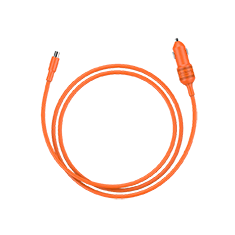
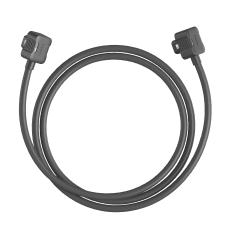
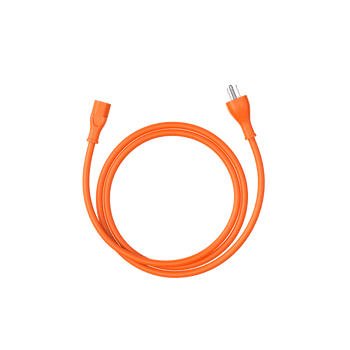
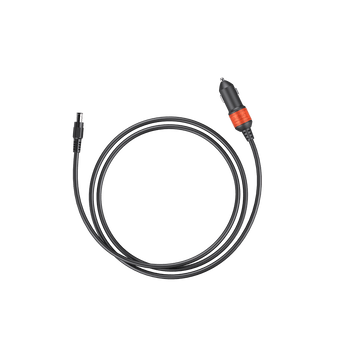
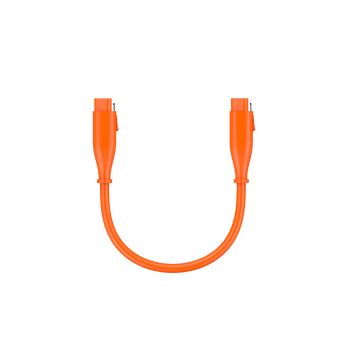
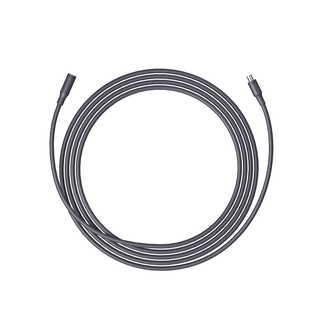
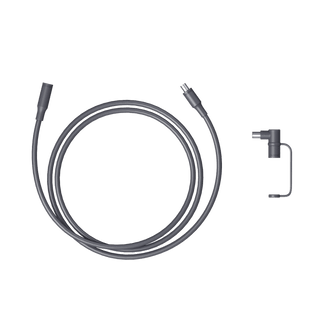
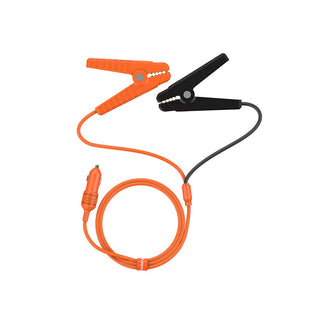
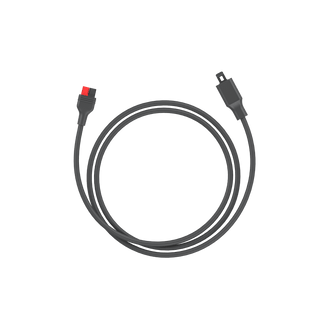
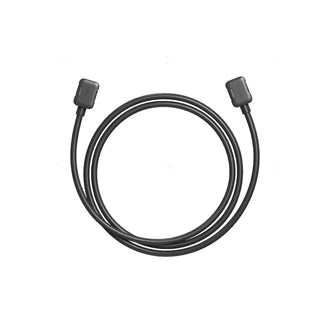
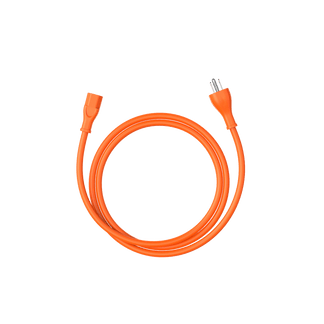
- Forgetting system voltage drop. Long cable runs can cause voltage loss, reducing runtime. Choose a solar kit with pre-sized cables or extension cables rated for your system’s amperage to avoid this.
- Assuming panels produce rated wattage all day. Real-world output is 60–80% of rating due to angle, temperature, and dust. Clean panels every 2–4 weeks.
- No backup charging method. Alternator charging or a portable generator prevents battery drain during multi-day overcast weather. A single 12V panel kit is not a guarantee — it’s part of a system.
If you park in heavy shade for days, no amount of solar will keep up. In that scenario, a small generator or a second lithium battery with alternator charging is the realistic solution.
Product Solutions: Jackery Portable Power Stations for Your RV Fridge
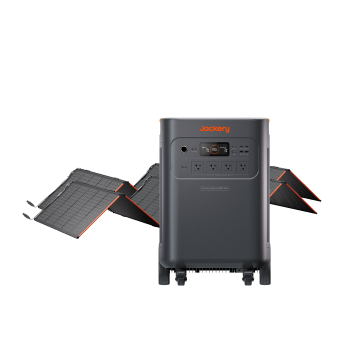
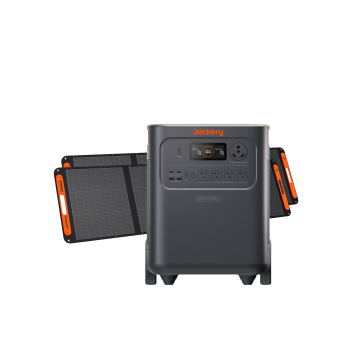
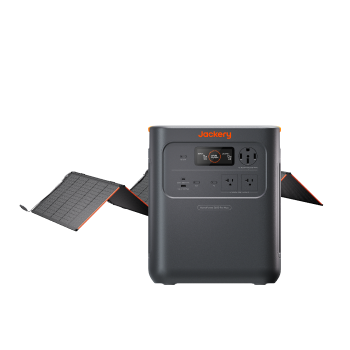
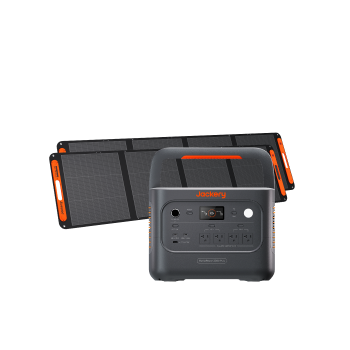
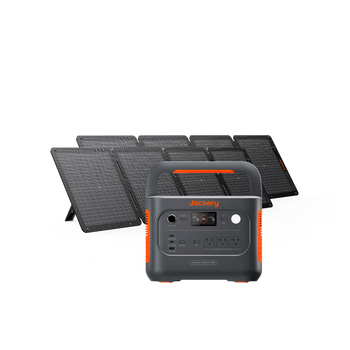
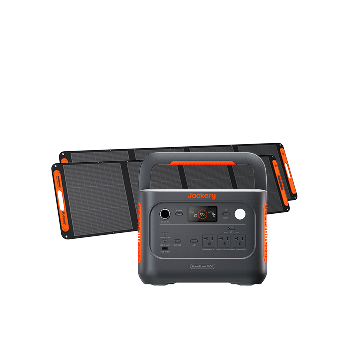
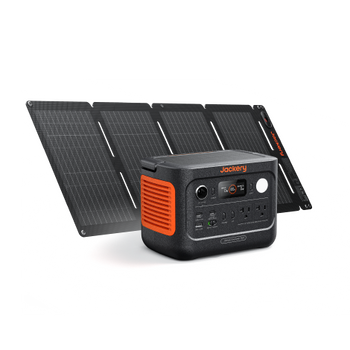
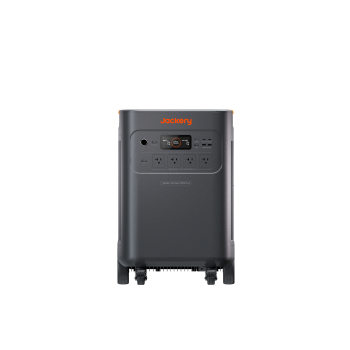
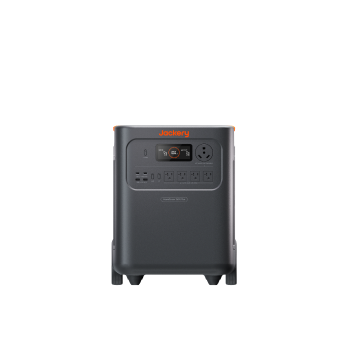
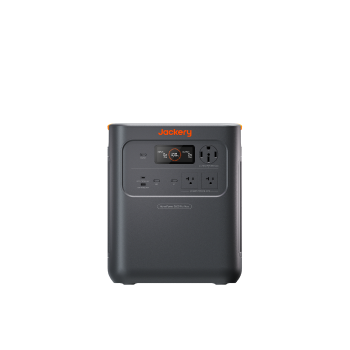
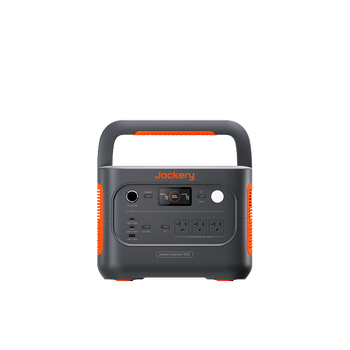
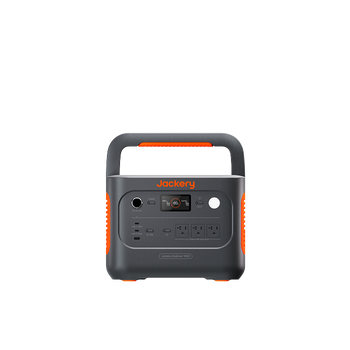
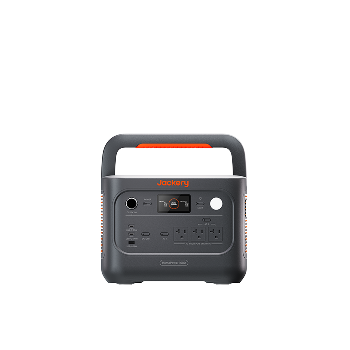
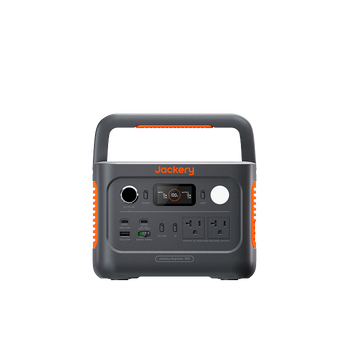
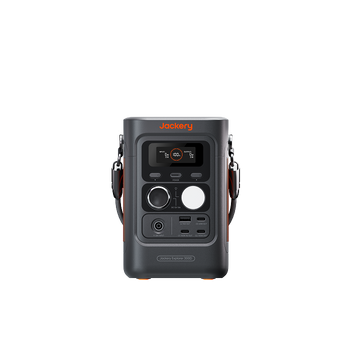
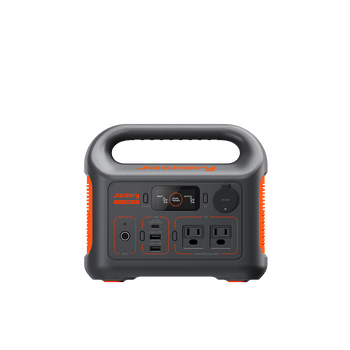
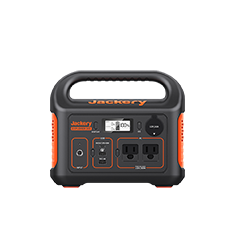
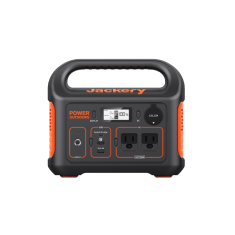
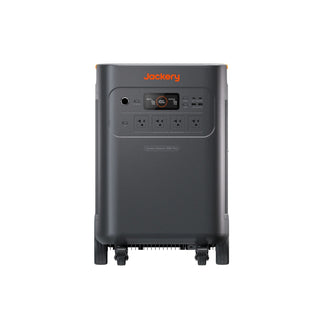
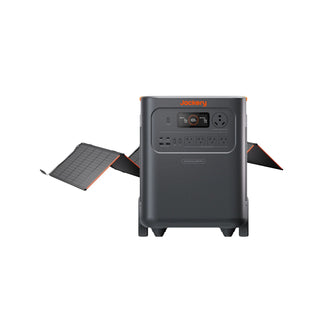
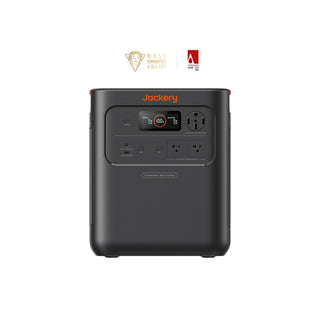
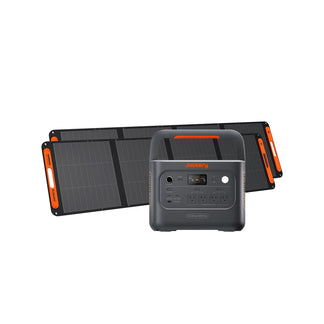
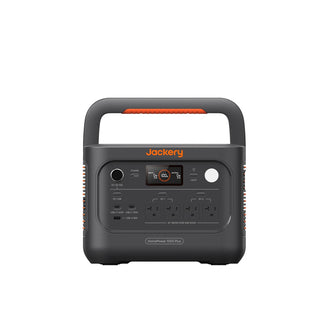
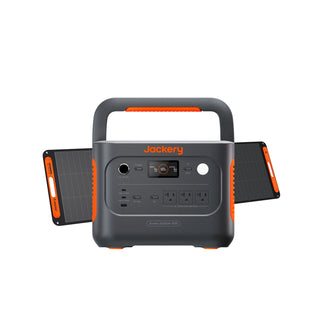
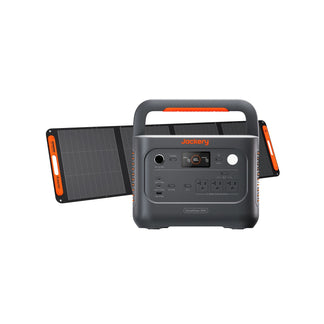
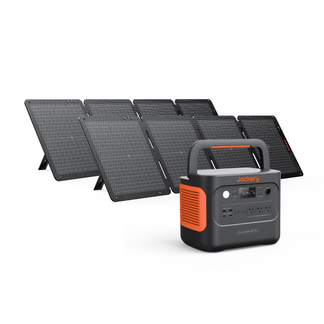
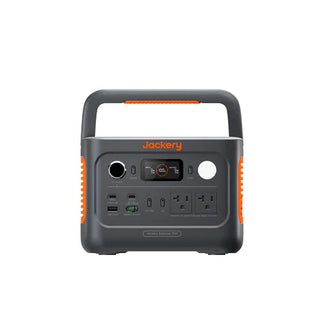
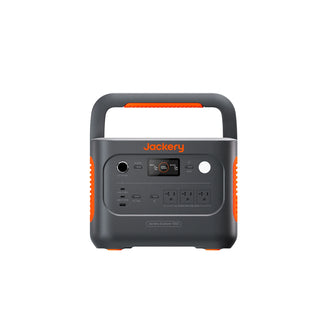
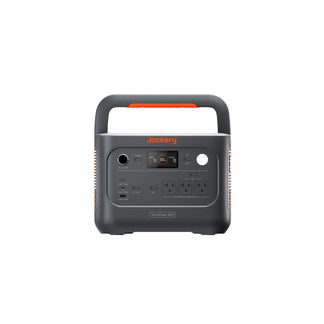
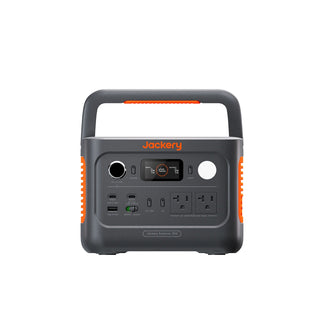
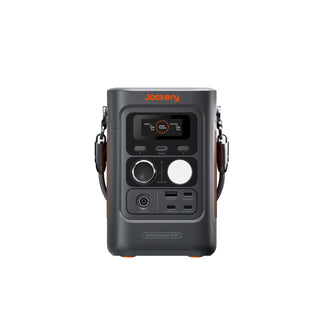
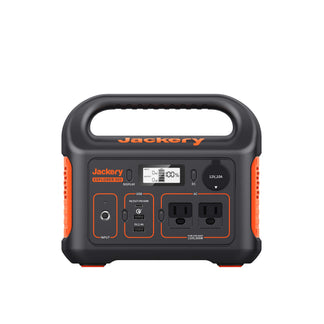
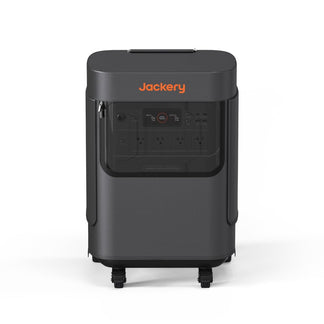
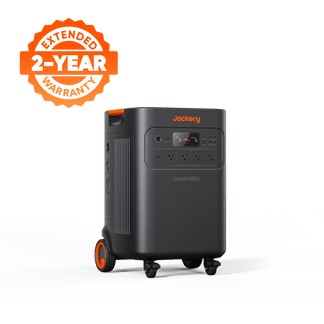
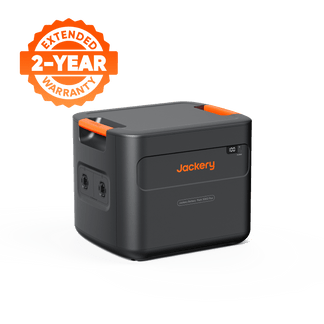
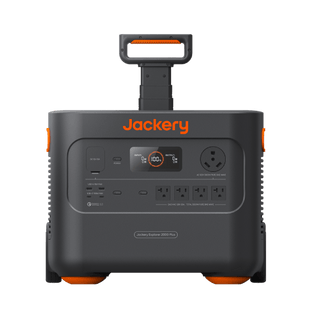
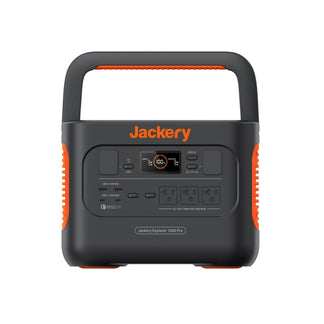
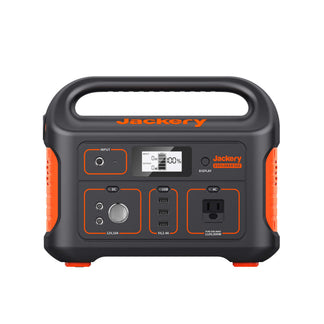
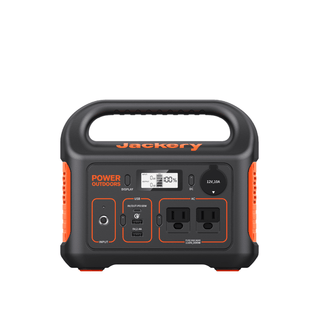
Jackery’s portable power stations integrate battery, inverter, and charge controller into a single unit that directly powers a 12V fridge and recharges from solar panels. They eliminate the separate-component sizing headache.
Use Case |
Recommended Product |
Key Specs |
|---|---|---|
Fridge-only, 1–2 days off-grid |
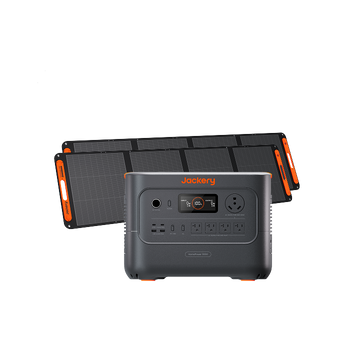
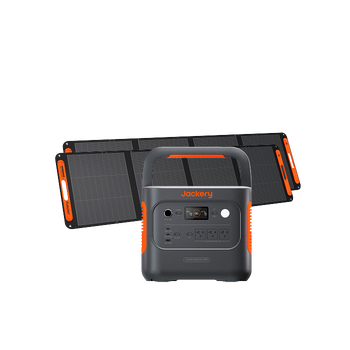
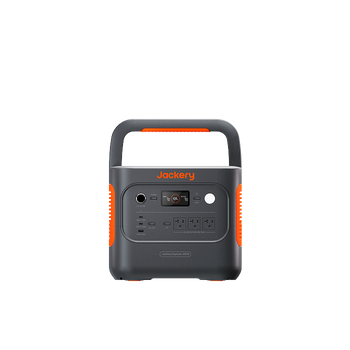
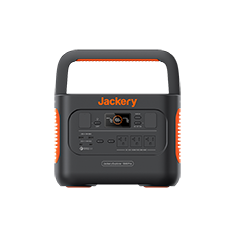
Jackery Explorer 1000 v2 |
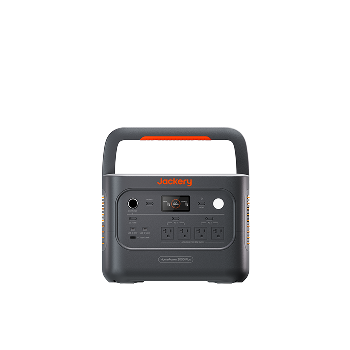
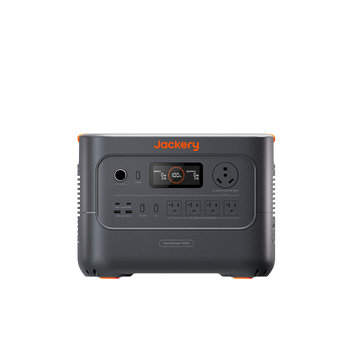
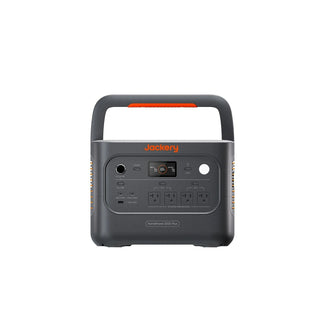
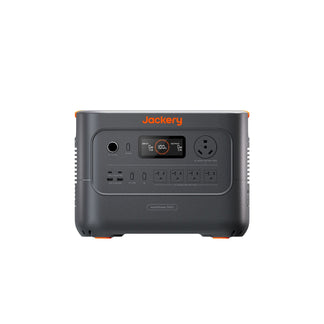
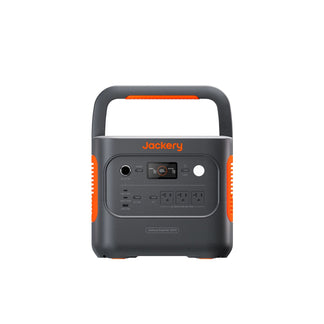
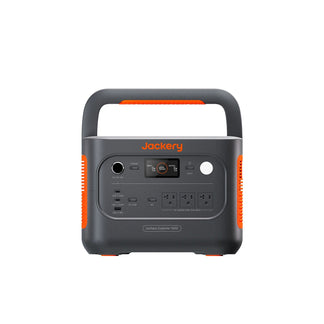
1,070 Wh capacity, 1,500W inverter, 400W max solar input, 23.8 lbs |
Fridge + lights + pump, 3–4 days |
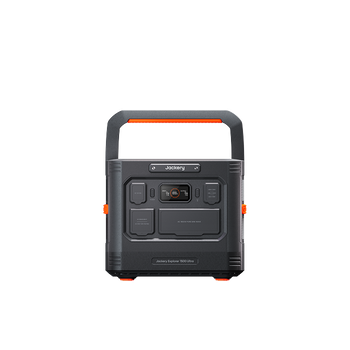
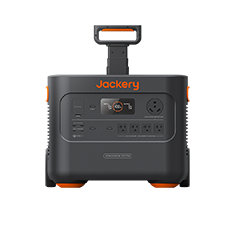
Jackery Explorer 2000 v2 |
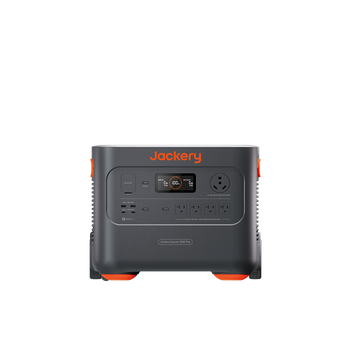
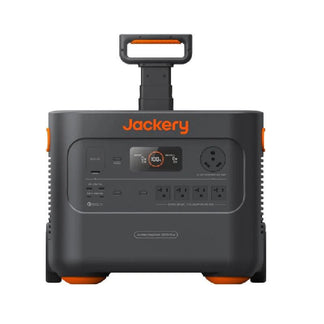
2,042 Wh, 2,200W (4,400W surge), 400W max solar input, 39.5 lbs |
Fast recharge for any setup |
Jackery SolarSaga 340 X |
340W bifacial TOPCon panel, pairs with Explorer series |
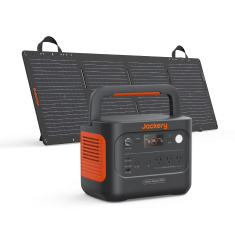
- Explorer 1000 v2: 1,070 Wh usable capacity, equivalent to a 200Ah lead-acid bank; built-in MPPT accepts up to 400W solar input.
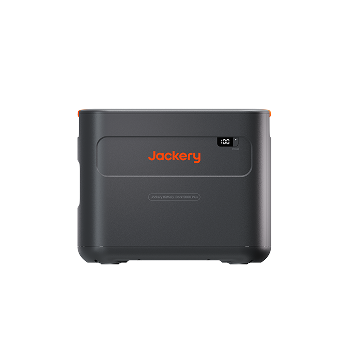
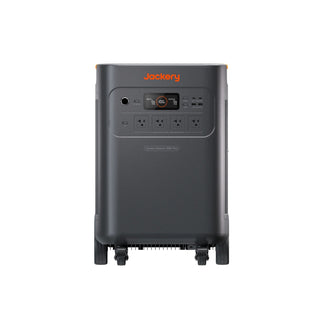
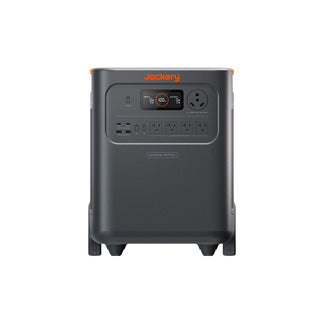
- Explorer 2000 v2: 2,042 Wh capacity, 4,400W peak handles compressor startup surge, powers multiple DC loads for days.
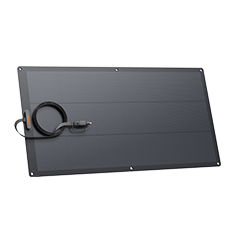
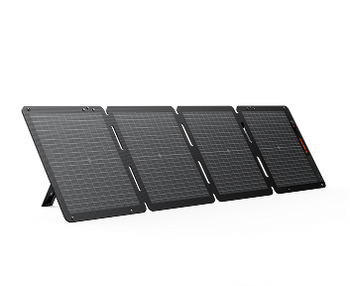
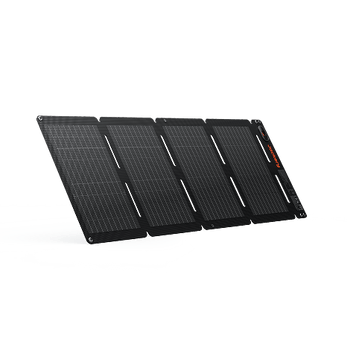
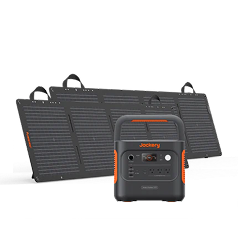
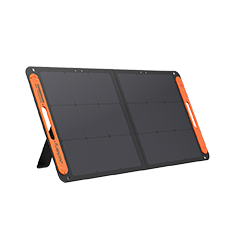
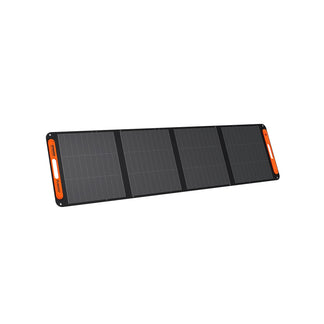
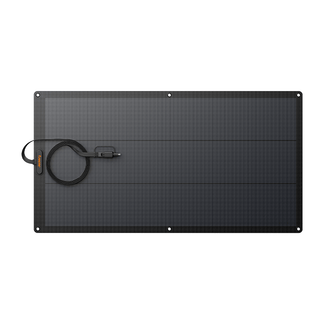
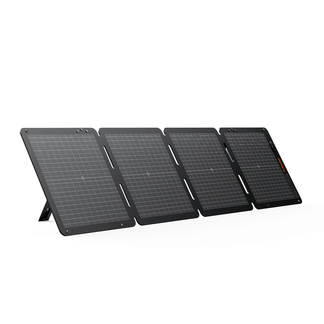
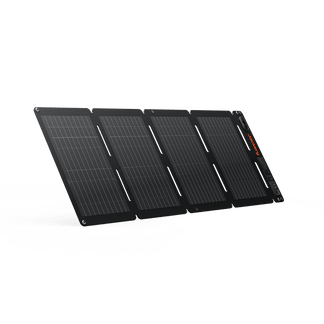
- SolarSaga 340 X: 340W output, bifacial TOPCon cells deliver high efficiency even in low light, portable design maximizes sun angle.
For a deep dive into building a reliable backup system, this guide on secure power backup applies the same principles to home appliances.
Frequently Asked Questions (FAQ)
Can I connect roof solar panels to a portable power station?
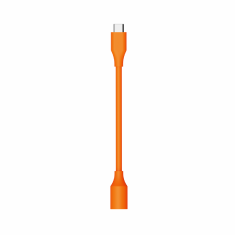
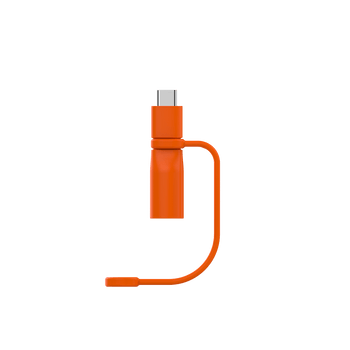
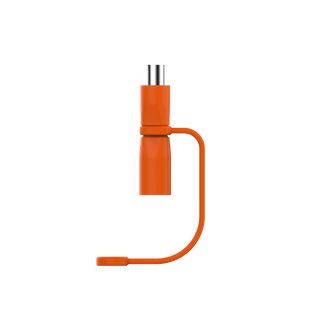
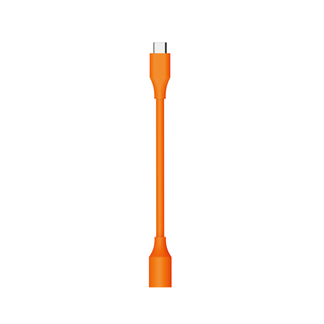
Yes, if the voltage and connector type match. An adapter cable often lets you plug existing roof panels into the power station’s solar input.
How do I measure my RV’s actual daily power consumption?
Install a battery monitor with a shunt to track amp-hours consumed over a full 24-hour cycle. Multiply by system voltage to get daily watt-hours.
Do I need special cables for my solar panel kit?
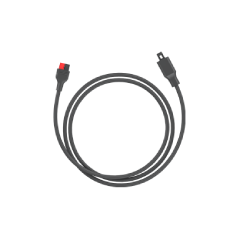
Most 12V solar panel kits include pre-terminated cables with MC4 connectors. For longer distances, purchase pre-made extension cables of the same gauge to avoid voltage drop.
Can I mix different wattage solar panels on the same charge controller?
MPPT controllers allow mixed panels if string voltages are close, but identical panels yield the highest overall efficiency.
How often should I clean my RV solar panels?
Clean panels every 2–4 weeks in dusty or pollen-heavy areas, or after storms. Soiling can reduce output by up to 20%.


