




![[Add - on] Jackery Manual Transfer Switch for Explorer 5000 Plus - Jackery](http://www.jackery.com/cdn/shop/files/add-on-jackery-manual-transfer-switch-for-explorer-5000-plus-9017324.png?v=1754016782&width=350)



![[Add - on] Jackery Manual Transfer Switch for Explorer 5000 Plus - Jackery](http://www.jackery.com/cdn/shop/files/add-on-jackery-manual-transfer-switch-for-explorer-5000-plus-9017324.png?v=1754016782&width=324)


Embracing Off-Grid Freedom in 2026
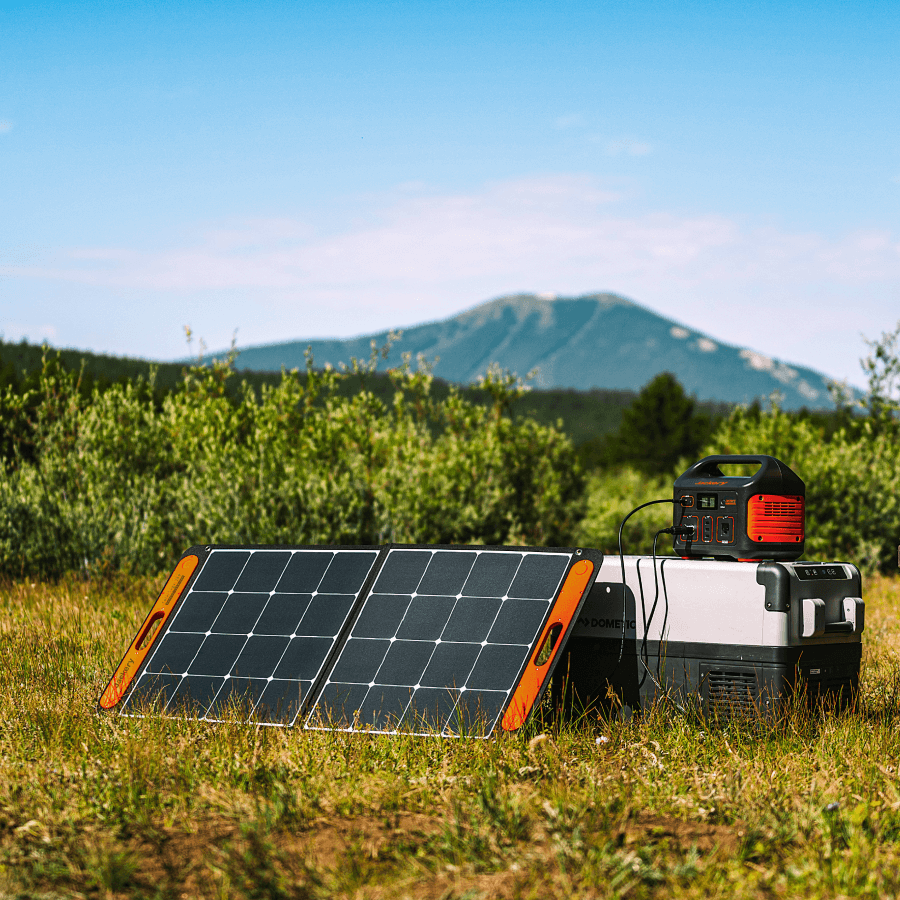
Fuel generators are loud, heavy, and require constant refueling. Portable solar panels offer a silent, exhaust-free alternative that keeps your lights on without ruining the peace of nature. For RVers in 2026, the best portable solar panels for RV setups provide energy independence by harvesting sunlight to power everything from smartphones to air conditioners.
Understanding RV Solar Technology and Efficiency
Real-World Output vs. Lab Ratings
You should expect to harvest 70-80% of a panel's rated wattage during peak sun hours. Lab ratings rarely match campsite reality because a panel rated for 200W is tested under perfect conditions—77°F and direct perpendicular sunlight. In the real world, atmospheric dust, heat, and angle variations reduce this output. This reduction is not a defect; it is physics.
Bifacial Technology Advantages
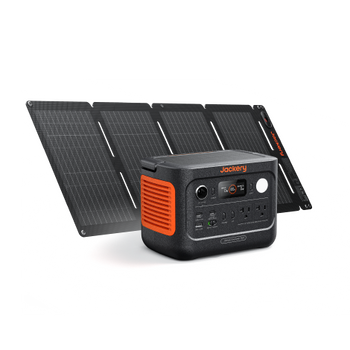
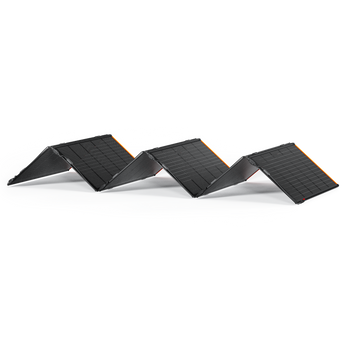
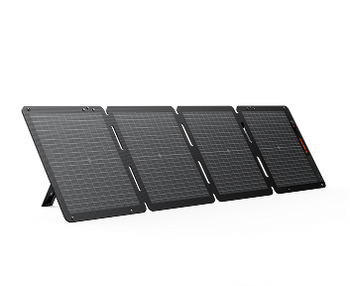
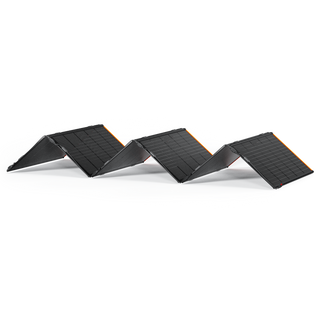
Bifacial technology captures reflected light from the ground on the rear side, boosting energy generation beyond standard front-facing collection. Units like the Jackery SolarSaga 100W Air utilize this dual-sided approach to maximize efficiency, especially when panels are placed on reflective surfaces like sand or snow.
ETFE Coatings for Durability
ETFE (Ethylene Tetrafluoroethylene) is a fluorine-based plastic that resists high heat, corrosion, and UV degradation. While cheap panels use PET plastic that yellows and cracks, premium panels use ETFE coatings to create a self-cleaning surface. This material choice extends the panel's lifespan significantly compared to traditional laminates.
MPPT vs. PWM Controllers
MPPT (Maximum Power Point Tracking) controllers are essential for RVing because they adjust the electrical load to maximize harvest in variable weather. While PWM (Pulse Width Modulation) controllers are cheaper, they are inefficient and often waste 20-30% of harvested energy. An MPPT controller extracts every possible watt from your panels.
Managing Partial Shading
Shadows significantly drop solar output because a single branch shading one cell can impact the entire panel. To maintain efficiency, position your portable panels away from the RV's shadow, AC units, or nearby trees. Portable units offer a distinct advantage here: you can move the panels into the sun while keeping your RV parked in the shade.
Sizing Your Portable Solar System for RV Camping
Choosing the Right Wattage
Selecting the right portable solar panels for RV camping depends entirely on your energy consumption.
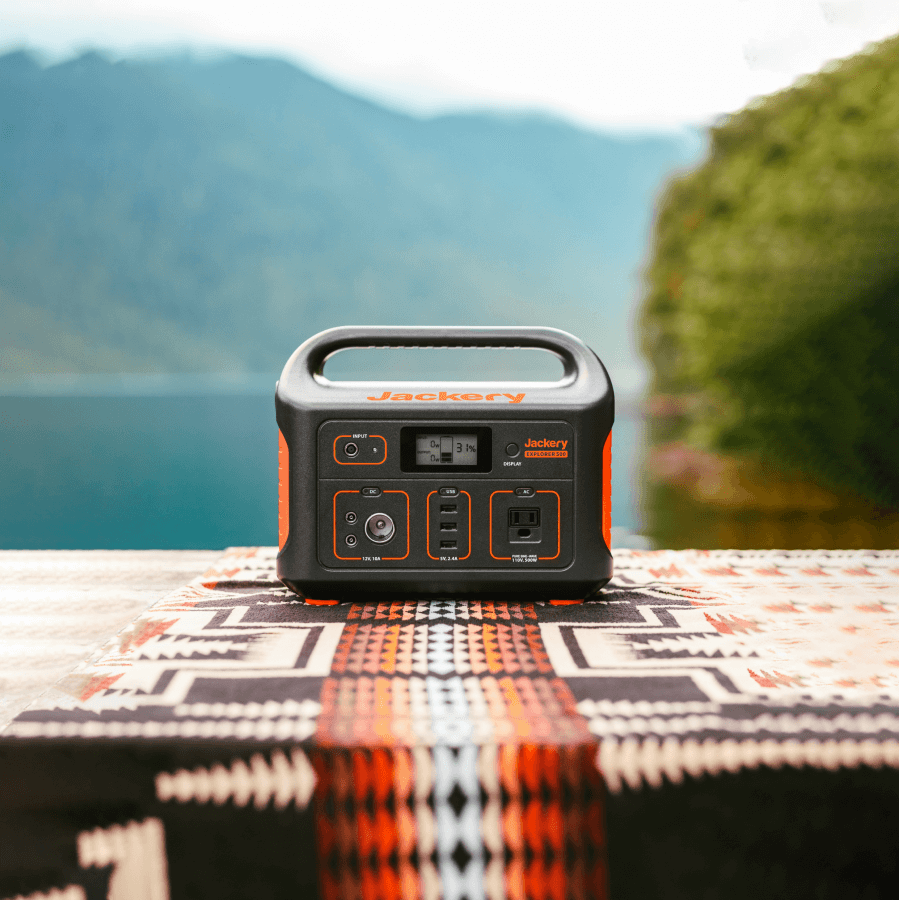
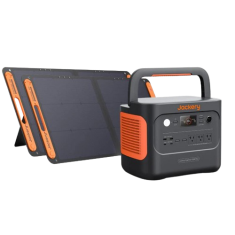
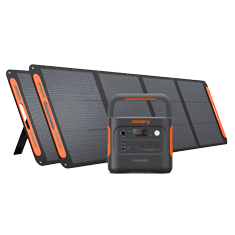
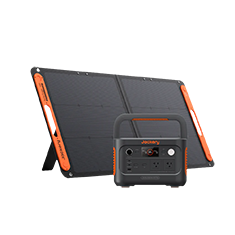
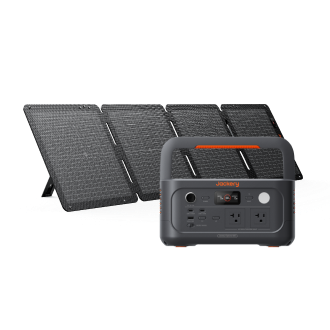
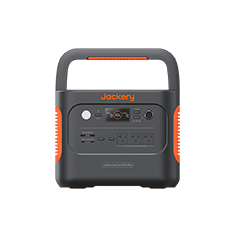
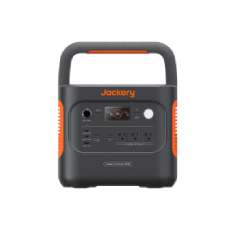
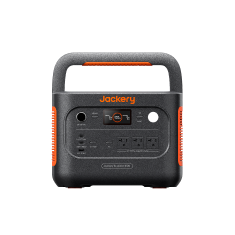
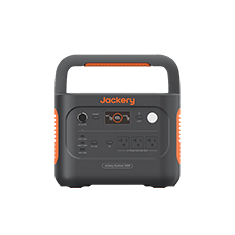
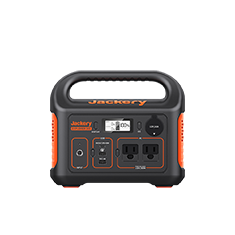
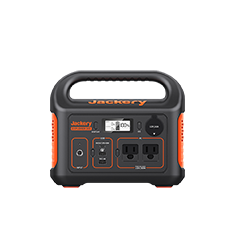
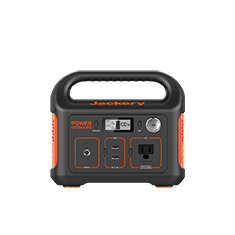
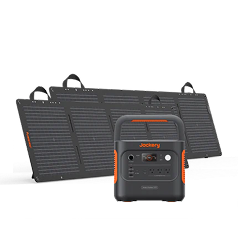
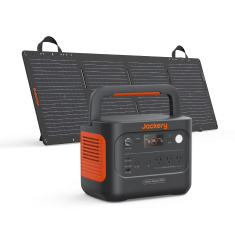
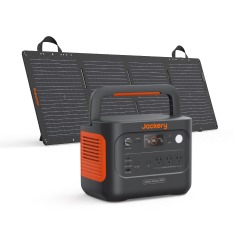
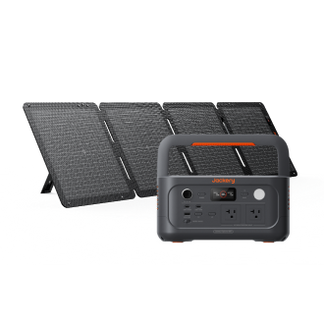
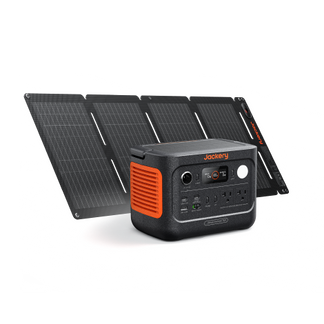
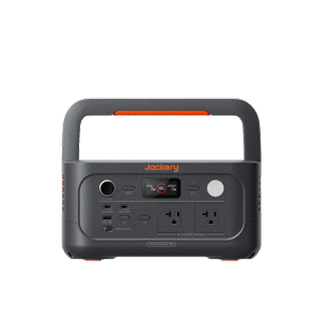
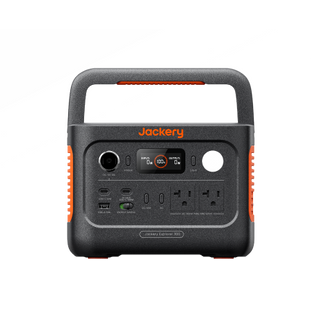
- Small Setups (~100W): These are ideal for keeping phones, laptops, and drones charged. This tier fits users of the Jackery Solar Generator 600 v2, which pairs perfectly with smaller arrays for weekend trips.
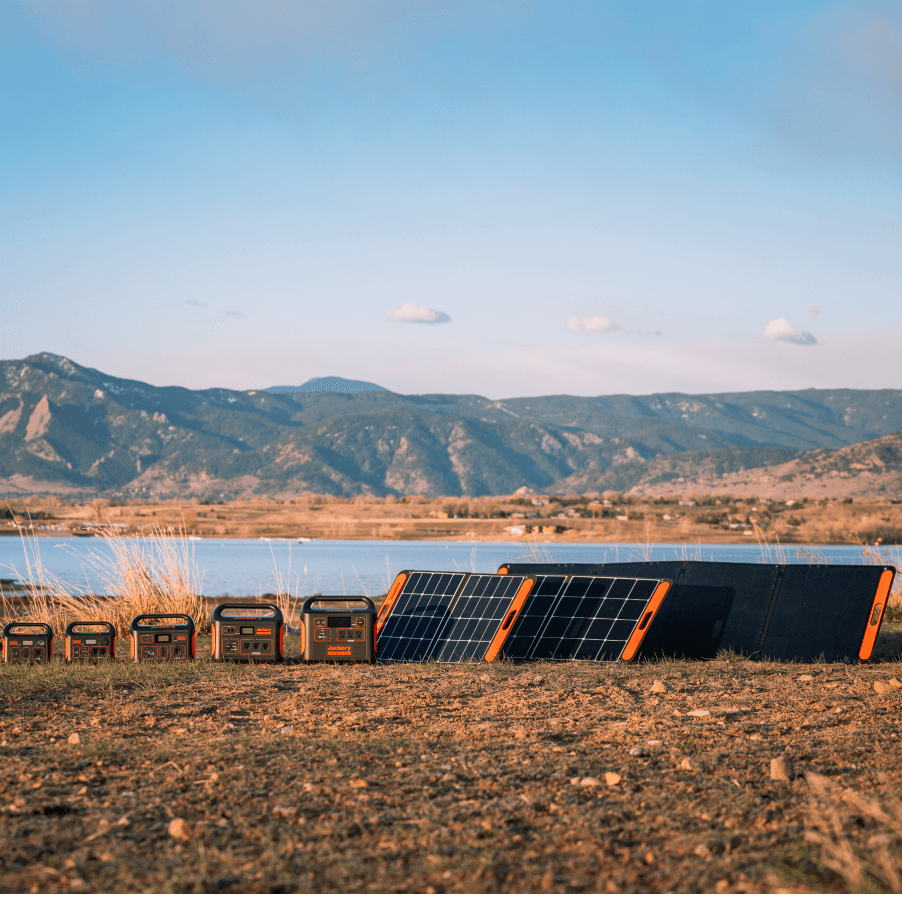
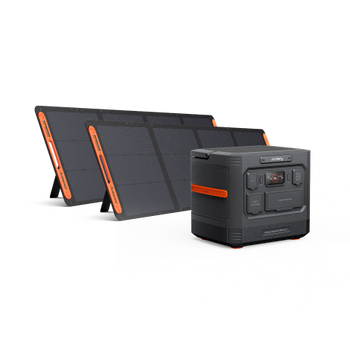
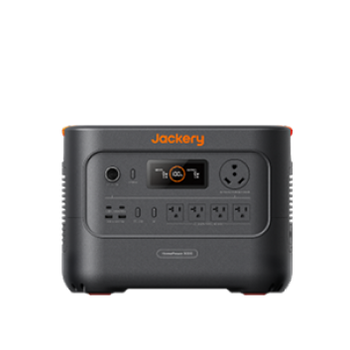
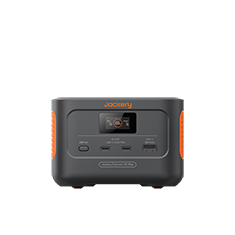
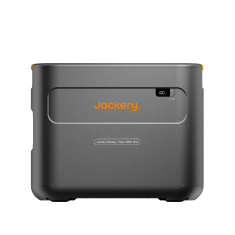
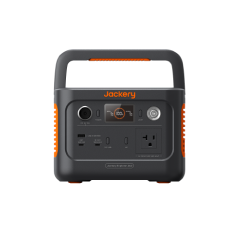
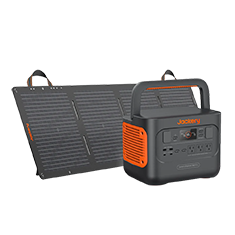
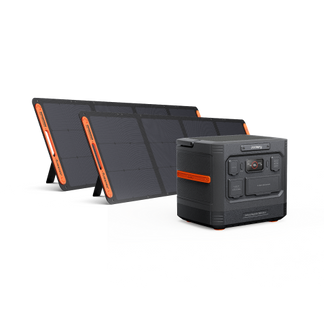
- Medium Setups (200W-400W): This range supports RV fridges, LED lights, water pumps, and ventilation fans. It aligns with the capacity of the Jackery Solar Generator 1500 v2.
Step 1: Determine Daily Watt-hours (Wh)
Calculate your total daily load by multiplying each device's wattage by the hours used per day.
- Example: 60W Laptop x 4 hours = 240Wh.
- Example: 10W LED Light x 5 hours = 50Wh.
- Total Daily Load = 290Wh.
Step 2: Factor in Sun Hours
Divide your total Wh by the local peak sun hours to find the minimum wattage required. In the US, the average is 4-5 hours.
- 290Wh / 5 hours = 58W required.
- Reality check: You need more than the minimum to charge the battery efficiently.
The Buffer Rule
Always add 20% to your final wattage calculation. This buffer accounts for cloudy days, winter angles, and system inefficiencies. If your math says you need 100W, aim for 120W or more to ensure reliability.
Driving vs. Camping
Portable panels are strictly for stationary use and should not be mounted on a roof while driving. Deploy the units only when you are parked at your campsite to avoid damage from wind resistance.
Design and Portability Factors for Travelers
Form Factors
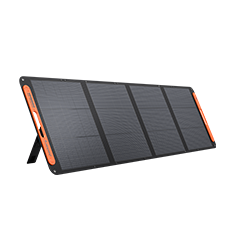
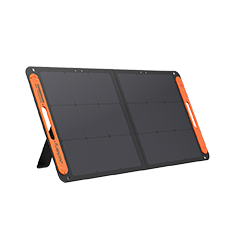
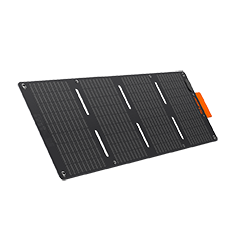
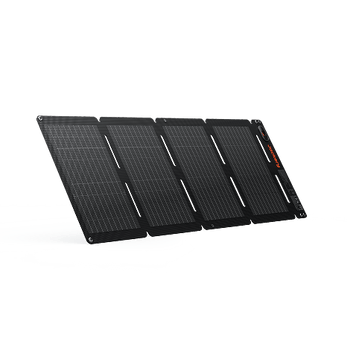
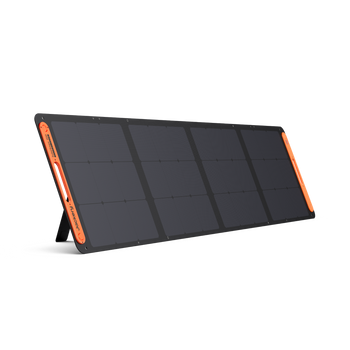
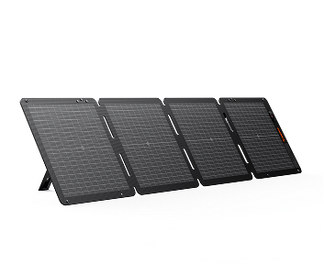
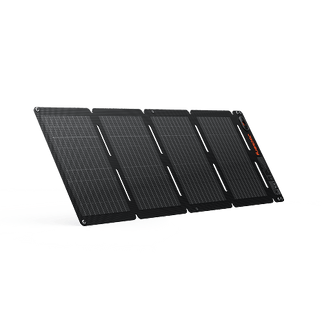
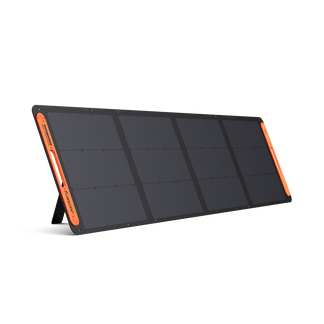
Foldable suitcases are the superior choice for portability over rigid glass panels. RV portable solar panels must be easy to handle, and rigid models are often heavy and fragile. Look for models with magnetic closures and integrated handles that allow you to carry the panel like a briefcase.
Weight Considerations
Lightweight options like the Jackery SolarSaga 100W Air (7.1 lbs) reduce physical strain and encourage frequent use. Every pound count in an RV, and heavy gear often gets left behind. Lighter panels are easier to reposition throughout the day to chase the sun, maximizing your energy yield.
Setup Speed
The best designs feature integrated kickstands that unfold instantly. You want to relax, not fiddle with hardware. Prioritize stands that allow you to angle the panel correctly in seconds without tools or complex frames.
Cable Management
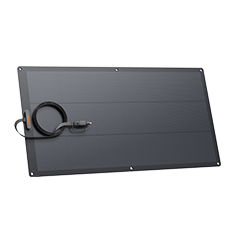
Panels with integrated cable storage pockets prevent loose cables from tangling and breaking. This design feature protects the connectors during transport and keeps your storage bays organized.
Storage Efficiency
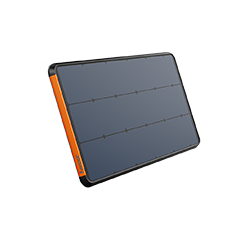
Slim profiles that fold flat slide easily between gear totes or behind seats. Space is premium real estate in a van or RV basement, so ensure your panels save precious cargo space for other essentials.
Durability and Environmental Protection Standards
Understanding IP Ratings
IP68 is the gold standard for longevity, indicating the unit is dust-tight and can withstand immersion in water. IP65 means the gear is dust-tight and protected against water jets (rain), but not immersion. For peace of mind, choose panels with high IP ratings to handle sudden downpours or dusty desert winds.
Impact Resistance
Certifications like UL (Underwriters Laboratories) ensure panels can withstand road vibration and accidental drops. Road vibration destroys cheap electronics, so verified impact resistance is critical for equipment stored in moving vehicles.
Temperature Range
Your equipment should operate between -4°F and 113°F to handle camping extremes. This wide operating range ensures your system functions whether you are winter camping in the Rockies or boondocking in the Arizona desert.
Maintenance Routines
Clean your panels with water and a soft cloth to remove dust and pollen. Avoid abrasive chemicals that can strip the ETFE coating. Regular cleaning maintains peak efficiency without damaging the surface.
Warranty and Confidence
Seek 3 to 5 year warranties as a promise of quality. A long warranty period indicates the manufacturer is confident the product will survive years of outdoor use.
Integration: Connecting Panels to Your RV
Complete Power Solutions
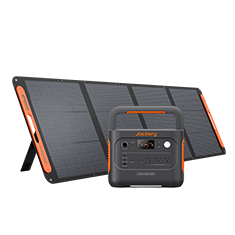
A portable solar system for RV use is most effective when integrated into a Solar Generator concept. This cohesive unit combines the solar panels, an MPPT controller, and a battery, eliminating compatibility issues.
Ease of Use
Plug-and-play systems ensure connectors fit and voltages align without guesswork. Beginners should avoid systems requiring wire stripping, crimping, or fuse sizing. Reading a complete guide to solar powered RV setup can help clarify why pre-matched systems beat complex DIY wiring.
Battery Chemistry Matters
LiFePO4 (Lithium Iron Phosphate) is the superior choice for RVs, offering 4000+ charge cycles. This chemistry means your battery can last over 10 years of daily use, far outlasting traditional lead-acid or older lithium-ion chemistries.
Inverter Matching
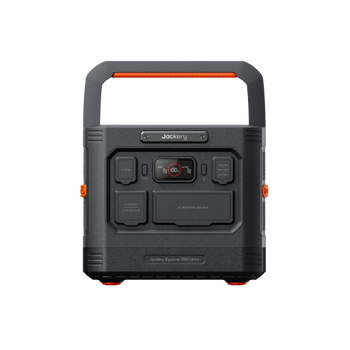
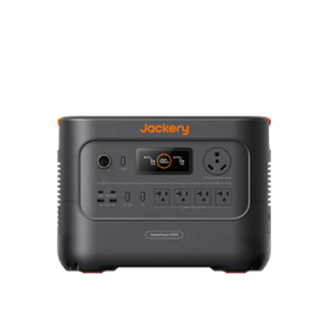
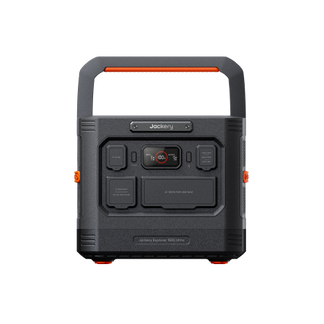
Your inverter must handle your highest load, such as a 1500W coffee maker. The Jackery Solar Generator 1500 v2 offers 2000W output, easily handling high-draw appliances that would trip a standard 1000W inverter.
Pass-Through Charging
Pass-through charging allows you to use your devices while the system recharges via solar. This feature is essential for keeping your fridge running during the day while simultaneously topping up the battery for the night.
Navigating Regulations and Safety Standards
Campground Rules
Always check local campground rules regarding generator placement and cable runs. Portable panels often bypass strict permanent install codes because they are temporary, but you must avoid creating tripping hazards.
Fire Safety
Ensure your battery unit has adequate airflow to dissipate heat. Even sealed batteries generate heat, so ventilation is key. Always use UL-certified equipment to minimize fire risks associated with short circuits or thermal runaway.
Cable Safety
Stick to manufacturer-provided connectors and cables designed specifically for the amperage your system generates. Never use undersized cables, as thin wires overheat and cause voltage drop, wasting power and creating fire hazards.
Emergency Access
Ensure cables running from outside to inside do not block RV exits or pathways. In an emergency, you need a clear path out of the vehicle, so cable routing must be planned carefully.
Real-World Use Cases and Practical Tips
Scenario 1: The Weekend Warrior
Needs: Charging smartphones, running a CPAP machine at night, and powering LED camp lights. Solution: The Jackery Solar Generator 600 v2.
- Capacity: 640Wh is sufficient for 2-3 nights of CPAP use (with humidifier off).
- Portability: Lightweight design makes it easy to stow in a car trunk or small camper.
- Outcome: Reliable medical device power without the noise of a gas generator.
Scenario 2: The Off-Grid Family
Needs: Coffee maker, portable fridge (running 24/7), laptops for remote work, and a blender for smoothies. Solution: The Jackery Solar Generator 1500 v2.
- Capacity: 1536Wh keeps the fridge cold overnight and powers morning appliances.
- Output: 2000W AC output handles the blender and coffee maker simultaneously.
- Charging: Fast solar charging replenishes the battery during the day.

Practical Tips
- Test at Home: Set up your gear in the driveway before the trip. Understand exactly how long setup takes and verify all cables work.
- Use the App: If your system has an app, use it to monitor real-time input. Adjust panel angles until you see the wattage number peak.
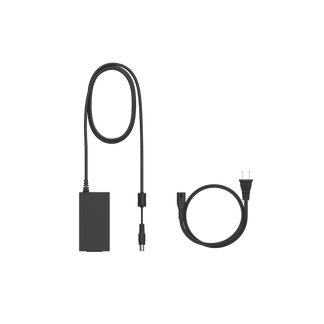
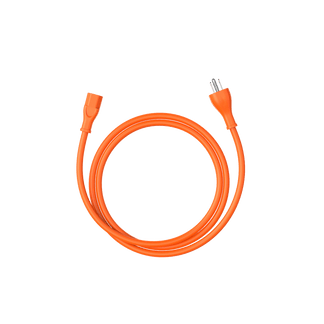
- Backup AC Cable: Always carry a backup AC charging cable. If you find a power pedestal at a campground, you can top up quickly regardless of the weather.
Design Decision Checklist
Before purchasing, run through this quick checklist to ensure you buy the right gear.
- Calculate Load: Know your daily Wh usage. Guessing leads to dead batteries.
- Check Chemistry: Ensure the battery is LiFePO4 for 10-year longevity.
- Verify Portability: Can you comfortably lift the unit and panels? If it's too heavy, you won't use it.
- Assess Speed: Look for fast AC charging (e.g., 0-100% in 1 hour) for quick turnarounds at campsites with hookups.
- Review Ports: Count your devices. Ensure enough USB-C, USB-A, and AC outlets are available for everyone.
- Future Proofing: Reviewing RV solar panel kits helps you choose a system that meets current needs with a buffer for future gadgets.
Frequently Asked Questions
Can I use portable panels while my RV is moving?
No, using portable panels during transit is dangerous and inefficient due to wind resistance and the lack of secure mounting.
How do I secure portable panels against theft while camping?
Use locking cables threaded through the panel frames or handles and secure them to your RV's chassis. Bringing the panels inside at night or when away from the campsite is the safest option.
Will these panels work through my RV’s glass windows?
Glass significantly reduces UV rays and efficiency. Panels should always be placed directly outdoors in unobstructed sunlight for maximum performance.
Can I mix different brands of solar panels together?
Mixing brands creates technical risks due to mismatched voltages and connectors. It is safer and more efficient to stick with the same manufacturer or identical specifications.
How do I clean panels without scratching the ETFE coating?
Use non-abrasive soaps, water, and microfiber cloths. Avoid harsh chemicals or rough sponges that cause micro-scratches, which can block sunlight over time.