





![[Add - on] Jackery Manual Transfer Switch for Explorer 5000 Plus - Jackery](http://www.jackery.com/cdn/shop/files/add-on-jackery-manual-transfer-switch-for-explorer-5000-plus-9017324.png?v=1754016782&width=350)



![[Add - on] Jackery Manual Transfer Switch for Explorer 5000 Plus - Jackery](http://www.jackery.com/cdn/shop/files/add-on-jackery-manual-transfer-switch-for-explorer-5000-plus-9017324.png?v=1754016782&width=324)


A cheap off grid solar system often creates a financial trap despite promising energy independence and low upfront costs. Break-even timelines for budget DIY build frequently extend to 10 to 27 years once efficiency losses and component replacements are calculated. Reliance on bargain-bin hardware leaves homeowners vulnerable to weather dependency and critical power failures during outages.
Going budget introduces risks that rarely appear on the sticker. Orphan systems—kits assembled from obscure brands—typically lack technical support, void warranties upon installation, and incur severely underestimated maintenance costs. This guide dissects where a low-cost setup saves money and where it creates a financial black hole.
Understanding the Cheap Off Grid Solar System vs. Value Equation
Cheap in the solar industry implies prioritizing the lowest sticker price over durability, safety, and expandability. A cost-effective system must be evaluated on lifetime cost, which includes purchase price, installation, maintenance, component replacements, and backup fuel.
Real Price Ranges
- Small Setups (Cabin/RV): DIY builds typically range from $6,000 to $15,000. Quality varies significantly at this price point. A $6,000 kit generally uses lead-acid batteries and PWM controllers, while a $15,000 setup employs efficient MPPT controllers and Lithium Iron Phosphate (LiFePO4) storage.
- Robust Off-Grid Homes: Reliable systems designed for year-round survival usually exceed $15,000 to $30,000. This higher investment ensures the system has enough capacity to survive winter deficits without running a gas generator continuously.
Decision Checklist
Evaluate these three factors before purchasing any budget kit:
- Average Daily kWh: Measure usage with a watt meter rather than guessing.
- Outage Tolerance: Determine if the home can function without power for 48 hours during a storm.
- Local Climate: Verify that the system specifications match local weather patterns, as a setup for Arizona may fail in Michigan.
For those planning a small structure, understanding how to build a small cabin allows you to align energy needs with construction budgets early in the process.
Hidden Technical Costs of Budget Components
Cutting corners on hardware creates technical bottlenecks that significantly reduce total energy harvest.
Inverter Efficiency and Loading
Cheap inverters often deliver only 80% of generated power to appliances due to high conversion losses. A budget unit generating 1000W might only provide 800W of usable power. These lower-tier components also struggle with surge handling, frequently failing to start inductive loads like refrigerators or well pumps.
System designers must consider the Inverter Loading Ratio (ILR). This ratio involves oversizing PV (photovoltaic) capacity relative to the inverter. A budget kit with a 1:1 ratio wastes potential energy. A higher ratio captures energy during low-light conditions (mornings, evenings, cloudy days) by keeping the inverter running closer to peak efficiency for longer periods.
Battery Chemistry Matters
Battery choice dictates system lifespan and is the most expensive component of an off-grid system.
- Lead-Acid: These batteries offer lower upfront costs but require regular maintenance (watering, equalization) and fail after 300-500 cycles at 50% depth of discharge.
- LiFePO4 (LFP): Lithium Iron Phosphate units cost more initially but provide 10+ year lifespans with 4,000+ cycles.
Battery-Free Risks
Systems without storage are sun-dependent rather than off-grid. Without batteries, a passing cloud drops voltage immediately, crashing computers and sensitive electronics. This limitation restricts reliability strictly to peak sun hours.
Wiring and Safety: Turnkey vs. DIY
Undersized wiring in budget kits increases fire risks and causes voltage drop, reducing the power reaching the battery.
- DIY: Building a system cuts costs but requires electrical skills, crimping tools, and permits. Complex DIY solar panel installation is unforgiving of mistakes and often requires professional inspection.
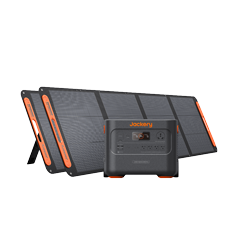
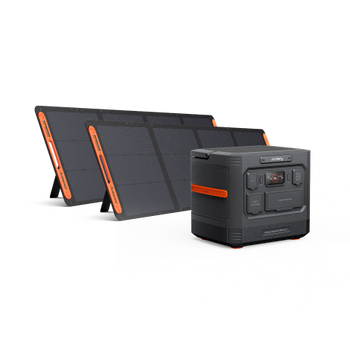
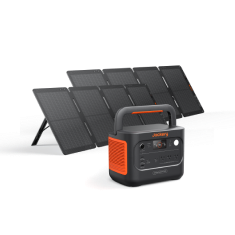
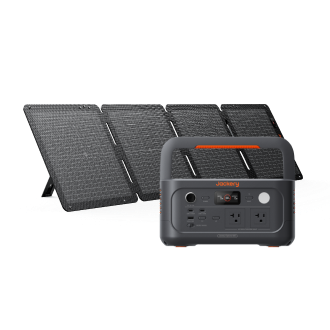
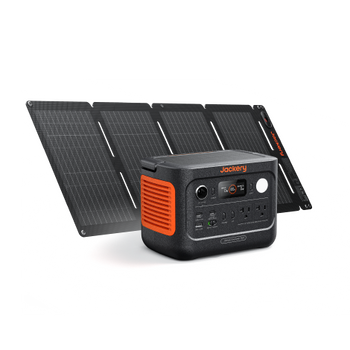
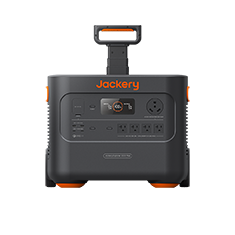
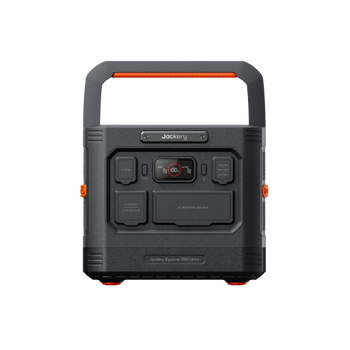
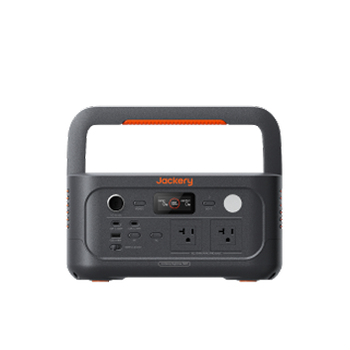
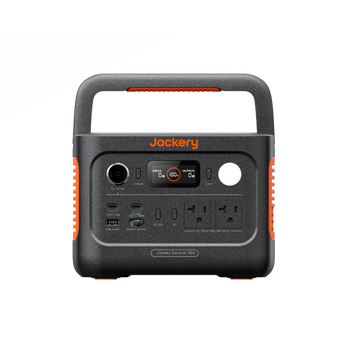
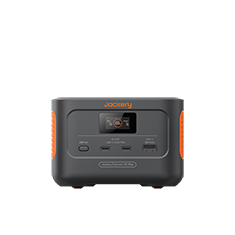
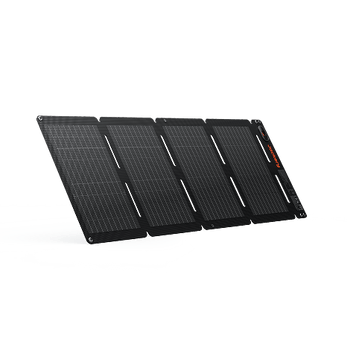
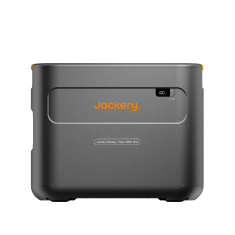
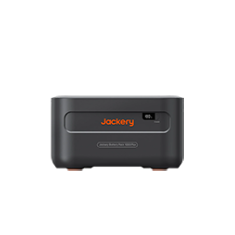
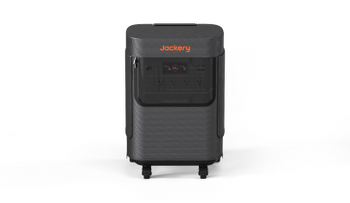
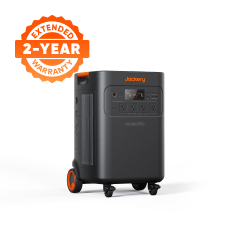
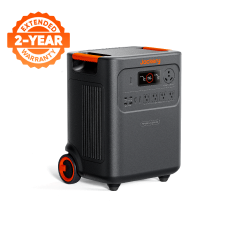
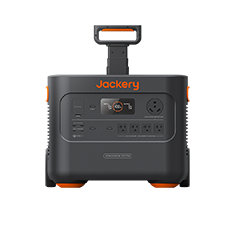
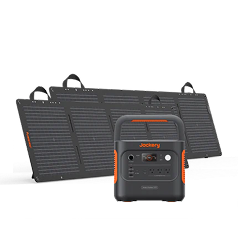
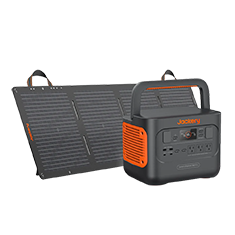
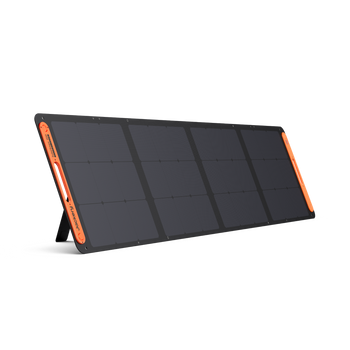
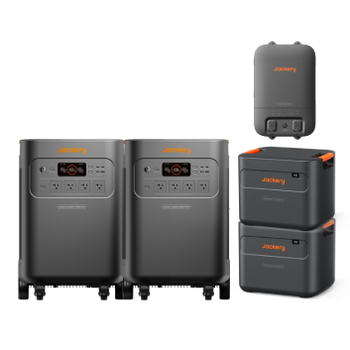
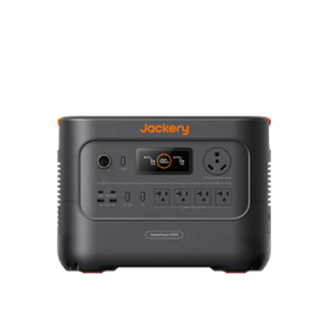
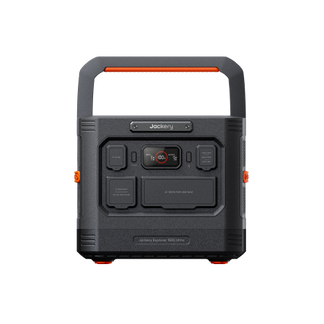
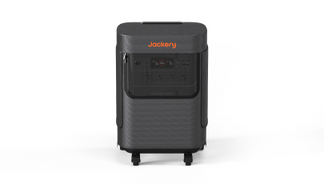
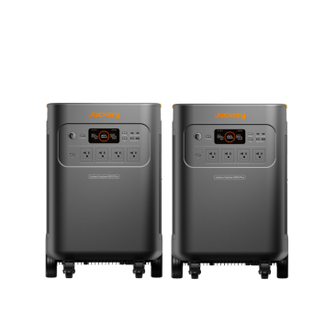
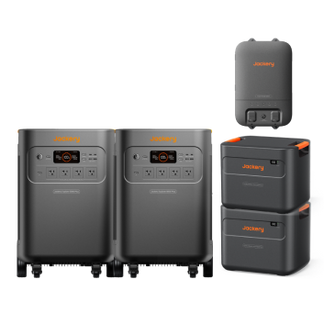
- Integrated Example: The Jackery Solar Generator 5000 Plus offers a pre-wired, safe, turnkey alternative. This unit eliminates complex DC wiring, fusing, and charge controller matching.
- Engineering Rule: Always design with a margin for weather. Never build to the bare minimum of daily usage.
Navigating US Building Codes, Insurance, and Fire Safety
A cheap off grid solar system often becomes expensive when building inspectors review the installation.
Code Triggers and Inspection Failures
Permanent roof installs trigger fire access pathways, setback rules, and structural code requirements. Budget DIY installs frequently fail Authority Having Jurisdiction (AHJ) reviews due to improper labeling, lack of rapid shutdown switches, or grounding issues. These failures lead to expensive retrofits or forced removal.
Insurance Risks
Uncertified systems can void home insurance policies. If a non-UL-listed inverter causes a fire, the claim is often denied. Furthermore, skipping professional snow-load or roof evaluations can lead to catastrophic structural damage if the roof cannot support the added weight of the array.
Portable Code Avoidance
Portable power stations often bypass permanent building code triggers, making them ideal for renters, cabins, or temporary setups.
-
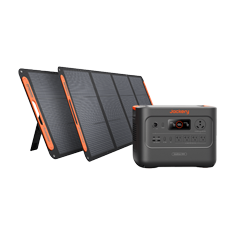
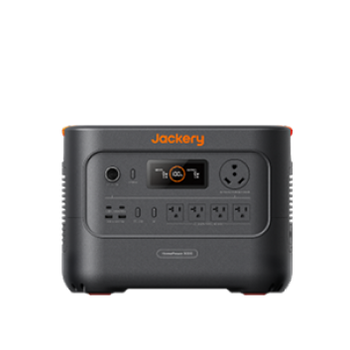
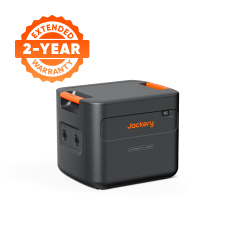
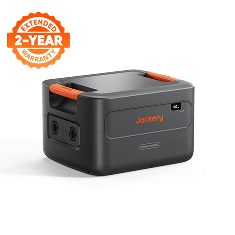
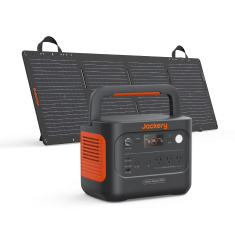
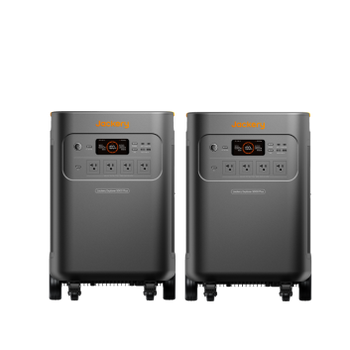
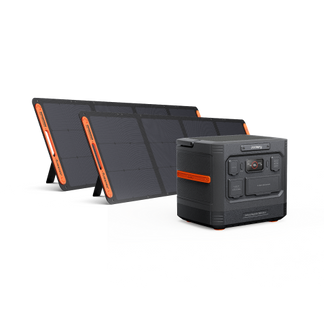
Example: The Jackery Solar Generator HomePower 3600 Plus provides high capacity (3584Wh, expandable) without requiring permanent structural modification or electrical permits in many jurisdictions.

Documentation
Maintain all receipts, photos of the install, and equipment manuals. Homeowners need these documents to satisfy insurance claims and future inspectors.
Operational Realities: Weather and Maintenance
Solar is not set it and forget it, especially when relying on budget hardware.
Seasonal Deficits
Winter output in northern latitudes drops 50–70% compared to summer peaks. A cheap system sized for July production will fail in December. Arrays must be oversized to compensate for lower sun angles and shorter days.
Environmental Losses
Soiling from dust, pollen, or wildfire smoke reduces output by 10–25%. Without regular cleaning, a budget system with no overhead capacity will fail to charge batteries fully.
Load Management and Monitoring
- Load-first approach: Reduce consumption before buying more panels. LED lights and insulation offer a better ROI than a new battery.
- Shift high-draw appliances: Run laundry and heating during peak sun hours to preserve battery life for the night.
- Monitoring: Smart monitoring is essential for system health. Cheap kits often lack data visibility, hiding failing strings or dead cells until the system collapses.
Backup Necessity
Reliable off-grid living requires hybrid solutions. A backup generator is necessary for 100% uptime during multi-day storms.
Financial Pitfalls and Real-World ROI
The sticker price represents only a fraction of the true cost of ownership.
True Lifetime Cost
Battery replacements drive up long-term costs significantly. Lead-acid batteries may need replacement every 3-5 years. Over a 15-year period, a homeowner might buy three sets of lead-acid batteries, costing far more than one quality LFP bank. Generator fuel costs must also be added for periods when solar underperforms.
For a detailed breakdown, review this off-grid solar power systems cost analysis to see where the money actually goes.
Budget Reality
Reliable year-round off-grid home systems rarely cost under $15,000 once adequate storage is included.
Financing and Fees
- Financing Traps: High-interest loans or zero-down leases can negate all energy savings.
- Grid Fees: Maintaining a partial grid connection incurs minimum monthly fees that impact calculated ROI.
- Incentive Eligibility: DIY kits often lack the certification required to claim the Federal Solar Tax Credit (ITC), leaving 30% of potential savings unclaimed.
Resale Value
Poorly documented DIY systems are viewed as liabilities by home buyers due to maintenance and safety concerns. Conversely, a certified, professional system adds property value.
Strategic Selection: Portable vs. Fixed vs. Hybrid
Choosing the right architecture prevents buyer's remorse and wasted capital.
Comparison: Portable vs. Fixed Systems
|
Feature |
Portable Systems |
Fixed Systems |
|---|---|---|
|
Best For |
Renters, RVs, Permit Avoidance |
Permanent Residences, High Loads |
|
Pros |
No installation cost, plug-and-play, portable |
Higher total capacity, integrated into home wiring |
|
Cons |
Limited max output compared to massive roof arrays |
Permanent, expensive installation, permit heavy |
For a comparison of grid-tied options, see this ultimate guide to on-grid solar systems to understand the differences.
Scalability
Expandability prevents obsolescence. Avoid dead-end kits that cannot accept additional modules.
-
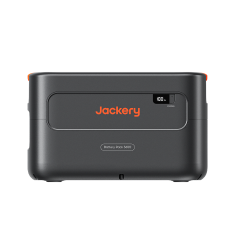
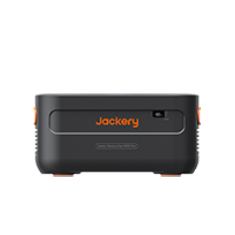
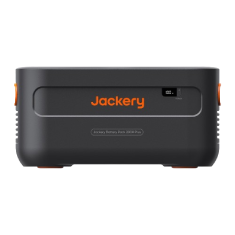
Product Solution: The Jackery Solar Generator 5000 Plus features a modular design, allowing users to expand capacity up to 60kWh as energy needs grow.
Hybrid Reliability
Hybrid setups combine solar, batteries, and a fuel generator for maximum resilience.
-
Brand Support: Avoid orphan brands. Prioritize US-based service and clear warranty terms for long-term security.
Practical Planning Checklist & Next Steps
Complete this audit before spending any money on equipment.
- Audit Usage: Measure actual daily kWh for 30 days rather than relying on estimates.
- Reduce Loads: Invest in efficiency first, as saving a watt is cheaper than generating it.
- Model Production: Calculate solar harvest based on the worst-case winter month, not the summer average.
- Define Downtime: Decide if power outages are tolerable or if 100% uptime is required.
- Get Quotes: Compare professional install warranties against the cost and risk of a DIY build.
- Safety Budget: Allocate funds for safety gear, proper fusing, and an electrician's final review if DIYing.
- Plan Replacements: Budget for battery replacement cycles based on the selected chemistry (LFP vs. Lead-Acid).
Frequently Asked Questions
Can I use sodium-ion batteries for a budget off-grid setup?
Sodium-ion technology is not yet viable for most budget DIY setups. While it offers better cold-weather performance and lower costs than LFP, the technology requires specialized, compatible inverters that are currently harder to find than standard lithium equipment.
Is a PWM charge controller worth the savings over MPPT?
PWM controllers are not worth the savings for any system over 200 watts. The 20-30% efficiency loss associated with PWM wastes too much valuable solar energy to justify the small upfront cost difference compared to MPPT.
How do I ground a DIY off-grid solar system safely?
Safe grounding requires installing a dedicated grounding electrode (copper rod) and bonding the equipment to it. This step prevents lightning damage and static buildup, a critical safety measure often missing in cheap kit instructions.
Will my off-grid system work during a wildfire smoke event?
Heavy smoke can reduce solar output by over 90%, causing system failure. Maintaining power during these events requires a secondary mechanical generator or significantly larger battery reserves than standard weather planning suggests.
Can I mix different solar panel brands in one system?
Mixing brands with different voltages or amperages requires specific wiring strategies, such as parallel strings with blocking diodes. Without these measures, the weakest panel will bottleneck the entire array, severely reducing performance.