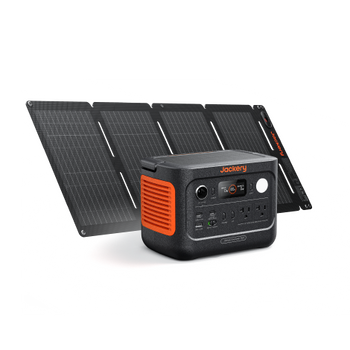








![[Add-on] Jackery SolarSaga 500 X - Jackery](http://www.jackery.com/cdn/shop/files/add-on-jackery-solarsaga-500-x-1493607.webp?v=1786503068&width=324)
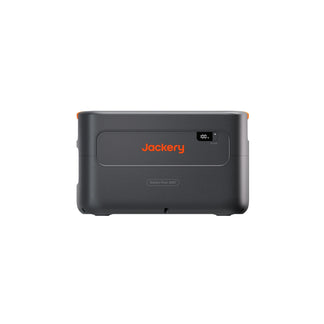
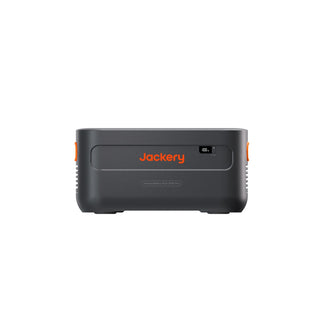
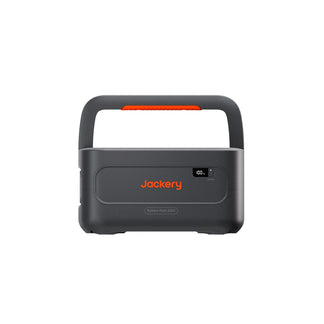
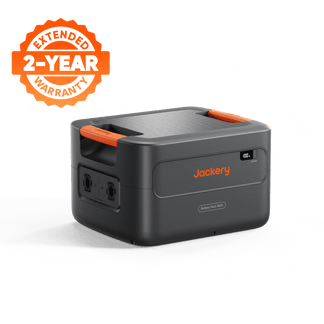
![[Add-on] Jackery Battery Pack 5000 Plus - Jackery](http://www.jackery.com/cdn/shop/files/add-on-jackery-battery-pack-5000-plus-6713401.webp?v=1786503068&width=324)





A small cabin costs $40,000 to $150,000 to build in the US, or roughly $125 to $175 per square foot for a finished, move-in-ready structure. A bare-bones "logs only" kit can start as low as $50 per square foot, while a fully custom stick-built cabin in a high-cost region can increase to $400 per square foot. The cost depends on three things more than anything else: how much of the labor you do yourself, how remote your land is, and whether you are connecting to the utility grid or going off it entirely.
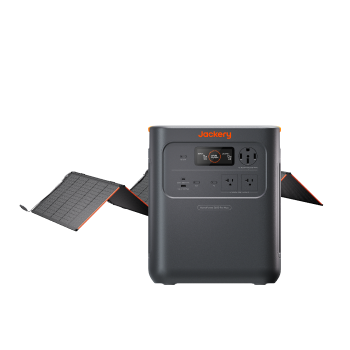
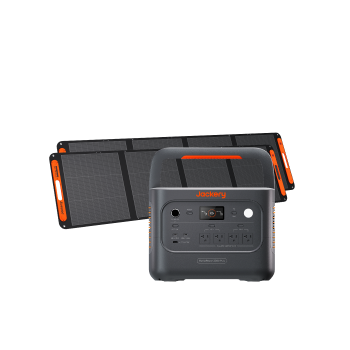
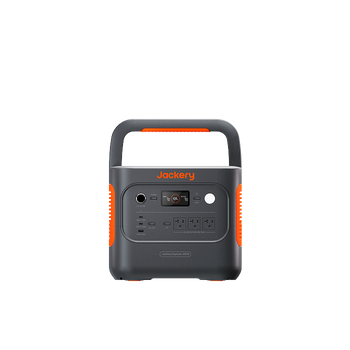
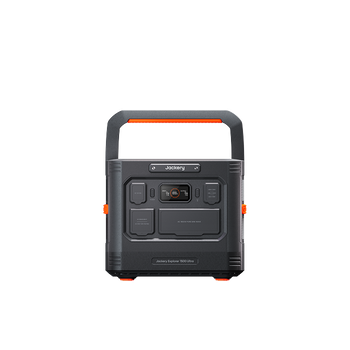
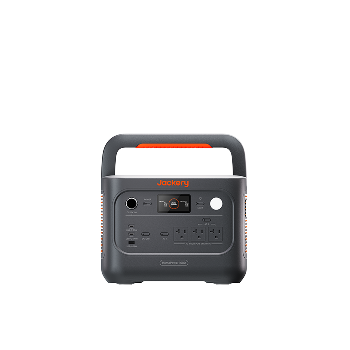
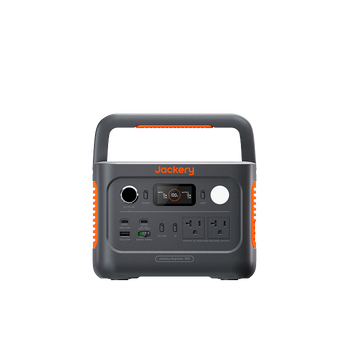
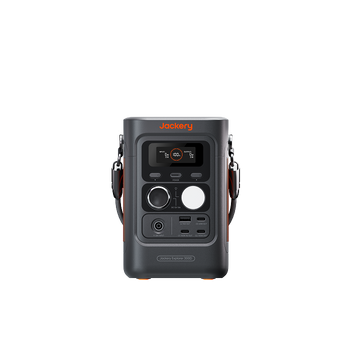
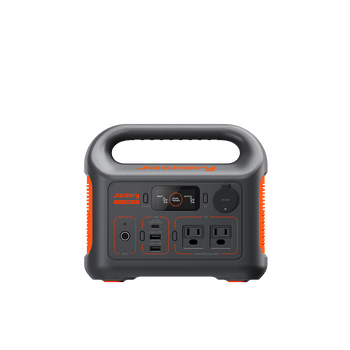
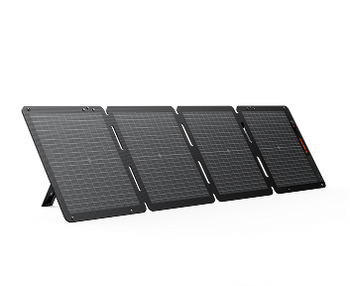
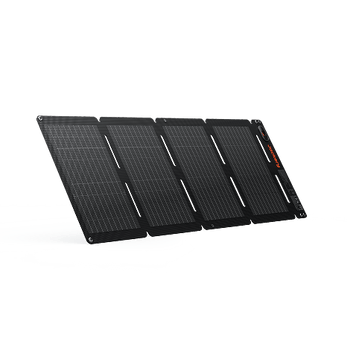
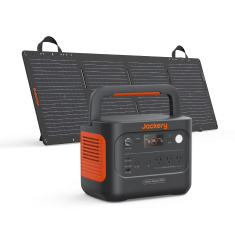
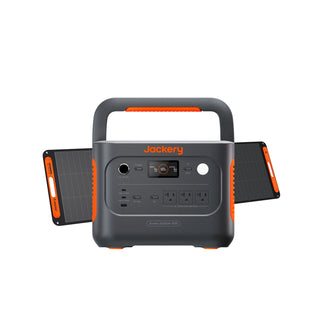
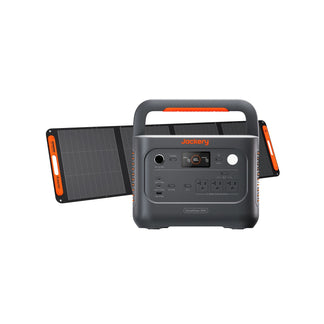
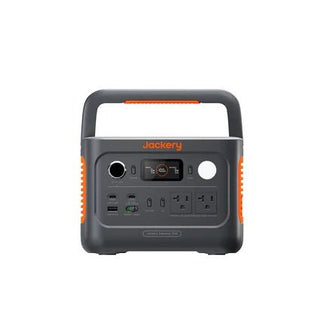
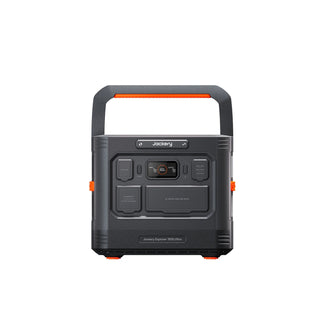
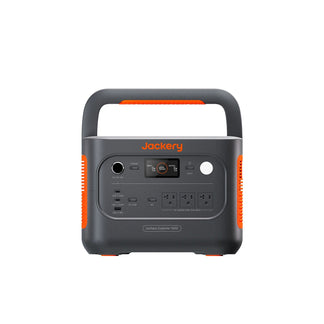
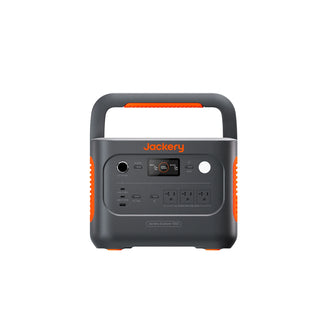
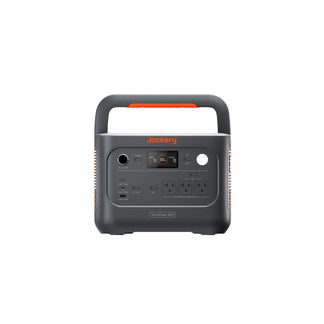
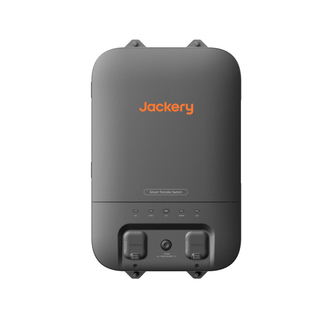
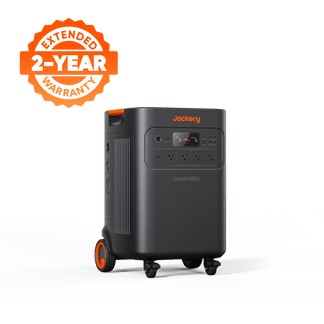
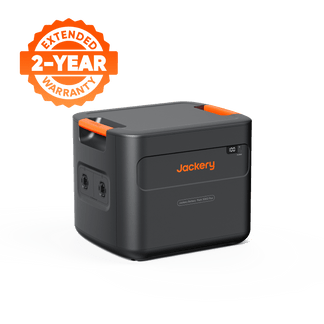
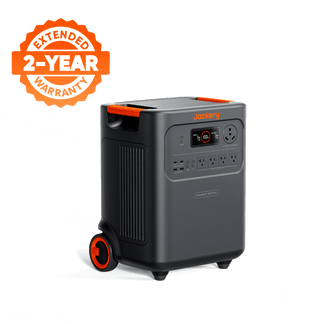
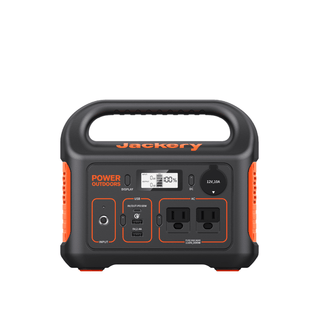
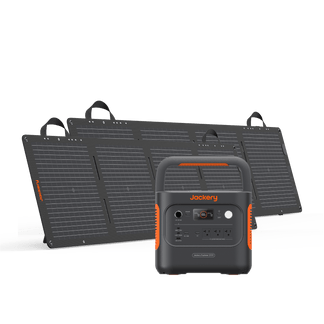
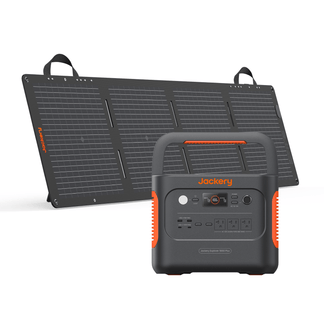
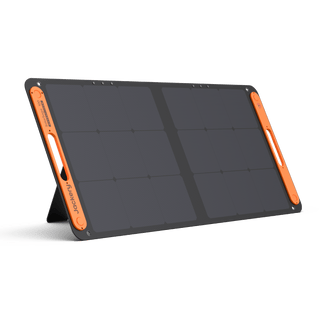
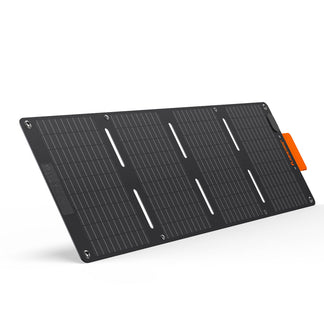
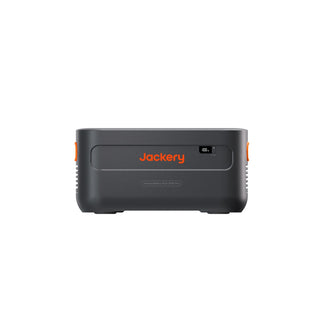
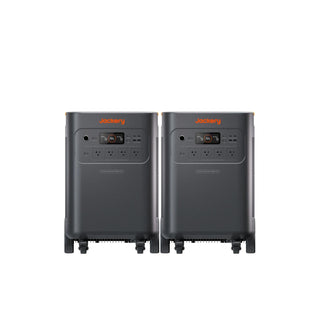
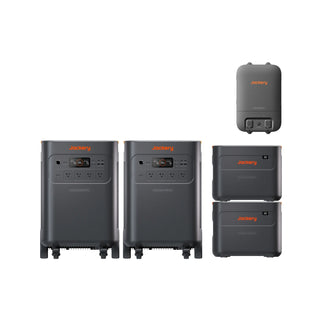
That last point, grid connection, is where a lot of cabin budgets quietly blow past their estimates, since running power lines to a remote lot can cost more than the foundation. A Jackery Solar Generator helps you reduce the cost for a lot of builders. It runs your power tools during construction, then transitions to running your fridge, lights, and WiFi once you have moved in. These home battery backups can reduce the monthly electricity bills and also ensure essential appliances remain powered in the event of outages.
How Much Does a Small Cabin Cost by Size?
A cabin's size is the single biggest driver of its total cost, more than the style or the region you build in.
- Tiny Cabin (100–400 sq. ft.): $15,000–$60,000. Common for guest houses, bunkhouses, or a first off-grid build. See our tiny house plans with solar guide if this is your target size.
- Small Cabin (400–600 sq. ft.): $40,000–$150,000. Usually fits one bedroom, a bathroom, and a kitchenette.
- Medium Cabin (600–1,000 sq. ft.): $80,000–$200,000+. Starts to compete with a small traditional house. It typically includes two bedrooms plus a loft.
How Much Does a Small Cabin Cost by Construction Method?
The cheapest path is a "logs only" kit paired with DIY interior finishing, which can bring total costs down to $50 to $100 per square foot. Here is how the three main construction methods compare on cost:
|
Method |
Cost per Sq. Ft. |
What You Are Actually Paying For |
|
Cabin kit or shell |
$50–$100 |
Pre-cut materials only. You handle foundation, insulation, plumbing, and electrical yourself or hire it out separately |
|
Prefab / modular |
$100–$250 |
Built in a factory, shipped in sections. Faster and less weather risk, but shipping to remote sites adds cost |
|
Custom stick-built |
$150–$400+ |
Built on-site by contractors. The most design freedom, but exposed to labor shortages and material price swings |
Where Does the Money Actually Go When You Build a Cabin?
Framing and the foundation together typically require 40–50% of a small cabin's budget, with the rest split across utilities, permits, and site work. Here is the full breakdown:
|
Expense Category |
Estimated Cost |
Notes |
|
Land clearing |
$1,200–$3,700/acre |
Depends on tree density |
|
Excavation |
$50–$200/cubic yard |
Leveling for foundation |
|
Foundation (concrete) |
$4–$14/sq. ft. |
Durable, but the pricier option |
|
Framing / kit shell |
$25,000–$65,000 |
Lumber prices fluctuate seasonally |
|
Septic system |
$3,500–$11,000 |
Needed for off-grid sanitation |
|
Well drilling |
$25–$65/foot |
Often totals $3,000–$15,000 |
|
Electrical wiring |
$1,500–$15,000 |
Grid connection vs. off-grid setup |
|
Insulation |
$0.40–$6.75/sq. ft. |
Determines year-round livability |
|
Permits |
$500–$2,500 |
Varies significantly by county |
|
Solar generator |
$2,000–$5,000+ |
Off-grid electrical alternative |
What Factors Should You Consider Before Building a Small Cabin?
Off-grid cabin plans help you see the final design before construction begins. However, before you buy a blueprint, consider these factors:
Location and Regional Costs
Where you build dictates the price. Building in the Northeast or West Coast is generally the most expensive ($200 - $350+ per sq. ft.) due to high labor rates and strict energy codes. The South and Midwest are more affordable ($120 - $200 per sq. ft.). Additionally, remote locations incur "travel premiums" for builders and higher delivery fees for materials.
Utilities and Off-Grid Power
Bringing utilities to a remote site is one of the biggest hidden costs. If grid power is too expensive to run (often costing $10,000+ for a quarter-mile connection), an off-grid solar solution is often smarter.
- Water: Well drilling or rainwater collection systems.
- Sewer: Septic tanks or composting toilets.
- Power: Instead of trenching cables, many cabin owners use Solar Generators. These units provide immediate AC power for tools during construction and run appliances (lights, fridge, Starlink) once you move in.
Financing and Permitting
Traditional mortgages are difficult to secure for cabin kits or "shells" because banks view them as risky until they are fully habitable. You may need a construction loan, a HELOC, or a personal loan. regarding permits: always check zoning. Even "sheds" used for sleeping often require permits to ensure safety.
Ongoing Maintenance
Log cabins require more upkeep than vinyl-sided homes. You must budget for re-staining logs every 3-5 years to prevent rot and insect damage.
How to Choose the Right Small Cabin House Plan?
Choosing a cabin floor plan can feel overwhelming. It’s essential to pick one that fits your lifestyle and budget. If you love hosting, an open floor plan is a great choice. If you prefer quiet time, look for a design with a loft or reading nook.
Pre-Made vs. Custom Plans
Pre-made plans are the better choice for most builders. They cost a few hundred dollars, they are time-tested, and they get you building faster. The tradeoff is that a stock plan wasn't drawn for your specific lot, so it may not take full advantage of your land's views or slope. Custom plans fix that by having an architect design around your exact terrain, but that customization adds meaningfully to the upfront cost before a single board is cut.
Modern vs. Rustic Design
Modern cabins are cheaper to maintain long-term. Clean lines, large glass windows, and concrete or metal siding hold up with far less upkeep than a traditional log or timber-frame build, which needs regular sealing and chinking to stay energy-efficient. Rustic log cabins win on aesthetic and thermal mass, but that character comes with an ongoing maintenance bill modern builds don't have.
How to Build a Small Cabin House: Step-by-Step
Most owner-assisted small cabin builds run about 3 to 6 months from breaking ground to move-in day. It can be faster if you are working from a kit and slower if you are sourcing custom materials or waiting on permits. Here is the sequence most builds actually follow, in order.
1. Choose Your Site and Check Zoning (1–2 Weeks)
Walk the land before you commit to it. You want level ground with decent drainage, some distance from flood-prone low points. Call your county's zoning office before anything else. Setback requirements, minimum square footage, and septic regulations vary enormously by county, and finding out after you have cleared land is a far more expensive mistake than finding out before.
2. Finalize Your Floor Plan and Pull Permits (2–6 Weeks)
Decide between a pre-made plan or a custom one (see the comparison above), then submit for your building permit. This step is often the slowest part of the entire process simply because it is out of your hands. Rural counties can take anywhere from two to six weeks to review and approve.
3. Prep the Site and Pour the Foundation (1–2 Weeks)
Clear the footprint, grade for drainage, and lay whichever foundation fits your site and cabin size: concrete slab, pier and beam, or skids. This is also the point where a well gets drilled, or a septic system gets installed if you are going fully off-grid, since heavy equipment access is easiest before the structure exists.
4. Frame the Walls and Roof (Days to 4 Weeks)
If you are using a kit, this step can move remarkably fast. Pre-cut logs or panelized walls are designed to go up in days. A custom stick-built frame takes longer and depends heavily on contractor availability. Either way, this is where you will want power on-site for circular saws, drills, and nail guns. Most remote lots do not have grid power yet at this stage, which is exactly the gap a portable solar generator fills.
5. Dry In the Building (1–2 Weeks)
"Drying in" means getting the roof, windows, and doors installed so the interior is protected from weather. Skipping ahead to interior work before you are fully dried in is one of the most common and costly mistakes first-time builders make, since any moisture that gets into framing or insulation before it is sealed can cause mold problems later.
6. Run Electrical, Plumbing, and Insulation (2–3 Weeks)
This is where you decide between a grid connection and an off-grid power station. It is worth revisiting the electrical wiring line from the cost table earlier in this guide, since bringing grid service to a remote site can run $1,500 to $15,000 depending on distance. Insulate walls, ceiling, and floor before closing anything up. For four-season use, this step matters more than almost any other line item in your budget.
7. Finish the Interior (3–6 Weeks)
Drywall or wood paneling, flooring, cabinetry, trim, and fixtures happen here. This is also the stage where DIY labor saves the most money. Hiring a contractor for the shell but doing your own flooring and trim work is a common way to cut thousands off a final bill.
8. Final Inspection and Move-In
Depending on your county, you may need a certificate of occupancy before you can legally stay overnight. Schedule your final electrical and structural inspections once everything is completed, and keep copies of all permit approvals. You will need them if you ever sell the property.
For more information, you can check out our complete guide on How to Build a Solar Powered Off Grid Cabin.
What's the Best Foundation for a Small Cabin?
The best foundation depends on your land. Here are the best foundation types for a small cabin:
- Concrete Slab: Best for flat ground. Durable and keeps the cabin stable, but expensive ($4-$14/sq. ft.).
- Pier and Beam: Ideal for sloped or uneven land. It elevates the cabin, protecting it from moisture and pests.
- Skids: Best for very small, portable cabins (under 200 sq. ft.). No permanent footing is required, which may bypass some permitting hurdles.

What's the Best Frame Type for a Small Cabin?
Stick-built framing is the easiest and most affordable option to insulate and wire, using standard 2x4 or 2x6 lumber that any licensed electrician or contractor already knows how to work with. Log construction offers more thermal mass and a classic look but requires specialized skills to get the joints right. A-frame designs handle heavy snow loads well thanks to their steep roofline, though the same slanted walls that shed snow also cut down on usable interior space.

Which Jackery Solar Generator Should You Use to Power a Small Cabin?
When building a small cabin or off-grid cottage, especially in remote areas, establishing a connection to the utility grid can be cost-prohibitive. A robust solar generator system is often the most practical and eco-friendly solution.
Jackery Solar Generators provide solar power for a cabin on a budget. It is a reliable, quiet, and emission-free power source that requires no professional installation. The right size of an essential home backup depends on how you will use the cabin: a weekend retreat, a full-time residence, or a build site that later becomes a home.
Here are some off-grid solar kits for cabins and tiny homes review:
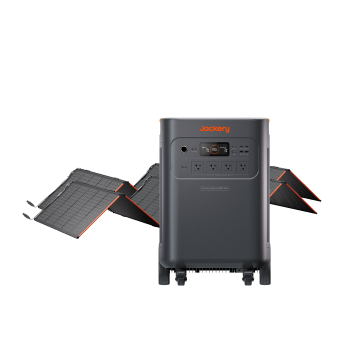
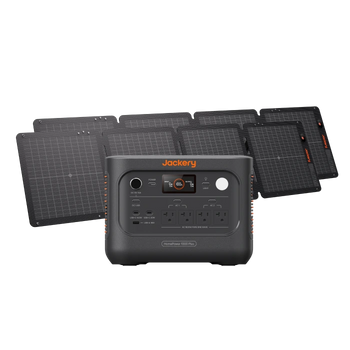
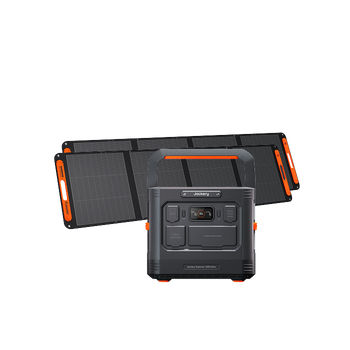
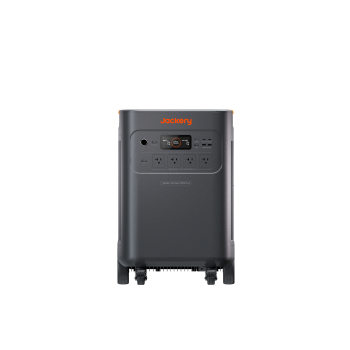
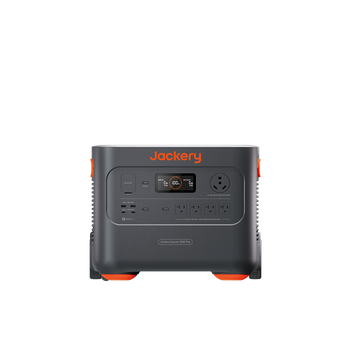
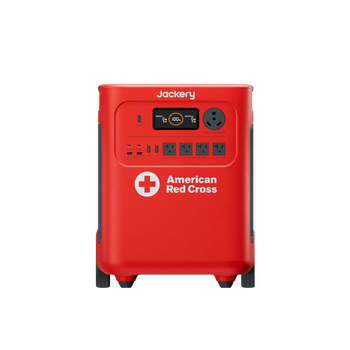
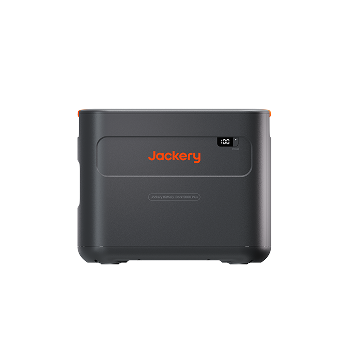
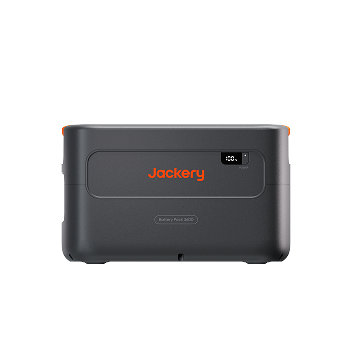
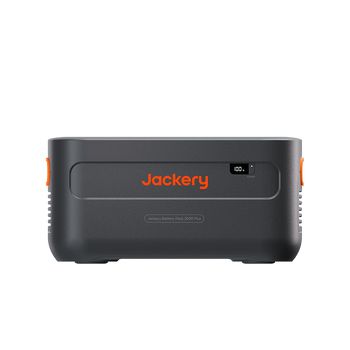
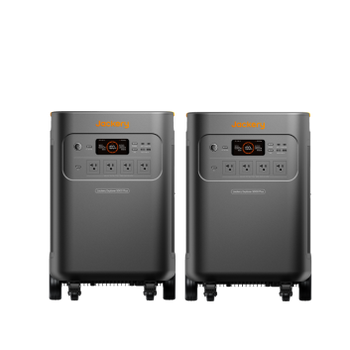
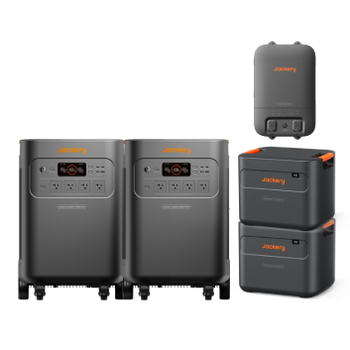
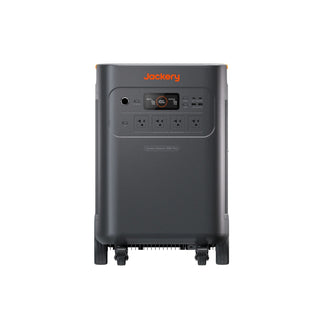
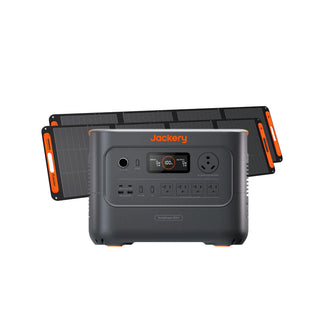
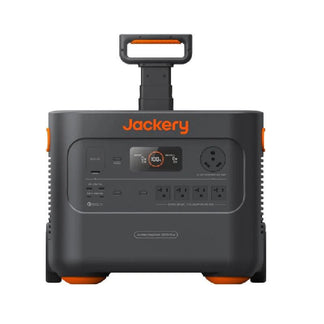
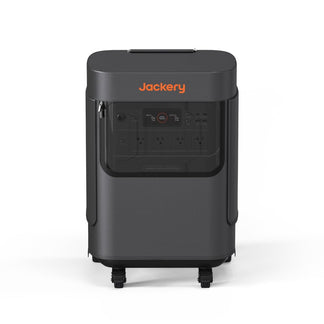
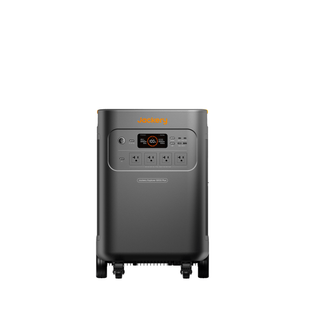
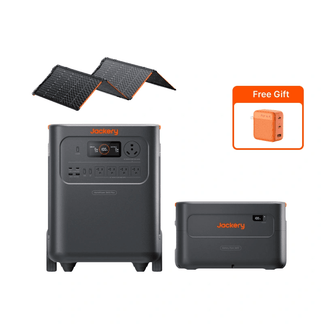
Jackery Solar Generator 5000 Plus
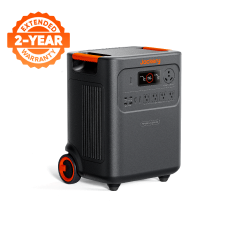
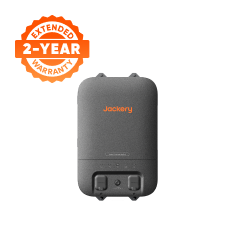
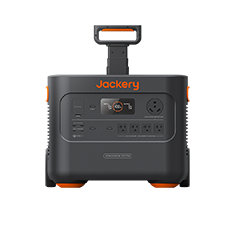
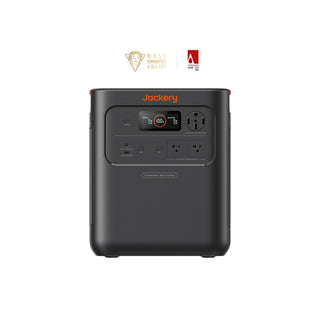
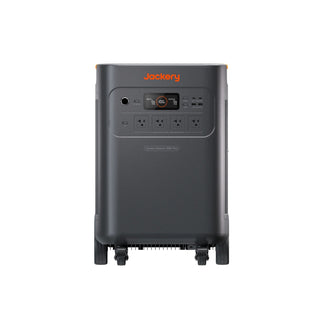
If the cabin is going to be a real home rather than an occasional getaway, the Jackery Solar Generator 5000 Plus is sized for that. Its 5,040Wh battery expands up to 60kWh with add-on packs, and it puts out 7,200W continuously (14,400W surge) across both 120V and 240V. It is enough to run a well pump, an electric range, and central air at the same time. Instant UPS switching means nothing connected to it notices a transfer between solar, grid, or battery, and app-based monitoring lets you check charge levels remotely, useful for a cabin that sits empty between visits.
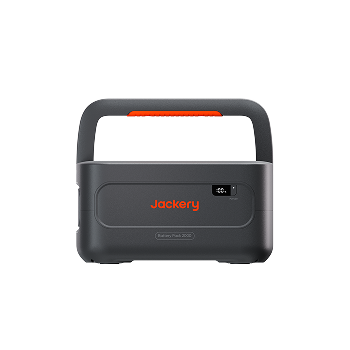
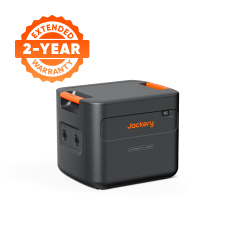
- Capacity: Expandable from 5kWh to a massive 60kWh (with add-on battery packs), ensuring you can power your cabin for days or even weeks during extended stays or blackouts.
- Output: Delivers 7200W of power (14400W surge), supporting 240V appliances. This means it can power well pumps, electric stoves, dryers, and central air conditioners.
- Smart Control: Features app connectivity for monitoring battery life and input/output levels remotely.
- Durability: Built with LiFePO4 battery cells that last for 10+ years of daily use.
Appliances Working Hours (Estimates):
- Refrigerator (500W): ~8.5 Hours (continuous cycling lasts much longer)
- Electric Grill (1500W): ~2.8 Hours
- Window AC Unit (1000W): ~4.2 Hours
- Circular Saw (1200W - for building): ~3.5 Hours
Who Should Buy This
The Jackery Solar Generator 5000 Plus is ideal for anyone living in the cabin full-time or building something large enough to need whole-structure backup rather than a handful of essentials.

Customer Review
What an easy set up for a whole house backup. Our first test of the system lost power while we were watching TV, and heard the unit click that was the only thing we noticed. I thought it may be charging but then a notification came on my phone that power was out. It was amazing, didn't lose internet TV, didn't shut down, or even the stove clock stayed on. Great product.
— Wayne A.R.
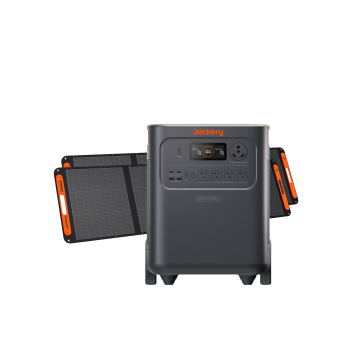
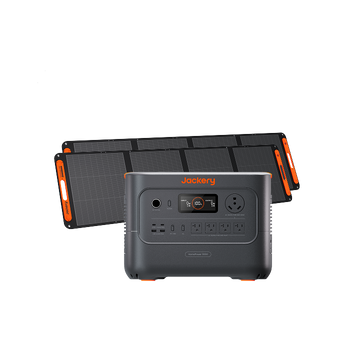
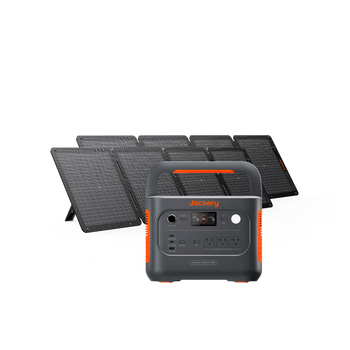
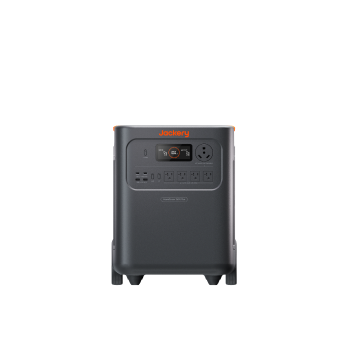
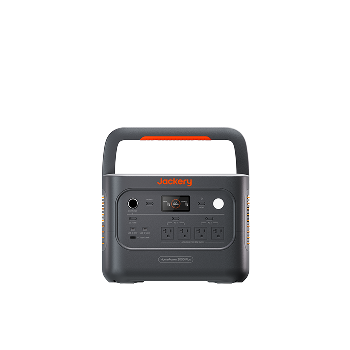
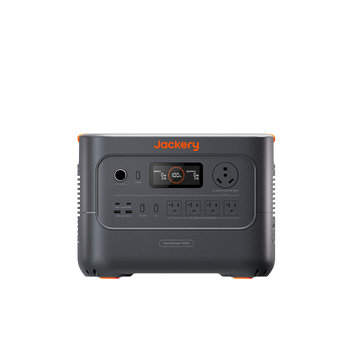
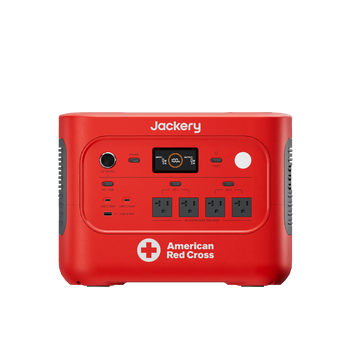
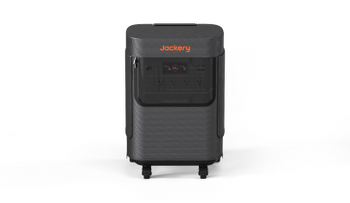
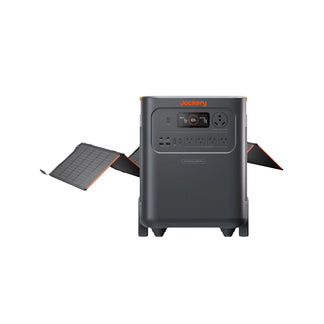
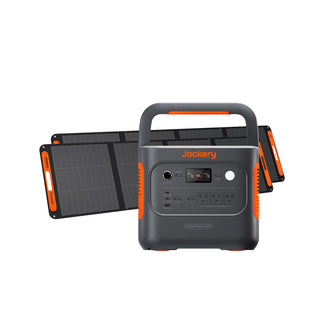
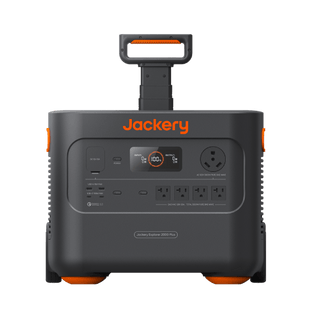
Jackery Solar Generator HomePower 3600 Plus
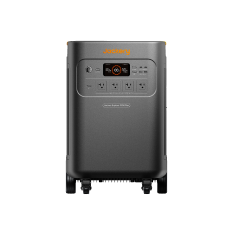
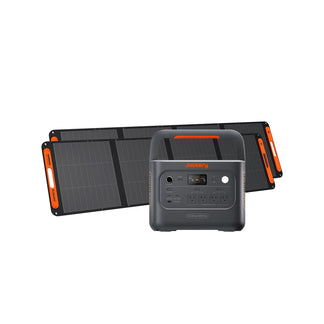
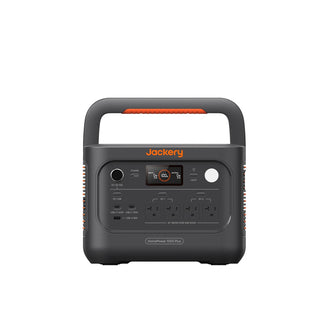
For medium-sized cabins or weekend getaways where you need substantial power without the industrial footprint, the Jackery Solar Generator HomePower 3600 Plus is an excellent choice. It strikes a balance between portability and heavy-duty performance.
- Capacity: 3.6kWh base capacity, expandable up to 21kWh. This flexibility allows you to start small and add batteries as your cabin needs grow.
- Output: 3600W rated output. It easily handles essential cabin appliances like microwaves, coffee makers, power tools, and space heaters.
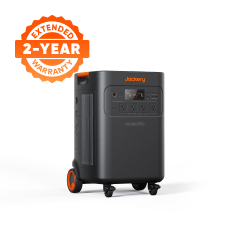
- Portability: Designed with a pull rod and double wheels, making it easier to move around your cabin site or out to the deck than larger fixed systems.
- Fast Charging: Can be fully charged via solar panels in just 3-4 hours (depending on solar input), ensuring you replenish your power during the day for use at night.
Appliances Working Hours (Estimates):
- Microwave (1000W): ~3 Hours
- Coffee Maker (1100W): ~2.7 Hours
- Electric Kettle (1500W): ~2 Hours
- LED Lights (10W): ~280+ Hours
Who Should Buy This
The Jackery Solar Generator HomePower 3600 Plus is ideal for owners of seasonal or weekend cabins who want room to expand later without committing to the largest unit today.

Customer Review
Finally I was able to put into service my 3600 Plus. It was charged and ready for the unexpected 2 hour outage one recent morning. I hooked up my TV, WiFi, 2 lamps, fan, and most important was the morning K cup coffee! I was very happy! It used very little power from the unit. I’m very happy and looking forward to expanding my 3600 Plus.
— Billy V.
How Can You Lower the Cost to Build a Small Cabin?
The five moves that cut cabin costs the most are: building a simple rectangular footprint, buying a "logs only" kit instead of a full package, choosing an open floor plan, doing your own interior finish work, and scheduling construction in the off-season.
- Choose Simple Shapes: A rectangular footprint (e.g., 20x24) is the cheapest to frame and roof. Complex angles and corners increase labor and waste.
- Buy "Logs Only" Kits: Instead of a full kit, buy the specialty logs from a manufacturer and source standard lumber (flooring, roof framing) from a local hardware store to save on shipping.
- Opt for Open Floor Plans: Fewer interior walls mean less material, less drywall, and less labor.
- DIY the Finish Work: Even if you hire a pro for the shell, you can save thousands by installing the insulation, flooring, and trim yourself.
- Build in the Off-Season: Contractors are busiest in summer. You may be able to negotiate better labor rates if you build during the shoulder seasons (spring/fall).
FAQs for Small Cabin House
How much does a 500 sq. ft. cabin cost?
A finished 500 sq. ft. cabin typically costs $62,500 to $87,500, based on the $125–$175 per square foot average. A DIY shell kit for the same footprint runs closer to $25,000–$35,000, but that price excludes the foundation and interior finishing.
How long does it take to build a small cabin?
Most owner-assisted builds take 3 to 6 months from breaking ground to move-in. A pre-cut kit can go up in as little as 4 to 8 weeks once permits are clear. Permitting itself is frequently the slowest part of the whole timeline, sometimes longer than construction itself.
What is the best shape for a cabin?
A rectangle is the cheapest shape to build in any climate. For heavy snow regions specifically, an A-frame's steep roofline sheds snow load effectively, at the cost of some usable interior space along the slanted walls.
Does a small cabin need ventilation?
Yes. Without proper ventilation, including ridge vents, gable vents, and operable windows, small, tightly sealed cabins are prone to moisture buildup, mold, and stale air, more so than a larger, less airtight house.
Can you build your own cabin without hiring a contractor?
Yes, you can build your own cabin with basic carpentry skills, using a DIY kit or plan set. Electrical and plumbing work is the exception. Hiring a licensed professional for those systems is safer and, in most counties, legally required regardless of how much of the rest you do yourself.
Conclusion
A small cabin typically lands between $40,000 and $150,000, and the biggest lever you control is how much of the labor and finishing you take on yourself. The step-by-step timeline above (3 to 6 months for most owner-assisted builds) holds up whether you are working from a kit or a fully custom plan, and the same handful of decisions, including footprint shape, foundation type, and DIY finish work, impact the final cost more than any single upgrade would.
One important thing worth reconsidering before you finalize a budget is grid power. Running utility service to a remote lot can cost more than the foundation itself, and it is rarely a cost first-time builders plan for accurately. A Jackery Solar Generator sized to your actual needs can close that gap for less than a grid connection would cost.


![Off-Grid Cabin Plans: Ultimate Guide [Building Tips]](http://www.jackery.com/cdn/shop/files/off-grid-cabin-plans-ultimate-guide-building-tips-2008812.jpg?v=1786015029&width=90)
