







![[Add-on] Jackery SolarSaga 500 X - Jackery](http://www.jackery.com/cdn/shop/files/add-on-jackery-solarsaga-500-x-1493607.webp?v=1786503068&width=324)
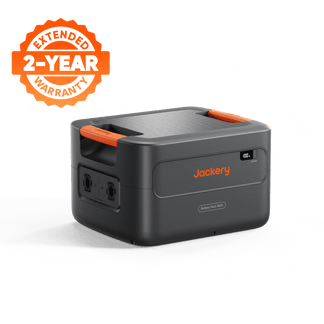
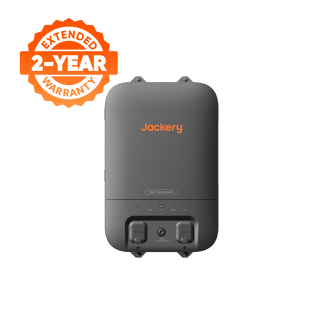
![[Add-on] Jackery Battery Pack 5000 Plus - Jackery](http://www.jackery.com/cdn/shop/files/add-on-jackery-battery-pack-5000-plus-6713401.webp?v=1786503068&width=324)


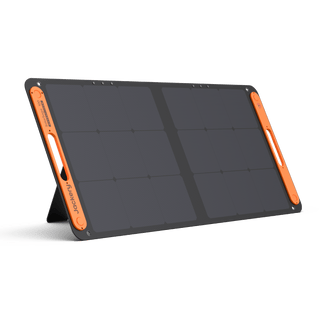
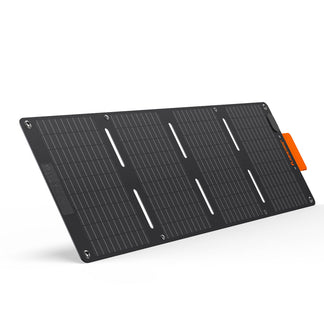
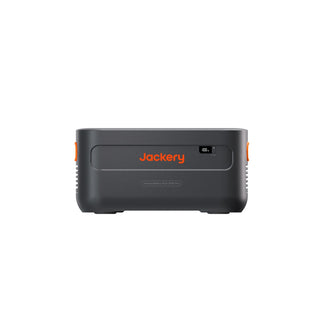
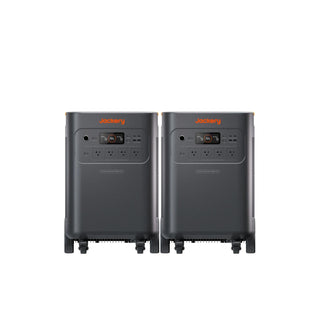


Solar panels are a great idea to power your sailboats. If you want to power your sailboats with solar panels, you need to calculate your energy needs, determine the peak sun hours in your location, and estimate the number of needed panels. On average, you will need around 300W to 800W of solar power to run essential boat appliances, although this may vary depending on the specific appliances used and their runtime.
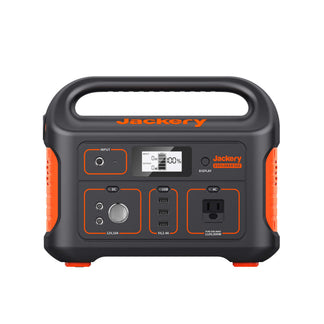
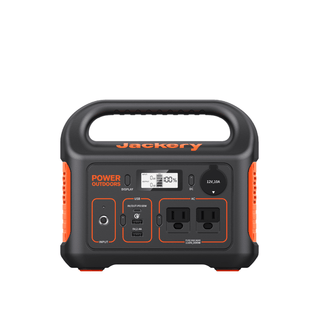
Although efficient and reliable, installing solar panels requires professionals and a considerable investment. So, the alternative is to use a portable solar generator. Jackery Solar Generators can power most sailboat appliances, with the added benefit of zero installation costs and portability.
Key Takeaways
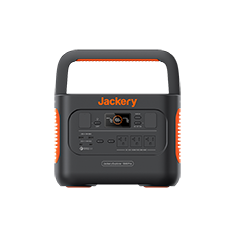
- The power needs of a sailboat depend on the number of appliances to power and the overall duration.
- Solar panels are installed with consideration for efficiency challenges, including corrosion, angle, shading, and maintenance.
- Monocrystalline and flexible solar panels are two options available to sailboat owners.
- Determine the sailboat’s power needs, and use peak sun hours to calculate the solar system size.
Understanding Sailboat Power Needs
Understanding the power needs of your sailboat is the first step in selecting the right solar panels.
Sailboat owners equip their vessels with electrical instruments to increase security and comfort on board. This includes lighting, navigation equipment, refrigeration, communication, and entertainment systems. The more of these appliances you have on board, the higher your power needs will be. It also varies with the appliance type.
To calculate your power needs, use the formula:
Total Power Consumption = (total wattage of appliances) × Number of hours.
For example, your refrigerator (900W), TV (200W), and heater (1000W) run for four hours daily.
Total Power Consumption = (900W + 200W + 1000W) × 4h = 8400Wh.
How Solar Panels Work on Watercraft
Sailboats with solar panels follow the conventional operational process, where photovoltaic solar panels harness sunlight to generate electricity. This powers the navigation system, auxiliary engines, and other appliances. But before you get a sailboat with solar panels and an engine, there are a few things to keep in mind.
Efficiency Challenges at Sea
To begin with, consider the efficiency challenges at sea, including managing corrosion, angle, shading, and maintenance.
- Corrosion: The corrosive effect of salt from sea spray can damage each working part of a solar panel and is a major challenge to installing solar panels on sailboats.
- Angle: As per the US Department of Energy’s Homeowners Guide to Going Solar, solar panels perform best with a slope between 15 and 40 degrees. However, it’s a bit different for solar panels on a sailboat, primarily due to the constant movement of vessels and varying solar radiation at various latitudes.
- Shading: Solar panels need a large surface area to collect sunlight and generate the required power. But limited space on the deck and shading from masts, rigging, and other structures can impact how efficient are the solar panels.
- Maintenance: Even if you have a small sailboat with solar panels, you’d need to inspect, maintain, and clean the solar panels regularly. It ensures the panels continue to function efficiently.
Ideal Panel Types for Sailboats
You can select either flexible or monocrystalline panels for your sailboat. Flexible or thin-film solar panels are easy to install, and they bend well. But their low wattage can be an issue, especially if you have multiple appliances on board.
On the other hand, monocrystalline panels are much bulkier than thin-film ones and involve higher costs. However, as per DOE, these panels have real-world efficiencies ranging from 20-22%. It means it requires less space, and such solar panels last longer.
MPPT Charge Controllers & Marine Wiring Considerations
MPPT charge controllers are highly recommended for solar panels in sailboats, especially for larger systems. They optimize the power extraction and potentially increase the power efficiency by 30% or more. However, when using such equipment, you must use marine-grade wiring, install fuses or circuit breakers, and ensure that all connections are secure and protected from wind, water, and other elements.
Solar Panel Setup by Sailboat Type
The solar panel setup differs for Monohulls, Catamarans, and Cruiser sailboats due to variations in deck space, structure, and weight distribution. Take a look at each setup below:
Solar Panel Setup for a Monohull Sailboat
Nonsuch 30 is a common name for a monohull sailboat. As in the name, it’s a 30ft sailboat, so you can add six-eight 100W or three-four 300W panels. Replace the bimini fabric of the Nonsuch 30 sailboat with solar panels to provide both shade and power.
On the other hand, if you have a smaller monohull, such as a 17 Hunter, 400W to 700W solar panels should fare well. Lay the solar panels on a 17 Hunter sailboat flat on the deck or cuddy cabin and secure them with adhesive or Velcro.
Solar Panel Setup for a Catamaran's Sailboat
Unlike Monohulls, Catamarans follow a standard template for solar panel setup. That is, panels are installed on dinghy davits, a hard top bimini, or both. A typical 40ft catamaran would require anywhere between 800W to 1500W solar power. You can achieve it by installing six to eight 100W panels or three to five 300W solar panels.
Solar Panel Setup for Cruisers' Sailboat
Cruisers are the largest sailboat type, with sizes typically ranging between 25 and 100 feet. Based on the sailboat size and your needs, you can use around 2000-2500W power, which translates to around seven to nine 300W solar panels. Here, you can either use flexible panels or rigid monocrystalline panels and mount them on the arch and deck.
|
Sailboat Type |
Mounting Option |
Length (in ft) |
Ideal Solar Power System Size |
|
Nonsuch 30 (Monohull) |
Bimini/rail-mounted |
30 |
800-1200W |
|
Hunter 17 (Day Sailor) |
Deck-mounted |
15 |
400-700W |
|
Lagoon 380 (Catamaran) |
Davit arch + hardtop |
30–40 |
1000-1500W |
|
Beneteau Oceanis 30.1 |
Pushpit/railing mount |
10–14 |
300-600W |
|
Catalina 36 Cruiser |
Arch & deck combo |
20–30 |
800-1000W |
|
Viking Yachts 35 |
Hardtop or Bimini |
35-40 |
1200-1500W |
How to Size Solar Panels for Your Sailboat
Sizing solar panels for your sailboat involves a few key steps. These are as follows:
Step 1: Assess Energy Needs
Start determining how many solar panels you need for your sailboat, or the appliances you’ll power at a time. Add up the individual wattage of the appliances and multiply by the number of running hours.
For example, you’re running a refrigerator (700W), an electric kettle (800W), and a projector (500W) continuously for three hours. Total power required = (700W + 800W + 500W) × 3h = 6000Wh or 6kWh.
Step 2: Look Up Your Peak Sun Hours
Average peak sun hours vary with location and climate. For example, New Mexico has a peak sun hour of 7 hours. Determine which state you’re in and how many peak hours of sunlight you will receive.
Step 3: Calculate the Size of the Solar System
To figure out the size of your solar system, use the formula:
Solar system size = (Daily kWh/ average sun hours) × 1.15 efficiency factor
Now, considering 6kWh is your daily consumption and 5 hours is the peak sun hours, solar system size = (6/5) × 1.15 = 1.38kW
Therefore, the solar system size required is 1.38 × 1000 (converted to watts) = 1380 watts.
Hence, you will need around 7*200-watt solar panels to power your sailboat, consuming 1380 watts.

Based on your wattage consumption, you can also invest in Jackery Solar Generators. These are portable, safe, and don’t require any installation.
|
Sailboat Size |
Typical Appliances |
Daily Power Usage (Wh) |
Required Solar System Size |
|
Small (17–22 ft) |
LED lights (20W), phone (15W), small fishfinder (90W) running for 1 hour per day |
~ 125Wh |
~29W |
|
Mid-Size (27–34 ft) |
Blender (300W), Mini-fridge (500W), Fan (200W) running for 1 hour per day |
~1000Wh |
~230W |
|
Large (35–45 ft) |
Refrigerator (900W), Stand Mixer (300W), Pellet Stove (450W) running for 1 hour per day |
~1650Wh |
~380W |
Please note: The peak sun hours are considered to be 4.
Best Jackery Solar Generators for Sailboats
Rather than investing in complex and costly solar panel installations, portable solar generators can be a reliable and efficient option. You can carry them around in the boat, and even take them ashore for different purposes.
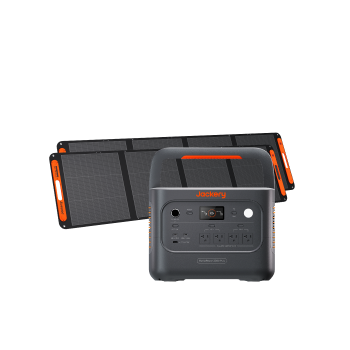
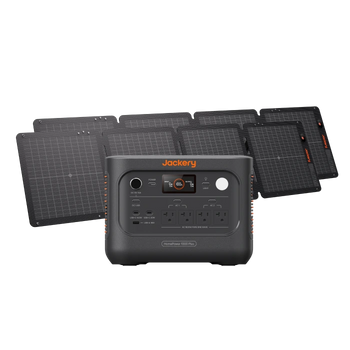
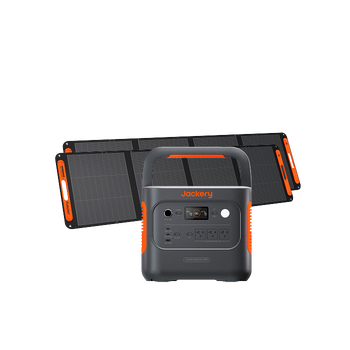
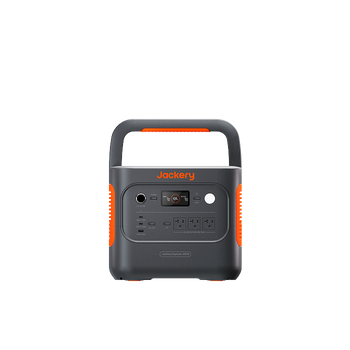
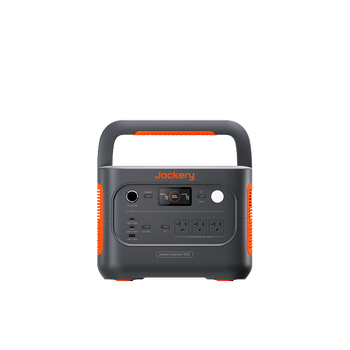
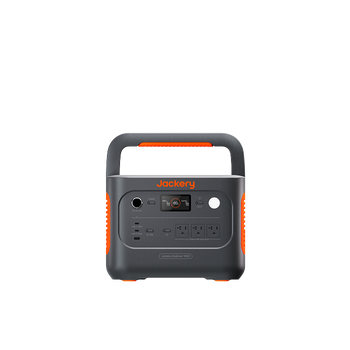
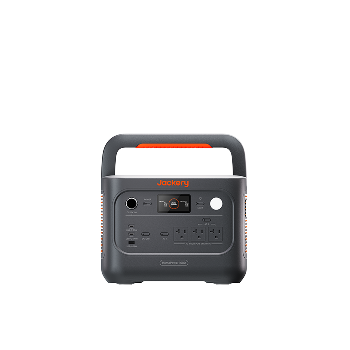
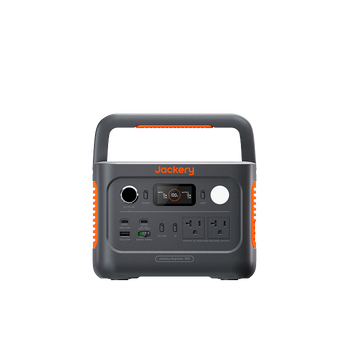
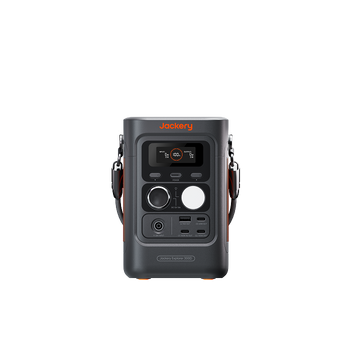
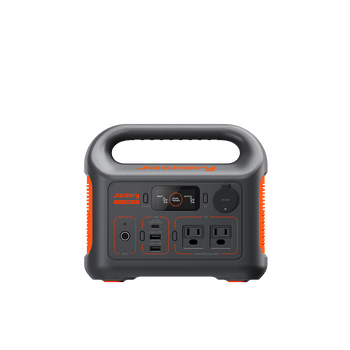
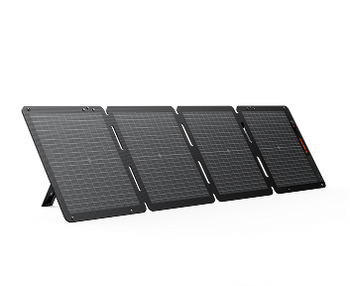
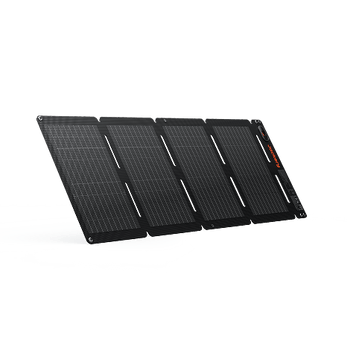
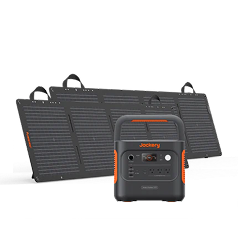
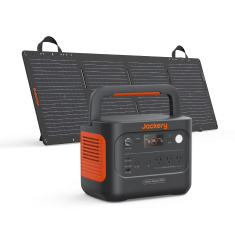
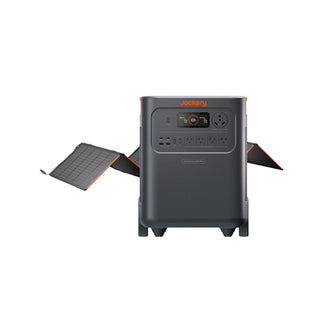
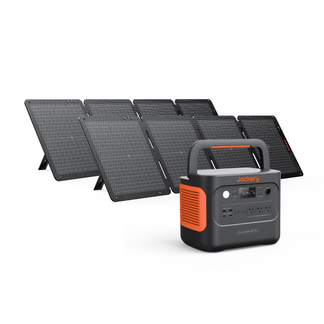
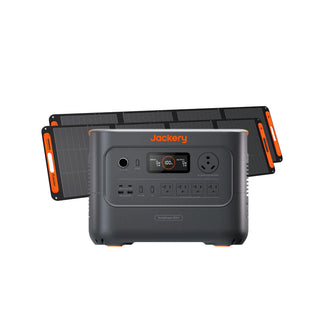
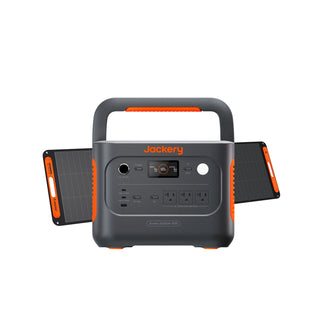
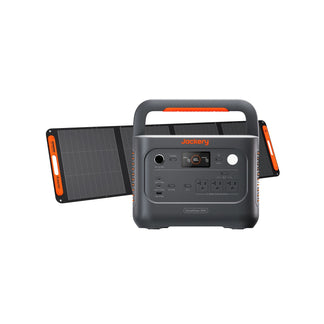
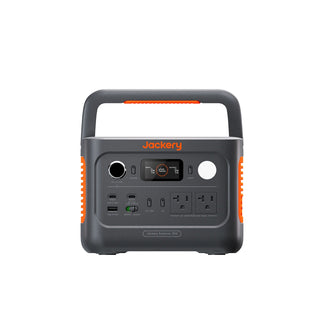
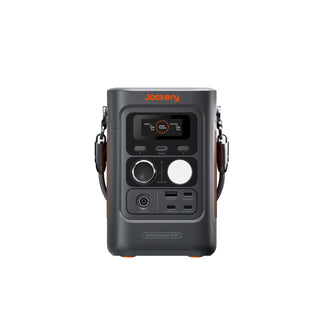
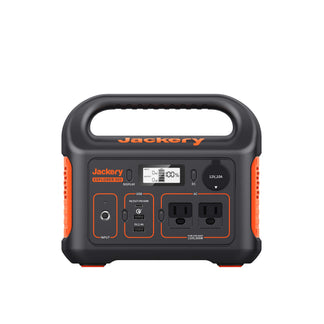
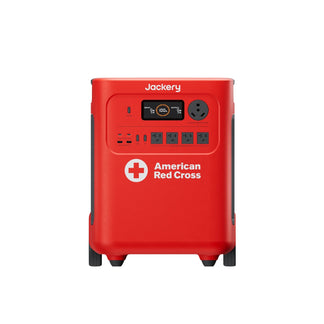
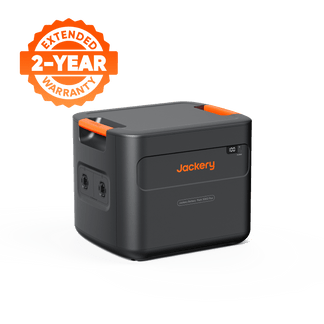
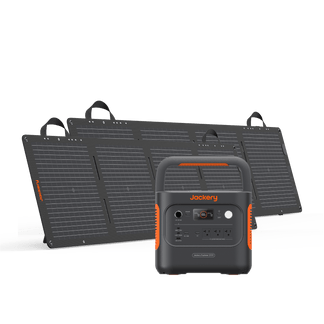
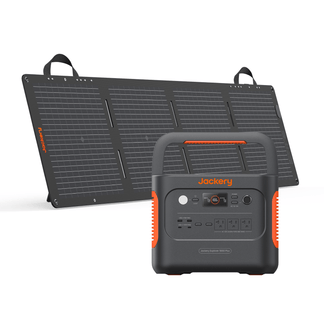
Jackery is a manufacturer of solar generators, portable power stations, and foldable solar panels. The Jackery Solar Generator consists of Jackery Portable Power Stations and Jackery SolarSaga Solar Panels, which collect and convert sunlight into usable electricity to power the sailboat's appliances. These portable generators for boats are designed to provide reliable, efficient, and long-lasting power, ensuring passengers are comfortable and safe on the open seas.
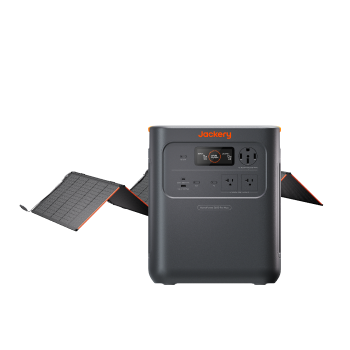
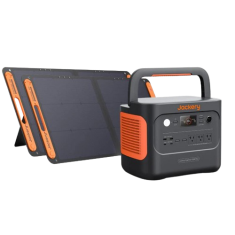
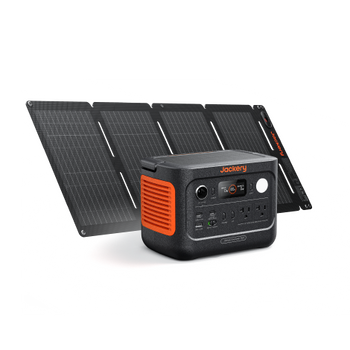
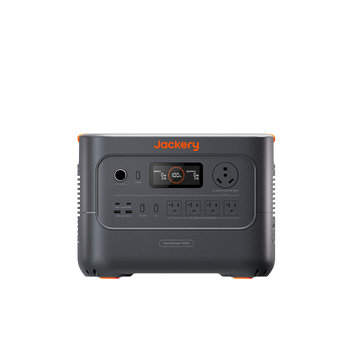
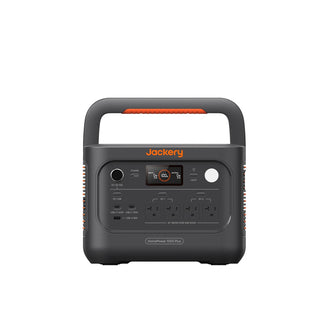
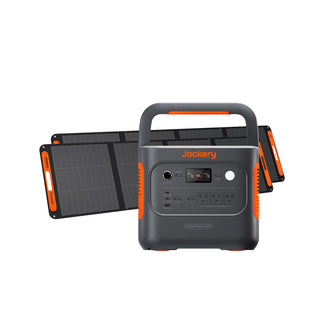
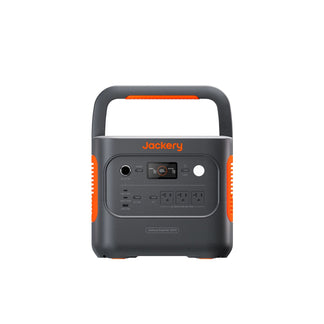
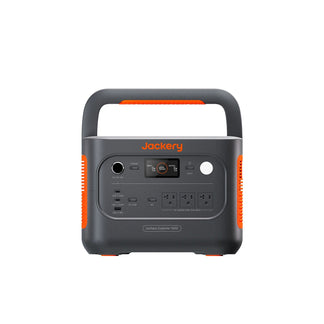
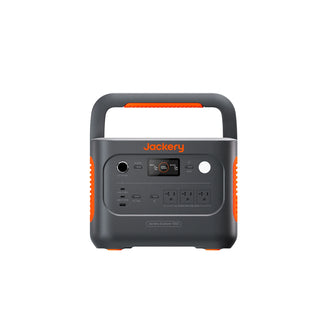
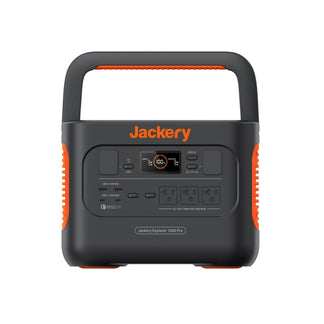
Jackery Solar Generator 1000 Plus Roam Kit
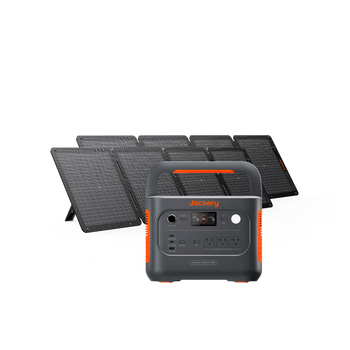
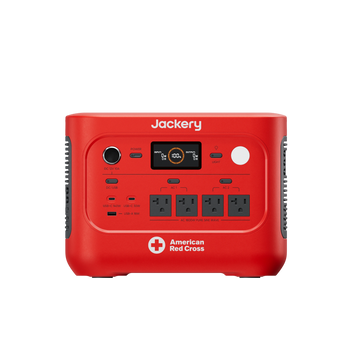
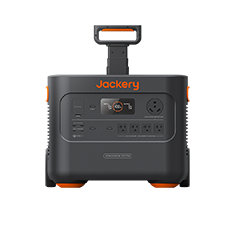
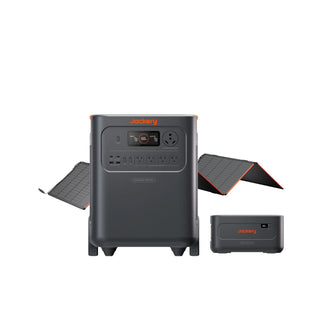
The Jackery Solar Generator 1000 Plus Roam Kit is ideal for all your boating trips, long or short. It ensures that most of your sailboat appliances remain powered. For example, it can power a portable refrigerator to keep your food fresh. You can also power fish finders and marine speakers to have a fun time with your family.
Appliances Running Time:
- Refrigerator (900W): 1.1H
- Coffee Maker (700W): 1.4H
- Outdoor Fan (300W): 3.3H
- Fish Finder (500W): 2.0H

Customer Review
The Jackery 1000 Plus is just the right size with enough power for anything we need. It is wonderful when we are using our camper off the grid and don't want the noise of our generator to bother other campers.
- Stuart Fargiano.
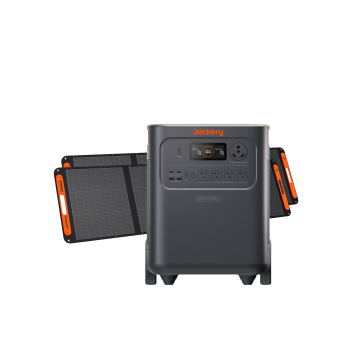
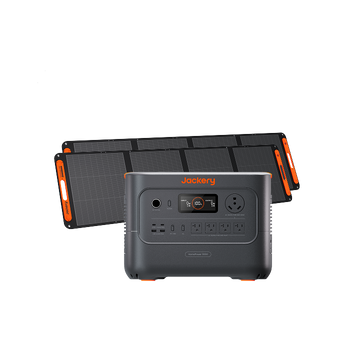
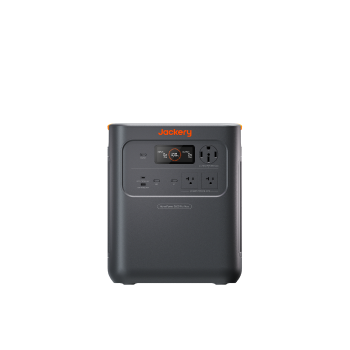
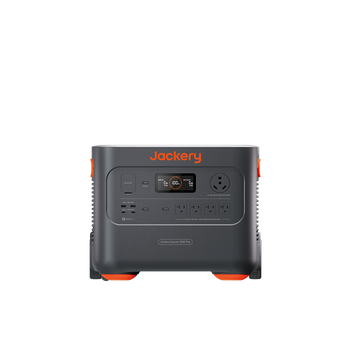
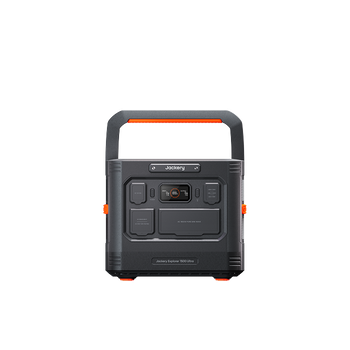
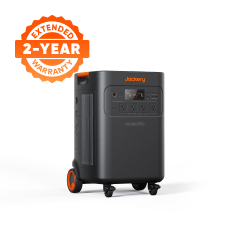
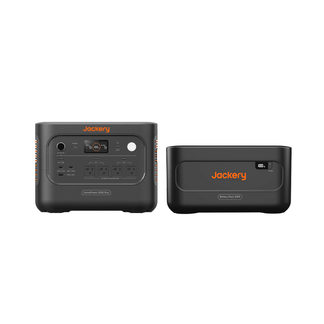
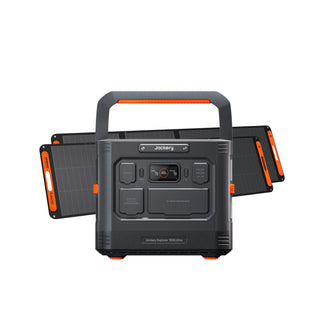
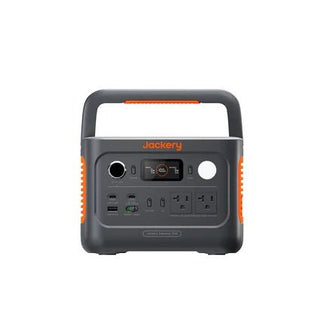
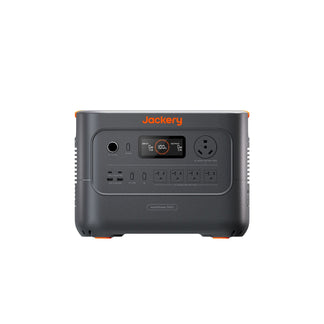
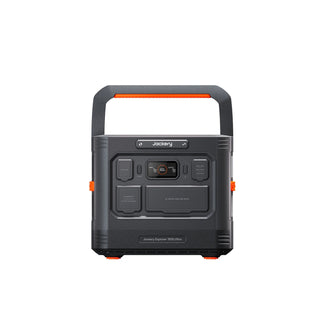
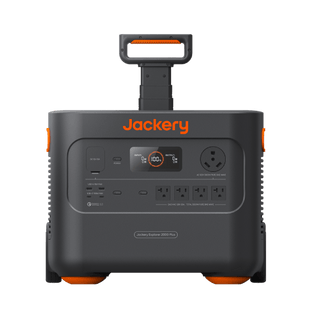
Jackery Solar Generator 2000 Plus
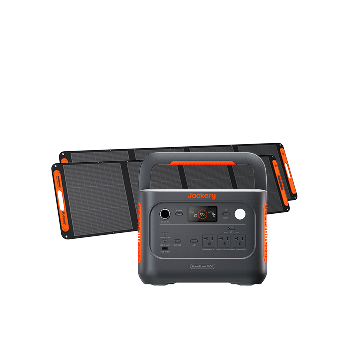
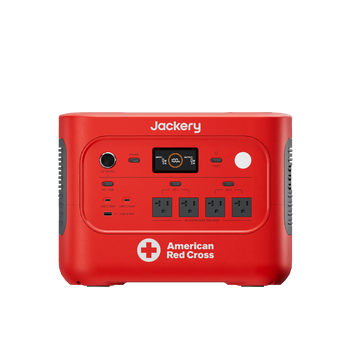
If you’re on your sailboat for an extended period, consider investing in the Jackery Solar Generator 2000 Plus. It can power most of your appliances, including heaters, mini-freezers, sonars, etc. It works at a low noise, so you have a quiet environment to enjoy whether you’re relaxing, sleeping, or trout fishing.
Appliance Running Time:
- Refrigerator (900W): 1.9H
- Portable AC (1000W): 1.7H
- Toaster (800W): 2.1H
- Dishwasher (1200W): 1.4H

Customer Review:
I gave my Jackery 2000 and 500W solar panels a run through and am absolutely delighted with the performance, output, and input. A real tool that frees me to go off-grid without reservation.
- Thomas Lanen.
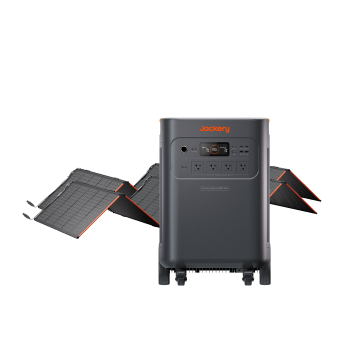
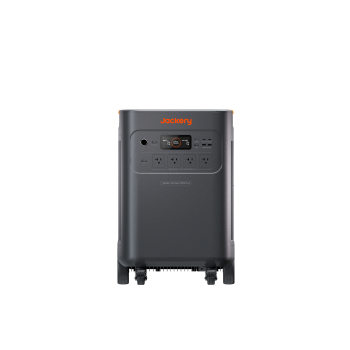
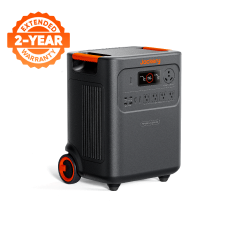
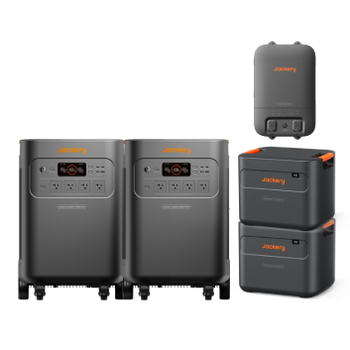
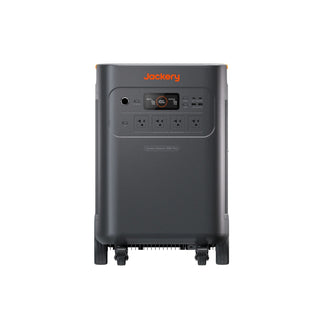
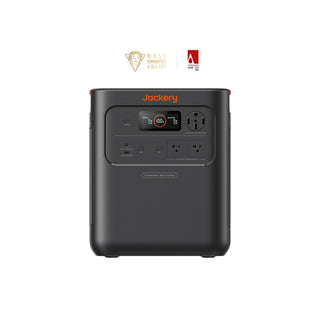
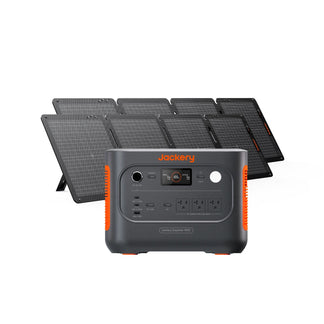
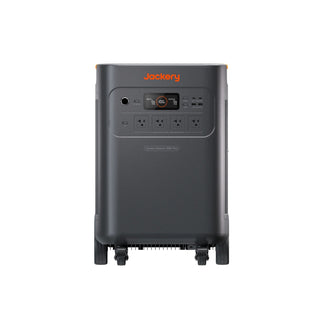
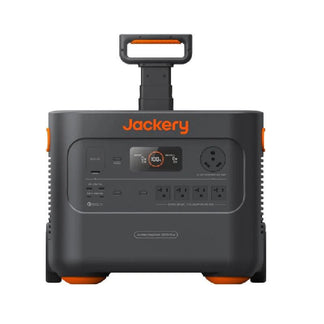
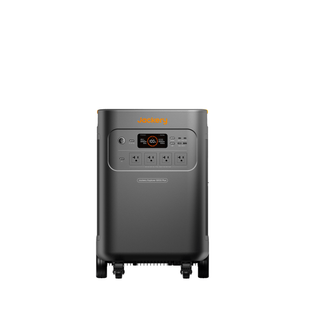
Jackery Solar Generator 5000 Plus
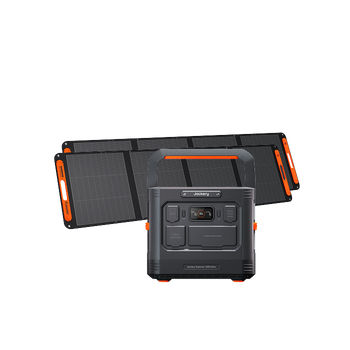
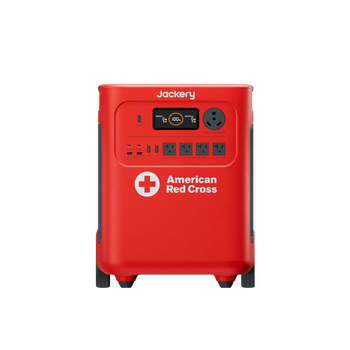
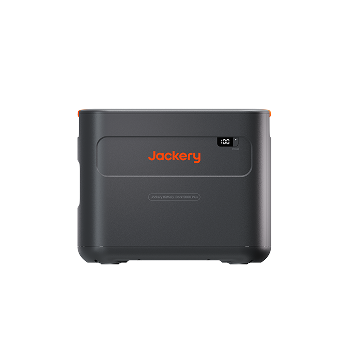
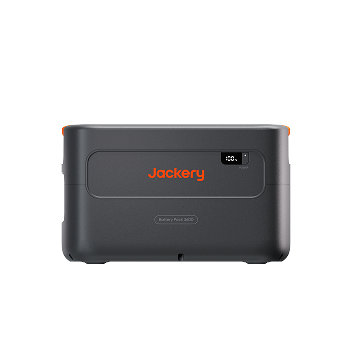
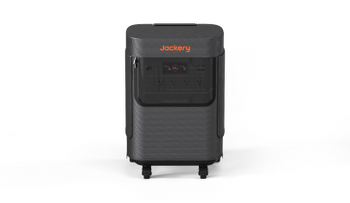
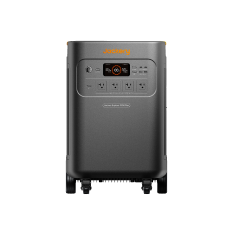
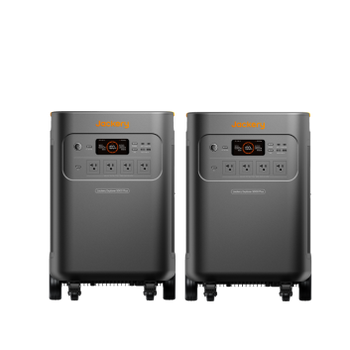
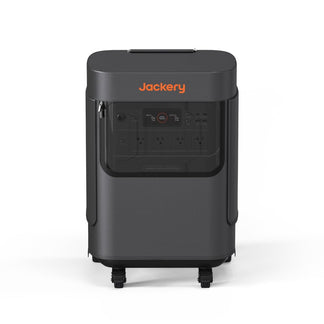
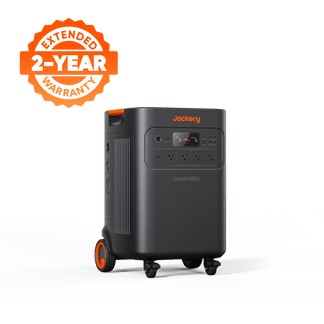
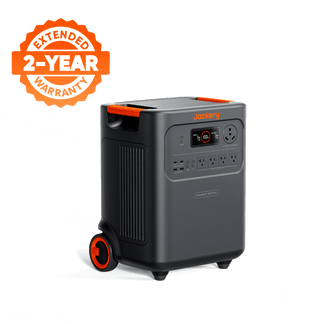
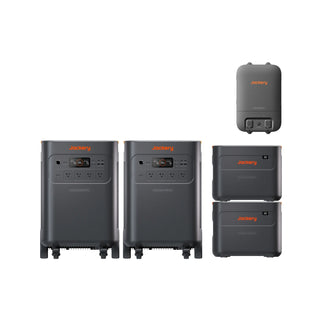
If you’re on a cruiser with heavy appliances, such as an AC unit, the Jackery Solar Generator 5000 Plus can be an essential backup. It features a pull rod and double wheels, so you can easily drag it anywhere. It will help power most of the major appliances on the boat or even help you host a yacht party without a hitch.
Appliance Running Hours:
- AC (2000W): 2.1H
- Space Heater (1500W)= 2.8H
- Refrigerator (900W): 4.5H
- Toaster (800W): 5.0H

Customer Review:
We are off the grid, powering our 35-foot Viking using the Jackery 5000 plus, well, it’s been awesome not having the generator running. Jackery keeps the boat running with no issues.
- Darryl Ward.
FAQs
What size solar panel do I need for my boat?
The solar panel size you need for your boat depends on the appliances to power and the average sunlight hours you’ll have. Typically, it ranges between 300W and 1500W. To find the exact value, use the following formula: Solar system size = (Daily kWh / average sun hours) × 1.15 efficiency factor.
What type of solar panel is best for boats?
Rigid monocrystalline solar panels are ideal for boats, particularly for flat surfaces such as the deck or roof. These are highly durable, efficient, and suitable for large vessels, such as cruise ships.
How much solar for a sailboat?
The amount of solar for a sailboat depends on its size, usage patterns, and personal needs. For example, if you have ample space with multiple appliances, around 1,500-2,000W solar power would be suitable.
How to select and size a solar system for your boat?
To select and size a solar system for your boat, consider the available space, energy consumption, shade, and the number of solar panels required.
Conclusion
Sailboats with solar panels typically involve a high upfront cost, but they will start paying for themselves and save you money over time. These are eco-friendly, work quietly, and eliminate the need to refuel your diesel or natural gas generator. All seems reasonable, except that its installation can be tricky. If you don’t have any experience with DIY solar panel installation, consider investing in Jackery Solar Generators. These are reliable, portable, and can power most appliances for hours.


