

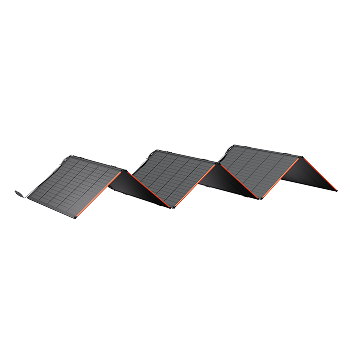




















































![[Add-on] Jackery SolarSaga 500 X - Jackery](http://www.jackery.com/cdn/shop/files/add-on-jackery-solarsaga-500-x-1493607.webp?v=1786503068&width=324)
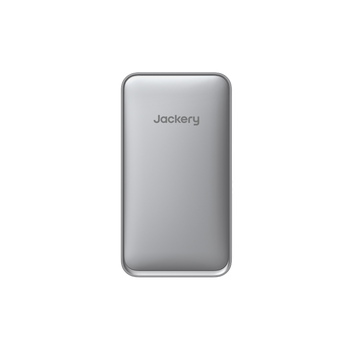
![[Add-on] Jackery Battery Pack 5000 Plus - Jackery](http://www.jackery.com/cdn/shop/files/add-on-jackery-battery-pack-5000-plus-6713401.webp?v=1786503068&width=324)











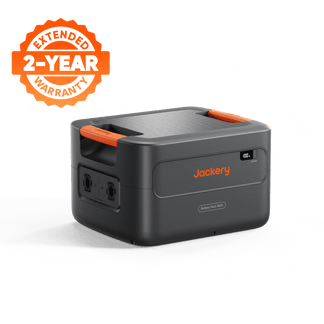
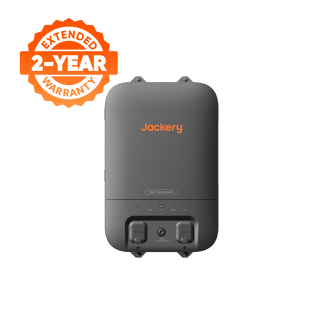
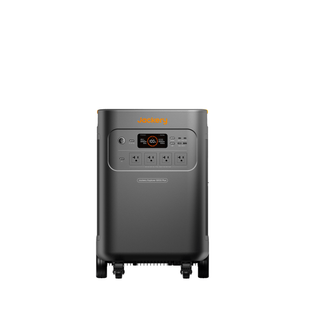
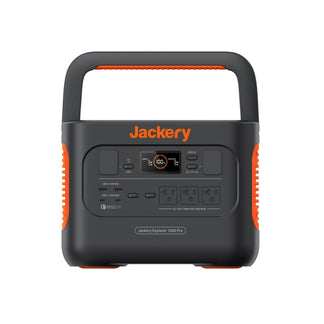
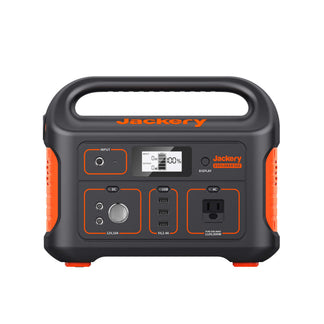
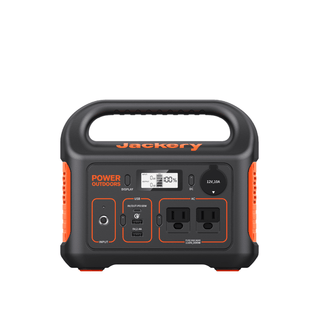
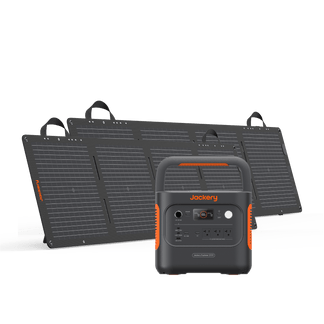


There is no better way to experience the FIFA World Cup 2026 than a backyard "pool-gate" watch party—floating in perfectly warm water while streaming the live kickoff on a massive outdoor screen. However, pulling off this ultimate summer gathering requires a smart energy plan. Between running high-draw water pumps to drive your solar pool heaters, powering bright outdoor projectors, and keeping sound systems online, your backyard electrical grid can easily overload.
Rather than dealing with noisy extension cords, tripped breakers, or astronomical utility bills, you can use a strategic mix of DIY solar heating and independent, portable battery power. This comprehensive guide walks you through the physics of solar pool heating, a step-by-step DIY installation to save thousands, and the best silent solar generators to keep your poolside theater running flawlessly through extra time.
How Do Solar Pool Heaters Work?
According to the U.S. Department of Energy guidelines, solar pool heaters are highly efficient thermodynamic systems that use your pool's existing filtration pump to circulate water through flat solar collectors, absorbing solar radiation and transferring that heat directly to the water:
-
Two Collector Categories:
- Unglazed Collectors: Made of heavy-duty, UV-stabilized black plastic or rubber. They are lightweight, highly cost-effective, and ideal for seasonal pools in warm, sunny climates like Florida, Texas, or California.
- Glazed Collectors: Feature a tempered glass cover and insulated backing. They trap heat far more effectively, making them suitable for cooler northern regions where you want to extend your swimming season into autumn. However, they cost roughly twice as much as unglazed systems.
- Real-World Temperature Expectations: Do not expect scalding water to spray from your return jets. Real-world data from the Trouble Free Pool community shows a modest, highly efficient outlet temperature rise of **4°F to 7°F** per pass on a sunny day. Over six hours of peak sunlight, this small temperature delta adds up to a substantial 10°F to 15°F overall pool temperature increase.
- Flow Rate is Key: Pushing water too fast through the panels won't allow the water time to absorb heat, while restricting the flow too much wastes the panels' total surface area. A simple ball bypass valve allows you to tune the flow until the water exiting the collectors feels noticeably warm to the touch.
- Preventing Stratification: Hot water naturally rises to the surface, where it evaporates quickly. Angle your return jets downward or run the circulation pump on a schedule to mix the water column and maintain uniform temperatures throughout the pool.
How Do You Install a DIY Solar Pool Heater?
Building a custom solar heating system is a highly accessible weekend project. If you are starting your backyard oasis on a budget, you might also be interested in our guide on how to build a small home swimming pool on a budget:
- Budget and Materials: A DIY solar installation typically costs between $2,000 and $4,000 for a collector area sized to 80% to 100% of your pool's surface area. This represents a massive savings of up to $3,000 compared to professional contractor quotes.
- Mounting the Collectors: Mount your collectors slightly elevated on a tilted ground frame or roof. Placing them directly on the damp ground siphons valuable heat into the soil. For optimal summer heating, tilt the collectors to your latitude minus 10 to 15 degrees (e.g., a 20-degree tilt in Phoenix or a 30-degree tilt in Chicago).
- Plumbing the Bypass Loop: Cut into your pool's return PVC pipe after the filter but before the chlorinated pool inlets. Install a manual bypass ball valve. This lets you divert a controlled portion of the water through the solar collectors rather than forcing the pump's entire output through them, allowing you to easily maintain the target 4°F to 7°F temperature rise.
- Keep the Tubing Flat: Gaps between the collector tubing and the backing frame will lose heat to the air underneath. Keep the coils tight and flat, securing them with UV-resistant ties or stainless steel clamps every 12 inches.
What are the True Costs and Payback Periods of Solar Pool Heating?
Because the sun does not send a monthly bill, solar pool heaters are the most cost-effective heating option on the market. Sizing your electrical demands is simple once you calculate how much it costs to run a pool pump:
- Upfront Costs & Payback: Upfront materials for a complete DIY system (collectors, PVC, manual valves, and a solar blanket) range from $2,500 to $4,000, with a simple payback period of 1 to 7 years depending on the fuel source you are replacing.
- Zero Operational Costs: The only ongoing expense is the electricity required to run your pump, which you are already operating for daily water filtration.
- Long-Term Durability: Solid plastic unglazed collectors can easily last 10 to 15 years, while glazed glass panels can reach 20 years. To maximize lifespan, maintain a stable water pH between 7.2 and 7.6 to prevent chemical corrosion.
- Rooftop Solar Incentives: Standard solar water heating equipment can qualify for the 30% federal clean energy tax credit through 2032, providing a direct reduction of your tax liability.
What are the Energy Demands of Your Pool Pump, Projector, and Screen?
Running an outdoor watch party requires careful load management, particularly because pool pumps are notorious energy hogs. Sizing your backup system is crucial; check our guide on what size generator is needed to run a pool pump to prevent electrical overloads:
- The Pool Pump Load: A typical single-speed pool pump draws between 1,000W and 2,500W, consuming a massive 12 to 30 kWh of daily energy. Upgrading to a modern variable-speed DC pump slashes this draw to just 300W to 500W, making solar battery backup highly practical.
- The Entertainment Stack: A standard outdoor 55-inch LED TV draws approximately 150W, while a high-lumen backyard projector pulls 300W to 400W. Outdoor Bluetooth speakers or soundbars draw 50W to 100W, and festive string lighting pulls another 50W.
- Sizing for Evening Viewing: Because solar panels cannot generate energy after dark, you must size your battery bank to cover at least 2 to 3 kWh of capacity beyond your daytime consumption to keep your evening screen and audio running seamlessly.
What are the Best Ways to Maximize Your Solar Pool Heater's Efficiency?
Use these professional, field-tested efficiency tactics to squeeze every degree of heat out of your solar array:
- Use a Solar Cover (Non-Negotiable): Evaporative cooling is the primary source of pool heat loss. Using a floating solar blanket 20 hours a day reduces evaporation by up to 70% overnight, trapping the heat your system harvested during the day.
- Orient True South: Mount your collectors facing true south (not magnetic south) to maximize daily solar exposure.
- Align Runtime with Peak Sun: Program your circulation pump timer to run only during peak sunlight hours (typically 10:00 AM to 4:00 PM). Running the system at night will actually radiate heat to the cold sky, cooling your pool.
- Eliminate Shading: Ensure your collector array receives completely unobstructed sunlight during peak hours. Even a thin tree branch shadow blocking 20% of the panel can cut total heat output by more than half.
- Install Backyard Windbreaks: Wind blowing across the pool surface accelerates evaporative cooling. Installing fences, privacy screens, or hedges around your pool area cuts convective heat loss drastically.

Which Portable Power Solutions are Best for Your Pool-Gate Party?
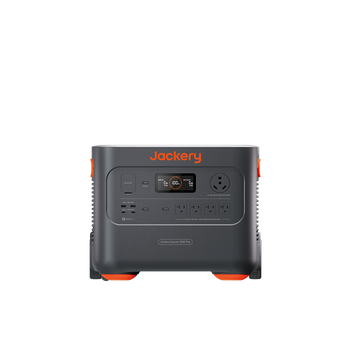
A portable power station replaces loud, smelly gas generators with clean, silent, and emission-free electricity, allowing you to run your poolside theater safely indoors or out. Sizing your electrical setup is easy once you evaluate can Jackery power a water heater or pump:
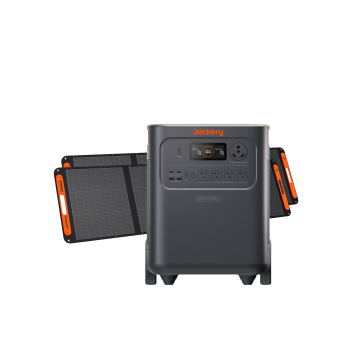
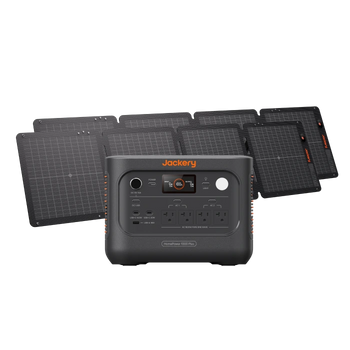
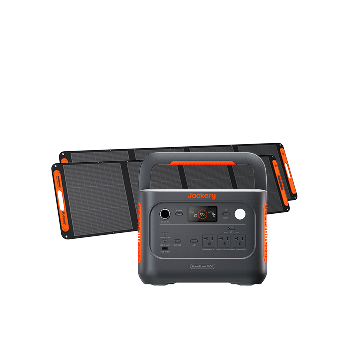
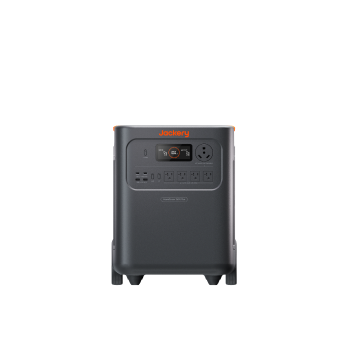
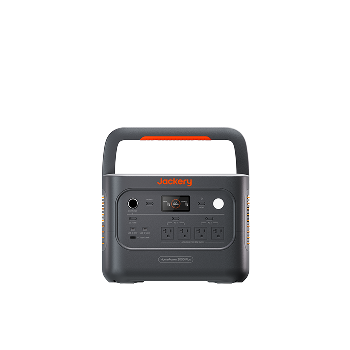
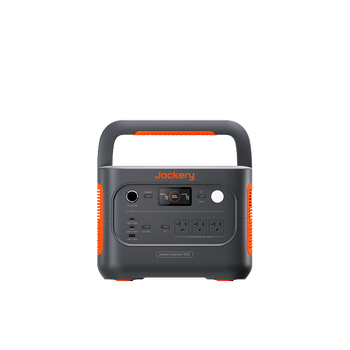
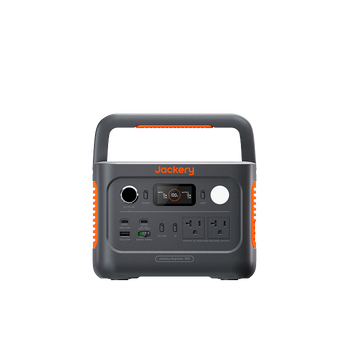
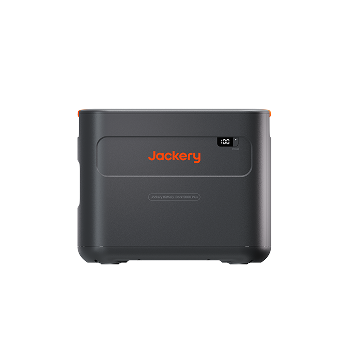
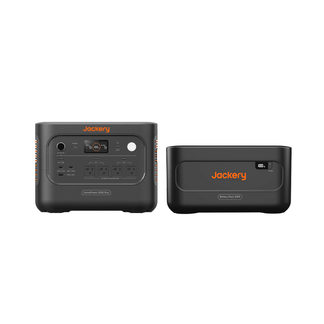
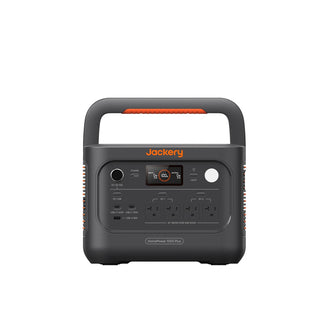
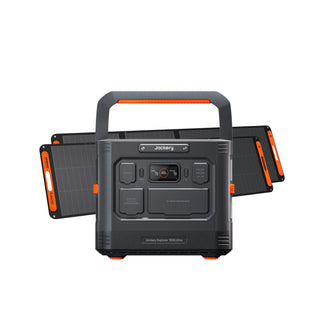
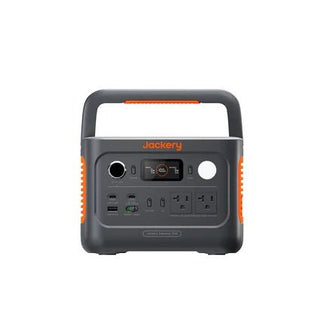
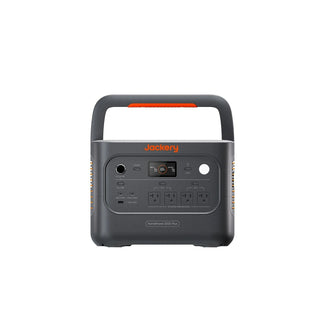
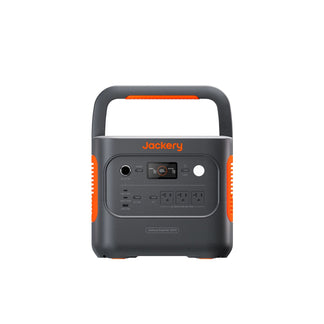
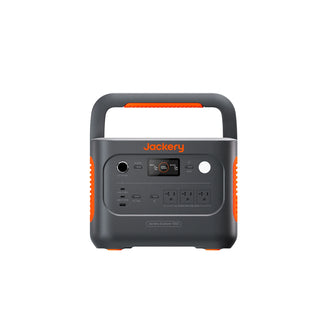
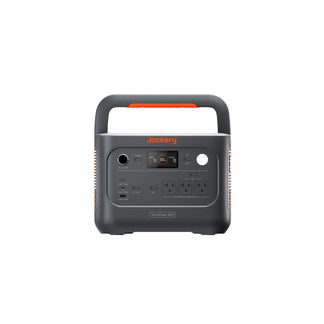
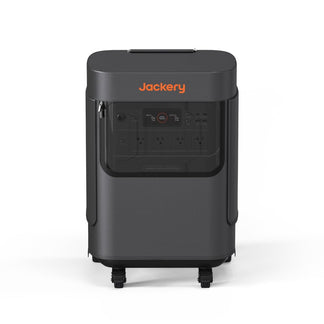
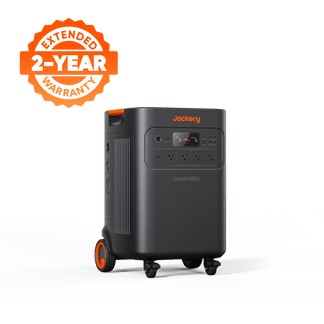
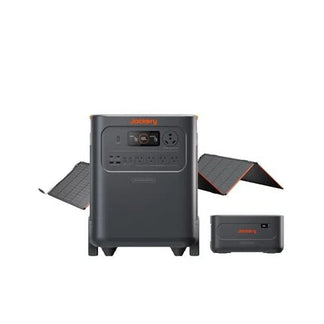
Jackery Solar Generator HomePower 3600 Plus
The perfect, silent energy solution designed to power standard pool pumps and entertainment gear simultaneously:
- Substantial Capacity: Holds 3,584 Wh of LiFePO4 capacity, capable of running a low-draw DC pool pump, a standard 55-inch TV, and a soundbar for hours.
- Quiet Operation: Runs at an ultra-low 30 dB (quieter than standard conversation), ensuring your guests hear only the game.
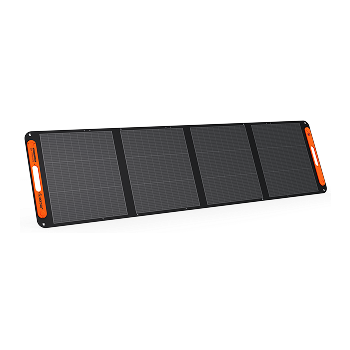
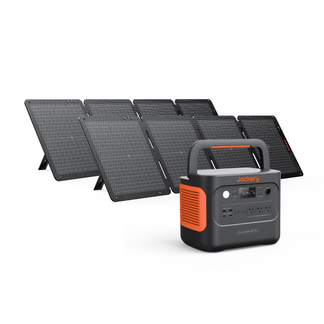
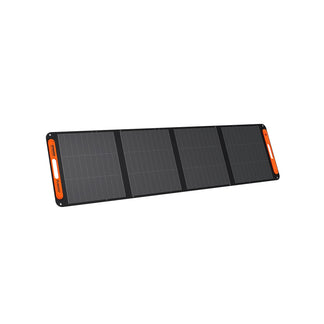
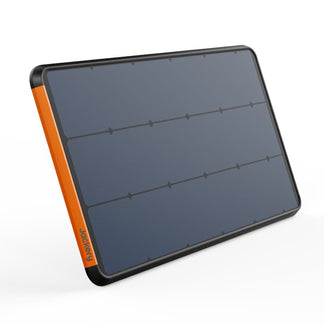
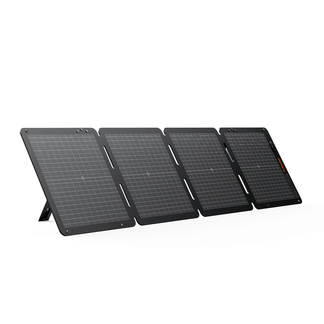
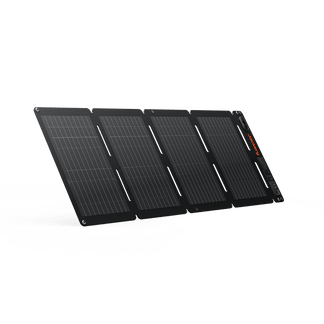
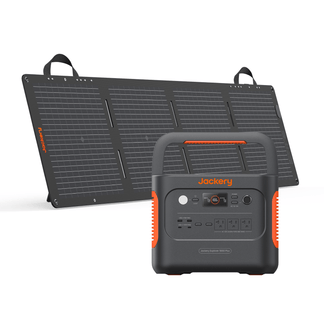
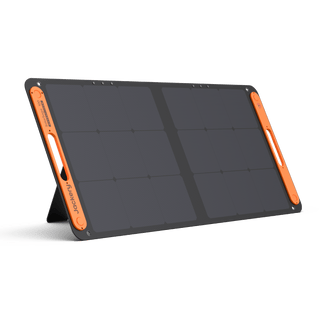
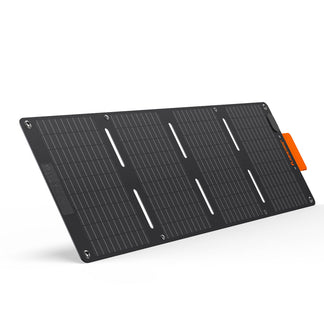
- Off-Peak Solar: Includes a SolarSaga 500X solar panel to recharge the system cleanly during peak daytime sunlight hours.
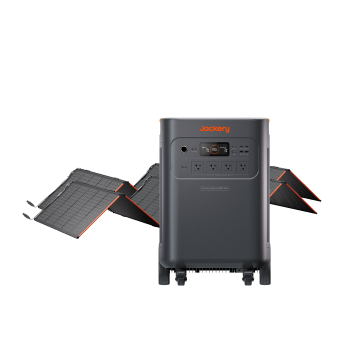
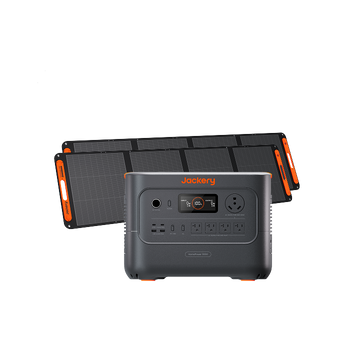
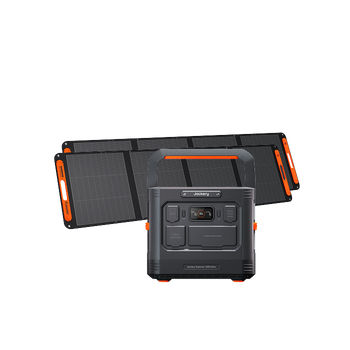
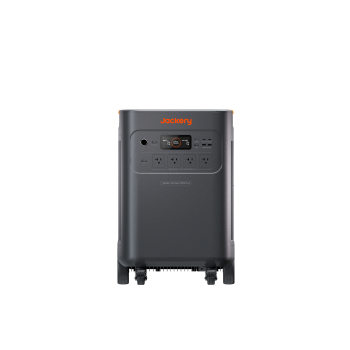
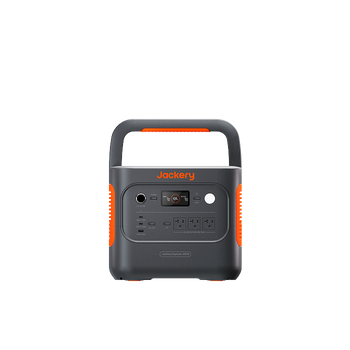
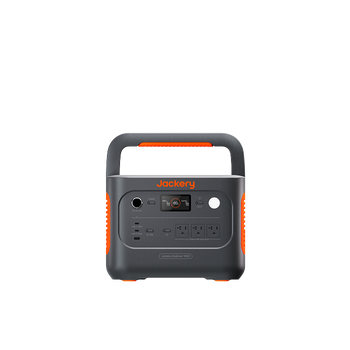
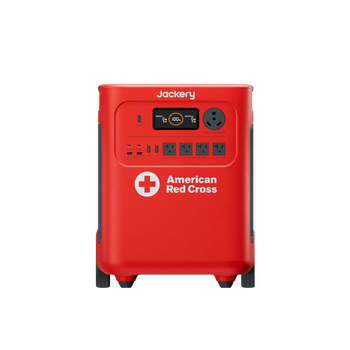
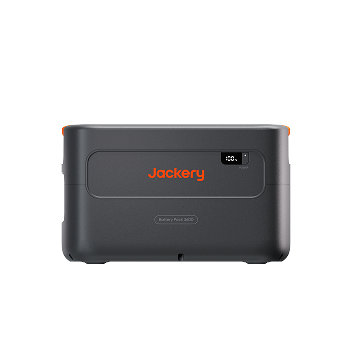
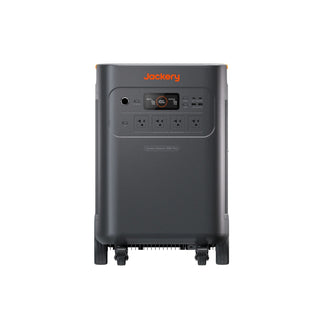
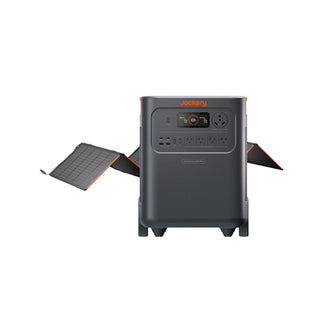
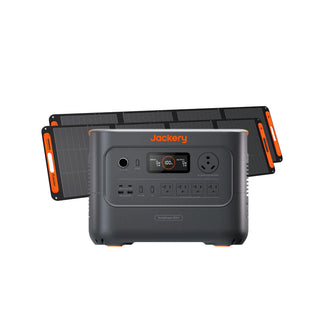
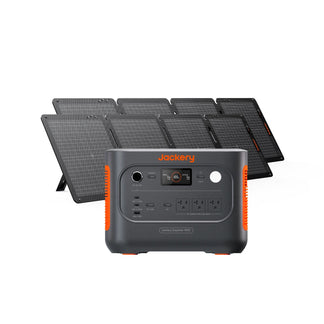
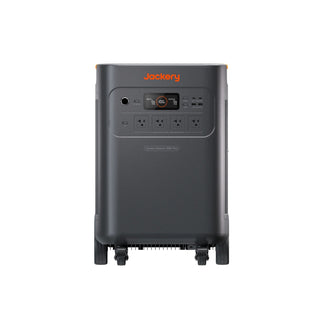
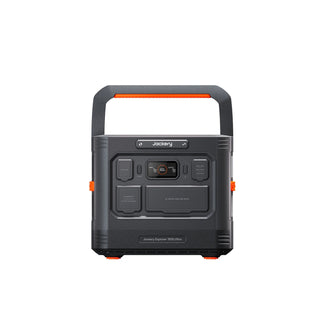
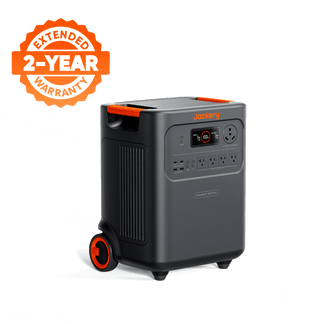
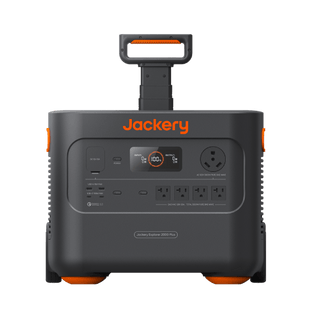
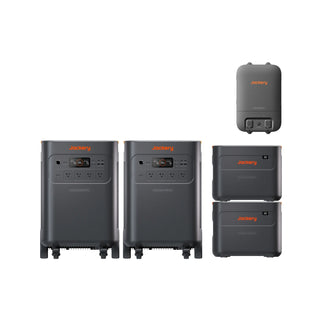
Jackery Solar Generator 5000 Plus
The heavy-duty, expandable power station engineered to handle large, single-speed pumps and multi-device theater setups:
- Brute-Force Output: Delivers 7,200W of continuous output and 14,400W of surge capacity, easily starting 1,500W single-speed pumps.
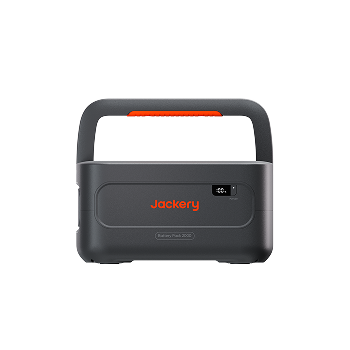
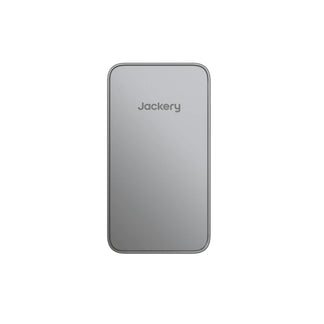
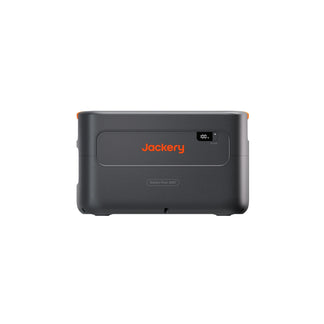
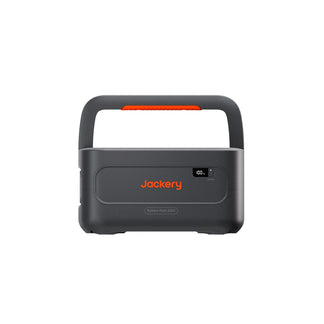
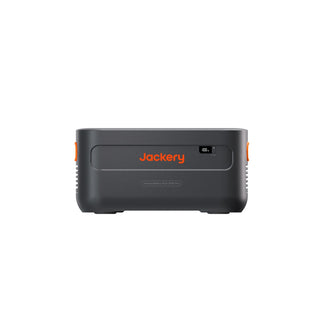
- Massive Scalability: Holds 5,040 Wh of base capacity (expandable up to 60 kWh with add-on battery packs) to sustain your entire poolside setup through multi-day tournaments.
- High-Speed Solar: Includes two SolarSaga 500X panels to deliver 1,000W of solar input, fully recharging the base unit in just 6.5 hours.
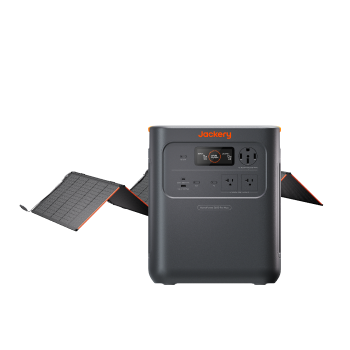
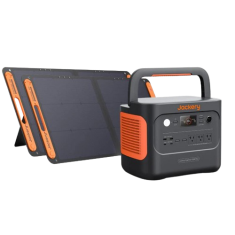
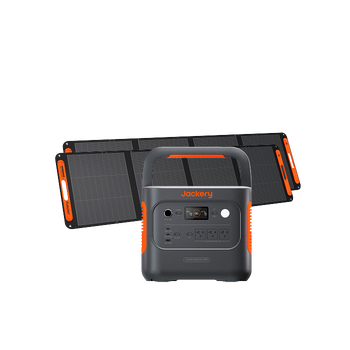
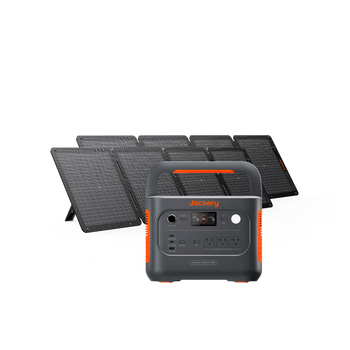
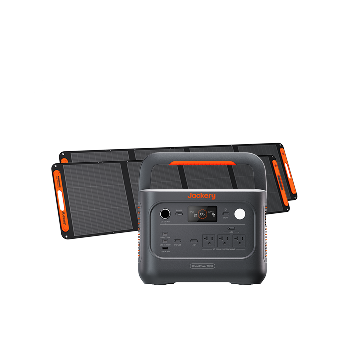
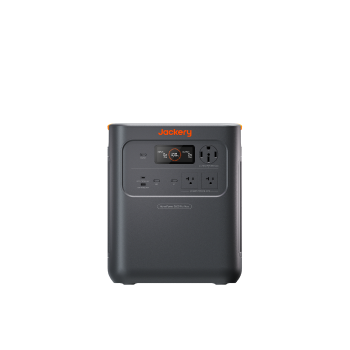
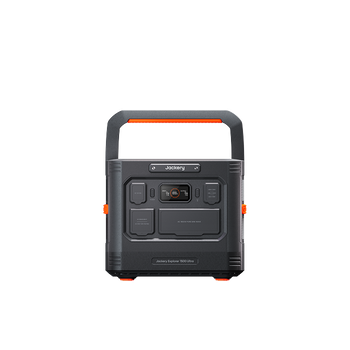
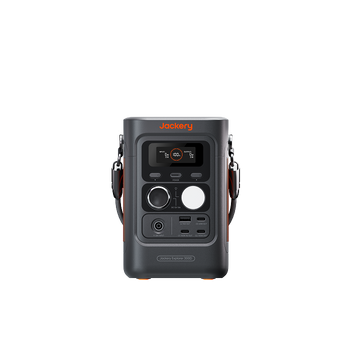
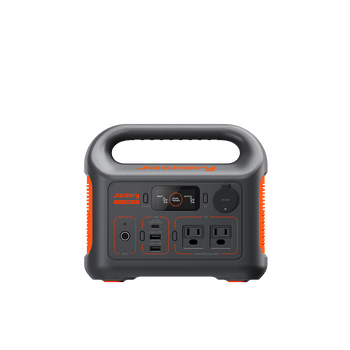
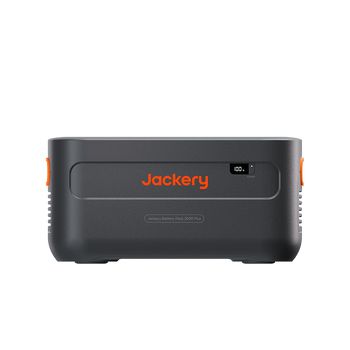
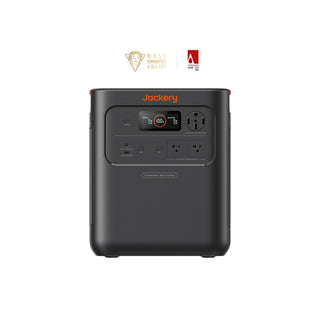
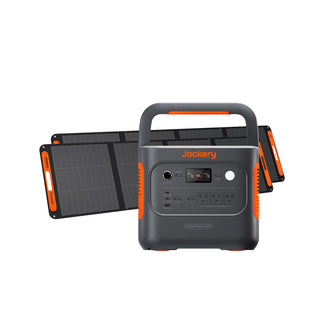
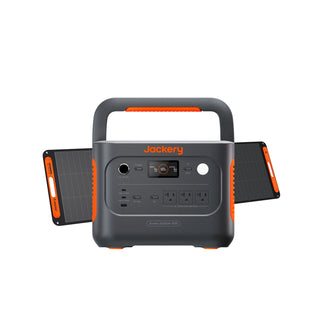
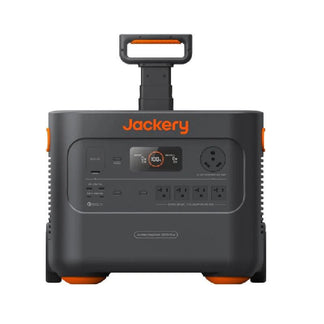
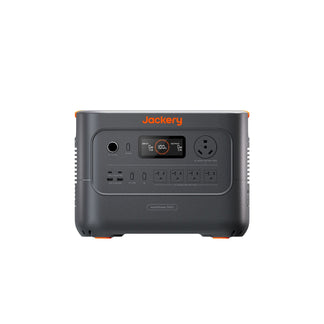
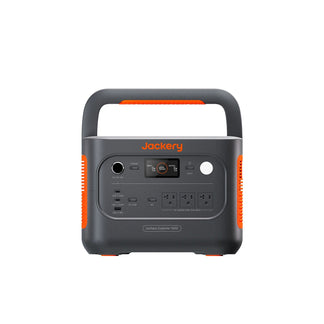
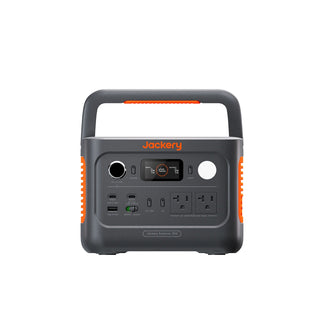
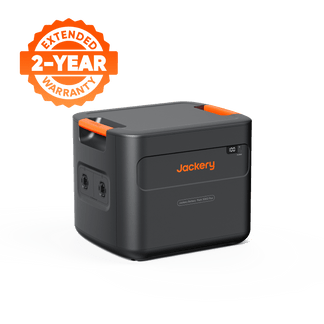
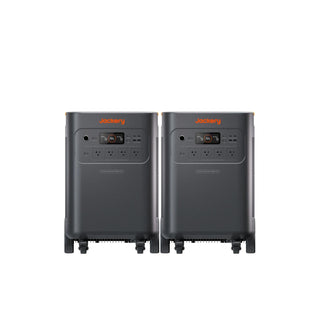
Jackery Solar Generator 2000 v2
The compact, lightweight, and budget-friendly poolside backup system:
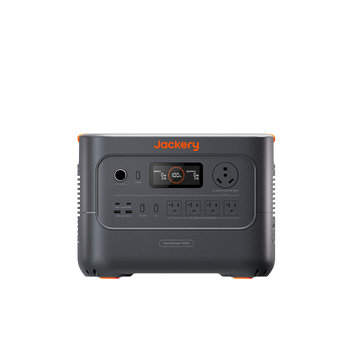
- Specs & Weight: Packs 2,042 Wh of capacity and a 2,200W pure sine wave inverter (4,400W surge) into a portable, 39.5-pound frame that can be easily moved near your pool deck.
- Target Runtime: Powers an outdoor TV, soundbar, and a small DC circulation pump through a standard 4-hour pre-game match.
Jackery Sizing Matrix
|
Feature / Specification |
Jackery Solar Generator 2000 v2 |
Jackery Solar Generator HomePower 3600 Plus |
Jackery Solar Generator 5000 Plus |
|
Battery Capacity |
2,042 Wh |
3,584 Wh (expandable to 43 kWh) |
5,040 Wh (expandable to 60 kWh) |
|
Continuous AC Output |
2,200 W (4,400 W Surge) |
3,600 W (7,200 W Surge) |
7,200 W (14,400 W surge) |
|
UPS Switchover Speed |
Under 20 milliseconds |
Under 20 milliseconds |
0 milliseconds (True Online UPS) |
|
Solar Charging Input |
Up to 400W solar input |
500W (SolarSaga 500X included) |
1,000W (2x SolarSaga 500X included) |
|
Typical Outage Runtime |
Runs TV, speaker, and small DC pump for ~4 hours. |
Runs TV, speaker, and DC pump for over 8 hours. |
Runs large TV, speakers, mini-fridge, and 1,500W pump for over 10 hours. |
Frequently Asked Questions
What type of water pump do I need for my solar heater?
You can use your existing main pool filtration pump, or install a separate DC-powered circulation pump. Never use a standard submersible sump pump, as they lack the necessary head pressure and are not engineered for continuous duty.
Should I run my solar heater continuously or on a specific schedule?
Only run your system during peak sun hours (typically 10:00 AM to 4:00 PM). Running the system at night or on rainy days will radiate heat to the cold sky, cooling your pool. Always cover your pool with a solar blanket overnight.
How large should my solar collector array be?
Your total collector surface area should equal at least 80% to 100% of your pool's total surface area. For example, a standard 16x32-foot pool (512 square feet of surface) requires approximately 400 to 500 square feet of solar collector panels.
Can I use a solar heater with a saltwater pool?
Yes. Standard unglazed plastic collectors are completely corrosion-resistant and highly compatible with salt systems. If your system utilizes any glazed metal panels, ensure the heat exchanger is constructed of high-grade titanium or marine-grade stainless steel.
What annual maintenance do solar collectors require?
Inspect the array annually for small leaks, loose mounting straps, or cracked tubing. Clean the collector surface with a garden hose and soft brush to remove dust, pollen, and leaves, and check that your manual bypass valves operate smoothly.


