
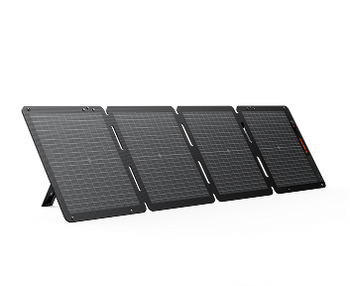
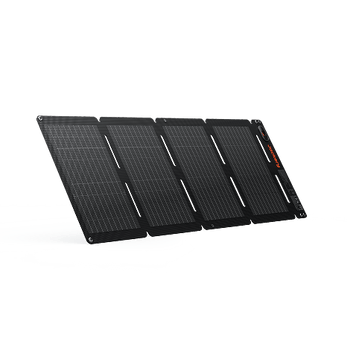







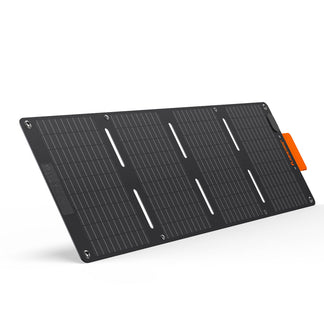
![[Add-on] Jackery SolarSaga 500 X - Jackery](http://www.jackery.com/cdn/shop/files/add-on-jackery-solarsaga-500-x-1493607.webp?v=1786503068&width=324)
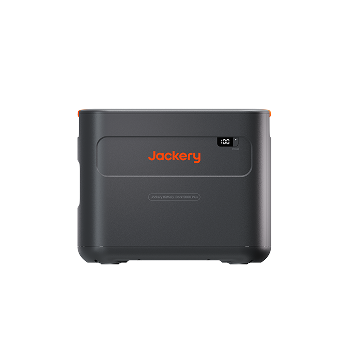
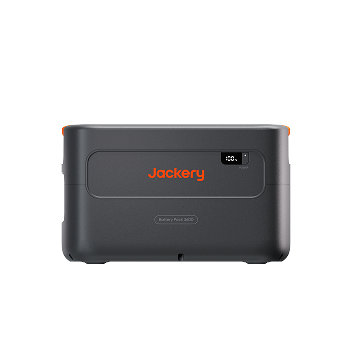
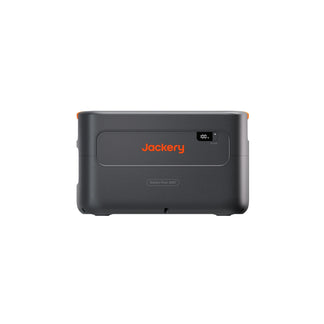
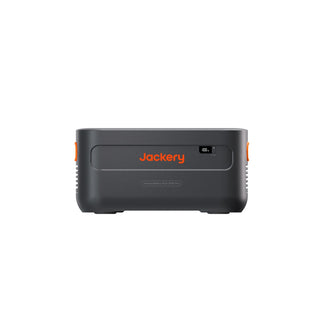
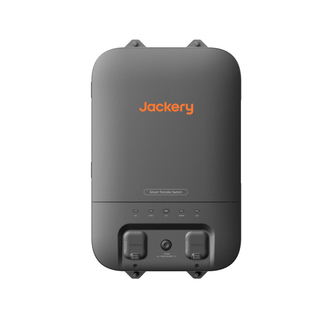
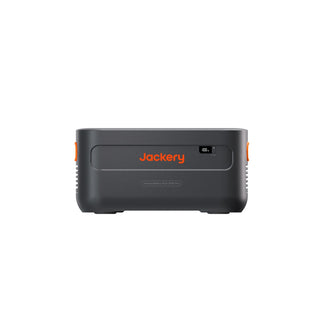
![[Add-on] Jackery Battery Pack 5000 Plus - Jackery](http://www.jackery.com/cdn/shop/files/add-on-jackery-battery-pack-5000-plus-6713401.webp?v=1786503068&width=324)





Your spring camping essentials list should cover a layered clothing system, a sleeping bag rated for cold nights, a waterproof shelter, rain gear, insect protection, a reliable power source, and cooking supplies that can handle variable conditions. Unlike summer camping, spring requires gear that flexes. This means your spring camping gear should be warm enough for a 35°F (1.6°C) night, light enough for a 65°F (18.3°C) afternoon hike.
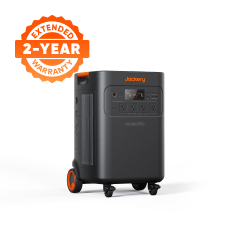
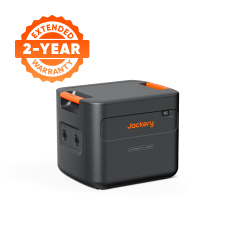
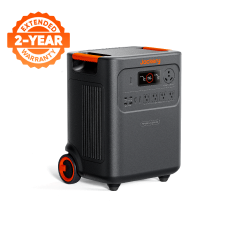
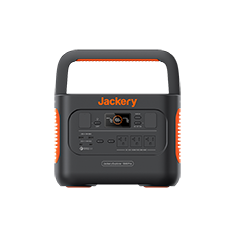
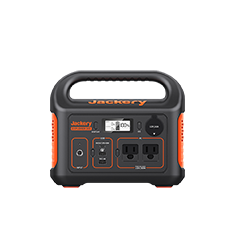
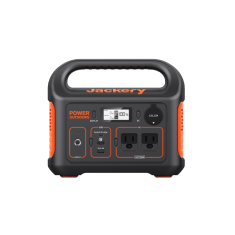
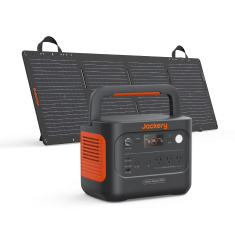
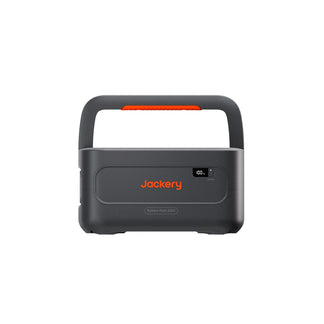
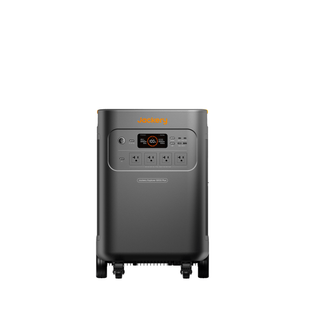
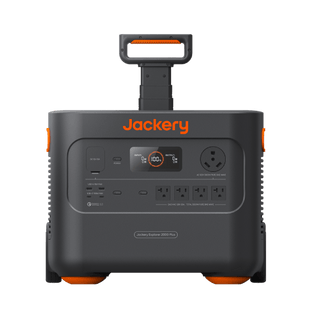
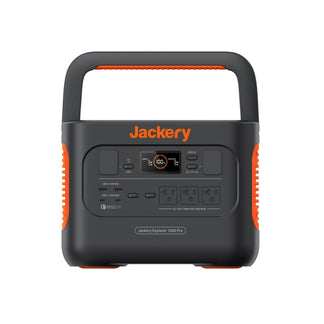
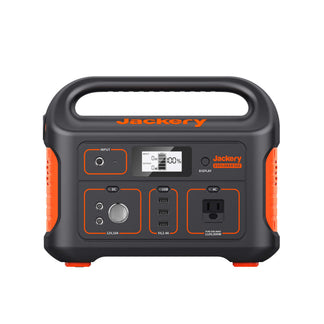
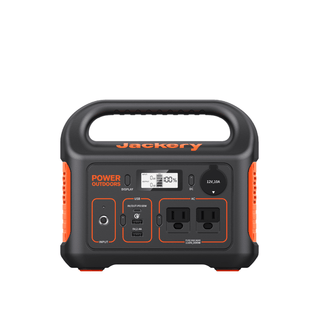
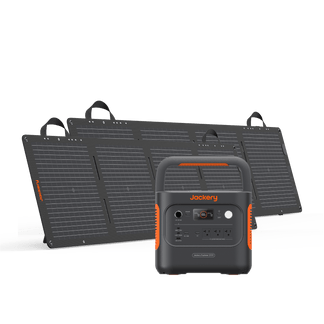
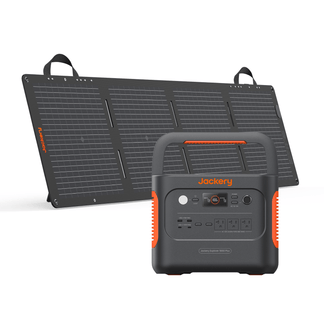
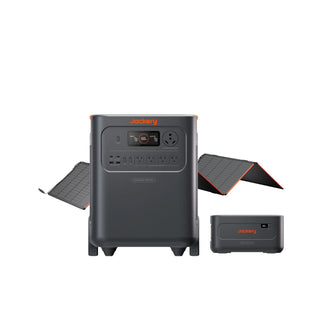
Jackery Solar Generators are reliable camping generators that can help you power essential appliances without fuel or campsite hookups. With a foldable handle and compact design, you can move these solar generators for camping anywhere you camp. This spring camping essentials checklist covers everything you need, organized by category, so nothing gets left behind at home.
Key Takeaways
- Spring temperatures swing dramatically between day and night, which means layering is your most important packing strategy.
- Rain, mud, and insects are predictable spring hazards, so you will need camping gear for all three regardless of the forecast.
- Your sleeping bag rating matters more in spring than in any other season. Hence, it is important to go for a bag rated 20–32°F (-6.6 - 0°C) minimum.
- Portable solar power is a practical, clean alternative to fuel generators for multi-day spring trips.
- Organizing your early spring camping essentials checklist by category (clothing, sleep, power, cooking, gear) prevents forgotten items and saves packing time.
Why Should You Pack Differently for Spring Camping Trips?
Most people assume spring camping is just a slightly cooler version of summer camping. It isn't. The season has its own set of conditions that affect gear choices in ways that aren't obvious until you are already at the campsite, wet and underprepared. Here are a few reasons why you should pack differently for spring camping trips:
Temperature
Temperature swings are wider than in any other season. A spring afternoon can hit 65°F (18.3°C) with full sun. That same campsite at 11 PM can drop to 36°F (2.22°C) with wind. If you pack based on the daytime forecast, you'll be cold before the fire dies down. This is the single most common mistake spring campers make, and the easiest to fix with a layered clothing system and the right sleeping bag.
Rain
Spring precipitation is frequent across most of the US, from April showers in the Southeast to snowmelt storms in the Rockies. A tent without a properly staked rain fly, or a camper without waterproof boots, reflects unpreparedness. Waterproofing your shelter, footwear, and gear storage is baseline preparation for spring camping.
Mud
Mud affects everything. Soft, saturated ground changes how you set up camp, how you move on trails, and how you store gear. A ground tarp under your tent extends its life and keeps the interior dry. Gaiters protect your boots and lower legs on muddy trails. Dry bags keep electronics, clothing, and food safe when conditions are wet for days at a time.
Seasonal Hazards
Ticks and mosquitoes become active in early spring, sometimes as early as March in southern states. This is well before most campers think to prepare for them. Melting snowpack raises creek and river levels, occasionally making crossings dangerous. In higher elevations, late-season snow and ice can appear even in May. Spring camping rewards preparation and punishes assumptions.
Your spring camping gear works differently in the cold. Fuel canisters lose pressure in cold temperatures, which affects stove performance. Batteries drain faster, and wet down insulation loses loft. These aren't dealbreakers, but they are worth knowing so you pack backup fuel, synthetic insulation layers, and a reliable power source for longer trips.
What Essential Gear Should Be on Every Spring Camping Packing Checklist?
Every spring camping essentials checklist should cover seven core categories: clothing, toiletries and health supplies, sleeping gear, outdoor power, cooking equipment, general camping gear, and miscellaneous essentials.
What Clothing Should You Pack for Spring Camping?
The goal with spring camping clothing is to pack smart. A three-layer system covers almost every condition you will encounter.
- The base layer pulls moisture away from your skin and keeps you dry when you are active. You should go with merino wool or synthetic and avoid cotton, which holds moisture and gets cold fast.
- The mid layer provides insulation. A fleece jacket or a lightweight down jacket works well. This is the layer you will add and remove most throughout the day.
- The outer layer blocks wind and rain. A packable waterproof shell is non-negotiable for spring. Look for taped seams and a hood.
Full Clothing Checklist
- Moisture-wicking base layer top and bottom (2 sets)
- Insulating mid-layer (fleece or lightweight down jacket)
- Waterproof, windproof shell jacket
- Hiking pants (quick-dry fabric)
- Warm hat and gloves for mornings and evenings
- Buff or neck gaiter
- Waterproof hiking boots with ankle support
- Camp sandals or lightweight shoes for around the site
- Wool or synthetic hiking socks (pack 3–4 pairs minimum)
- Rain poncho as a backup layer
- Gaiters for muddy or snowy trails
What Toiletries and Health Supplies Do You Need?
Spring camping adds a few items to the standard toiletries list, mainly because insects, UV exposure, and muddy conditions create hygiene and health considerations that don't come up as often in summer.
- Biodegradable soap and shampoo
- Toothbrush and toothpaste
- Toilet paper and a small trowel (Leave No Trace)
- Hand sanitizer
- Sunscreen SPF 30 or higher (UV is strong even through cloud cover)
- Insect repellent for mosquitoes, permethrin spray for clothing and gear against ticks
- Lip balm with SPF
- Prescription medications plus a few days' extra
- First aid kit with blister pads, antiseptic wipes, bandages, pain relief, antihistamine, moleskin
- Any feminine hygiene products needed
- Small pack towel for face and hands
What Sleeping Gear Do You Need for Spring Camping?
Getting your sleep system right is the most important gear decision for spring camping.
- Sleeping bag rated 20–32°F (-6.6 - 0°C). Synthetic fill is recommended for spring because it retains warmth even when damp. Down is lighter and more compressible, but loses insulation when wet unless it's hydrophobic down.
- Sleeping bag liner adds 5–15°F (-15 - -9.4°C) of warmth and keeps your bag cleaner. Lightweight and worth every ounce.
- Sleeping pad. Cold ground pulls heat away from your body faster than cold air does. An insulated foam or inflatable pad with an R-value of 3 or higher is the standard spring.
- Tent with a full rain fly. Freestanding design, taped seams, and good ventilation to reduce condensation inside. Stake the tent out properly, even on clear nights, because spring weather changes fast.
- Tent footprint or ground tarp to protect the tent floor from wet, rocky ground and extend gear life.
- Camp pillow. Compressible, lightweight, and worth packing.
Why Does Outdoor Power Matter for Spring Camping?
Power is one of the most underrated early spring camping essentials, and one of the most commonly underprepared for. On a multi-day spring trip without hookups, your phone, headlamp, camp lights, portable fridge, and cooking appliances all need a source, and fuel-based generators are loud, smelly, and require carrying extra fuel.
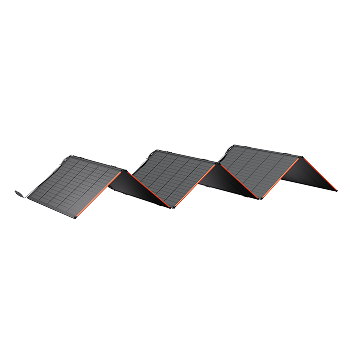
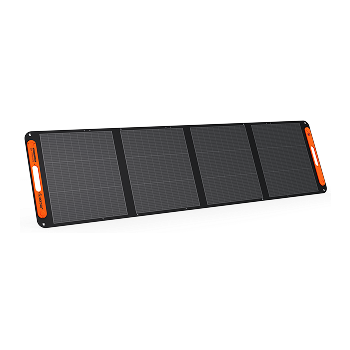
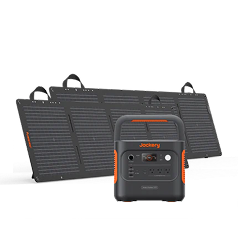
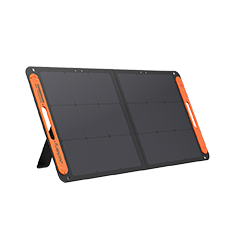
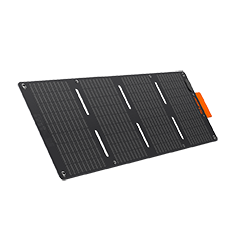
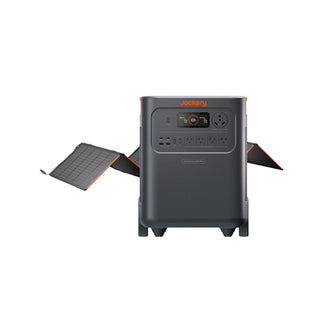
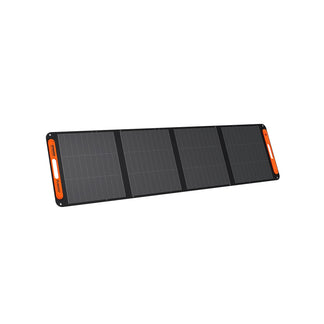
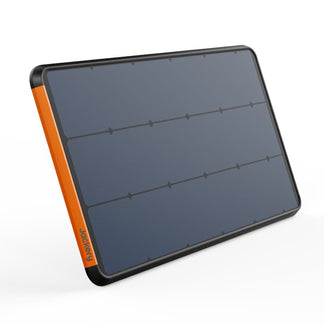
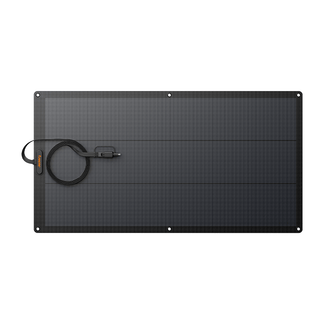
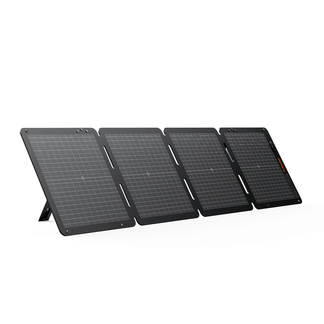
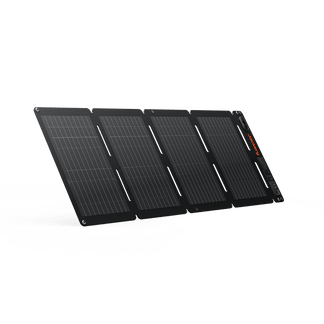
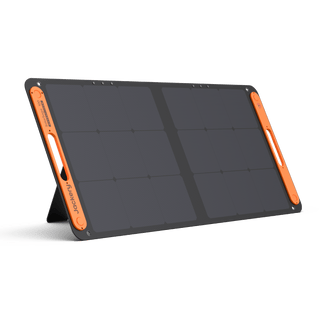
A portable solar generator charges silently during the day using solar panels, stores energy in a built-in battery, and lets you run appliances and devices cleanly. Spring is actually a solid season for solar charging. Days are getting longer, and even partly cloudy spring days generate usable charging hours.
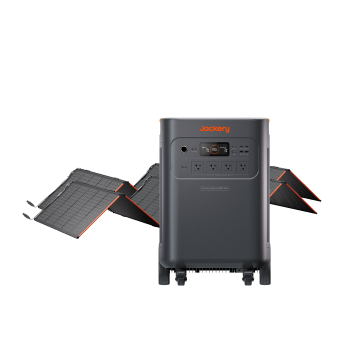
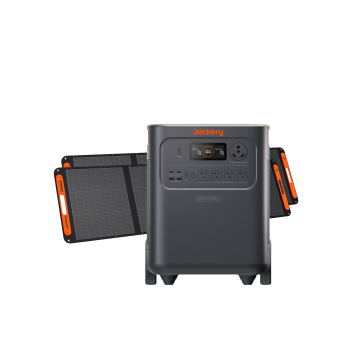
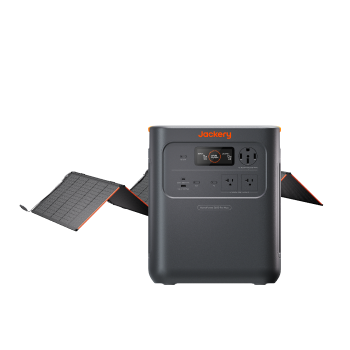
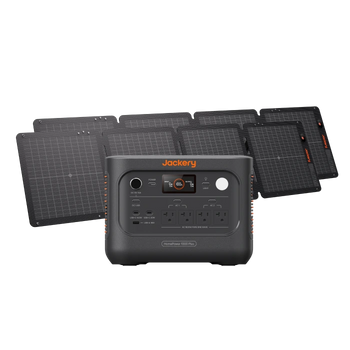
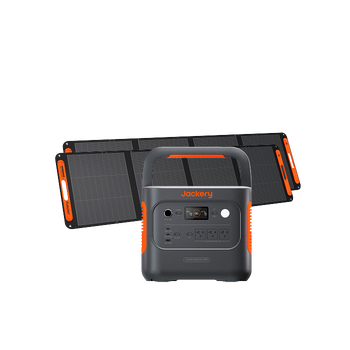
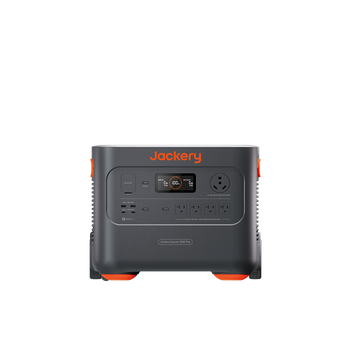
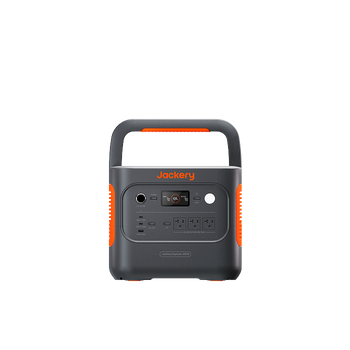
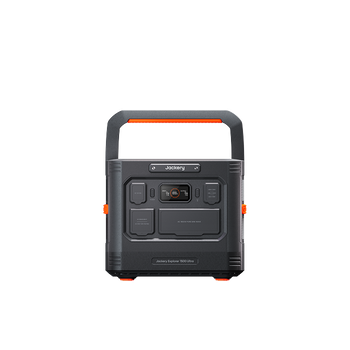
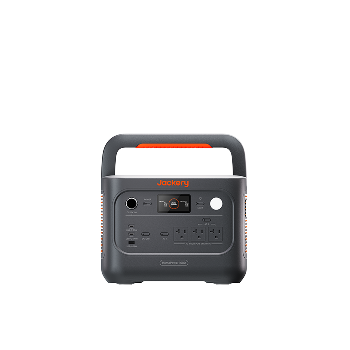
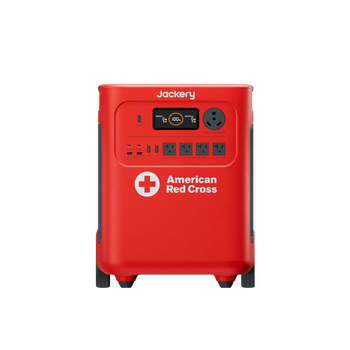
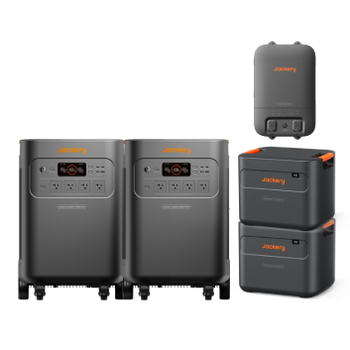
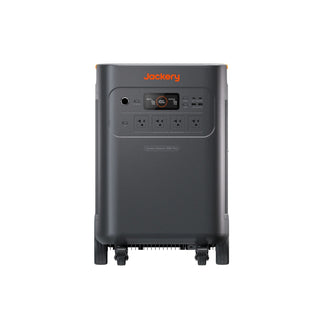
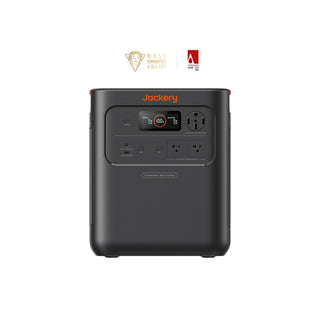
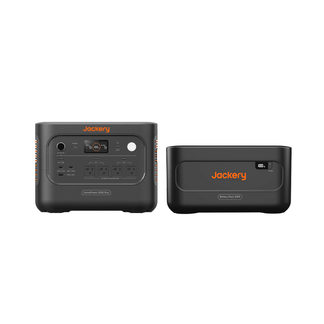
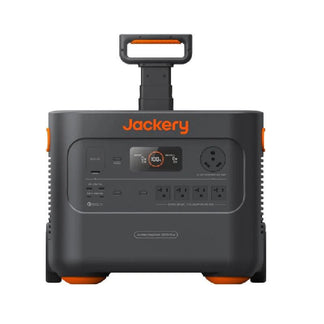
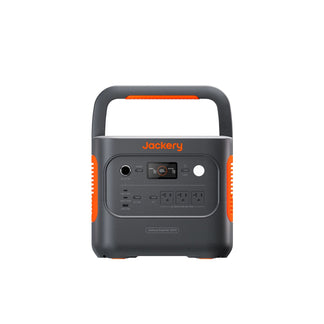
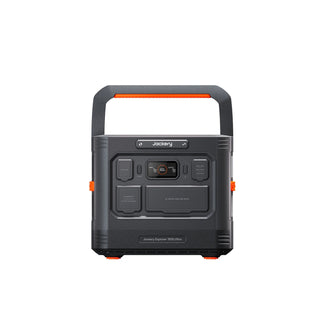
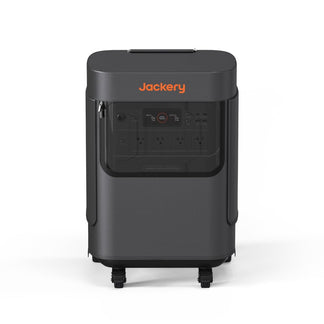
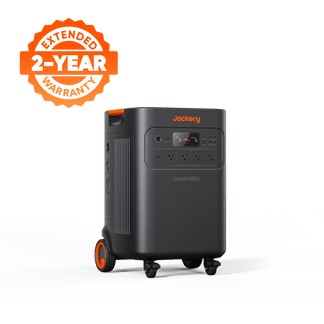
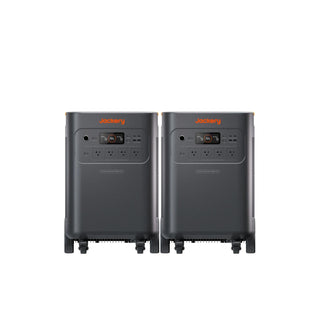
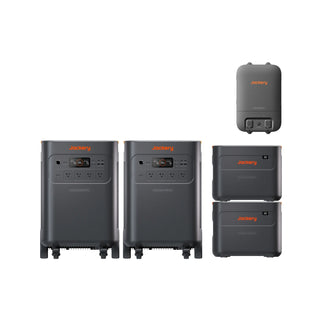
Jackery Solar Generators are one of the most widely used options among outdoor campers for this reason. These camping generators are compact, genuinely portable, and capable of running essentials from coffee makers to portable fridges to camp lighting.
Jacob, a bike shop manager and outdoor photographer lives by a simple motto: work hard, play hard. Between mountain biking, canoeing, and wildlife photography trips, reliable power is a necessity for Jacob. After two power outages in four days spoiled his food, he ordered a Jackery product.
What followed changed how he camps entirely. On a group camping trip with twelve people, his Jackery product powered everyone's devices and a full DJ setup well into the night, and still had charge left by Sunday morning. Read more such Jackery Stories and see how people use their solar generators.
What Cooking Gear Should You Pack?
You will need a camp stove and fuel (bring extra canisters) for cooking because cold temperatures reduce fuel pressure and burn efficiency.
- Cookware set: pot, pan, and a lid that doubles as a plate
- Utensil set: spork, spatula, knife
- Cutting board (flexible silicone packs flat)
- Camp mug and insulated water bottle
- Biodegradable dish soap and a small sponge
- Collapsible wash basin
- Bear canister or hang bag for food storage (check regulations for your area)
- Portable cooler with ice, or a portable electric fridge powered by your solar generator
- Lighter and waterproof matches as a backup
- Aluminum foil
- Reusable food storage bags
What General Camping Gear Do You Need?
Beyond shelter and sleep, there's a layer of everyday camp gear that keeps your site functional, trails manageable, and trips from unraveling over something small.
- Trekking poles (especially useful on wet, uneven spring trails)
- Headlamp with extra batteries (cold drains batteries faster)
- Camp chairs and a packable table
- Lantern (battery or solar-powered)
- Dry bags or waterproof stuff sacks for electronics, clothing, and documents
- Duct tape (handles tent repairs, gear fixes, and emergencies)
- Multi-tool or pocket knife
- Downloaded offline maps plus a physical map and compass as backup
- Tarp for additional rain coverage over your cooking or sitting area
- Rope or paracord (bear hang, clothesline, emergency use)
What Miscellaneous Items Are Easy to Forget?
These items don't fit neatly into any category, but they are the ones you will notice missing most, usually at the worst possible moment.
- Cash and photo ID
- Campsite reservation confirmation (screenshot it offline)
- Trash bags
- Quick-dry microfiber camp towel
- Extra bags in multiple sizes (wet gear, snacks, protecting documents)
- Notebook and pen
- Cards, a book, or a small speaker for downtime
- Earplugs (spring campgrounds get noisy with wildlife and wind)

You can also check out the ultimate camping must-haves with checklist for more information.
Recommended Jackery Solar Generators for Spring Camping
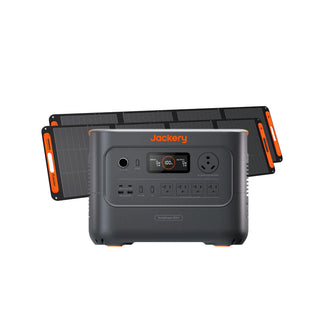
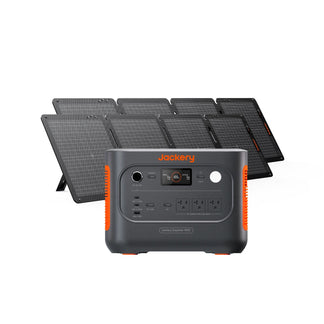
Spring camping trips, especially multi-day ones away from hookups, demand a power source you can actually rely on. With Jackery Solar Generators, you can keep your devices charged, your camp lights running through the night, your coffee brewing in the morning, and your portable fridge cold throughout the day. Unlike fuel-based generators, solar generators work silently, require no fuel to carry, and recharge passively while you are out on the trail.
Here are some recommended solar generators you can consider adding to your spring camping gear essentials list:
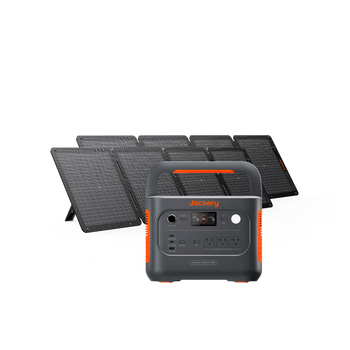
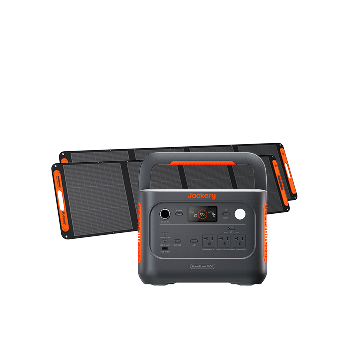
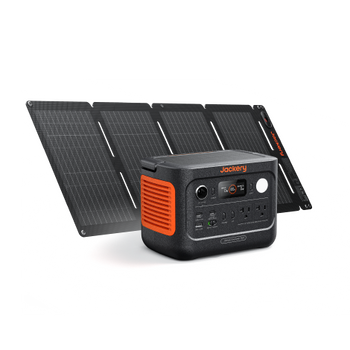
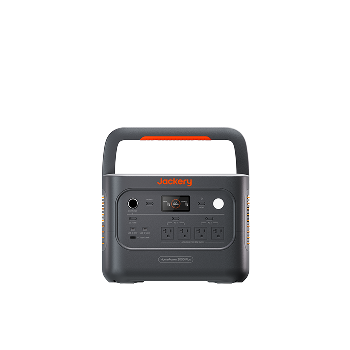
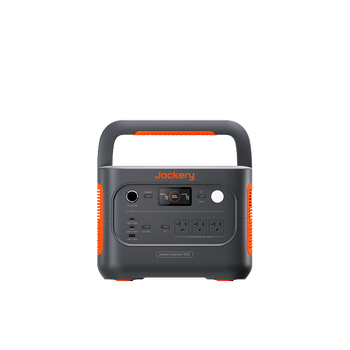
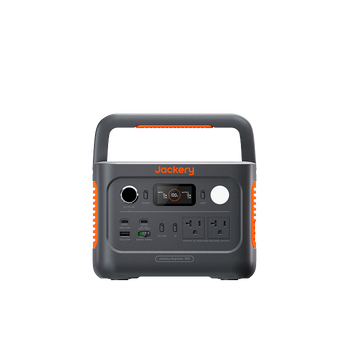
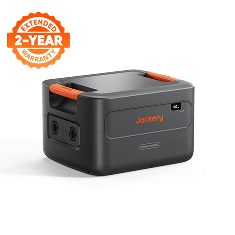
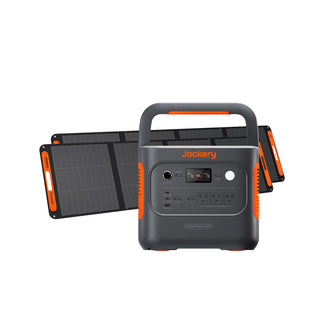
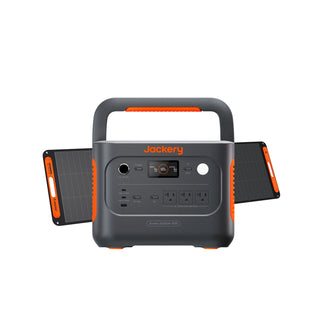
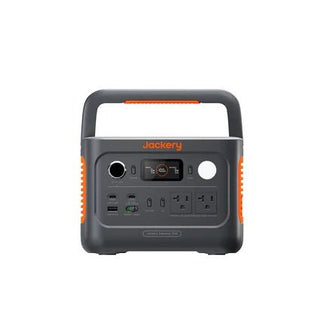
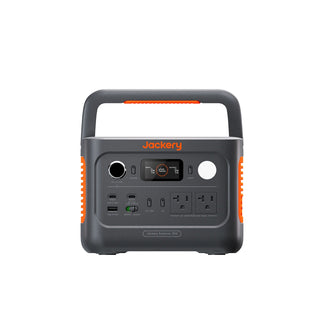
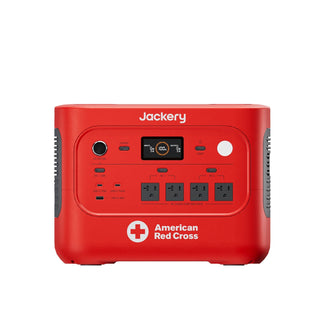
Jackery Solar Generator 600 v2
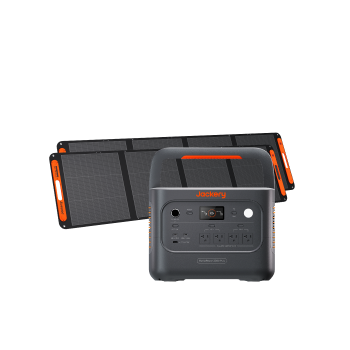
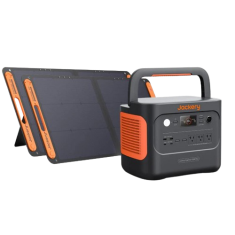
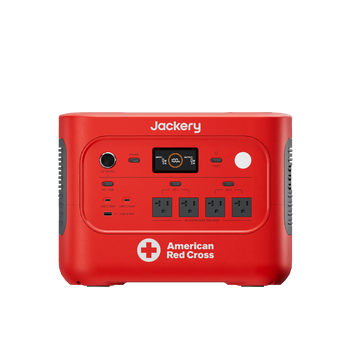
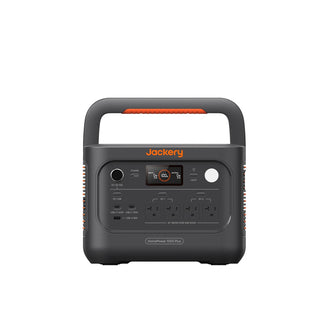
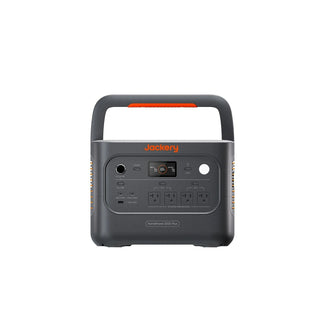
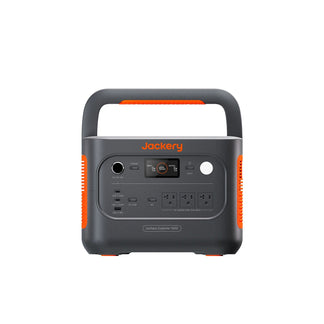
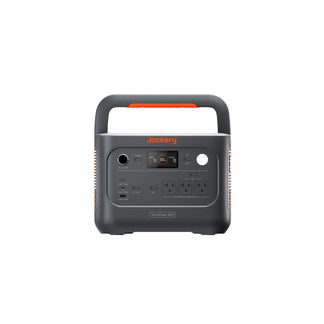
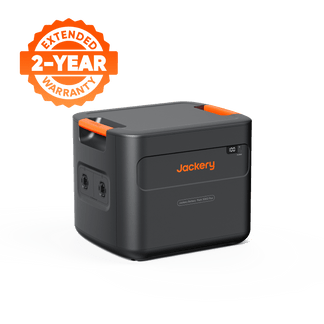
The Jackery Solar Generator 600 v2 is the right portable power supply for camping and lighter spring trips where portability matters as much as output. Picture a solo camper brewing coffee at sunrise before a full day of hiking, or a couple running a portable fridge and camp lights through a two-night weekend trip without worrying about battery life. It's compact enough to pack into a car without sacrificing space, and powerful enough to cover the everyday appliances that make a campsite feel like home.
Appliances Running Time
- Electric Grill (500W) = 1.0H
- Portable Fridge (50W) = 8.7H
- Kettle (500W) = 1.0H
- Portable Coffee Maker (300W) = 1.7H
- Camping Lights (20W) = 17.5H
Who Should Buy This
If you are a solo camper or a couple planning weekend trips and want reliable, portable power without the bulk, the Jackery Solar Generator 600 v2 is the right choice.

Customer Review
The Jackery 600 v2 was tested on something small, such as a 34-inch TV, a router, and a PS4 from a surge protector plugin with minimal game play, mostly YouTube, just to see power consumption. At just a little bit over 100 volts, the Jackery 600 v2 lasted 6 hours and charged in 2 1/2 hours.
— Forever G.
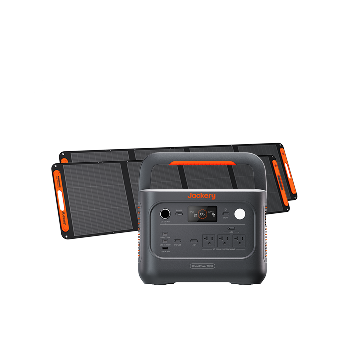
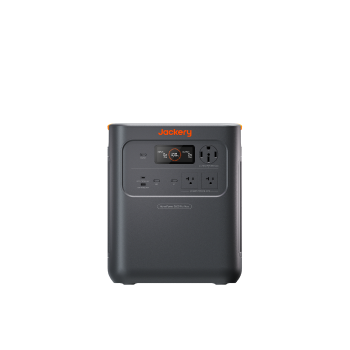
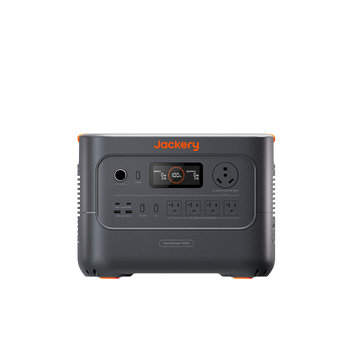
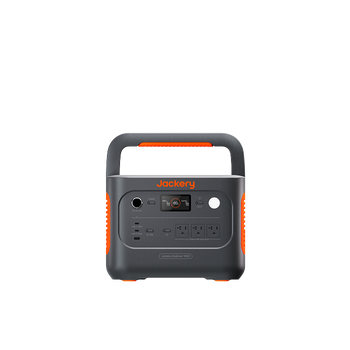
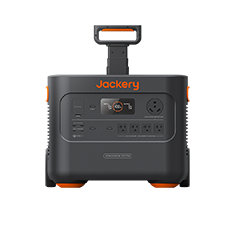
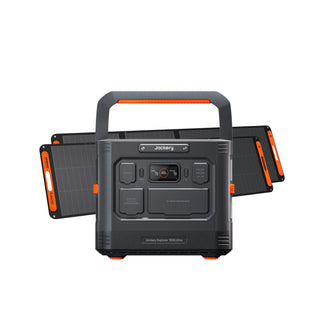
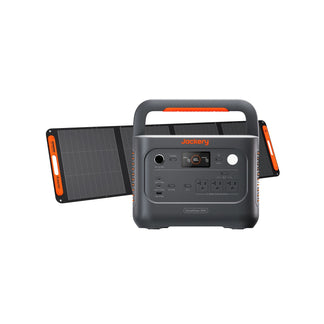
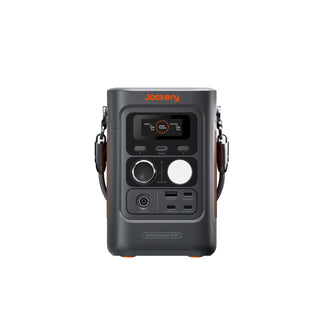
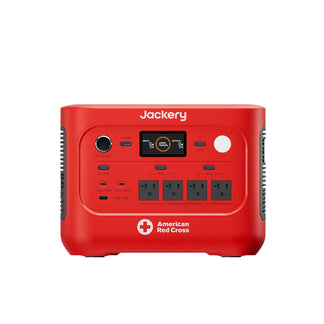
Jackery Solar Generator 1000 v2
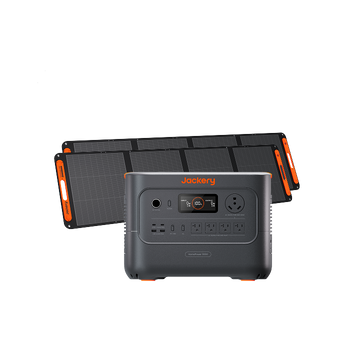
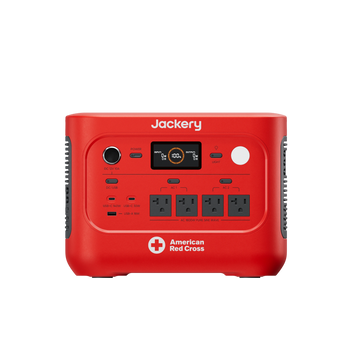
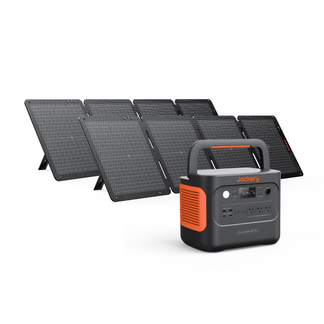
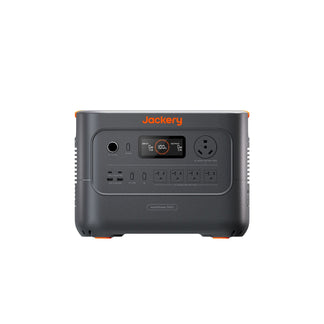
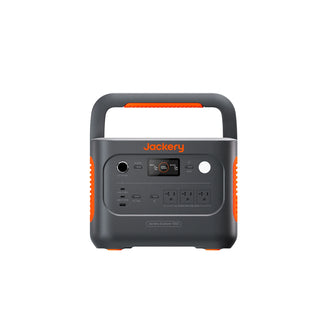
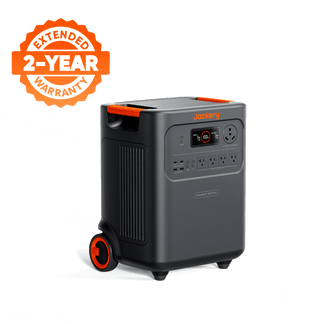
The Jackery Solar Generator 1000 v2 is built for spring camping trips where more is genuinely needed with more people, more days, and more appliances running at once. Think of a family of four keeping a full-size portable fridge cold for five days, or a group campsite where multiple phones, a lighting setup, and an electric grill are all drawing power at the same time. It is also the smarter pick for campers heading into stretches of overcast spring weather, where extra stored capacity covers the days when solar recharging is slower than expected.
Appliances Running Time
- Electric Grill (500W) = 1.7H
- Portable Fridge (50W) = 13.5H
- Kettle (500W) = 1.7H
- Portable Coffee Maker (300W) = 2.8H
- Camping Lights (20W) = 25.1H
Who Should Buy This
If you are camping with a group or planning a multi-day trip where you need to run several appliances at once without stressing over battery levels, the Jackery Solar Generator 1000 v2 is the model built for that.

Customer Review
So far, this has been a great product. I mainly purchased it for my longer road trips, but I am using it daily at home, basically for keeping multiple items charged from my cell phone, Bluetooth speakers, vacuum cleaner, and laptop. Basically, anything that uses batteries.
— Andreas M.
FAQs
What are the 5 most important things to bring camping?
If you had to strip it down to five non-negotiable camping gear, they are: shelter (a tent with a reliable rain fly), a sleep bag rated for the actual nighttime temperature, water and a way to purify more, a portable solar generator, and food with a way to cook it.
What should you wear for camping in spring?
A moisture-wicking base layer keeps you dry during active hiking. An insulating mid-layer (fleece or lightweight down) keeps you warm when you stop moving or when temperatures drop in the evening. A waterproof, windproof shell on top handles rain and wind. On your feet, waterproof hiking boots are the single most important footwear choice for spring.
Which camping sleeping bags are best for spring?
Look for a sleeping bag rated between 20°F (-6.6°C) and 32°F (0°C) for most spring camping conditions across the US. Synthetic fill is a reliable choice for spring because it retains insulating properties even when damp, which matters when condensation, rain, and morning moisture are consistent factors.
Where should you hike and camp for spring break?
The Great Smoky Mountains in Tennessee and North Carolina peak for wildflower blooms in April, with trails accessible and crowds lighter than in summer. Big Bend National Park in Texas offers ideal temperatures in March and April before summer heat makes the desert uncomfortable. Zion National Park in Utah is accessible and stunning before peak summer visitor numbers arrive.
Conclusion
Spring camping at its best is hard to beat with uncrowded trails, fresh air, and scenery that summer heat eventually strips away. But it earns that beauty by testing your preparation in ways that other seasons don't. You should pack your spring camping essentials by category. Layer your clothing for wide temperature swings. Choose a sleeping bag rated for genuinely cold nights.
Waterproof your shelter, your boots, and your gear storage before you leave home. Protect yourself against insects and mud, as both are predictable and easy to prepare for. And invest in a reliable power source, such as a Jackery Solar Generator, that keeps your devices, lighting, and appliances running without the noise and fuel dependency of a traditional generator.


