





![[Add-on] Jackery SolarSaga 500 X - Jackery](http://www.jackery.com/cdn/shop/files/add-on-jackery-solarsaga-500-x-1493607.webp?v=1786503068&width=324)
![[Add-on] Jackery Battery Pack 5000 Plus - Jackery](http://www.jackery.com/cdn/shop/files/add-on-jackery-battery-pack-5000-plus-6713401.webp?v=1786503068&width=324)



![[Add - on] SolarSaga 200W - Jackery](http://www.jackery.com/cdn/shop/files/add-on-solarsaga-200w-4834329.png?v=1754016915&width=324)


Desert landscapes in winter are deceptive. While daytime highs might reach 60°F, elevation causes temperatures to plummet well below freezing after sunset. This thermal shock poses a significant risk to unprepared campers.
Winter BLM camping requires navigating logistics gaps that do not exist in developed campgrounds. You will likely face a complete lack of potable water, trash services, and reliable cell signal. Self-sufficiency is not optional; it is a requirement for survival.
Enforcement on public lands is strict regarding stay limits and resource protection. Rangers actively monitor the 14-day limit, and local fire bans remain in effect even during colder months. Accessibility is another major factor, as rough terrain can damage standard vehicles or isolate campers with limited mobility. This guide provides field-tested advice on regulations, essential gear, and safe locations for your winter expedition.
BLM Camping Basics: Understanding Public Land Types
Bureau of Land Management (BLM) land is multi-use public land that allows for dispersed recreation across diverse landscapes. Unlike National Parks, which often have strict boundaries and designated sites, BLM land supports a wide variety of activities including grazing, mining, and recreation.
What is the Difference Between Dispersed and Developed Areas?
Dispersed camping involves setting up camp outside of a designated campground with zero amenities. These areas have no toilets, picnic tables, or trash cans. You must bring everything you need and pack everything out. Developed campgrounds on BLM land may offer basic services but often charge a fee.
What Are Long-Term Visitor Areas (LTVAs)?
Long-Term Visitor Areas (LTVAs) are designated zones primarily in California and Arizona that offer amenities like water, trash, and dump stations for a seasonal fee. These areas are ideal for campers who want to stay in one region for months at a time without moving frequently.
Is BLM Camping Free?
Most dispersed BLM camping is free of charge, allowing for extended travel without campground fees. While private campgrounds can cost upwards of $50 per night, dispersed sites offer significant savings. This financial freedom allows for longer trips and investment in better gear.
Rules, Permits, and Stay Limits
Understanding the regulations is critical to avoiding fines and preserving access. The standard rule is a 14-day stay limit within a 28-day period to prevent permanent residency on public land.
How Long Can You Stay?
You must move at least 25 miles away from your original spot after 14 days. However, these rules vary by field office. Some popular areas may have shorter limits. Always check for seasonal closures and permit requirements. Specific activities, such as OHV use, often require a separate permit.
What Are Common Restrictions?
Fire bans are the most common restriction, even in winter, depending on drought conditions. Vehicle access is often limited to existing roads and trails to protect fragile ecosystems. You are generally prohibited from collecting live wood or historical artifacts.
Who Enforces the Rules?
Local BLM field offices hold final authority on regulations, which change frequently based on environmental conditions. Relying on outdated forums can lead to citations. Direct your inquiries to local BLM field offices for the most authoritative, up-to-date regulations.
Weather Strategy: Elevation and Temperature Management
Elevation is the single biggest factor in winter comfort and safety. In the Southwest, a 1,000-foot gain in elevation can drop the temperature by 3-5°F. Low deserts offer mild days, but nights can still freeze.
Where is the Warmest Winter Camping?
Low-elevation basins in Arizona and California generally stay above freezing and are safer for winter camping. Conversely, high plateaus like the Colorado Plateau often experience sub-freezing temperatures and snow. These high areas are dangerous for those without 4-season gear.
How Do You Find Warmer Microclimates?
Microclimates are best found by using NOAA and topographic maps to identify sheltered terrain. Sheltered basins can trap cold air at night, while exposed ridgelines suffer from high winds. Finding a balance—a protected area slightly above the valley floor—often yields the warmest night.
Top Winter Destinations and Solitude Strategies
The Southwest deserts in Arizona, California, and New Mexico offer the most reliable mild winter weather. These vast landscapes provide ample opportunity for BLM camping adventures.
Is Quartzsite, AZ Good for Winter Camping?
Quartzsite, AZ is the premier high-density hub famous for its winter gathering of RVers and nomads. The town offers community events, markets, and services. However, solitude is limited near town, so you must drive further out to find peace.
Where Can You See Stars?
The Anza-Borrego and Mojave Desert regions offer the best dark skies for stargazers. These areas have moderate winter temperatures and are perfect for those who want to escape light pollution.
Is Gold Butte, NV Good for Solitude?
Gold Butte National Monument provides rugged beauty and solitude for those with capable vehicles. Access requires a high-clearance vehicle due to rough roads. It is an excellent alternative to more crowded destinations.
How Do You Find Secluded Spots?
Solitude requires driving 3–5 miles away from the pavement to escape crowds. Most campers congregate within the first mile. Using a BLM dispersed camping map or crowdsourcing apps helps cross-reference public land boundaries with user reports to find hidden gems.
Essential Gear: Shelter, Power, and Warmth
Winter conditions demand robust gear because relying on summer equipment is a recipe for misery. You need a 4-season tent or high-wind anchors to withstand sudden desert storms.
How Do You Stay Warm at Night?
Sleeping pads with high R-values are essential to insulate you from the cold ground. Your sleeping pad is as important as your sleeping bag. Layered clothing is essential to combat conductive heat loss at night.
What Size Generator Do You Need?
Winter power needs require at least 1500Wh capacity because you have fewer daylight hours to charge solar panels and run more devices. Sizing your power source correctly is vital for safety and comfort.
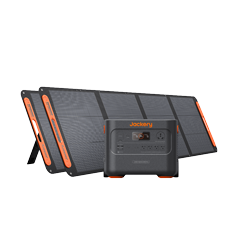
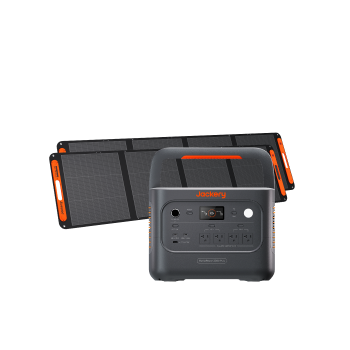
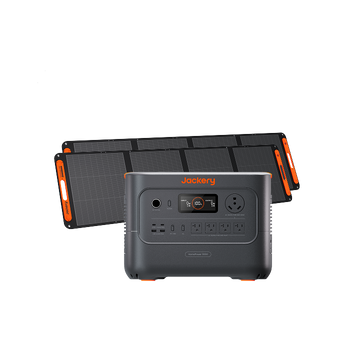
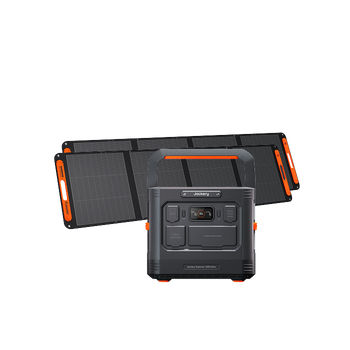
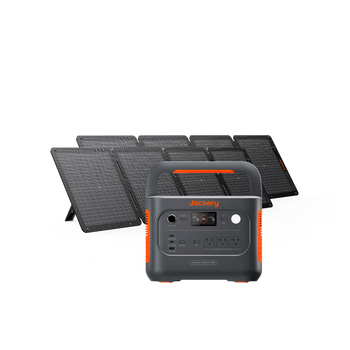
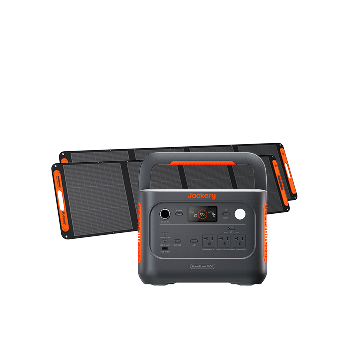
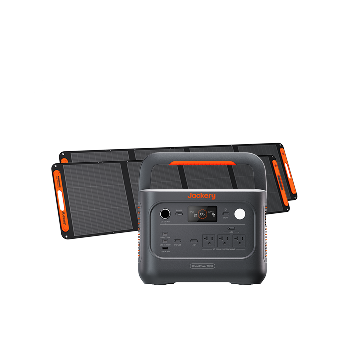
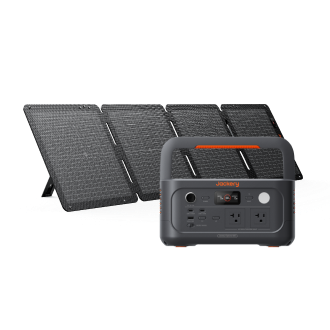
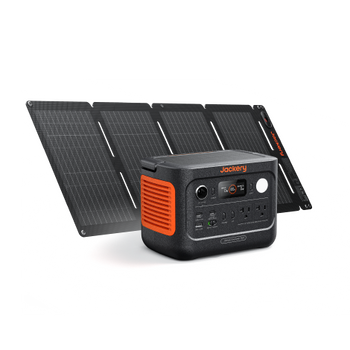
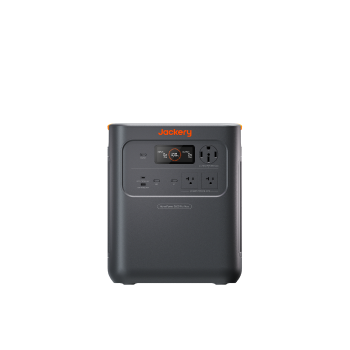
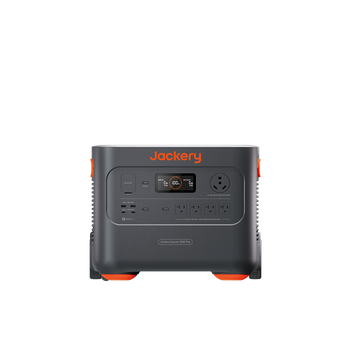
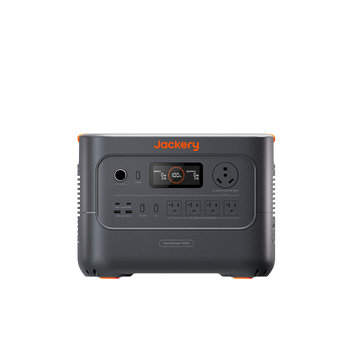
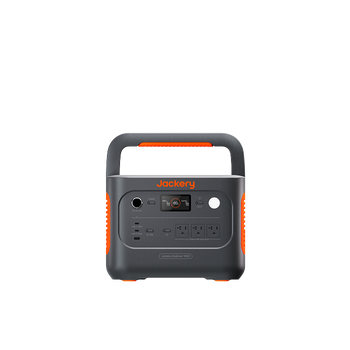
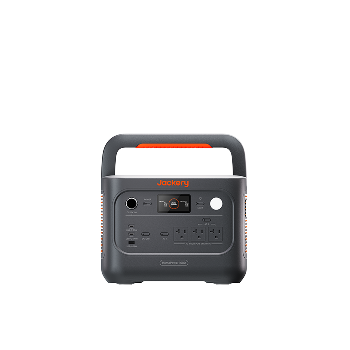
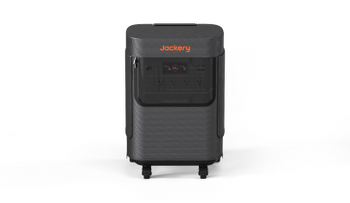
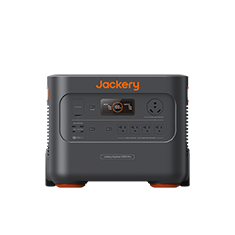
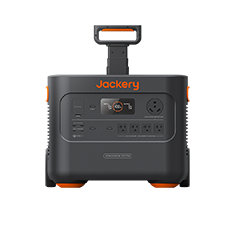
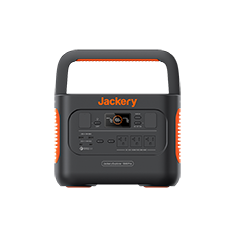
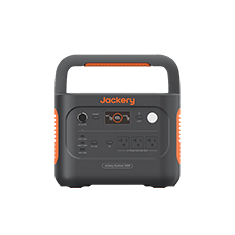
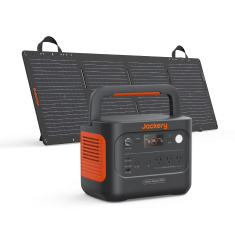
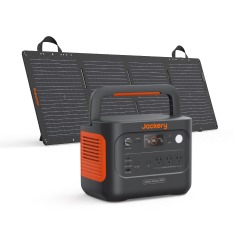
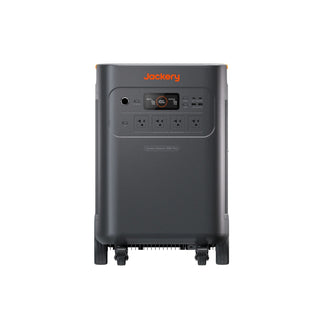
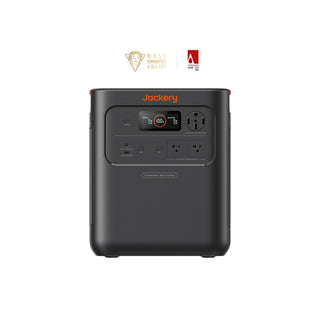
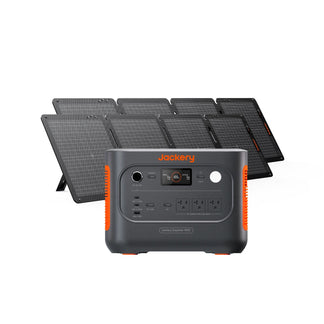
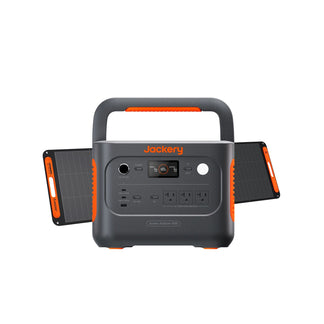
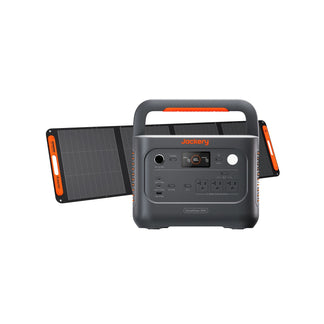
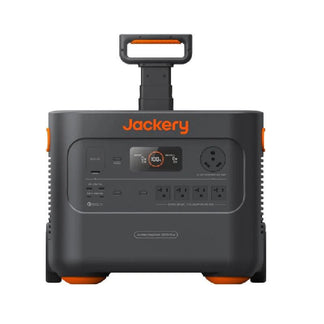
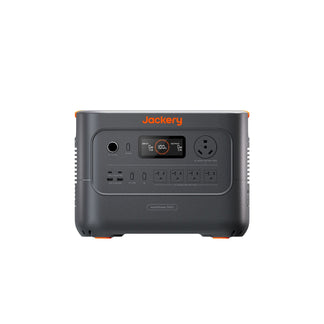
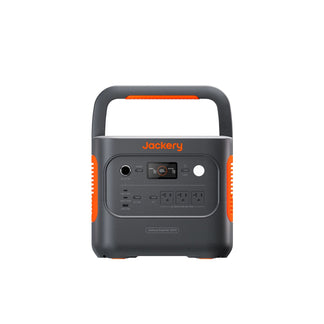
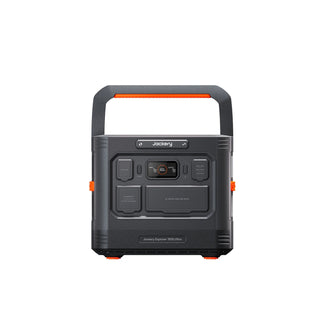
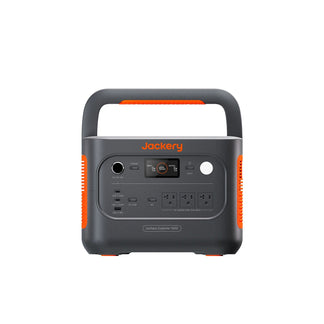
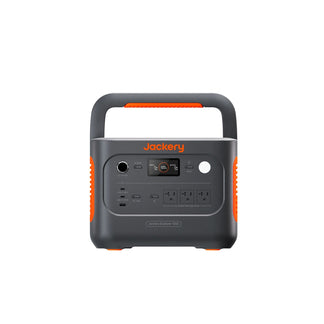
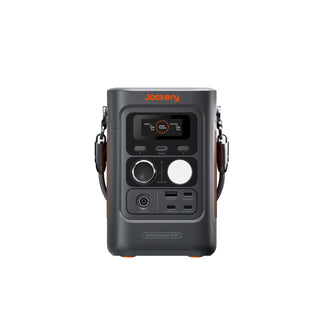
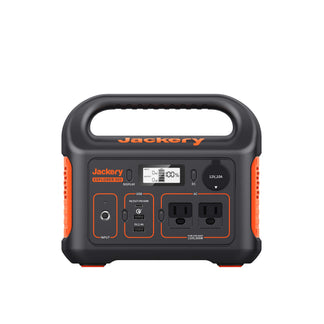
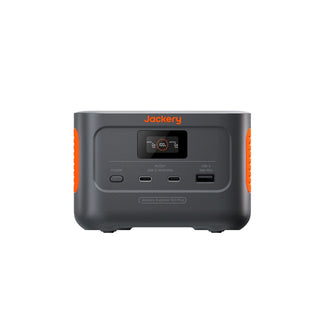
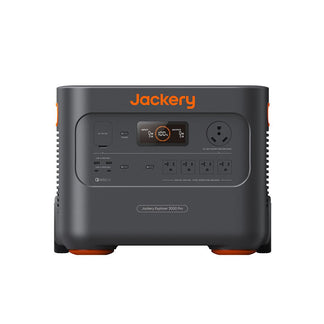
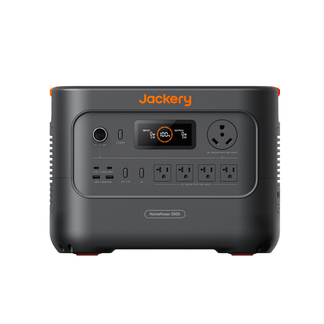
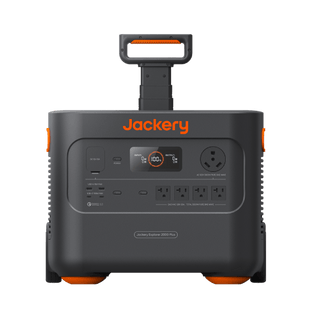
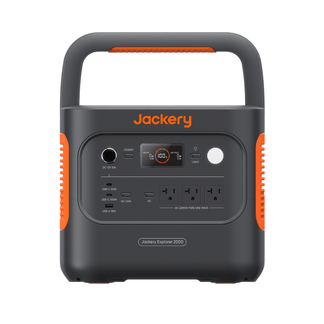
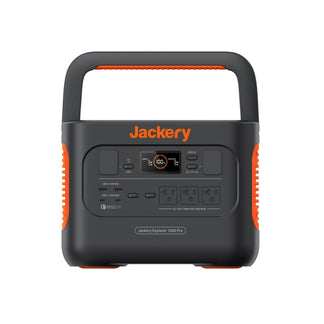
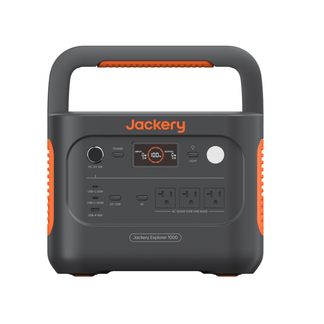
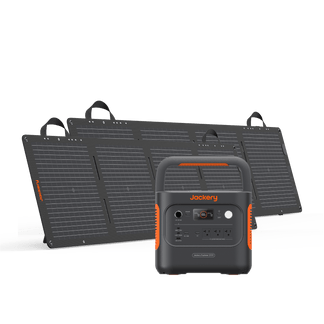
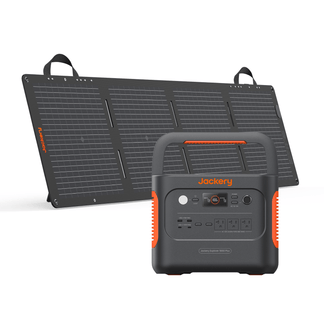
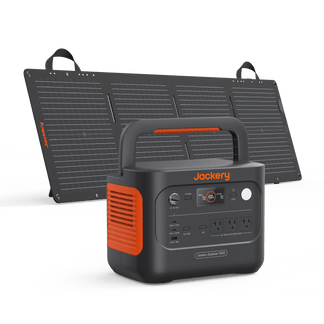
Jackery Solar Generator 1500 v2
- Capacity: Jackery Solar Generator 1500 v2 provides 1536Wh capacity with 2000W AC output.
- Fast Charging: The unit charges 0-100% in 1 hour via AC wall outlet (emergency top-up in town).
- Use Case: This generator runs a 55W heated blanket for approximately 18 hours, ensuring warmth through long winter nights.

Why is Redundancy Important?
Redundant lighting is critical when utilizing limited daylight or short generator hours. Always carry headlamps and lanterns as backups. Reliable combustion stoves are critical backups if electric heating fails.
For those needing a comprehensive setup, consider exploring off-the-grid camping strategies to refine your loadout.
Stewardship: Leave No Trace in Winter
Winter environments are fragile, requiring you to pack out all waste, including human waste. Use WAG bags where vault toilets are absent to prevent soil contamination.
Can You Have Campfires?
Campfires are permitted only in existing rings or on durable surfaces to protect cryptobiotic soil. These living soil crusts take decades to recover if crushed. Follow fire safety protocols strictly and fully extinguish fires before sleeping.
How Do You Handle Wildlife?
You must respect wildlife corridors and maintain distance. Food scarcity in winter makes animals bolder. Secure food against coyotes and rodents to prevent habituation.
Field-Tested Itineraries and Use Cases
Choosing the right itinerary depends on your goals and experience level. The table below outlines common winter strategies:
|
Itinerary Name |
Location & Focus |
Best For |
|---|---|---|
|
The Snowbird Hub |
Base near Quartzsite for access to services and community. Move to LTVAs for extended stays if you need consistent amenities. |
Beginners or remote workers needing reliable services. |
|
The Solitude Loop |
Rotate between remote Nevada parcels and hot spring areas like Tecopa. Offers rugged isolation and natural relaxation. |
Campers with reliable vehicles seeking self-sufficiency. |
|
The Stargazer |
Target low-light areas near Joshua Tree or Anza-Borrego during new moons. Focuses on night photography and astronomy. |
Photographers and cowboy camping enthusiasts. |
|
The Wet Winter |
Explore the Olympic Peninsula with tarp-heavy setups. Requires specialized gear for wet conditions and off-ground sleeping. |
Experienced campers comfortable with rain and moisture. |
|
The Bounce Strategy |
Move between elevations based on weekly forecasts (e.g., Yuma to high desert). Maximizes comfort and minimizes weather risks. |
Flexible travelers willing to move frequently. |
Accessibility and Comfort for All Ages
Winter camping is accessible to everyone with the right planning. Select level, accessible sites near main roads. This reduces physical strain for mobility-limited campers.
Is Sleeping in a Vehicle Warmer?
Vehicle-based sleeping in vans or RVs offers better insulation and security than ground setups in cold or windy conditions. For more on this style, review our guide on SUV camping for vehicle setups.
What is the Best Portable Power Source?
Jackery Solar Generator 1500 v2 is the recommended power solution because heavy lead-acid batteries are difficult to move. Weighing 31.97 lbs, the unit is much easier to handle than traditional battery banks.
Winter BLM Camping Checklist
- Verify Restrictions: Check local fire restrictions and stay limits with the specific BLM field office.
- Weather Check: Check 10-day weather forecasts and adjust gear for potential freezing lows.
- Vehicle Inspection: Inspect vehicle recovery gear, including a shovel, traction boards, and a spare tire.
- Power Calculation: Calculate power needs using a solar generator guide to ensure battery capacity covers essential heating and communication devices.
- Sanitation: Pack sanitation supplies like WAG bags and trash bags to ensure full compliance with LNT.
- Emergency Plan: Share a detailed itinerary with an emergency contact before entering no-signal zones.
Conclusion
Winter BLM camping offers unique rewards like solitude and affordability that summer seasons cannot match. However, success requires meticulous planning regarding weather, rules, and self-sufficiency. You must be prepared for the elements and respectful of the land.
Use this guide to build a safe, responsible, and enjoyable winter adventure. With the right gear and knowledge, the winter desert becomes an unforgettable home.
Frequently Asked Questions
How does winter camping differ from summer BLM camping?
Winter camping requires significantly increased self-sufficiency due to freezing temperatures and fewer active services. You must prepare for thermal management, shorter daylight hours for solar charging, and potential road closures.
What if I encounter an emergency with no cell service?
You should carry a satellite communicator or emergency beacon to contact rescue services outside of cell range. Always share your detailed itinerary with a trusted contact before leaving the pavement.
Can I bring my pet winter camping on BLM land?
Yes, but you must bring pet-specific winter gear like coats and insulated bedding to keep them warm. You are also responsible for packing out all pet waste and adhering to local leash laws.
How do I find accurate, real-time road conditions for remote BLM areas?
Consult local county websites and forest service alerts for the most specific road data. Community forums and local ranger stations can also provide recent reports on road accessibility.


