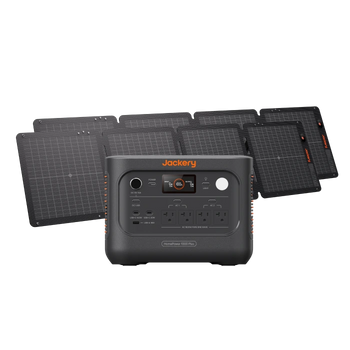
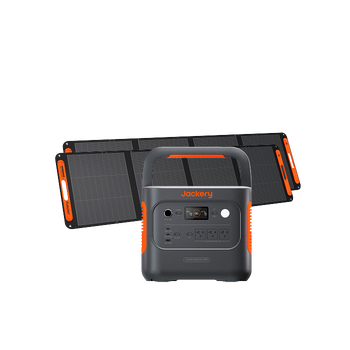
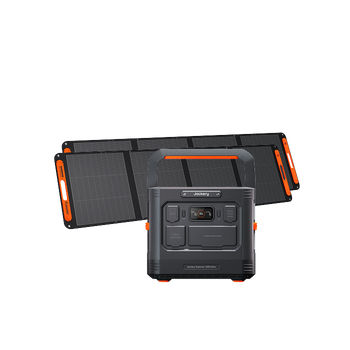










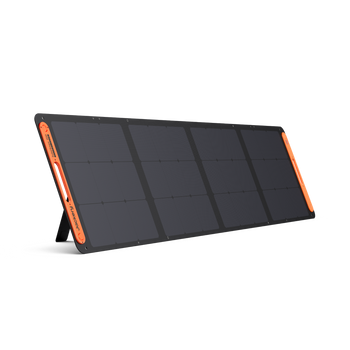





![[Add-on] Jackery SolarSaga 500 X - Jackery](http://www.jackery.com/cdn/shop/files/add-on-jackery-solarsaga-500-x-1493607.webp?v=1786503068&width=324)
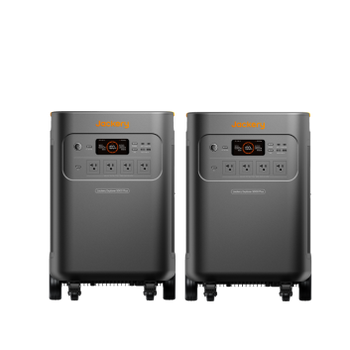
![[Add-on] Jackery Battery Pack 5000 Plus - Jackery](http://www.jackery.com/cdn/shop/files/add-on-jackery-battery-pack-5000-plus-6713401.webp?v=1786503068&width=324)










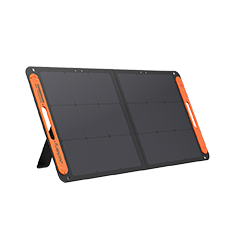
![[Add - on] SolarSaga 200W - Jackery](http://www.jackery.com/cdn/shop/files/add-on-solarsaga-200w-4834329.png?v=1754016915&width=324)




Snow-covered landscapes offer serenity, but camping in a tent in the winter presents unique risks. Success requires rigorous preparation to manage moisture and body heat. This guide helps beginners adapt to the cold for a safe, rewarding experience.
Defining Too Cold: Temperature Benchmarks and Physiology
Cold tolerance depends on hunger, hydration, fatigue, and acclimatization. While cold is subjective, a well-fed, hydrated camper will feel warmer at 20°F (-6.6°C) than a dehydrated, exhausted camper at 35°F (1.6°C).
How Does Wind Chill Affect Safety?
Wind chill is the critical safety metric. Wind rapidly penetrates layers and strips heat away, making ambient temperature only half the story. Always consult the National Weather Service Wind Chill Chart before departure.
What Are the Temperature Planning Zones?
Understanding temperature ranges helps you pack the correct gear.
|
Temperature Range |
Zone Type |
Description & Requirements |
|---|---|---|
|
> 40°F (4°C) |
Shoulder Season |
Standard 3-season gear usually suffices. This is essentially chilly camping. |
|
30–40°F (-1 to 4°C) |
The Wet Cold |
Often the most dangerous range due to rain/sleet risk. Wet insulation leads to rapid hypothermia. Waterproof layers are non-negotiable. |
|
20–30°F (-7 to -1°C) |
True Winter |
The ground is frozen. Requires high R-value pads, winter-rated sleeping bags, and dedicated thermal layers. |
|
< 20°F (-7°C) |
Advanced Zone |
Requires specialized mountaineering gear for safety and comfort. Stove-heated tents are often necessary. |
When Should You Cancel the Trip?
Cancel if conditions exceed your gear's limits. Stay home during freezing rain or high winds, as structural collapse and soaking wet gear are severe risks.
Essential Gear: Creating a Winter-Ready Sleep and Shelter System
Your gear is your life support system. While summer gear focuses on ventilation, winter gear focuses on heat retention and wind resistance.
What Is the Best Shelter Strategy?
A 4-season tent is engineered for snow and wind, featuring stronger poles and less mesh to block spindrift. Avoid 3-season tents in heavy snow, as they risk collapse and freezing drafts.
How Should You Build Your Sleep System?
Select a sleeping bag rated 10–15°F (-12.2 - -9.4°C) lower than the forecast for true comfort. Focus on the "Comfort" rating, not the "Limit" rating, which indicates survival rather than a warm night's sleep.
Why Is Pad Insulation (R-Value) Crucial?
An R-value over 5 is mandatory. Because the ground saps heat faster than air, stack a closed-cell foam pad under an insulated inflatable pad for added warmth and protection.
What Is the Proper Layering Protocol?
Proper clothing management prevents sweat, which is the enemy of warmth.
- Base Layer: Merino wool or synthetic materials move moisture away from the skin. Never wear cotton; it holds moisture and loses insulation value.
- Mid Layer: Fleece or down jackets provide the loft that traps warm air.
- Shell: A breathable waterproof and windproof layer protects your insulation from the elements.
How Do You Protect Feet and Extremities?
Wear loose-fitting boots to maintain circulation. At night, always switch to dry, dedicated wool socks—never wear damp hiking socks to bed.
Campsite Selection and Setup for Thermal Efficiency
Where you pitch your tent determines how cold your night will be.
How Do You Manage Wind?
Select a site with natural windbreaks, such as large rock formations or dense clusters of trees. However, look up before you pitch. Avoid camping directly under heavy snow-laden branches, known as widowmakers, which can break and fall on your tent.
How Do You Prepare the Ground?
Pack the snow firmly to create a solid platform that won't melt unevenly beneath you. Standard pegs fail in snow, so secure your tent using specialized snow stakes or buried anchors like sticks and stuff sacks.
Why Is Ventilation Mandatory?
Keep tent vents cracked to prevent internal condensation. Without airflow, moisture from your breath freezes on the walls and falls onto your sleeping bag, compromising its insulation.
Active Heating and Moisture Control
Staying warm involves both internal physiology and external heat sources.
How Can You Warm Up Passively?
Eat high-fat snacks before bed and do light exercise—without sweating—to generate body heat. A hot water bottle placed in your sleeping bag provides hours of added warmth.
What Are Safe Active Heating Options?
Electric heating is the safest in-tent option. Using electric heated blankets or sleeping pad heaters eliminates fire risk and fumes.
- Electric Heating: Safe for enclosed spaces.
- Fuel-Based Heaters: Propane heaters introduce significant risks. They release Carbon Monoxide (CO), an odorless, deadly gas. If you use one, you must have ample ventilation and a battery-operated CO detector.
Why Is Portable Power Important?
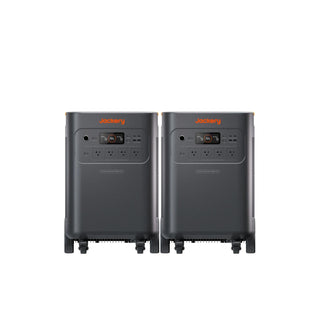
Reliable power transforms camping in a tent in the winter from a survival situation to a comfortable experience. Battery power eliminates the fire and CO risks associated with propane heaters inside a tent.
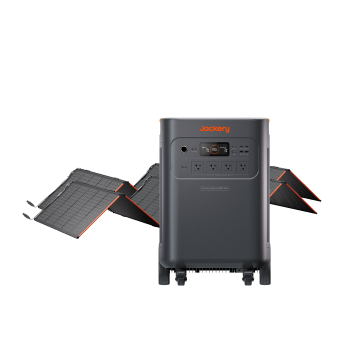
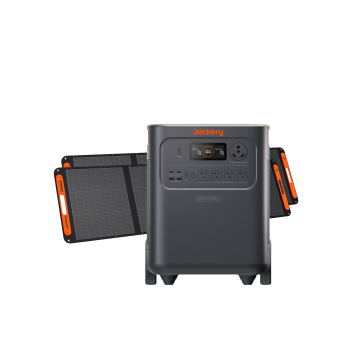
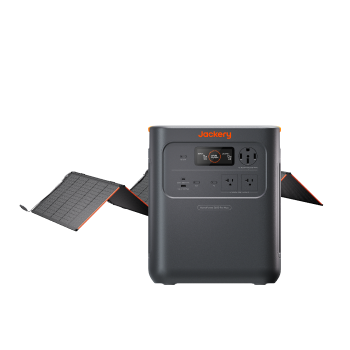
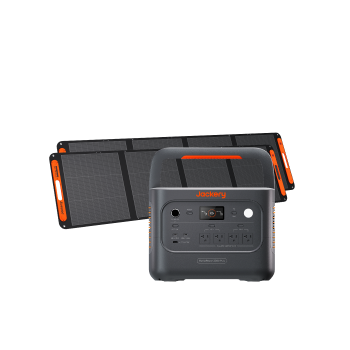
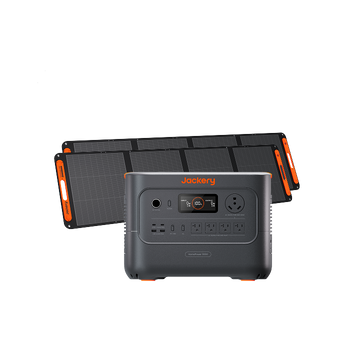
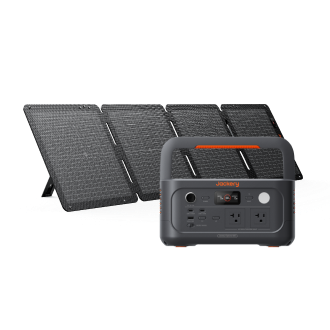
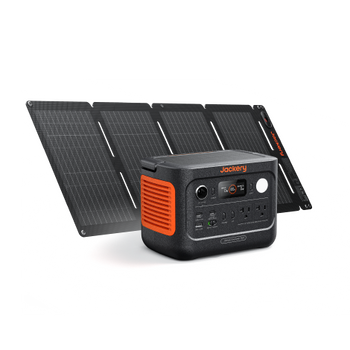
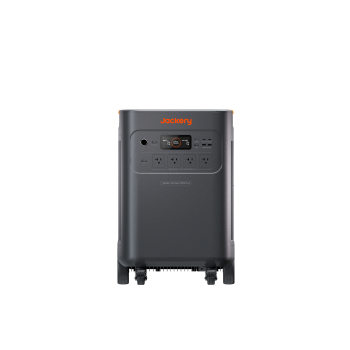
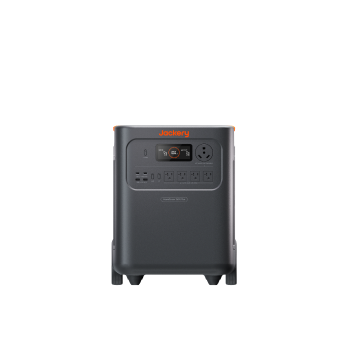
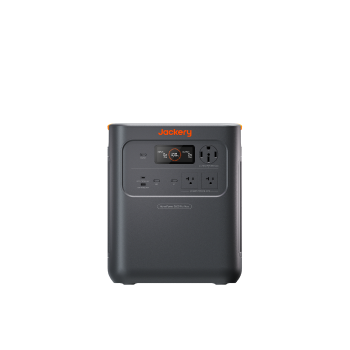
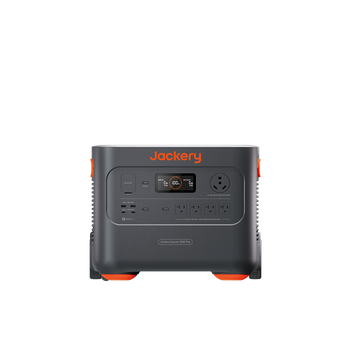
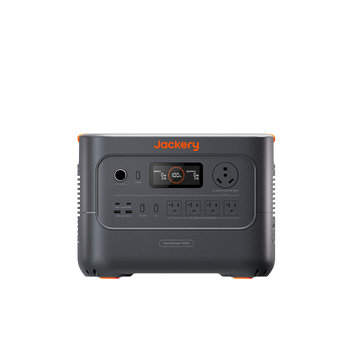
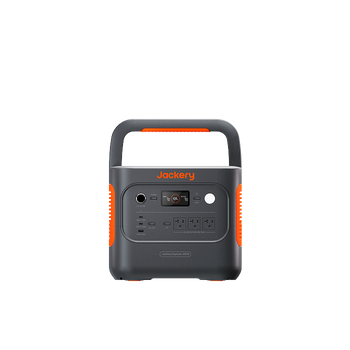
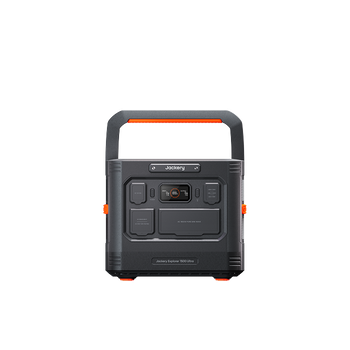
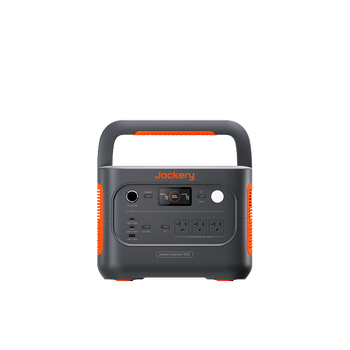
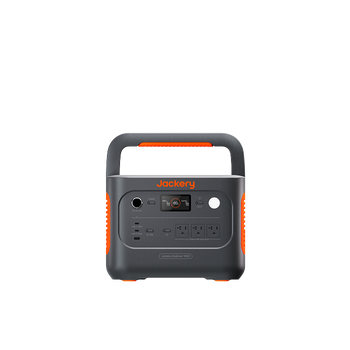
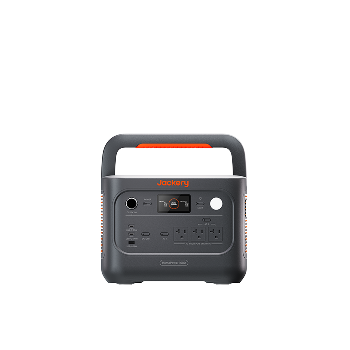
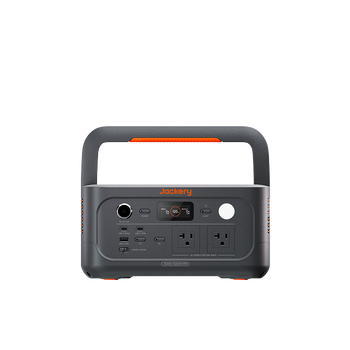
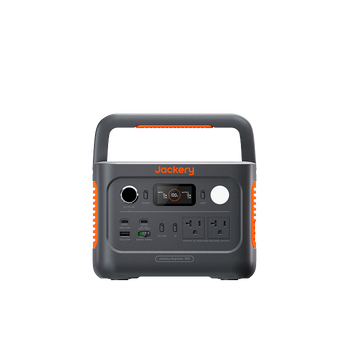
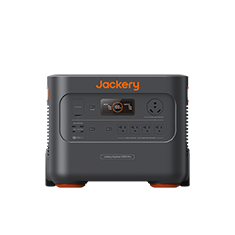
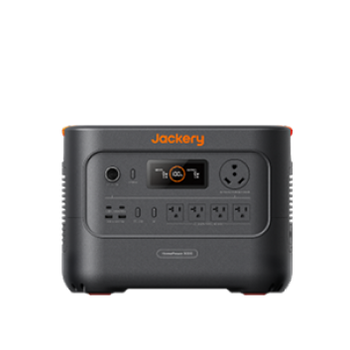
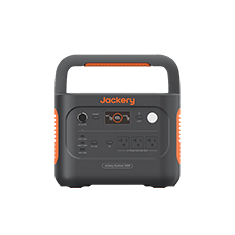
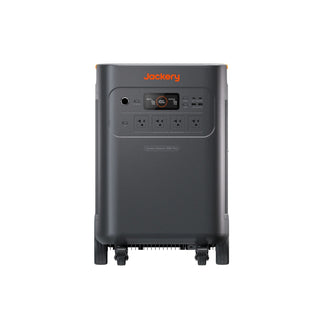
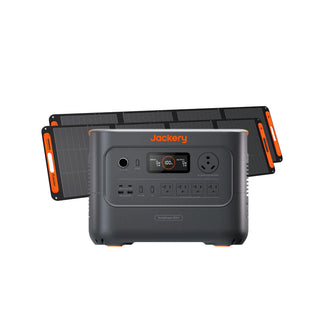
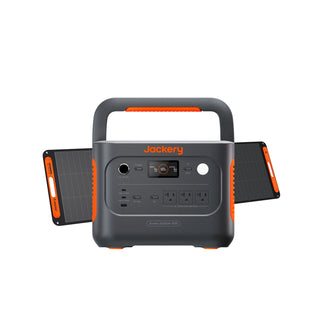
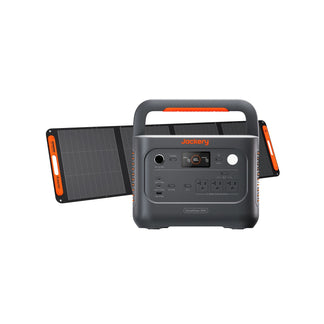
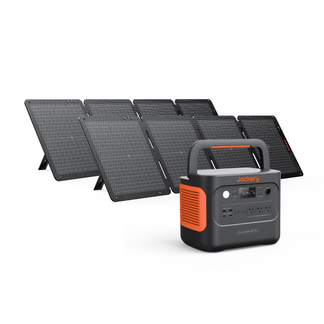
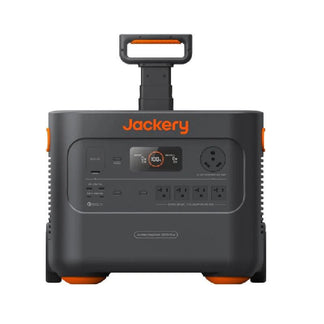
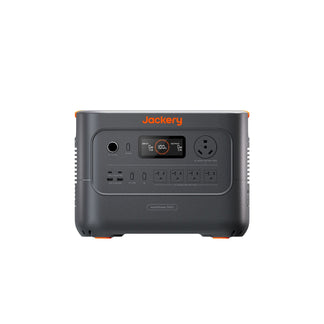
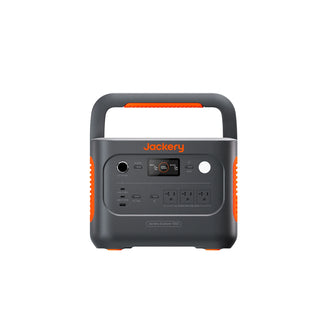
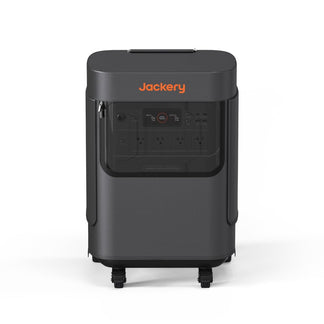
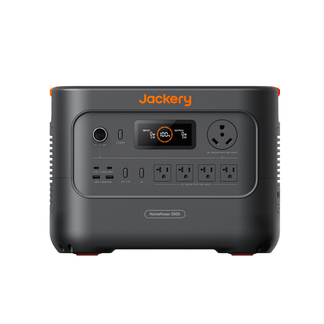
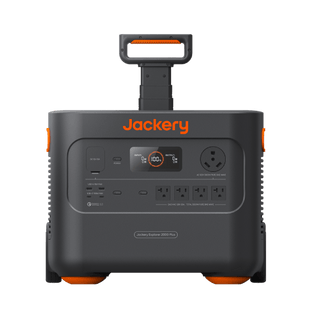
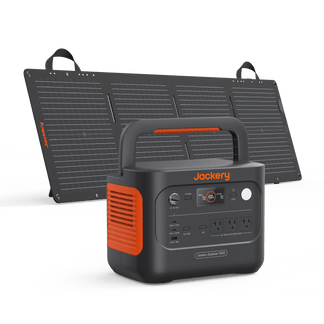
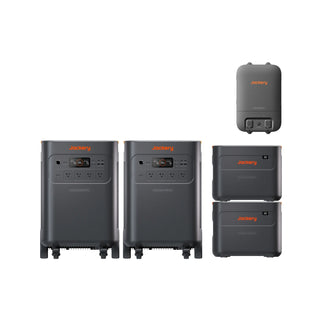
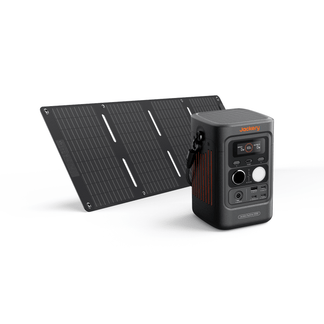
Jackery Solar Generator 1500 v2
- Capacity: 1536Wh capacity.
- Output: 2000W rated output (4000W Surge Peak).
- Cold Weather Function: Operates in temperatures down to -4°F (-20°C).
- Use Case: The Jackery Solar Generator 1500 v2 hits the sweet spot for winter campers. This 1536Wh capacity unit can run a 55W electric blanket for approximately 18 hours, ensuring warmth for multiple nights of sleep.
Standard lithium batteries often fail in freezing temperatures. The Jackery Solar Generator 1500 v2 is engineered to maintain functionality when the mercury drops, providing a critical safety net for heating and communication devices.

Nutrition, Hydration, and Personal Care
Your body burns significantly more energy just to stay warm.
How Do You Manage Hydration?
Store water bottles upside down to prevent the lid from freezing shut. Keep water filters inside your sleeping bag or jacket pocket at all times; if the ceramic element freezes, it can crack and become unsafe.
What Is the "Pee Bottle" Rule?
Use a designated, distinctively marked bottle to relieve yourself without leaving the tent. This preserves essential body heat and prevents the chill of exiting your shelter in the middle of the night.
Cold-Weather Electronics Protection
Cold weather slows down the chemical reactions inside batteries, causing them to drain rapidly or shut down unexpectedly.
How Does Cold Affect Battery Chemistry?
Lithium-ion batteries struggle in the cold, often jumping from 40% charge to dead in minutes. This is a temporary voltage drop, but it renders the device useless when you need it.
How Should You Store Electronics?
Keep small electronics like phones, GPS units, and headlamps in an interior jacket pocket close to your body heat during the day. At night, these items belong inside the sleeping bag with you.
How Do You Manage Charging Stations?
Using a portable solar generator requires insulation from the ground. Do not place the unit directly on the snow, as the conductive cold will sap efficiency. Place the generator on a foam pad or a spare piece of clothing.
Jackery Solar Generator 1500 v2 features ultra-fast charging, achieving 0-100% in 1 hour via AC wall outlet. This ensures you can top off the unit immediately before leaving your house, guaranteeing maximum capacity upon arrival.
Safety Protocols and Emergency Preparedness
Understanding the signs of cold stress is vital for camping in a tent in the winter for beginners.
Recognize Cold Stress
- Hypothermia: Watch for the "umbles": stumbles, mumbles, fumbles, and grumbles. Stop immediately, change into dry clothes, and consume sugar/warmth.
- Frostbite: Regularly check extremities. If skin turns white/waxy and numb, rewarm with skin-to-skin contact. Never rub frostbitten skin.
What Is a Good Communication Plan?
Since cell phones are unreliable in the cold, carry a satellite messenger for emergencies. Always leave a detailed trip plan with a trusted contact who can alert authorities if you do not return.
What Are the Fire Safety Rules?
Never cook inside a tent unless it is a specialized hot tent with a stove jack. Tent fabrics are highly flammable. Carbon monoxide and fire are immediate threats in small, enclosed spaces.
Practical Planning: A Step-by-Step Approach
Do not head into the wilderness without testing your systems.
Why Should You Do a Backyard Test?
Set up your tent and sleep system in your backyard during a cold night. This low-stakes environment allows you to test if your sleeping bag is warm enough and if you know how to set up your tent with gloves on. If you get too cold, safety is just a door away.
Where Should Beginners Camp?
Choose state parks that offer heated bathrooms or electricity hookups for your first few trips. This provides a safety net while you refine your camping in cold weather checklist. Having a warm place to retreat to can save a trip if gear fails.
How Do You Practice Winter Leave No Trace?
Pack out all solid waste. Winter environments are fragile, and human waste does not decompose in the snow; it freezes and reappears during the spring melt. Furthermore, do not cut standing trees for firewood. Use only downed wood where permitted to preserve the forest and follow Leave No Trace principles.
Conclusion
Winter camping offers profound solitude but demands respect for the elements. Start with short trips near home, prioritize high R-value gear, and check forecasts religiously to safely enjoy the winter wilderness.
Frequently Asked Questions
What are common mistakes beginners make?
Underestimating ground insulation and forgetting to hydrate. A warm bag is useless without a high R-value pad, and dry winter air causes rapid dehydration.
Can I use a regular sleeping bag with a liner?
No. Liners typically only add 5–10°F (-15 - -12.2°C) of warmth. For camping in a tent in the winter, you need a dedicated winter bag or 0°F quilt for safety.
How do I keep food from freezing?
Store food in a cooler (it insulates against cold, too) or bury it deep in your pack. Pre-cut food at home, as frozen items are difficult to slice.
What if my power station freezes?
Bring it inside your sleeping bag or vehicle to warm up gradually. Prevent this by keeping the unit off the snow and covered with a blanket.
Which tent sites should I avoid?
Avoid valley bottoms where cold air sinks and pools overnight, as well as open ridges exposed to high winds.


