




![[Add - on] Jackery Manual Transfer Switch for Explorer 5000 Plus - Jackery](http://www.jackery.com/cdn/shop/files/add-on-jackery-manual-transfer-switch-for-explorer-5000-plus-9017324.png?v=1754016782&width=350)


![[Add - on] Jackery Battery Pack 5000 Plus - Jackery](http://www.jackery.com/cdn/shop/files/add-on-jackery-battery-pack-5000-plus-6078351.png?v=1754016791&width=324)
![[Add - on] Jackery Car Charging Cable - Jackery](http://www.jackery.com/cdn/shop/files/add-on-jackery-car-charging-cable-3882421.png?v=1754016863&width=324)




![[Add - on] Jackery Smart Transfer Switch - Jackery](http://www.jackery.com/cdn/shop/files/add-on-jackery-smart-transfer-switch-5842915.png?v=1754016784&width=324)
![[Add - on]Jackery 102W GaN 3 - Port Fast Charger - Jackery](http://www.jackery.com/cdn/shop/files/add-onjackery-102w-gan-3-port-fast-charger-6377742.png?v=1754016790&width=324)


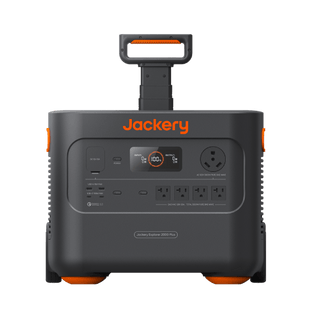
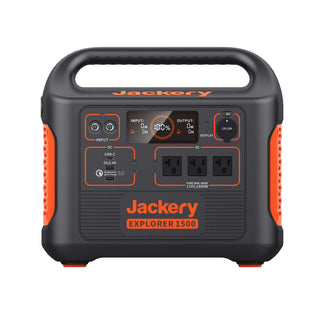
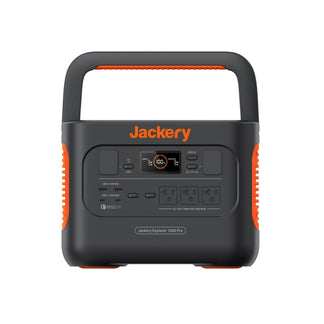
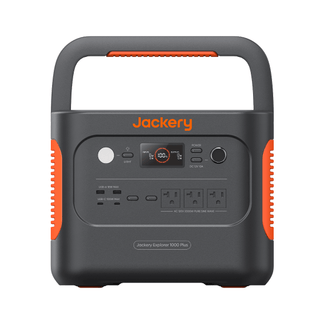
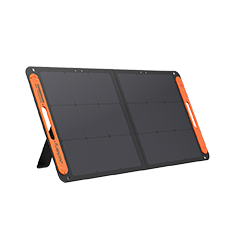
![[Add - on] SolarSaga 200W - Jackery](http://www.jackery.com/cdn/shop/files/add-on-solarsaga-200w-4834329.png?v=1754016915&width=324)
![[Add - on] Jackery Manual Transfer Switch for Explorer 5000 Plus - Jackery](http://www.jackery.com/cdn/shop/files/add-on-jackery-manual-transfer-switch-for-explorer-5000-plus-9017324.png?v=1754016782&width=324)


Whole-house generators act as backup power sources when the main grid is down, keeping essential household appliances running. But what if you're living in an apartment complex? Can you still use a generator?
The short answer is yes, you can use a generator in an apartment, but only if it is silent, safe, emission-free, and does not disturb your neighbors.
Here's everything you need to know about choosing and using a backup power source in high-density housing.
Do Apartments have Backup Generators and Should I Buy One?
Yes, many apartments have backup (auxiliary) generators. These standby generators are typically large, stationary industrial units that turn on automatically to power elevators, emergency stairwell lights, and other essential building services when the power goes out. In most cases, however, these generators are not connected to individual apartment units.
This means that if there is a power outage, you may be unable to use your lights, appliances, Wi-Fi router, or medical devices inside your specific unit. While typical power outages may be short, weather-related grid failures in the US are becoming more frequent, leading to interruptions that can last for days. This can be frustrating and could lead to food spoilage, loss of remote work connectivity, or health risks for those relying on CPAP machines.
This is why investing in personal generators for apartments is becoming increasingly popular. But before you rush to buy one, it's important to understand what kind of generators are allowed in apartments.
Why Solar Generators Are the Only Safe Option for Apartments
Traditionally, gas-powered generators have been the go-to option for backup power. However, these generators are not suitable for apartments.
The Danger of Gas Generators Indoors
Gas generators burn fuel (gasoline, propane, or diesel) to create electricity. This process creates exhaust fumes containing carbon monoxide (CO), a colorless, odorless gas that can be deadly. According to the CDC, using a gas generator indoors, or even on a balcony near a window, can lead to CO poisoning within minutes. Because apartments share ventilation and walls, using a gas generator puts not only you but also your neighbors at extreme risk.
Furthermore, gas generators are loud—often exceeding 70-80 decibels—which violates almost all apartment noise ordinances and HOA rules.
The Solar Solution: Silent and Safe
If you're looking for a quieter, safer, and more eco-friendly option, a solar generator for apartments is your best bet.
- Zero Emissions: These generators use a battery and an inverter. They produce no exhaust, smoke, or odors, making them perfectly safe to use in your living room, bedroom, or closet.
- Whisper-Quiet Operation: Unlike gas engines, battery-powered generators operate silently. Most modern units run at under 30-45 decibels (quieter than a library), ensuring you won't disturb your neighbors or your own sleep.
- Compact Design: Apartment living often means limited storage. Solar generators are designed to be compact, with many models featuring ergonomic handles or wheels, allowing them to be tucked away under a desk or in a closet when not in use.
How a Solar Generator Works in an Apartment Setting
Understanding the technology can help you get the most out of your backup system. A solar generator isn't a "generator" in the mechanical sense; it is a sophisticated energy storage system.
The "Capture, Store, Invert" System
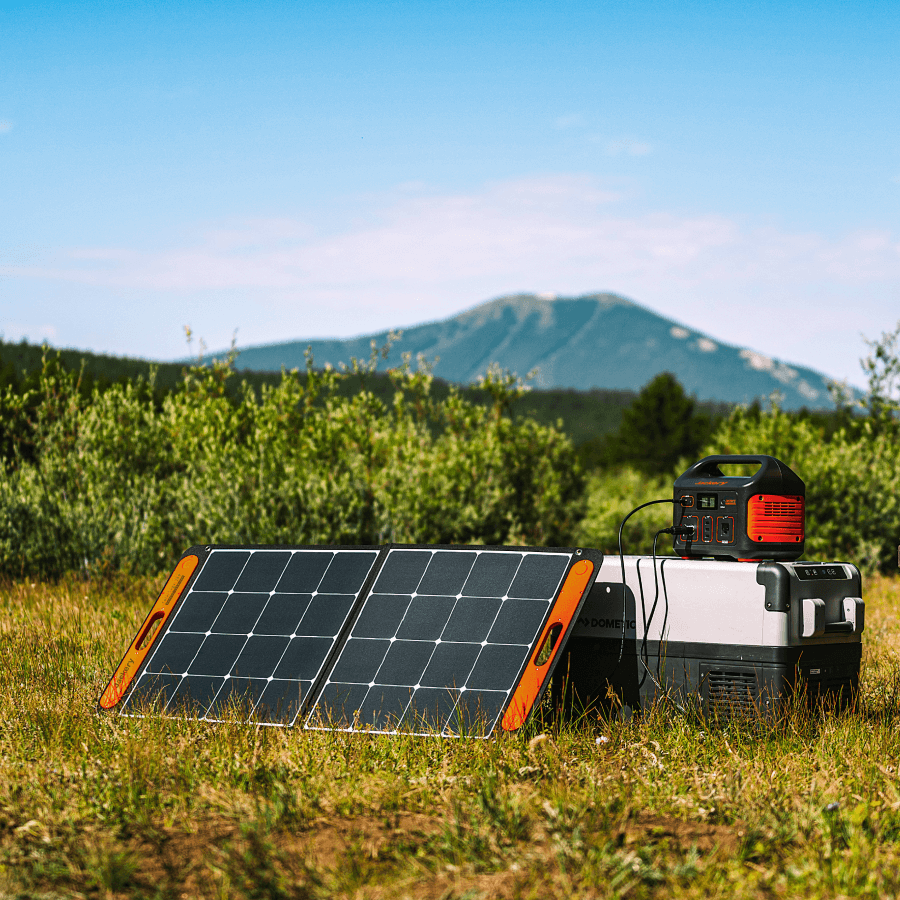
- Capture (Solar Input): Portable solar panels capture sunlight (usually on a balcony or through a window) and convert it into DC (Direct Current) electricity.
- Store (Battery): This energy is stored in a high-capacity battery. Modern power stations, like those from Jackery, use LiFePO4 (Lithium Iron Phosphate) batteries. These are safer, have a longer lifespan (up to 10 years), and are more stable at high temperatures than older lithium-ion batteries—a crucial safety feature for indoor storage.
- Invert (AC Output): When you plug a device in, the built-in inverter converts the stored DC energy into AC (Alternating Current) electricity, which is what your wall outlets provide.
Pass-Through Charging
A critical feature for apartment use is "pass-through charging." This allows you to plug the generator into a wall outlet (or solar panels) to charge it while simultaneously powering your devices. For example, you can keep your fridge plugged into the generator, and the generator plugged into the wall. If the power goes out, the generator instantly switches to battery power, keeping your food safe without interruption.
Sizing Your Generator: What Can You Actually Power?
One of the biggest challenges for apartment dwellers is balancing power needs with limited space. You likely cannot power your electric stove or central A/C, but you can keep your essentials running.
To understand what you need, you must distinguish between Watts (W) and Watt-Hours (Wh).
- Watts (W): The "horsepower." It determines what you can run (e.g., a microwave needs high watts).
- Watt-Hours (Wh): The "gas tank." It determines how long you can run it.
Appliance Categories
- Essentials (Low Draw): Wi-Fi routers (10W), LED lights (10W), Phone charging (15W). A small to medium unit can run these for days.
- Comfort (Medium Draw): Box fans (50W), CPAP machines (40-60W), Laptops (60W), TV (100W).
- Survival (High Draw): Full-size refrigerator (150-800W depending on cycle), Space heater (1500W), Hot plate (1000W).
Calculating Your Needs
To calculate the number of hours a particular apartment generator can run, divide its capacity (Wh) by the wattage of the device you want to power. You can check out the Jackery Buying Guide to estimate the runtime for your appliances.
Solar Panel Deployment in Apartments
If you live in a house, you can throw solar panels on the roof or in the backyard. In an apartment, you have to be more creative.
Balcony Deployment
The balcony is the prime real estate for an apartment solar generator.
- Orientation: In the US, south-facing balconies get the most sun. East or West balconies will get morning or afternoon sun, respectively.
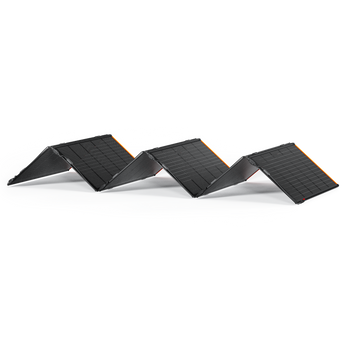
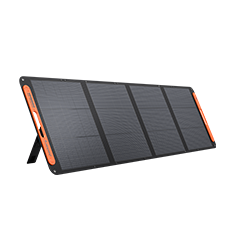
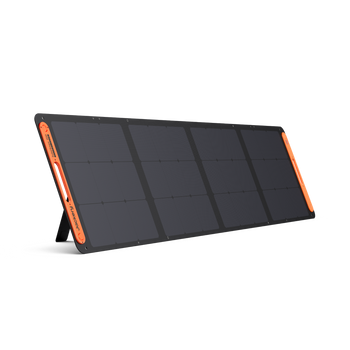
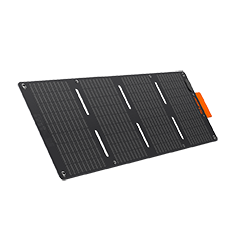
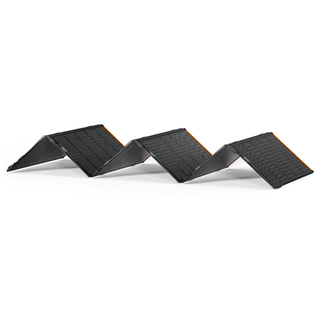
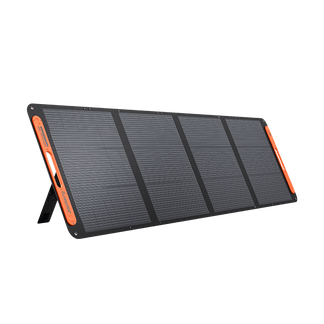
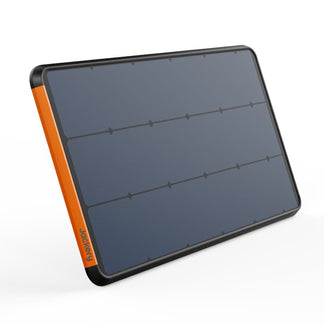
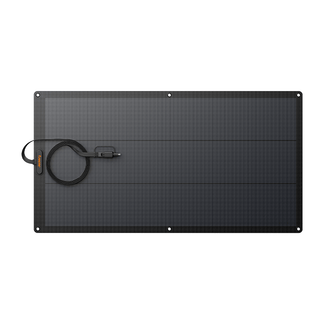
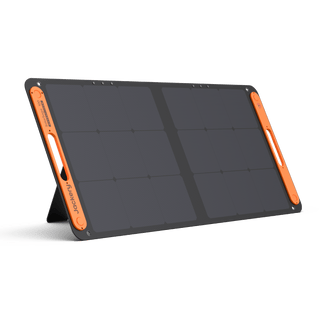
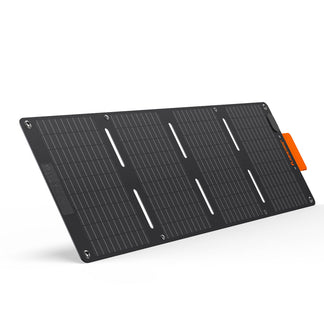
- Setup: Portable, foldable panels are best here. You can prop them up on their kickstands or hang them carefully from railings (ensure they are strictly secured to prevent falling).
Window Charging
If you don't have a balcony, you can place panels inside a window facing out.
-
Note on Efficiency: Most modern windows have UV coatings that block some light spectrums, and glass reflects energy. Expect charging efficiency to drop by 30-50% compared to direct outdoor sunlight. However, in an emergency, 50% power is better than 0%.
The Hybrid Strategy
The smartest strategy for apartments is hybrid charging. Keep your generator fully charged via a standard wall outlet (which is much faster). When a storm warning is issued, top it off to 100%. Use solar panels only to maintain the charge during a prolonged outage.
Best Solar Generators for Apartments
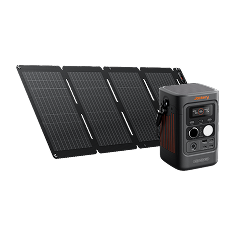
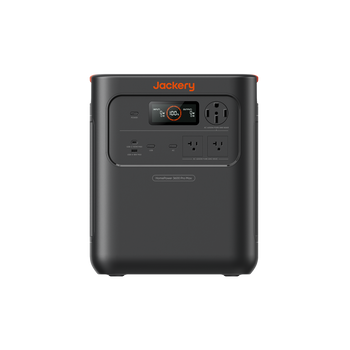
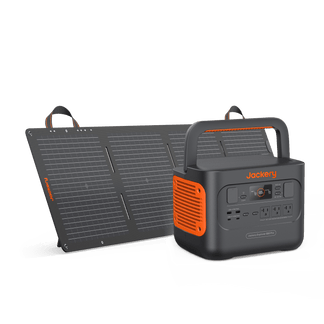
At Jackery, we have developed specific high-capacity, silent backup solutions perfect for the unique constraints of apartment living. These units integrate the battery, inverter, and MPPT solar controller into one compact, aesthetic unit.
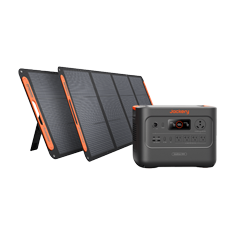
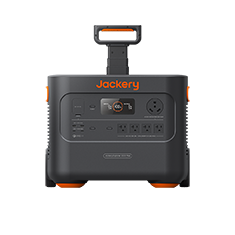
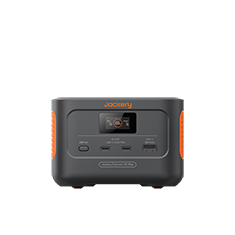
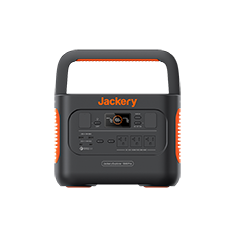
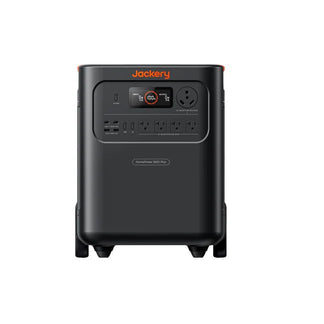
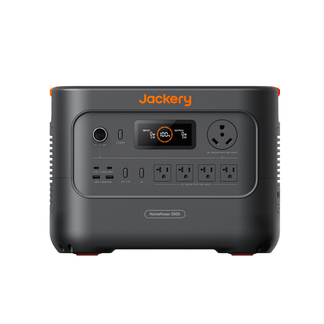
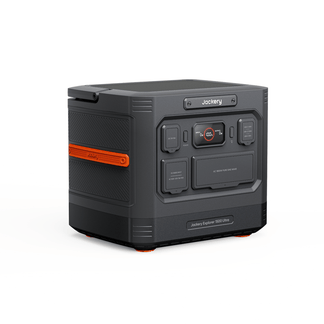
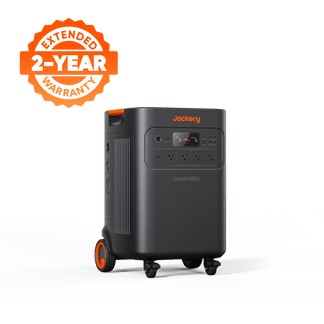
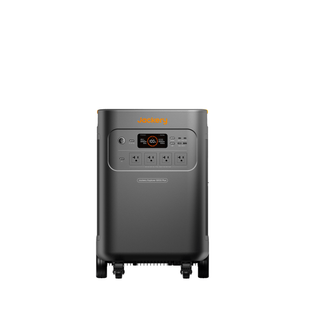
Jackery Solar Generator HomePower 3600 Plus
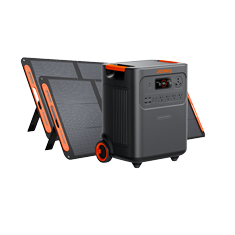
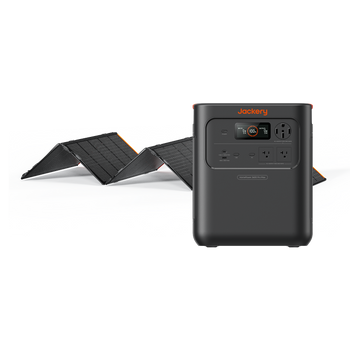
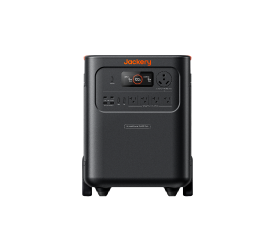
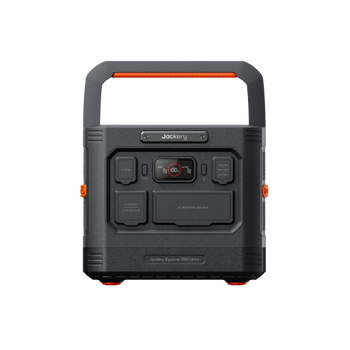
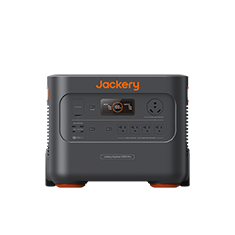
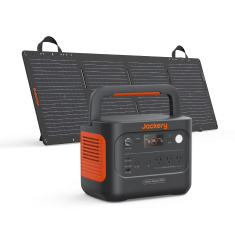
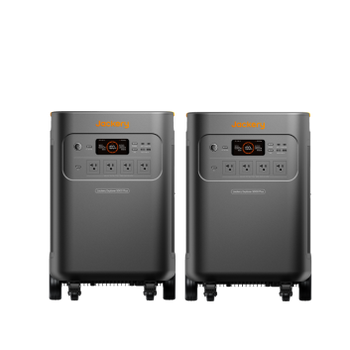
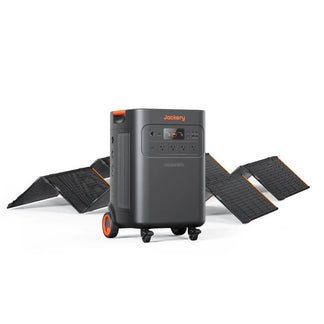
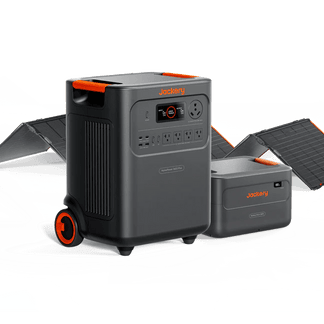
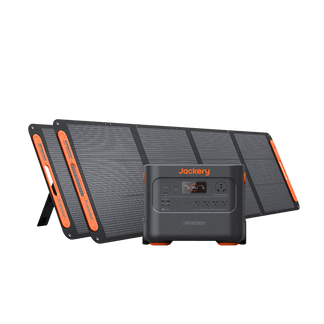
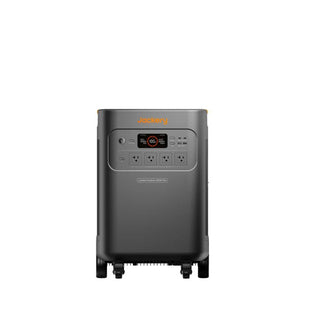
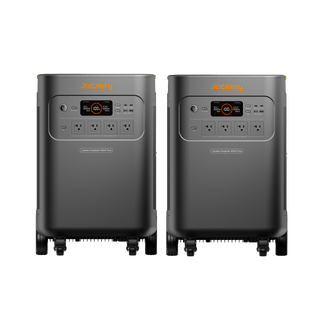
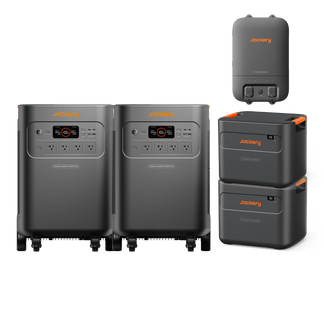
The Jackery Solar Generator HomePower 3600 Plus is the ultimate solution for apartment dwellers who refuse to compromise on power. It offers a massive capacity capable of backing up high-wattage appliances that smaller units can't handle.
- Capacity: With a substantial battery capacity, it can keep a full-sized refrigerator running for roughly 1-2 days on a single charge (depending on the fridge's efficiency).
- High Output: It features a robust inverter capable of handling heavy-duty appliances like portable heaters, microwaves, or coffee makers without tripping.
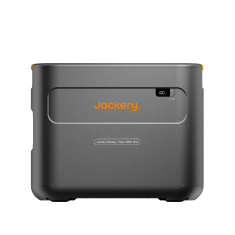
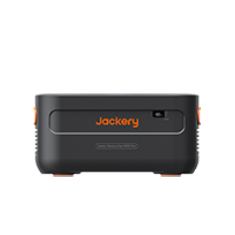
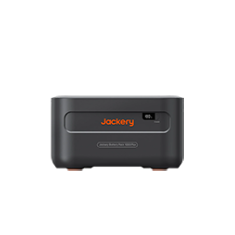
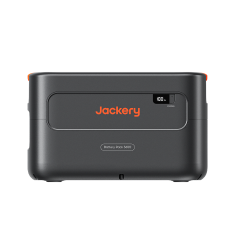
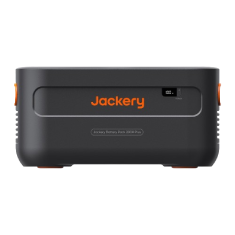
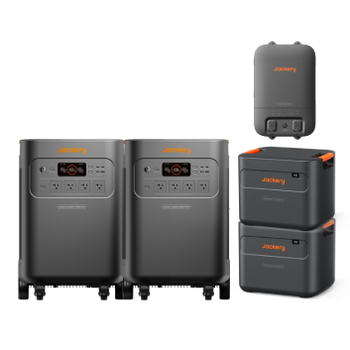
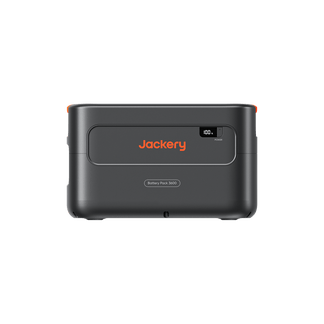
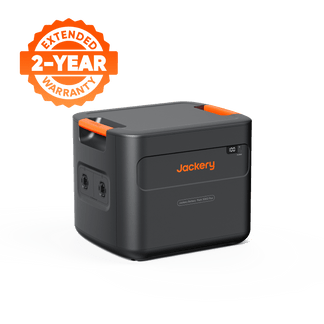
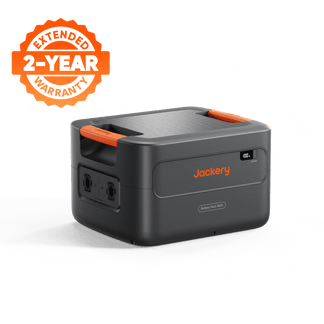
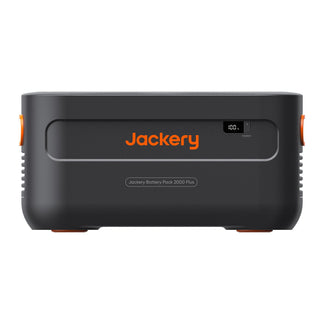
- Expandable: One of the best features for apartments is expandability. You can start with the main unit, and if you move to a larger space or need more power later, you can add battery packs. This modularity saves space initially.
- Quiet & Clean: Despite its power, it operates quietly, ensuring you don't violate noise complaints while keeping your lights on.

Ideal For: Families in apartments, medical device backup (CPAP), and those needing to power kitchen appliances during long blackouts.
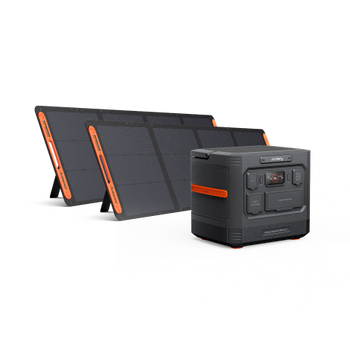
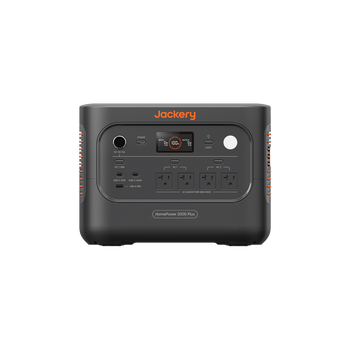
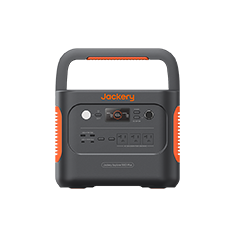
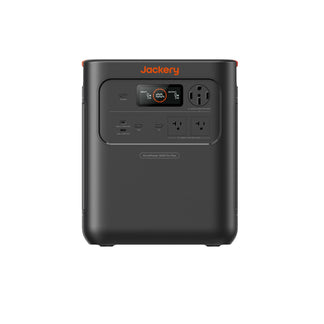
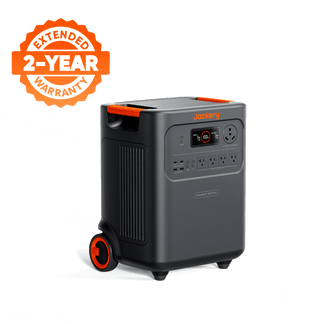
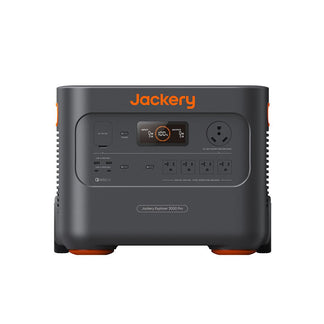
Jackery Solar Generator HomePower 3000
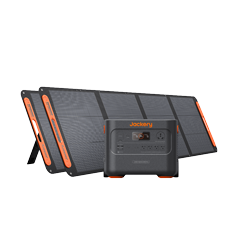
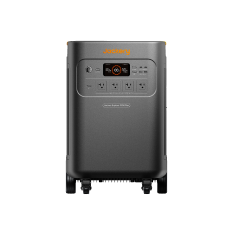
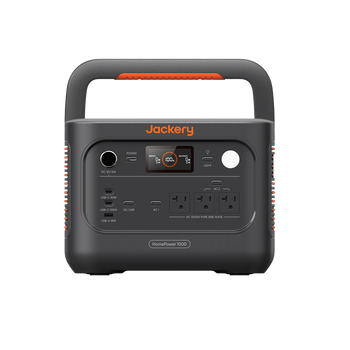
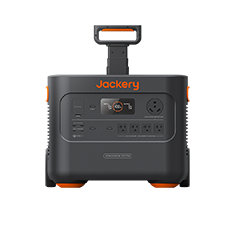
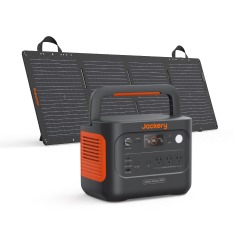
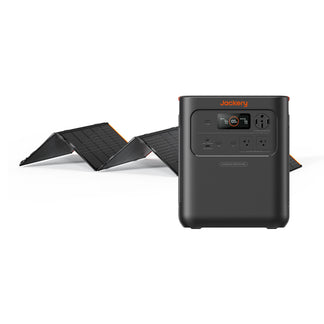
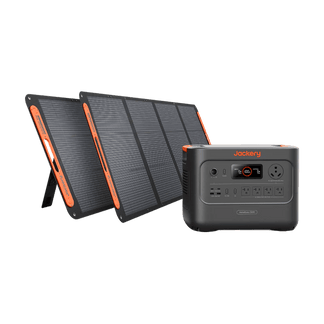
The Jackery Solar Generator HomePower 3000 is designed with a focus on modern home integration. It strikes the perfect balance between massive power and a form factor that fits into a modern apartment aesthetic.
- Design: Sleek and ergonomic, it is designed to be easily stored in a closet or corner of a room without looking like industrial machinery.
- Smart Energy: Features advanced software for energy management, allowing you to monitor your usage via an app—perfect for checking battery levels without having to crawl under a desk.
- Fast Charging: When the grid is active, it charges rapidly from a wall outlet, ensuring you are ready at a moment's notice before a storm hits.
- Versatile Ports: Equipped with multiple AC outlets and USB-C ports, it acts as a central hub for charging laptops, phones, and running lamps simultaneously.
Ideal For: Tech-savvy professionals working remotely, couples, and apartments with limited storage space who still need significant backup capability.
Estimated Runtimes for Apartment Essentials
Here is how these models perform with common apartment appliances
|
Appliance |
Avg Wattage |
Jackery Solar Generator HomePower 3600 Plus (Est.) |
Jackery Solar Generator HomePower 3000 (Est.) |
|---|---|---|---|
|
Refrigerator |
520W (surge) / 60W (avg) |
40+ Hours |
30+ Hours |
|
Wi-Fi Router |
10W |
250+ Hours |
200+ Hours |
|
CPAP Machine |
50W |
50+ Hours |
40+ Hours |
|
LED Light |
10W |
250+ Hours |
200+ Hours |
|
Laptop |
60W |
45+ Recharges |
35+ Recharges |
Note: Refrigerator runtimes vary heavily based on how often the compressor cycles. The "average" wattage over an hour is often much lower than the rated peak wattage.
How to Use and Maintain a Backup Generator
Using a backup solar generator in an apartment is straightforward, but following best practices ensures safety and longevity.
Step-by-Step Usage
- Charge Immediately: Upon purchasing, plug your generator into a wall outlet to charge it to 100%. Do not wait for an emergency to do the first charge.
- Test Your Setup: Do a "dry run." Unplug your fridge and plug it into the generator to ensure it handles the surge wattage. Connect your solar panels on your balcony to see how much input you get at different times of the day.
- Positioning: During an outage, place the generator in a central location (like the living room) to minimize the need for long extension cords.
- Prioritize: Only use essential appliances. Avoid plugging in high-drain devices like hair dryers or electric ovens, as they will drain the battery rapidly.
Maintenance and Safety
- Temperature Control: Batteries prefer the same temperatures humans do (68°F - 86°F or 20°C - 30°C). Do not store your generator on a freezing balcony in winter or a baking hot sunroom in summer. Extreme temperatures can degrade battery life.
- The "6-Month Rule": Even if you don't use it, check the battery level every 3 to 6 months. If it has dropped, top it up to 100%.
- Moisture Protection: While solar panels are weather-resistant, the generator unit itself is usually not waterproof. Keep it dry and away from open windows during rainstorms.
Conclusion
Don't let the fear of power outages hold you back from living comfortably in your apartment. Invest in a quality solar generator and enjoy peace of mind knowing you are prepared for any emergency situation. Explore Jackery's range of products today and discover the freedom and flexibility that comes with a portable solar generator for apartments.