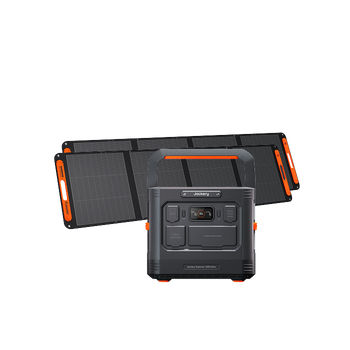
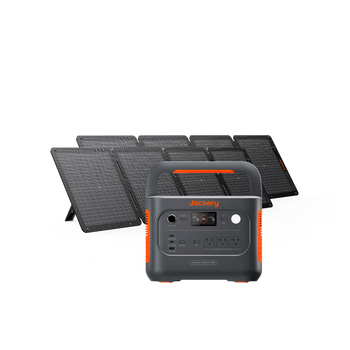
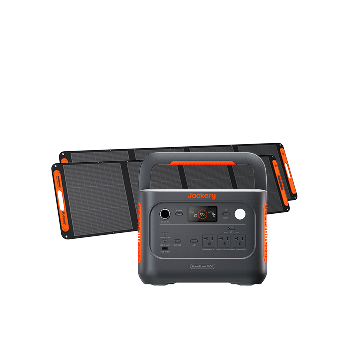
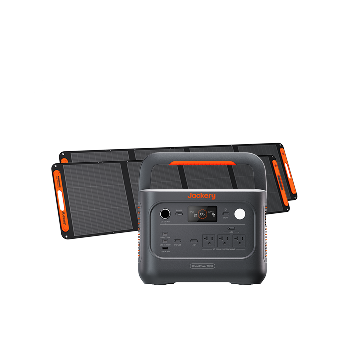


















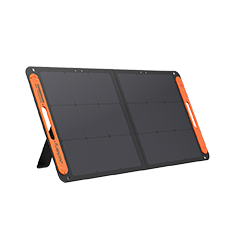
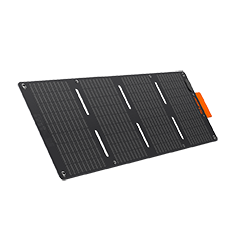




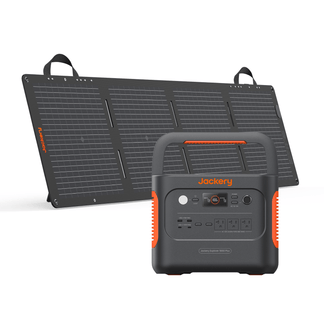
![[Add-on] Jackery SolarSaga 500 X - Jackery](http://www.jackery.com/cdn/shop/files/add-on-jackery-solarsaga-500-x-1493607.webp?v=1786503068&width=324)
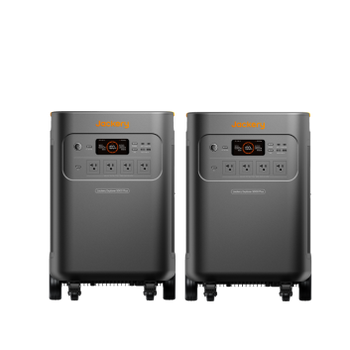
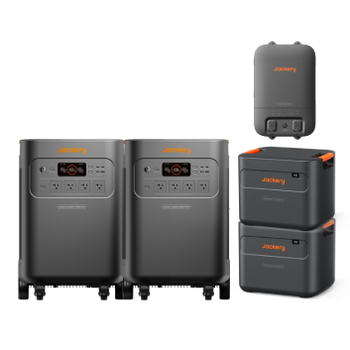
![[Add-on] Jackery Battery Pack 5000 Plus - Jackery](http://www.jackery.com/cdn/shop/files/add-on-jackery-battery-pack-5000-plus-6713401.webp?v=1786503068&width=324)
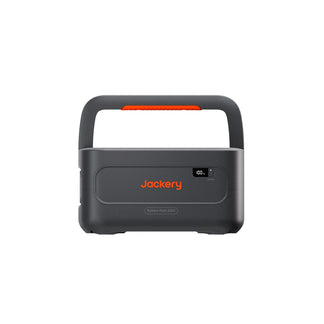

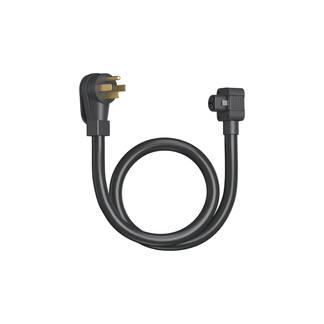



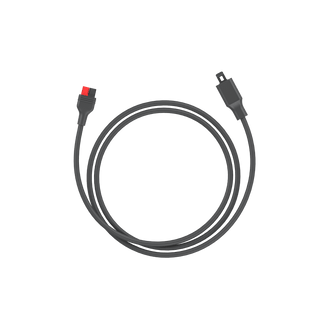
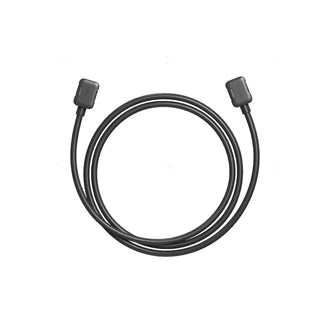

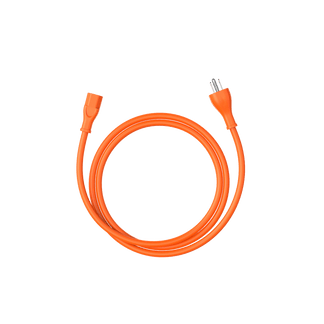
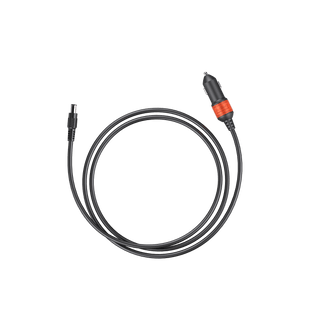










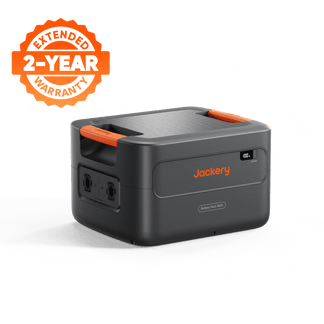
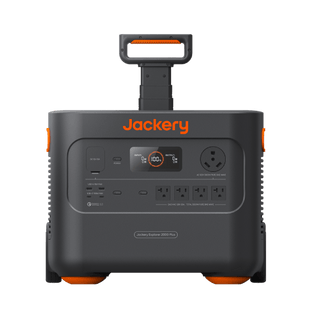


How Can an EV's V2L Outlet Extend a Solar Generator's Runtime During a Multi-Day Outage?
An EV's V2L outlet can extend a portable solar generator's runtime during a multiday outage, but only when the specific EV and generator document a compatible connection. The energy path is EV traction battery → V2L outlet and approved adapter → generator charging input → selected portable loads. This transfers energy already stored in the EV; it does not create new solar energy. Treat the setup as EV V2L home backup for selected portable loads—not whole-home power.
Can Your EV and Solar Generator Work Together? Use This Go/No-Go Test
Start with the specific EV and generator manuals, or contact the manufacturers' support teams. Use the setup directly only when the documentation supports the complete EV-to-generator connection, including source and input limits, the approved connection, operating mode, and load conditions.
Use one of these three outcomes:

- Direct use: Both manufacturers support the complete path within its stated limits.
- Documentation or support required: A required adapter, input mode, charging-while-running condition, or operating limit is unclear. Get manufacturer guidance before connecting anything.
- No-go: The EV lacks V2L, the limits conflict, the connection is prohibited, or the manufacturer says the complete path is unsupported.
For example, a specific EV manual's V2L description can identify stored-battery use for external devices, an approved adapter, output limits, and a minimum battery setting. Those details apply to that vehicle and do not establish a universal EV specification.
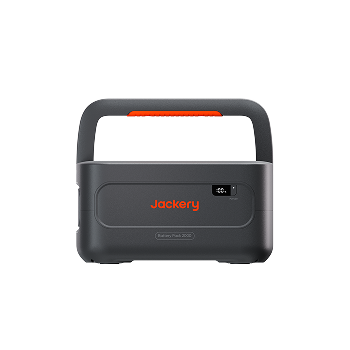
If the generator is a Jackery model, use the official user guides to find the selected model's charging-input voltage, frequency, current or wattage, connector, supported source types, and approval instructions. Do not infer compatibility from output wattage or a matching plug. If either manual leaves a connection detail unresolved, keep the systems disconnected and use load-shedding or another compatible backup method.
Which EV V2L Home Backup and Generator Details Must Match?
Check these connection details before estimating solar generator runtime. An unresolved item pauses the setup, while a conflict or prohibition stops it. Use the EV manual for the source side and the generator manual or manufacturer support for the receiving side.
| Check | What to confirm in the exact documentation | Result that stops or pauses the setup |
|---|---|---|
| V2L availability and conditions | The EV supports V2L and states its output, battery reserve, and stop conditions | V2L is absent, or its conditions do not fit the outage plan |
| Output type, voltage, and frequency | AC or DC output, voltage, and frequency where applicable | The generator input does not accept the stated output |
| Continuous and peak power | EV continuous and peak limits, plus the generator's charging draw | Charging demand exceeds a stated limit or surge requirement |
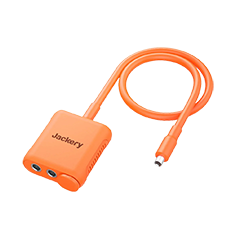
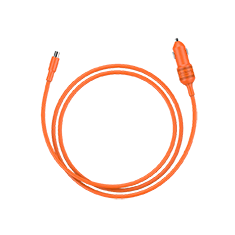
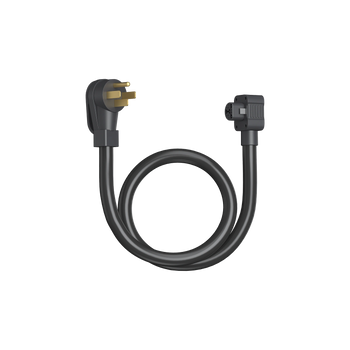
| Connector, cable, or adapter | The exact cable or adapter is approved for both pieces of equipment | A generic or unapproved adapter is the only proposed connection |
| Generator input limits | Accepted voltage, current, wattage, connector, source type, and charging mode | Limits conflict, or the connection is prohibited; an unresolved input pauses the setup |
| Charging while loads run | Whether the generator can charge while powering loads and under what mode | Simultaneous operation is prohibited or unspecified |
| Instructions and placement | Vehicle and generator operating, temperature, weather, clearance, and placement requirements | The planned location or conditions fall outside the instructions |
A plug that fits proves only that the connection is physically possible. It does not prove that the generator accepts the voltage, current, frequency, charging behavior, or source type. An EV's V2L label likewise does not establish that it can provide the input a particular generator requires. If a row remains unresolved, do not connect the systems until the relevant manufacturer clarifies it.

How Much Extra Runtime Could the EV Add? Calculate It From Usable Energy and Actual Loads
Choose the operating path before calculating: use generator-only when its usable energy covers the essential-load plan; use EV-extended only when the EV energy allocated after the driving reserve closes the gap; choose load-shedding or another backup method when the gap remains. This is a planning estimate, not a guaranteed solar generator runtime figure.
- Record usable generator energy. Use the generator's usable watt-hours, not just its nameplate capacity. If the manual gives a different measure, use the manufacturer's stated usable value or leave the field unresolved.
- Reserve EV energy for transportation. Set aside the energy needed for evacuation, supplies, work, or changing outage conditions. Count only the remaining EV watt-hours allocated to backup.
- State the loss assumption. Treat usable generator energy as energy available for the load plan unless the equipment documentation defines it differently. Apply a measured or manufacturer-supported loss factor only to the EV energy transferred into the generator, or state a different convention explicitly. Label any planning assumption and replace it before relying on the result.
- Total the actual load schedule. For each essential device, multiply running watts by expected hours per day. Add the results to get essential-load watt-hours per day. Include cycling assumptions for devices such as refrigerators rather than treating running wattage as continuous unless that is how you plan to operate them.
- Compare available energy with demand. With the convention above, a planned load-day estimate is:
((usable generator Wh) + (EV-allocated Wh × (1 − stated loss factor))) ÷ essential-load Wh per day
Use only usable generator energy in the first term when testing the generator-only path. To calculate incremental planned runtime, subtract generator-only load-days from EV-extended load-days using the same daily load and loss convention. The result changes with the load schedule, loss assumption, weather, transportation needs, and recharge opportunities. 6. Check power limits separately. Watt-hours do not prove that the equipment can start or run the loads. Check running demand, startup or surge demand, the EV's V2L output, and the generator's accepted input and output limits.
Here is a deliberately illustrative scenario, not a product claim: assume 1,000 Wh of usable generator energy, 1,600 Wh of EV energy allocated after the driving reserve, a stated 15% loss assumption applied only to the EV transfer, and an essential-load plan of 2,000 Wh per day. The modeled available energy is 1,000 + (1,600 × 0.85) = 2,360 Wh. Generator-only operation provides 1,000 ÷ 2,000 = 0.50 planned load-days. EV-extended operation provides 2,360 ÷ 2,000 = 1.18 planned load-days, so the modeled increase is 1.18 − 0.50 = 0.68 planned load-days, or about 16.3 hours on that same load schedule. These are illustrative calculations, not a runtime promise. Replace every value with exact manual data or measured loads before using the result.
Use the runtime planning calculator to organize appliance wattage and hours. It does not determine EV-to-generator compatibility or supply the loss assumption for this calculation. Before an outage, record each essential load's running watts and hours per day, the generator's usable energy, and the EV energy reserved for transportation.
Illustrative Backup-Path Selector
Illustrative assumptions only: 1,000 Wh usable generator energy, 1,600 Wh EV energy allocated after driving reserve, 15% stated losses, and 2,000 Wh of essential-load energy. Replace every value with exact manual or measured inputs.
View chart data
| Category | Planned energy (Wh) |
|---|---|
| Generator only | 1000.0 |
| EV extended | 2210.0 |
| Essential-load plan | 2000.0 |
How Should You Operate EV V2L Backup Over Several Outage Days?
For EV V2L home backup, run a small, scheduled portable-load plan rather than trying to power everything at once. Prioritize refrigeration, communications, lighting, medical equipment only when the equipment and power requirements are documented, and other essential needs. Schedule high-demand devices separately so simultaneous demand stays within the stated limits.
Use monitored recharge windows when the EV is parked and the generator, cable, and adapter remain within their operating and placement conditions. Account for weather, water exposure, ventilation or clearance instructions, heat, trip hazards, vehicle availability, and the possibility that you may need to drive for supplies or evacuation. Maintain a deliberate EV range reserve. Stop if the vehicle reports a warning, the generator alarms, a connector is damaged or contaminated, unusual heat appears, or outage conditions change.
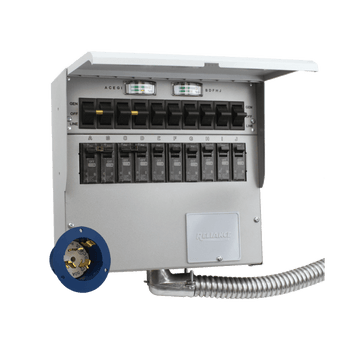
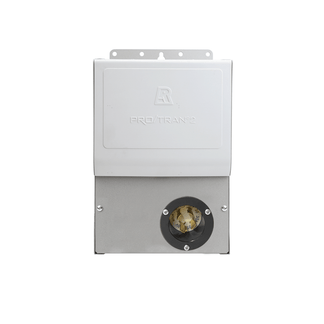
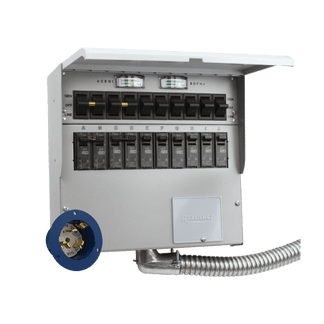
Keep this arrangement limited to selected portable loads. Never plug the portable power station into a household receptacle to backfeed wiring. The CPSC backfeed safety alert identifies that practice as dangerous. Fixed-circuit backup is a separate installation that requires a properly designed and installed transfer arrangement. For that distinction, see the transfer-switch installation guidance, but do not treat that guidance as approval for this V2L connection.
Write the selected EV output and reserve, generator input requirements, approved connection, charging-while-running rule, essential-load schedule, daily watt-hours, recharge windows, and transportation reserve into one outage plan. Proceed only if the complete connection is supported within those limits. Otherwise, keep the systems disconnected and use load-shedding or another separately compatible backup method.
Frequently Asked Questions
These questions address practical choices that can change how an EV-assisted plan works during a prolonged outage.
Does V2L Recharge a Generator With New Energy?
No. V2L transfers energy stored in the EV's traction battery. The generator can then supply selected portable loads, but the transfer does not add solar energy and may reduce the EV range available for transportation.
What If the EV Must Leave During the Outage?
Treat transportation as the first reserve. Reduce the EV watt-hours allocated to backup, recalculate the EV-extended load-days, and use a smaller load schedule if the remaining allocation no longer closes the generator-only gap.
Can the Generator Run Loads While the EV Is Charging It?
Only when the generator's operating instructions support charging while loads run and the combined demand stays within its input and output limits. Otherwise, schedule recharge and load use separately.
Can I Use V2L to Power My Home's Fixed Circuits Through a Portable Generator?
Not through a wall outlet or an improvised household-wiring connection. The described arrangement is for selected portable loads. Fixed circuits require a separately designed and installed transfer arrangement that specifically supports the equipment and installation.
Disclaimer:
The runtime mentioned for appliances powered by Jackery is for reference only. Actual runtime may vary under different conditions. Please refer to real-world performance for accurate results.