




![[Add - on] Jackery Manual Transfer Switch for Explorer 5000 Plus - Jackery](http://www.jackery.com/cdn/shop/files/add-on-jackery-manual-transfer-switch-for-explorer-5000-plus-9017324.png?v=1754016782&width=350)


![[Add - on] Jackery Battery Pack 5000 Plus - Jackery](http://www.jackery.com/cdn/shop/files/add-on-jackery-battery-pack-5000-plus-6078351.png?v=1754016791&width=324)
![[Add - on] Jackery Car Charging Cable - Jackery](http://www.jackery.com/cdn/shop/files/add-on-jackery-car-charging-cable-3882421.png?v=1754016863&width=324)
![[Add - on] Jackery Smart Transfer Switch - Jackery](http://www.jackery.com/cdn/shop/files/add-on-jackery-smart-transfer-switch-5842915.png?v=1754016784&width=324)
![[Add - on]Jackery 102W GaN 3 - Port Fast Charger - Jackery](http://www.jackery.com/cdn/shop/files/add-onjackery-102w-gan-3-port-fast-charger-6377742.png?v=1754016790&width=324)


![[Add - on] SolarSaga 200W - Jackery](http://www.jackery.com/cdn/shop/files/add-on-solarsaga-200w-4834329.png?v=1754016915&width=324)
![[Add - on] Jackery Manual Transfer Switch for Explorer 5000 Plus - Jackery](http://www.jackery.com/cdn/shop/files/add-on-jackery-manual-transfer-switch-for-explorer-5000-plus-9017324.png?v=1754016782&width=324)


The best lightweight portable power station for backpacking in 2026 is one that fits your specific use case: the right balance of weight, capacity, and output for how long you are going out and what you need to power.
Every pound in a backpack has a cost. It competes with food, shelter, water, and safety gear, meaning the things that actually keep you safe on trail. That's why the weight of a portable power station matters more for backpacking than almost any other gear category. But weight alone isn't the full answer. A power station that's light enough to carry but too underpowered to cover your needs for three days isn't a solution.
For solo hikers focused purely on phone and headlamp charging, the compact Jackery Explorer 300D is one of the most portable options available. For multi-day trips covering cameras, drones, and CPAP machines, the Jackery Explorer 600 v2 delivers serious capacity without crossing into car-camping territory. Every power station in between covers a specific range of needs, and the right pick depends on what you are carrying and why.
Key Takeaways
- Every pound of power station competes directly with food, shelter, and safety gear, and weight is a genuine constraint for backpackers.
- A power station under 10 lbs is ultra-light territory, making it ideal for solo trips focused solely on device charging.
- The 10–20 lb power station range is the practical sweet spot for multi-day backpacking with cameras, drones, CPAP machines, and small appliances.
- Solar charging on the trail is most effective during midday breaks. You should plan your recharging around your hiking schedule and not just your camp stops.
Is the Under 20 lbs Power Station Truly Backpack Friendly?
Before comparing specific models, it's worth setting honest expectations about what "lightweight" actually means in the context of backpacking. Experienced backpackers aim to keep their total pack weight between 20–25% of their body weight. For a 160 lb hiker, that's a 32–40 lb pack ceiling for everything, including tent, sleeping bag, food, water, clothing, first aid, and navigation. A 15 lb power station doesn't just add 15 lbs. In fact, it potentially eliminates a full day of food, a warmer sleeping bag, or a sturdier shelter.
Under 10 lbs: Ultra-Light Territory
Power stations in this range, like the Jackery Explorer 100 Plus (2.13 lbs), Jackery Explorer 300D (5.5 lbs), and Jackery Explorer 300 v2 (8.1 lbs), are genuinely backpack-friendly for solo trips and short outings. They are best suited to phone charging, headlamps, small cameras, and GPS devices. Don't expect to run a CPAP or power a drone camera rig for three days from a sub-10 lbs unit.
10–20 lbs: The Practical Sweet Spot
The Jackery Explorer 600 v2 (14.11 lbs) sits in this range and represents the most versatile category for serious multi-day backpacking. It can handle cameras, drones, CPAP machines, and small appliances without pushing pack weight into car-camping territory. This is where most multi-day backpackers who genuinely need power land.
Over 20 lbs: Base Camp and Car Camping
Portable power stations like the Jackery Explorer 1000 v2 (23.8 lbs) are capable pieces of gear, but they belong at a base camp with a vehicle nearby. Carrying one on a technical trail over multiple days is a genuine physical burden, and one that forces tradeoffs most backpackers aren't willing to make.
Joe Sener is a retired engineer and private pilot based in Northwest Illinois who has spent the better part of two decades in and around aviation. Joe needed a reliable way to keep two iPads, two smartphones, and a CPAP machine running through the night without hauling the 35 lb Honda generator he'd been using before. He found the Jackery product, and the results surprised him. After a full night running a heated CPAP and charging multiple devices, his Jackery product still had 64% battery remaining. He plugged in the solar panel when the airshow started, and it was fully recharged in under three hours. Check out more Jackery Stories to see how people use Jackery products for hiking, camping, off-grid living, etc.
What Features Should a Backpacker Prioritize in a Lightweight Power Station?
For a backpacker, a lightweight portable power station must prioritize portability without sacrificing essential energy capacity and, most importantly, safety. Backpackers should focus on high-density batteries (LiFePO4), USB-C Power Delivery (PD), and maximum power-to-weight ratios to avoid hauling unnecessary bulk. Here's what to prioritize specifically for backpacking use in detail:
Battery Chemistry and Lifespan
LiFePO4 (lithium iron phosphate) batteries are the better long-term choice for a power station you'll use and recharge regularly on the trail. They're rated to 3,000–4,000 charge cycles before dropping to 70-80% capacity, compared to 500–800 cycles for older lithium-ion NMC cells. In practice, a LiFePO4 unit used weekly lasts for over a decade.
Weight and Portability
For backpacking, weight and dimensions are non-negotiable considerations. Check both the listed weight and the physical dimensions of the power station. A compact footprint matters as much as weight when you are fitting a power station into a loaded pack alongside a sleeping bag, tent, and food. Look for foldable handles, which reduce the effective size when packed and add convenience when moving the battery around camp.
Output Ports and Charging Speed
A power station that charges your phone in two hours instead of four matters more on the trail than it does at home. You have limited time at camp before it gets dark or before you move on. Prioritize a lightweight portable power station with at least one 100W USB-C port for fast device charging. Multiple simultaneous output ports mean you can charge a phone, camera battery, and headlamp at the same time during a lunch break, rather than cycling devices one by one.
Input Methods and Solar Charging
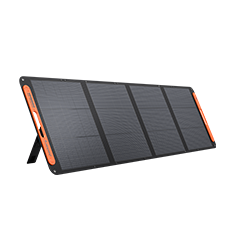
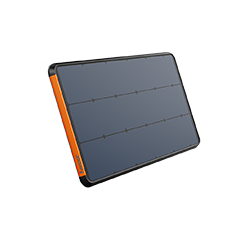
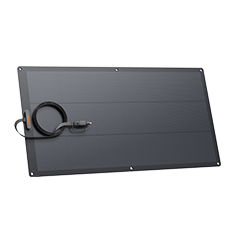
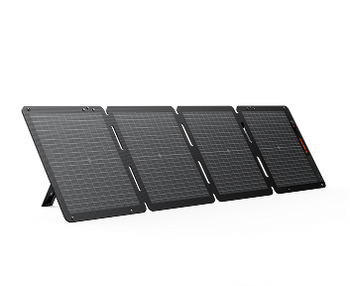
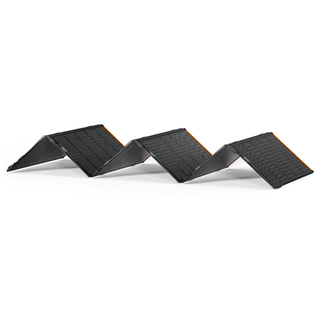
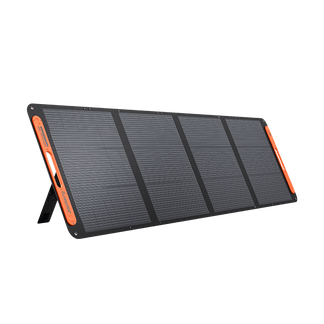
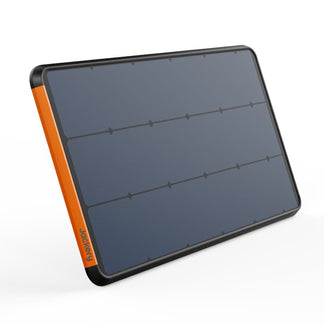
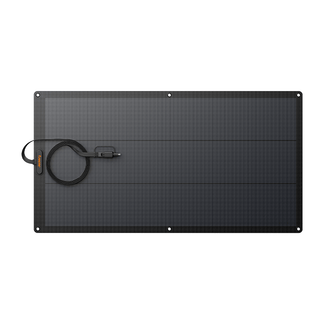
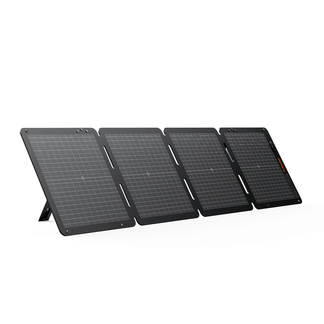
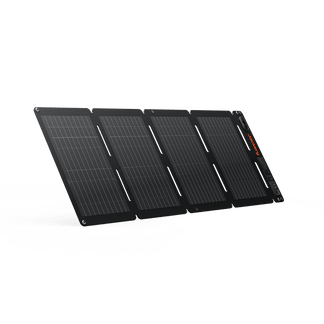
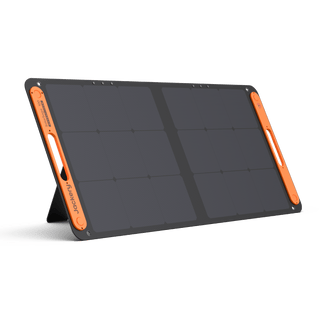
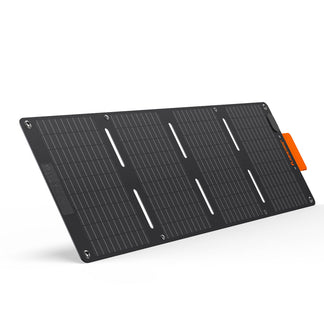
Solar recharging is the defining advantage of a power station over a standard battery pack for multi-day trips. A compatible solar panel means your power station can recover energy during daylight hours without relying on a wall outlet. Look for high solar input wattage relative to the power station's capacity. The Jackery SolarSaga Solar Panel lineup is specifically designed to be compatible with Jackery Portable Power Stations and folds flat for pack storage.
Durability and Environmental Resistance
Trail conditions are hard on gear. Look for lightweight power stations with shock-resistant construction, high-grade, fire-resistant casings (UL94-V0 rated), and moisture protection. Always store your power station in a dry bag or padded sleeve inside your pack on wet days.
What are the Best Lightweight Power Stations Under 20 lbs for Backpacking in 2026?
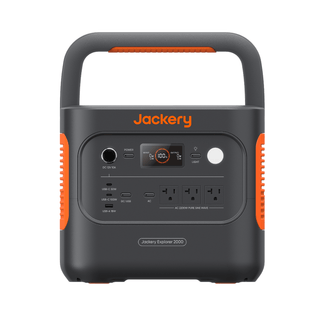
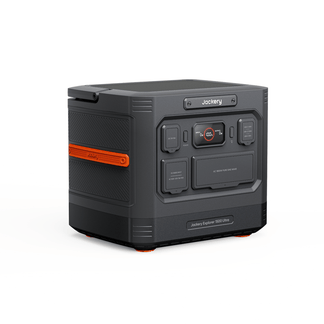
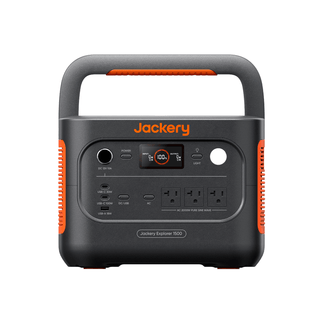
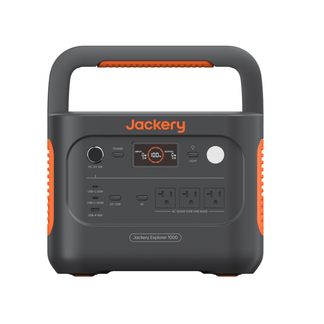
Jackery's under-20 lb power station and solar generator lineup covers different levels of backpacking need, ranging from a 2.13 lb power station built for day hikes to a 14.11 lb powerhouse that keeps a CPAP running through a five-night trip. Every power station below can be recharged three ways: via a standard wall outlet before you leave the trailhead, through your car's 12V port on the drive out, or using compatible backpacking solar panels on the trail, meaning you're never fully dependent on a single charging source.
Here are the recommended Jackery Portable Power Stations you can add to the backpacking essentials checklist, ordered by weight, lightest to heaviest, so you can match the right unit to your pack load and your power needs:
|
Product |
Capacity |
Output |
Weight |
Recommended for |
|
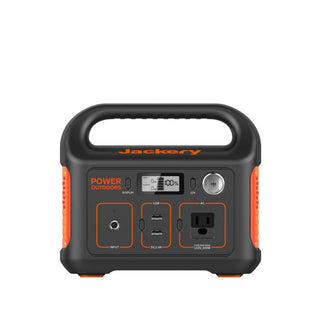
Jackery Explorer 100 Plus |
99Wh |
128W |
2.13 lbs |
Day Hikes and Ultra-Light Trips |
|
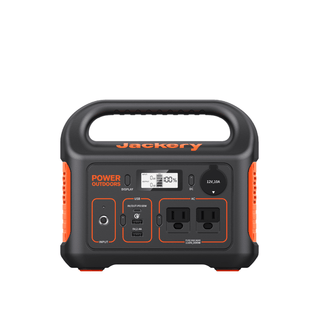
Jackery Explorer 240 v2 |
256Wh |
300W |
7.94 lbs |
Hikers Who Need Fast Recharging |
|
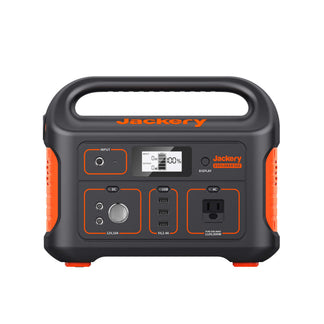
Jackery Explorer 300D |
288Wh |
140W |
5.5 lbs |
Weekend Campers |
|
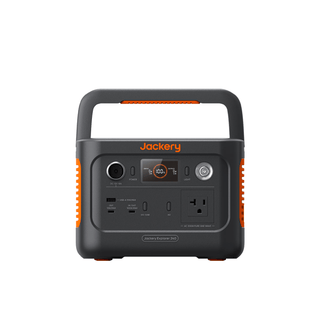
Jackery Explorer 300 v2 |
288Wh |
300W |
8.1 lbs |
Multi-Day Hikers |
|
Jackery Explorer 600 v2 |
640Wh |
500W |
14.11 lbs |
Multi-Day Backpacking Trips |
Jackery Explorer 100 Plus: Best for Day Hikes and Ultra-Light Trips
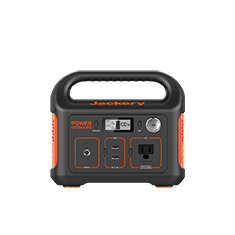
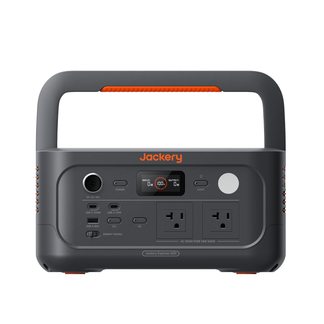
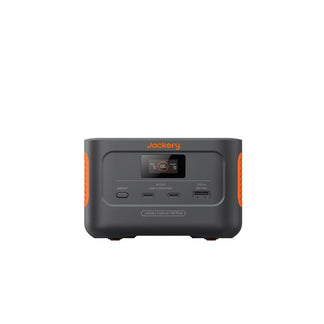
At just 2.13 lbs, the Jackery Explorer 100 Plus is as close to weightless as a capable power station gets. It's built around a 99Wh LiFePO4 battery with 128W output and dual 100W USB-C ports, which is enough to fully charge a smartphone five or six times, keep a headlamp powered, and charge a compact camera over the course of a day on trail. It's not built for high-draw appliances or multi-day basecamp use, but for the hiker who wants a reliable emergency power source without adding meaningful weight to their pack, it is the ideal choice.
Appliance Running Time
- Drone (50W) = 1.6H
- Smartphone (2W) = 39.6H
- Camera (10W) = 7.9H
- Handheld Fan (10W) = 7.9H
- Bluetooth Speaker (10W) = 7.9H
Who Should Buy This
If you are heading out for a day hike or a single overnight trip and need a backup power source for your phone, headlamp, and camera without adding weight to your pack, the Jackery Explorer 100 Plus is the right choice.

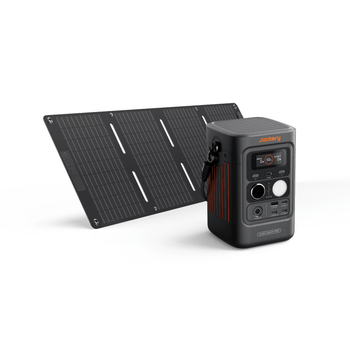
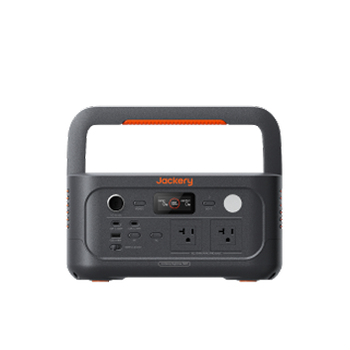
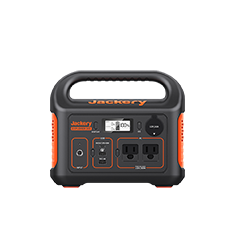
Jackery Explorer 240 v2: Best Entry-Level LiFePO4 Option Under 8 lbs
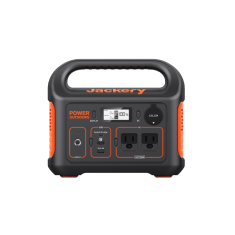
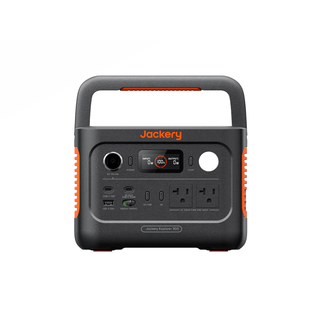
The Jackery Explorer 240 v2 features a flat-folding handle that makes it genuinely backpack-friendly and portable. For a backpacker who needs to charge a phone, a camera, a laptop, and a headlamp over a two- to three-day trip, the Jackery Explorer 240 v2 handles the load without demanding much space in the pack. The 1-hour emergency fast charge means a quick recharge at a trailhead outlet before heading out goes a long way.
Appliance Running Time
- Drone (50W) = 3.5H
- Smartphone (2W) = 17.5H
- Camera (10W) = 10.5H
- Handheld Fan (10W) = 10.5H
- Bluetooth Speaker (10W) = 10.5H
Who Should Buy This
If you want a sub-8 lb LiFePO4 power station with 300W output and fast charging for multi-day backpacking trips, the Jackery Explorer 240 v2 is the most capable option at this weight.

Customer Review
Used for a weekend camping trip. powered air mattresses, charged 2 phones, and powered a projector to watch a movie, all at an unpowered site. lasted the entire weekend with no recharge.
— Tyler C.
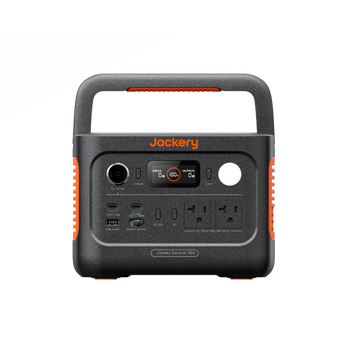
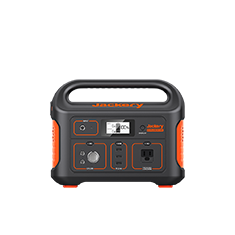
Jackery Explorer 300D: Best for Weekend Campers Who Prioritize Weight
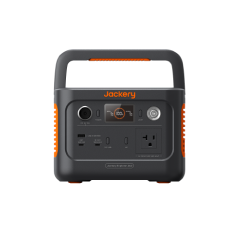
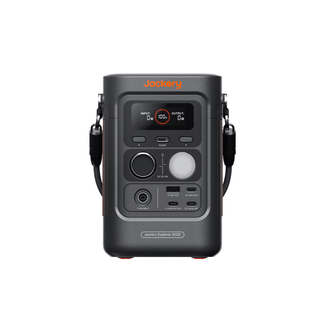
The Jackery Explorer 300D weighs just 5.5 lbs with 288Wh of capacity and 140W of output. It is one of the lightest capable power stations in the ultralight backpacking range. For a two to three-day trip where your priority is phones, lights, and a small camera rather than high-draw appliances, the Jackery Explorer 300D carries its weight well. Its compact form factor fits easily into the backpack, making it ideal for camping, travel, and on-the-go trips.
Appliance Running Time
- Drone (50W) = 3.9H
- Smartphone (2W) = 19.7H
- Camera (10W) = 11.8H
- Handheld Fan (10W) = 11.8H
- Bluetooth Speaker (10W) = 11.8H
Who Should Buy This
If you are a weekend backpacker who wants meaningful capacity, which is enough for phones, lights, and a camera over two to three days, in the lightest possible package, the Jackery Explorer 300D hits that target.

Customer Review
Surprisingly small and lightweight! It has charged several devices simultaneously and only lost 20% of its charge. It easily charges with my Jackery solar panels, which came with my 1500. I plan on taking the 300 on the road with me during my travels. This should easily keep everything charged. I’ll use my cameras, phones, video equipment, flashlights, and my Garmin inReach.
— Keith D.
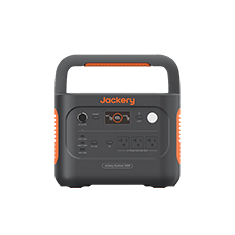
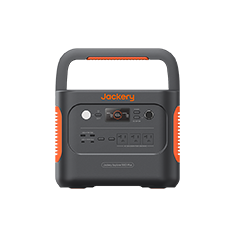
Jackery Explorer 300 v2: Best Balance of Weight and Output Under 10 lbs
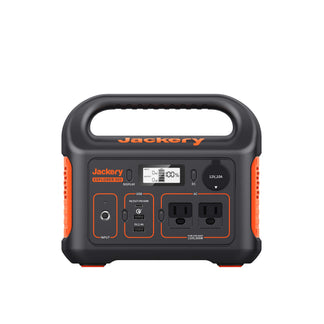
The Jackery Explorer 300 v2 is the sharpest all-around performer in the sub-10 lb category. At 8.1 lbs with 288Wh of LiFePO4 capacity and 300W of output, it covers a significantly wider range of devices than the Jackery Explorer 300D, including laptops, drones, and small fans, while still falling well within true backpacking weight territory. For multi-day hikers who need to cover more than just phone charging without stepping up to a heavier unit, the Jackery Explorer 300 v2 is the sweet spot below 10 lbs.
Appliance Running Time
- Drone (50W) = 3.9H
- Smartphone (2W) = 19.7H
- Camera (10W) = 11.8H
- Handheld Fan (10W) = 11.8H
- Bluetooth Speaker (10W) = 11.8H
Who Should Buy This
If you want the most capable power station under 10 lbs that covers phones, laptops, drones, and small appliances on a multi-day trail trip, the Jackery Explorer 300 v2 is the ideal option at this weight.

Customer Review
Been using it for two days in a row. I love it. The new Jackery 300 version two awesome. I was hoping they would make one again and they have very happy might get one for my son.
— Pamela.
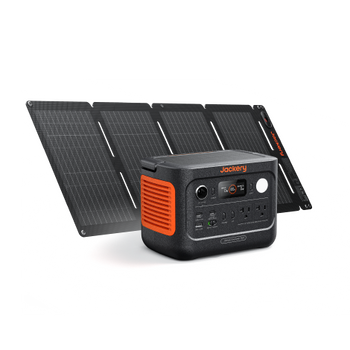
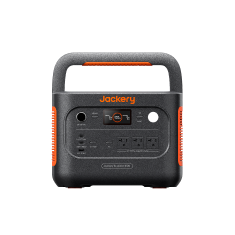
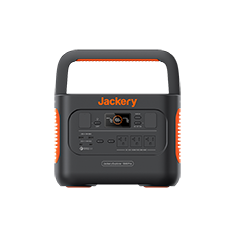
Jackery Explorer 600 v2: Best Overall Lightweight Power Station for Backpacking
The Jackery Explorer 600 v2 is the standout pick for serious multi-day backpackers who need real power on the trail. At 14.11 lbs, it is the world's lightest 600Wh LiFePO4 power station and delivers 640Wh of capacity and 500W of output in a package that's still manageable in a loaded pack. It handles CPAP machines, drones, cameras, lights, and small appliances without being pushed to its limit, and its high solar input means a set of compatible solar panels can meaningfully recharge it during midday trail breaks.
Appliance Running Time
- Drone (50W) = 8.6H
- Smartphone (2W) = 43.7H
- Camera (10W) = 26.2H
- Handheld Fan (10W) = 26.2H
- Bluetooth Speaker (10W) = 26.2H
Who Should Buy This
If you are doing multi-day backpacking trips where you need to power a CPAP, run a drone, and keep cameras and devices charged, and you want the lightest 600Wh power station available, the Jackery Explorer 600 v2 is the ideal option under 20 lbs.

Customer Review
Purchased the unit for camping, but also for emergency use when the power goes out! It will open my garage doors, provide temporary light, and power fans for the wood stove when the power goes out in the winter storms. It will be used for extra lights when working outdoors, and the sun goes down. Really looking forward to using it when camping!
— Anonymous.
How Should You Pack and Care for a Power Station on a Multi-Day Trial Trip?
In order to pack and care for a power station on a multi-day hike, store it in a dry, insulated, and easily accessible spot, preferably in a sealed bag to protect it from moisture. Keep it away from direct sunlight and extreme cold by storing it inside your pack or near your body, maintaining a 40–70% charge for optimal long-term health.
Pack Placement
Keep the power station as close to your back and as low in your pack as possible. Weight positioned close to your center of gravity is far easier to carry over distance than weight sitting away from your body or high in the pack. A 14 lb power station in the wrong position feels noticeably heavier after six miles than the same unit packed correctly. Avoid putting it in an outer pocket, as it may shift during movement.
Protecting Against Moisture
Rain covers protect your pack's exterior but don't fully waterproof the interior. Store your power station in a dry bag or padded waterproof sleeve inside your pack, especially on days with any precipitation forecast. Pay particular attention to the charging ports, as moisture in an open port is the most common cause of damage in outdoor use. Silicone port covers or small pieces of tape over unused ports are simple, lightweight protection.
Cold-Weather Battery Performance
Cold temperatures reduce battery capacity. A LiFePO4 power station that delivers full capacity at 70°F (21.11°C) may deliver noticeably less at 25°F (-3.88°C). The practical solution for winter or shoulder-season trips is to keep your power station inside your sleeping bag or close to your body overnight. A warmer battery wakes up with more usable capacity than one that's been sitting at freezing temperatures all night.
Power Rationing on Multi-Day Trips
Not all devices are equal when capacity is limited. Prioritize in this order: medical devices first (CPAP, glucose monitors), navigation second (phone GPS, dedicated GPS device), communication third (satellite communicator, phone calls), and cameras and non-essential devices last. Establishing a rationing plan before the trip and knowing how much capacity each device needs per day prevents the scenario where you arrive at day three with a dead battery and a dead phone.
When to Solar-Charge
Midday is your best solar window on most trails as the sun is at its highest, angle losses are minimized, and you are often stopped for lunch anyway. Set up your solar panel during breaks rather than waiting until camp. Even 30–45 minutes of good midday sun can add meaningful capacity to a 300Wh power station. Avoid shaded campsites on nights when you need to recover significant capacity, as morning sun at camp is your second-best charging window.
What Drains Faster Than You Expect
Screen brightness is the biggest hidden drain on smartphone batteries, and by extension, on your power station. A phone screen at full brightness draws nearly twice what it does at 50%. GPS tracking apps, satellite communicator syncing, and hotspot use are all significantly higher draws than basic usage. Heating elements, such as hand warmer attachments, heated insoles, and electric blankets, drain a 300Wh power station in hours. Know your device's draw before you rely on it in the field.
FAQs
What is the lightest portable power station available?
Among Jackery's current product lineup, the Explorer 100 Plus and Jackery Explorer 240 v2 are the lightest options at approximately 2.2 lbs and 7.94 Ibs, respectively. For backpackers who need something even lighter, standard high-capacity battery banks (not power stations) can weigh under 1 lb, but they lack AC output and are limited to USB charging only.
Can you take a power station backpacking?
Yes, you can take a power station backpacking with the right model and realistic expectations. Power stations under 10 lbs, like the Jackery Explorer 300 v2 or Jackery Explorer 300D, fit comfortably in most backpacking setups for trips where phone charging, camera batteries, and headlamps are the priority. For heavier use cases like CPAP machines or drone rigs, the Jackery Explorer 600 v2 is manageable on trail for most hikers.
Is a power station worth it for hiking?
For day hikes, a high-capacity battery bank covers most needs at a fraction of the weight. For multi-day trips where you need AC output for CPAP machines, camera battery chargers, drone batteries, and laptops, a power station is worth the weight tradeoff. The calculation shifts based on what you're powering: the longer the trip and the more demanding your devices, the more clearly justified the weight becomes.
How heavy is a Jackery Power Station?
Jackery Portable Power Stations' weights vary significantly across the lineup. Among models under 20 lbs. The Jackery Explorer 100 Plus weighs approximately 2.13 lbs, the Jackery Explorer 300D 5.5 lbs, the Jackery Explorer 300 v2 8.1 lbs, and the Jackery Explorer 600 v2 14.11 lbs. The Jackery Explorer 1000 v2 and above cross the 20 lb threshold at 23.8 lbs, making them more appropriate for car camping and base camp scenarios.
Can you charge a power station with solar while hiking?
Technically yes. Many hikers often attach flexible solar panels to the back of their pack and charge while moving.
Conclusion
CPAP users who couldn't previously do multi-night trips. Photographers who need to keep camera batteries alive across five days. Hikers who rely on GPS navigation and can't afford a dead phone on a remote trail. For these backpackers, a lightweight portable power station is what makes the trip possible. Choose the lightweight power station that matches your actual use case. The Jackery Explorer 100 Plus is ideal for day hikes and ultra-light overnights. The Jackery Explorer 300 v2 is for weekend trips with cameras and laptops. The Jackery Explorer 600 v2 is for serious multi-day outings with CPAP and drone use.