

![[Add - on] Jackery Manual Transfer Switch for Explorer 5000 Plus - Jackery](http://www.jackery.com/cdn/shop/files/add-on-jackery-manual-transfer-switch-for-explorer-5000-plus-9017324.png?v=1754016782&width=350)


![[Add - on] Jackery Manual Transfer Switch for Explorer 5000 Plus - Jackery](http://www.jackery.com/cdn/shop/files/add-on-jackery-manual-transfer-switch-for-explorer-5000-plus-9017324.png?v=1754016782&width=324)


How Robert Grey built a low-energy farm and a classroom around solar thinking
Learning the Land Early
Robert Grey has been working with soil since he was fourteen.
That was when he first entered agriculture through community gardening projects, the kind that blur the line between service and survival. Since then, farming has been the constant thread through his adult life, first as a worker on other farms, then as a teacher, and eventually, as the founder of his own small-scale operation outside Pittsburgh, Pennsylvania.
Today, Robert farms thirteen acres, growing seasonal flowers using sustainable, low-waste practices. The land is productive, but it is also pedagogical. His farm doubles as a classroom, hosting workshops and field trips for people of all ages who want to understand where food and flowers come from and what it takes to keep living systems alive.
“Every task on the farm is a lesson,” he says.


Farming as a System, Not a Shortcut
Robert doesn’t believe in isolated solutions.
When he began building his farm, the goal wasn’t speed or scale. It was coherence. Each choice needed to support the next. Sustainability wasn’t a slogan; it was a constraint.


Goats became part of the plan early on, clearing forested land slowly and naturally. Aquaponics followed, pairing fish and plants in a closed-loop system that uses minimal energy. The greenhouse itself was designed to rely first on passive stability, insulation, water as thermal mass, and thoughtful layout, before any powered intervention.
“I try to use the least amount of power possible to keep things running consistently,” Robert explains.
That philosophy would eventually shape how he thought about electricity itself.
When the Grid Is Unreliable, Learning Accelerates
In the summer of 2023, extended storms knocked out power across the Pittsburgh region. Friends lost refrigerators full of food. Outages lasted days for some households.
Until then, Robert hadn’t paid much attention to portable power. But suddenly, it was everywhere, people talking about it, comparing solutions, improvising.
He began researching.

What he needed wasn’t just backup power for his house. His greenhouse contained living systems: circulating water, fish tanks, and plants sensitive to temperature swings. Interruption wasn’t inconvenient; it was destabilizing.
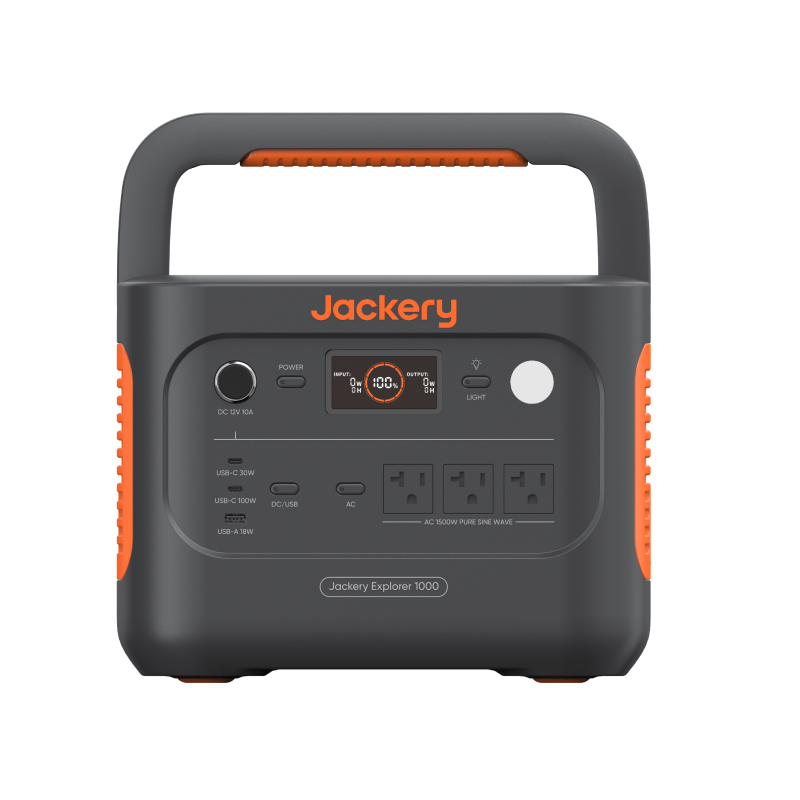
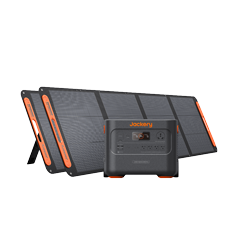
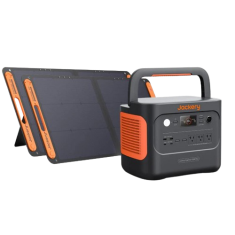
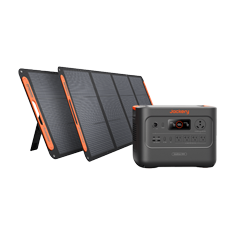
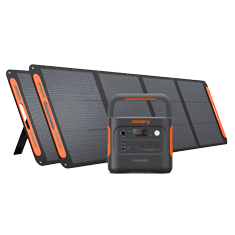
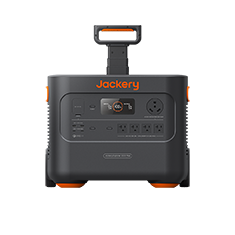
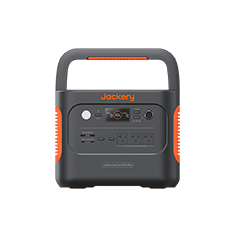
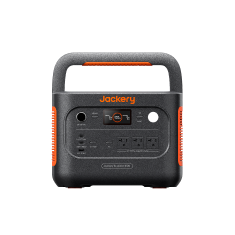
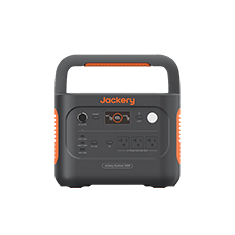
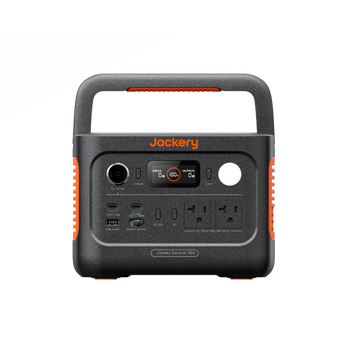
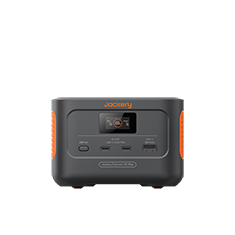
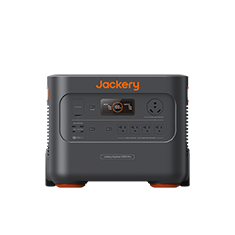
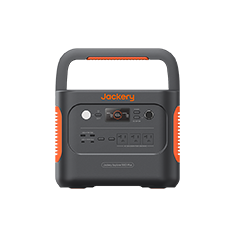
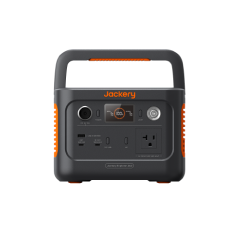
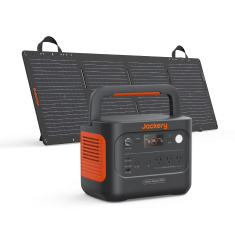
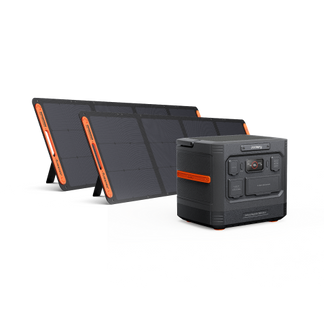
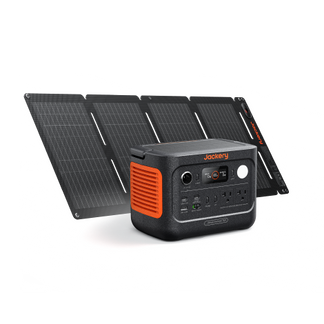
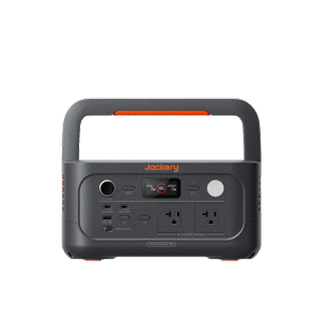
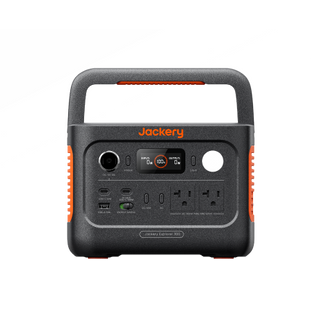
After comparing options, Robert purchased a Jackery Explorer 1000 v2.
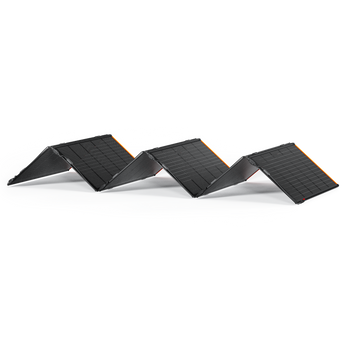
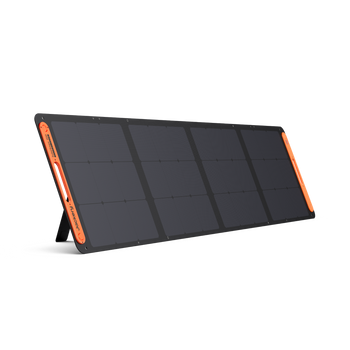
In a Jackery Explorer 1000 v2 review, he describes the first experience as surprisingly simple. Plug in solar panels. Watch the numbers respond. Understand, immediately, what energy was doing.
For someone who teaches science, clarity mattered.
A Greenhouse That Stays Alive
The Explorer 1000 v2 quickly proved itself beyond expectations.

What began as a home backup solution became the backbone of Robert’s low-energy aquaponics system. Pumps stayed on. Water circulated. Fish and plants remained stable during brief outages.
When winter approached, Robert scaled up.
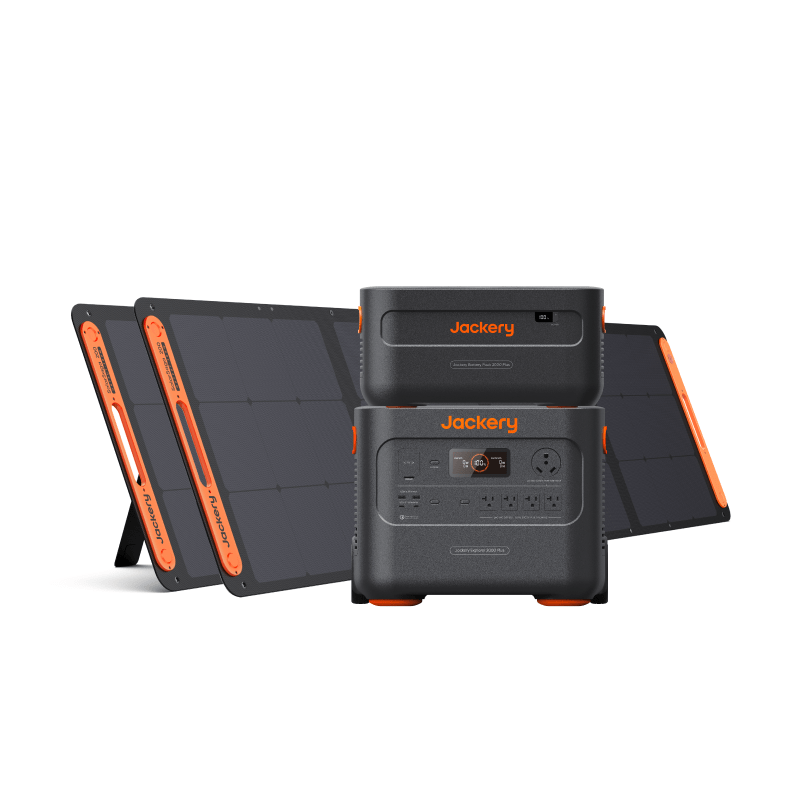
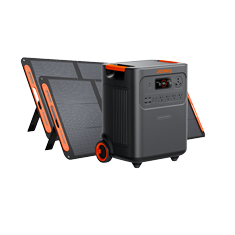
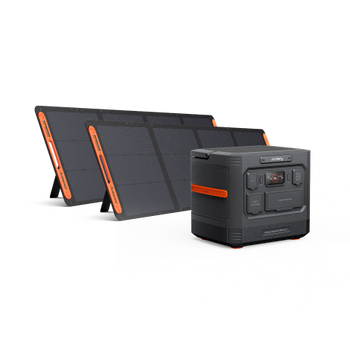
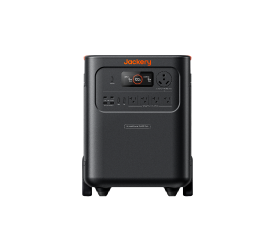
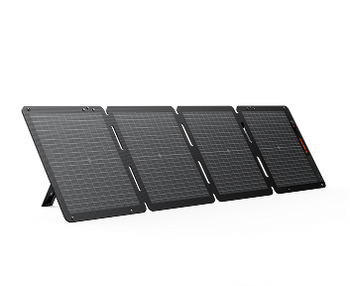
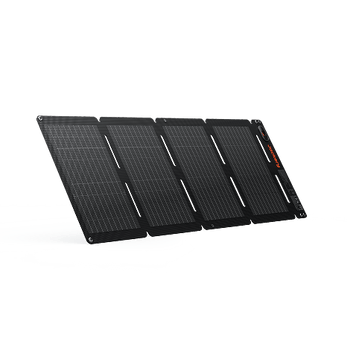
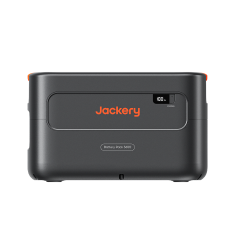
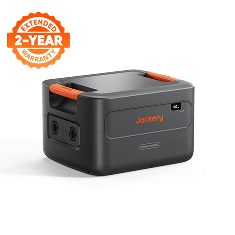
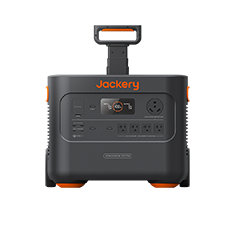
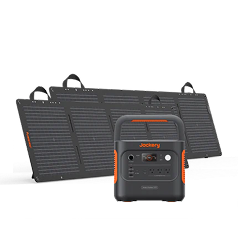
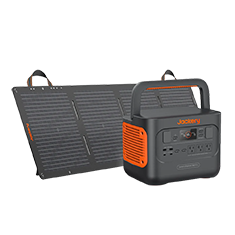
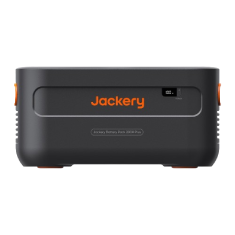
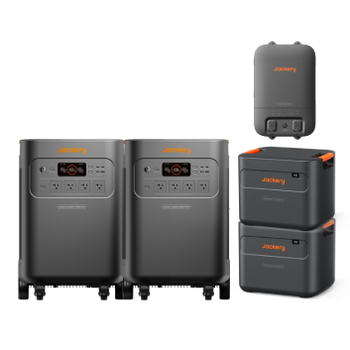
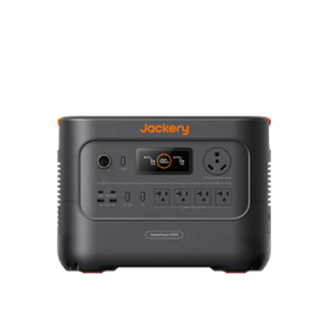
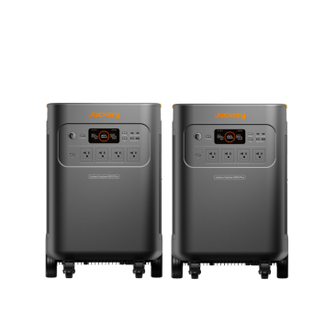
He added a Jackery Solar Generator 2000 Plus Kit (4 kWh) with an expansion battery, creating a layered system. The smaller unit became what he calls a “life-support” backbone, keeping fish tanks and water flow stable, while the larger system powered heaters and air circulation when temperatures dropped.
In a Jackery Solar Generator 2000 Plus review, Robert emphasizes modularity as the defining advantage. He didn’t have to overbuild from the start. He learned, adjusted, and expanded.
“It’s a system that grows with you,” he says.
Portability Changes the Workday
On a farm, work doesn’t stay in one place.
Fields shift. Greenhouses expand. Markets pop up miles away. Running permanent power lines would require costly construction and fixed assumptions, exactly what Robert tries to avoid.


Portable power solved that problem.
One of the first tools he ran with his Jackery was a small electric tiller. Previously, he had dragged hundreds of feet of extension cords across uneven ground. With Jackery, he wheeled the unit directly to the field and worked uninterrupted for more than two hours.
“That kind of mobility is essential,” he says. “It’s a major time saver.”
The same logic applies at farmstands and community events. Gas generators are often prohibited or tolerated begrudgingly. They’re loud, disruptive, and at odds with the atmosphere Robert tries to create.
Jackery runs quietly. Lights stay on. Point-of-sale systems work. No one notices the power source, and that’s the point.
Teaching Through Visibility
As an educator, Robert doesn’t keep his setup hidden.

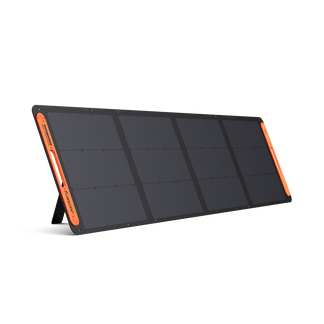
When school groups visit the farm, he walks them past the greenhouse, the solar panels, the Jackery units. He explains how energy is stored. What do kilowatt-hours mean. Why powering a phone fifty times from one battery matters.
It’s abstract science made visible.
“I like showing kids that this isn’t that hard,” he says. “They can imagine doing something similar.”
Even adults linger. Growers ask questions. Visitors rethink what “off-grid” actually looks like.


Home, Farm, and the Space Between
When winter storms hit Pittsburgh, with thirteen inches of snow and extreme cold, Robert charges all his units in advance. Sometimes the power goes out. Sometimes it doesn’t.
Either way, the system is there.
At home, priorities are simple: communication, refrigeration, and basic lighting. The house remains functional. Food stays cold. Devices stay charged.
At the farm, the stakes are different, but the principle is the same. Power isn’t about convenience. It’s about continuity.


Looking Forward, Deliberately
Robert is already planning the next step.
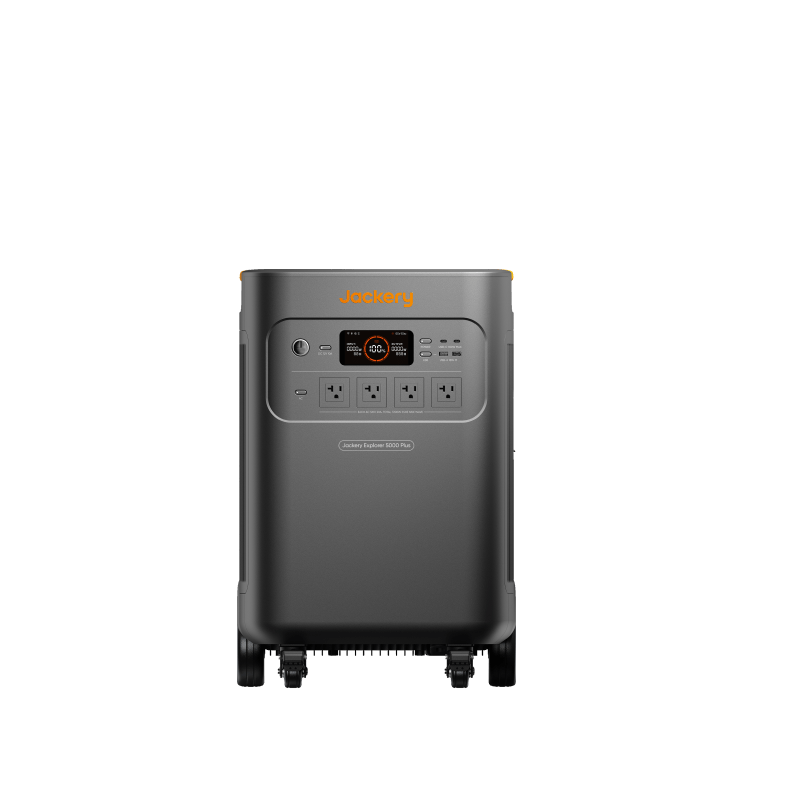
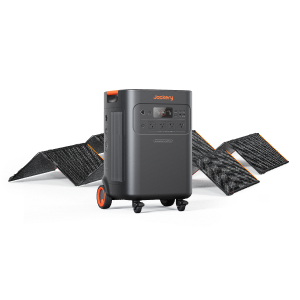
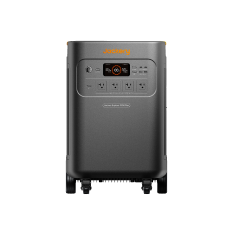
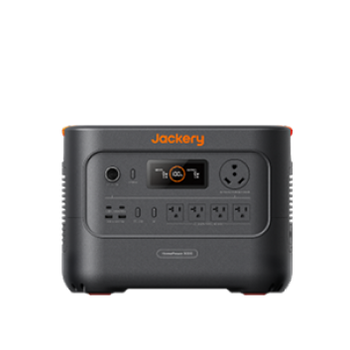
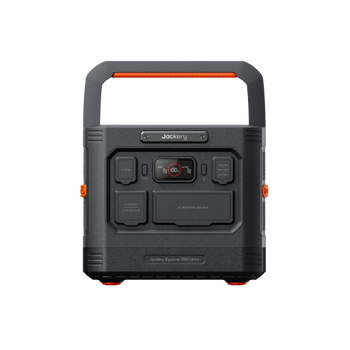
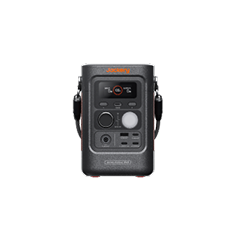
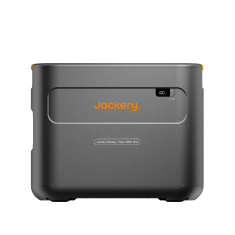
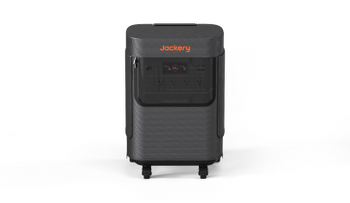
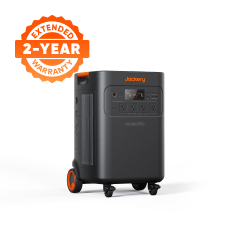
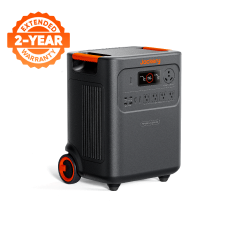
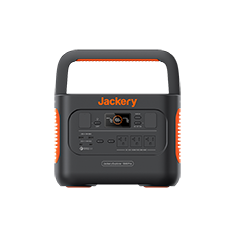
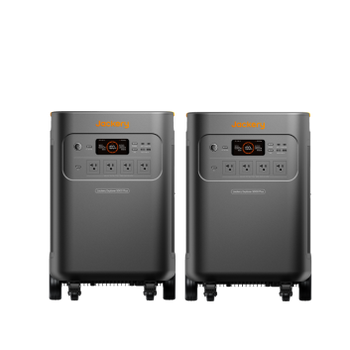
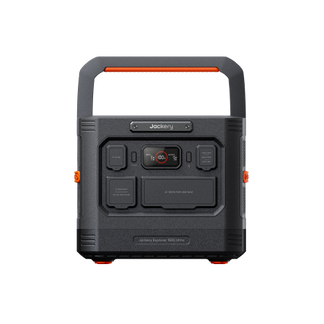
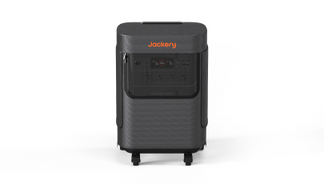
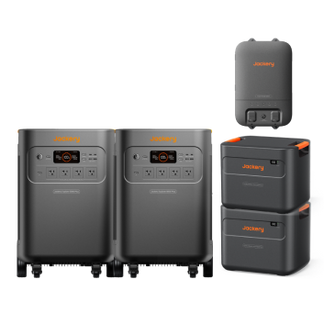
As the greenhouse expands, he’s considering the Jackery Explorer 5000 Plus, a clean upgrade that aligns with his existing system. The goal isn’t to add complexity, it’s to maintain predictability as scale increases.
He’s careful to emphasize that batteries are not the first solution. Passive design comes first. Insulation. Water. Smart layouts.
Power is there to support good systems, not replace them.

What Stays Running When Conditions Change
When asked to describe his Jackery experience in three words, Robert chooses carefully: reliable, modular, empowering.
Not dramatic. Not exaggerated.
Just accurate.
On a farm where systems overlap soil, water, plants, animals, and people, electricity becomes part of the ecosystem. Something to understand, manage, and teach.
And for Robert Grey, that might be the most valuable harvest of all.