




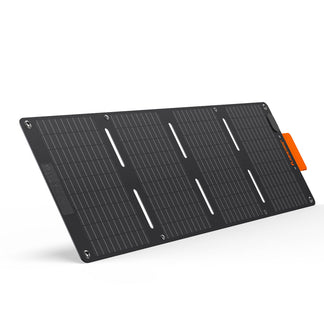
![[Add-on] Jackery SolarSaga 500 X - Jackery](http://www.jackery.com/cdn/shop/files/add-on-jackery-solarsaga-500-x-1493607.webp?v=1786503068&width=324)
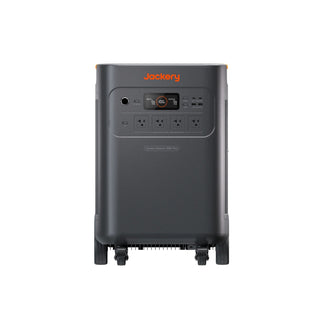
![[Add-on] Jackery Battery Pack 5000 Plus - Jackery](http://www.jackery.com/cdn/shop/files/add-on-jackery-battery-pack-5000-plus-6713401.webp?v=1786503068&width=324)




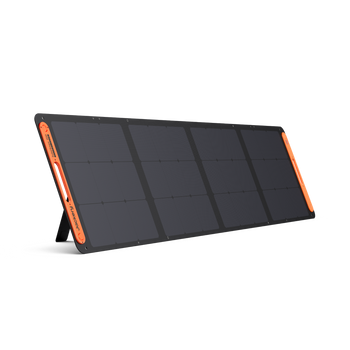
![[Add - on] SolarSaga 200W - Jackery](http://www.jackery.com/cdn/shop/files/add-on-solarsaga-200w-4834329.png?v=1754016915&width=324)


Quick Answer: A 12V compressor fridge provides true refrigeration without ice, drawing 45–60W average and consuming 240–600 Wh daily (0.24–0.6 kWh) for typical 40–45L models. Portable units keep food safe at 32–40°F for days using a vehicle battery or portable power station—ideal for camping, overlanding, and RV trips. Unlike ice coolers, compressor fridges maintain consistent temperatures without soggy food or daily ice runs, and cool from 77°F to 32°F in as little as 15 minutes.
Key Takeaways:
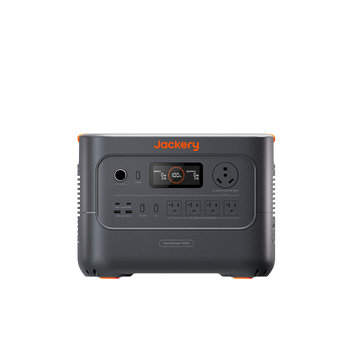
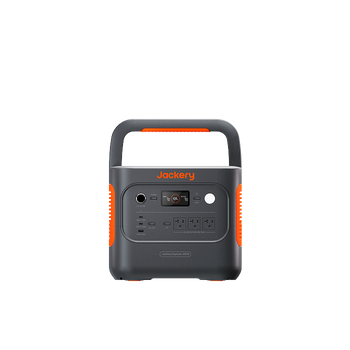
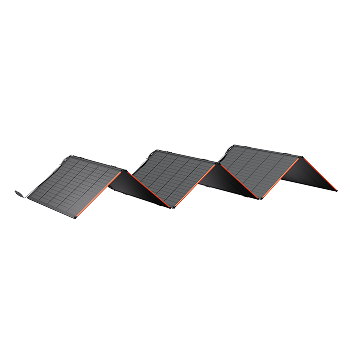
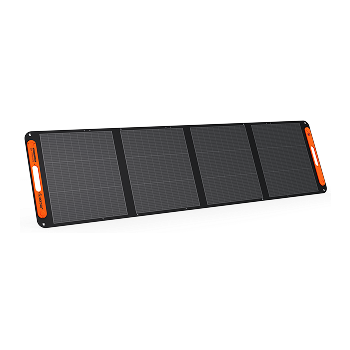
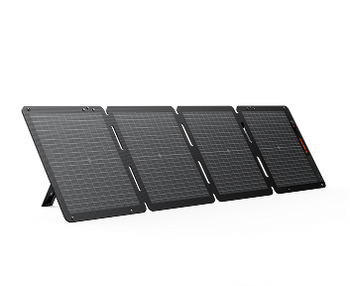
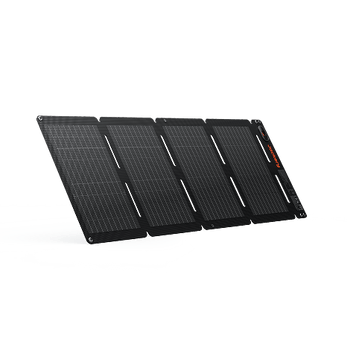
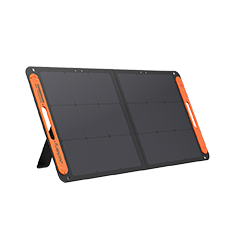
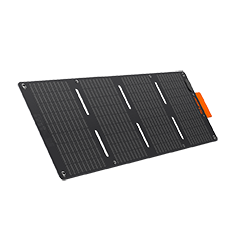
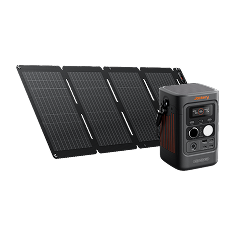
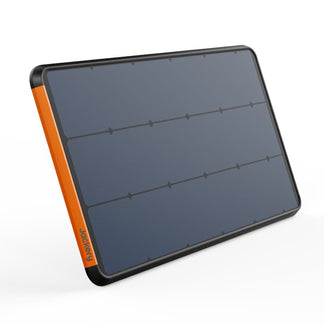
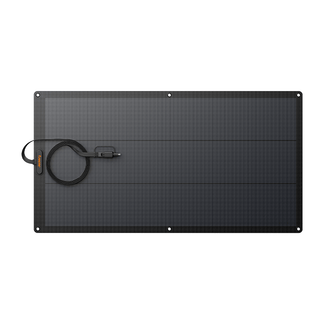
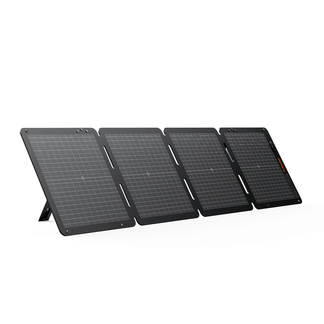
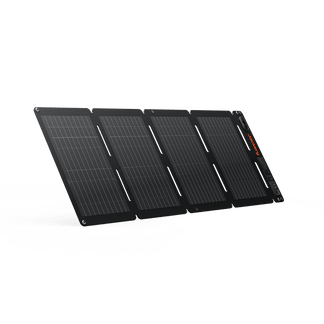
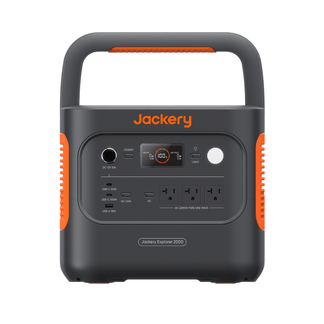
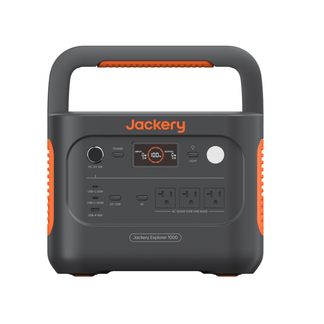
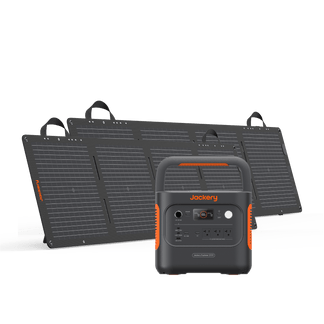
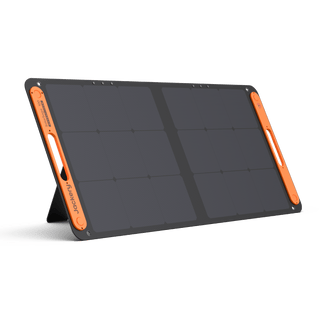
- Power consumption of a 12V fridge (45–60W, 240–600 Wh/day) is manageable off-grid with a portable power station like the Jackery Explorer 2000 v2 or Jackery Explorer 1000 v2 paired with two SolarSaga 100W solar panels (providing 200W total), creating a reliable power loop for extended off-grid use.
- Battery protection with three voltage thresholds prevents draining the vehicle starting battery; monitor voltage and keep above 12.1V under load.
- LiFePO4 battery upgrade is strongly advised for boondocking, as standard lead-acid batteries deplete in less than a day without shore power.
- Solar pairing with 200W of panels can recharge a 1,000Wh power station in 5–8 hours of good sun, creating a self-sustaining loop for indefinite off-grid use.
- Temperature stability in high heat (over 100°F) is better than propane absorption units; adjust thermostat upward after the first day to avoid freezing vegetables.
How does a 12V fridge compare to a traditional ice cooler?
A 12V compressor fridge eliminates the mess and hassle of ice. It holds food at a consistent 32–40°F without melting ice, so you never deal with soggy sandwiches or daily ice purchases that can add $5–$15 per trip. The compressor cools fast—some models drop from 77°F to 32°F in 15 minutes—while an ice cooler relies on pre-chilled contents and a block of ice that’s already losing the battle the moment you leave the driveway.
- More usable space: Removing ice blocks and meltwater frees up 20–30% more storage volume.
- Precise temperature control: A digital thermostat lets you set an exact target, not just “cold enough.”
- No leveling required: Holds temperature on uneven terrain, unlike propane absorption units.
The trade-off is upfront cost and power draw. But if you camp more than a handful of weekends a year, the convenience and food safety pay for themselves quickly. No more draining water, no more floating cheese.
What size 12V fridge do I need for camping or RV use?
For most campers, a 40–45 quart single-zone unit is the sweet spot, handling food for two people over 3–5 days; use the table to match your specific trip needs.
Trip Type |
Recommended Capacity |
Typical Power Draw |
Best For |
Solo / weekend |
20–35 quarts |
35–45W |
Small vehicles, day trips, supplement to a cooler |
Couple / 3–5 days |
40–45 quarts |
45–55W |
Balanced capacity for a long weekend without resupply |
Family / extended overlanding |
50–60 quarts (dual-zone) |
55–65W |
Separate fridge and freezer compartments |
Dedicated drinks cooler |
20–25 quarts |
35–45W |
Extra cold storage alongside a larger fridge |
Compact 20–25 quart models sit easily behind a seat and draw only 35–45W, making them a smart choice as a secondary drinks fridge. Dual-zone 50–60 quart fridges give you a freezer compartment for meat and ice cream, but they demand more power and cargo space.
Before you buy, measure your vehicle. Most fridges need 20–24 inches of width and 15–18 inches of height. The lid needs clearance to open fully. A reversible lid hinge can save you from a headache when the only spot that fits forces the door to swing the wrong way.
How much power does a 12V fridge actually use off-grid?
A 12V compressor fridge typically draws 240–600 Wh per day for a 40–45L unit, because the compressor cycles on and off rather than running continuously. Key power characteristics:
- ECO mode: Slows compressor to below 45W, extending runtime 30–50% vs. MAX mode.
- Startup surge: 80–120W for 2–5 seconds each time the compressor kicks on—your power source must handle that spike.
Here’s what daily consumption looks like in practice:
Ambient Temperature |
Thermostat Setting |
Daily Energy Use (40L fridge) |
70°F (21°C) |
36°F (2°C) |
240–350 Wh |
85°F (29°C) |
36°F (2°C) |
350–500 Wh |
100°F (38°C) |
36°F (2°C) |
500–600 Wh |
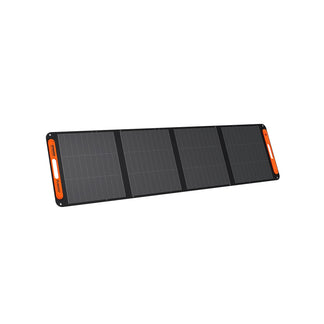
Solar can fully offset that load. A single 200W panel (or a pair of 100W panels) in good sun often produces enough to run the fridge during daylight and recharge a battery for overnight use. That’s the core of a self-sustaining setup—no generator, no shore power, no ice. For a deeper look at sizing a solar generator to match your fridge and other gear, see what size solar generator you need.
What features should I look for in a 12V fridge?
The most critical features for off-grid reliability are a battery protection system, dual power input, thick insulation, and a precise digital thermostat.
- Battery protection system. Three selectable voltage thresholds automatically shut off the fridge before it drains your starting battery. Set the cutoff to at least 12.1V under load—lower than that and you risk a no-start situation in the morning. This is non-negotiable for boondocking.
- Dual power input. 12V DC for the vehicle and 120V AC for shore power at campsites or RV parks. Seamless switching means you don’t have to think about it.
- Insulation quality. Thick walls and a good lid seal determine how long the fridge holds temperature after power loss. Premium units maintain safe temperatures for 4–8 hours without power. That’s your buffer if a cloud bank kills solar production for an afternoon.
- Digital thermostat with 1-degree precision. Some models add Bluetooth app control, so you can check and adjust temperatures from inside your tent or the driver’s seat.
- Reversible lid hinge. When cargo space is tight, being able to open the lid from either side matters more than you’d think.
How do I power a 12V fridge for extended off-grid trips?
The math is straightforward—a 40L fridge uses about 400 Wh per day.
- 1,000 Wh portable power station: roughly 2 days (accounting for inverter losses and temperature swings).
- 2,000 Wh unit: 3–4 days.
- Add a solar panel: stay out indefinitely.
A LiFePO4 battery upgrade is strongly recommended. Standard flooded lead-acid batteries—even two in parallel—often won’t last overnight without shore power. LiFePO4 handles deeper discharges, charges faster, and lasts 3,000–5,000 cycles. For a complete comparison of portable power stations versus built-in RV generators, read this guide to RV power setups.
Ventilation matters. Compressor vents need airflow. If you bury the fridge in a sealed compartment or park in direct sun, heat buildup forces longer run times and higher consumption. Give it breathing room.
Limitations / What to Know Before
A 12V fridge is a real investment, and there are trade-offs to consider:
- Cost: Quality units cost $400–$1,200, compared to $30–$150 for a basic ice cooler. That gap closes over multiple trips—no more ice runs, no ruined food—but the upfront cost is real.
- Battery drain: The biggest risk. If you plug directly into a vehicle battery without protection, you’ll wake up to a dead truck. Always use the built-in voltage monitor and set a safe cutoff. Even with protection, don’t expect a single lead-acid battery to carry you through a full day without driving or solar.
- Noise: Compressor hum runs 40–45 dB—about the level of a quiet conversation. In a tent or small camper, you’ll hear it at night. Most users adjust within a day.
- Weight and bulk: A 45-quart model weighs 30–50 pounds. Secure it with tie-downs so it doesn’t become a projectile on rough roads.
- Freezing risk: Counterintuitively, vegetables pressed against the cold plate can freeze even at a 36°F setting. Turn the thermostat up after the first day and check.
Product Recommendation: Jackery Portable Power Stations
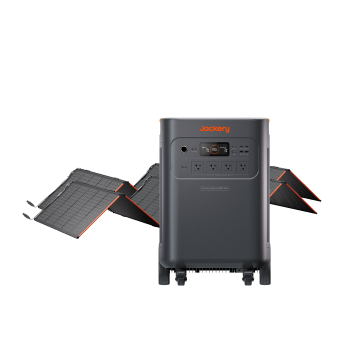
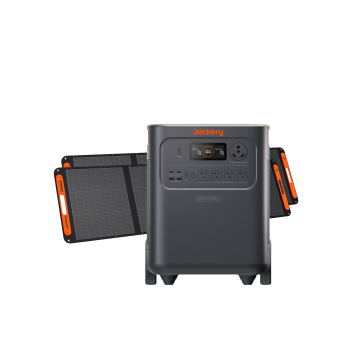
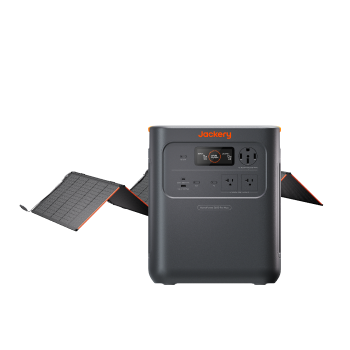
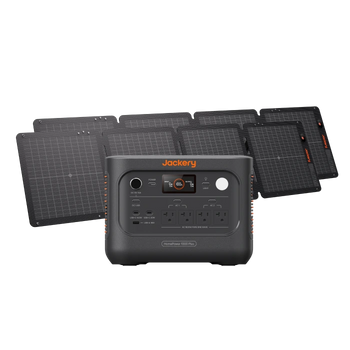
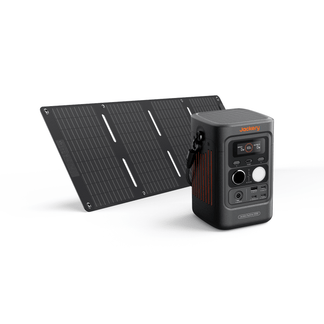
Pairing a 12V fridge with a portable power station and solar panels creates a self-contained off-grid cooling system. Two Jackery setups cover most camping and overlanding needs.
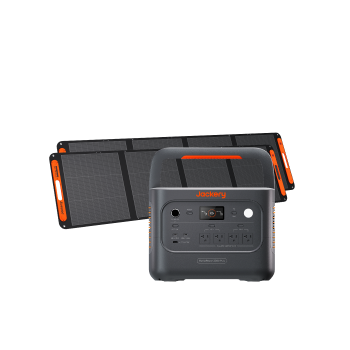
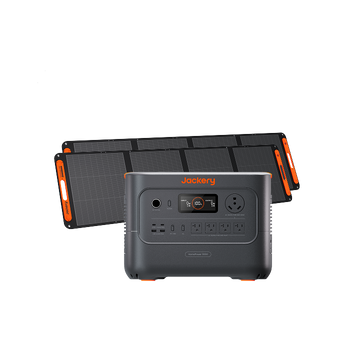
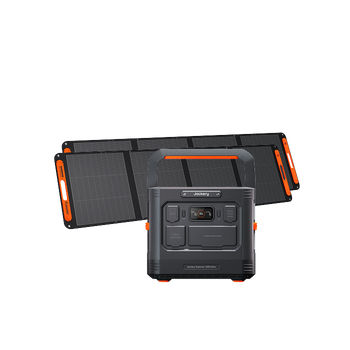
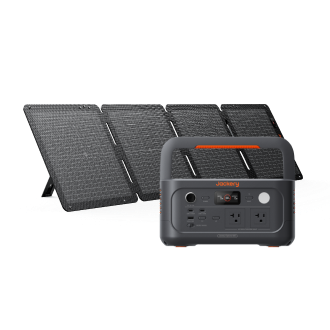
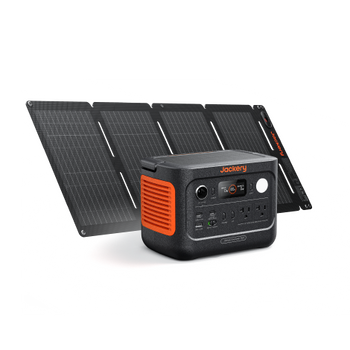
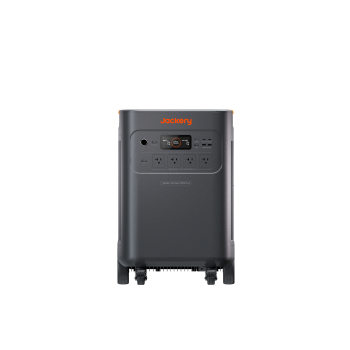
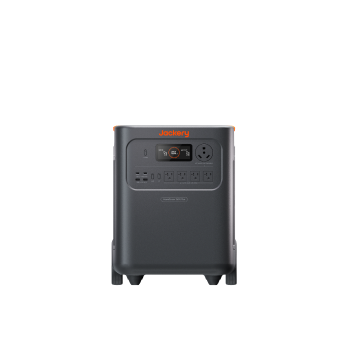
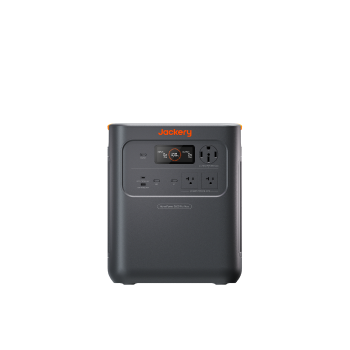
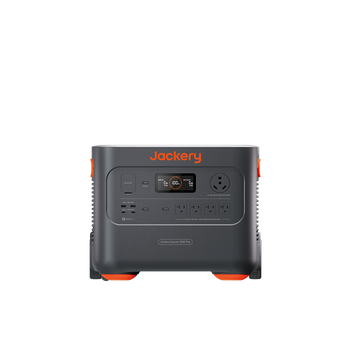
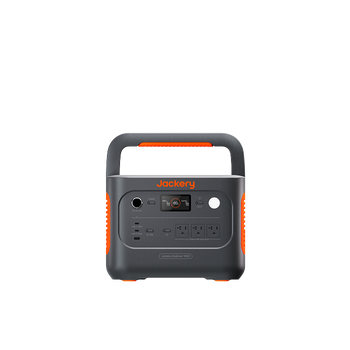
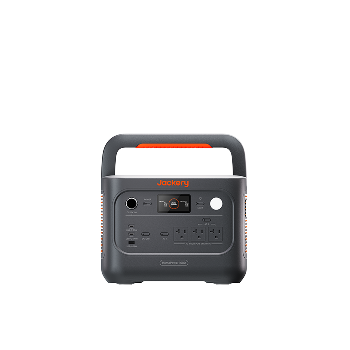
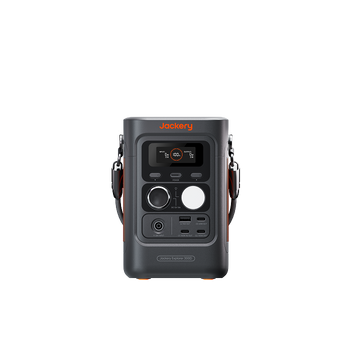
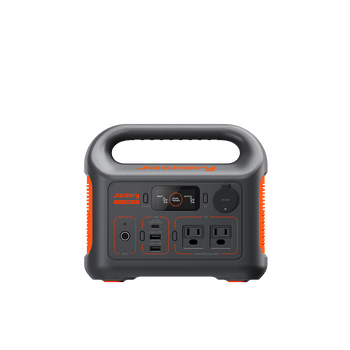
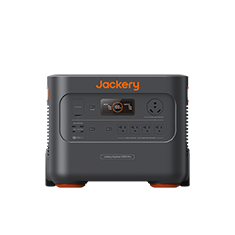
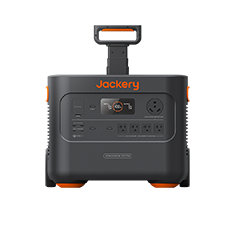
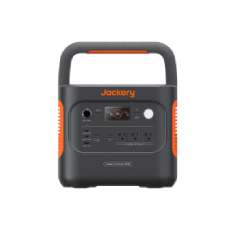
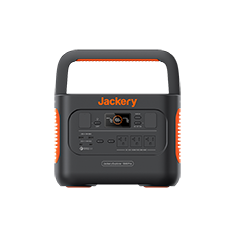
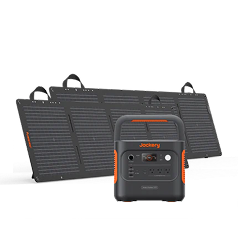
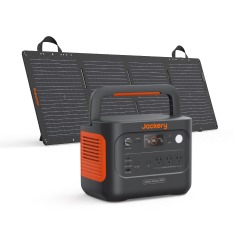
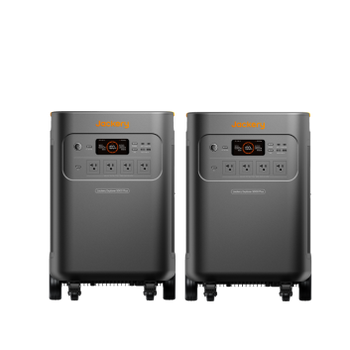
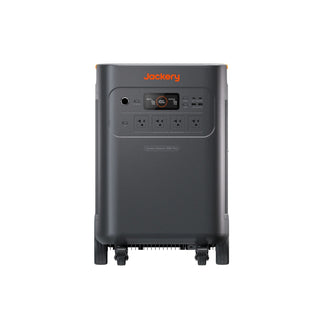
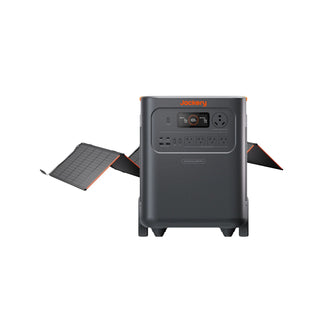
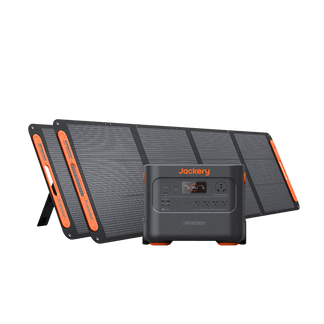
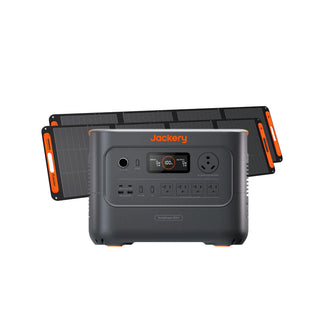
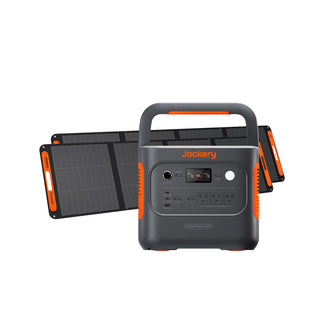
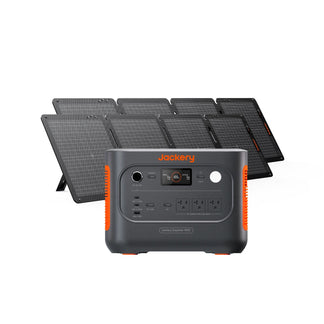
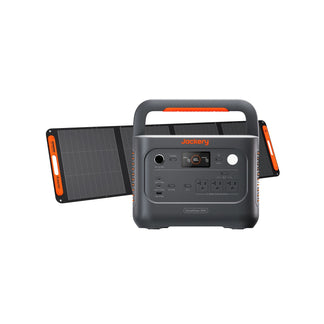
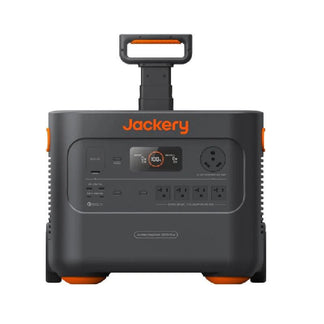
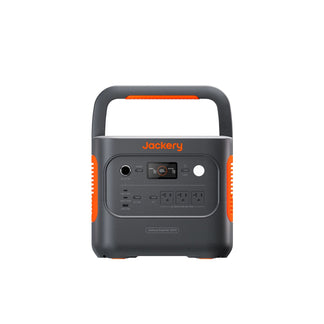
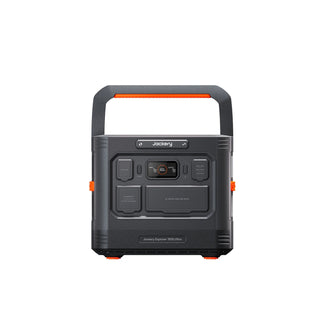
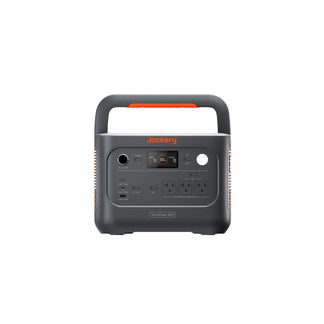
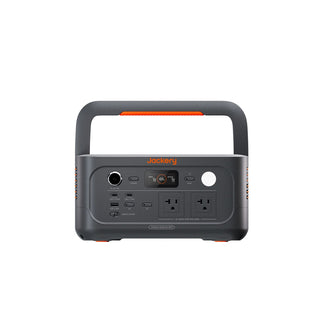
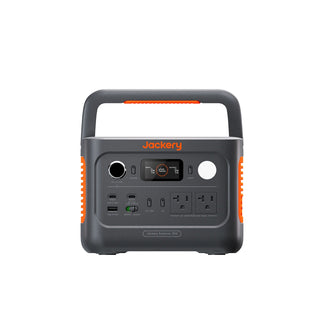
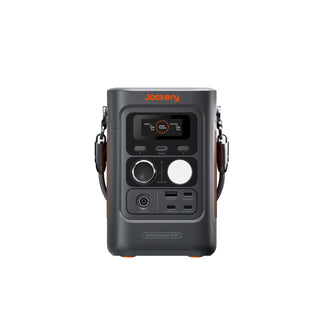
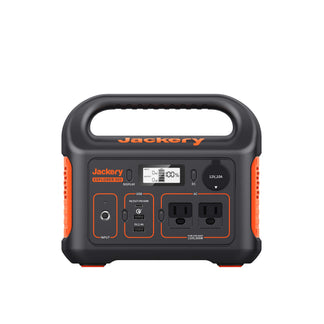
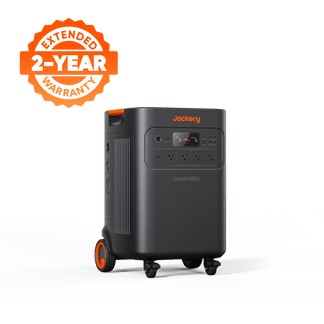
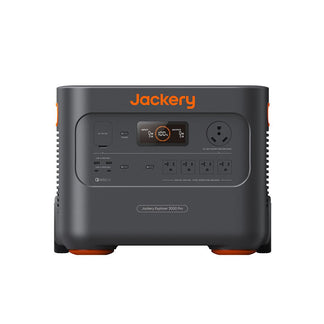
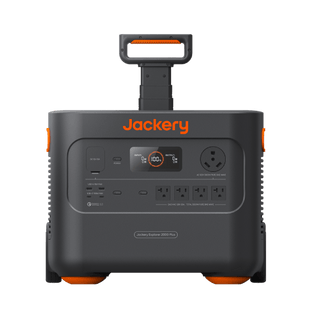
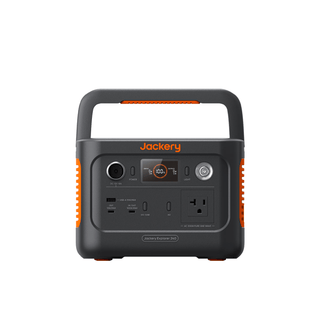
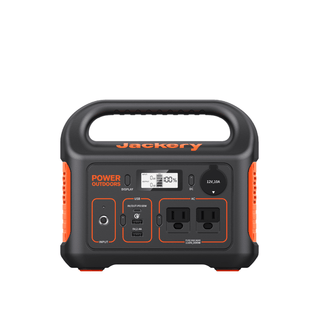
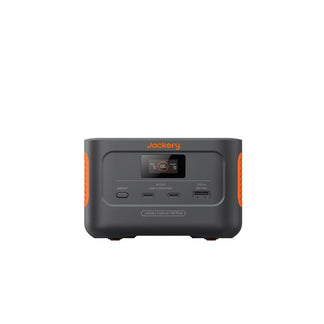
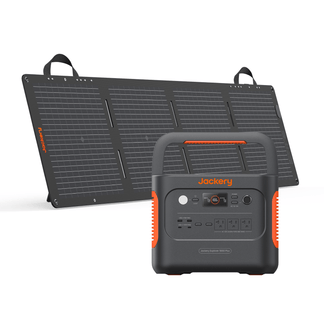
Jackery Explorer 2000 v2 + two SolarSaga 100W solar panels
- Capacity: 2,042 Wh LiFePO4, delivering the 3–4 days of fridge runtime described above.
- Recharge: Using the 200W solar loop, recharges in the same 5–8 hours of good sun.
- Extra capability: AC outlets can power a microwave or coffee maker alongside the fridge, making it a full camp kitchen solution.
For an overview of what a Jackery can power beyond just a fridge, see this guide to Jackery use cases.
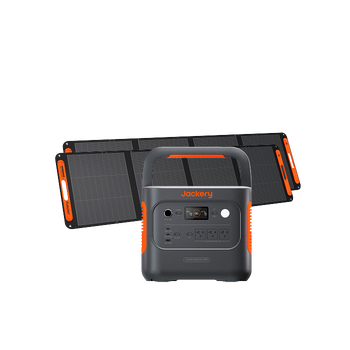
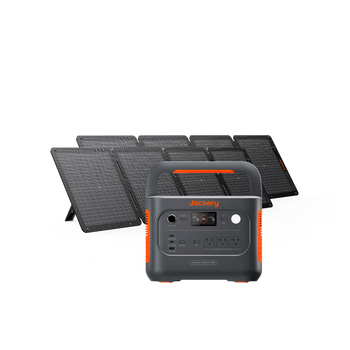
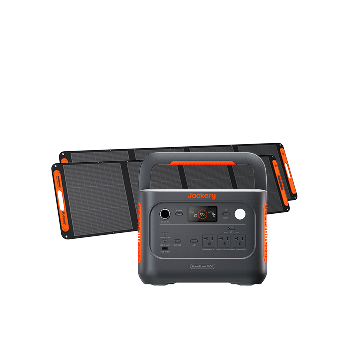
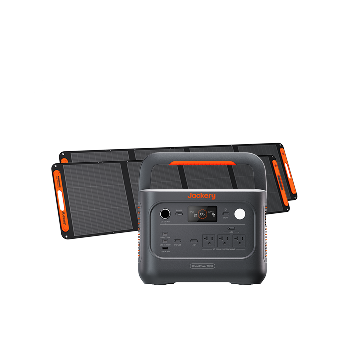
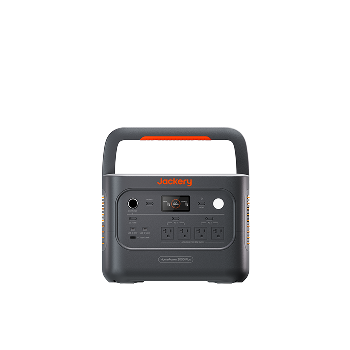
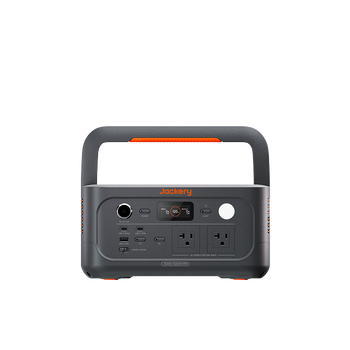
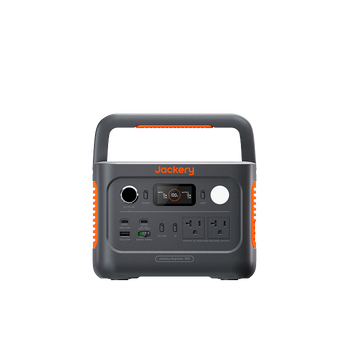
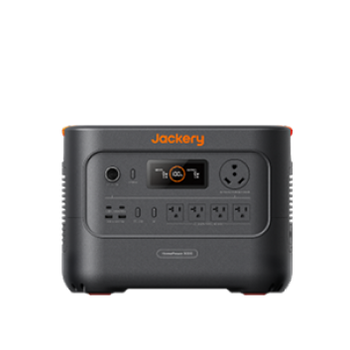
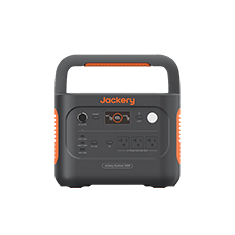
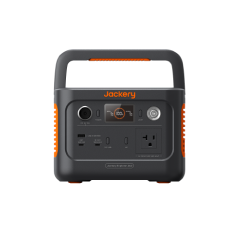
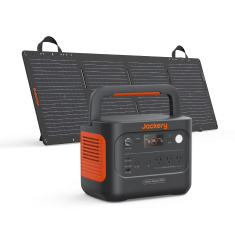
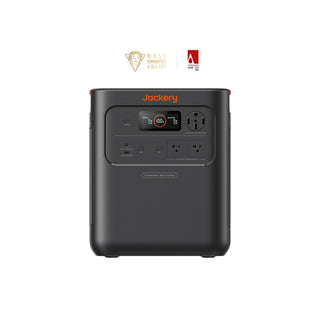
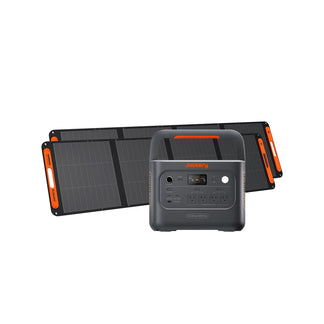
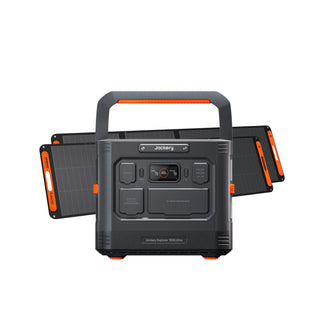
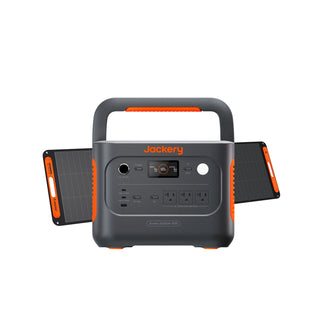
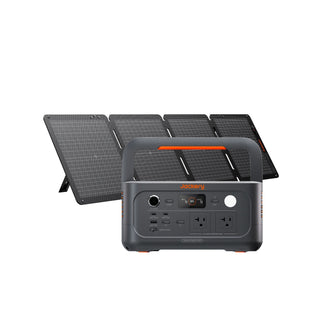
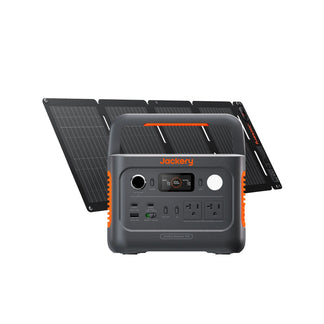
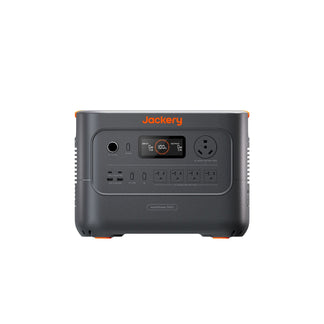
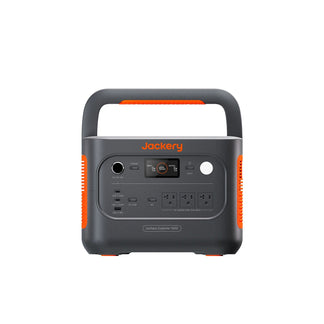
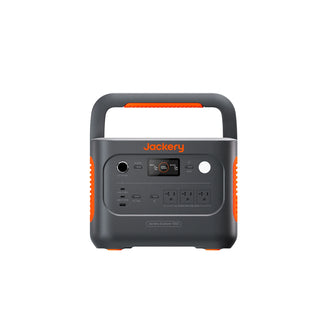
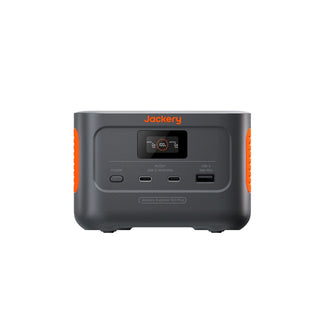
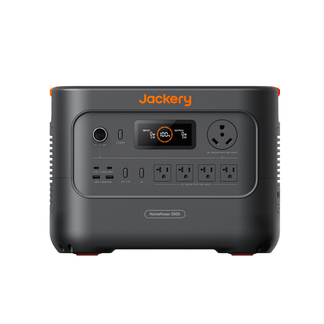
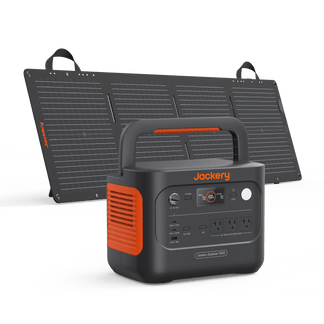
Jackery Explorer 1000 v2 + two SolarSaga 100W solar panels
- Capacity: 1,070 Wh LiFePO4, providing the expected 1.5–2 days of fridge runtime.
- Recharge: Same 5–8 hour solar recharge with the two 100W panels.
- Portability: ~24 lbs, easy to carry and fits smaller vehicles. Also supports phone charging, LED lights, and a fan. Ideal for weekend trips.
If you’re new to solar generators, what is a solar generator explains the technology behind these units.
Feature |
Explorer 2000 v2 |
Explorer 1000 v2 |
Battery capacity |
2,042 Wh |
1,070 Wh |
Battery chemistry |
LiFePO4 (4,000+ cycles) |
LiFePO4 (4,000+ cycles) |
AC output (continuous) |
2,200W |
1,500W |
Solar input max |
400W |
400W |
Weight |
~39.5 lbs |
~24 lbs |
Best for |
Extended trips, multi-device use |
Weekends, lightweight setups |
Frequently Asked Questions (FAQ)
Can I use a 12V fridge as a freezer?
Yes, many models can freeze food by setting the thermostat below 32°F, but this increases power consumption by 30–50%.
How do I prevent condensation inside my 12V fridge?
Keep the lid closed as much as possible and avoid storing warm, uncovered liquids that release moisture into the air.
Can I leave my 12V fridge running unattended for days?
Yes, as long as it’s connected to a reliable power source with battery protection enabled to prevent deep discharge.
What maintenance does a 12V compressor fridge require?
Clean the condenser vents every few months with a soft brush and check the lid seal for debris or wear.
How do I safely clean the interior of my 12V fridge?
Wipe down with a mild soap and water solution, then dry thoroughly before restarting to prevent mold and odors.
