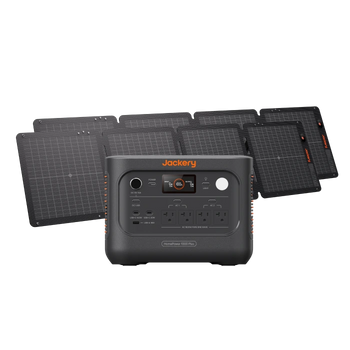
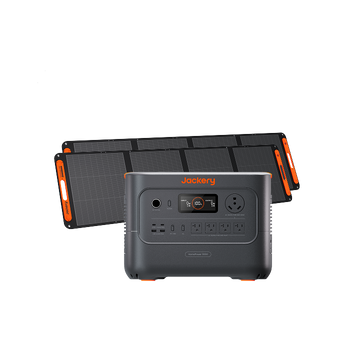
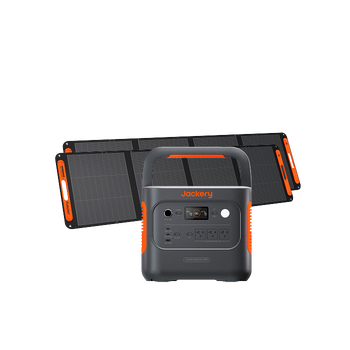
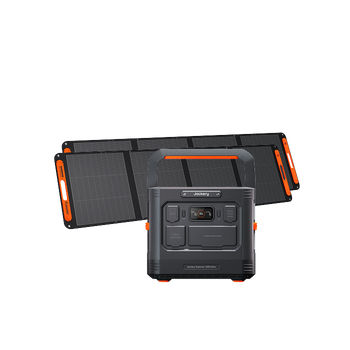
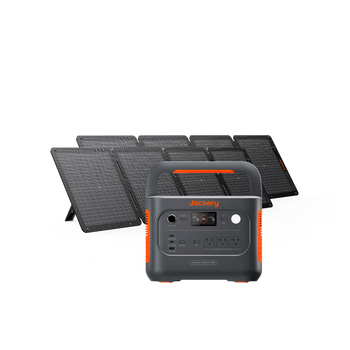
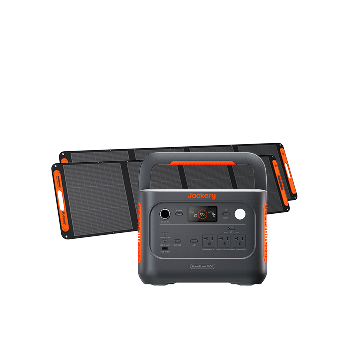
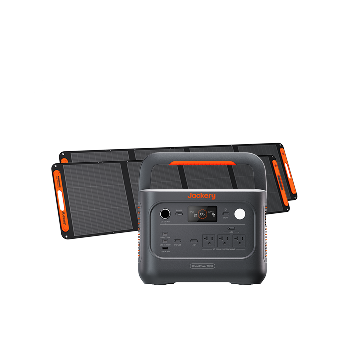
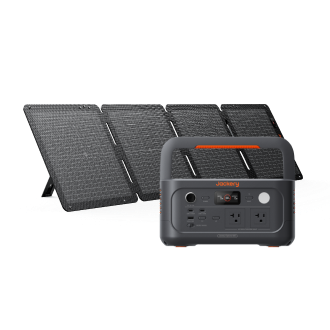
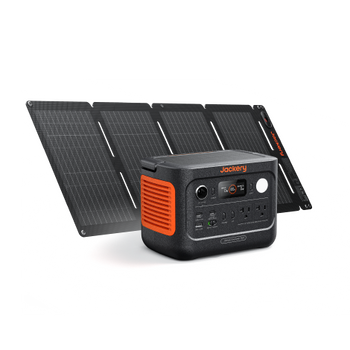

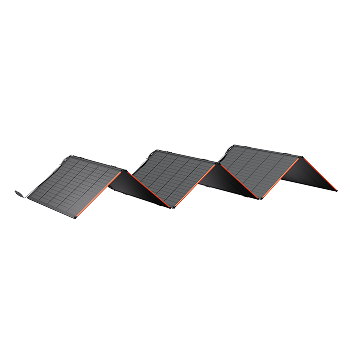
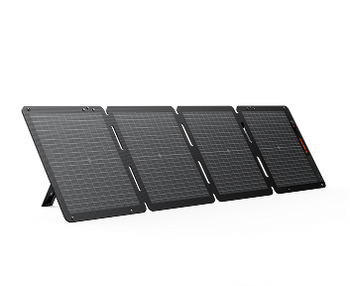






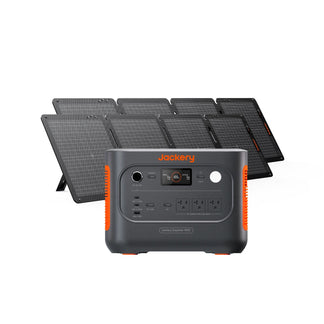
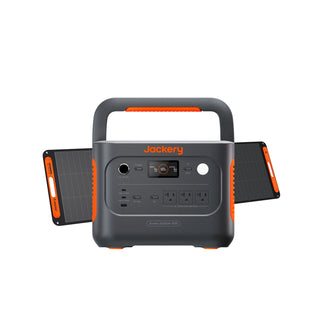
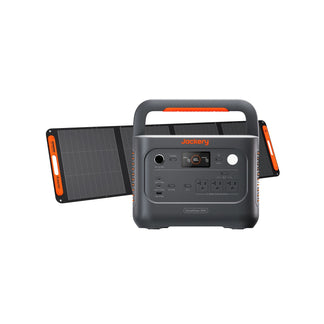
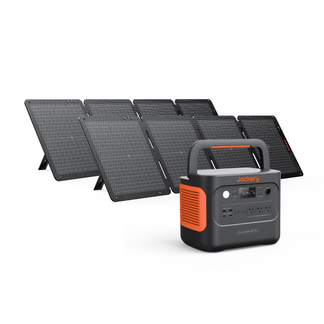
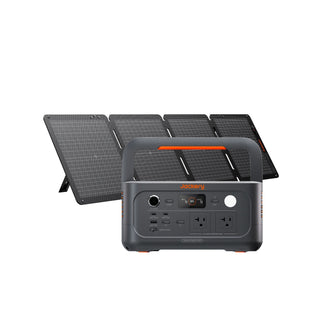
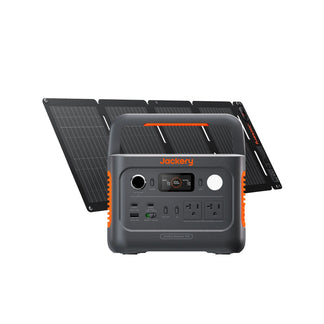

![[Add-on] Jackery SolarSaga 500 X - Jackery](http://www.jackery.com/cdn/shop/files/add-on-jackery-solarsaga-500-x-1493607.webp?v=1786503068&width=324)
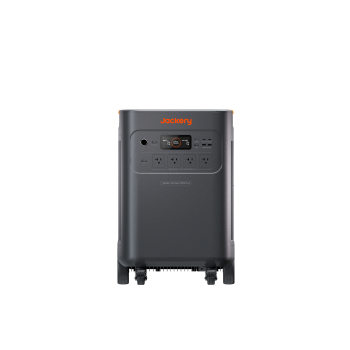
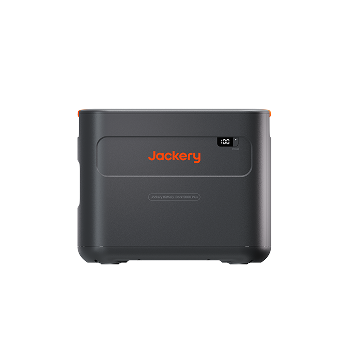
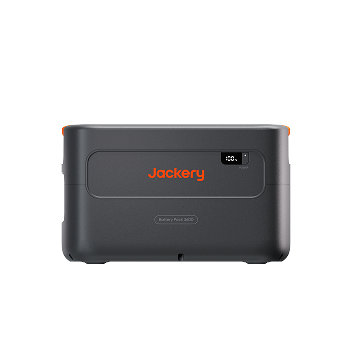
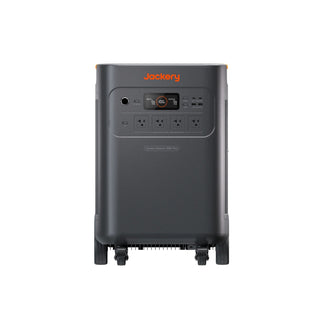
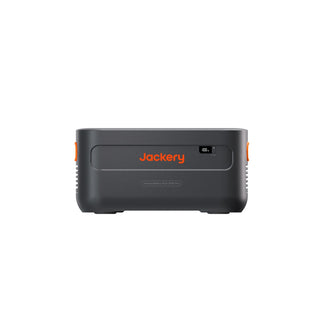
![[Add-on] Jackery Battery Pack 5000 Plus - Jackery](http://www.jackery.com/cdn/shop/files/add-on-jackery-battery-pack-5000-plus-6713401.webp?v=1786503068&width=324)





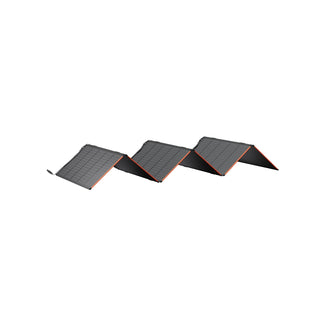
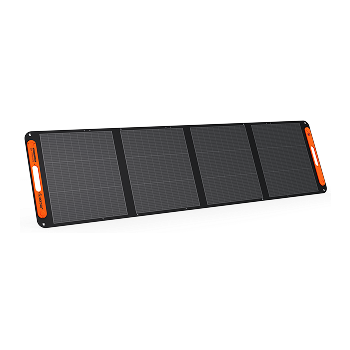
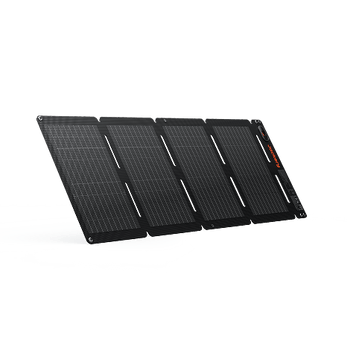
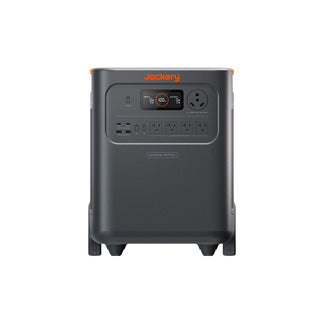
![[Add - on] SolarSaga 200W - Jackery](http://www.jackery.com/cdn/shop/files/add-on-solarsaga-200w-4834329.png?v=1754016915&width=324)


Quick Answer: A 1000W power station delivers enough clean, silent electricity to run a TV, sound system, mini-fridge, and phone chargers for a full tailgate day. Modern LiFePO4 models offer 1,000+ Wh capacity, recharge via solar or wall outlets, and produce zero fumes, complying with stadium gas-generator bans.
Key Takeaways
- Blender startup surges are the #1 failure point for 1000W stations — a 700W blender can spike to 1,400W, requiring a station with at least 1,800W surge capacity to avoid inverter trips.
- LiFePO4 batteries provide 3,000–4,000 charge cycles, lasting 10+ years of weekly tailgates, while NMC batteries degrade after only 500 cycles.
- Thermal throttling occurs when stations sit in direct sun on hot asphalt — always place the unit under a canopy to maintain peak output.
- AC charging before departure is the only reliable method for single-day tailgates — solar panels require 5–10 hours of direct sun to fully recharge.
What Size Power Station Do You Need for Tailgating?
A 1000W power station covers small to medium tailgates (2–8 people), but large setups with electric grills or DJ gear demand 2,000W+.
- Small setup (2–4 people): Phones, Bluetooth speaker, 12V cooler — draws 500–1,000W.
- Medium setup (4–8 people): 40-inch TV, sound bar, mini-fridge, string lights — pulls 1,000–2,000W and can run 1–2 hours on a 1,000Wh battery.
- Large setup (8+ people): Electric grills, multiple TVs, DJ gear — demands 2,000–3,500W, well beyond a single 1000W power station.
Surge power matters just as much as running watts. A mini-fridge compressor can spike to 200W for 2–3 seconds when cycling on, and an electric grill may draw 2–3x its rated wattage at startup. Always choose a station with at least 30% higher surge rating than your largest appliance’s startup draw.
Tailgate Size |
Typical Devices |
Continuous Power |
Recommended Surge Rating |
Runtime on 1,000Wh |
Small (2–4 people) |
Phone chargers, Bluetooth speaker, 12V cooler |
200–400W |
600W+ |
2–4 hours |
Medium (4–8 people) |
40" TV, sound bar, mini-fridge, string lights |
500–800W |
1,200–1,800W |
1–1.7 hours |
Large (8+ people) |
Electric grill, multiple TVs, DJ equipment |
1,500–3,500W |
3,000W+ |
Requires 2,000+Wh |
Battery capacity determines runtime. A 1,000Wh station runs a 100W TV for roughly 8–10 hours, but adding a mini-fridge and sound bar cuts that to 4–5 hours. For more on sizing a solar generator to match your specific loads, see our guide on what size solar generator you need.
Why Choose a Portable Power Station Over a Gas Generator?
For tailgating, a portable power station beats a gas generator on noise, fumes, and legality. Battery power stations run silent and produce zero exhaust, making them legal in stadium lots where noise ordinances and fire codes ban gas units. You press one button and get power instantly — no pull cords, choke levers, or warm-up time.
No fuel management means no trips to the gas station, no fuel stabilizer, and no risk of spilling gasoline on your tailgate setup or vehicle. The station charges from any wall outlet at home the night before, and you can extend runtime indefinitely with portable solar panels.
Cost tells a similar story over time. A quality LiFePO4 battery lasts 10+ years with zero fuel costs, oil changes, or spark plug replacements. Compare that to a gas generator that needs fuel every few hours, annual maintenance, and eventual replacement. For a deeper look at how battery-based units compare to traditional generators for home use, check out our article on electric generators for home backup.
How to Calculate Your Tailgate Power Requirements
Calculate your total watt-hours by multiplying each device's running watts by hours used, then add a 20–30% buffer for surge loads. A typical medium tailgate: 60W TV, 30W sound bar, 80W mini-fridge, and 20W string lights total 190W continuous. Add a 20–30% safety buffer for surge loads — that mini-fridge compressor will spike to 200W for a moment.
The formula:
(Running Watts × Hours Used) ÷ 1,000 = Daily kWh
Example: 190W × 6 hours = 1,140Wh, or 1.14kWh. A 1,000Wh station falls slightly short of this demand — consider a larger unit or manage runtime by occasionally turning off the fridge.
Check device labels for actual wattage — most appliances print it on a sticker near the power cord. Don’t guess. Prioritize pure sine wave inverters; they deliver clean power that protects sensitive electronics like TVs, laptops, and game consoles from damage. For broader guidance on sizing a generator for household appliances, see what size generator you need to run a house.
What Battery Technology Delivers the Best Tailgate Experience?
LiFePO4 (lithium iron phosphate) batteries are the standard for portable power stations in 2026.
- LiFePO4 batteries deliver 3,000–4,000 charge cycles before degrading to 80% capacity — roughly 10 years of weekly tailgates. Older NMC lithium-ion cells degrade after only 500 cycles and carry a higher fire risk.
- Safety: No thermal runaway even if the battery is punctured or overheated in a hot parking lot.
- Usable capacity: 80–93% of rated watt-hours due to inverter and system losses, so a 1,000Wh station delivers roughly 850–930Wh at the outlets.
- Fast AC recharging: Most 1000W stations go from empty to 80% in 60–90 minutes, letting you top up between morning and afternoon games.
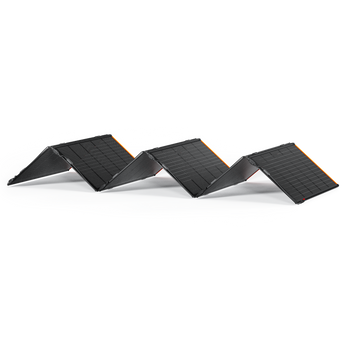
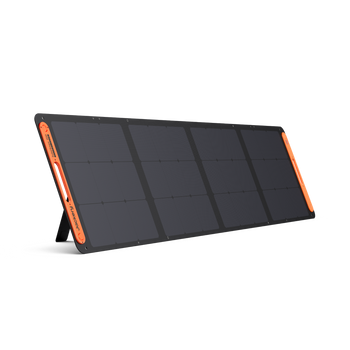
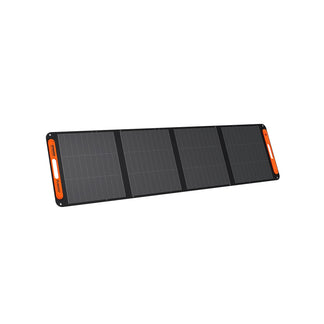
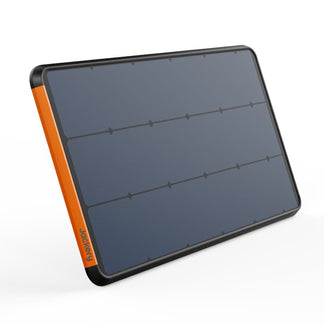
- Solar input: A 200W solar panel array can fully recharge a 1,000Wh station in 5–7 hours of direct sunlight.
How to Set Up Your Power Station for Game Day
- Place the station on a dry, level surface inside your tailgate tent or truck bed — never on wet grass or near open flames from grills.
- Use a surge-protected power strip to distribute power to multiple devices from a single AC outlet, preventing overload on any one port.
- Charge fully at home the night before so you arrive with 100% battery.
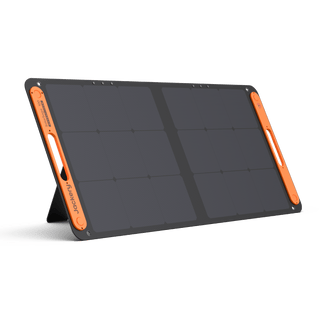
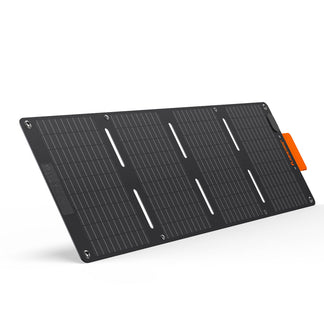
- Bring a 100W solar panel as a backup charging source for all-day events, positioning it facing south for maximum sun exposure.
- Check stadium rules before arriving: many venues now explicitly permit battery power stations while banning gas generators, but some limit total capacity to 2,000Wh.
For tips on building a reliable backup plan for critical appliances, read our guide on how to build a secure power backup for home appliances.
Limitations / What to Know Before You Buy
- Blender startup surges can trip a 1,500W inverter. Start the blender at low speed for 3 seconds before switching to high — this reduces the surge by roughly 30%.
- LCD screens on many units become unreadable in direct sunlight. You’ll need to shade the display with your hand to check battery levels.
- Heat throttling kicks in when internal battery temps exceed 113°F, reducing output by up to 25%. Always keep the station under a canopy or in shade.
- 12V port limitations prevent running high-draw appliances like blenders from the 12V outlet. The AC inverter must be active for those loads.
- Winter storage requires keeping LiFePO4 batteries above 32°F. Below freezing, the BMS will refuse to charge until the battery warms above 41°F.
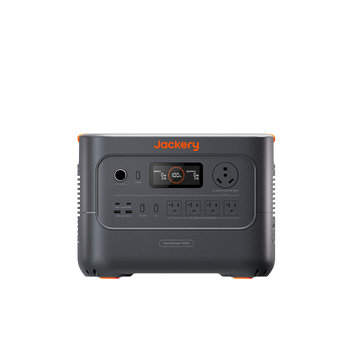
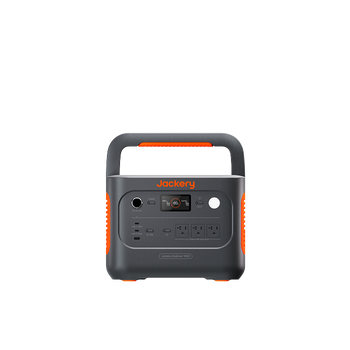
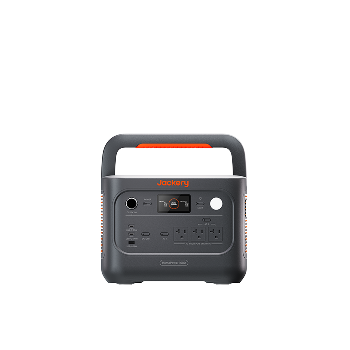
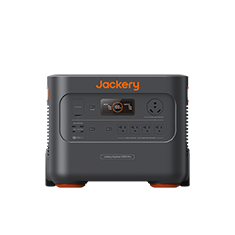
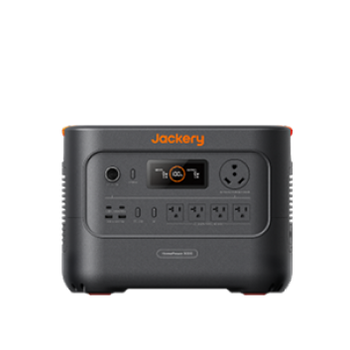
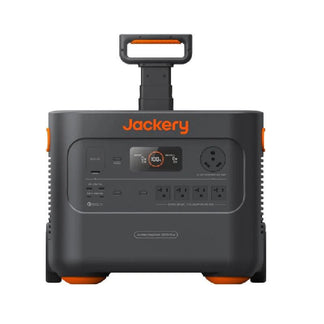
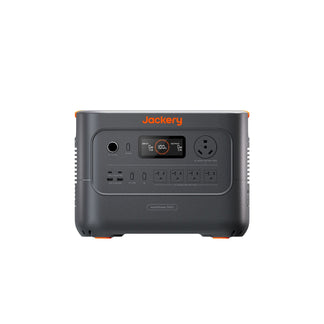
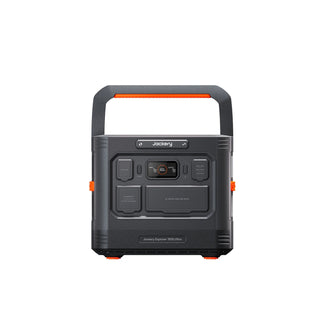
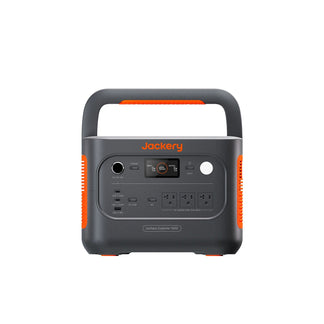
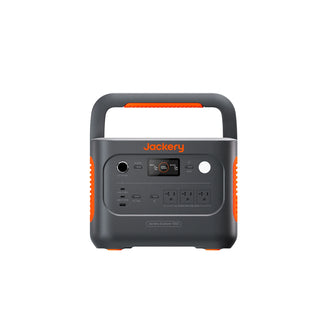
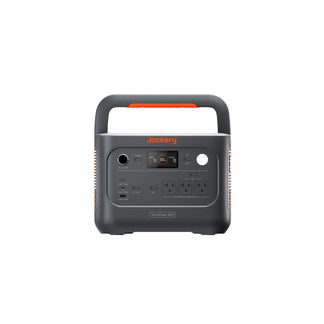
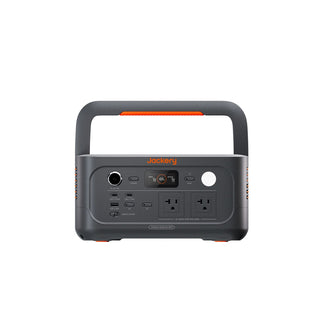
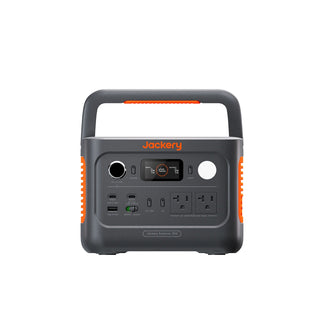
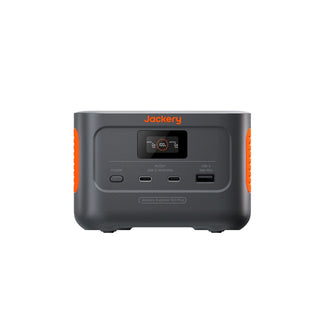
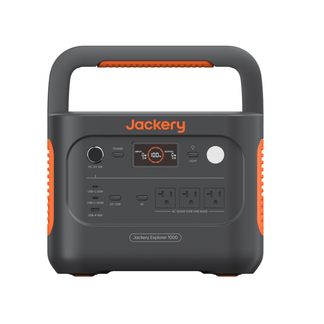
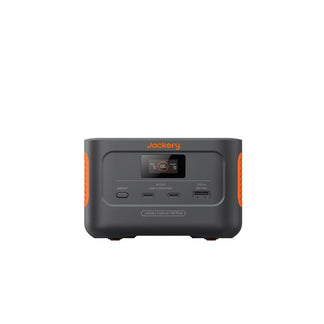
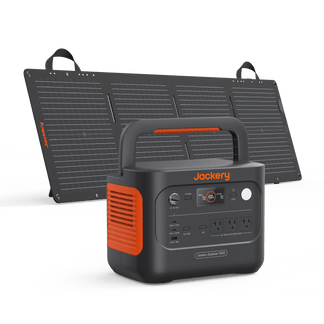
Product Recommendation: Jackery Explorer 1000 v2 Portable Power Station
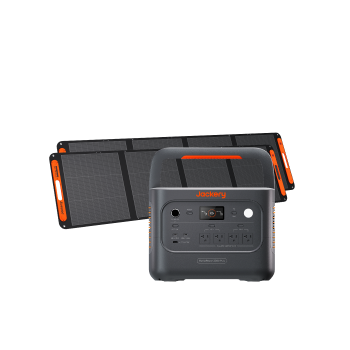
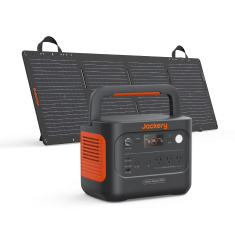
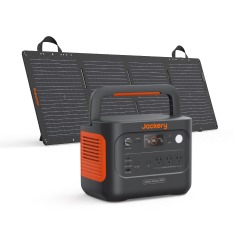
The Jackery Explorer 1000 v2 Portable Power Station uses LiFePO4 battery technology to power a 60W TV, 80W mini-fridge, and 30W sound bar for several hours. Its pure sine wave inverter handles startup surges from refrigerators and small electric grills, and the lightweight, portable design makes it easy to transport to any parking lot.
Feature |
Specification |
Key Benefit |
Battery Capacity |
1,070Wh |
Powers a TV, mini-fridge, and sound bar for 5+ hours (170W combined load) |
AC Output |
1,500W continuous, 3,000W surge |
Handles fridge and blender surges |
Battery Chemistry |
LiFePO4 |
3,000+ cycles, 10-year lifespan |
Recharge Time (AC) |
1.58 hours standard (1 hour Emergency Super Charging) |
Quick top-up between games |
Solar Input |
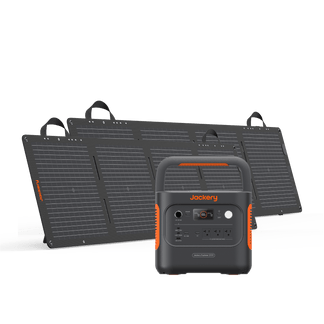
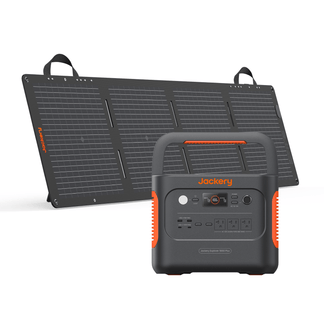
Up to 400W max (via 4x SolarSaga 100W panels) |
Full recharge in about 4 hours with 400W solar |
Weight |
23.8 lbs |
Easy one-person carry |
Surge management tip: start blenders at low speed for 3 seconds before switching to high to avoid tripping the inverter on startup spikes.
Frequently Asked Questions (FAQ)
Can I run a 12V cooler directly from the power station?
Yes, most 12V coolers draw 45–60W and run for 14–18 hours on a 1,000Wh station using the 12V port.
How do I know if my tailgate setup will trip the inverter?
Add the starting surge of your largest appliance to the running watts of everything else — if the total exceeds the station’s surge rating, it will trip.
What happens if it rains on my power station during a tailgate?
Most units have IP20 or IP21 splash resistance, but you should cover the AC outlets and never let water enter the vents or cooling fan.
Can I leave my power station plugged in overnight at home?
Yes, modern LiFePO4 units have built-in battery management systems that stop charging at 100% and prevent overcharging damage.
Should I run my power station down to zero before recharging?
No, LiFePO4 batteries last longest when kept between 20–80% charge — deep discharges to zero slightly reduce cycle life over time.


