







![[Add-on] Jackery SolarSaga 500 X - Jackery](http://www.jackery.com/cdn/shop/files/add-on-jackery-solarsaga-500-x-1493607.webp?v=1786503068&width=324)
![[Add-on] Jackery Battery Pack 5000 Plus - Jackery](http://www.jackery.com/cdn/shop/files/add-on-jackery-battery-pack-5000-plus-6713401.webp?v=1786503068&width=324)






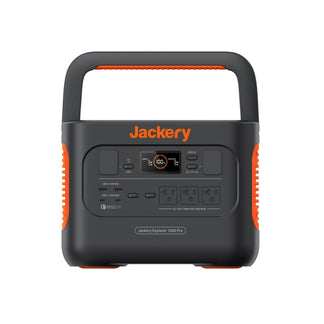
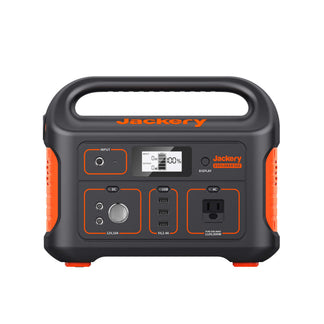
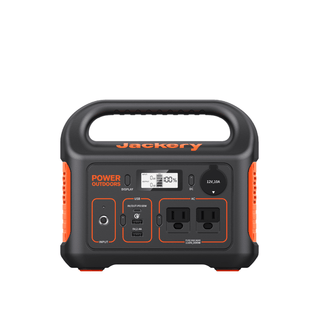
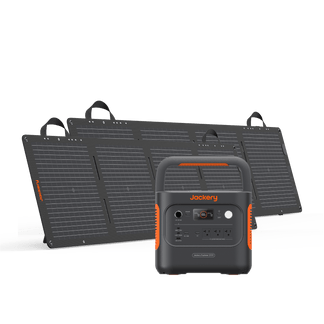


When a Category 2 hurricane makes landfall, the best backup power supply for your home isn't the one with the flashiest marketing sheet. It is the one that hums reliably when local gas stations are dark, roads are impassable, and you need to sleep through the storm with a critical medical device or refrigerator running safely.
Every year, severe storms expose the exact same weaknesses in emergency planning: fuel supplies dry up, loud generators violate neighborhood peace, and oversized climate loads instantly drain poorly planned battery systems. Preparing your household before June 1 requires moving away from panic-driven purchases and designing a resilient, layered backup strategy.
What Does Hurricane Season Teach Us About Emergency Power?
According to historical storm data, hurricane-induced blackouts expose critical vulnerabilities in standard, ad-hoc backup preparations:
- Sudden Fuel Scarcity: In the immediate aftermath of a major hurricane, gasoline becomes incredibly scarce. If you rely on a standard gasoline-only generator, you are betting that nearby stations have power, fuel reserves, and no 40-car lines.
- Severe Runtime Demands: Outages after major storms typically last 3 to 7 days, not a few hours. Sizing your system to meet only bare-minimum daily needs will leave you caught in a constant, stressful scramble to find fresh fuel or recharging sources.
- The Problem of Noise and Fumes: A standard open-frame generator roars at 70 to 80 decibels. You cannot run it indoors or on a wet balcony close to open windows without extreme carbon monoxide (CO) risks. Standalone battery generators for home operate silently with zero emissions, providing essential overnight safety.
- Climate Load Realities: A central AC compressor draws between 3,000W and 5,000W, which can deplete even a large battery bank in under an hour. A more realistic approach is to use your backup power to run a compact, 500-watt window AC in a single room, preserving your battery for other essentials.
- The Need for Simplicity: Under extreme storm stress, you need a system that works on the first attempt—featuring push-button startup, clear capacity displays, and zero complicated pull cords or carburetor troubleshooting.
How Do You Calculate Your Home’s Real-World Energy Needs?
To plan a reliable emergency power reserve, you must perform a precise load calculation before the storm season begins:
- Running vs. Starting Watts: Standard refrigerators run on roughly 150 Watts, but require a starting surge of 700 Watts to kick over the compressor motor. Sump pumps, well pumps, and AC fans can draw 2 to 3 times their rated running power for a few seconds at startup. Your inverter's surge rating must be sized to handle these initial inrush peaks.
- Prioritize Critical Loads First: Your highest priority belongs to life-support insulin refrigeration. After securing these, budget for your primary refrigerator, Wi-Fi router, communication devices, and basic LED lighting. Comfort loads like TVs or gaming consoles come last.
- Establish a Daily Energy Budget: A standard Energy Star refrigerator consumes 1 to 1.5 kWh per day and standard phone chargers and LED lights pull under 100 Wh. A baseline daily capacity of 1,000 Wh to 2,000 Wh will safely keep these non-negotiables running.
- Size for Real-World Conditions: Sunny-day solar calculations fall apart when storm clouds linger for 48 hours after landfall. Double your estimated daily consumption, and assume your solar panels will produce only half of their rated output during overcast days.
- Target a 72-Hour Minimum Runtime: Because emergency roads are often impassable and fuel is unavailable during the first three days following a hurricane, your system should have enough capacity to carry your critical loads for at least 72 hours without requiring a recharge.
How Do Different Backup Power Systems Compare for Storm Resilience?
Understanding the operational boundaries of different backup systems is essential to design your household's safety net:
|
Backup Option |
Typical Capacity / Output |
Indoor Safe? |
Operating Noise |
CO Poisoning Risk |
Fuel / Recharge Method |
Installed Upfront Cost |
|
Portable Power Station |
1,000–5,040 Wh (Expandable) |
Yes |
Near-Silent (<30 dB) |
None |
Solar panels, grid AC, or generator |
$1,500–$5,000 |
|
Portable Fuel Generator |
1,000–9,000 W |
No (Outdoor Only) |
Loud (65–80 dB) |
High |
Gasoline, diesel, or propane |
$400–$1,500 |
|
Standby Generator |
7,000–20,000 W |
No (Outdoor Unit) |
Moderate (60–70 dB) |
Moderate |
Hardwired natural gas or propane |
$8,000–$15,000 |
|
Home Battery Backup |
10–30 kWh |
Yes |
Silent |
None |
Rooftop solar or utility grid |
$10,000–$30,000 |
To secure the best balance of cost, safety, and longevity, many experienced homeowners utilize a **layered hybrid approach**. They pair a silent, indoor-safe battery station (which runs critical overnight loads safely) with a compact, fuel-efficient portable inverter generator. The generator runs for only 2 to 3 hours during the day to bulk-charge the battery, cutting your total fuel consumption by 60% to 70% and completely solving the problem of loud generator noise at night. To compare models, consult our guide to selecting the best generator for home backup power.
What Hurricane-Specific Features Matter Most in a Backup System?
A reliable storm backup system must be engineered with specific technical features designed to withstand harsh outdoor conditions:
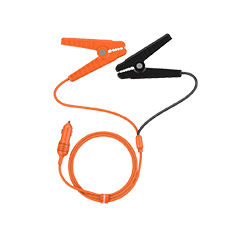
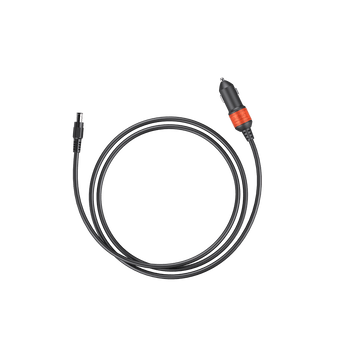
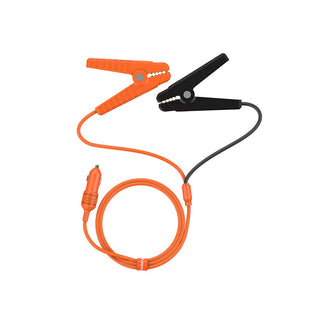
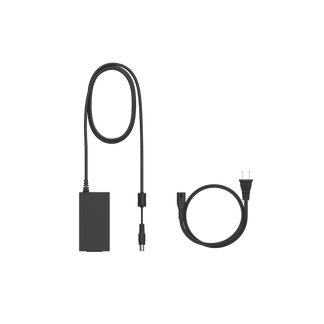
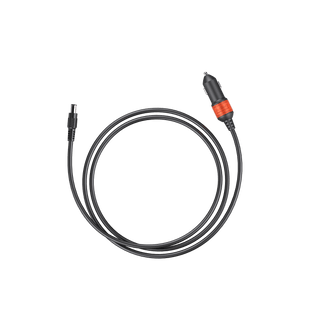
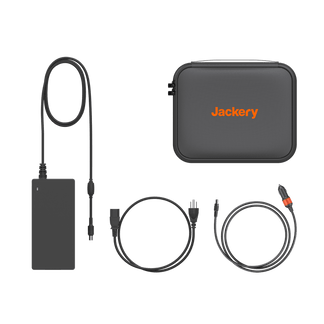
- Multiple Recharge Pathways: Ensure your battery station supports multiple recharging options, including high-speed solar panels for daytime harvesting, AC input for generator bulk charging, and 12V car charging in emergencies.
- Durable LiFePO4 Chemistry: Prioritize Lithium Iron Phosphate (LiFePO4) battery cells. They offer a massive lifespan of over 3,500 cycles, operate safely in hot, boarded-up homes, and carry a negligible risk of thermal runaway. Consult our guide on solar batteries for home to analyze the lifecycle economics.
- Pure Sine Wave Output: Highly sensitive Wi-Fi routers, and variable-speed refrigerator motors require clean, stable electrical current. Running them on cheap, modified-sine inverters can cause overheating and permanent damage.
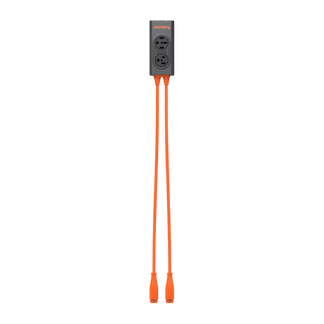
- Dual-Voltage 240V Output: If your home's water is supplied by a 240V well pump, or you have critical 240V appliances, a standard 120V-only power station cannot run them. Ensure your backup system supports split-phase 240V output, and read our overview on can Jackery power a house to plan these larger loads.
- Weather-Resistant Enclosures: Outdoor-rated power units with high IP65+ water-resistance ratings can safely sit outside in driving rain during emergency setups without requiring makeshift tarps.
How Do You Plan Capacity and Solar Integration for Multi-Day Outages?
To maintain power across a multi-day blackout, you must design your solar and battery capacities based on conservative, worst-case weather assumptions:
- Treat Solar as a Supplement: Severe hurricanes leave thick cloud cover and rainfall for days after passing. Because solar output can drop by 80% on overcast days, do not assume panels can fully recharge your system daily—rely on your battery bank's storage capacity to carry you through.
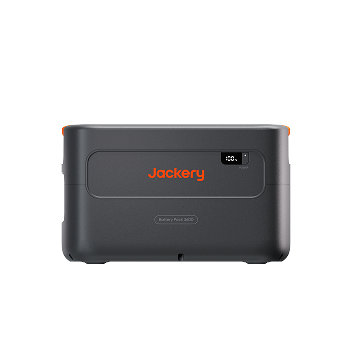
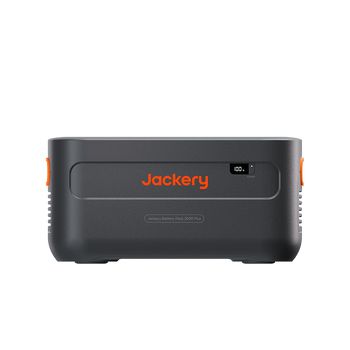
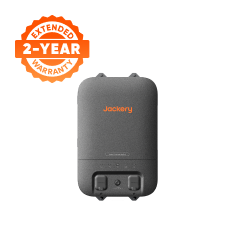
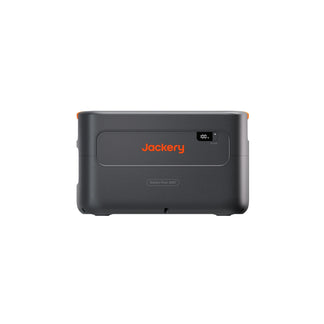
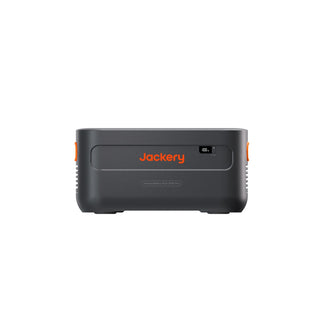
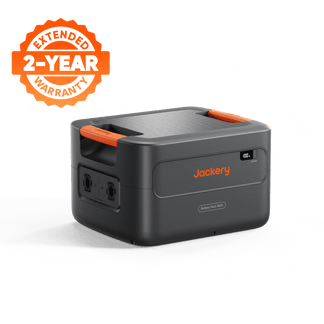
- Oversize Your Battery Bank: Sizing your battery bank to hold a 3-day capacity buffer ensures you can outlast extended cloudy periods. Utilize modular, expandable battery systems that allow you to start with a modest capacity and add plug-and-play battery packs later as your budget grows.
- Maintain and Rotate Fuel: If you are using a dual-fuel generator to support your hybrid setup, store at least 20 to 30 gallons of stabilized gasoline or four 20-lb propane tanks, and rotate them quarterly to keep the fuel fresh.
- Conduct Pre-Season Testing: Before the hurricane season officially begins on June 1, run a complete discharge-recharge test of your entire backup system under real appliance loads. This catches aging battery cells or faulty panel cables before a real emergency strikes. Refer to the official National Weather Service (NWS) hurricane supply lists or the Miami-Dade County emergency preparedness checklists to finalize your supplies.

Which Jackery Backup Power Solutions are Best for Hurricane Season?
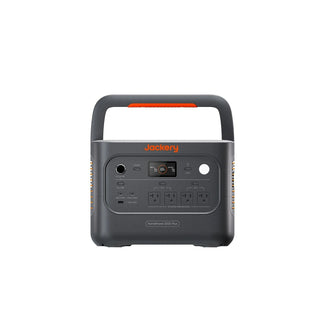
Three premium, pure sine wave configurations from Jackery are engineered to fit the layered-backup logic, providing safe, silent, and reliable storm protection:
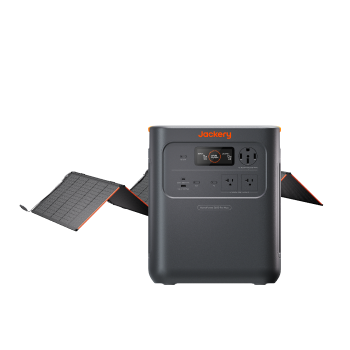
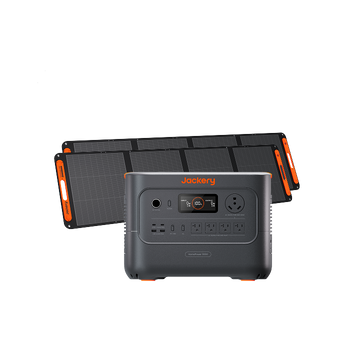
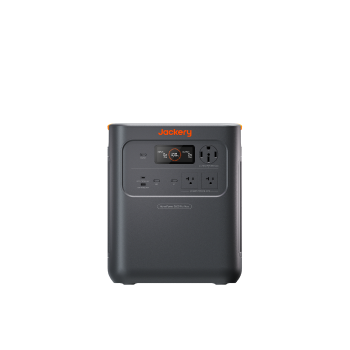
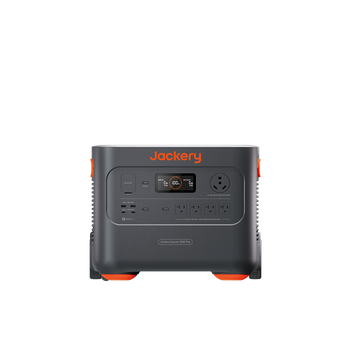
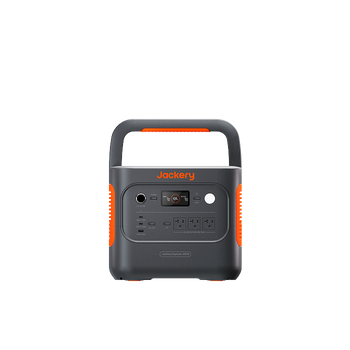
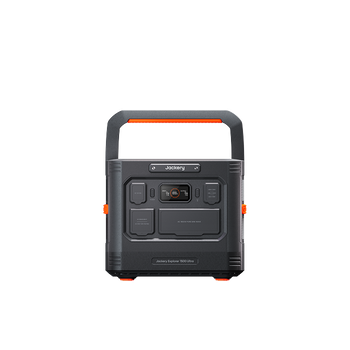
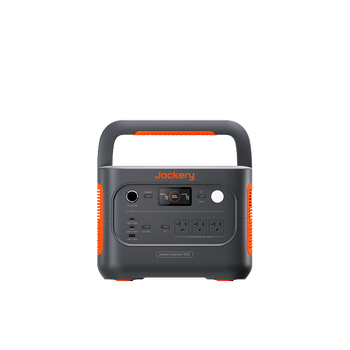
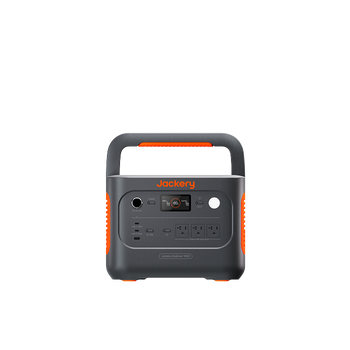
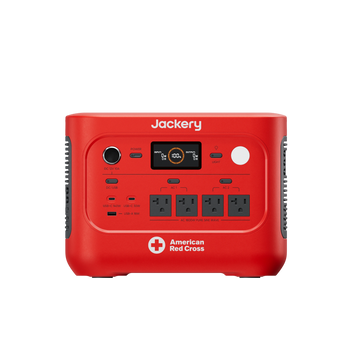
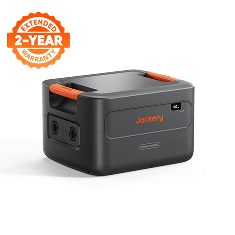
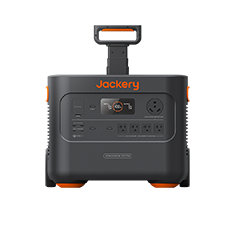
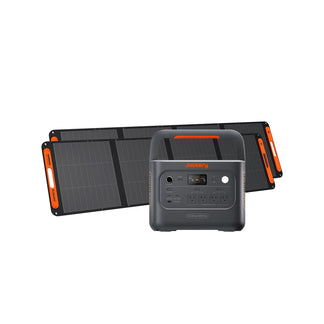
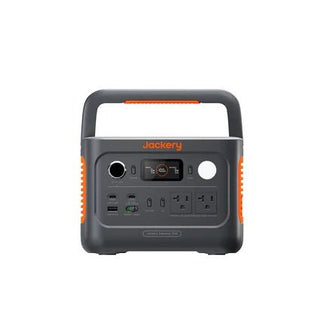
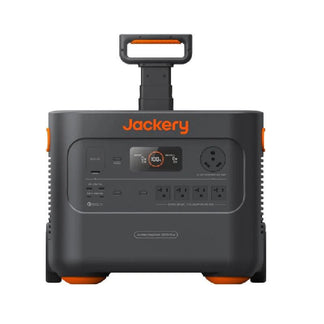
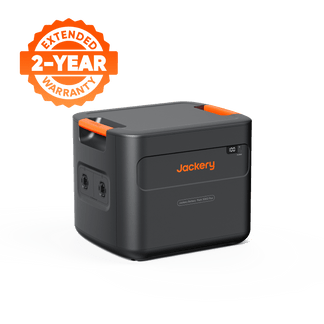
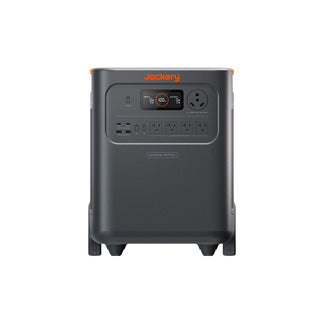
Jackery Explorer 2000 v2
The compact, lightweight, and fast-charging emergency backup system:
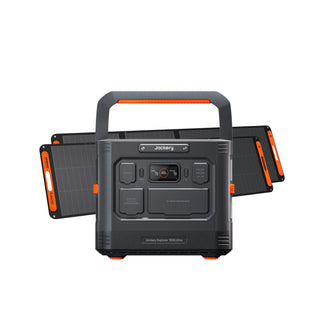
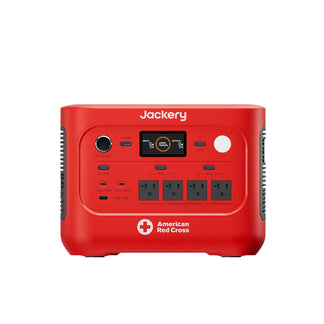
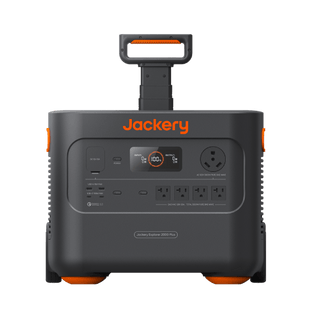
- Specs & Runtime: Packs 2,042 Wh of LiFePO4 capacity into a portable, 39.5-pound frame.
- AC Fast Charge: Recharges from empty to 100% in just 1.7 hours from a standard wall outlet, allowing you to secure a full charge in the quick window before storm landfall.
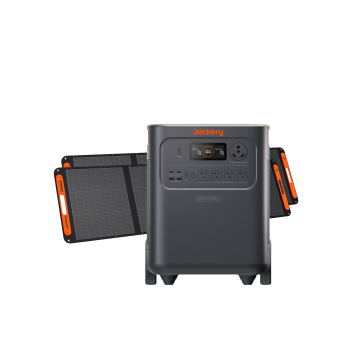
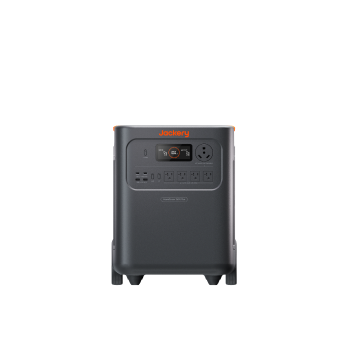
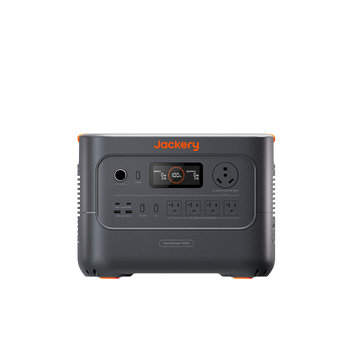
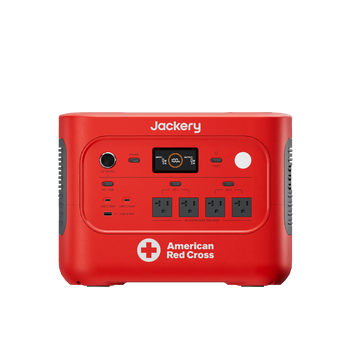
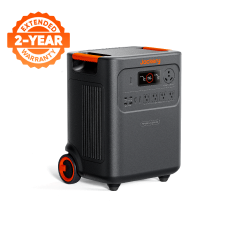
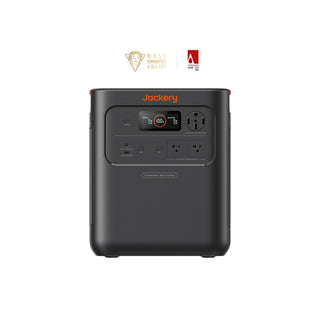
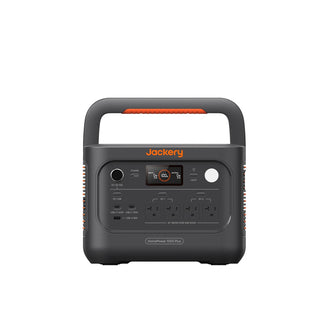
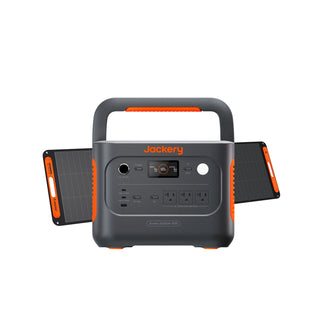
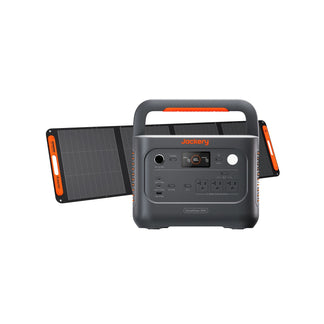
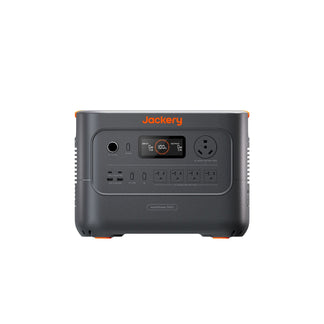
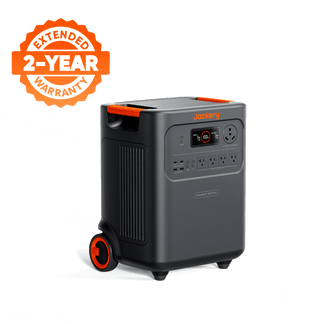
Jackery Solar Generator HomePower 3600 Plus
The high-capacity, silent backup system designed for extended, multi-day outages:
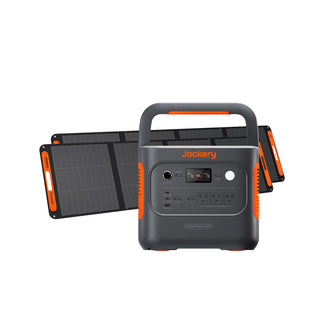
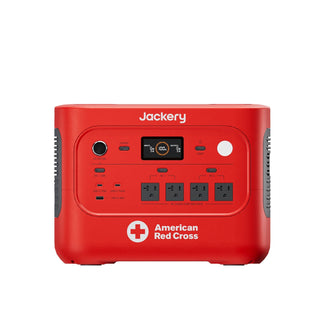
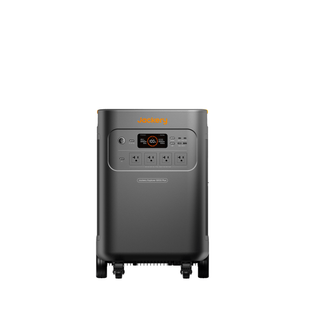
- Specs & Capacity: Holds a 3,584 Wh base capacity (expandable up to 43 kWh) to run a standard 80W refrigerator for up to 38 hours on a single charge.
- Silent Indoor Run: Operates at an ultra-low 30 dB (quieter than a library), ensuring safe, quiet indoor backup during overnight outages.
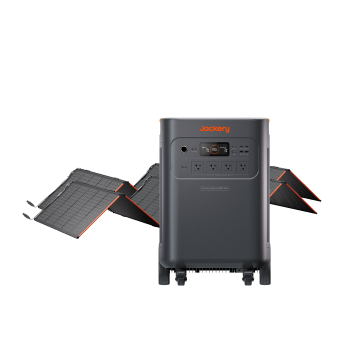
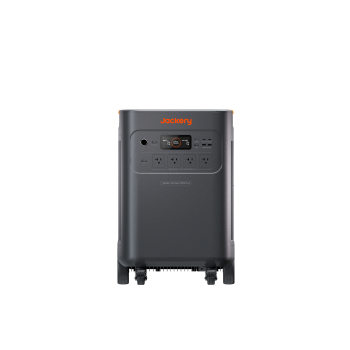
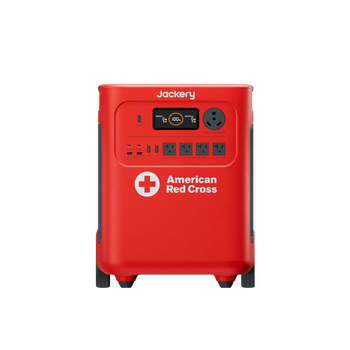
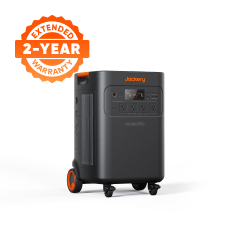
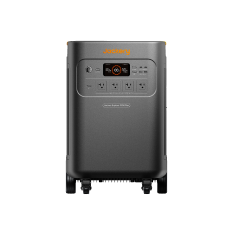
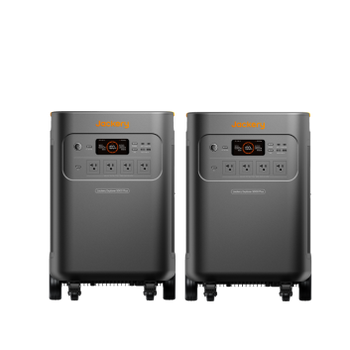
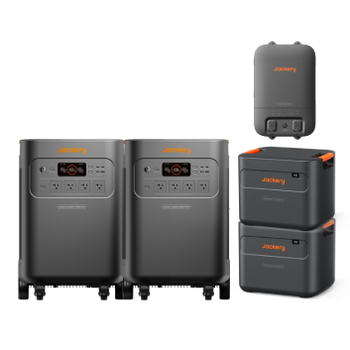
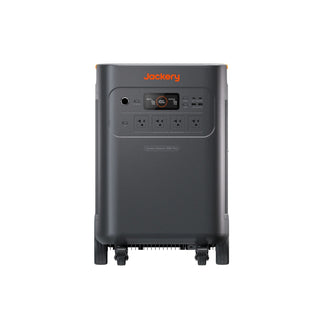
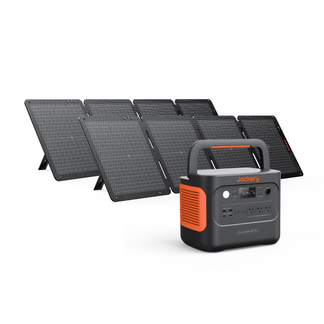
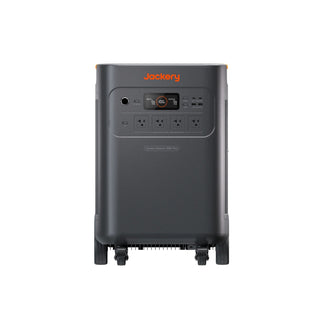
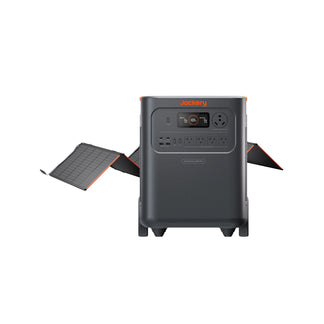
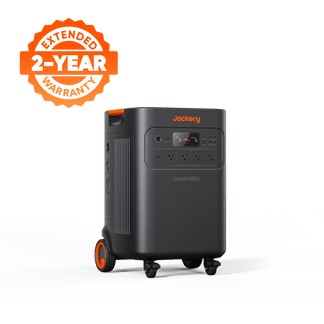
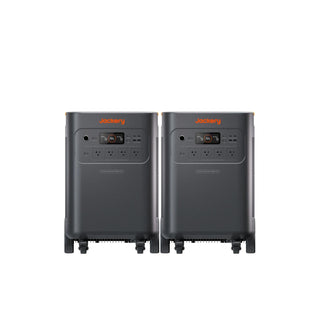
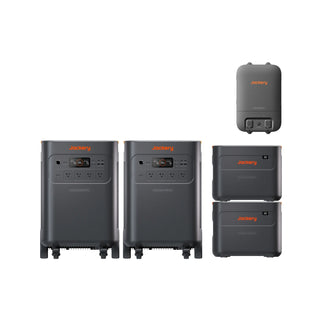
Jackery Solar Generator 5000 Plus
The ultimate heavy-duty, split-phase backup system designed for essential home backup integration:
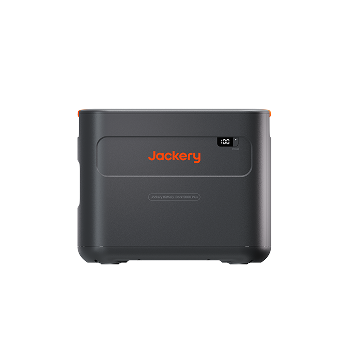
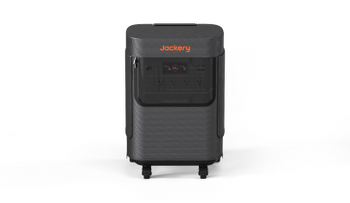
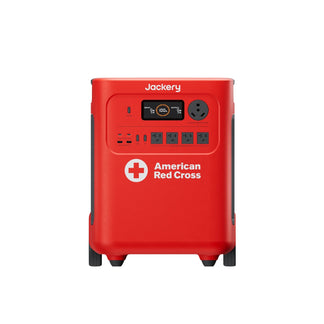
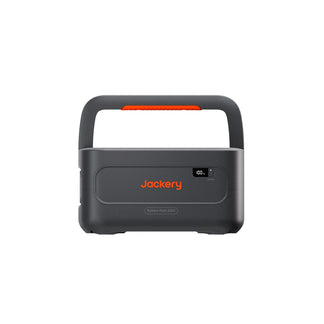
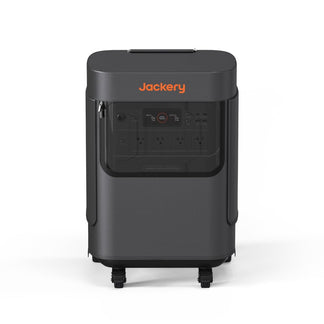
- Heavy-Load Output: Delivers 7,200W of continuous output and a massive 14,400W surge capacity, running a central AC unit (900W) for 4.5 hours continuously, or a window unit far longer.
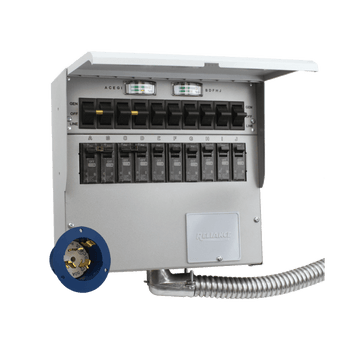
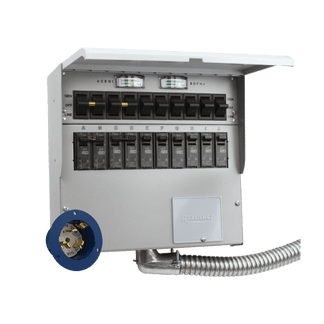
- Seamless Switchover: Features a true 0ms online UPS and dual 240V outlets to power your select critical home circuits safely through a manual transfer switch.
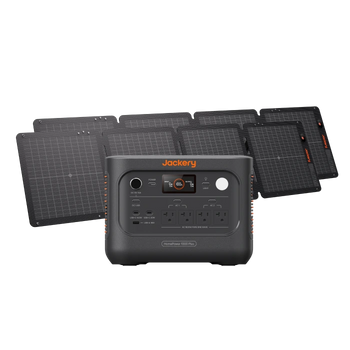
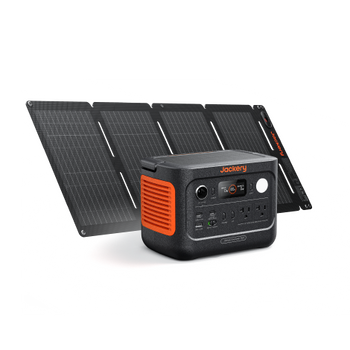
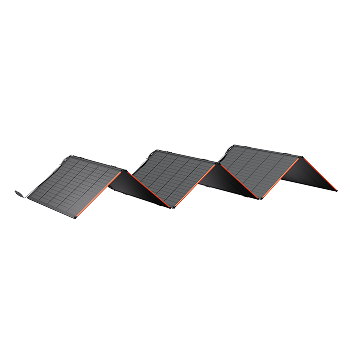
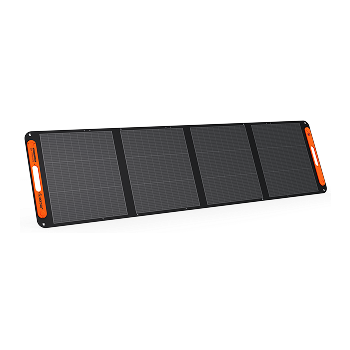
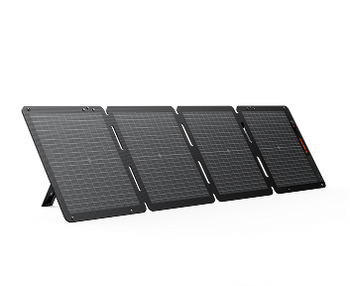
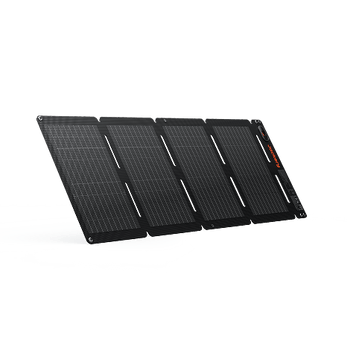
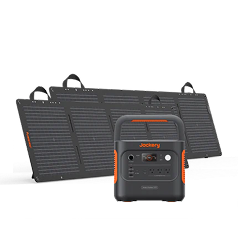
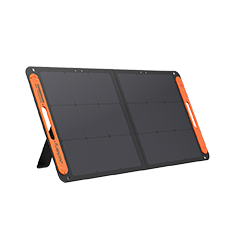
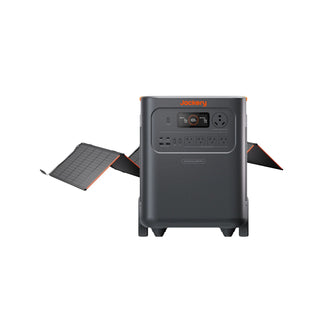
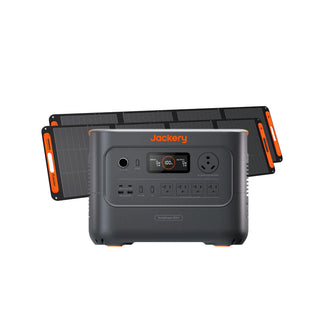
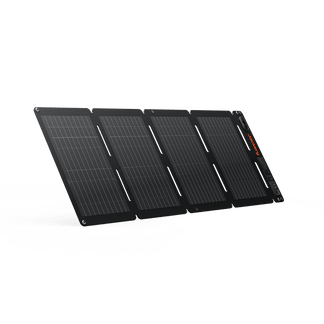
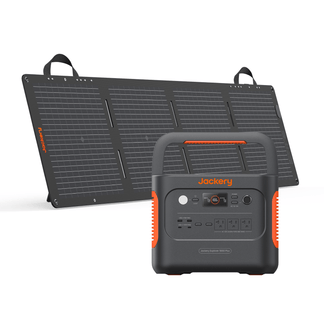
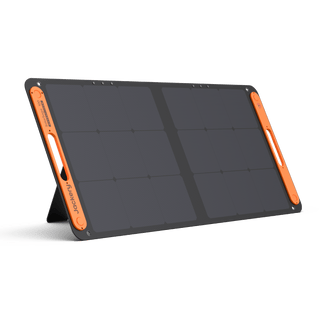
- Bifacial Solar Charging: Includes two 500W bifacial SolarSaga panels to deliver 1,000W of solar input, fully recharging the system in 6.5 hours of sunlight.
Frequently Asked Questions
What appliances should I power first during a hurricane blackout?
Always prioritize your primary refrigerator, emergency fans, communication devices, and your internet-connected Wi-Fi router. Heavy comfort appliances should wait until your core power is stable.
Should I buy a battery power station or a fuel-burning generator?
Start with a high-capacity portable battery power station. They are completely silent, require no fuel, and are safe to run indoors during severe wind and rain. Add a small, fuel-efficient inverter generator later to bulk-charge the battery during extended outages.
How big of a backup system does my home require?
Calculate the continuous running Watts of your essential appliances, multiply that daily Wh requirement by two to cover overcast days, and assume your solar panels will produce only half of their rated output. Choose a battery capacity that meets this corrected number.
How can I recharge my backup system during a prolonged outage?
Always plan at least two different recharging methods: connect high-efficiency solar panels during daylight hours, and use a small dual-fuel inverter generator or your vehicle's alternator inverter after dark.
Can a portable battery system run my entire house?
Only if you invest in an extremely large, high-capacity battery bank paired with a professional automatic transfer switch. For most standard households, a targeted partial-home backup strategy is far more practical and cost-effective.


