



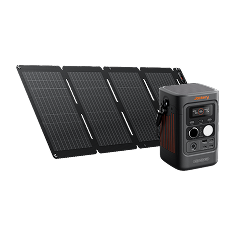



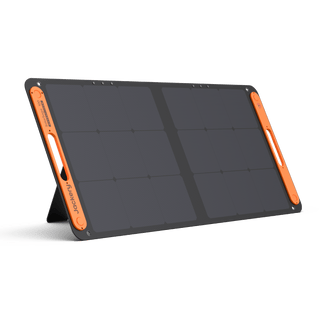
![[Add-on] Jackery SolarSaga 500 X - Jackery](http://www.jackery.com/cdn/shop/files/add-on-jackery-solarsaga-500-x-1493607.webp?v=1786503068&width=324)
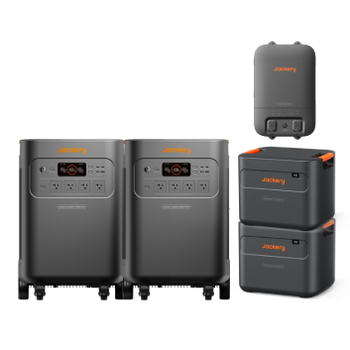
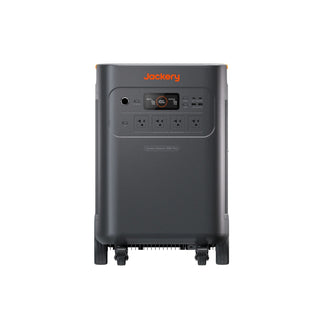
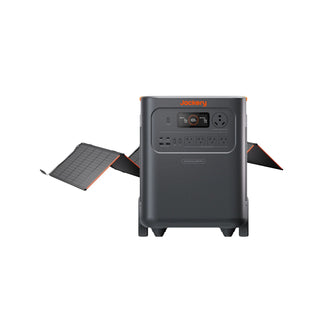
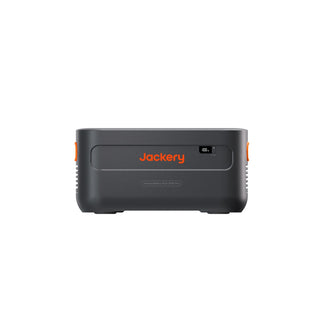
![[Add-on] Jackery Battery Pack 5000 Plus - Jackery](http://www.jackery.com/cdn/shop/files/add-on-jackery-battery-pack-5000-plus-6713401.webp?v=1786503068&width=324)



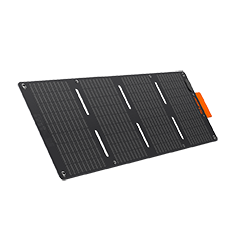
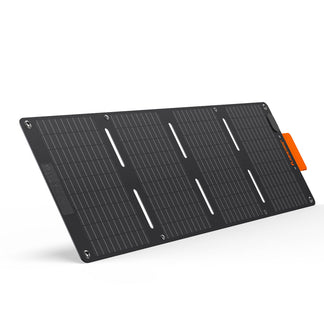
![[Add - on] SolarSaga 200W - Jackery](http://www.jackery.com/cdn/shop/files/add-on-solarsaga-200w-4834329.png?v=1754016915&width=324)


Buying a window AC in 2026 is no longer just about blowing cold air. Today, it’s about three things: slashing your electricity bill, enjoying whisper-quiet operation, and getting a perfect fit in your window frame on day one. To get all three, you need to ditch outdated single-speed models and look for an advanced "inverter" unit.
These modern inverter systems use 30% to 50% less electricity than traditional units and run at a near-silent 35 decibels. But before you buy, size matters. If your AC is too big, it will short-cycle rapidly, leaving your room cold but sticky. If it’s too small, it will run constantly and hike up your utility bill. Whether you need help calculating your room's BTUs or navigating new energy regulations, this guide has you covered.
How to Choose the Right Cooling Capacity for Your Room
The standard rule of thumb to size your window A/C requires multiplying your room’s total square footage by 20 BTUs per square foot. This provides an accurate baseline capacity for your space:
- 150 Sq. Ft. Bedroom: Requires a 5,000 to 6,000 BTU unit.
- 250 Sq. Ft. Office: Requires a 6,000 to 8,000 BTU unit.
- 450 Sq. Ft. Living Room: Requires a 10,000 to 12,000 BTU unit.
Finding the Right Size: Pitfalls and Measurements
Sizing your window air conditioner isn't just about looking at square footage—it requires accounting for your room's environment, window dimensions, and insulation quality.
The Danger of Oversizing: Buying an overpowered unit (such as a 12,000 BTU unit for a small 150-square-foot room) is highly inefficient. The system will cool the air so quickly that it will cycle off before it runs long enough to pull moisture out of the air—leaving you with a cold, sticky, and uncomfortable space.
1. Adjusting for Your Room’s Environment
Standard BTU-to-square-foot calculators assume ideal conditions. Always add a 10% capacity buffer to your calculations if your room features:
- Heavy Sunlight: The space faces direct afternoon sun.
- High Ceilings: The room has taller-than-average ceilings.
- Heat Sources: The space includes cooking appliances or multiple high-heat electronics.
2. Window Measuring Rules
To ensure a seamless installation on the first try, measure your window opening’s inside width to the nearest eighth-inch before purchasing:
- Standard Window Units: Most require an opening width of 20 to 24 inches.
- U-Shaped Window Units: These require full, unobstructed frame access so the window pane can slide safely down through the center of the unit's chassis.
3. Combatting Drafts and Heat Leakage
Insulation quality directly dictates how hard your new air conditioner will have to work.
- The Draft Problem: Older double-hung windows with loose sashes can leak massive amounts of cool air, forcing your unit to run continuously and driving up your power bill.
- The Solution: Apply high-density foam weatherstripping to seal loose sash gaps. Preventing this thermal leakage ensures your air conditioner runs efficiently and maintains a perfectly stable indoor climate.
Why Inverter Technology Delivers Quieter, Cheaper Cooling
To understand why inverter air conditioners are superior, it helps to compare them to how traditional units operate.
The Old Way: Single-Speed "On/Off" Clatter
Traditional window air conditioners utilize single-speed rotary compressors that operate on a basic on/off cycle:
- Jarring Noise: When the thermostat detects a rise in temperature, the compressor slams on at 100% capacity. This creates a sudden, loud 60-decibel jolt that can easily wake you up in the middle of the night.
- Temperature Swings: Once the target temperature is reached, the unit shuts completely off. This results in wide, uncomfortable ±4°F temperature swings inside your room.
The Inverter Way: Smooth "Cruise Control"
Inverter-driven compressors run continuously, acting like cruise control for your room's climate. Instead of constantly turning on and off, they dynamically scale their speed up or down to match the cooling load:
- Whisper-Quiet Operation: By avoiding jarring start-stop cycles, inverter units drop their noise levels to a near-silent 35 to 45 dB on low speed.
- Rock-Steady Temperature: The continuous scaling maintains a stable, comfortable climate with fluctuations of only ±1°F.
- Long-Term Payback: Continuous, low-speed operation drastically reduces wear and tear on the motor, easily extending the life of your unit past a decade.
The Off-Grid Advantage (No Startup Spikes) From an electrical perspective, inverter compressors are a game-changer. Traditional single-speed compressors require a massive spike of "inrush current" (up to three times their normal running power) just to start the motor.
Because inverter compressors ramp up smoothly and gradually, they eliminate these power spikes entirely. This makes them highly compatible with standard household circuits and incredibly safe to run on off-grid portable power stations.
Understanding CEER Ratings, Standby Loads, and the 2026 DOE Rule
When shopping for a window air conditioner, navigating the efficiency acronyms can be confusing. However, understanding these numbers is the key to predicting your actual utility bills.
EER vs. CEER: What's the Difference?
Historically, units were graded using EER (Energy Efficiency Ratio). Today, the gold standard is CEER (Combined Energy Efficiency Ratio).
|
Metric |
What It Measures |
Why It Matters to Your Wallet |
|
EER (Old Standard) |
Efficiency only when the unit is actively cooling at 100% capacity. |
Ignores the electricity the unit wastes while plugged in but idle. |
|
CEER (New Standard) |
Active cooling efficiency plus standby energy consumption (phantom loads). |
Gives an accurate, real-world estimate of your seasonal energy costs. |
The 2026 DOE Efficiency Benchmarks
In 2026, a strict new Department of Energy (DOE) rule went into effect, drastically raising the efficiency floor for window AC units.
Here is how the new standards compare to the market's top performers (for units under 8,000 BTUs):
|
Efficiency Tier |
Required CEER Rating |
Energy Cost Impact |
|
New 2026 Federal Minimum |
12.8 |
The baseline law; 10% more efficient than older entry-level units. |
|
ENERGY STAR Certified |
14.1+ (10% above minimum) |
Highly efficient; qualifies for standard energy-saving benchmarks. |
|
High-Efficiency Inverters |
15.0 to 16.0+ |
Peak efficiency; slashes seasonal electricity costs by up to 50%. |
Money-Saving Tip: Claim Your Cash-Back Rebates Because high-efficiency models help reduce strain on local electrical grids, many municipal power companies and state agencies offer $50 to $100 cash-back rebates for purchasing ENERGY STAR certified units.
How to claim it: Before throwing away your packaging, visit your local utility provider's website, search for "appliance rebates," and submit your receipt and your unit's model number online. This can easily lower your net purchase cost by 15% to 20%!
Choosing Your Window AC: Sizing Comparison Matrix
To help you select the ideal tier of window air conditioner for your home, review this technical performance matrix comparing common system configurations:
|
AC System Tier |
BTU Sizing Range |
Corrected CEER Range |
Noise & Integration Features |
|
Standard Entry-Level Unit |
5,000 – 6,000 BTU |
13.1 – 13.5 CEER (New Floor) |
Dull mechanical hum. Non-inverter, low upfront cost model. |
|
Premium Bedroom Inverter |
8,000 BTU |
14.5 – 15.5+ CEER |
35 – 42 dB. Whisper-quiet; ideal for uninterrupted sleep. |
|
Heavy-Duty Living Room |
12,000 BTU |
15.0 – 16.0+ CEER |
Moderate low fan hum. Designed for multi-room open spaces. |
|
Chassis-Isolated U-Shaped |
8,000 – 10,000 BTU |
15.0 – 15.5 CEER |
32 – 38 dB. Window sash blocks compressor noise directly. |
When to Repair vs. Replace an Old Window AC
Deciding whether to fix or throw away an aging unit comes down to cost, age, and refrigerant type.
The Quick Decision Checklist
Repair the Unit If:
- It is still covered under its manufacturer's warranty.
- The repair quote is less than 50% of the cost of a brand-new model.
Replace the Unit If:
- The 50% Rule applies: A professional repair quote exceeds half the price of a new unit.
- Example: Spending $300 to fix a failed compressor on an old unit is a bad investment when a brand-new 8,000 BTU inverter costs $350 to $450.
- It is over 12 years old: Due to coil corrosion and motor wear, AC efficiency degrades by 5% to 10% annually. An old unit can cost up to 50% more to run than a new model.
- It uses R-22 Refrigerant: This chemical has been federally phased out. Refilling an R-22 system is incredibly scarce and expensive.

Preparing for Outages: Keeping Your Window AC Running Off-Grid
Running a window AC during a blackout requires a high-capacity, pure sine wave power station.
- The Risk: Sensitive inverter electronics can overheat or shut down if powered by the choppy, "modified" wave outputs of cheap gas generators.
- Jackery essential home backup solutions deliver clean, grid-quality pure sine wave power, allowing you to run your climate systems safely during any emergency.
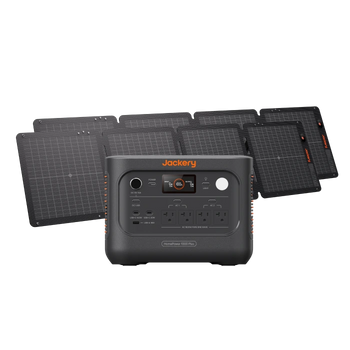
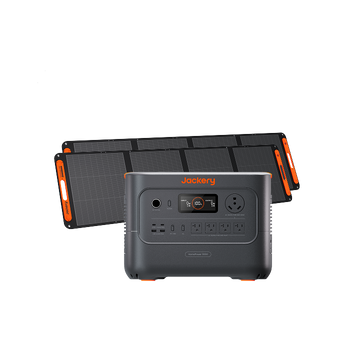
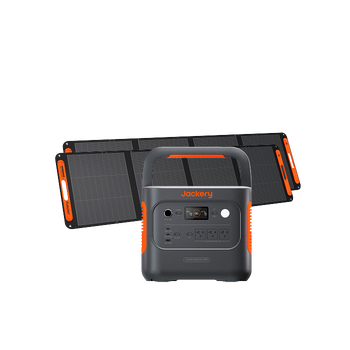
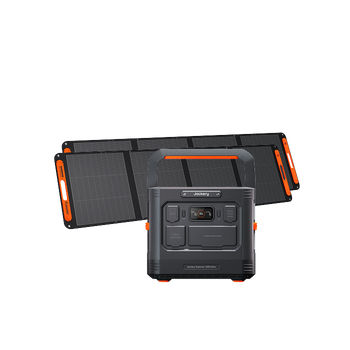
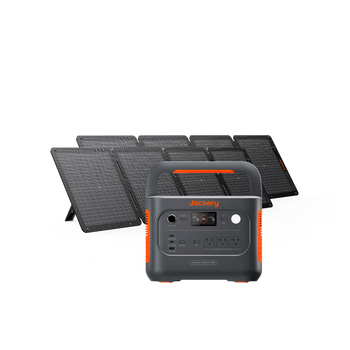
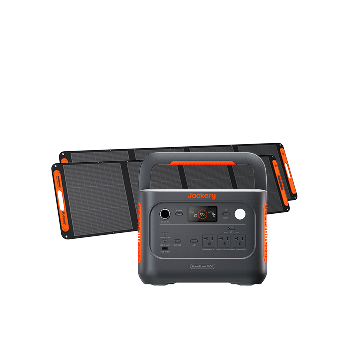
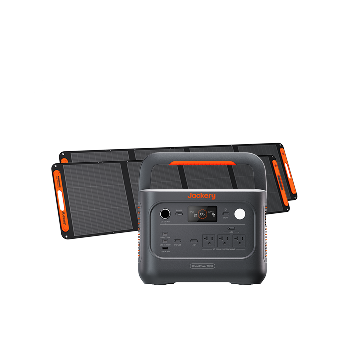
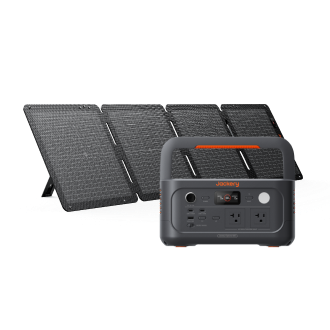
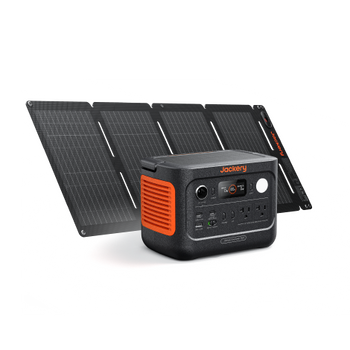
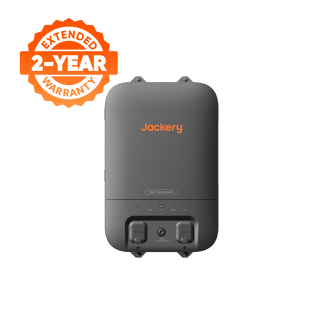
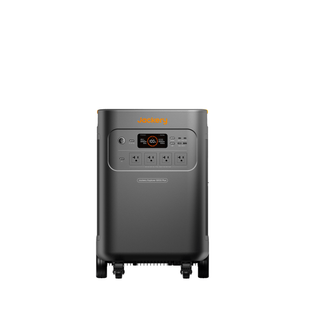
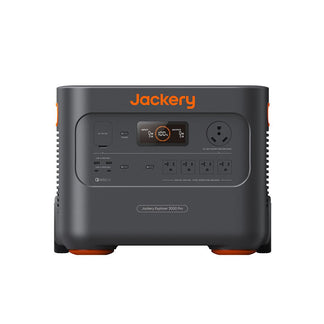
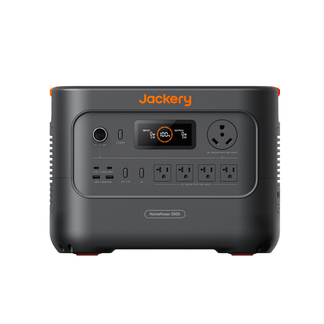
Three premium solar generators from Jackery provide ideal emergency backup:
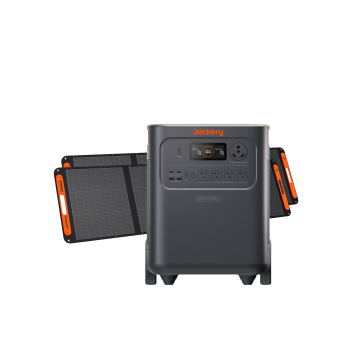
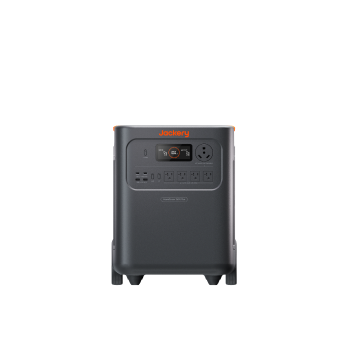
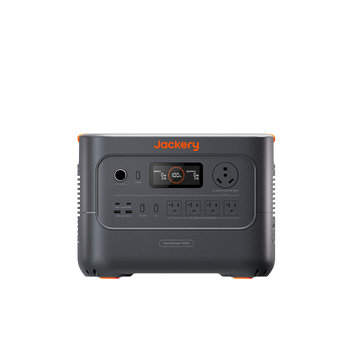
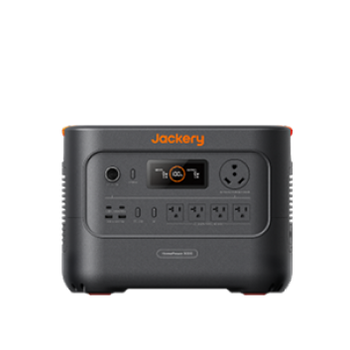
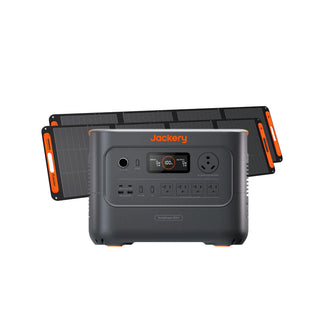
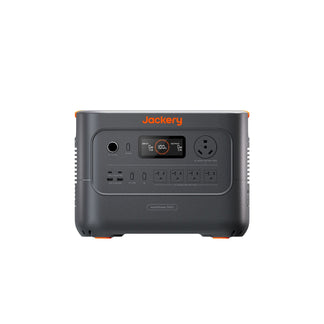
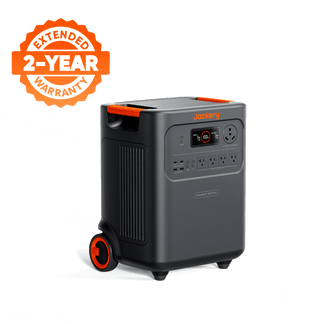
Jackery Solar Generator HomePower 3600 Plus: Features a 3,584 Wh capacity, capable of running a 700W 8,000 BTU inverter air conditioner for 4 to 5 hours on its internal battery. You can scale the capacity up to 43 kWh to run multiple critical appliances through extended, multi-day blackouts.
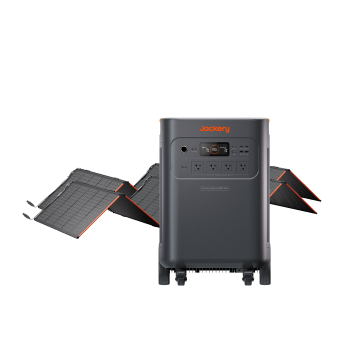
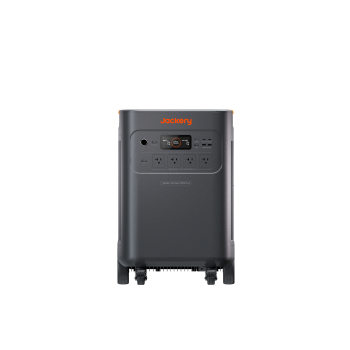
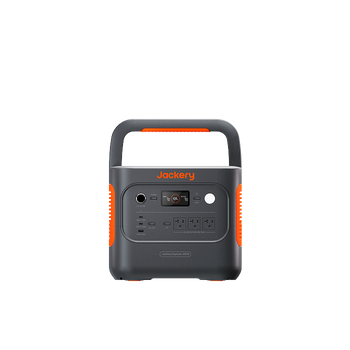
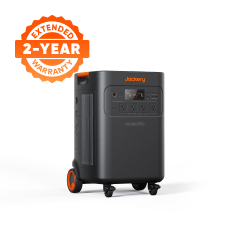
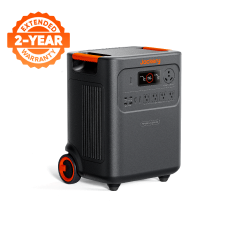
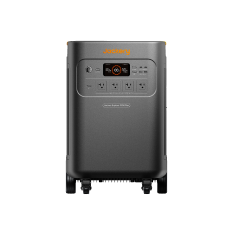
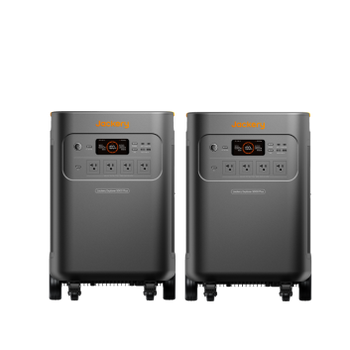
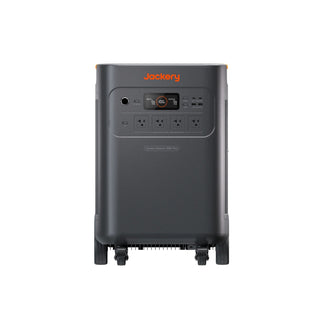
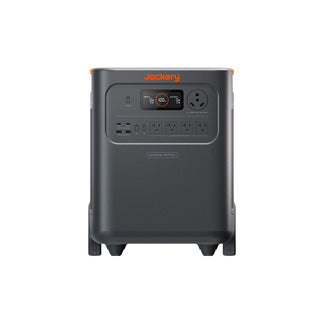
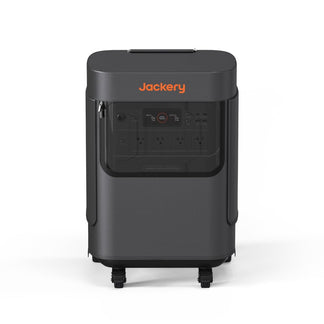
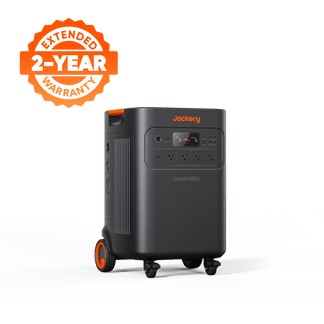
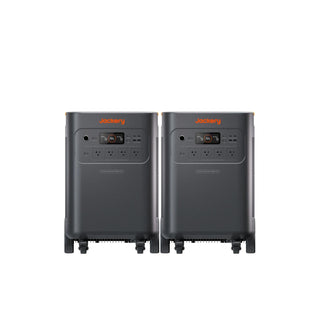
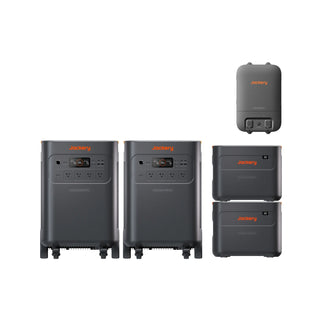
Jackery Solar Generator 5000 Plus: Houses a robust 5,040 Wh base capacity (expandable to 60 kWh) with a massive 7,200W continuous output (14,400W surge). It can easily start and run a 12,000 BTU window unit drawing 1,000W for up to 5 hours, backed by a true 0ms online UPS switchover to prevent electronic blips.
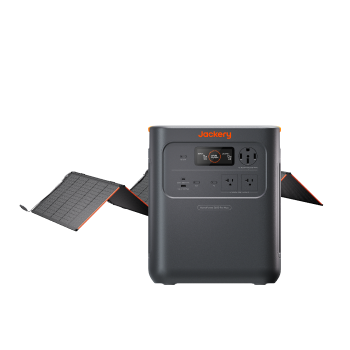
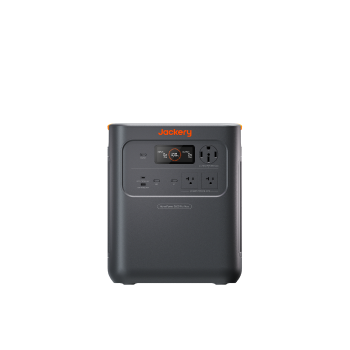
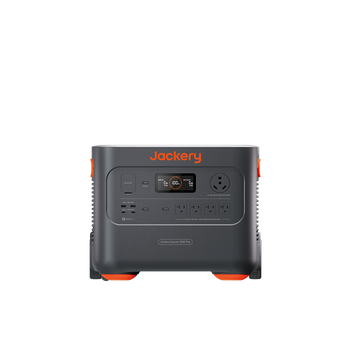
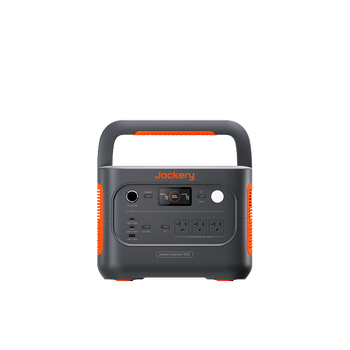
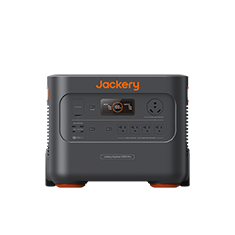
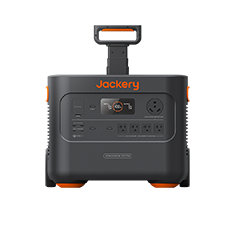
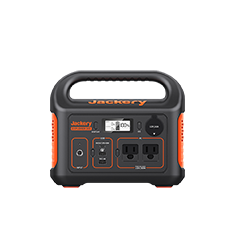
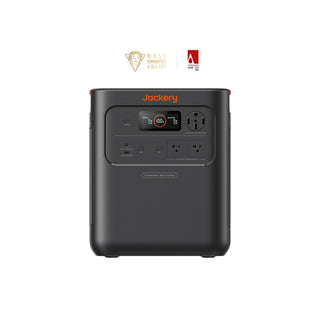
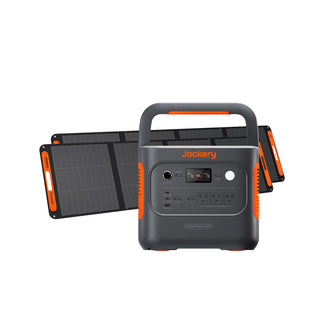
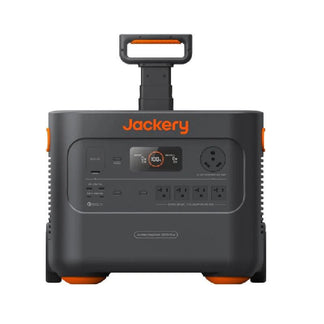
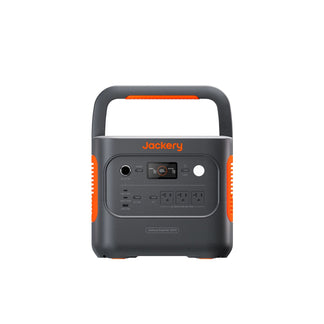
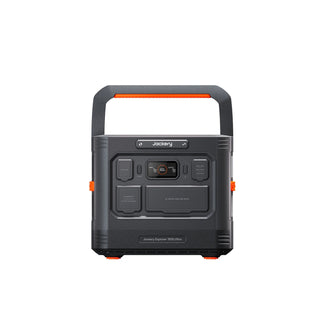
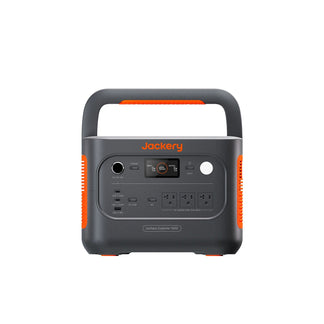
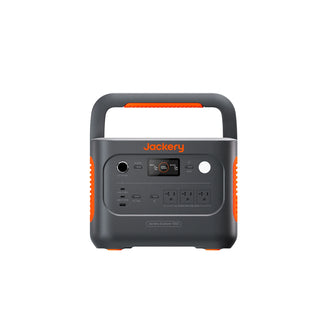
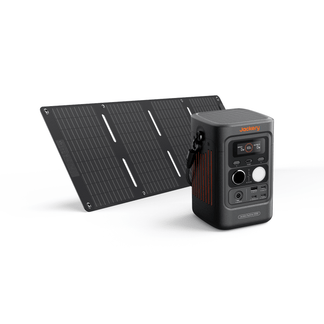
Jackery Explorer 2000 v2: The compact option, delivering a 2,042 Wh capacity to run a small 500W 5,000 BTU unit for up to 4 hours. It features an ultra-fast 1.7-hour AC wall charge to top off quickly between rolling blackouts.
Standard Maintenance Tips for Peak Performance
Regular maintenance protects your AC's efficiency rating (CEER) and prevents premature compressor failure.
- Clean the Filter (Every 2–4 Weeks): Rinse the filter in warm, soapy water and dry completely. Dusty filters restrict airflow, forcing the compressor to run hotter and waste electricity.
- Clean Coils & Fins (Annually): Remove dirt and pollen from outdoor coils with a soft brush. Use a specialized fin comb to straighten bent aluminum fins to preserve optimal airflow.
- Ensure an Outward Tilt: Install your unit with a slight 1/4-inch outward tilt. This allows condensation to drain out the back, preventing standing water from breeding mold or rusting the chassis.
Frequently Asked Questions
What BTU capacity do I need for a 150 sq. ft. bedroom?
A 5,000 to 6,000 BTU unit is the ideal practical match for a 150-square-foot bedroom, based on the standard US cooling metric of 20 BTUs of capacity per square foot of living area.
Is an inverter window AC worth the extra cost?
Yes. While inverter-driven models carry a $150 to $200 price premium over standard on/off models, their 30% to 50% lower electricity consumption, whisper-quiet operation, and longer compressor life typically repay the investment in under three cooling seasons.
Can a portable power station run a window AC during a blackout?
Yes, provided the power station features a pure sine wave output and a continuous power rating that can handle your air conditioner's running draw (typically 500W to 1,000W depending on the unit's BTU capacity) and initial compressor startup surge.
How often should I replace a window AC?
Most high-quality window units last between 8 and 12 years with proper maintenance. If your unit requires a major mechanical repair (such as a compressor replacement) that costs over half the price of a brand-new model, it is far more cost-effective to replace the system.
Can I use an extension cord with my window AC?
Most manufacturers strictly forbid using extension cords with air conditioners. If you must use one in a temporary pinch, choose a short, heavy-duty 12 AWG appliance cord. Using a standard thin extension cord can cause a massive voltage drop, overheating the cord and posing an extreme household fire hazard.


