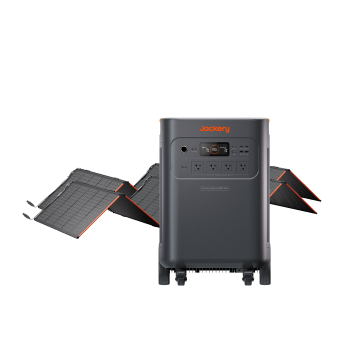
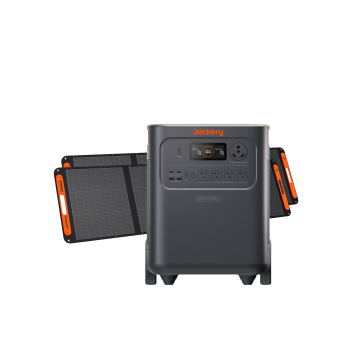
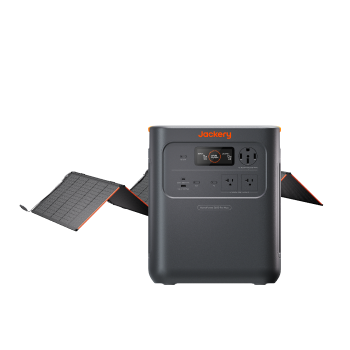
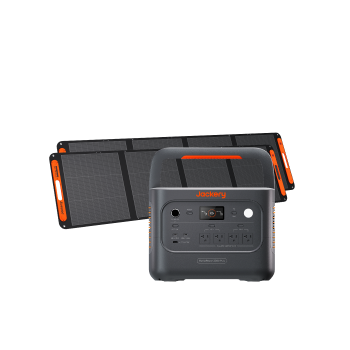
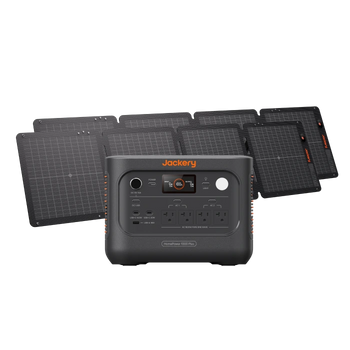
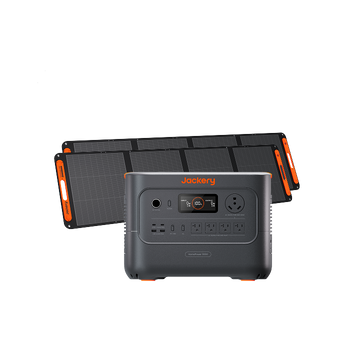
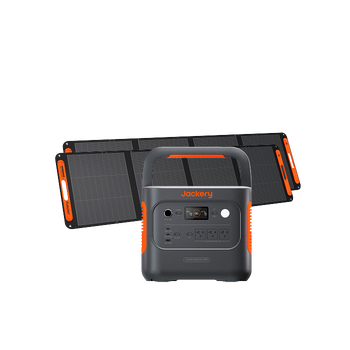
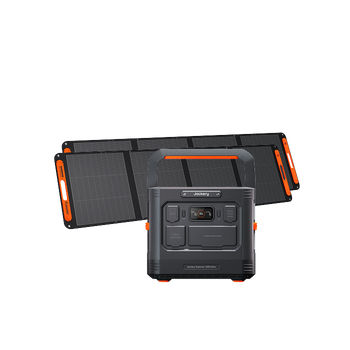
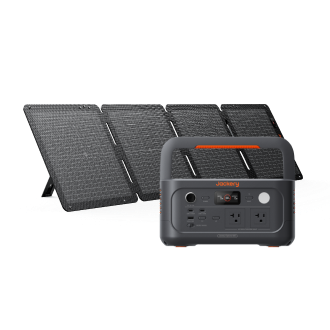
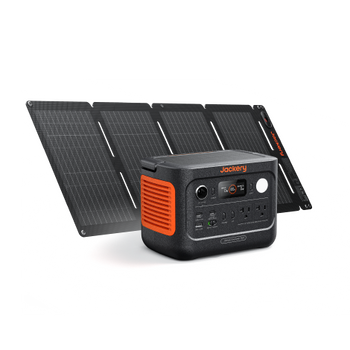

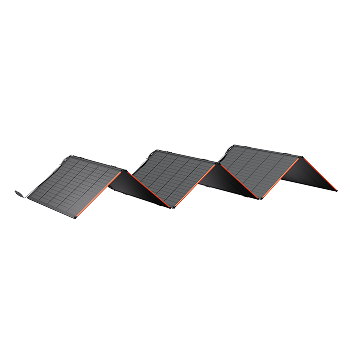
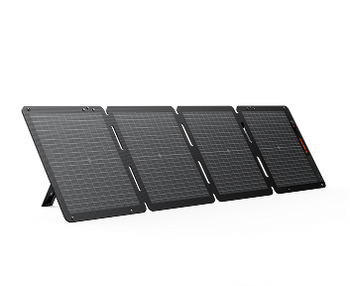


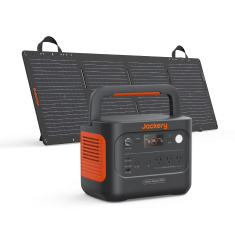
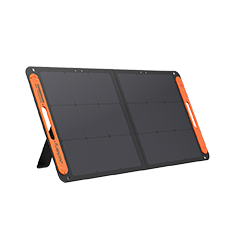



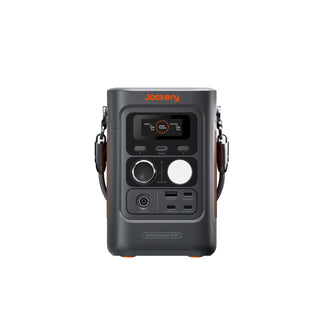
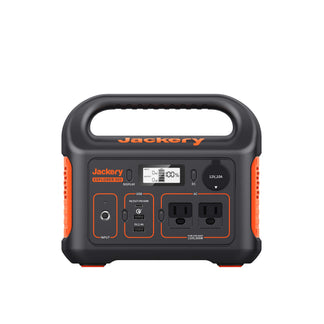
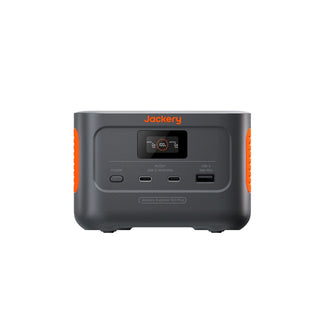
![[Add-on] Jackery SolarSaga 500 X - Jackery](http://www.jackery.com/cdn/shop/files/add-on-jackery-solarsaga-500-x-1493607.webp?v=1786503068&width=324)
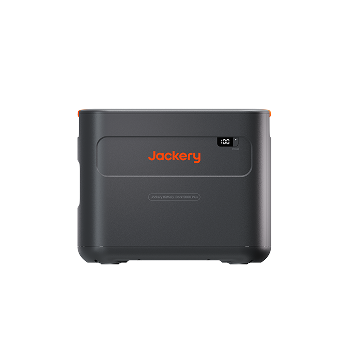
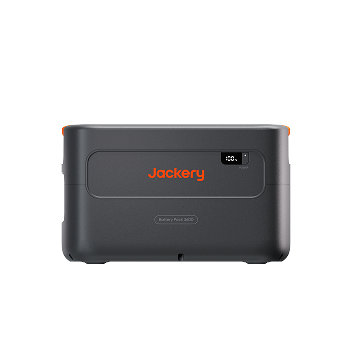
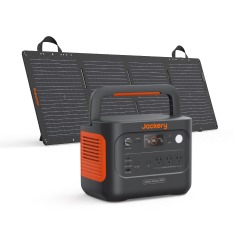
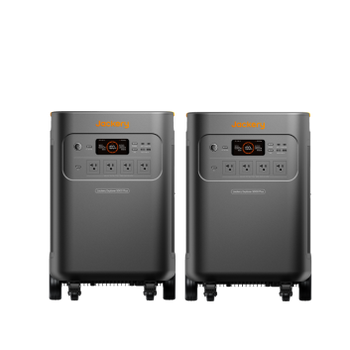
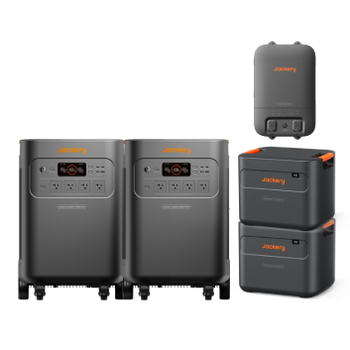
![[Add-on] Jackery Battery Pack 5000 Plus - Jackery](http://www.jackery.com/cdn/shop/files/add-on-jackery-battery-pack-5000-plus-6713401.webp?v=1786503068&width=324)



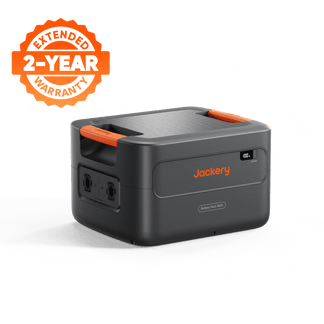
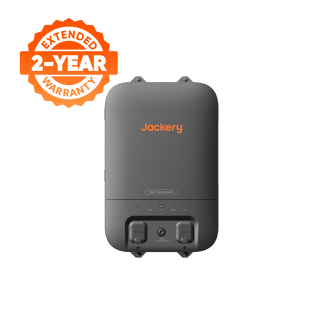
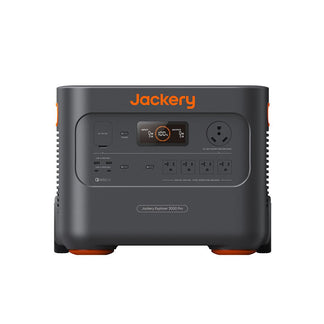
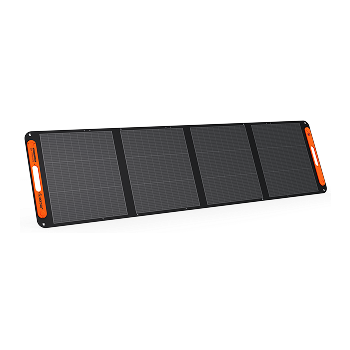
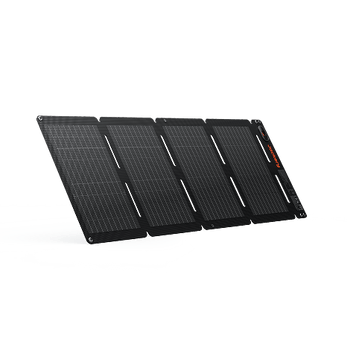
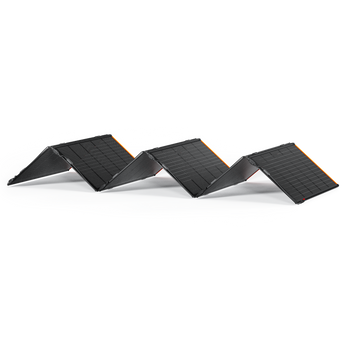
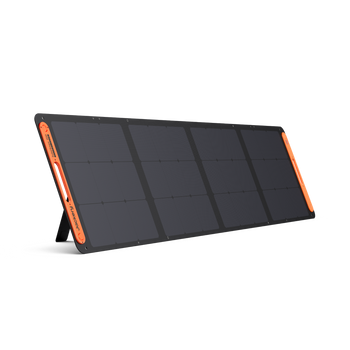
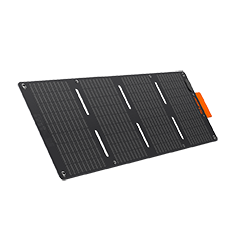
![[Add - on] SolarSaga 200W - Jackery](http://www.jackery.com/cdn/shop/files/add-on-solarsaga-200w-4834329.png?v=1754016915&width=324)


Quick Answer:
A true portable air conditioner for camping draws 380–550W running and needs a battery with enough surge capacity to handle compressor startup spikes of 1,200–1,800W. For 6 hours of cooling, you’ll need roughly 3,500Wh of battery capacity after inverter losses. A solar generator with at least 2,000Wh capacity and 400W of solar panels can sustain 3–4 hours of nightly AC in most US regions, but only if you size for real-world duty cycle, panel positioning, and regional sun hours.
Key Takeaways
- Evaporative coolers fail above 60% humidity — only vapor-compression portable ACs deliver real cooling in humid camping conditions.
- A 4,500–5,000 BTU camping AC typically pulls 380–550W; with a 50% duty cycle over 8 hours, it consumes about 2,000Wh of AC energy, which requires roughly 2,350Wh from the battery after inverter losses.
- Most portable power stations trip on the compressor surge, not the running watts — a 1,500W inverter with 3,000W surge is the minimum for reliable AC startup.
- In the Southwest’s 6–7.5 peak sun hours, 400W of solar can offset 2–3 hours of AC runtime; in the Pacific Northwest’s 4–5.5 hours, you’ll need 600–800W of panels or a backup charge source.
- User-side tactics like shade positioning, reflective tarps, and sleep-only AC use can cut cooling energy demand by 30–40%, making battery sizing far more practical.
Why Standard AC Sizing Advice Fails the Camper
Most residential AC guidelines assume insulated walls and a sealed room. A tent is the opposite — thin fabric, zero insulation, and direct sun that can push internal temperatures 10–15°F above ambient. Those differences torpedo generic BTU calculators.
The Humidity Trap: Evaporative Coolers Aren’t Real AC
Swamp coolers and “personal air coolers” are often marketed as portable air conditioners for camping, but they add moisture to the air. Above 60% relative humidity, they stop cooling entirely and just make your tent feel like a damp sauna. In the humid Southeast or Midwest, a true vapor-compression AC is the only option that works.
True Portable ACs Demand Serious Power
A compressor-based portable AC for camping differs sharply from home units:
- Full-size home units: 700–1,500W running.
- Camping-specific models (3,000–5,000 BTU): typically draw 380–550W.
- Compressor startup surge: 1,200–1,800W for a camping unit — an undersized battery station’s inverter will trip on that surge even if running watts are within spec.
BTU Ratings Are Misleading
Residential BTU-per-square-foot rules ignore tent realities:
- Thin walls, constant air exchange, and full sun force the AC to run near 100% duty cycle.
- A 5,000 BTU unit rated for 150 sq ft in a house might struggle to cool a 100 sq ft tent in direct sun.
- ASHRAE vs. DOE/SACC BTU ratings differ by 15–25% for the same unit — the lower SACC number is closer to real-world performance, so always check which standard the manufacturer used.
Venting Is a Hidden Failure Point
Routing the exhaust hose too close to the tent or AC intake causes hot air recirculation. The unit runs constantly but never cools. A short, straight hose pointed well away from the intake is non-negotiable. Even a small gap around the hose opening lets hot outside air infiltrate, wasting battery and killing cooling.
The Three-Way Conflict: Surge, Battery Chemistry, and Solar Recharge
Running a portable AC for camping off a solar generator forces you to balance three competing constraints: inverter surge capacity, battery usable energy, and solar recharge rate.
Inverter Surge Is the True Gatekeeper
A 1,500W-rated inverter that supports 3,000W surge will handle compressor startup. A 1,000W unit with a 2,000W surge may shut down on the same load. Always check the surge rating — continuous wattage alone tells you nothing about whether the AC will actually start.
Battery Chemistry and Usable Capacity
Battery Chemistry |
Cycle Life |
Usable Depth of Discharge |
Example: 2,042Wh Station Usable Capacity |
Estimated AC Runtime (500W unit) |
|---|---|---|---|---|
LiFePO4 (Lithium Iron Phosphate) |
3,000–5,000 cycles, 10–15 years |
80–90% |
1,634–1,838Wh |
~3 hours |
Lead-Acid |
Lower cycle life |
≤50% |
1,021Wh |
~2 hours |
Solar Recharge: It’s All About Peak Sun Hours
Region |
Typical Peak Sun Hours |
Solar Panel Setup |
Resulting Nightly Cooling Runtime |
|---|---|---|---|
Generic (moderate) |
5 PSH |
400W |
2–3 hours |
Southwest |
6–7.5 PSH |
400W |
3–4 hours |
Pacific Northwest |
4–5.5 PSH |
600–800W or car alternator backup |
3–4 hours |
A 400W array in 5 peak sun hours generates about 2,000Wh per day — enough to offset 2–3 hours of AC runtime after inverter losses.
AC Runtime vs. Battery Capacity: The Simple Math
Running Watts × Hours ÷ 0.85 (inverter efficiency) = Battery Wh Needed
Example: A 500W AC run for 6 hours needs 500 × 6 = 3,000Wh; divided by 0.85 = 3,530Wh from the battery. That exceeds most portable stations unless you strictly limit runtime or add solar recharge during the day.
Limitations and Realistic Expectations
- A 2,000Wh unit can power a camping AC for a few hours, not all day.
- Solar recharge works best in full, direct sun with panels repositioned every 2–3 hours; cloudy days cut output by 50–70%.
- For dispersed camping with no hookups, plan for at least 400W of solar to sustain 3–4 hours of nightly cooling.
- This is for strategic, sleep-time cooling — not all-day AC or simultaneous heavy loads.
Step 1 — Calculate Your AC’s True Battery Draw Before You Go
- Measure actual running watts with a plug-in kilowatt meter — a unit labeled 450W might pull 500–550W in 95°F heat.
- Estimate compressor-on time (duty cycle): in a shaded tent, the compressor runs 40–60% of the time. For an 8-hour sleep window, that’s 3.2–4.8 hours of compressor operation.
- At 500W average draw and 50% duty cycle: 500W × 4h = 2,000Wh consumed.
- Add inverter inefficiency (12–18% loss): 2,000Wh AC draw requires 2,300–2,400Wh from the battery.
- Include other essential loads (phone, lights, fan) adding 100–300Wh per day.
- Apply a 25% safety buffer: 2,400Wh × 1.25 = 3,000Wh battery capacity recommended for that 8-hour scenario.
Step 2 — Match Solar Panel Wattage to Your AC’s Daily Recharge Need
Target panel wattage = (Daily Wh consumed ÷ Peak Sun Hours) × 1.25
Example: 2,400Wh/day ÷ 5 PSH × 1.25 = 600W of solar panels.
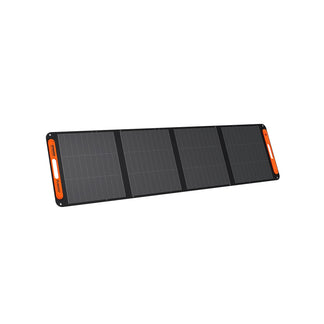
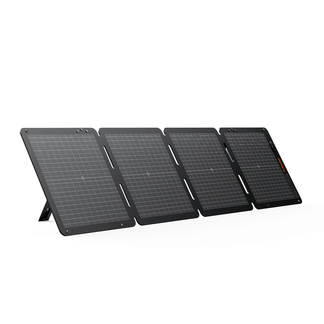
- Panel positioning: Portable 200W–400W foldable panels require midday repositioning every 2–3 hours; fixed roof panels yield more daily total.
- Charge controller: MPPT recovers 15–25% more energy than PWM under partial shade.
- Redundancy: For cloudy-day backup, add 30–50% extra panel capacity or a car alternator.
- Dispersed camping: Plan for at least 400W solar input to sustain 3–4 hours of nightly cooling; 600W is safer.
Step 3 — User-Side Tactics That Cut Your Cooling Power Need by Half
The cheapest watt is the one you never use. These tactics reduce AC energy demand by 30–40%.
- Pitch in full shade by 10 AM. Direct sun on dark fabric can raise tent temperature 10–15°F above ambient, forcing the AC to run 100% duty cycle.
- Apply a reflective tarp or insulated blanket over the tent roof. Tests show a 5–8°F internal reduction, cutting compressor-on time by 30–40%.
- Use an evaporative cooler only in dry climates. In the Southwest or Mountain West, a 50–100W swamp cooler can replace a 400W+ compressor AC. Check local humidity before buying — above 60% humidity, it’s useless.
- Run the AC only during sleep hours (10 PM–6 AM). Ambient temperatures drop 15–25°F at night, reducing compressor load and cutting required battery capacity by half compared to daytime use.
- Create cross-ventilation before starting the AC. Low-inlet and high-exhaust openings flush hot air, shortening the initial cooldown period by 15–20 minutes.
- Seal the exhaust hose opening with foam tape. Unsealed gaps let hot outside air infiltrate, negating the cooling effect.
- Keep the exhaust hose short, straight, and pointed away from the AC intake. Every bend and extra foot reduces airflow efficiency; recirculated hot air is the #1 cause of “AC running but not cooling” complaints.
Jackery Solar Generator Solutions for Camping AC Power
The right solar generator depends on your AC’s power draw, desired runtime, and solar recharge capability. Below is a decision table for common camping AC scenarios.
Use Case |
Recommended Jackery Setup |
Key Specs |
Estimated AC Runtime (450W unit, 50% duty cycle) |
|---|---|---|---|
Minimalist sleep-time cooling (1–2 hours) |
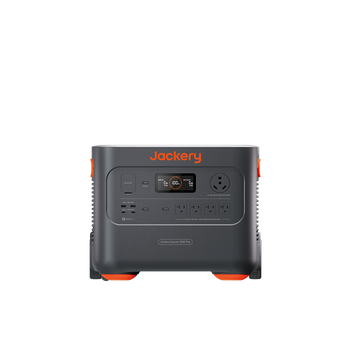
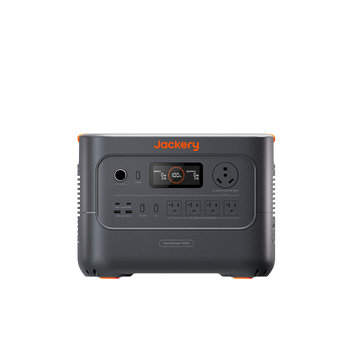
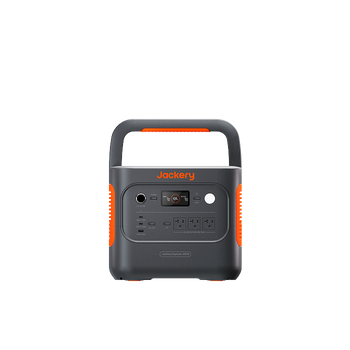
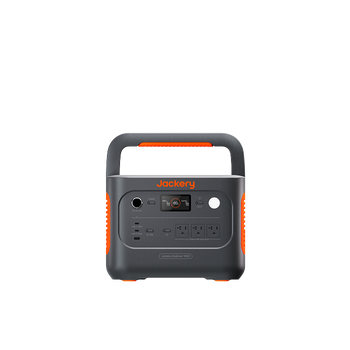
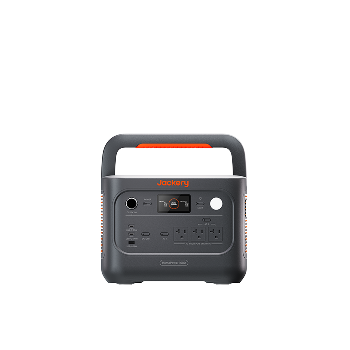
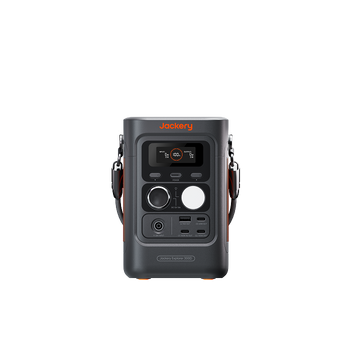
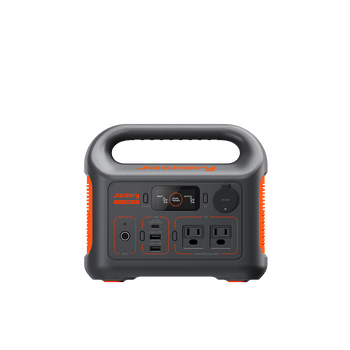
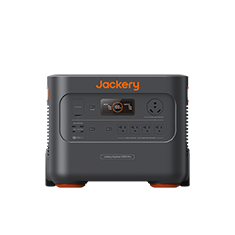
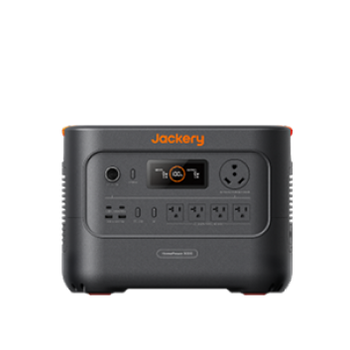
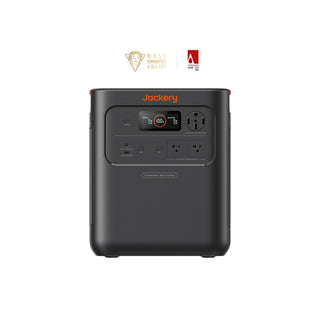
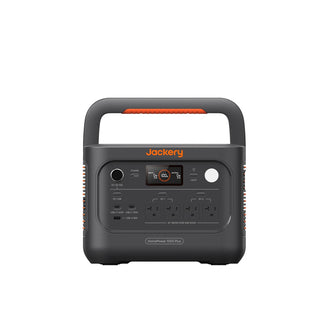
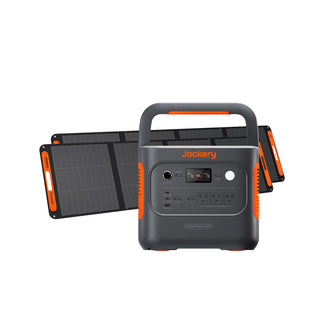
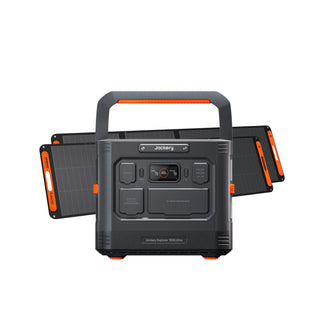
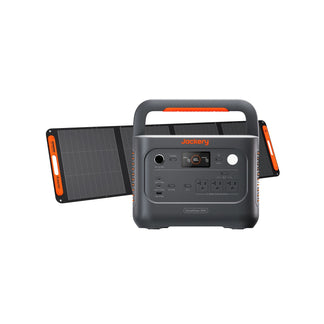
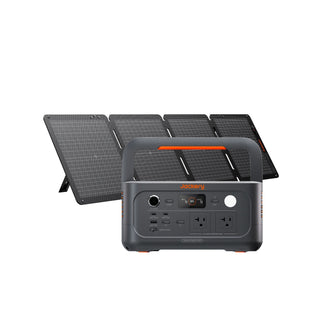
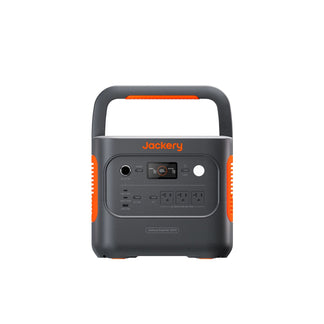
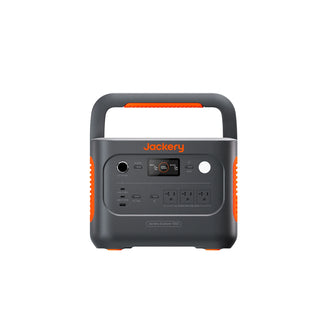
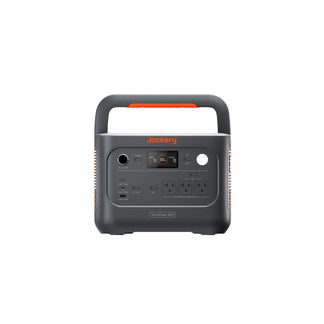
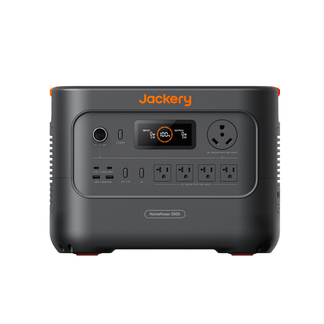
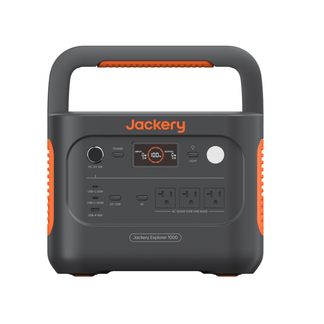
Jackery Solar Generator 1000 v2 |
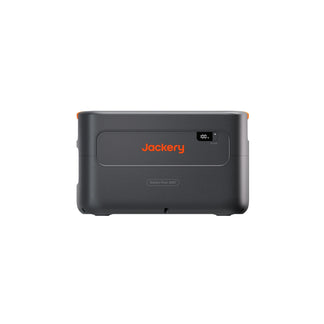
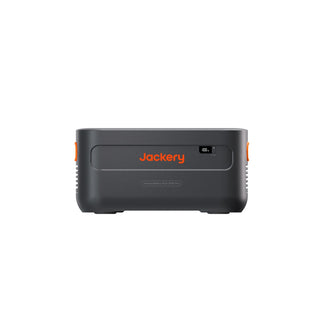
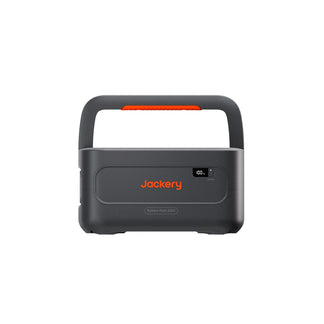
1,070Wh (856Wh usable), 1,500W continuous / 3,000W surge, 400W solar input |
~2 hours |
Extended nightly cooling (3–5 hours) |
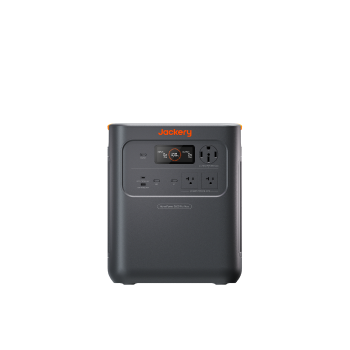
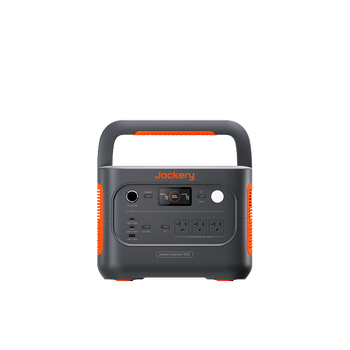
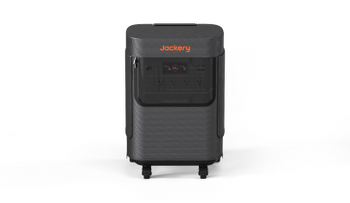
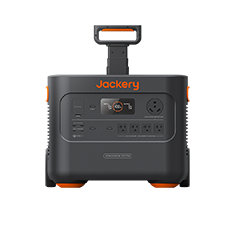
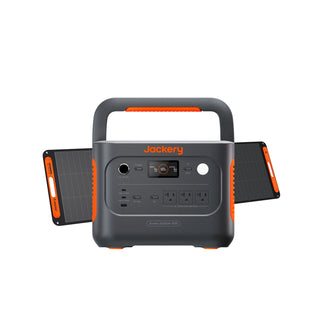
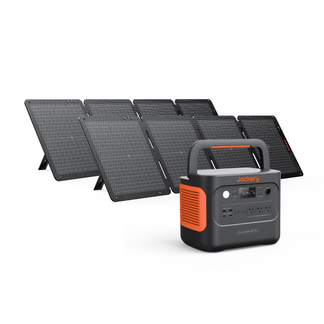
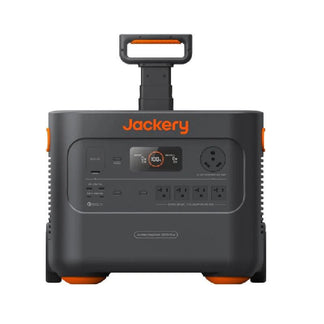
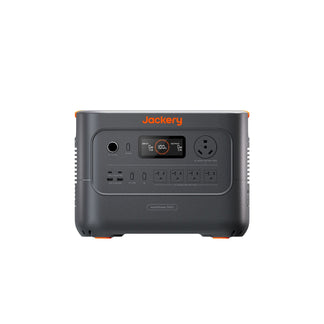
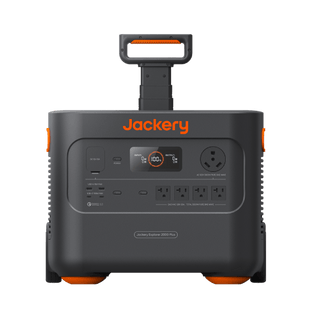
Jackery Solar Generator 2000 v2 |
2,042Wh (1,634Wh usable), 2,200W continuous / 4,400W surge, 400W solar input |
~4 hours |
Complete solar kit for daily AC cycles |
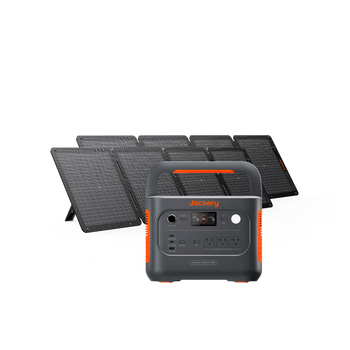
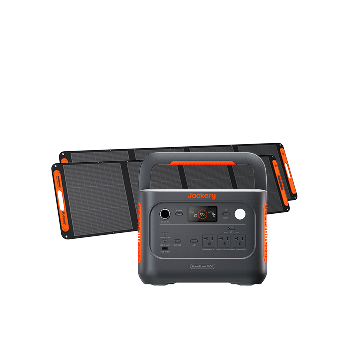
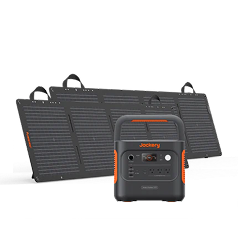
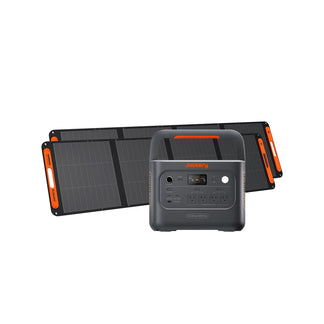
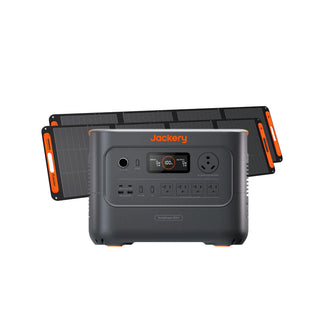
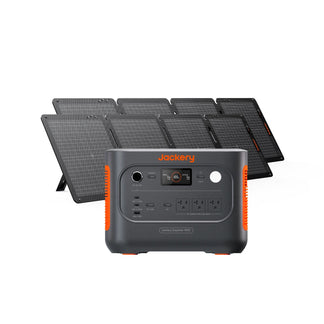
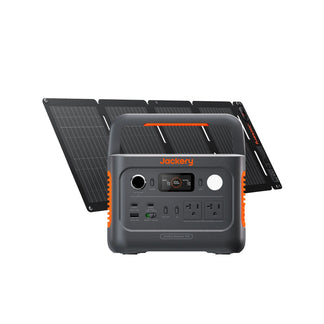
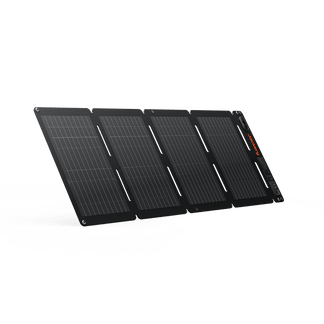
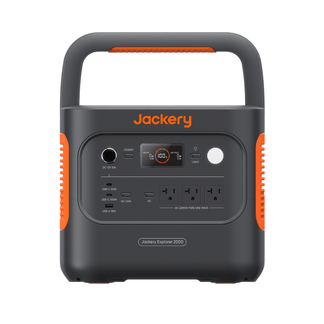
Jackery Solar Generator 2000 v2 Kit (Explorer 2000 v2 + 2× SolarSaga 100W) |
Same battery specs; dual MPPT, full recharge in 7.5 hours via 400W solar |
~4 hours (rechargeable daily in most US regions) |
Common Beginner Questions Answered
Can I use a regular home portable AC in a tent?
Yes, if your tent has a dedicated AC port or you partially unzip a window and seal the gap around the hose with foam tape. Home units are heavier (30–60 lbs) but often cheaper ($300–$800). Just ensure your power station can handle the surge.
Is a “rechargeable” or “battery-only” portable AC real?
Most are evaporative coolers or ice-blowers, not true vapor-compression ACs. They cool only in dry climates and add humidity. A genuine battery-powered compressor AC for camping exists but is rare and typically low-BTU.
Single-hose vs. dual-hose: which is better for camping?
Dual-hose prevents negative pressure that pulls hot outside air into the tent, making it more efficient for larger tents. Single-hose is acceptable for small, well-sealed tents under 100 sq ft.
How do I size the AC for my tent?
Use 20 BTU per square foot + 380 BTU per additional person. An 8,000 BTU unit covers tents up to 100–120 sq ft in moderate conditions; in full sun, oversize by 30%.
Do I need a camping-specific AC or can I use a home unit?
Purpose-built camping ACs are under 20 lbs and more portable but cost $800+ for similar cooling. Choose based on your vehicle space and weight tolerance.


