







![[Add-on] Jackery SolarSaga 500 X - Jackery](http://www.jackery.com/cdn/shop/files/add-on-jackery-solarsaga-500-x-1493607.webp?v=1786503068&width=324)
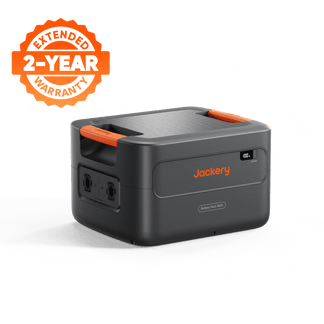
![[Add-on] Jackery Battery Pack 5000 Plus - Jackery](http://www.jackery.com/cdn/shop/files/add-on-jackery-battery-pack-5000-plus-6713401.webp?v=1786503068&width=324)




![[Add - on] SolarSaga 200W - Jackery](http://www.jackery.com/cdn/shop/files/add-on-solarsaga-200w-4834329.png?v=1754016915&width=324)


Quick Answer:
A solar charger for camping works best on basecamp trips where panels can sit in open sun for hours without repositioning. For most 2–3 night outings, a high‑capacity power bank is more reliable and cost‑effective than counting on solar alone. Recharging a portable power station with a separate solar panel mid‑trip beats built‑in panel‑bank combos, which are slow and add dead weight.
Key Takeaways
- Autumn sunlight hits panels at 25–35° instead of summer’s 60–70°, and daily charging windows shrink to 6–8 hours, cutting energy harvest by roughly 30–50% compared to July.
- Lithium‑ion batteries lose 10–20% of their usable capacity at 32°F and up to 50% below freezing, so your devices can die faster in cold weather, including safety gear like GPS messengers.
- Monocrystalline foldable panels outperform polycrystalline models in low‑light fall conditions; integrated solar power banks are too weak for dependable charging.
- Using a portable power station as a solar buffer lets you store energy during the day and charge devices at night, avoiding voltage instability that can damage electronics.
- For trips under four nights, a pre‑charged 10,000 mAh power bank is the most practical, cost‑effective choice — solar only becomes necessary for longer basecamps or multi‑day off‑grid stays.
How Fall Sunlight Affects Solar Charging Performance
Autumn sunlight lowers a panel’s energy yield per hour because it hits at a shallower angle, passes through more atmosphere, and arrives during fewer daylight hours.
- Sun angle drops to 25–35° above the horizon at noon by October in the northern US, compared to 60–70° in June. Direct irradiance on a flat panel is reduced by about 30%.
- Daylight hours shrink from 10–12 in summer to 6–8 hours of useful production.
Cloud cover, dew, and frost reduce harvest further:
- Overcast skies spike in many US regions during fall, cutting panel output by 50–80% (a 200‑watt panel might deliver only 40–60 watts).
- Morning dew and frost add another 10–30% loss if not wiped off.
- Angling the panel to 45° from horizontal and facing south can recover up to 30% of the efficiency lost by lying flat.
- Monocrystalline panels handle diffuse autumn light better than polycrystalline, so choose a mono panel for any fall trip where solar is your primary power source.
Cold Weather Battery Drain and Why It Matters for Campers
Lithium‑ion batteries lose capacity when cold.
- At 32°F, expect a 10–20% drop in usable energy; at 0°F, that can exceed 50%.
- Affected devices include your phone, headlamp, GPS, and the power station itself. Self‑discharge also accelerates — a phone that was 80% charged at night can be dead by morning if left uninsulated in a tent.
The biggest risks for fall campers:
- A drained satellite messenger or PLB is a serious hazard when cell service disappears and that device is your lifeline.
- Heated accessories (12‑volt blankets, vest warmers) pull 40–80 watts continuously, chewing through a small battery in hours.
- LiFePO₄ (lithium iron phosphate) power stations hold their voltage better in cold and cycle 3,000–5,000 times, making them a better investment than standard lithium‑ion packs for late‑season trips.
- Keep the battery inside your tent or wrapped in insulation overnight to preserve runtime.
Types of Solar Chargers for Camping: Which One Fits Your Trip?
Campers face three broad options, each with different trade‑offs.
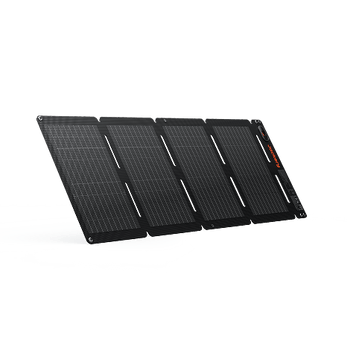
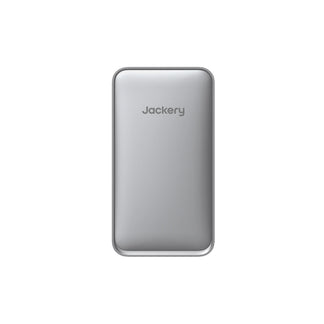
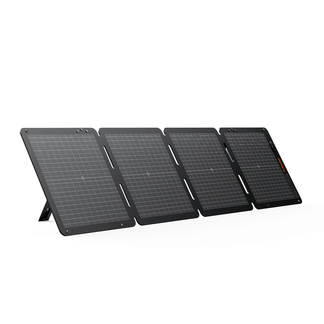
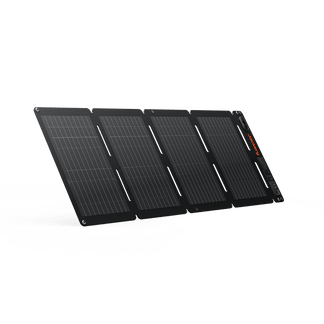
Foldable solar panels (50–200 W)
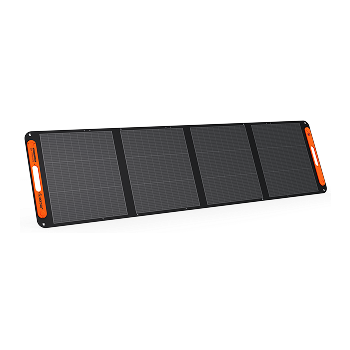
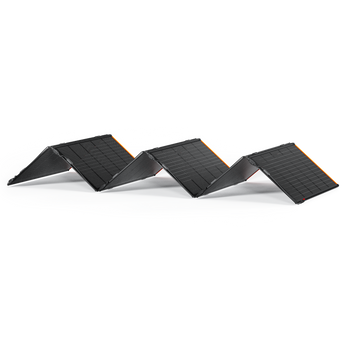
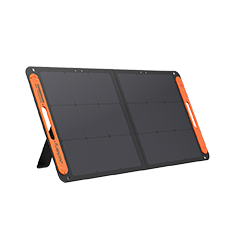
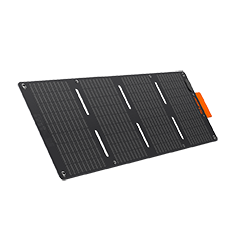
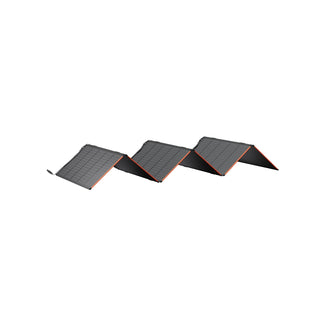
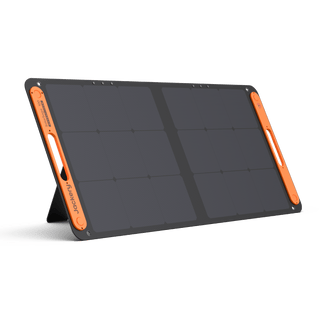
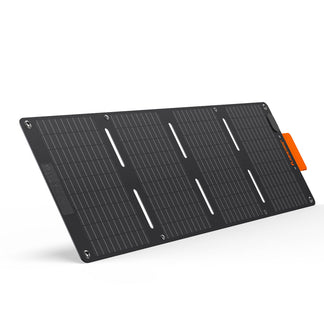
Light and packable, these monocrystalline panels can be hung on a backpack or laid out in a clearing. A 50‑watt panel is enough for phones and a headlamp; 200 watts can run a fridge and recharge a laptop. Pair them with a portable power station — never plug devices straight into the panel, as unstable voltage can fry electronics.
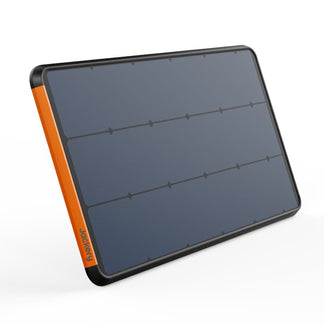
Integrated solar power banks
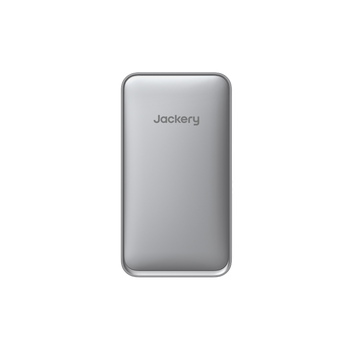
A 10–28‑watt panel glued to a battery bank sounds convenient, but an 8‑watt panel needs 19–24 hours of peak sun to refill a 140‑Wh bank. For fall camping, these are emergency top‑ups at best. Don’t rely on one as your primary charger.
Portable power stations (500–2000 Wh)
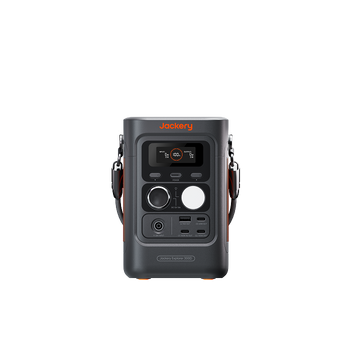
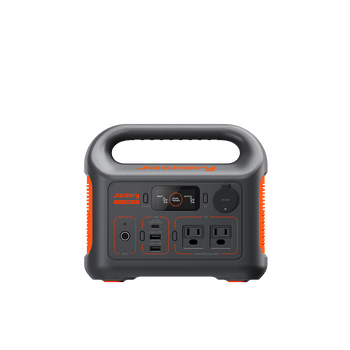
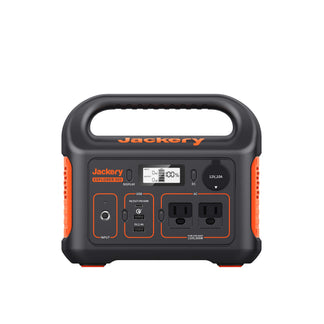
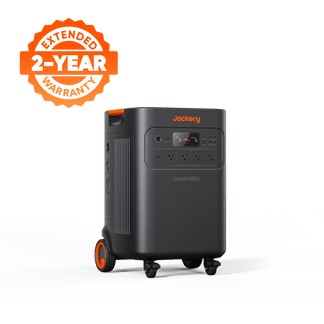
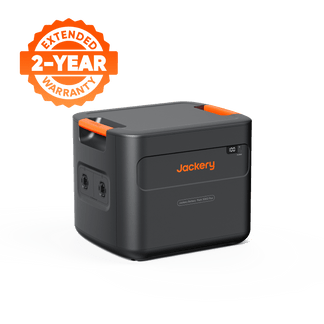
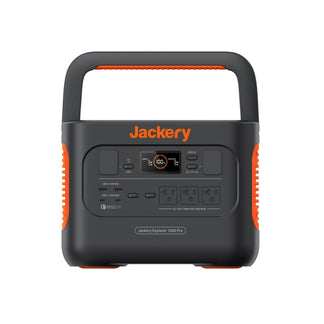
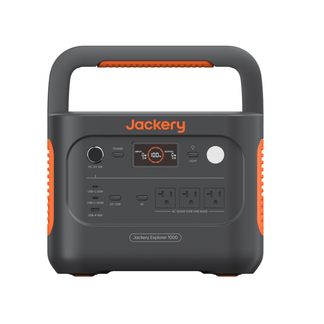
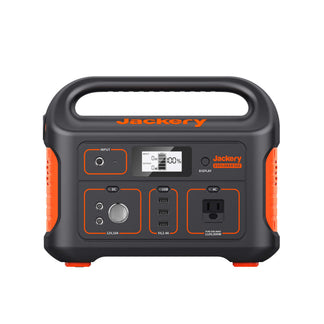
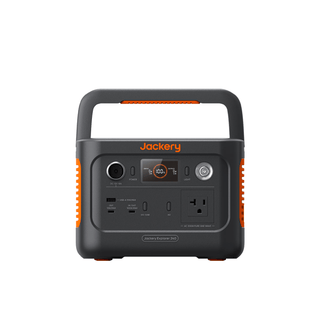
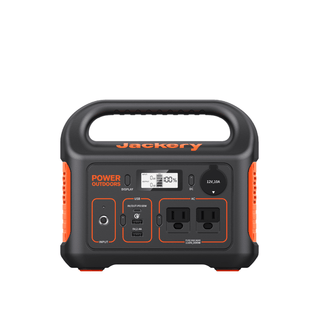
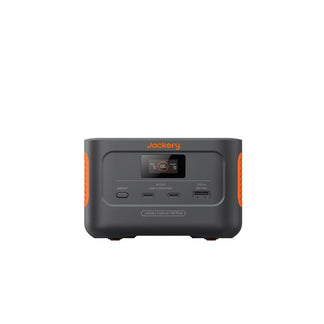
Charge the station via solar during the day and run your gear at night. A 1070‑Wh unit can power a portable fridge for 15 hours and recharge a phone 36 times. The power station acts as a buffer, smoothing out intermittent sun so you always have stable AC, USB, and DC outputs.
Bundled solar generator kits
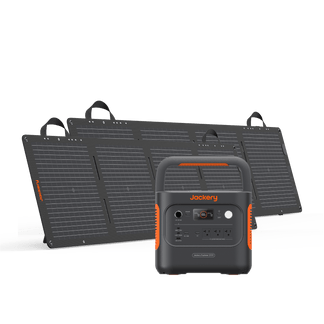
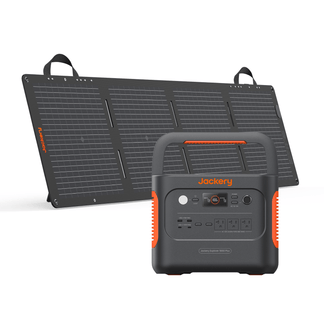
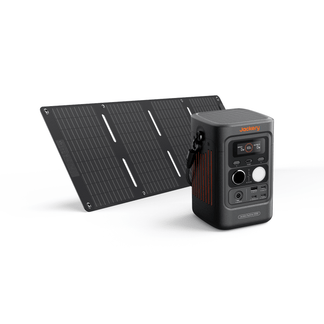
A pre‑matched power station and folding panels make a plug‑and‑play off‑grid system. For car campers, a 200‑watt panel plus a 1000‑Wh station cover lights, fridge, and device charging for 3–4 days without moving a car.
The table below outlines which setup fits common fall camping use cases.
Use Case |
Recommended Setup |
Why |
|---|---|---|
Weekend backpacking (phone, headlamp only) |
50 W foldable panel + 10,000 mAh power bank |
Lightweight, no bulky station needed; pre‑charge bank at home |
Car camping with 12 V fridge, laptop, camera |
160–200 W panel + 500–1000 Wh power station |
Enough daytime solar to run fridge and recharge station daily |
Basecamp with heated blankets, cooktop, drone |
400 W solar array + 2000 Wh LiFePO₄ station |
High capacity for heavy loads; buffer covers cloudy days |
Best Practices to Maximize Solar Charging in Autumn Conditions
Charge a Power Station First
Don’t plug devices directly into the panel. Sunlight flickers behind clouds and trees, causing voltage spikes that can damage sensitive electronics. Feed solar output into a power station’s MPPT charge controller first; the battery stabilizes the power and lets you charge phones, lights, and laptops overnight.
Angle Your Panel at 45° Toward the Southern Sky
In the northern hemisphere, setting the panel flat loses as much as 30% of available energy when the sun is low. Adjust the kickstand to 45° and aim it south. Even a box or log can lift the panel enough to catch significantly more light.
Place Panels in Full Sun, Away from Shadows
One shaded cell in a series‑wired panel can cut total output by half. Move the panel into a clearing every 1–2 hours as shadows shift. Partial shade on a single corner is all it takes to choke the whole system.
Wipe Dew, Frost, and Leaves Off Each Morning
Moisture and debris block light and reduce efficiency 10–30%. A quick wipe with a microfiber cloth before you start charging adds free watt‑hours every day.
Keep the Battery Cool, the Panel Ventilated
Elevate the power station slightly so air circulates underneath, and park it in the shade. Panels do better when they stay cool, too — grass is better than hot asphalt, and a little airflow under the panel helps maintain voltage.
How to Size a Solar Charger for Your Fall Camping Needs
Start by listing every device you’ll charge and how long you’ll use it each day. Multiply running watts by hours, then sum all watt‑hours.
(Running Watts × Hours Used) ÷ 1,000 = Daily kWh
Example daily energy use:
- 5‑watt phone charger × 2 hours = 10 Wh
- 3‑watt LED light × 5 hours = 15 Wh
- 60‑watt portable fridge × 8 hours = 480 Wh
- Total: 505 Wh per day
Add a 25–30% cold‑weather buffer to offset capacity loss and unpredictable skies. That turns the 505 Wh daily load into approximately 660 Wh, pushing the panel size up to roughly 200 watts to recharge the station in 4–5 hours of decent autumn sun.
- For a weekend car camper with a fridge and drone charging, target at least 160 watts of solar and a 500–1000 Wh power station.
- Backpackers who only need phone and headlamp power can get by with a 50‑watt foldable panel and a 10,000 mAh bank.
- For trips under four nights, a pre‑charged 10,000 mAh battery block is the smarter, cheaper choice — solar only becomes necessary when you’re away from an outlet for a week or longer.
If you’re unsure which size station matches your gear, consult a solar generator sizing guide to dial in the numbers. For extended outages at home, a dedicated battery backup generator may be more appropriate than a camping‑focused portable unit.
Limitations / What to Know Before
- Solar charging needs direct sun; dense forest or multi‑day rain yields little to no power — always pack a fully charged backup battery.
- Fall charging speeds are tangibly slower than in summer; don’t expect a 100‑watt panel to run a 60‑watt fridge directly, even at noon.
- Large folding panels (10+ lbs) are best for car camping, not ultralight backpacking, due to weight and setup time.
- Plugging panels straight into electronics risks permanent damage from variable voltage — always route power through a rechargeable battery with a charge controller.
- Built‑in solar panels on power banks are emergency top‑ups only — they cannot serve as a primary charging solution.
A portable solar generator is excellent for essential camping backup, but it is not a whole‑home backup system. For residential scenarios that demand hard‑wired transfer switches, see our comparison of generators versus home battery systems.
Product Recommendation: Solar Charger for Camping
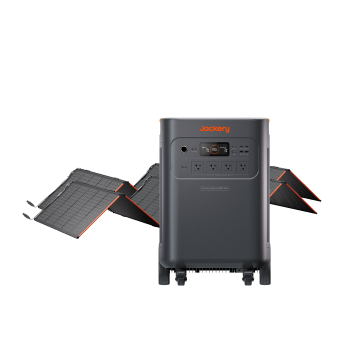
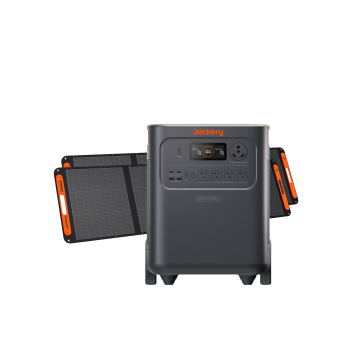
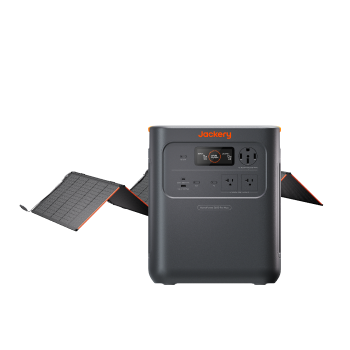
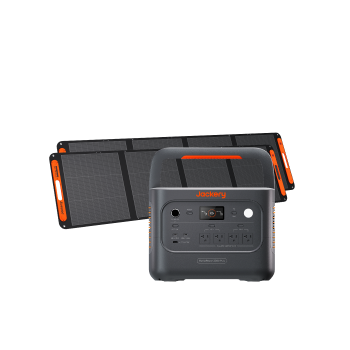
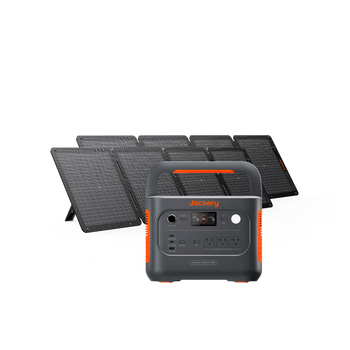
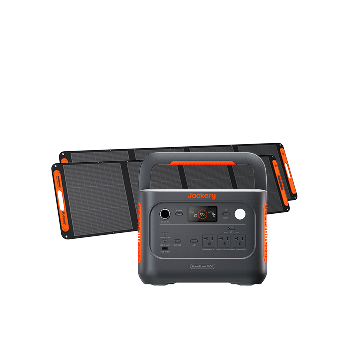
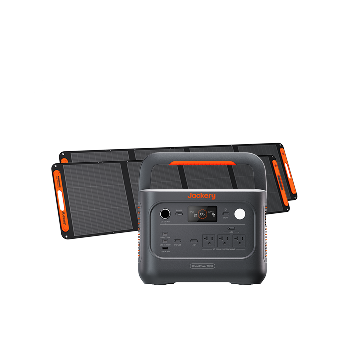
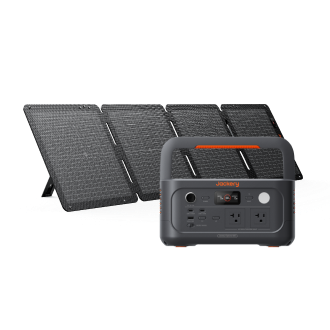
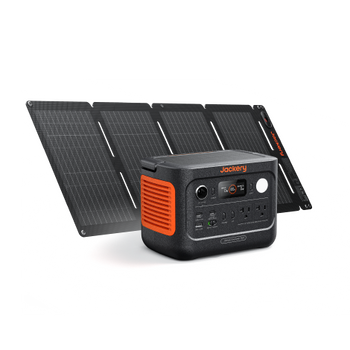
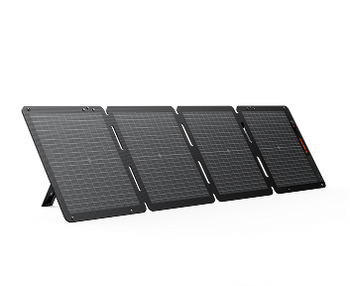
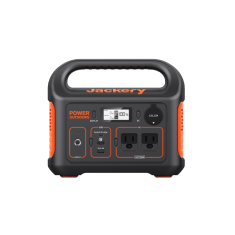
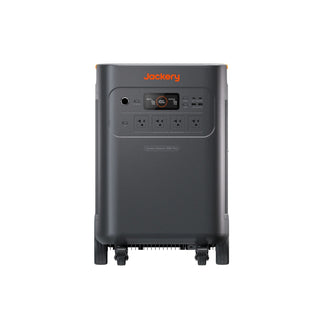
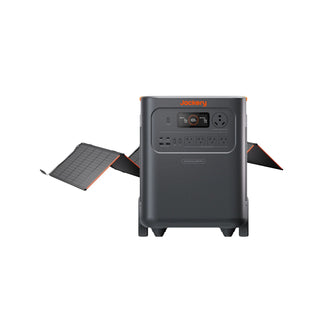
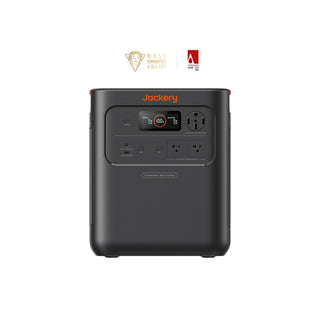
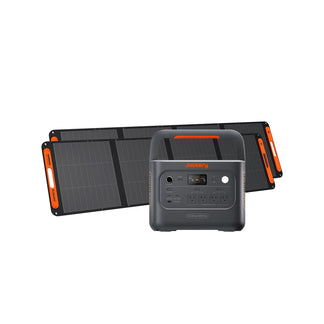
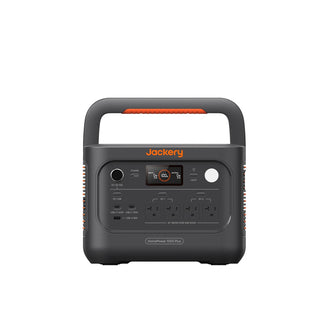
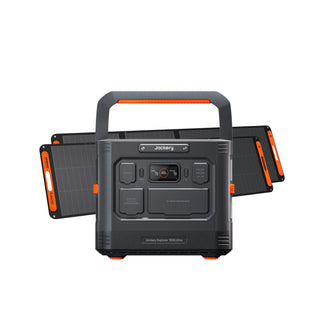
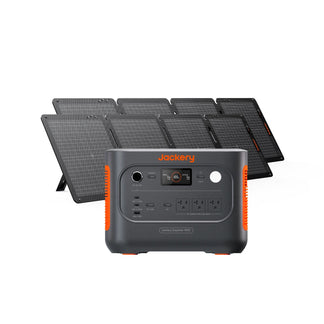
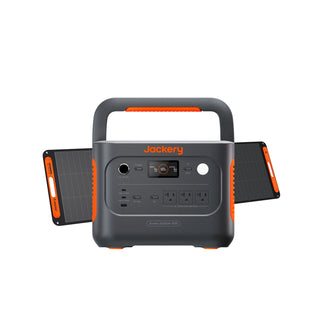
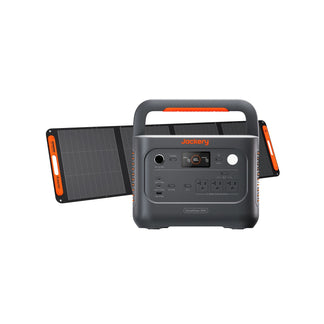
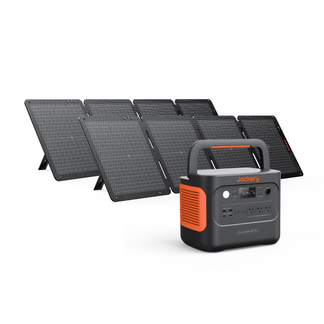
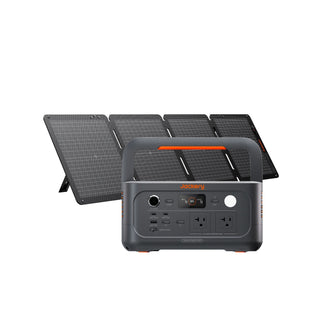
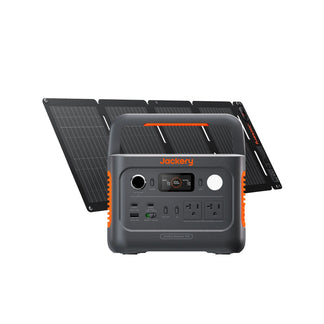
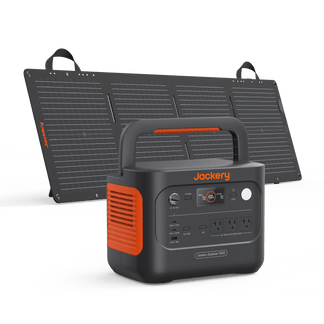
For campers who need reliable fall power without guesswork, Jackery’s foldable solar panels and LiFePO₄ power stations are engineered for low‑light performance and cold‑weather durability. Pair them into a plug‑and‑play kit.
Product |
Use Case |
Key Specs |
Benefit |
|---|---|---|---|
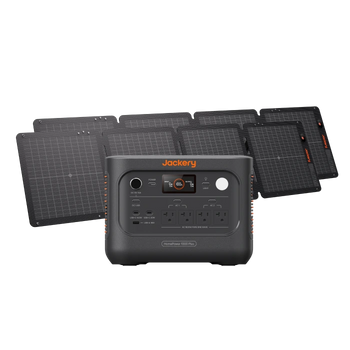
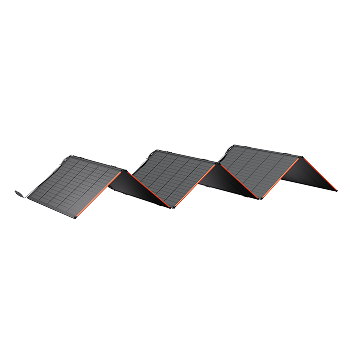
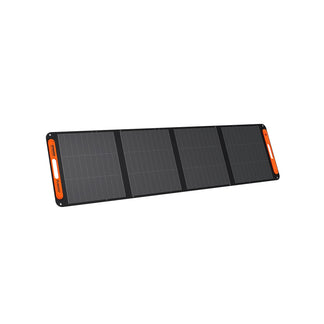
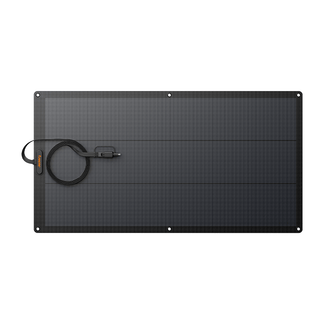
SolarSaga 500X |
Basecamp solar collection |
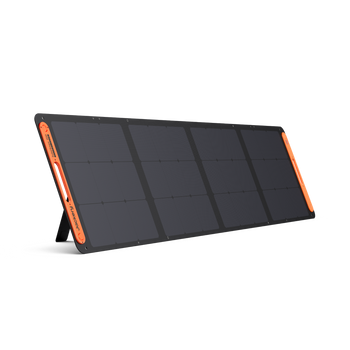
500 W monocrystalline, bifacial TOPCon, 22.05 lbs |
High power for rapid charging; one cable to E‑series stations |
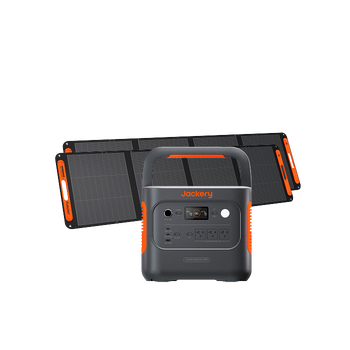
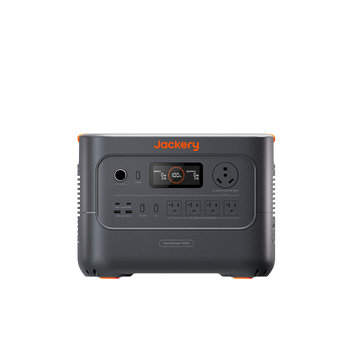
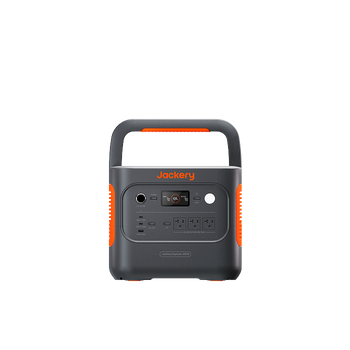
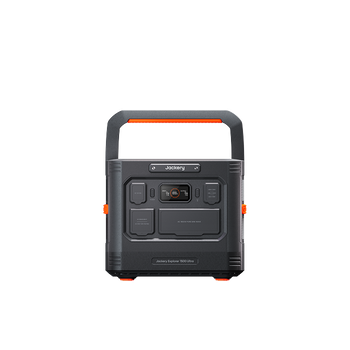
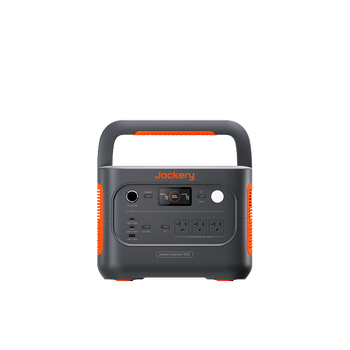
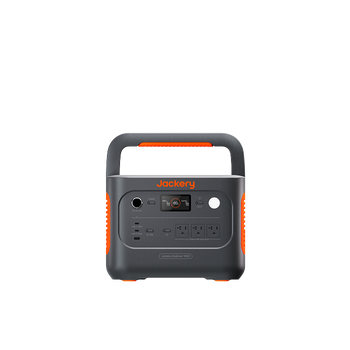
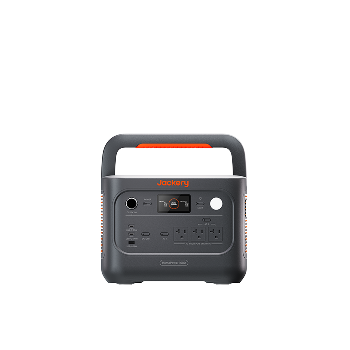
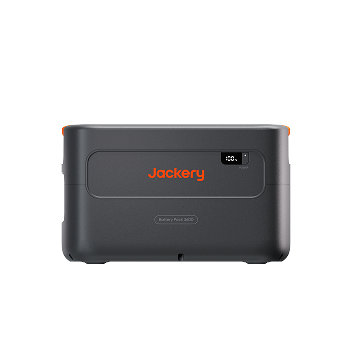
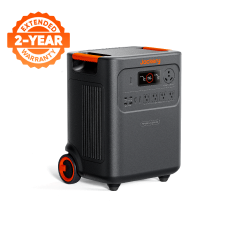
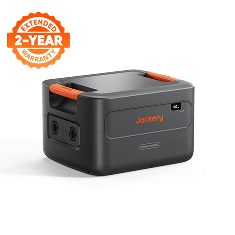
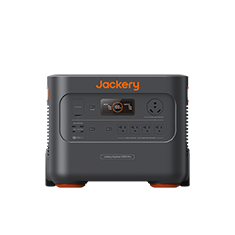
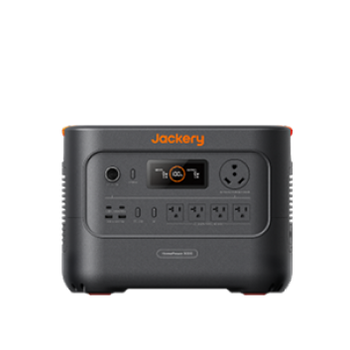
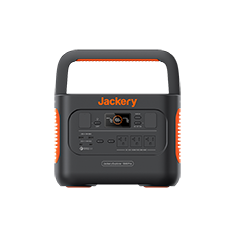
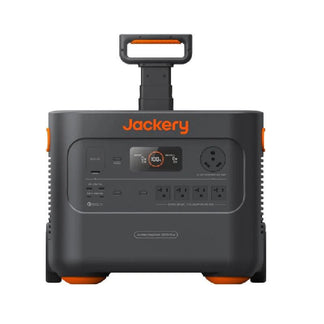
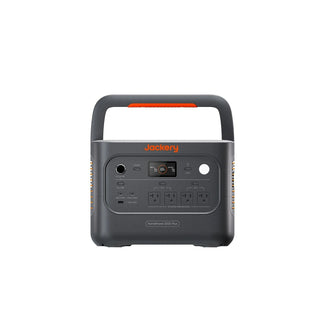
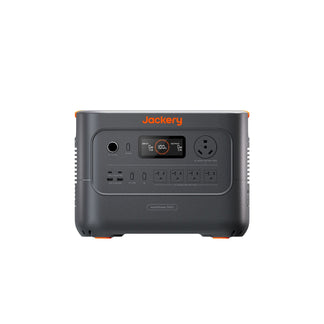
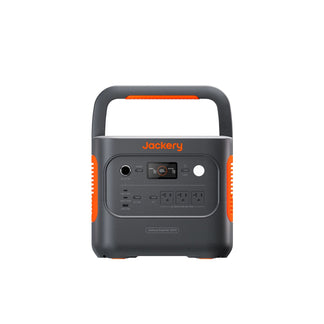
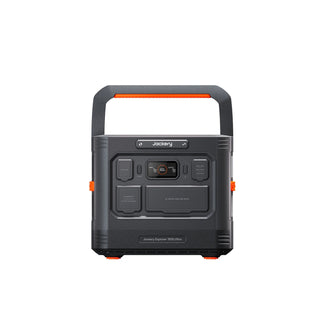
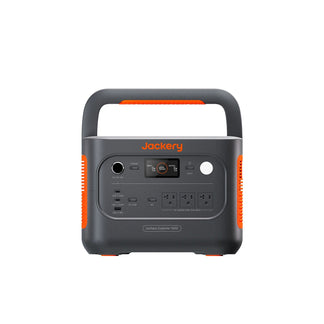
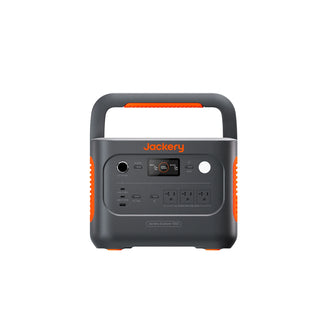
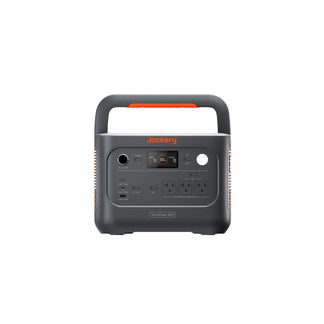
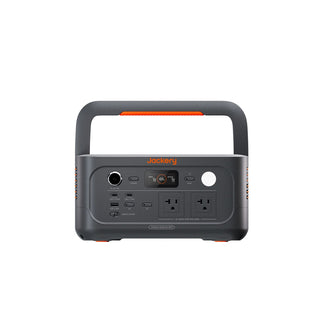
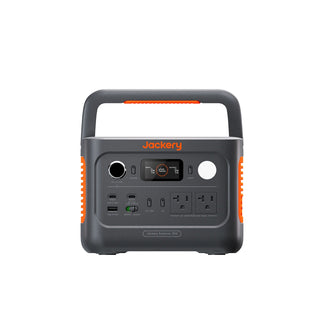
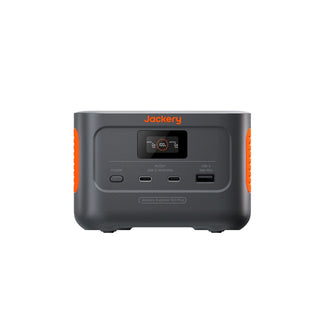
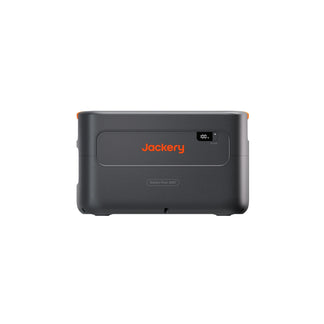
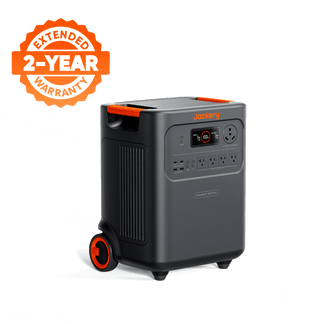
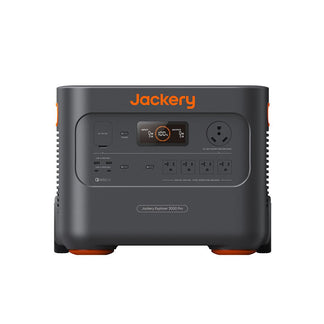
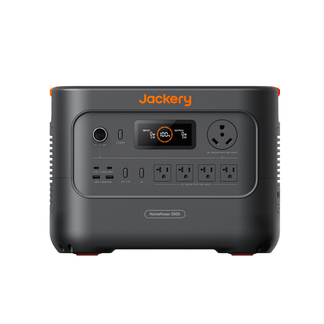
Explorer 1000 v2 |
Weekend car camping, fridge backup |
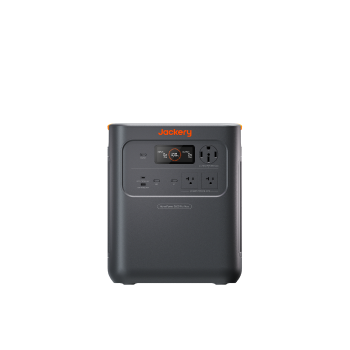
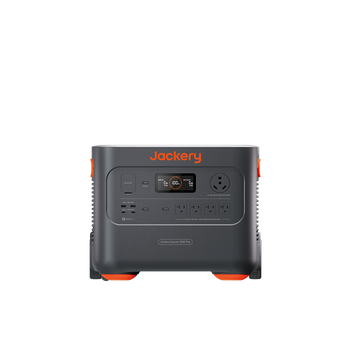
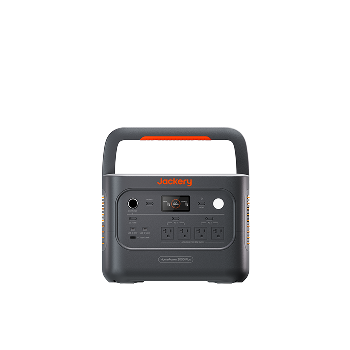
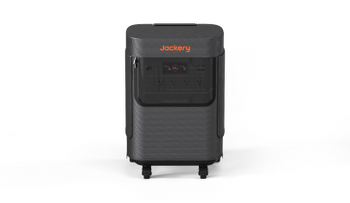
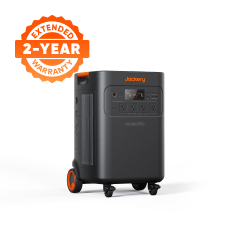
1070 Wh LiFePO₄, 1500 W AC output |
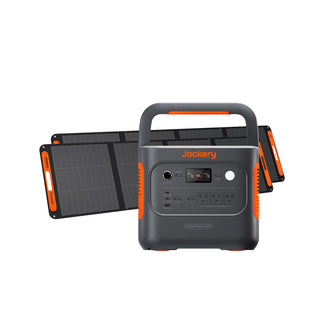
Runs a 60‑watt fridge 15 hrs, charges phones 36×; recharges with 200 W solar in ~8 hrs |
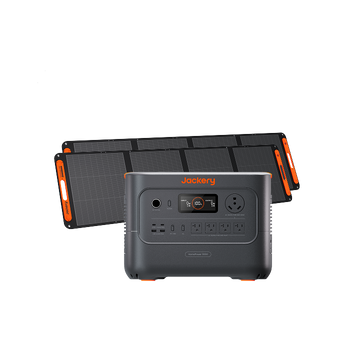
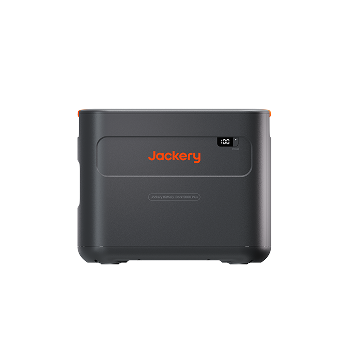
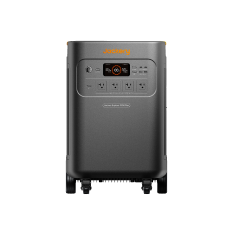
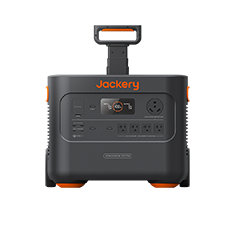
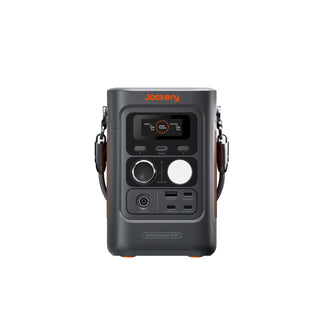
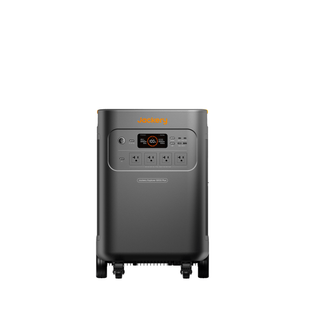
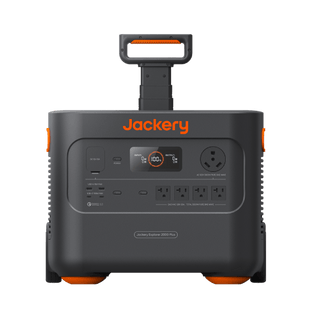
Explorer 2000 v2 |
Extended trips, heated gear, small cooktops |
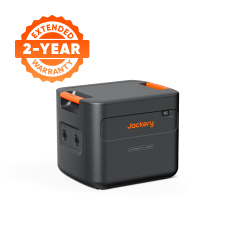
2042 Wh LiFePO₄, 2200 W AC output |
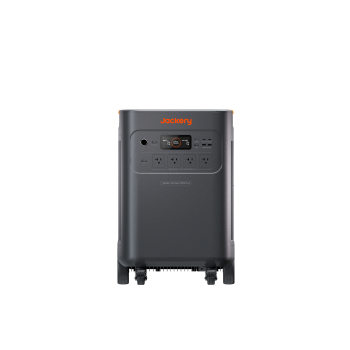
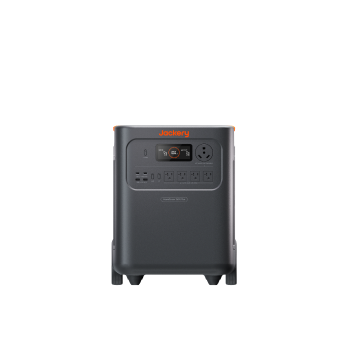
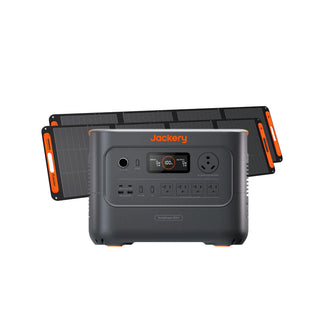
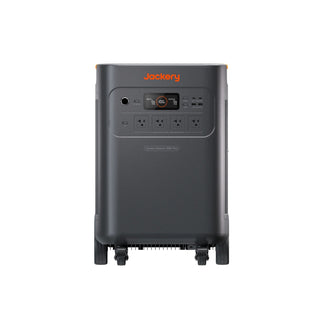
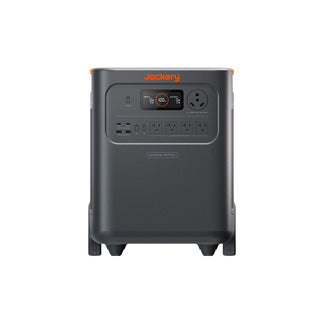
Powers high‑draw appliances; recharges with 400 W solar in ~7.5 hrs; pass‑through charging |
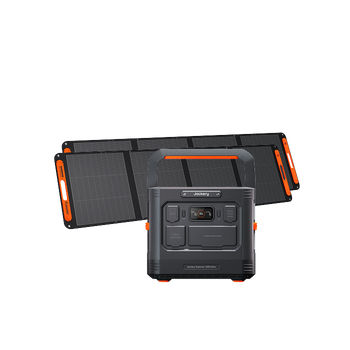
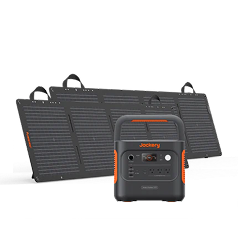
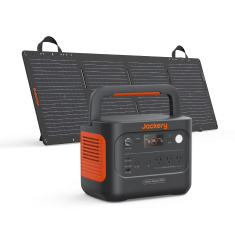
A SolarSaga 500X paired with an Explorer 1000 v2 forms a compact 1070‑Wh solar generator that covers lights, phones, and a portable fridge for a 3‑day autumn trip. For anyone running a heated blanket or electric cooktop, stepping up to the Explorer 2000 v2 with two panels delivers the extra watt‑hours needed without worrying about a single cloudy day. If you later want to use the same equipment for home backup, learn how to build a secure power backup for appliances.
Frequently Asked Questions (FAQ)
Can I use a solar panel in the rain?
Most panels are weather‑resistant, but heavy rain reduces output by 80% or more; you should not rely on them in wet conditions.
What is the best way to prevent panel theft at a campsite?
Secure the panel with a cable lock threaded through its frame or case, and place it closer to your tent rather than in a remote sunny spot.
Why does partial shade on one solar cell ruin the whole panel’s output?
Traditional panels are wired in series, so a shaded cell acts like a bottleneck that drastically reduces the total current flow.
How should I store my solar panel when not in use during a trip?
Keep it folded in a dry, cool bag away from direct sunlight to prevent heat damage and accidental wear on the fabric and cells.
Can I charge multiple devices at once from a single solar panel?
Yes, but only if you connect them through a power station or a multi‑port USB hub that matches the panel’s voltage and current ratings.


