

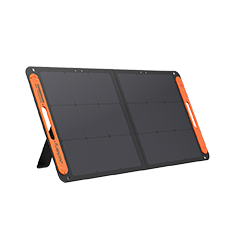


![[Add-on] Jackery SolarSaga 500 X - Jackery](http://www.jackery.com/cdn/shop/files/add-on-jackery-solarsaga-500-x-1493607.webp?v=1786503068&width=324)
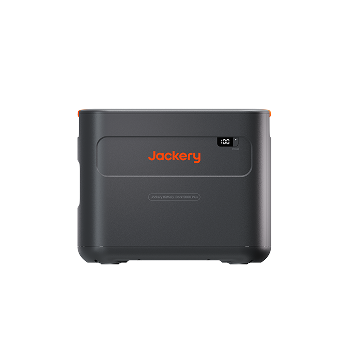
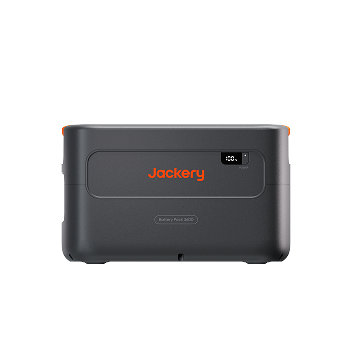
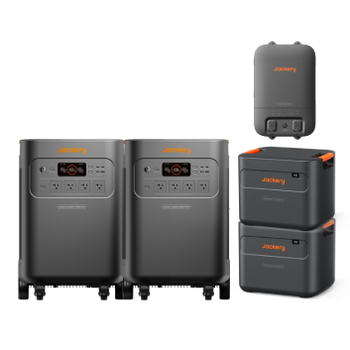
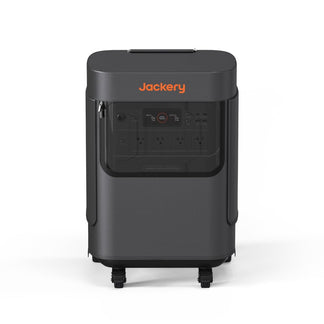
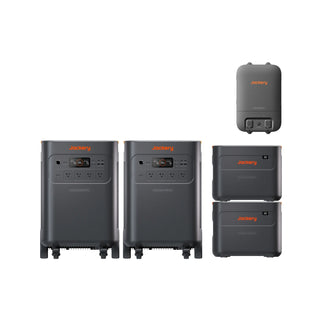
![[Add-on] Jackery Battery Pack 5000 Plus - Jackery](http://www.jackery.com/cdn/shop/files/add-on-jackery-battery-pack-5000-plus-6713401.webp?v=1786503068&width=324)




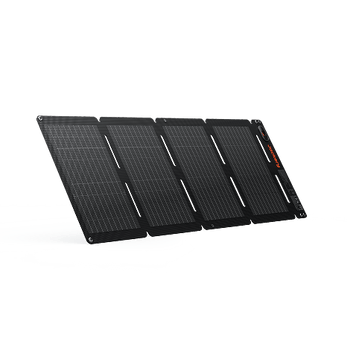
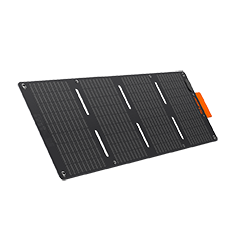
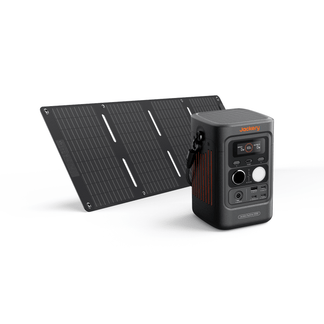
![[Add - on] SolarSaga 200W - Jackery](http://www.jackery.com/cdn/shop/files/add-on-solarsaga-200w-4834329.png?v=1754016915&width=324)


Quick Answer: An off-grid solar kit for fall projects must balance reduced daylight hours, lower sun angles, and cooler temperatures. Portable solar generators with LiFePO₄ batteries and MPPT charge controllers handle seasonal dips efficiently, while scalable panels let you adjust capacity. The best choice depends on your daily watt-hour load, battery autonomy, and portability needs.
Key Takeaways:
- Off-grid solar kits in fall produce 30–50% less energy than summer due to shorter days and lower sun angles.
- LiFePO₄ batteries retain 80–90% capacity at 32°F, outperforming lead-acid in cold weather for fall projects.
- Portable solar generators with MPPT controllers capture 20–30% more energy in low-light fall conditions than PWM controllers.
- Sizing a fall kit requires calculating daily watt-hours, adding 25–40% buffer for cloudy days and shorter daylight.
- The best off-grid solar kit for fall projects combines expandable battery capacity, high-efficiency panels, and weather-resistant components.
Understanding Off-Grid Solar Kits: Components and Types
Every off-grid solar kit contains four core components—solar panels, charge controller, inverter, and battery bank—each directly affecting fall performance.
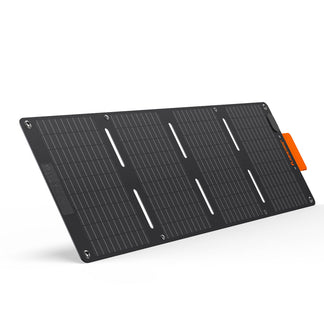
- Monocrystalline panels capture more light in low-angle fall sun, delivering 15–22% efficiency versus 13–16% for polycrystalline—a gap that widens as the sun sits lower. For fall projects, monocrystalline is the practical choice.
- MPPT charge controllers convert excess voltage into usable current, adjusting their tracking point in real time as fall irradiance fluctuates. PWM controllers simply switch on and off, so MPPT extracts 20–30% more energy in variable conditions.
- LiFePO₄ batteries offer 3,000–5,000 cycles (10–15 years) and maintain stable voltage, handling partial state-of-charge operation without degradation—unlike lead-acid, which loses capacity when not fully recharged.
Kits range from portable units (300–2,000Wh) to fixed cabin systems (5–20kWh). Fall projects favor portable kits for their flexibility: reposition panels as the sun tracks lower, store batteries indoors during freezing nights, and relocate the entire setup. For permanent setups, an off-grid solar power systems cost analysis helps frame the investment.
Sizing Your Kit for Fall Energy Needs
Fall solar production drops sharply; a system that covered loads in July may fall short in October. Accurate sizing requires an honest load calculation. List every appliance and its watt-hours:
- Refrigerator: ~1.2 kWh/day
- LED lights: 0.3 kWh
- Phone: 0.05 kWh
- A modest setup (fridge, lights, laptop, phone) typically totals 1.5–2.0 kWh daily
The fall-specific formula:
(Daily Watt-Hours × 1.4 to 1.7) ÷ Peak Sun Hours = Minimum Solar Array Wattage
Example: 1,800Wh daily load × 1.5 fall buffer = 2,700Wh needed. With 3.5 peak sun hours in October at mid-latitudes, you need at least 770W of solar panels.
For fall, size battery autonomy for 2–3 days (48–72 hours) to cover consecutive overcast days. For a 1,800Wh daily load, target 3,600–5,400Wh of usable storage.
Inverter surge rating must handle motor startup: refrigerators and well pumps draw 2–3× their running wattage. A 2,000W continuous / 4,000W surge inverter handles most small motors. Verify locked rotor amps.
Fall peak sun hours average 3–5 (e.g., Seattle 3.1, Denver 4.8 in October). Use off-grid generator sizing tools and PVWatts for location-specific data.
Seasonal Considerations for Fall Projects
Lower sun angle reduces irradiance: a flat panel loses significant energy when the sun drops from 70° to 35°. Tilt panels 15–20° steeper than summer; at 40° latitude, that’s ~55° in October vs. 35° in June.
Cold improves panel voltage (a 12V panel may produce 18V) but reduces battery capacity. LiFePO₄ retains 80–90% at 32°F; lead-acid can drop to 50% or lower.
Leaf debris and frost block panels: a single leaf covering 5% can reduce output >5% due to series wiring. Clean panels weekly; use mounts rated for 90 mph wind loads.
Daylight shrinks 2–4 minutes/day; by late October, you lose 2–3 hours vs. August. Portable kits with detachable panels let you chase the sun’s shorter arc.
Weatherproofing is non-negotiable:
- Use IP65-rated connectors for all outdoor connections.
- Apply dielectric grease to prevent corrosion.
- Seal cable entry points where wires pass through walls/enclosures.
- Store batteries above freezing; an insulated box with a 12V heating pad keeps LiFePO₄ operational.
Installation and Placement Tips for Fall
South-facing adjustable-tilt panels maximize yield; a fixed 30° tilt loses 15–25% vs. an adjustable array set to 50° in October.
Ground-mount setups allow easy angle changes and debris clearing without climbing onto wet roofs. For temporary fall projects, use sandbags or earth anchors to avoid permanent installation.
Keep batteries above 32°F; LiFePO₄ won’t charge safely below freezing (BMS blocks charging to prevent lithium plating). Discharge works but at reduced efficiency. A garage above 40°F suffices.
Use short, thick cables: a 20-ft 12 AWG run at 20A/12V loses ~3.5%; 10 AWG drops to 2.2%. Keep runs under 15 ft and use 10 AWG or thicker for main connections.
Test the full system before relying on it:
- AC charge test: verify battery reaches full capacity from AC.
- Load test: run intended loads simultaneously to confirm inverter capacity.
- MPPT tracking test: check recovery in partial shade.
- Full dry run: 15-minute test catches issues before a cold night.
Comparing Kit Types: Portable vs. Fixed for Fall
Factor |
Portable Solar Generator |
Fixed Cabin System |
|---|---|---|
Setup time |
Under 10 minutes; plug-and-play |
Days to weeks; requires wiring and mounting |
Fall repositioning |
Move panels daily to follow sun |
Fixed angle; seasonal adjustment only |
Cold-weather storage |
Bring indoors at night |
Requires insulated battery enclosure |
Backup charging |
Vehicle alternator or AC outlet |
Generator or grid-tie only |
Capacity range |
300–5,000Wh |
5,000–20,000Wh+ |
Best for |
Camping, workshops, emergency backup |
Full-time off-grid living |
Portable solar generators integrate battery, inverter, and charge controller in one enclosure. Unfold panels, plug in, and run. For cloudy stretches, charge from a vehicle alternator or AC outlet. This flexibility eliminates generator dependence for intermittent fall projects.
Fixed cabin kits offer higher capacity (up to 15kWh+) but require permanent installation with separate components and a licensed electrician. The disadvantage for fall is rigidity: panels stay at a fixed angle.
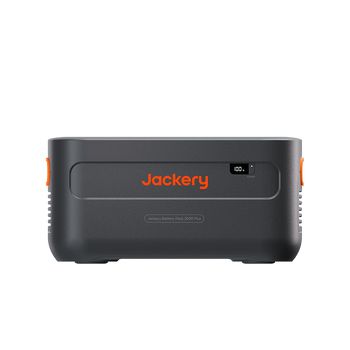
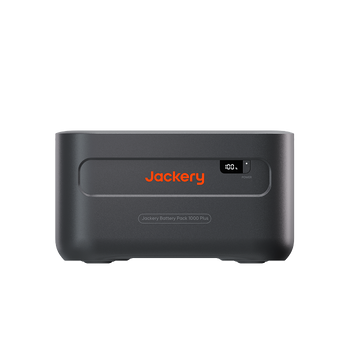
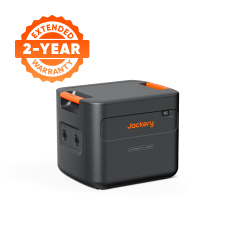
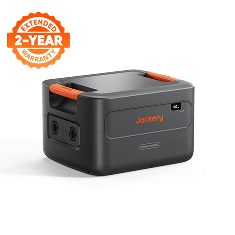
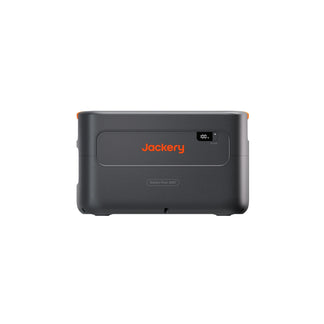
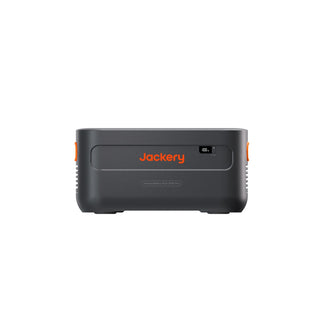
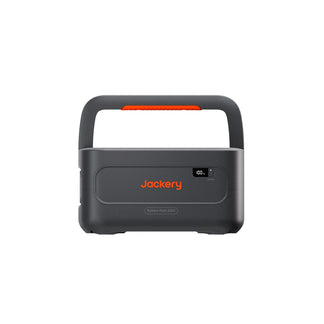
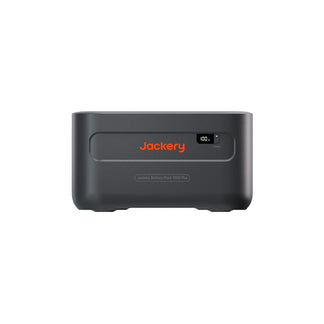
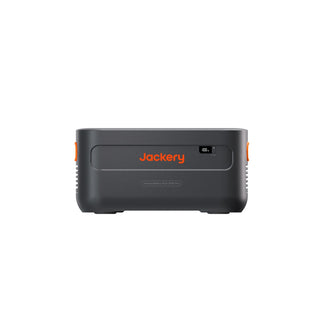
Expandable battery packs let you start with 2kWh and add capacity later, keeping upfront costs manageable. For more on battery options, see solar battery backup systems.
Portable kits weigh 20–40 lbs (power station) + 15–20 lbs per panel, manageable by one person. Fixed systems involve 100+ lb batteries and roof-mounted panels, a one-time installation.
Limitations / What to Know Before
- Unpredictable fall output: “Partly cloudy” can mean 20–80% of rated production. Size batteries for three consecutive overcast days for critical loads.
- Portable kit power limits: A 2,000Wh power station runs a fridge, lights, and devices, not whole-home loads like central AC or electric ranges. They provide essential backup, not whole-home replacement.
- Cold storage degradation: LiFePO₄ cells stored at 14°F lose capacity faster than at 50°F. For unattended systems, bring batteries indoors or use a heating pad; BMS prevents charging damage but not discharge degradation from cold soaking.
- Panel efficiency loss from debris: Dirt, frost, and leaf cover slash output: wet leaves can drop production to near zero, morning frost costs two hours. In wooded areas, daily cleaning may be needed.
- Surge load tripping: A ½ HP well pump draws 1,000W running but surges to 3,000W; undersized inverters may stall. Verify continuous and surge ratings, and test motor loads. For component selection, see DIY house battery backup systems.
Product Recommendation: Essential Fall Off-Grid Backup
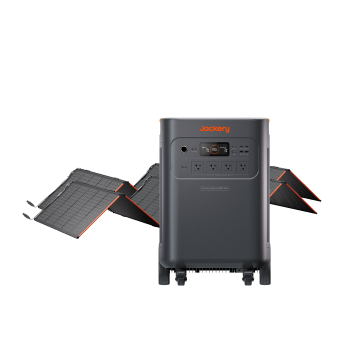
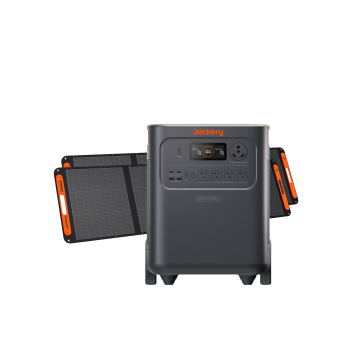
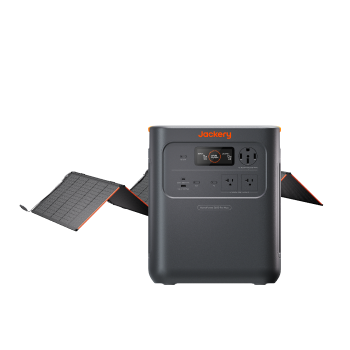
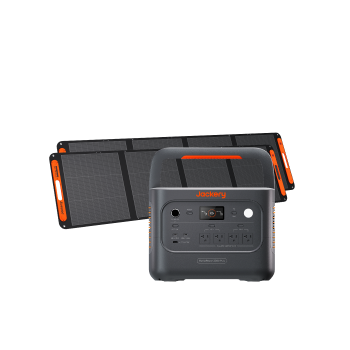
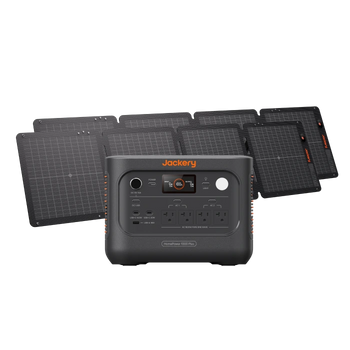
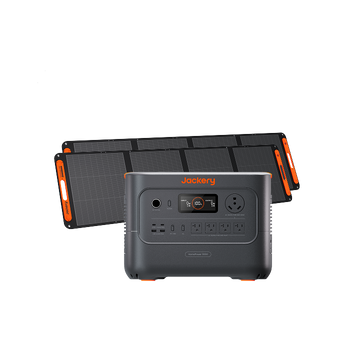
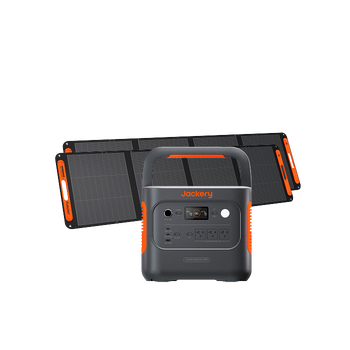
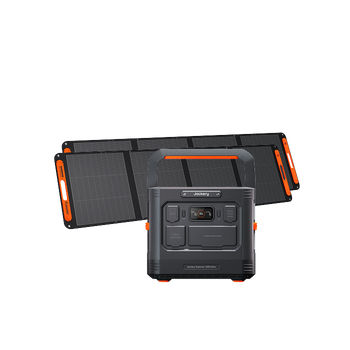
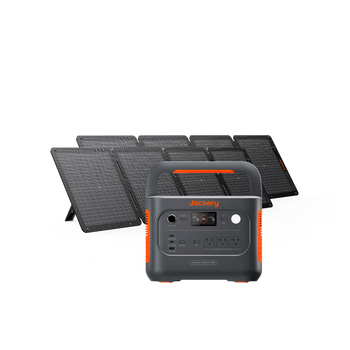
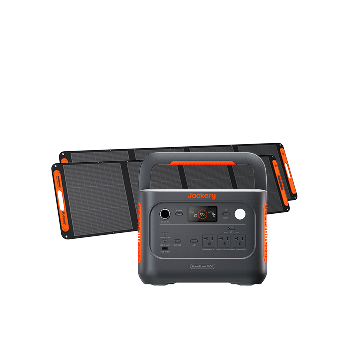
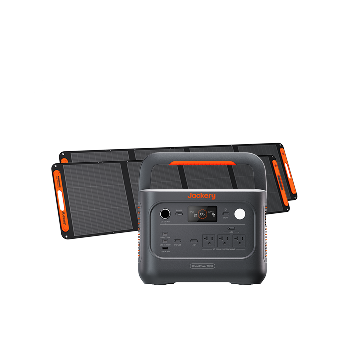
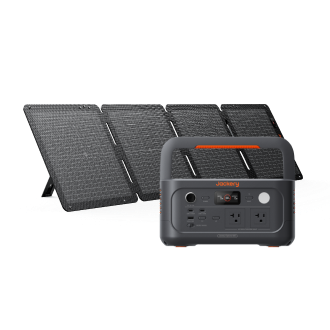
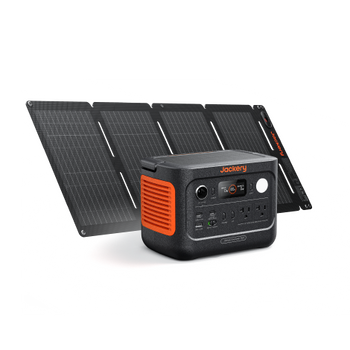
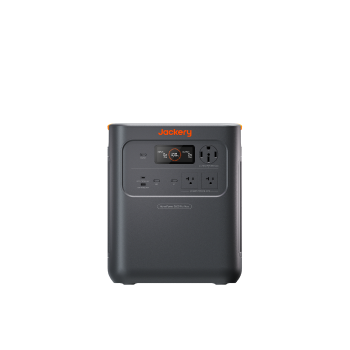
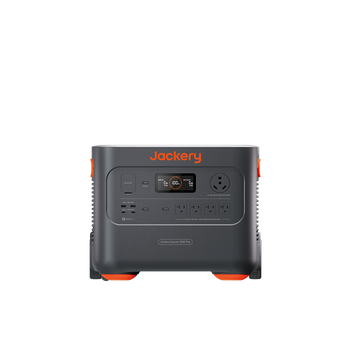
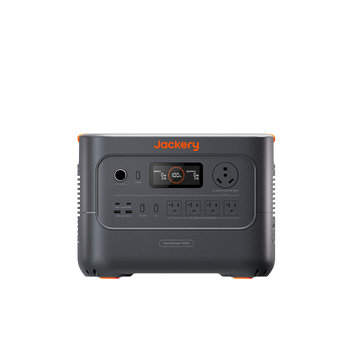
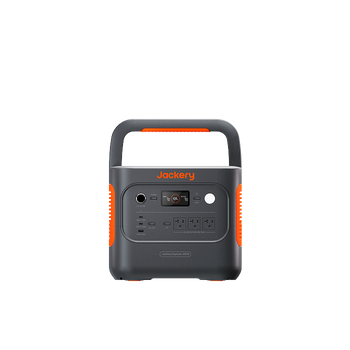
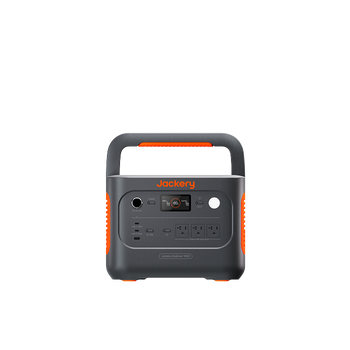
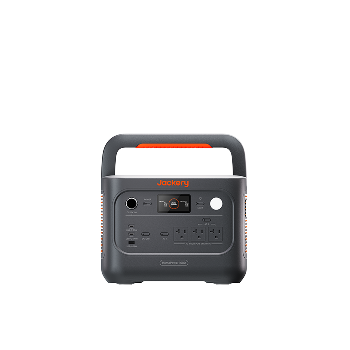
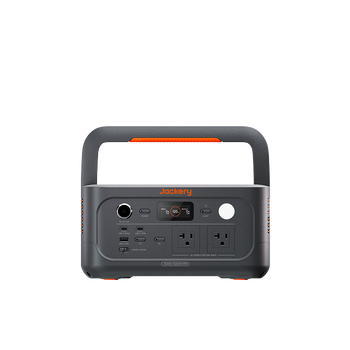
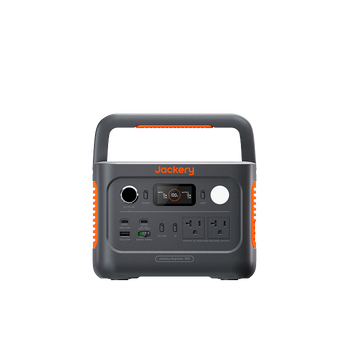
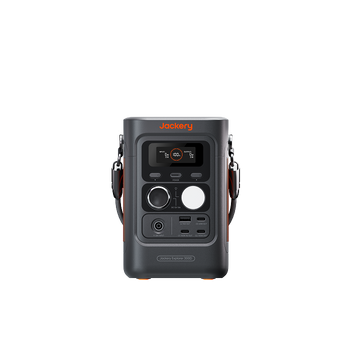
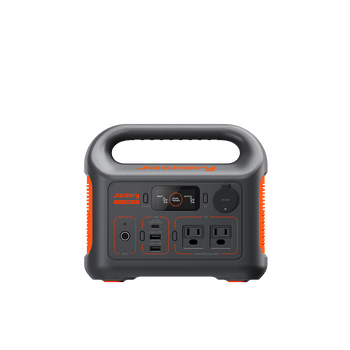
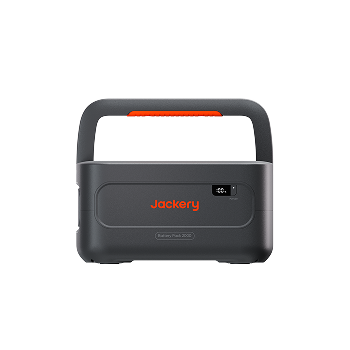
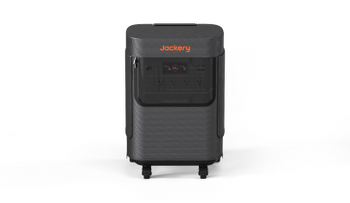
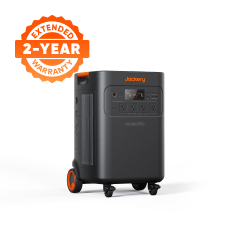
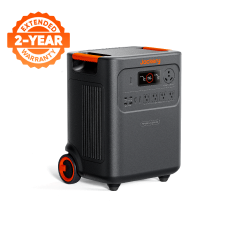
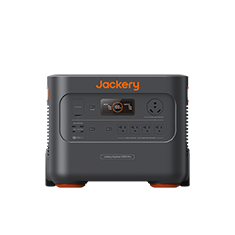
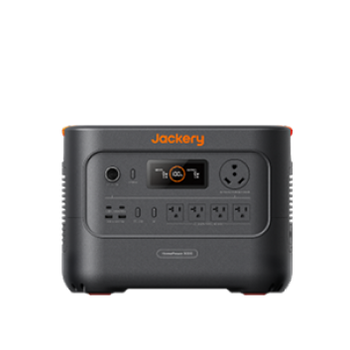
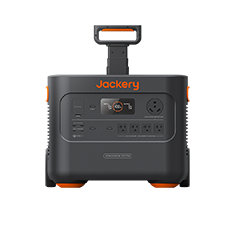
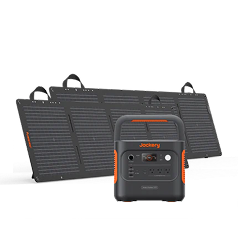
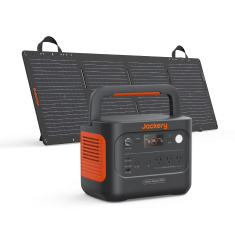
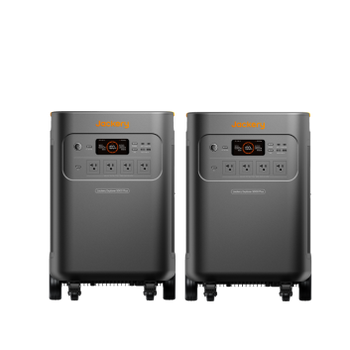
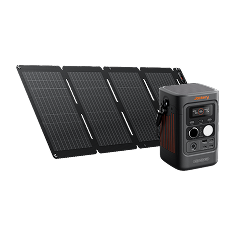
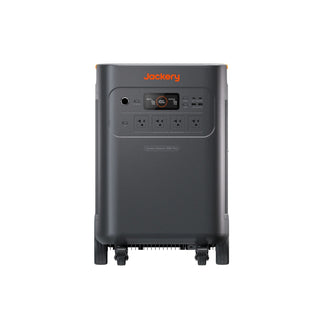
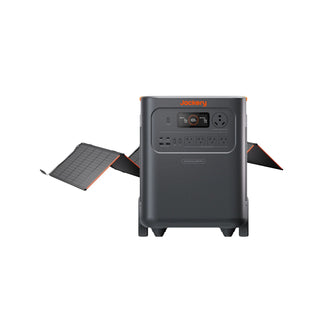
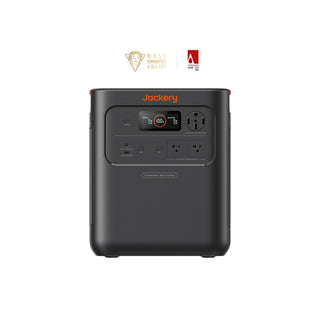
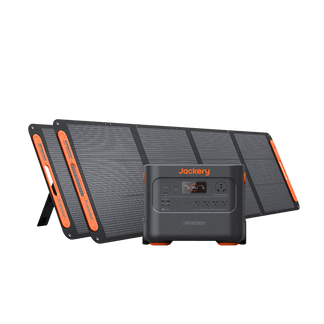
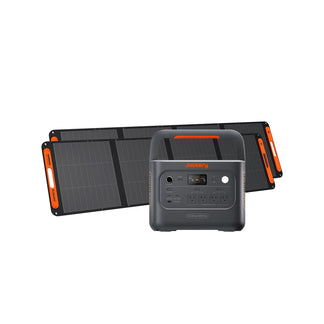
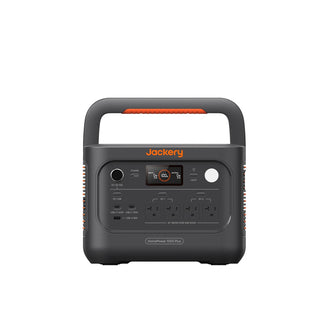
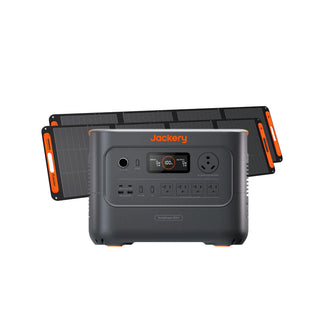
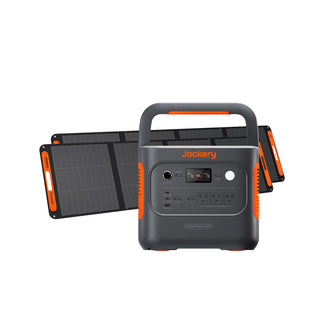
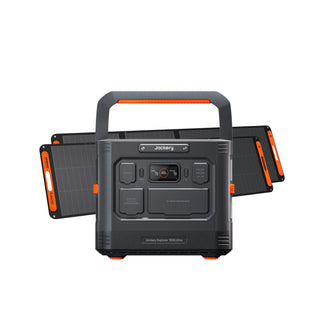
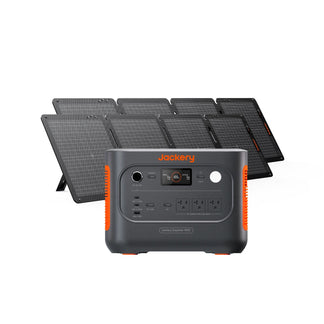
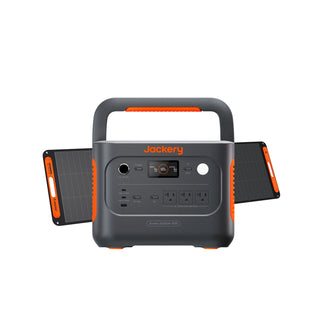
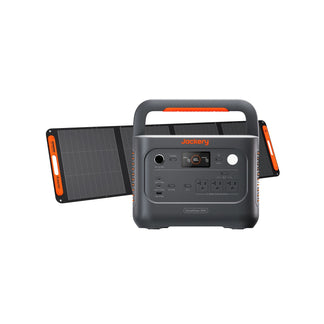
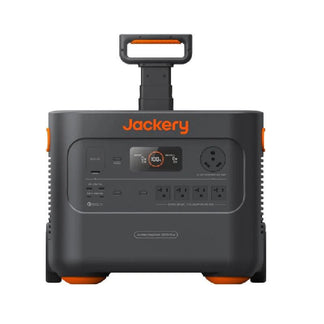
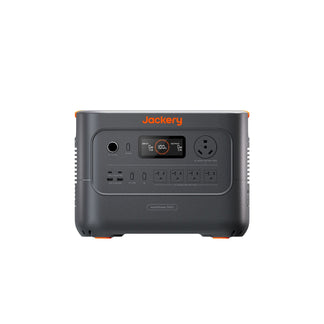
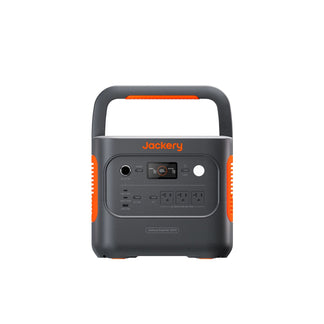
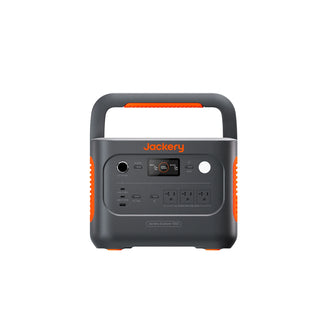
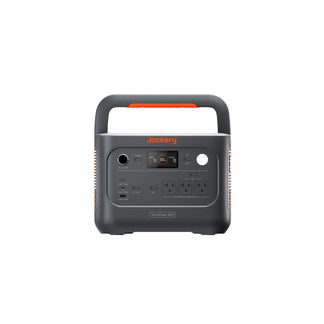
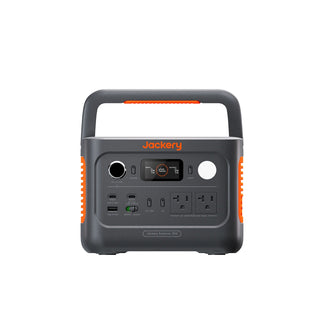
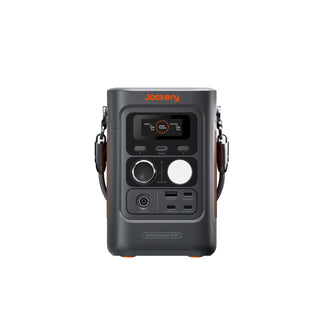
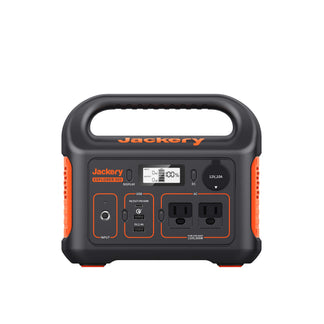
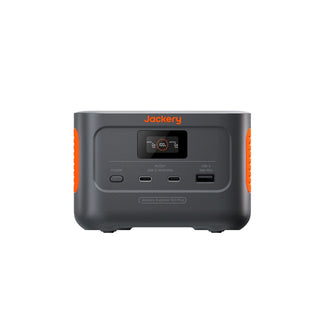
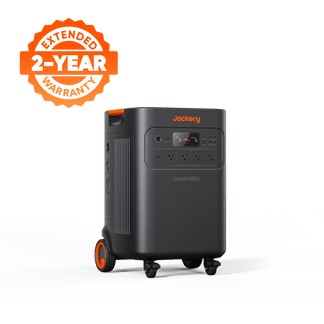
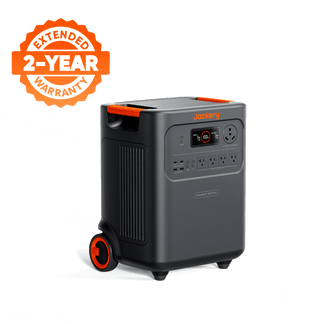
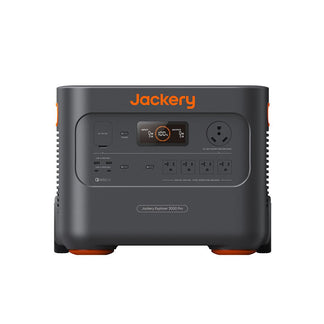
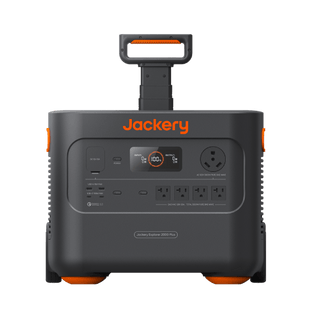
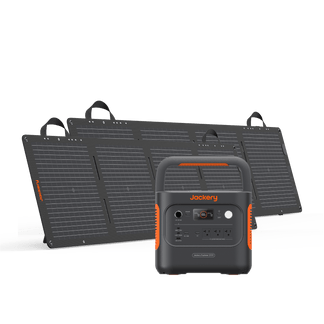
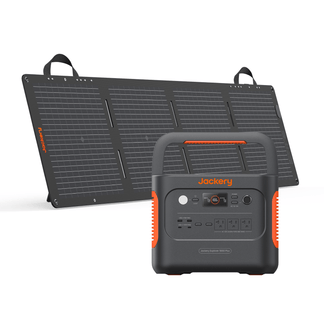
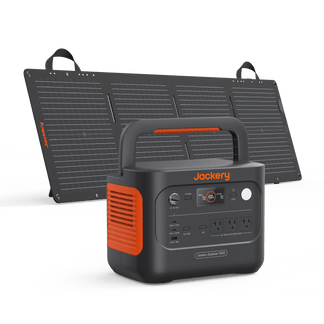
For fall projects requiring portable, cold-weather-capable power, the Jackery Explorer 2000 v2 platform with SolarSaga panels delivers LiFePO₄ chemistry, MPPT control, and weather-resistant components.
Product |
Key Specification |
Fall Advantage |
|---|---|---|
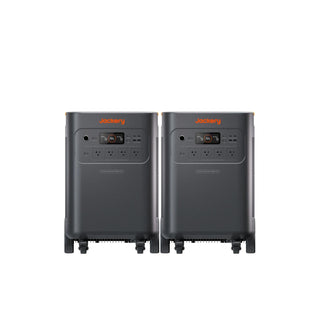
Jackery Solar Generator 2000 v2 |
2,042Wh LiFePO₄; 2,200W continuous (4,400W surge) |
Runs fridge 3.2 hrs or LED lights 155 hrs; 1.7-hr AC super charge for cloudy-day top-up |
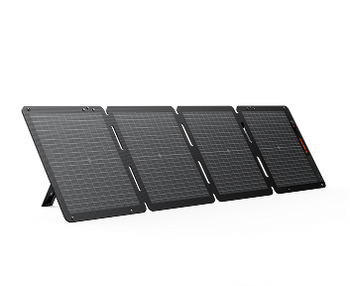
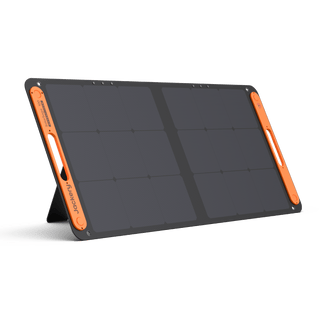
Jackery SolarSaga 500X |
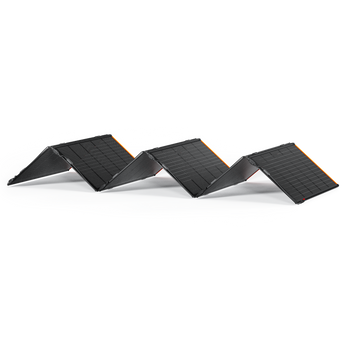
500W bifacial; 25% efficiency; IP68 waterproof |
Captures reflected light from fall ground cover; withstands rain, frost, and debris |
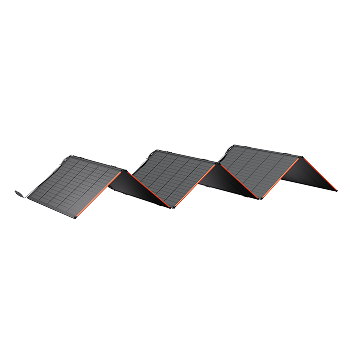
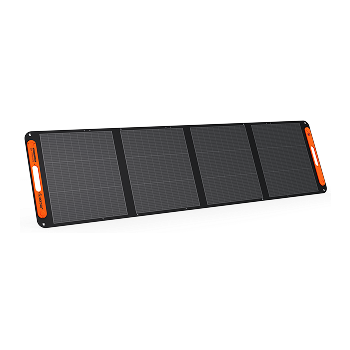
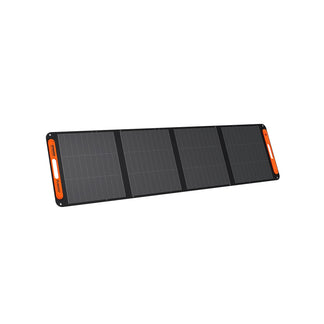
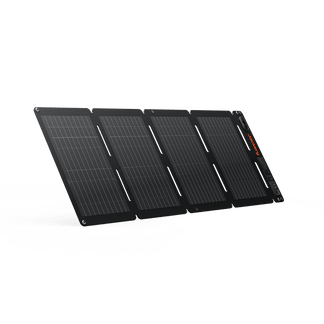
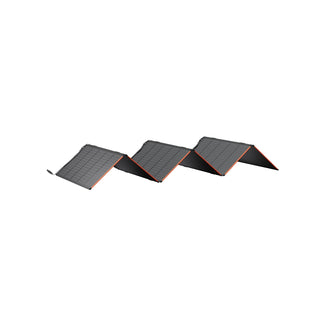
The 2,042Wh battery and 2,200W inverter (4,400W surge) start refrigerators, portable AC units, and power tools. The 1.7-hour AC emergency charge tops up from grid or generator when solar is low. The SolarSaga 500X’s bifacial cells capture reflected light from wet leaves, snow, or gravel, boosting yield. IP68 waterproofing withstands rain and frost.
Frequently Asked Questions (FAQ)
Can I charge LiFePO₄ batteries below freezing?
Most have a low-temperature cutoff preventing charging below 32°F; discharge works down to -4°F at reduced capacity.
Can I expand a portable solar generator later?
Many offer expansion batteries via proprietary ports to increase capacity without replacing the unit.
How do I measure my actual daily watt-hour usage?
Use a plug-in power meter to record real-time wattage and cumulative watt-hours over a typical day.
Can I run a refrigerator on a 2000W inverter?
Yes, most modern fridges draw 600–800W running and 1,200–1,800W surge; check locked rotor amps.
Will solar panels still charge on overcast fall days?
Monocrystalline panels with MPPT generate 10–25% of rated output under heavy overcast, sufficient for trickle charging but not continuous loads.
