





![[Add-on] Jackery SolarSaga 500 X - Jackery](http://www.jackery.com/cdn/shop/files/add-on-jackery-solarsaga-500-x-1493607.webp?v=1786503068&width=324)
![[Add-on] Jackery Battery Pack 5000 Plus - Jackery](http://www.jackery.com/cdn/shop/files/add-on-jackery-battery-pack-5000-plus-6713401.webp?v=1786503068&width=324)



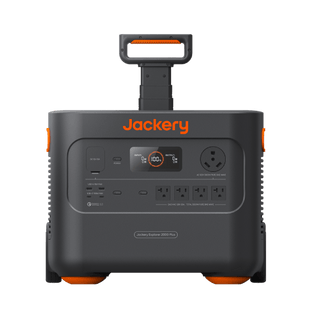
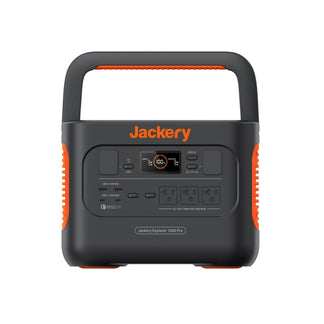
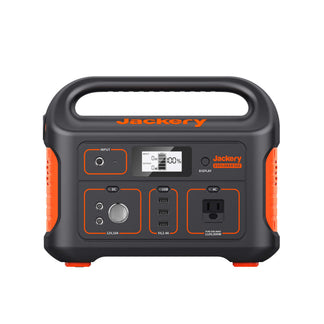
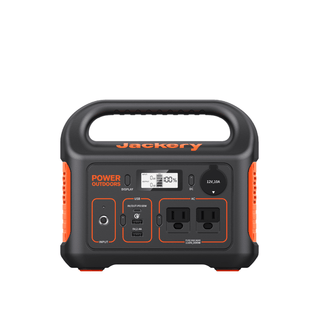


You don't need to spend thousands of dollars to keep your family safe and comfortable during a power outage. For most US households, the outages that actually happen (a downed line after a storm, a grid overload during a heatwave, or a few hours of scheduled maintenance) last well under half a day.
A well-chosen essential home backup power station under $1,000 can carry household essentials through exactly that window, keeping the fridge cold, the lights on, and the phones charged. This guide breaks down what a sub-$1,000 power station can realistically do, how to choose the right capacity for your household, which Jackery Portable Power Stations currently fall under this price point, and how to stretch every watt-hour further when the power actually goes out.
Key Takeaways
- A best power station under $1,000 can comfortably run phones, lights, a WiFi router, a fan, and a refrigerator for a meaningful stretch of time. These are the exact appliances most households need during a typical outage.
- A power station costing less than $1,000 cannot run central air conditioning, electric ranges, or whole-home electrical loads.
- Most US power outages last under 12 hours, which means a home backup power station under $1,000 is often all a household actually needs.
- Capacity needs often scale with household size: 500–800Wh for one person, 1,000–1,500Wh for a family of 3–4, and priority on pure sine wave output for anyone running medical equipment.
- For home backup specifically, putting your full budget into a higher-capacity power station usually beats splitting it between a smaller station and a solar panel.
- Several Jackery Portable Power Stations currently fall under $1,000, each suited to a different household size and use case.
What Can a Home Backup Power Station Under $1,000 Run?
A home backup power station in this price range is best understood as an "essentials covered" tier. It's not designed to replace your home's electrical panel. Instead, it's designed to keep the things your family actually relies on running during a short outage.
What This Budget Range Covers Well
Inside the sub-$1,000 tier, most Jackery Portable Power Stations can comfortably handle:
- Phones and Tablets: Hundreds of charge cycles per unit, effectively a non-issue.
- LED Lights: Lamps and string lights can run for days on a single charge because LED draw is so low.
- WiFi Router: Keeping internet and phone signal alive matters more than people expect during an outage, especially for remote workers or anyone relying on a cell booster.
- Fan: Useful for both comfort and for keeping air moving around a fridge or a room without central air.
- Refrigerator: For a meaningful stretch, but long enough to protect the food inside during a typical outage window, especially when paired with a load rotation strategy.
What It Doesn't Cover
A home backup power station under $1,000 is not built to run:
- Central Air Conditioning: The compressor's starting wattage alone can exceed what these power stations are designed to output.
- Electric Ranges or Ovens: Resistive heating elements pull far more power than portable stations in this price range can sustain.
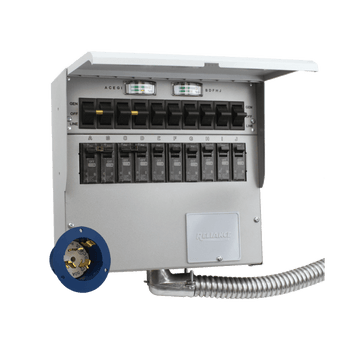
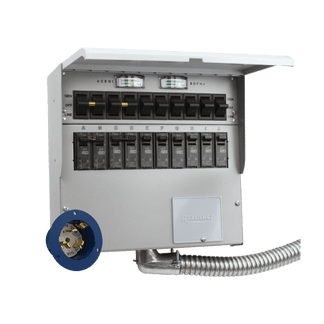
- Whole-Home Loads: If the goal is powering multiple circuits in your house simultaneously, that requires a much larger capacity and often a transfer switch, which pushes well past $1,000.
However, the majority of US power outages last under 12 hours. Multi-day, multi-week outages make the news, but they are the exception. For the outage that's actually likely to affect your household (a storm knocking out power overnight, a grid issue during peak summer demand), a well-matched home backup power station under $1,000 handles that window comfortably. However, if you live in an area that experiences long-term power outages, you might need to invest in a high-capacity power station with solar panels.
How to Choose the Right Home Backup Power Station on a Budget?
Once you know what this budget tier can and can't do, the next question is sizing it correctly for your household. Two decisions matter most: how much capacity you need, and whether that capacity should come from a bigger battery or from adding solar.
How Much Capacity Do You Actually Need for a One- or Two-Night Outage?
Capacity, measured in watt-hours (Wh), is the single biggest factor in how long a power station will actually last the connected appliances. Here's how it breaks down by household situation.
Solo or Single-Person Household: 500–800Wh
If you are powering essentials for one person, such as a phone, a lamp, a fan, maybe a small fridge, a power station in the 500–800Wh range handles a full night comfortably. This is enough capacity to avoid constantly worrying about battery percentage, without paying for storage you won't use.
Family of 3–4: 1,000–1,500Wh
A household running a full-size refrigerator, lights across multiple rooms, several devices charging at once, and a fan overnight needs more headroom. In the 1,000–1,500Wh range, you get enough capacity to cover the fridge, lights, devices, and a fan through the night without having to ration power minute by minute.
Household With Medical Equipment: Prioritize Reliability Over Raw Capacity
If someone in your home uses an oxygen concentrator, or another medical device, reliability is more important than capacity. Here are the things that matter more:
- Continuous Output Reliability: A power station that can sustain its rated output without dips or interruptions protects sensitive electronics from irregular power delivery.
- Pure Sine Wave Output: Refrigerator compressors are designed to run on the same smooth, consistent waveform that comes out of a wall outlet. A pure sine wave output replicates that. For running sensitive appliances, this single spec matters more than an extra few hundred watt-hours of capacity.
Is It Better to Buy a Larger Power Station or Add Solar Panels Within this Budget?
If your primary goal is surviving long grid outages, prioritize a larger power station so you have the battery capacity to run essentials through the night. If your goal is off-grid independence or reducing your electricity bill, add solar panels so you can recharge the battery during the day.
Option One: Put the Full Budget Into a Higher-Capacity Station
Spending your entire budget on the largest capacity power station you can afford gets you more total storage, a longer runtime per charge, and zero dependency on recharging mid-outage. Whatever charge is in the battery when the power goes out is what you have to work with.
Option Two: Split the Budget Between a Mid-Capacity Station and One Solar Panel
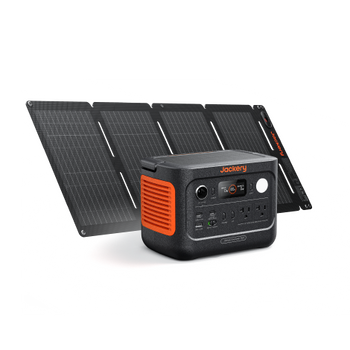
Alternatively, you could buy a solar generator (a smaller power station paired with a solar panel), which extends how long you can stretch a single outage since you can recharge during daylight hours. The tradeoff is that solar recharging is slower than plugging into the wall, and it depends on panel placement, weather, and daylight hours, actually lining up with your outage.
For home backup specifically, a higher-capacity power station without solar panels usually wins at this budget. Solar panels become important when an outage stretches into multiple days, because that's when recharge capability starts to matter more than raw storage.
Pat Collins spent over thirty years in environmental cleanup before retiring to a quieter life on a small Wisconsin lake, and then promptly bought a teardrop trailer and hit the road. For years, camping meant coolers full of melting ice and the constant hassle of managing perishables on long trips. When he discovered portable refrigerator-freezers, the search for reliable power led him to the Jackery Solar Generator 1000 v2. The Jackery product now powers a portable freezer on every trip, keeps phones and laptops charged at music festivals and off-grid campsites, and gives Pat the confidence to boondock wherever the road takes him. Read more such Jackery Stories.
Which Jackery Products are Available Under $1,000, and What Can Each One Power?
Jackery's lineup shifts with ongoing promotions, so it's worth checking current pricing on Jackery's product pages before buying, but as of now, several models fall under the $1,000 mark. Here are the top choices.
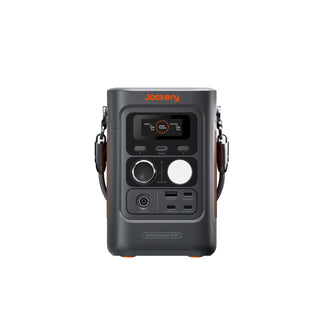
Jackery Explorer 300D
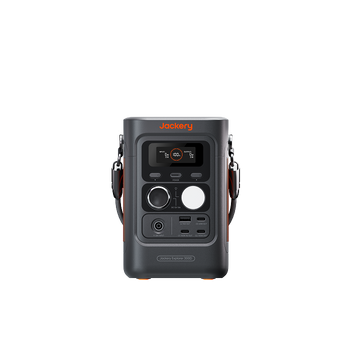
The Jackery Explorer 300D is built for people who live on their phones, laptops, and cameras and just want those devices to stay charged, whether during a short outage or a weekend away from outlets. It skips a traditional wall-outlet plug in favor of direct USB-C and USB-A charging, which makes it a natural fit for anyone whose gear is already USB-powered. It is ideal for digital nomads, remote workers, or a household that mostly needs to keep phones, tablets, and a WiFi hotspot working rather than run appliances.
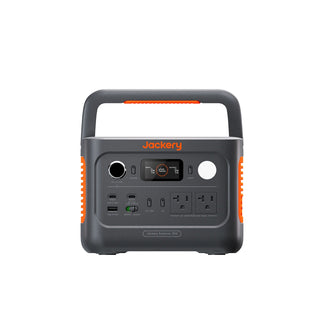
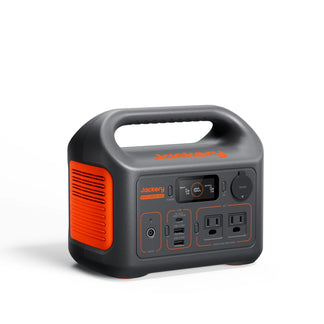
Jackery Explorer 300 v2
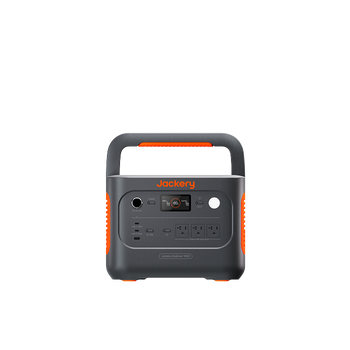
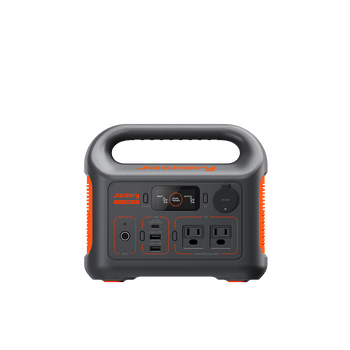
The Jackery Explorer 300 v2 covers similar ground to the Jackery Explorer 300D but adds a standard AC wall outlet, which makes it more flexible for everyday use. This is the pick for someone who wants one small power station that can charge a laptop, keep a lamp and a fan going during a short outage. It is the kind of household backup that lives in a closet and comes out for the occasional storm or camping trip, rather than one built to carry a whole family through the night.

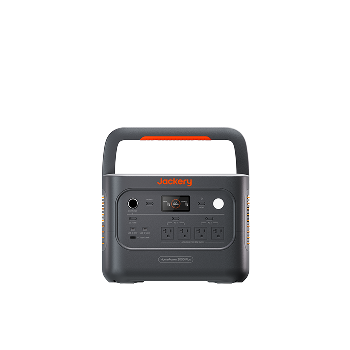
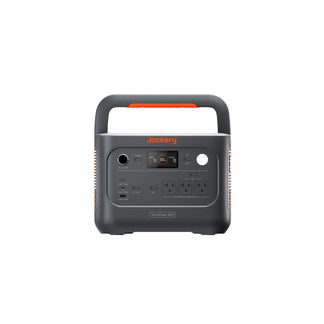
Jackery Explorer 600 v2
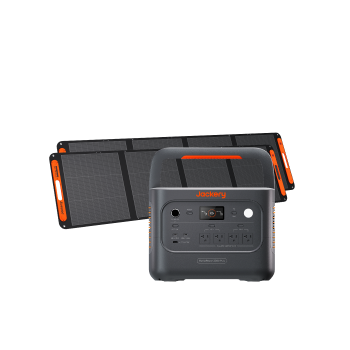
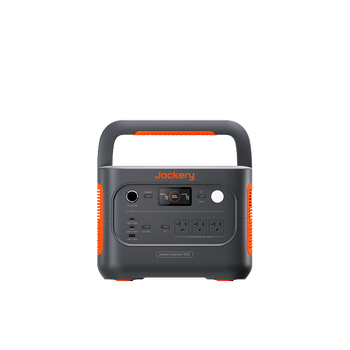
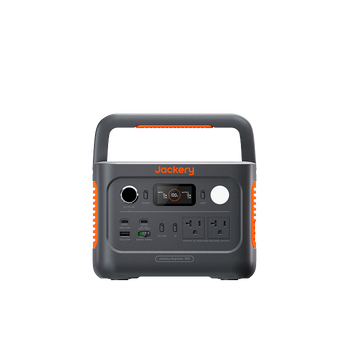
The Jackery Explorer 600 v2 steps up to cover a few more essentials at once, such as a fan, several devices, and a string of LED lights, which can all run without much strain. It's a good match for a single-person household that wants real home backup coverage without paying for capacity they won't use, or for a family that wants a lighter, more portable second power station to keep in a bedroom or home office alongside a larger station elsewhere in the house.
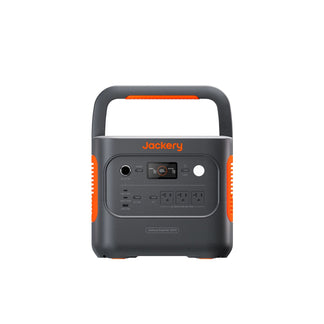
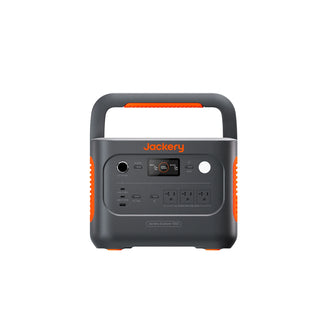
Jackery Explorer 1000 v2
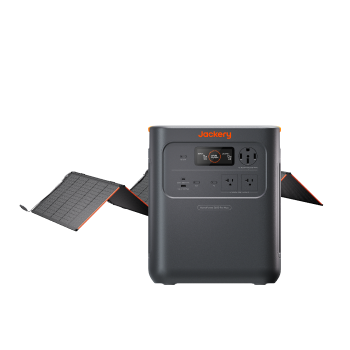
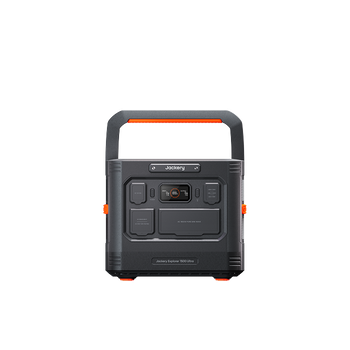
The Jackery Explorer 1000 v2 is where a home backup power station starts to feel like real protection rather than just a convenience. It's built to keep a mini fridge or a full-size refrigerator running for a meaningful stretch, and still have room left for lights, fans, and devices. This is a strong choice for a couple or a smaller household that wants one dependable power station to handle the appliances that actually matter during an outage, without needing the largest capacity in the lineup.
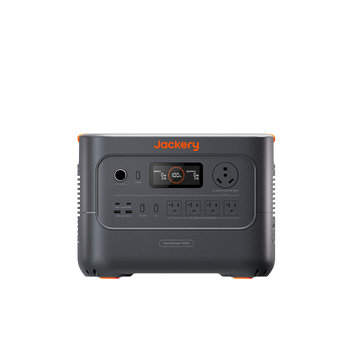
Jackery HomePower 1000 v2
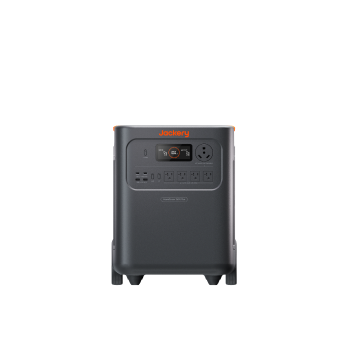
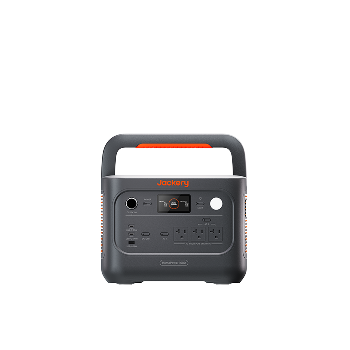
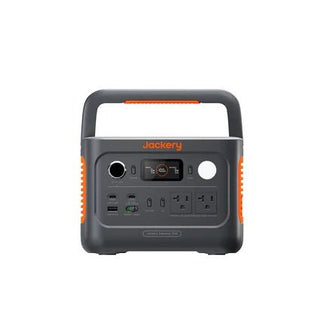
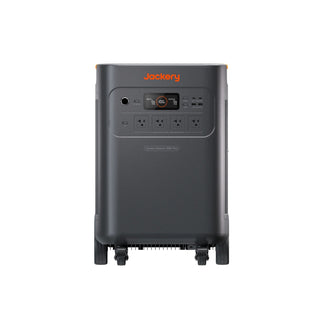
The Jackery HomePower 1000 v2 is ideally suited for households that want backup power built for staying put, rather than moving between the house and the car. It is designed with home use as the priority. It is a straightforward option for someone who wants a home battery backup that lives near the kitchen or bedroom and is ready to take over the moment the power goes out, covering a fridge, or a room's worth of lights and devices.

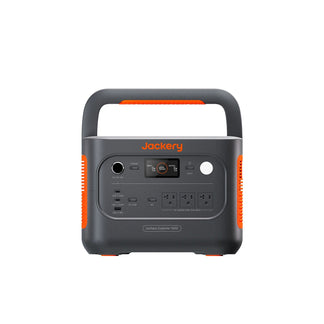
Jackery Explorer 1500 v2
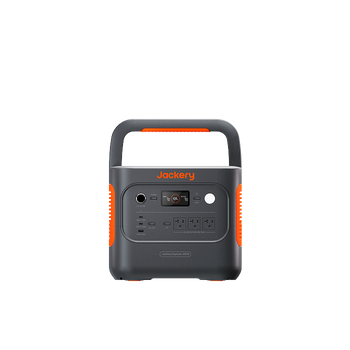
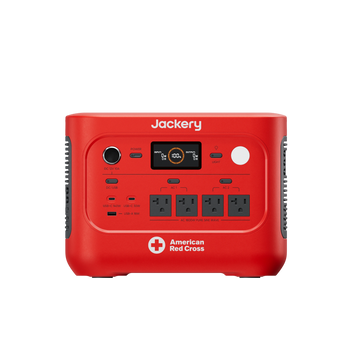
The Jackery Explorer 1500 v2 is built for households that want genuine overnight coverage without compromise. It can run a full-size refrigerator, a fan, and multiple devices through a full night's outage. It suits a family of three or four who want one capable power station to lean on, or anyone who's tired of rationing power during a blackout and wants enough headroom to just live normally until the lights come back on.
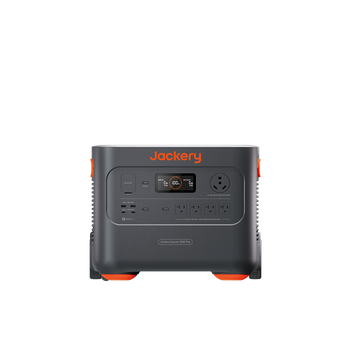
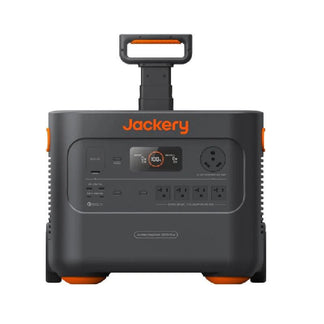
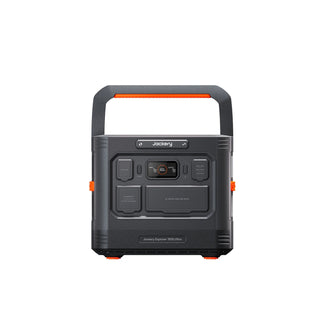
Jackery Explorer 1500 Ultra
The Jackery Explorer 1500 Ultra offers similar real-world coverage to the Jackery Explorer 1500 v2 but is built with extra durability and ruggedness in mind, which makes it a better fit for households in areas prone to rougher weather, frequent power fluctuations, or anyone who wants a power station built to withstand a more demanding environment, such as a garage, a workshop, or a home that also doubles as a base for RV trips.

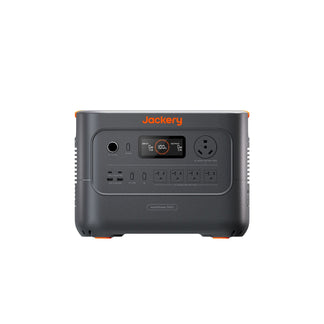
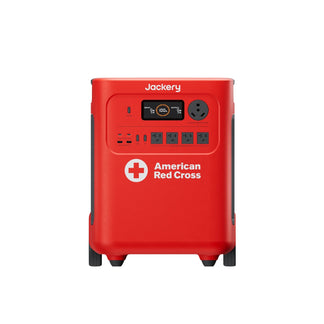
Jackery Explorer 2000 v2
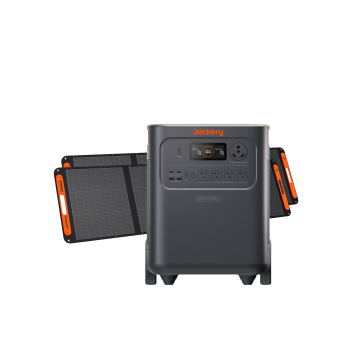
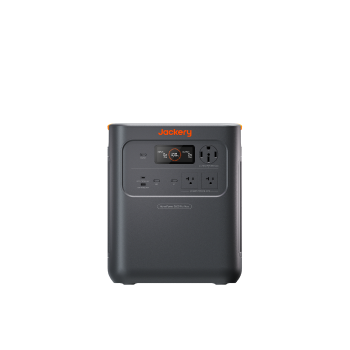
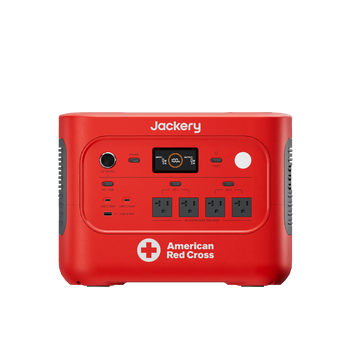
The Jackery Explorer 2000 v2 is built for households that don't want to think twice about what they are running. A refrigerator, a fan, lights across multiple rooms, and a full lineup of devices can all run at once without pushing the power station’s limits. It is a strong fit for a larger family, a household with more than one person relying on medical equipment, or anyone who simply wants the peace of mind that comes with more capacity than they think they'll need.
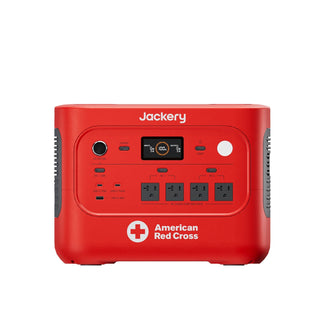
Jackery Explorer 2000 Plus
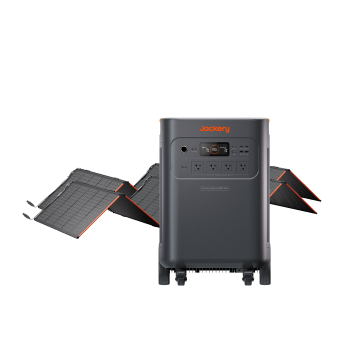
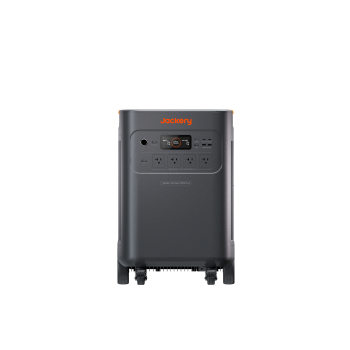
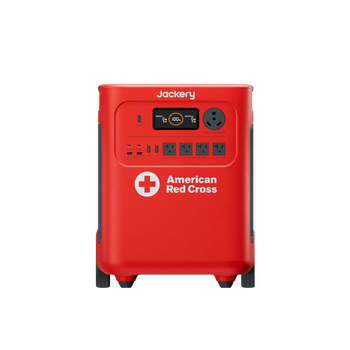
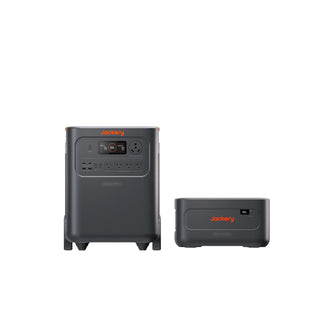
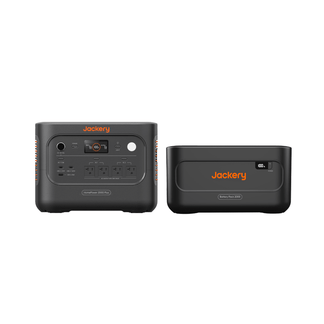
The Jackery Explorer 2000 Plus matches the Jackery Explorer 2000 v2 on real-world coverage but is built to grow with a household's needs, since it supports add-on battery packs to expand total storage over time. This makes it the better choice for a family that expects its power needs to increase. For example, they may be planning for longer outages, adding solar panels down the line, or simply wanting the option to scale up backup capacity in the future without replacing the whole unit.
Note: Because pricing shifts with sales and promotions, it's worth checking each product page directly before purchasing to confirm the current price and make sure the model you're considering still falls under $1,000 at the time you buy.
How Do You Get the Most Backup Time Out of a Power Station Under $1,000?
Buying the right capacity is half the equation. The other half is using it well once the power actually goes out. A few habits can meaningfully stretch your runtime.
Use a Load Rotation Strategy
Running the fridge and a fan all at the same time draws down a battery far faster than running them separately. Where possible, stagger usage. For example, you can keep the fridge running continuously since it is protecting food, but avoid also running the fan at full blast overnight if you don't need to. Small adjustments like this add hours to your total runtime.
Switch to LED Lighting If You Haven't Already
If your home still has any incandescent bulbs on lamps or fixtures you plan to use during an outage, swapping them for LED bulbs ahead of time is one of the cheapest ways to extend backup runtime. LED bulbs draw a fraction of the power incandescent bulbs use, which means lighting barely makes a dent in your battery's capacity.
Unplug Fully Charged Devices
It's easy to leave a laptop or phone plugged in well after it hits 100%, but devices left connected continue to draw small amounts of idle power. Over the course of a multi-hour outage, that idle draw adds up. Unplugging devices once they're charged frees up more capacity for the appliances that actually need it.
Use the "Fridge Method" to Stretch Refrigerator Runtime
Rather than running a refrigerator continuously for the entire outage, plug it in for 2–3 hours to bring the internal temperature back down, then unplug it for 1–2 hours before repeating the cycle. Refrigerators are well insulated enough to maintain a safe temperature for a couple of hours without power, and this method can significantly extend the total hours of refrigerator protection you get from a single charge, compared to running it nonstop.
Conclusion
A home backup power station under $1,000 is the right-sized solution for the outages most households are likely to face. By understanding what this budget tier covers well (and what it doesn't), matching capacity to your household size, and using a few simple habits to stretch your runtime, a sub-$1,000 power station can carry your family comfortably through the vast majority of power outages that happen in the US. Whether you land on a compact 600Wh unit for a single-person household or a 2,000Wh station built for a full family, the goal is the same: reliable power for the essentials, without paying for capacity you'll never use.


