









![[Add - on] Jackery Manual Transfer Switch for Explorer 5000 Plus - Jackery](http://www.jackery.com/cdn/shop/files/add-on-jackery-manual-transfer-switch-for-explorer-5000-plus-9017324.png?v=1754016782&width=350)





![[Add - on] Jackery Manual Transfer Switch for Explorer 5000 Plus - Jackery](http://www.jackery.com/cdn/shop/files/add-on-jackery-manual-transfer-switch-for-explorer-5000-plus-9017324.png?v=1754016782&width=324)


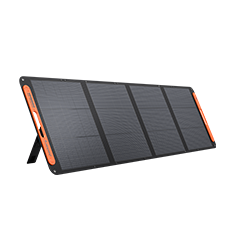
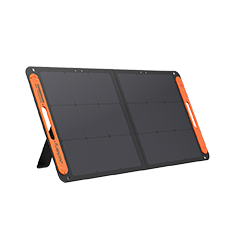
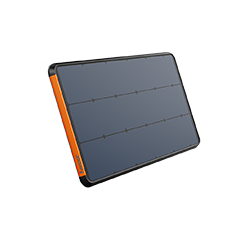
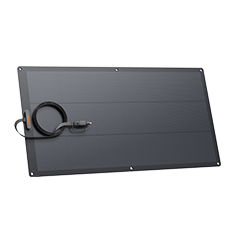
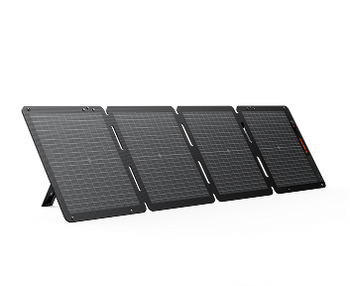
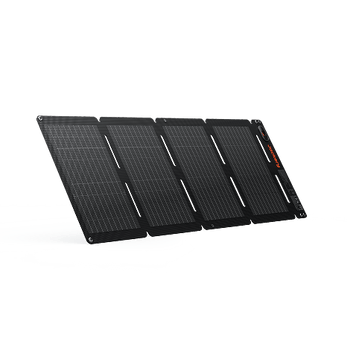
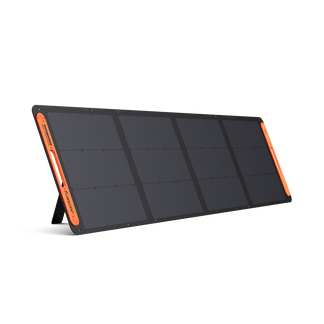
Most RV travelers need between 2 and 4 solar panels to comfortably power their essentials, such as lights, a fan, phone charging, a mini fridge, and maybe a small coffee maker. The exact number depends on three things: how much power your devices consume, how many hours of sunlight you get at your destination, and how much energy storage you have. For a weekend camper keeping things light, two solar panels with a small power station may be plenty.
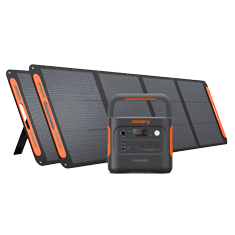
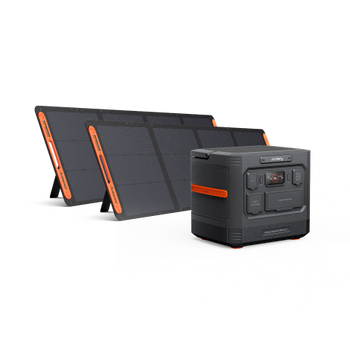
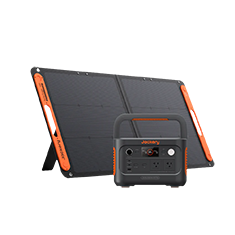
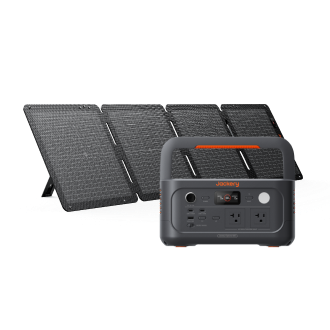
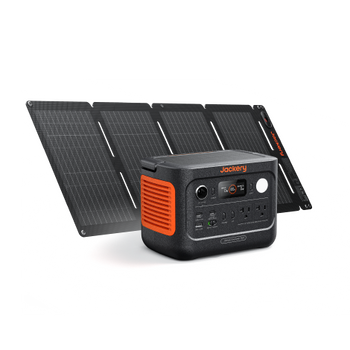
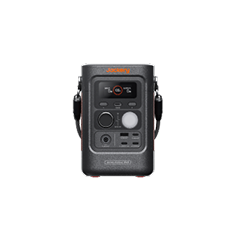
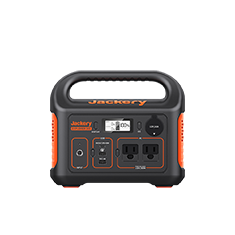
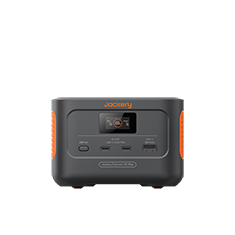
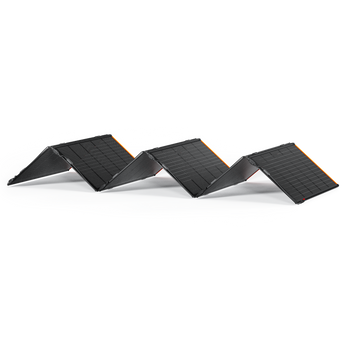
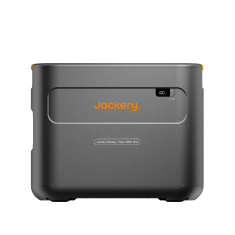
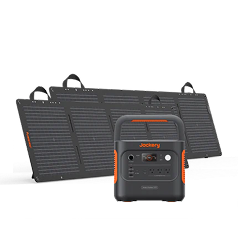
For a full-time RV liver running an air conditioner or multiple appliances, you might need four or more solar panels along with a portable power station. Jackery Solar Generators pair portable solar panels with power stations, so you can set up in minutes, pack everything away when you move, and scale your setup as your needs grow. The Jackery Solar Generators are designed with RV life in mind, meaning these solar battery backups are powerful enough for appliances and portable enough to take anywhere.
Takeaways
- While most RVs need 2 to 4 solar panels, the exact number depends on how many devices you run, how long you use them, and how much sunlight your destination gets.
- You can add up your devices' wattage, multiply by daily usage hours, then divide by your peak sun hours to understand exactly how much solar power you need for an RV.
- Solar panels generate the power, but your power station stores it. A mismatched setup with too many panels and too small a battery or vice versa can lead to wasted energy.
- Jackery Solar Generators are reliable battery backup solutions that can keep essential RV appliances powered anywhere on the road, so you can stay comfortable on the trip.
How Many RV Solar Panels Do I Need?
Generally, most RVers require two to four solar panels paired with a power station for their RV. However, the exact number of solar panels you need for your RV greatly depends on your electrical consumption, the peak sun hours in your location, and the solar panel watts.
Peak sun hours
Each geographic location has its own peak sun hours, as the sun's intensity varies depending on the season and location. Peak sun hours refer to the amount of sunlight available that is strong enough that allows solar panels to generate electricity. Therefore, you will need to determine the peak sun hours in your location before deciding how many RV solar panels you need.
Electrical consumption
Your solar panels need to generate enough power to easily accommodate your daily electrical consumption. You may require more or fewer panels based on your energy use for the total time you will be occupying your RV.
To determine the total energy you need from your solar panels, list down the wattage of each appliance used daily. Then, consider the number of hours the unit will operate each day and multiply its watts by this time to come up with the daily Watt-hour (Wh) for that appliance.
Calculate the total sum of Watt-hours for all your appliances, and be sure to factor in that number each day, so you can keep your RV running at its best. If you rely on electricity to power your RV's heating and cooking appliances, you must include these energy requirements in your calculations.
Solar panel output rating
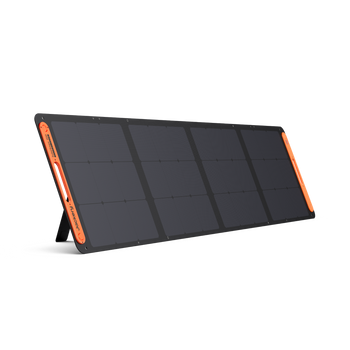
Most solar panels for recreational vehicles have either a 100w or 200w power rating, which is sufficient for everyday off-grid living. However, for the highest quality and convenience, 200w panels are recommended.
Typically, a 100-watt solar panel will generate approximately 350 watt-hours per day. To determine the number of 100-watt solar panels you need to power your daily energy consumption, simply divide the total amount by 350. For example, if your total Watt-hours per day is 700, you will need two 100-watt solar panels.
You should also consider other factors, such as the type of mount used and panel orientation, to ensure maximum efficiency from your solar system.
What Specifications Should I Look for in Solar Panels for RV Trailer?
Some of the main specs to look for in your solar panels are
- Wattage: Look for panels with higher wattage ratings to get the most out of your solar system.
- Efficiency: Look for high-efficiency panels that convert more sunlight into electricity.
- Durability: Look for RV solar panels with durable construction and robust frame that can withstand the elements.
- Size & Weight: Consider the size, weight, and mounting options of the panels for practical installation.
- Voltage: Look for panels with higher voltage ratings to ensure that your RV can run more energy-intensive appliances.
- Warranty: Ensure you have a comprehensive warranty from the manufacturer in case of any defects or malfunctions.
- Accessories: Consider buying accessories such as mounting kits, cables, and regulators that are compatible with your RV.
These specifications will help you make an informed decision when selecting the right solar panels for your recreational vehicle. With proper research and installation, you can ensure a reliable power source while exploring the great outdoors!
Jackery's portable solar panels are designed to meet all these criteria and offer a reliable power solution for your RV. With high wattage output, superior efficiency ratings, and durable construction, Jackery solar panels are the ideal choice for off-grid living.
How to Calculate Your Solar Needs for RV: Step-by-Step Guide
If you want to calculate your RV solar needs, start by listing all the appliances you’ll use and noting their wattage, then estimate how many hours each runs daily to calculate total energy consumption in watt-hours (Wh). Add everything up and increase the total by 20 - 30% to account for inefficiencies and unexpected usage.
Next, size your battery based on how many days of backup you want by multiplying your daily Wh by the number of days. Finally, determine your solar panel requirement by dividing your daily Wh by the average peak sunlight hours (typically 4–6), then increase that number by about 30% to account for real-world losses. Here is how to calculate the solar panel needs for your RV:
Step 1: List Your RV Devices and Their Wattage
The first step is to write down everything you plan to run in your RV. Here's a common starting list:
|
Appliances |
Wattage |
|
LED Lights * 4 |
40W total |
|
Smartphone |
20W |
|
Laptop |
60W |
|
Mini Fridge |
50W |
|
Portable Fan |
35W |
|
Coffee Maker |
800W |
|
CPAP Machine |
30 - 60W |
|
Portable AC |
900 - 1500W |
Step 2: Estimate Daily Usage Hours
Next to each device, write down how many hours per day you will actually use it.
Example:
- Mini fridge: runs 24 hours (cycles on/off, effective use ~8 hrs)
- Laptop: 4 hours
- LED lights: 5 hours
- Fan: 6 hours
- Coffee maker: 0.25 hours (15 minutes)
Step 3: Calculate Total Daily Watt-Hours
Multiply each device's wattage by its daily usage hours. Then add them all up.
Formula:
Wattage × Hours Used Per Day = Watt-Hours (Wh)
Add all Wh together = Total Daily Energy Need
Example:
- Mini fridge: 50W × 8 hrs = 400Wh
- Laptop: 60W × 4 hrs = 240Wh
- LED lights: 40W × 5 hrs = 200Wh
- Fan: 35W × 6 hrs = 210Wh
- Coffee maker: 800W × 0.25 hrs = 200Wh
Total: 1,250Wh per day
Step 4: Factor In Your Peak Sunlight Hours
Divide your total daily energy needs by the average peak sun hours in your area.
Formula:
Total Daily Wh ÷ Peak Sun Hours = Solar Power Needed (in Watts)
Using 5 peak sun hours (a reasonable average for most U.S. locations):
1,250Wh ÷ 5 hrs = 250W of solar needed
Step 5: Determine How Many Panels You Need
Divide the solar power needed by the wattage of the panel you're considering.
Formula:
Solar Power Needed ÷ Panel Wattage = Number of Panels
Using 200W panels:
250W ÷ 200W = 1.25, which is rounded up to two solar panels
So, for this typical moderate-use RV setup, two solar panels at 200W each would cover your daily needs on a standard sunny day. Add a third panel if you want a buffer for cloudy days or longer stays.
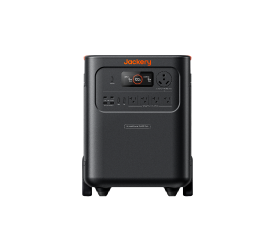
John Bachman has spent his career teaching students that the best-engineered systems are the ones that work exactly as expected. As a mechanical engineering professor in Los Angeles, that same standard follows him off campus: into a camper van traveling through Baja California, where power outages happen weekly, and onto job sites where student teams need reliable energy to power welders mid-build. Jackery gave him exactly that. His Jackery HomePower 3000, paired with solar panels, kept the refrigerator running, devices charged, and the AC on for his two dogs waiting safely in the van. Read more Jackery Stories to see how people use solar generators for RV living and even home backup.
Recommended Jackery Solar Generators for RV Trailer
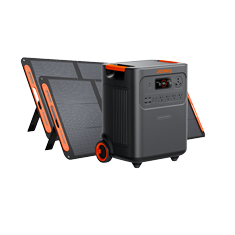
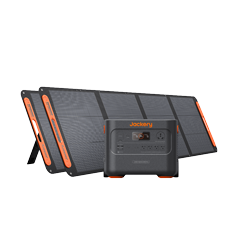
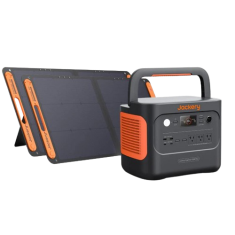
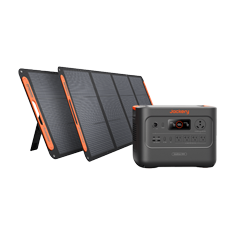
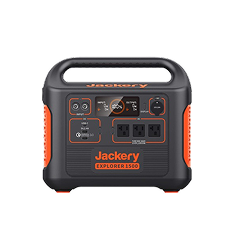
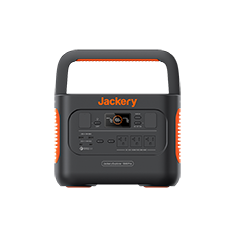
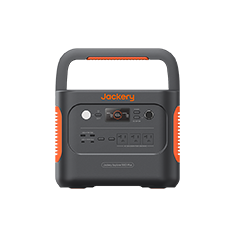
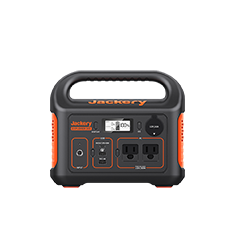
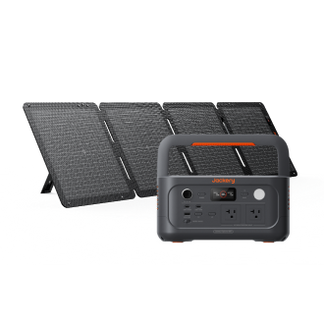
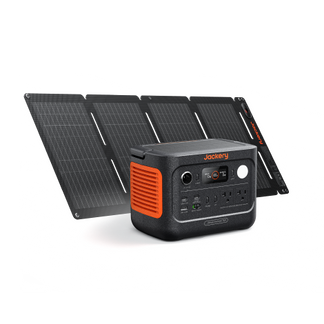
Powering an RV with solar doesn't have to mean a complicated installation or hauling heavy equipment. Jackery Solar Generators are built to be portable, simple to set up, and powerful enough to run essential RV appliances. Whether you are spending a weekend at a campsite or living out of your RV full-time, there's an RV generator that fits your lifestyle. You park, unfold the panels, plug in, and you're running on clean energy without generator noise, fuel stops, or fumes inside your living space.
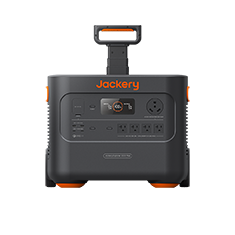
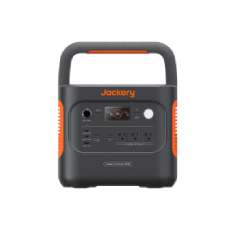
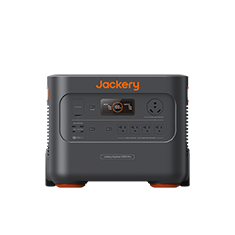
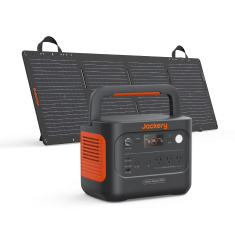
Jackery Solar Generator 1500 Ultra
If your RV trips are a mix of weekends and week-long getaways, the Jackery Solar Generator 1500 Ultra gives you the breathing room to run your essentials. It handles a mini fridge, lighting, a fan, a laptop, and phone charging, while still having capacity left over for a coffee maker in the morning or a CPAP through the night. It's compact enough to fit comfortably inside your RV without taking over your living space, and the solar recharge is fast enough that a few hours of good sun gets you back to full.
Appliances Running Time
- Mini Fridge (50W) = 18.5H
- Portable Fan (35W) = 23.8H
- Coffee Maker (800W) = 1.5H
- CPAP Machine (40W) = 21.7H
- Portable AC (1000W) = 1.2H
Who Should Buy This
If you want a reliable RV generator that handles a full week of camping without constantly watching your battery level, the Jackery Solar Generator 1500 Ultra is worth considering.

Customer Review
Love it, the cost of electricity will keep going up. With the 2 Jackery that I have now, I no longer need to plug into the grid to charge all of the devices. The 1500 is great for outside weed eaters, paint sprayers, power tools, etc.
— Dorothy S.
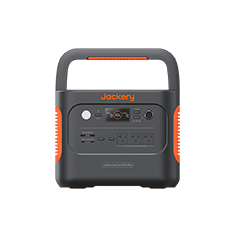
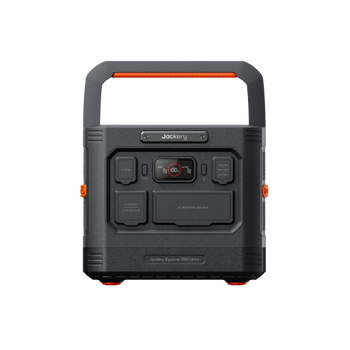
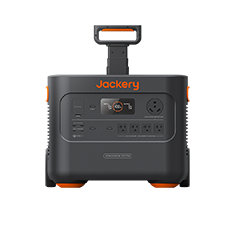
Jackery Solar Generator 2000 v2
For RVers who spend longer stretches on the road and need a battery backup solution that keeps up with a fuller daily routine, the Jackery Solar Generator 2000 v2 sounds like an ideal solution. It runs heavier loads comfortably, such as induction cooktops, electric skillets, or a portable AC running through the afternoon heat, while still being light enough to move around your campsite without a struggle. It operates without emitting a lot of noise, making the solar generator ideal for quiet campgrounds.
Appliances Running Time
- Mini Fridge (50W) = 24.6H
- Portable Fan (35W) = 31.6H
- Coffee Maker (800W) = 2.0H
- CPAP Machine (40W) = 28.9H
- Portable AC (1000W) = 1.6H
Who Should Buy This
If you cook real meals in your RV, run power-hungry appliances, and want a solution that doesn't ask you to pick and choose what to run, the Jackery Solar Generator 2000 v2 is built for you.

Customer Review
I bought this to power my DreamStation 2 CPAP with a humidifier while camping. I was able to use my CPAP for two 8-hour nights of sleep before needing to recharge. I still had 28 percent charge left, but didn’t think trying to run a 3rd night and running the batteries completely out was a good idea. I am very pleased with my purchase.
— DANIEL S.
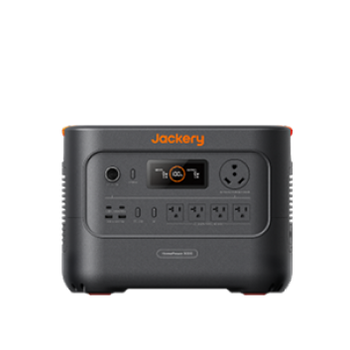
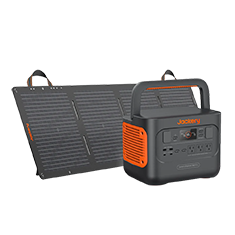
Jackery Solar Generator 2000 Plus
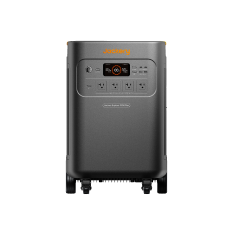
For those who prefer full-time RV living or anyone planning extended off-grid stays, the Jackery Solar Generator 2000 Plus is built to be a long-term power solution rather than just a travel accessory. What sets it apart is expandability. As your energy needs grow, you can add battery packs without replacing the core unit to expand the capacity from 2kWh to 24kWh. It allows you to run a CPAP every night, keep food cold for weeks at a time, work remotely, and still have enough left to run an AC on a hot afternoon.
Appliances Running Time
- Mini Fridge (50W) = 24.6H
- Portable Fan (35W) = 31.6H
- Coffee Maker (800W) = 2.0H
- CPAP Machine (40W) = 28.9H
- Portable AC (1000W) = 1.6H
Who Should Buy This
If you live in your RV, work remotely, or plan trips where reliable power isn't negotiable, the Jackery Solar Generator 2000 Plus is the reliable RV generator for your needs.

Customer Review
I have had my 2000plus for 3 months and am so pleased with how long it keeps my refrigerator running when power is out that I have ordered 1 battery pack to see how much more running time it gives me. With my multiple 1000v2s, I am confident we are fully prepared.
— Ilene W.
Conclusion
Figuring out how many solar panels you need for your RV doesn't have to be overwhelming. Start with what appliances you actually use, run the numbers using the simple formula in this guide, and match your setup to how you travel. Jackery Solar Generators are ideal battery backup solutions that allow you to run most essential appliances for long hours without relying on campground power. Plus, these RV generators are portable enough to be carried anywhere.