

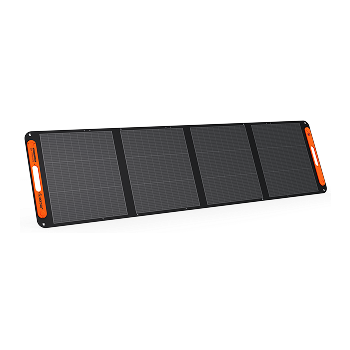






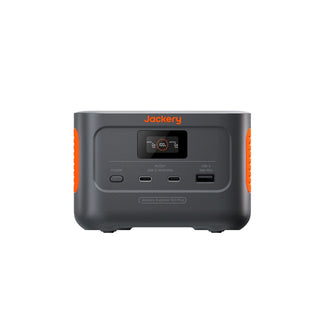
![[Add-on] Jackery SolarSaga 500 X - Jackery](http://www.jackery.com/cdn/shop/files/add-on-jackery-solarsaga-500-x-1493607.webp?v=1786503068&width=324)
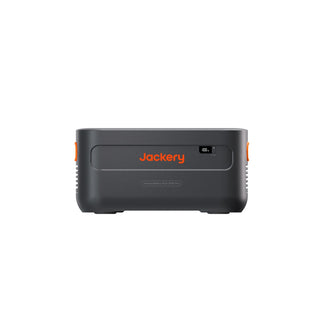
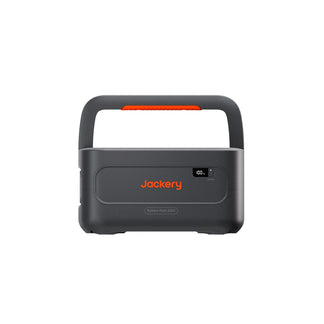
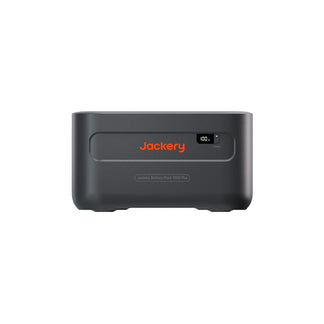
![[Add-on] Jackery Battery Pack 5000 Plus - Jackery](http://www.jackery.com/cdn/shop/files/add-on-jackery-battery-pack-5000-plus-6713401.webp?v=1786503068&width=324)





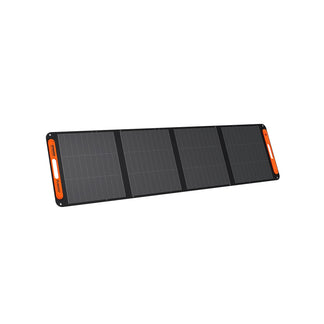
![[Add - on] SolarSaga 200W - Jackery](http://www.jackery.com/cdn/shop/files/add-on-solarsaga-200w-4834329.png?v=1754016915&width=324)


Quick Answer: A central air conditioner uses 1,000–5,000 running watts, but starting surge is 2–3 times higher—typically 6,000–14,000 watts. A common 3-ton unit draws 2,400–3,000 running watts and demands 6,000–9,000W surge. Ignoring this surge is the costliest mistake in backup power sizing. Solar generators can provide essential backup for short-term cooling, not whole-home replacement.
Key Takeaways
- Starting watts, not running watts, determine what generator or power station you actually need—a 2,500W running unit requires at least 7,500–10,000W of generator capacity.
- A hard start capacitor kit ($30–$60) cuts compressor surge by 30–50%, potentially letting you use a smaller generator or making a solar generator viable for essential backup.
- Real-world power draw runs 15–30% higher than nameplate ratings when duct leakage, high outdoor temperatures, and dirty filters come into play.
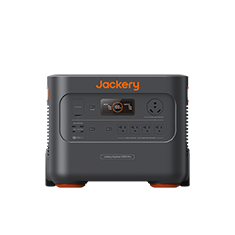
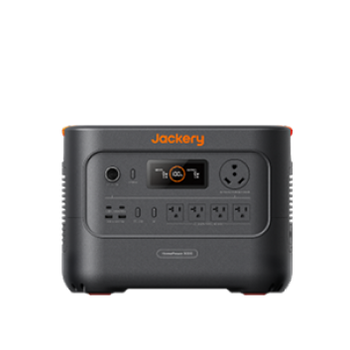
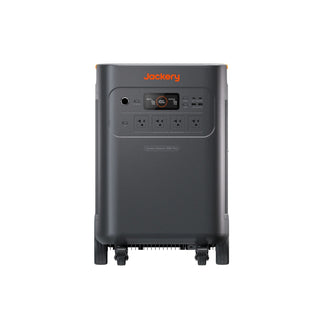
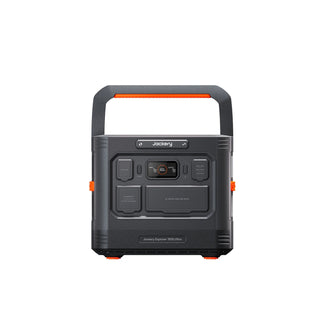
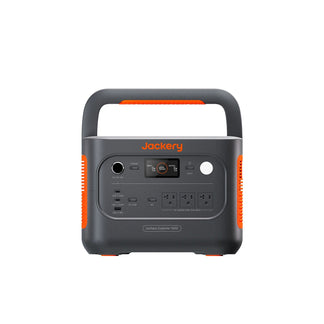
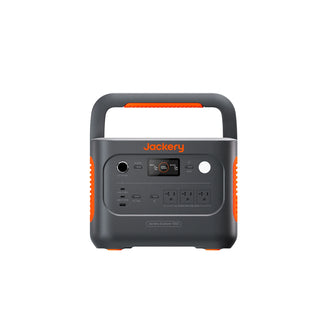
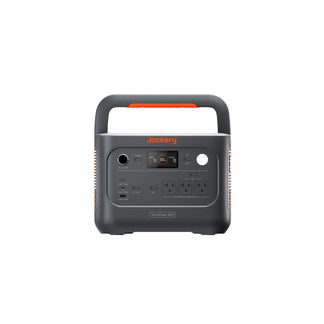
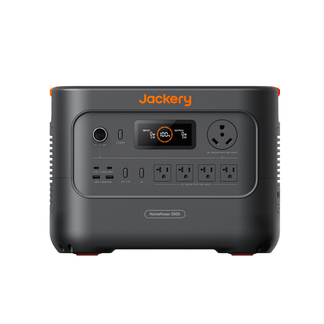
- Solar generators eliminate fuel, noise, and carbon monoxide but must meet surge requirements—something only high-output units like the Jackery HomePower 3600 Plus (7,200W surge) can handle for essential backup, not whole-home replacement.
- Gas generators have lower upfront cost per watt but require ongoing fuel storage, annual maintenance, and safe outdoor placement away from windows.
Understanding Central AC Power Draw Beyond the Spec Sheet
Central air conditioning systems consume 1,000–5,000 running watts, with a 3‑ton unit drawing 2,400–3,000 watts continuous—but the nameplate rarely tells the whole story.
- SEER2 impact: A 20 SEER2 3‑ton unit draws approximately 1,800 watts under standard test conditions, while a 10 SEER unit (common pre-2010) draws roughly 3,600 watts—a 100% difference.
- Duct leakage: Leaky ducts waste 20–30% of conditioned air, forcing longer cycles and raising actual daily kWh consumption 15–30% above the EnergyGuide label.
- Climate runtime: A 3‑ton AC in Phoenix may run 10–14 hours daily in July (25–42 kWh), while in Seattle it might log 4–6 hours (10–18 kWh).
When sizing what size generator to run a house, local cooling demand is the multiplier that separates adequate backup from a system that trips breakers every afternoon.
The Surge Problem: Why Starting Watts Matter More Than Running Watts
Starting surge—the inrush current when the compressor kicks on—is 2–3 times the running wattage, and it determines whether backup power works.
- Surge mechanics: The compressor locks up, demands a massive inrush to break inertia, and settles within 2–3 seconds. A unit running at 2,500 watts can spike to 7,500 watts at startup—the moment undersized generators fail.
- LRA calculation: The key number is Locked Rotor Amps (LRA) on the condenser data plate. Multiply LRA by 240V: an LRA of 60A means 14,400 watts surge demand, far beyond most portable generators or battery systems. When a generator can't meet that surge, voltage droops, the compressor stalls and overheats, and manufacturers don't warranty damage from inadequate power.
- Compressor type matters: Variable-speed (inverter) compressors ramp up gradually, limiting surge to 1.2–1.5 times running wattage, making them more compatible with battery-based backup. Traditional single-stage compressors demand the 2–3x multiplier.
- Hard start capacitor: A hard start capacitor kit ($30–$60) stores energy and delivers it during startup, reducing the surge a generator must provide by 30–50%. This retrofit can drop a 9,000W surge requirement to 4,500–6,000W, enabling smaller generators and high-output solar generators for essential backup.
This is why understanding what size solar generator you need starts with surge watts, not running watts.
Calculating Your Central AC Wattage from the Data Plate
Your outdoor condenser's nameplate holds the key numbers—RLA and LRA—for precise wattage calculation. Find it, photograph it, and work through these formulas:
- Running Watts = RLA × 240V × Power Factor (0.90–0.95 for modern units).
Example: 11.5A RLA × 240V × 0.92 PF = 2,539 running watts.
- Starting Watts = LRA × 240V.
Example: 60A LRA × 240V = 14,400 surge watts.
Nameplate values are lab conditions; real-world draw varies 20–30% depending on outdoor temperature, filter condition, and duct leakage. Cross-check with your EnergyGuide label: divide annual kWh by estimated runtime hours.
If the label shows 3,200 kWh per year and your climate suggests 1,500 cooling hours annually, that's 2,133 watts average. A higher calculated nameplate number reflects the gap between lab and real-world conditions. For the most accurate picture, install a CT-clamp energy monitor on your condenser circuit; a week of peak-season data reveals true surge and running wattage.
Generator Sizing for Central AC: What Actually Works
Sizing is based on surge. Key considerations:
- Minimum generator: The minimum safe generator for a 3‑ton central AC without surge mitigation is 8,000 watts—bare minimum with zero headroom. Add a hard start kit, and a 7,500W generator becomes viable; without one, 10,000–12,000W is realistic. The difference is $300–$1,500 in generator cost.
- Load management: A refrigerator (600–800W running) and well pump (1,500W surge) can trip breakers on a 7,500W generator already handling a 3‑ton AC. Whole-house standby generators (14,000–20,000W) avoid this; portables under 8,000W typically can't.
- Safety buffer: Apply a 20% safety buffer above the highest combined surge load. For example, 9,000W AC surge + 800W fridge = 9,800W peak, so a 12,000W generator is needed.
- Elevation derating: Propane generators lose 10–15% peak wattage above 3,000 feet elevation. A 7,500W unit at sea level may deliver only 6,375W in Denver. Factor elevation into sizing.
Solar Generator vs. Gas Generator: A Decision Framework for Central AC Backup
Choosing between a solar generator and a gas generator depends on your outage scenario. This isn't a one-better-than-the-other conversation; it's a matching exercise.
Factor |
Gas Generator |
Solar Generator |
Upfront cost per watt |
$0.30–$0.60 |
$0.80–$1.50 |
Fuel cost (24-hr runtime, 3-ton AC) |
$30–$60 (gasoline) |
$0 (solar recharged) |
Noise level |
65–85 dB |
Silent |
Carbon monoxide risk |
High—requires 20+ ft outdoor placement |
Zero |
Maintenance |
Oil changes, spark plugs, fuel stabilizer |
None |
Runtime limitation |
Fuel stored on-site |
Battery capacity + solar input |
Best scenario |
Short-duration, high-power outages |
Essential backup for daily cycling, sunny climates |
A hybrid approach works for many: a solar generator handles daily backup and quiet nighttime cooling for essential loads, while a gas generator covers extended outages or recharges the battery when solar input drops. When choosing an electric generator for home backup, the central AC load is the make-or-break spec. Most portable solar generators can't start a 3‑ton compressor. The models below are exceptions—units with surge capacity for essential backup, not whole-home replacement.
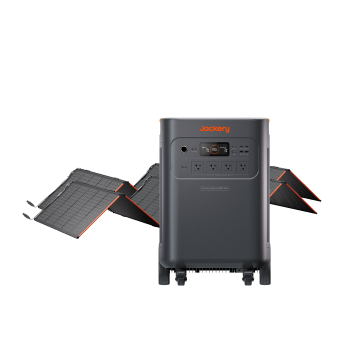
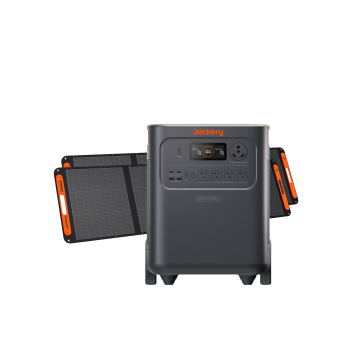
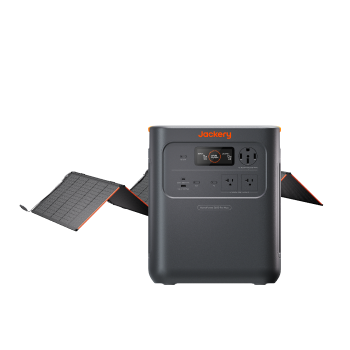
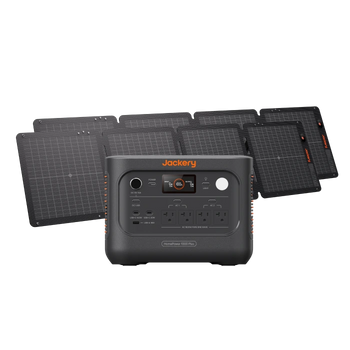
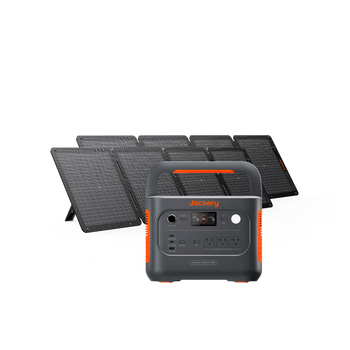
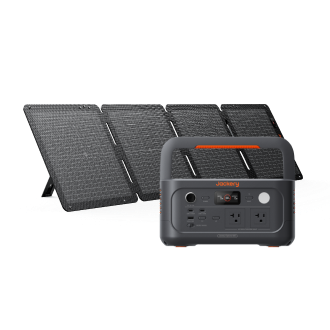
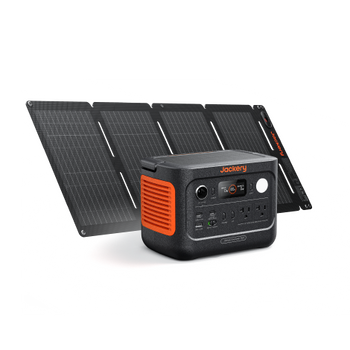
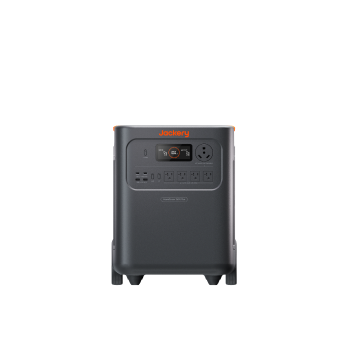
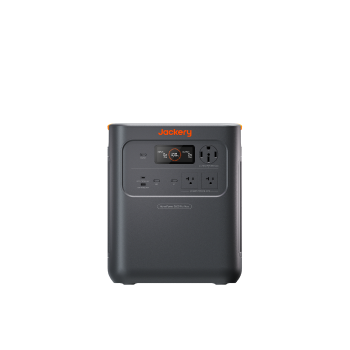
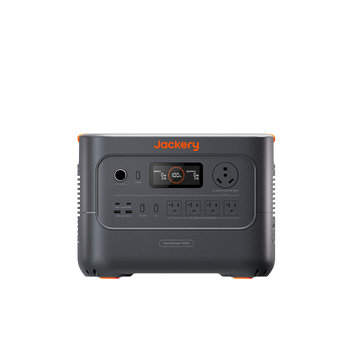
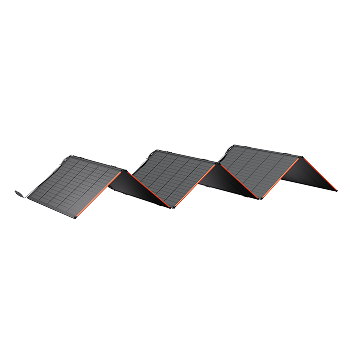
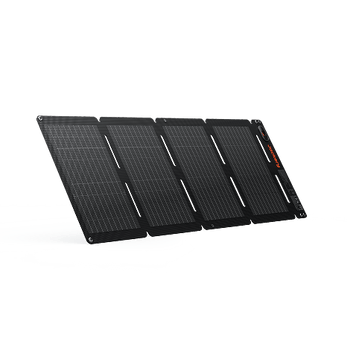
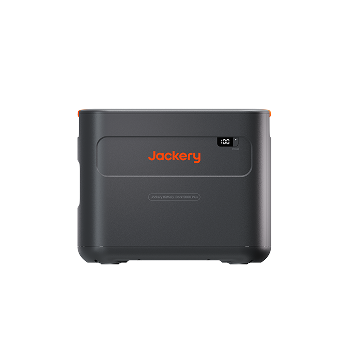
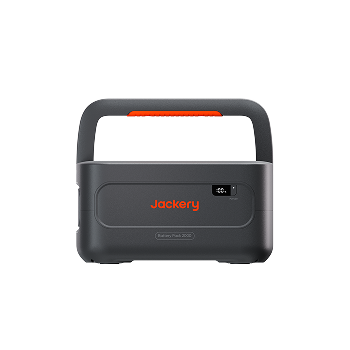
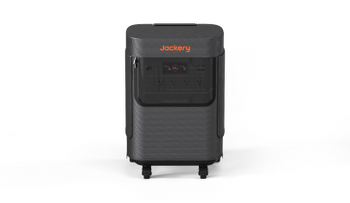
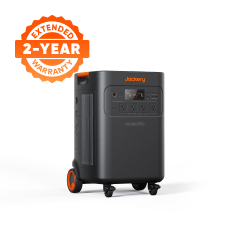
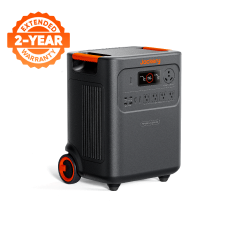
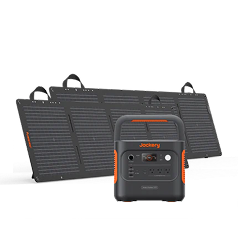
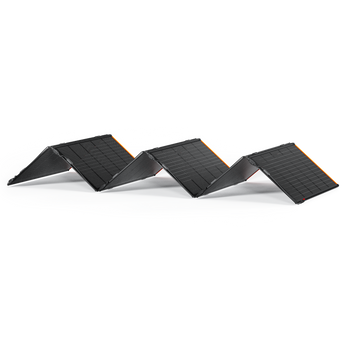
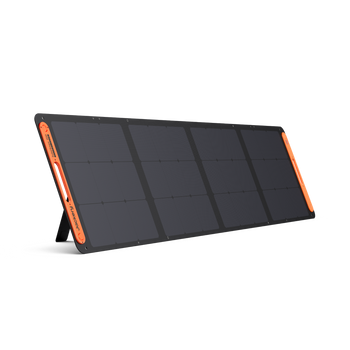
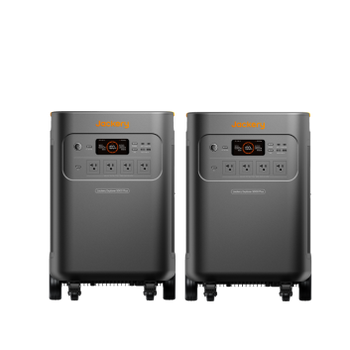
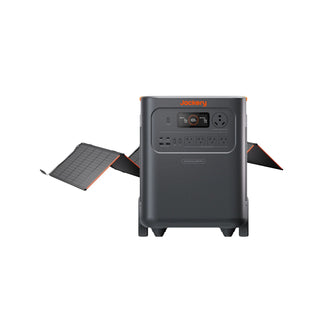
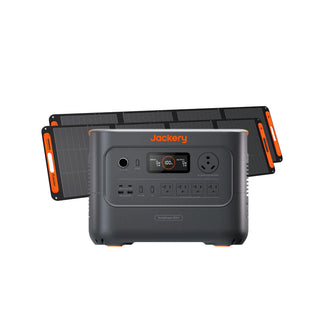
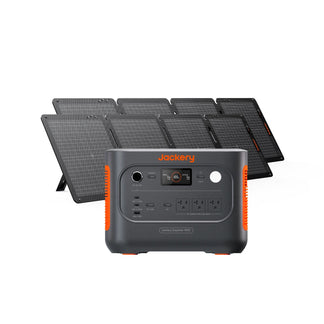
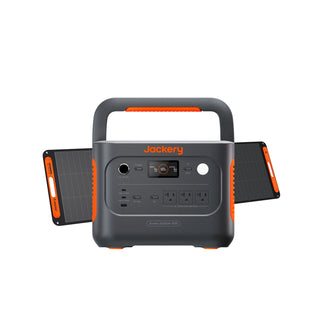
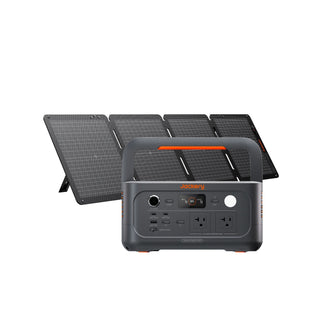
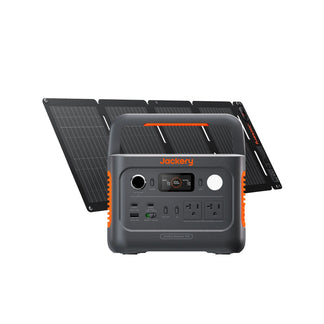
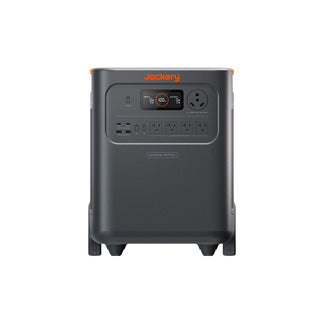
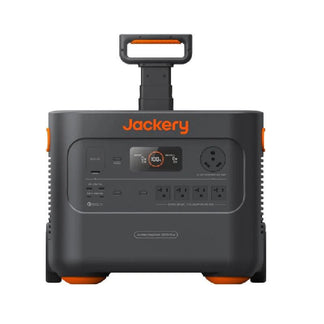
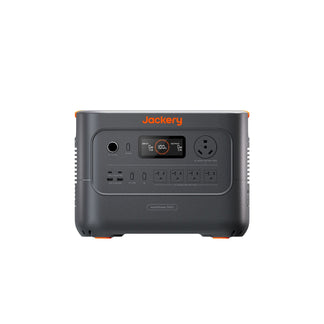
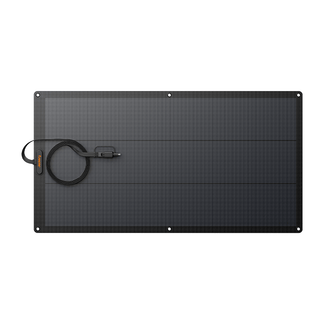
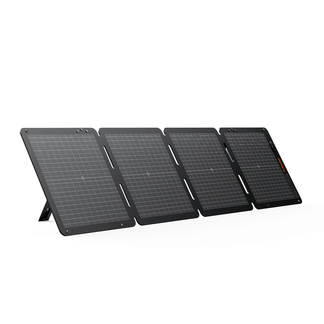
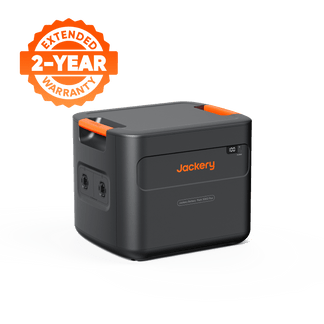
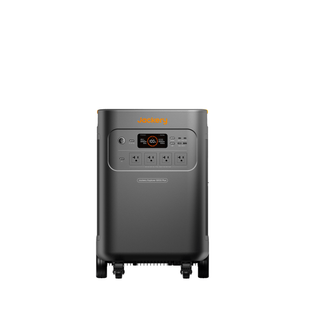
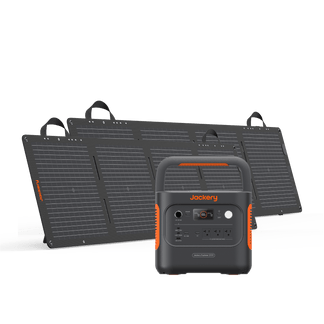
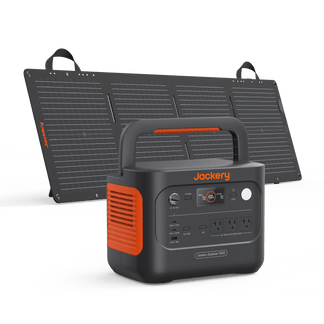
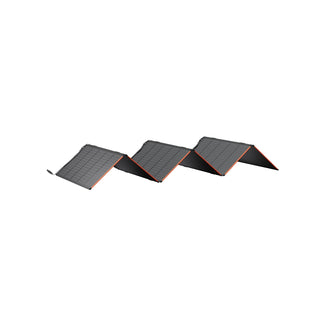
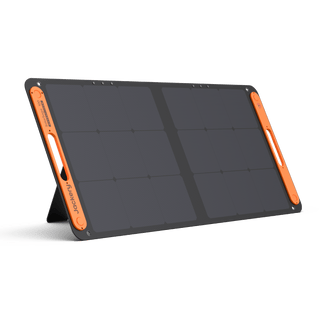
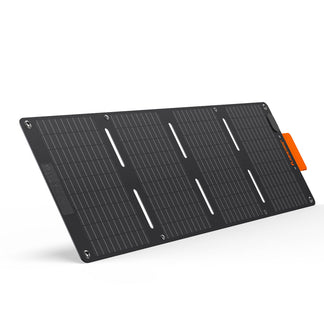
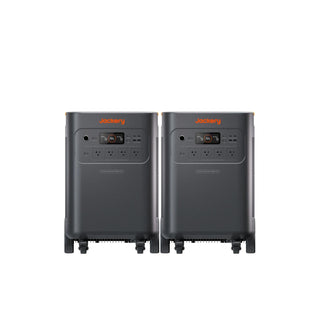
Jackery Solar Generator HomePower 3600 Plus + SolarSaga 500X
This system delivers 7,200W surge output. With a hard start capacitor kit, it can start a 3‑ton central AC for essential backup (runtime limited, depends on outdoor conditions). Without a soft start, a standard single-stage compressor's surge may exceed its capability.
Feature |
Specification |
Key Benefit |
Surge output |
7,200W |
Starts 3-ton AC with soft start kit for essential backup |
Base capacity |
3,584Wh |
~1–2 hours cooling runtime (depending on efficiency and duty cycle) |
Expandability |
Up to 21.48kWh |
Multi-day backup for essential circuits with additional battery packs |
Recharge |
2.5h AC, 16h solar (1x SolarSaga 500X) |
Full daily cycling via AC |
Operation |
Silent, zero emissions |
Safe indoor placement during outages |
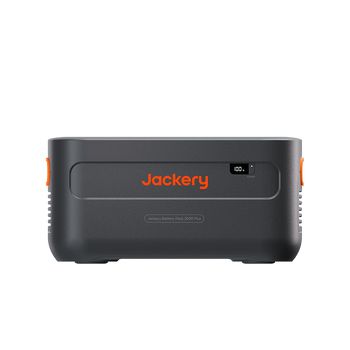
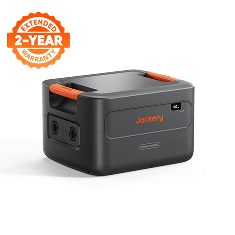
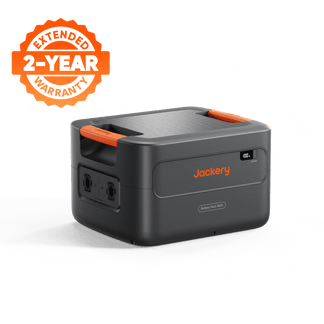
Modular capacity starts at 3.5kWh and expands to over 21kWh, supporting overnight cooling for essential loads plus refrigerator and home appliance backup through extended blackouts, not whole-home replacement.
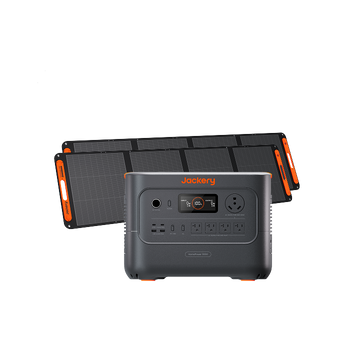
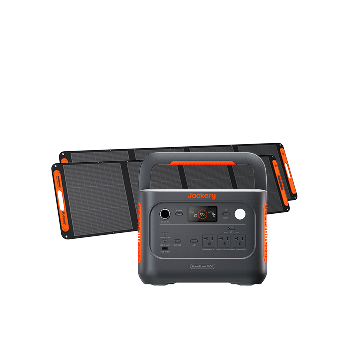
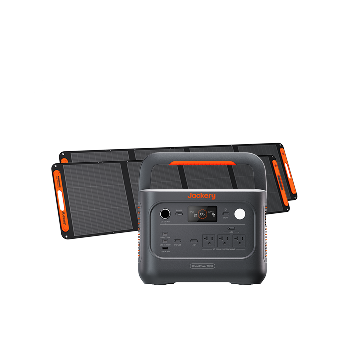
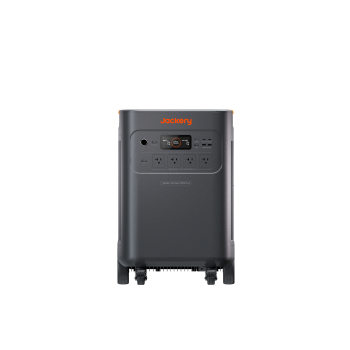
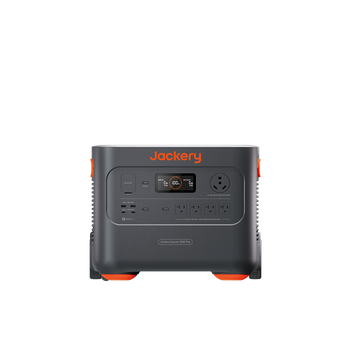
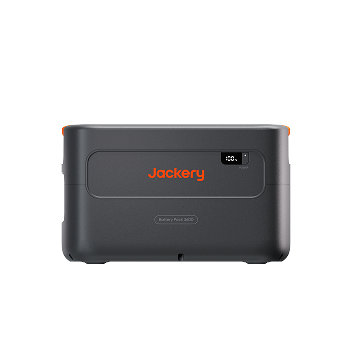
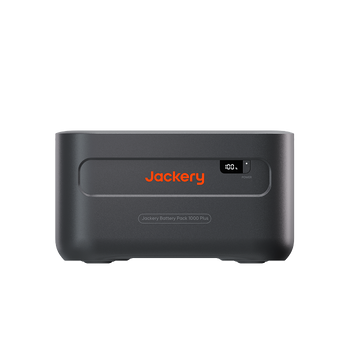
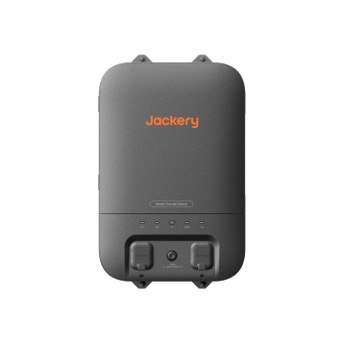
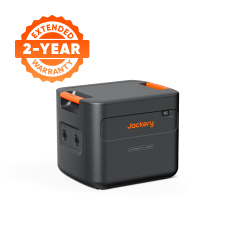
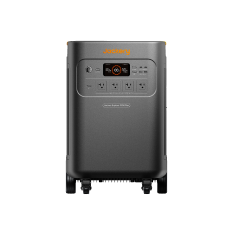
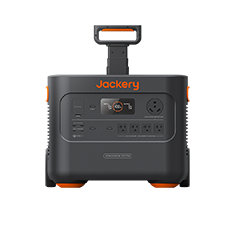
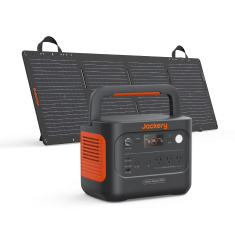
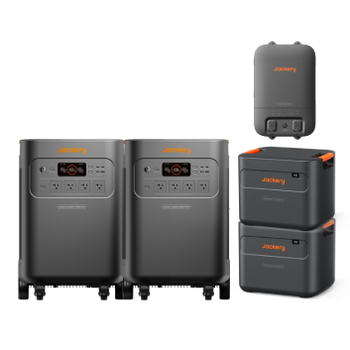
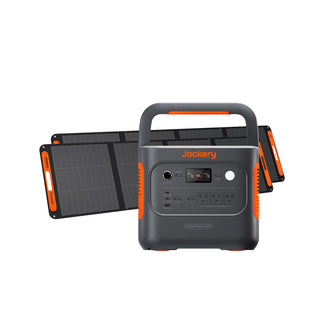
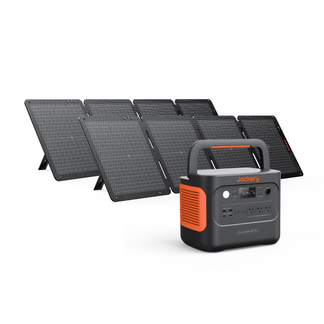
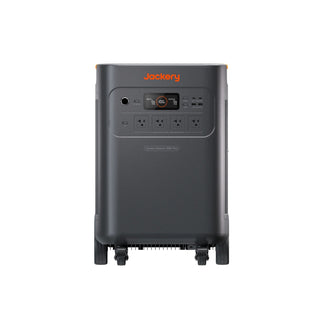
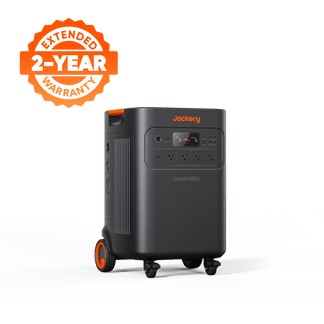
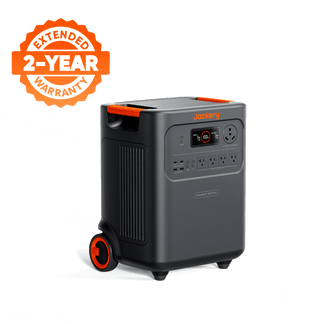
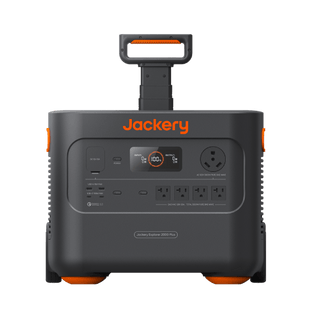
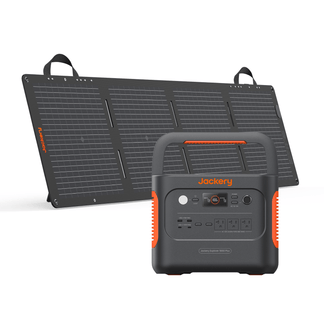
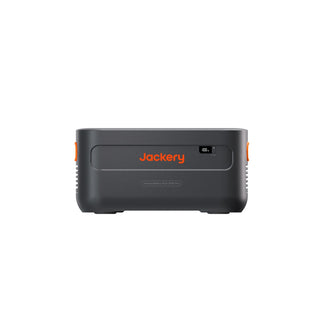
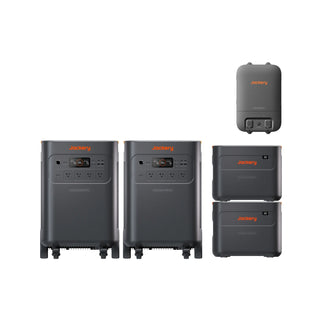
Jackery Solar Generator 5000 Plus + 2x SolarSaga 500X
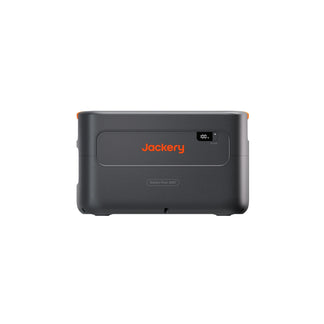
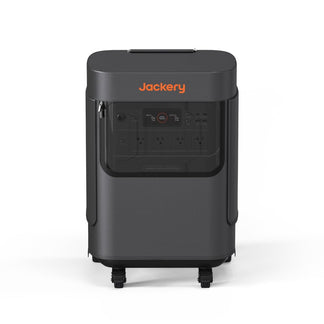
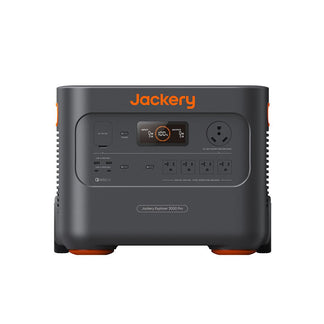
The 5000 Plus delivers 14,400W surge from 7,200W continuous output. It can start 4–5 ton central ACs without a soft start in most cases; older units with high LRA may still need one. Designed for essential backup of critical loads, not whole-home replacement.
Feature |
Specification |
Key Benefit |
Surge output |
14,400W |
Starts 5-ton AC without soft start in most applications |
Base capacity |
5,040Wh |
~1.5–2.5 hours cooling runtime for a typical 3-ton AC (continuous) |
Expandability |
Up to 60kWh |
Extended backup for essential circuits including AC |
UPS switchover |
0ms |
Seamless grid-failure transition |
Solar input |
Up to 4000W PV |
Recharges during daylight cooling |
The 0ms UPS switchover ensures seamless grid-failure transition for inverter-driven ACs. Scalable from 5kWh to 60kWh for critical loads.
Tips to Reduce Central AC Power Consumption
Action |
Impact |
Install hard start capacitor kit ($30–$60) |
Cuts starting surge by 30–50%, potentially reducing generator size by one tier |
Change air filters every 1–3 months |
Clogged filter raises compressor wattage by 5–15% |
Seal duct leaks (Aeroseal/mastic) |
Stops 20–30% conditioned air leakage; payback 2–4 years |
Upgrade attic insulation from R‑19 to R‑38 |
Cuts cooling load by 10–15%, lowering peak watt consumption |
Pre‑cool home to 74°F before 4 PM, set to 78°F during peak (4–9 PM) |
Reduces daily AC costs by 15–20% |
Check refrigerant levels annually |
10% undercharge increases compressor work ~20%, accelerates wear |
Limitations / What to Know Before
Solar generators for central AC backup have higher upfront costs than gas generators and are for essential backup, not whole-home replacement. The HomePower 3600 Plus system costs $5,000–$8,000 depending on configuration, paying back over time through eliminated fuel costs, but requires commitment to battery-based backup for critical loads.
Battery runtime is finite: a 5kWh pack runs a 3‑ton AC for 2–4 hours; overnight cooling needs 15–25kWh. Gas generators run as long as fuel lasts (8–12 hours on a 5-gallon tank).
Sunlight dependence introduces weather risk; a string of cloudy days means reduced solar input. A hybrid approach—using a small gas generator to recharge the battery—mitigates this but adds complexity.
Older single-stage compressors with LRA above 80A may exceed the 5000 Plus's 14,400W surge. A hard start capacitor kit becomes mandatory; consult an electrician before purchase.
Frequently Asked Questions (FAQ)
How much does a hard start kit installation cost?
Professional installation typically costs $150–$300 total, including the $30–$60 kit and labor. DIY installation is possible with electrical safety knowledge, but compressor capacitors store dangerous charge.
Can I run central AC on batteries without solar panels?
Yes—a 3‑ton unit requires 20+ kWh of battery capacity for 8 hours of runtime, costing $4,000–$8,000 for the battery storage alone based on current market estimates of $800–$1,300 per usable kWh installed. This is for essential backup only; whole-home cooling would require significantly more storage.
What is the typical lifespan of a central AC unit?
A well-maintained central AC lasts 15–20 years. Units in coastal or dusty climates often fail after 10–12 years due to coil corrosion and debris buildup reducing efficiency.
How often should I have my central AC professionally serviced?
Schedule professional maintenance once per year, ideally in early spring before peak cooling season begins. This includes coil cleaning, refrigerant check, capacitor testing, and airflow measurement.
Is a mini-split system more efficient than central AC for backup power?
Mini-splits use 20–30% less energy than ducted central systems due to zero duct leakage losses. Their inverter-driven compressors also have minimal surge, making them inherently easier to back up with battery systems including portable power stations.


