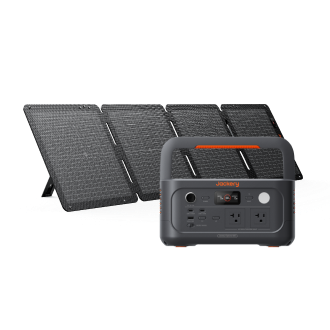
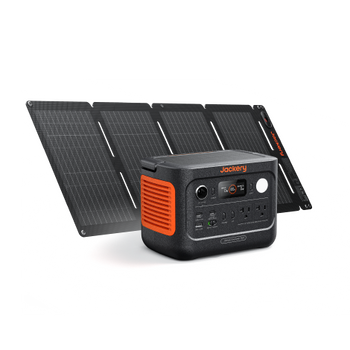

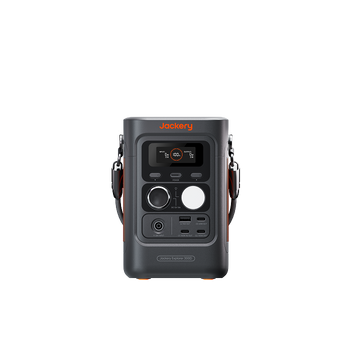
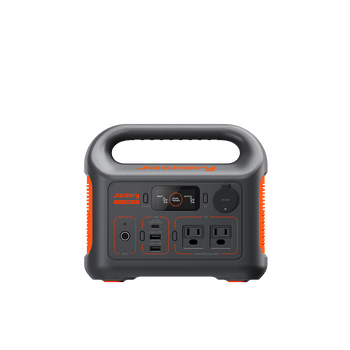
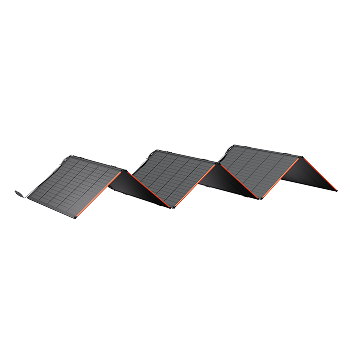
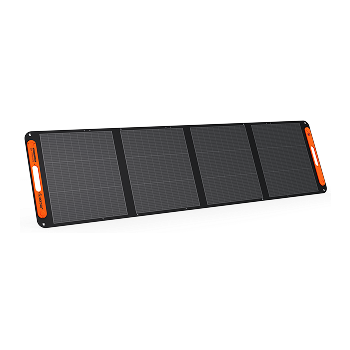
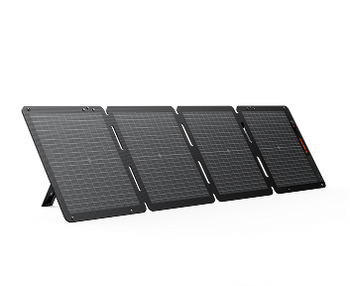





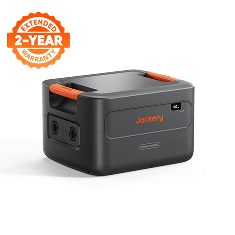
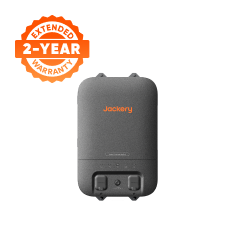
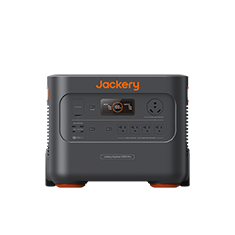
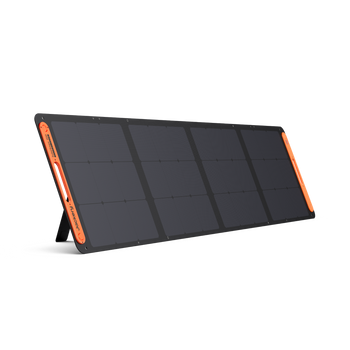
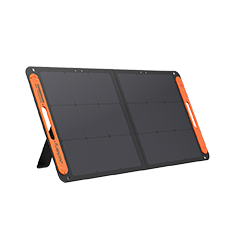



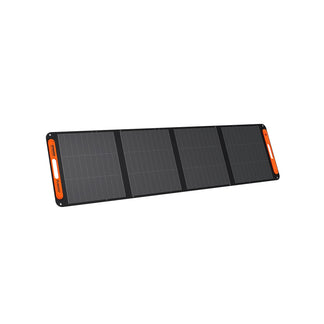
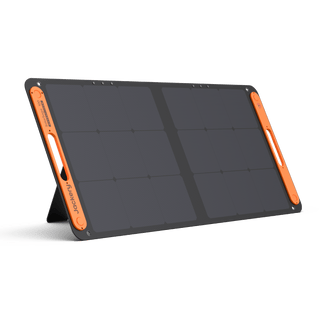
![[Add-on] Jackery SolarSaga 500 X - Jackery](http://www.jackery.com/cdn/shop/files/add-on-jackery-solarsaga-500-x-1493607.webp?v=1786503068&width=324)
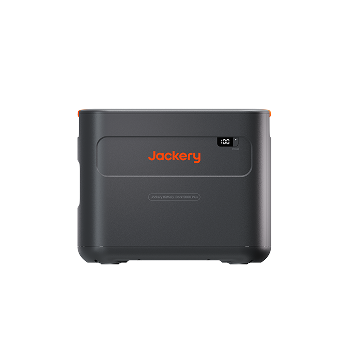
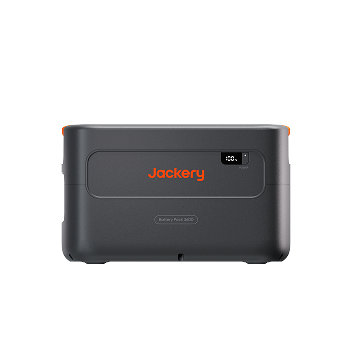
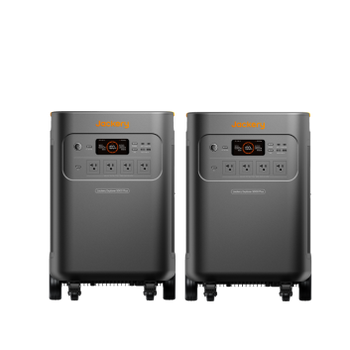
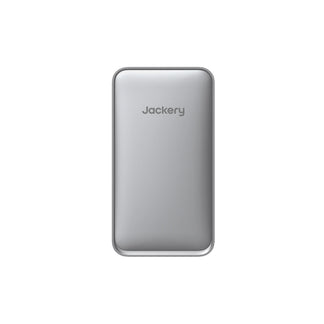
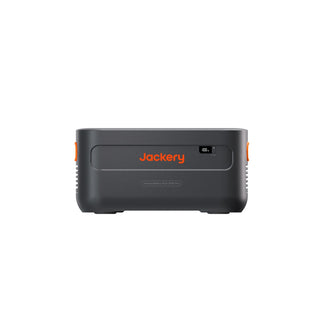
![[Add-on] Jackery Battery Pack 5000 Plus - Jackery](http://www.jackery.com/cdn/shop/files/add-on-jackery-battery-pack-5000-plus-6713401.webp?v=1786503068&width=324)





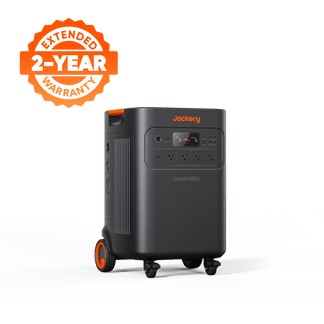
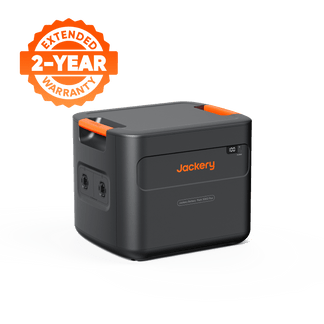
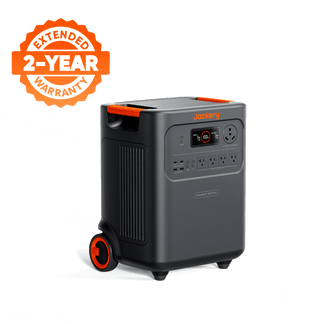
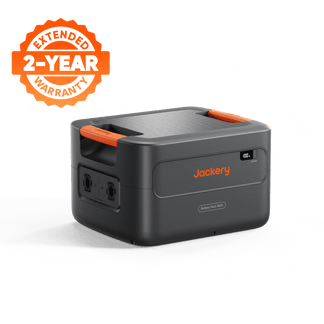
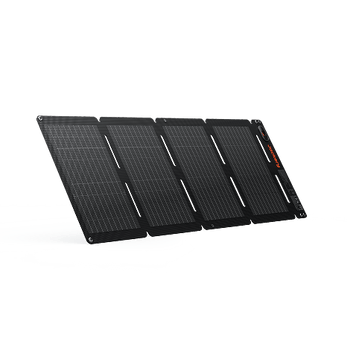
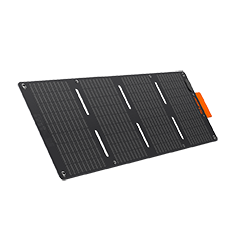
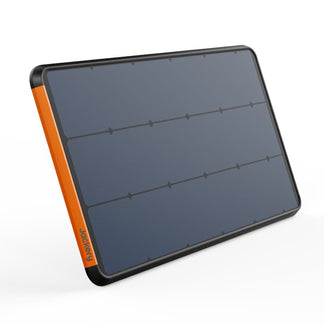
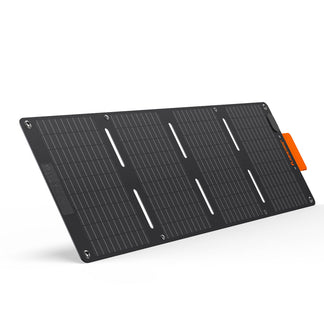
![[Add - on] SolarSaga 200W - Jackery](http://www.jackery.com/cdn/shop/files/add-on-solarsaga-200w-4834329.png?v=1754016915&width=324)
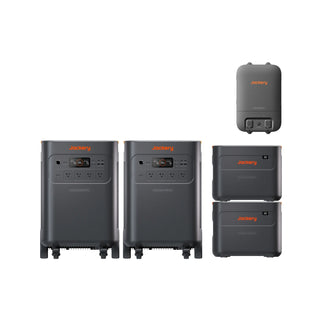
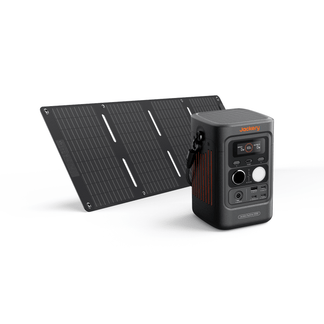


Quick Answer: For camping solar in 2026, a "200W" panel realistically delivers 140–160W due to heat and angle losses. Oversize by 25–30% to meet actual needs, and budget for hidden costs: MPPT charge controllers ($40–$80), connector adapters ($15–$30), and mounting accessories (10–20% of panel cost).
Key Takeaways:
- A "200W" portable solar panel realistically delivers 140–160W in good summer sun — always apply the 0.8 Rule when sizing your system.
- MPPT charge controllers extract 20–30% more energy than basic PWM units, justifying their $40–$80 premium for any serious camping setup.
- Foldable 200W panels cost $1.00–$1.30 per rated watt in 2026, making them 20–35% cheaper per watt than 100W panels at $1.20–$1.60/W.
- ETFE-coated panels last 3–5 seasons without degradation; PET-coated alternatives typically yellow and crack after 2–3 years of UV exposure.
- Heat-induced efficiency loss cuts output 15–20% when panels lie flat on hot ground — elevated stands with airflow are non-negotiable for summer camping.
The Hidden Costs of Portable Solar: More Than Just the Sticker Price
Three hidden costs—charge controller type, wattage rating inflation, and mounting accessories—determine your actual spending.
- Charge controller type: Basic PWM controllers waste 20–30% of panel output; MPPT units extract that energy back. The $40–$80 MPPT premium pays for itself. If you’re powering a 12V fridge that draws 500Wh daily, PWM forces an extra 100W of panel, costing more than the upgrade.
- Wattage rating inflation: A 200W panel on 50°C sand delivers 140–160W. At $1.30 per rated watt ($260 total), your real cost per usable watt jumps to roughly $1.70 — a 30% premium. Oversizing by 25–30% compensates.
- Mounting accessories: Panels without integrated kickstands require separate stakes, poles, and brackets ($25–$60), adding 10–20% to cost. Built-in multi-angle kickstands eliminate this.
- Heat management: Panels lying flat on hot ground reach 65°C, losing 15–20% output. Elevated stands with airflow recover this loss, costing $0 if integrated or $30–$50 separately.
Hidden Cost Factor |
Impact |
Mitigation Cost |
|---|---|---|
PWM vs MPPT controller |
20–30% energy loss |
$40–$80 for MPPT |
Real-world wattage gap |
20–30% below rating |
Oversize panel by 25–30% |
Mounting accessories |
10–20% of panel cost |
$0–$60 (built-in vs separate) |
Heat-induced efficiency loss |
15–20% output drop |
$0–$50 for elevated stands |
Calculating Total Cost of Ownership (TCO) for 3–5 Years
Total cost of ownership over 3-5 years includes panel degradation, battery replacement, and charging efficiency losses, often making the upfront price misleading.
- Initial purchase price: 100W models average $120–$200, while 200W panels run $200–$450. Cost-per-watt favors larger panels — $1.20–$1.60/W for 100W units versus $1.00–$1.30/W for 200W models. A single 200W panel costs roughly 25% less per rated watt than two 100W panels.
- Solar panel degradation: Compounds at 0.5–0.8% per year. A 200W panel outputs roughly 192W after five seasons — a loss of 8W, or about 4%. ETFE-coated panels degrade at the lower end of that range; PET panels at the higher end.
- Charging efficiency losses: Consume 15–25% of panel output before energy reaches the battery. Panels must be oversized by roughly 20% just to meet calculated daily load. If your devices draw 400Wh per day, you need panels capable of harvesting approximately 500Wh — and that's after applying the 0.8 Rule for real-world output.
- Net present value: A $400 solar system generating 300Wh of usable power per day, used for 10 camping weekends per year, produces roughly 18kWh annually. At the average US campground electricity rate of $0.15–$0.30/kWh (where hookups are available), that's $2.70–$5.40 per weekend in avoided fees. Over five years: $135–$270 saved. The system doesn't pay for itself in pure financial terms — the value is independence from hookup sites and generator noise, not ROI.
TCO Formula for 5-Year Camping Solar:
(Panel Cost + Controller Cost + Accessories) + (Battery Replacements × Replacement Cost) + (5 × Annual Degradation Loss in kWh × Your Electricity Rate) = 5-Year TCO
Example: A $260 200W panel with built-in MPPT ($0 extra), $30 in mounting accessories, paired with a $500 LFP power station (no replacement needed), losing 4% output over 5 years (roughly 3.6kWh total lost harvest at 180Wh/day × 500 days): $260 + $30 + $500 + (3.6 × $0.20) = $790.72 total over 5 years, or about $158 per year.
Matching Panel Size to Power Needs to Avoid Overbuying
The panel wattage you need depends far more on where you camp than on what the marketing copy suggests.
Peak sun hours (PSH) vary dramatically across the US. The Southwest delivers 6–7.5 PSH in summer — a 100W panel harvesting at 80% real-world efficiency produces 480–600Wh daily. The Pacific Northwest manages 4–5.5 PSH, dropping that same panel to 320–440Wh. Same panel, same load, 35% difference in daily harvest.
Camping Region |
Summer PSH |
100W Panel Daily Harvest (0.8 Rule) |
200W Panel Daily Harvest |
|---|---|---|---|
Southwest (AZ, NM, NV) |
6–7.5 |
480–600Wh |
960–1,200Wh |
Southeast (FL, GA) |
5–6.5 |
400–520Wh |
800–1,040Wh |
Northeast (NY, ME) |
4.5–5.5 |
360–440Wh |
720–880Wh |
Pacific Northwest (WA, OR) |
4–5.5 |
320–440Wh |
640–880Wh |
The oversizing question comes down to trip length:
- Weekend trips: A 200W panel for a 100W load charges your battery faster and handles cloudy days better, but the extra $100–$150 may not justify when you can recharge at home.
- Week-long off-grid stays: Oversizing by 50–100% eliminates generator dependency.
- Overnighters: A single 100W panel and a power station with enough stored capacity often suffices.
Cost-per-watt sweet spot in 2026:
- 100W foldable: $1.20–$1.60/W
- 200W foldable: $1.00–$1.30/W — roughly 20–35% cheaper per rated watt.
- 300–400W briefcase: $0.90–$1.10/W but weigh 35–45 lbs, making them impractical for backpacking or space-constrained car camping.
Minimum IP rating matters more than most buyers realize. IP65 resists low-pressure water jets — fine for light summer rain.
IP67 or IP68 handles temporary immersion, which matters when a sudden thunderstorm floods your ground-level panel setup. The price difference between IP65 and IP67 panels is typically $20–$40, and for overlanding or multi-day backcountry trips, it's cheap insurance. Understanding your actual energy needs before buying prevents both underpowering and wasteful overspending.
Real-World Performance Factors That Affect Energy Harvest
The wattage printed on the box is a laboratory number. What reaches your battery depends on six factors you control at the campsite.
- The 0.8 Rule is non-negotiable. Multiply the panel's STC rating by 0.8 to estimate real-world output in good sun. A 200W panel delivers roughly 160W. This accounts for the gap between 25°C lab temperature and 45–65°C real-world cell temperature, plus minor angle and wiring losses. Every sizing decision starts here — not with the marketing number.
- Angle and airflow boost output 25–40% compared to a panel laid flat on the ground. A panel angled perpendicular to the sun captures maximum irradiance. Elevating it on a stand allows airflow underneath, dropping cell temperature by 10–15°C and recovering the 15–20% heat-induced loss. The combined effect transforms a 160W real-world output into 200–224W from the same panel. Integrated kickstands with 3–5 angle settings make this adjustment effortless.
- Reposition every 2–3 hours. Solar production is negligible outside 10 AM–2 PM if the panel stays in one fixed position. Tracking the sun during peak hours — even just moving the panel twice between morning, midday, and afternoon angles — increases daily harvest by 15–25%. This is where portable panels have a massive advantage over fixed rooftop installations: you can chase the sun.
- Partial shading is fatal to output. A shadow covering just 5–10% of a panel's surface can cut total output by 30–50% if the panel lacks bypass diodes. Most quality portable panels include diodes that isolate shaded sections, but the unshaded portion still operates at reduced efficiency. The fix is simple: portable panels let you reposition into full sun. Fixed installations don't.
- Dust and dirt reduce output 10–15% after a few days at a dusty campsite. A layer of fine silt diffuses incoming light before it reaches the cells. Wipe the surface with a damp microfiber cloth — never paper towels, which scratch ETFE coatings — before each deployment. This 30-second step recovers nearly all lost output.
- Heat-induced loss peaks in summer. Panels lying on hot sand or rock reach 65°C surface temperatures, triggering the temperature coefficient power loss. Most panels lose 0.3–0.5% per degree Celsius above 25°C. At 65°C, that's a 12–20% output reduction. Elevation on a stand drops surface temperature to 45–50°C, cutting the loss roughly in half.
- Bifacial technology captures reflected light from the ground on the panel's rear side, boosting total yield 10–30% on reflective surfaces like sand or snow. The premium is 15–25% over standard monofacial panels. For desert camping or winter trips, the math works. For forested campsites on dark soil, bifacial gains drop to 2–5% — not worth the premium.
Performance Factor |
Output Impact |
Solution |
|---|---|---|
Flat vs angled placement |
25–40% gain with angle |
Integrated kickstands |
No airflow vs elevated |
15–20% heat loss |
Stand with airflow gap |
Fixed vs sun-tracking |
15–25% daily harvest gain |
Reposition every 2–3 hours |
Partial shading |
30–50% output drop |
Reposition into full sun |
Dust/dirt accumulation |
10–15% loss |
Damp microfiber wipe |
Bifacial on sand/snow |
10–30% gain |
Worth 15–25% price premium |
The Case for LFP Storage and Smart Charging Integration
LiFePO4 batteries and MPPT charge controllers are the two components that determine whether your harvested solar energy is actually usable when you need it.
Battery Type |
Cycle Life |
Usable Capacity (100Ah) |
Cost per Wh/cycle |
Replacement Period |
5-Year Replacement Cost |
|---|---|---|---|---|---|
LiFePO4 (LFP) |
3,000–5,000 cycles |
80–90Ah |
$0.03–$0.05 |
8–13 years |
$0 (no replacement) |
Lead-acid |
~500 cycles |
50Ah (50% of rated) |
N/A |
2–3 years |
$200–$400 |
Controller Type |
Energy Extraction |
Performance in Variable Sun |
Cost Premium |
|---|---|---|---|
PWM |
Wastes 20–30% of panel output |
Forced to battery voltage |
$0 (base) |
MPPT |
Extracts 20–30% more energy |
Adjusts to max power point; 25–30% advantage in low light |
$40–$80 |
Pass-through charging lets solar panels simultaneously recharge the battery while AC devices draw power — essential for extended trips running a 12V fridge 24/7. Without pass-through, you're choosing between charging and using. This same principle applies to home backup systems, where pass-through ensures critical loads stay powered during recharging.
Cold weather voltage considerations matter for early-spring and late-fall camping. Panel open-circuit voltage (Voc) increases as temperature drops. A panel rated at 24V Voc at 25°C might reach 27–28V at 0°C. Verify that your panel's temperature-adjusted Voc stays within the power station's MPPT input range — typically 11–60V for portable units — to avoid damaging the charge controller.
Portable Solar Recommendations for Summer 2026
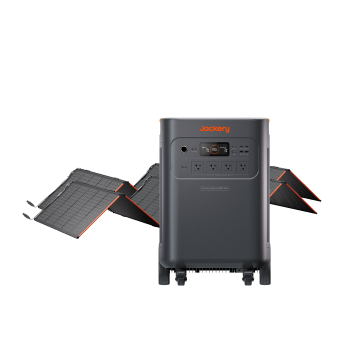
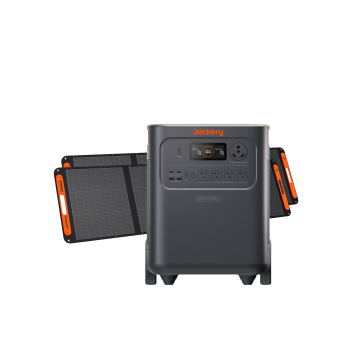
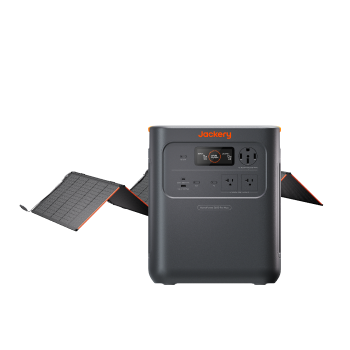
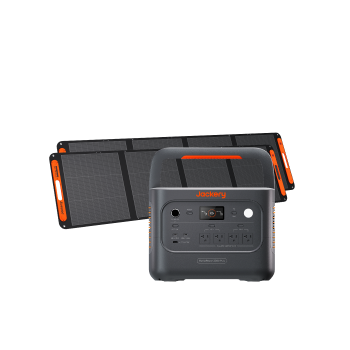
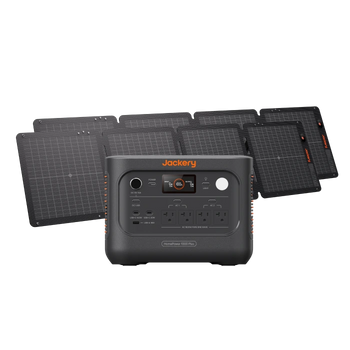
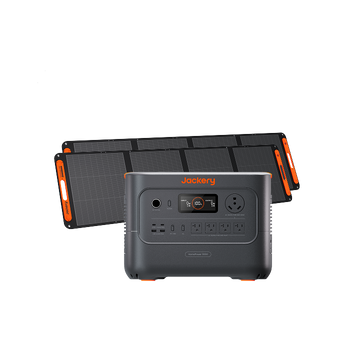
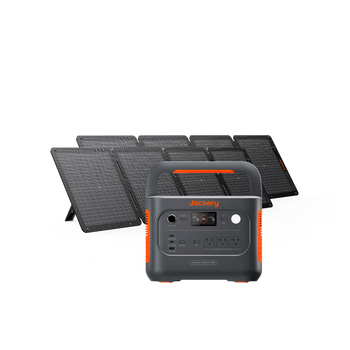
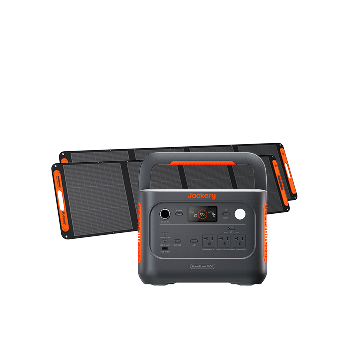
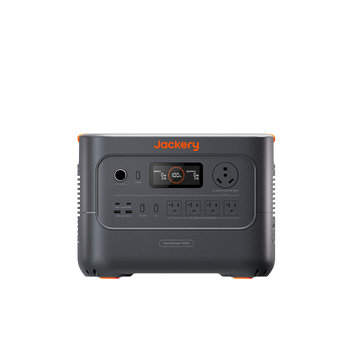
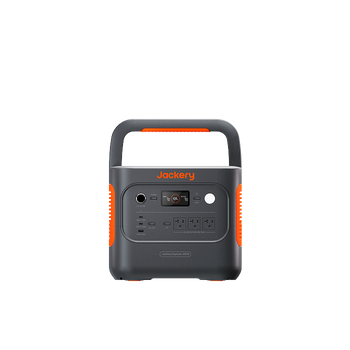
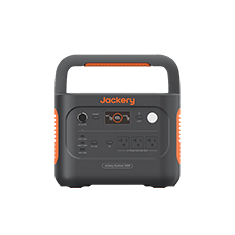
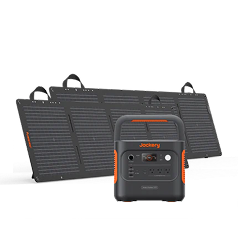
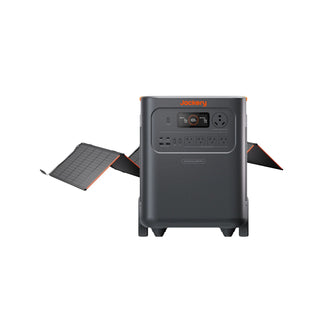
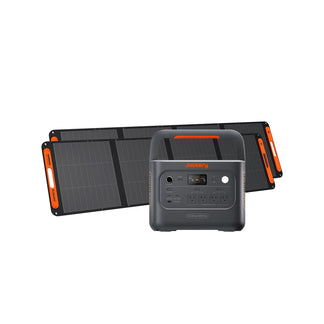
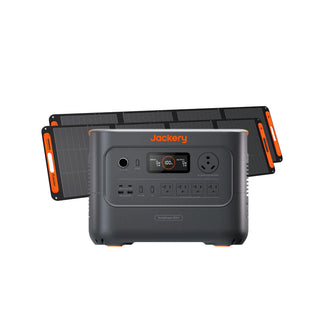
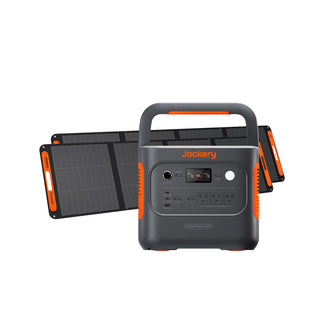
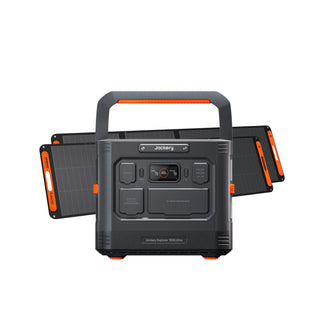
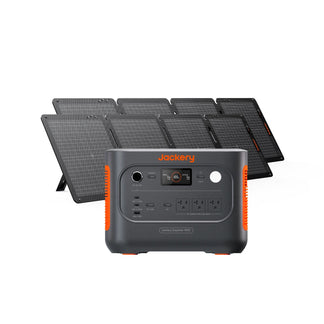
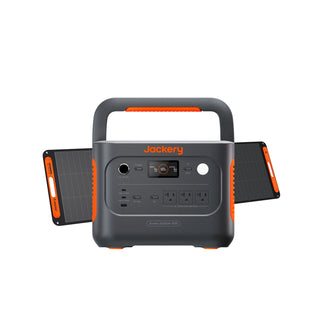
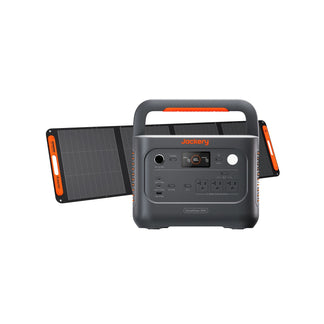
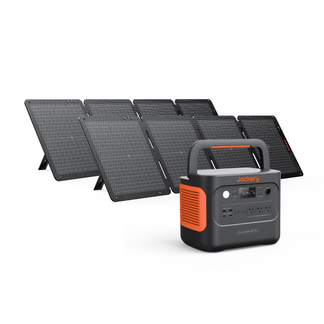
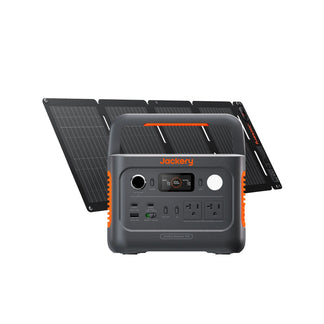
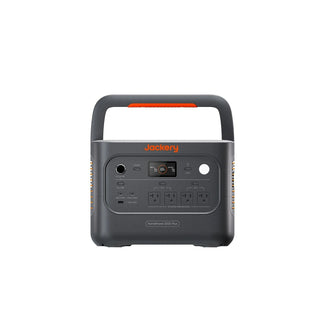
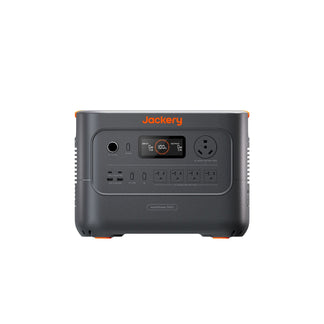
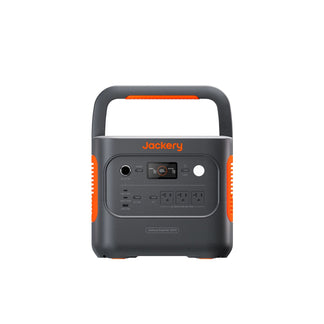
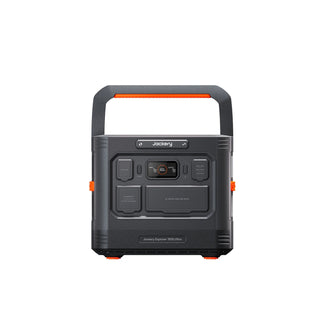
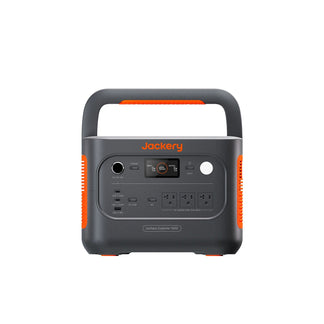
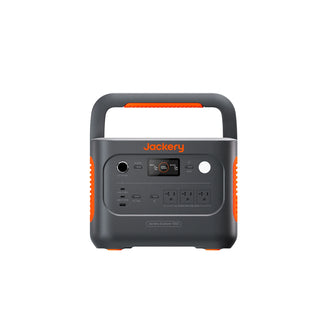
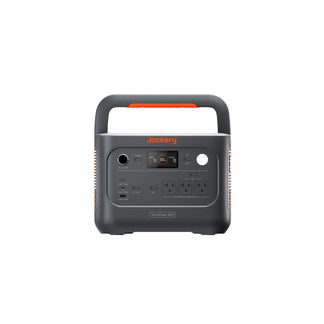
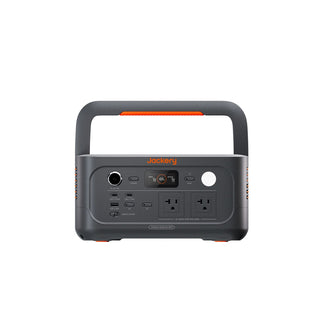
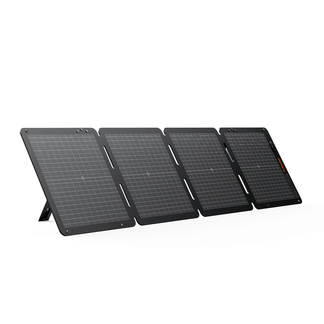
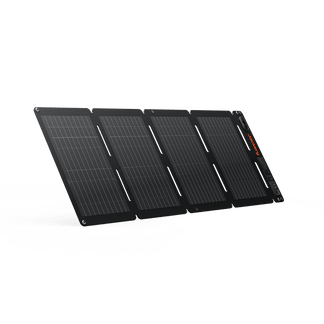
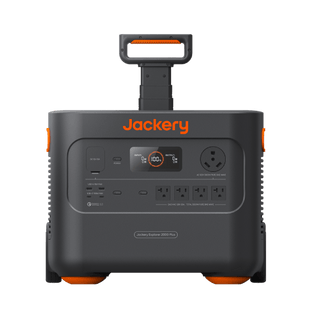
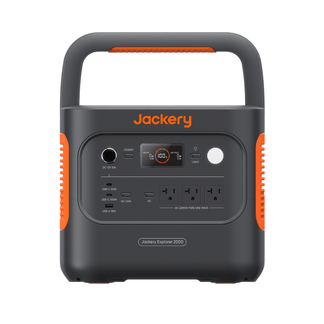
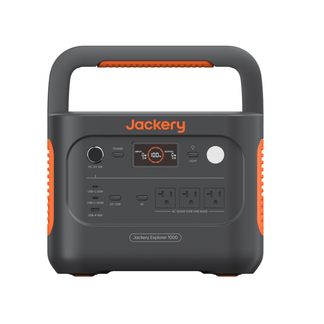
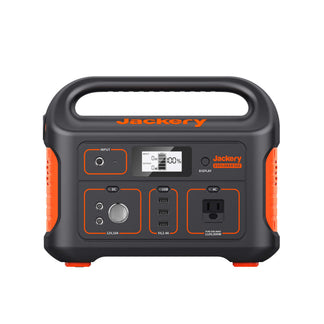
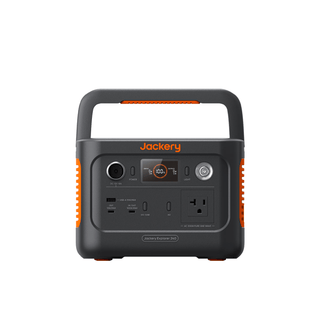
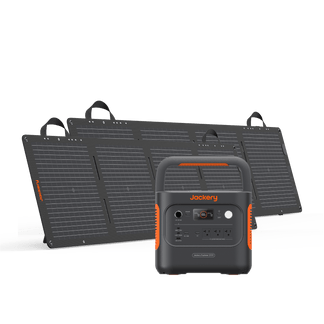
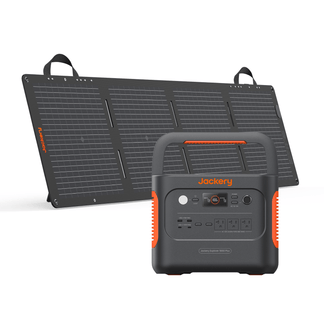
The Jackery SolarSaga 500X (500W) paired with an Explorer 2000 v2 or Explorer 1000 v2 addresses the real-world performance gaps covered above.
Feature |
Specification |
|---|---|
Panel type |
500W ETFE-coated bifacial (TOPCon) |
Weather rating |
IP68 |
Real-world output |
~400W (0.8 Rule) |
Mounting |
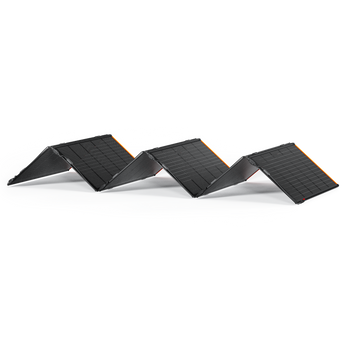
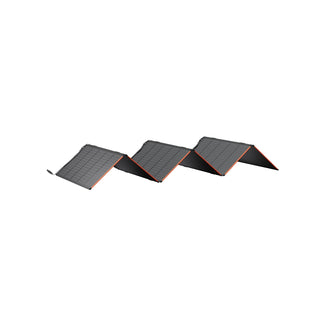
M-shaped foldable with ground stakes |
Cost per rated watt |
~$1.00/W |
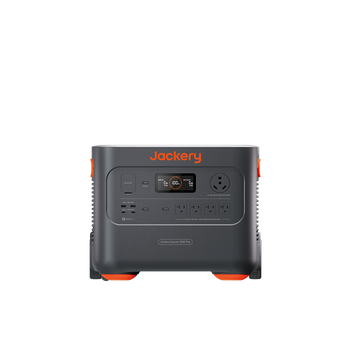
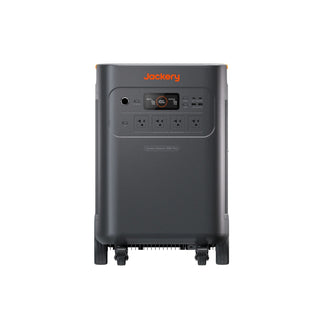
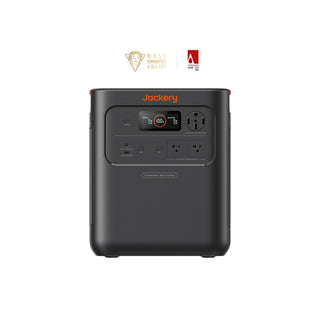
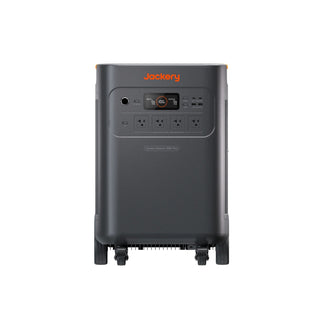
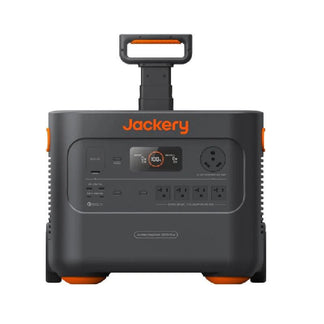
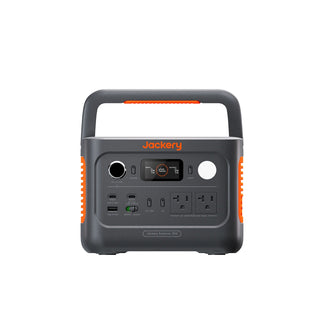
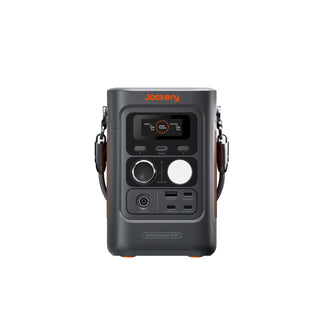
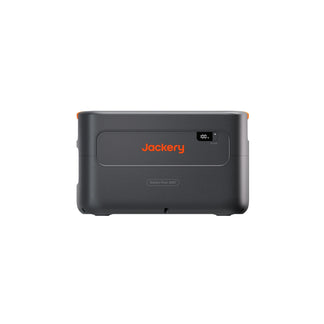
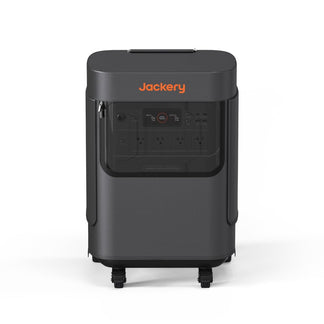
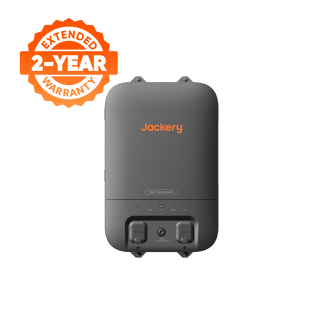
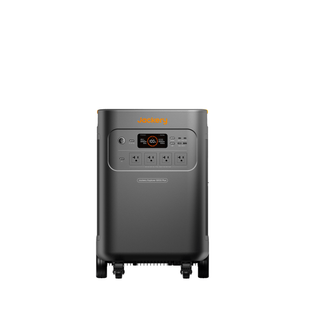
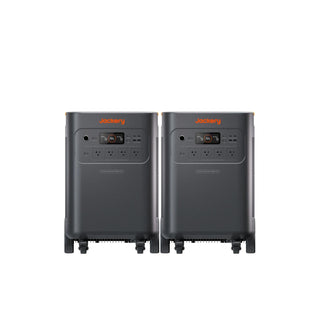
The Jackery Explorer 2000 v2 provides 2,042Wh LFP capacity (2–3 days of moderate camping use), a 4,400W surge inverter, and an integrated MPPT controller that accepts up to 400W — recharges in ~7.5 hours with four 100W panels in good sun. For campers who also want home backup capability, this dual-use flexibility eliminates the need for separate systems.
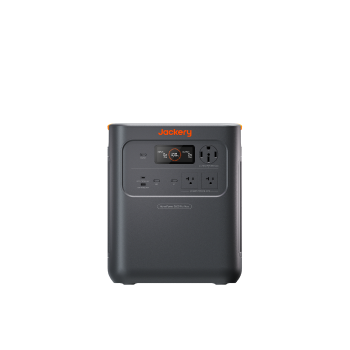
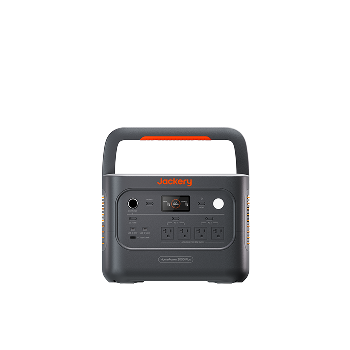
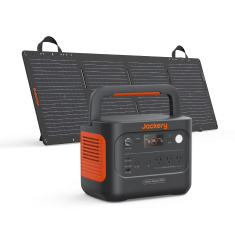
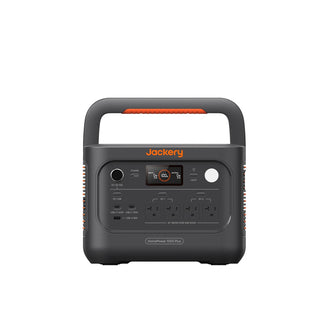
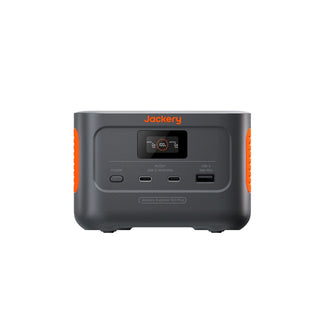
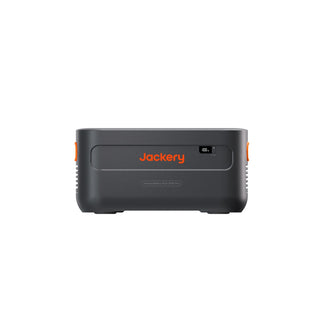
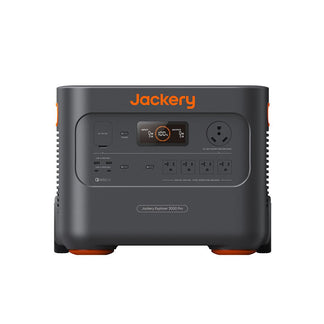
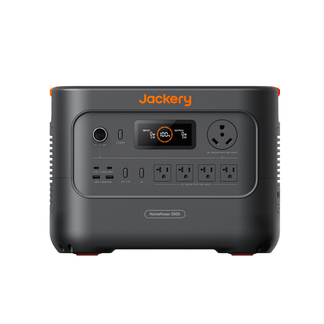
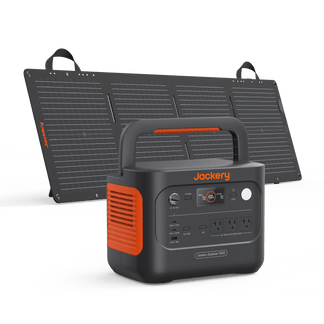
For lighter setups, the Jackery Explorer 1000 v2 offers 1,070Wh LFP (runs a 45W 12V cooler for 20+ hours), a 1,500W inverter with 3,000W surge, dual 100W USB-C ports, and recharges in 5–6 hours from a single SolarSaga 500X panel. Matching your power station capacity to your actual daily consumption prevents paying for watt-hours you'll never use.
Frequently Asked Questions (FAQ)
Are portable solar panels safe to use in rain or lightning?
Disconnect the panel from your power station and store it inside during lightning storms to prevent damage from electrical surges. IP67 or IP68-rated panels handle heavy rain while operating, but lightning risk is independent of waterproofing.
How should I store portable solar panels during winter?
Store them in a cool, dry indoor location, fully clean and dry, with connectors capped to prevent corrosion. Avoid leaving them in a hot attic or freezing garage — extreme temperatures accelerate material degradation even when the panel isn't in use.
Do I need special cables to charge non-Jackery devices?
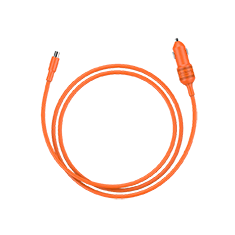
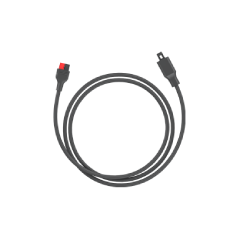
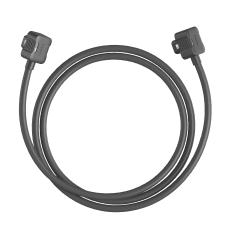
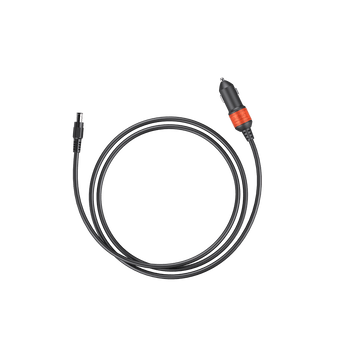
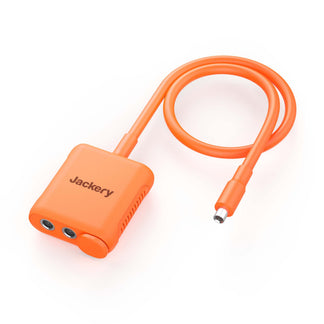
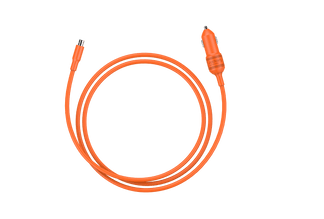
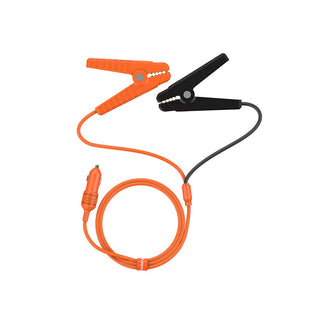
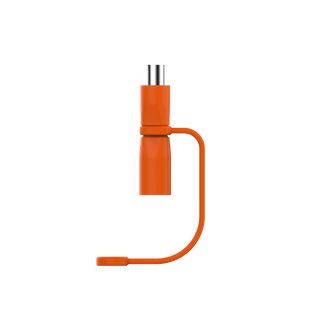
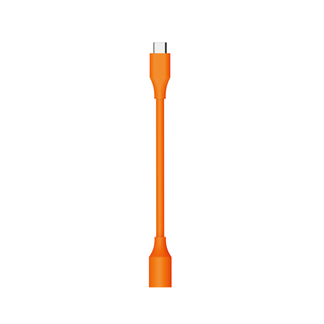
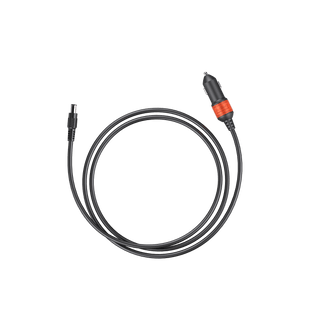
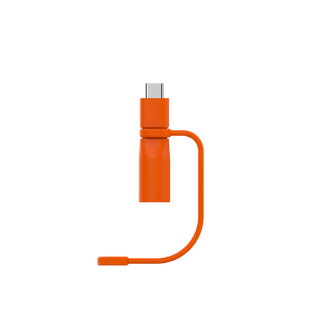
Most portable panels use MC4 output connectors. An MC4-to-DC7909 or MC4-to-XT60 adapter cable connects standard panels to most portable power stations. These adapters cost $15–$30 and should be purchased from the power station manufacturer to ensure correct polarity and voltage compatibility.
Can I leave my solar panel in full sun all day?
Yes, but elevated stands and periodic repositioning are required to prevent heat-related output losses. A panel lying flat on hot ground loses 15–20% of its output; elevating it on a stand with airflow underneath recovers most of that loss.
What's the best way to clean solar panels on a campsite?
Wipe the surface gently with a damp microfiber cloth and plain water. Avoid paper towels and abrasive materials that scratch ETFE coatings. Clean before each deployment — a few days of accumulated dust reduces output 10–15%.


