


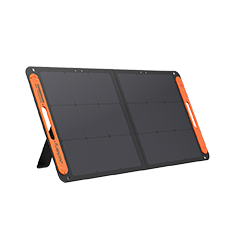
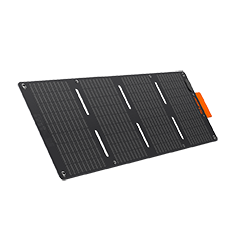



![[Add-on] Jackery SolarSaga 500 X - Jackery](http://www.jackery.com/cdn/shop/files/add-on-jackery-solarsaga-500-x-1493607.webp?v=1786503068&width=324)
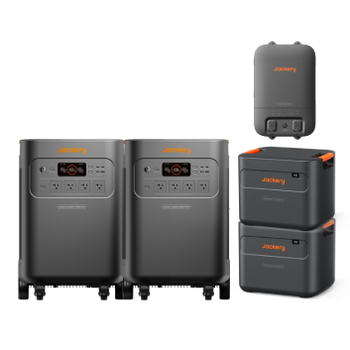
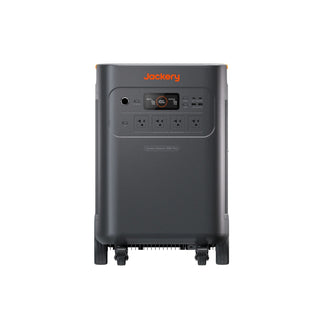
![[Add-on] Jackery Battery Pack 5000 Plus - Jackery](http://www.jackery.com/cdn/shop/files/add-on-jackery-battery-pack-5000-plus-6713401.webp?v=1786503068&width=324)


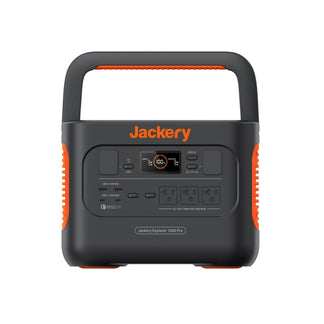
![[Add - on] SolarSaga 200W - Jackery](http://www.jackery.com/cdn/shop/files/add-on-solarsaga-200w-4834329.png?v=1754016915&width=324)
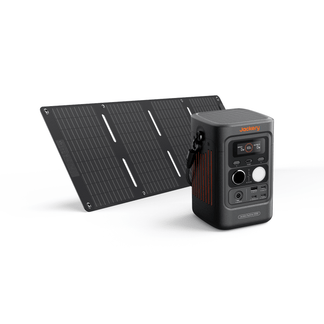


Quick Answer: Choosing the best solar panel brand for portability means balancing weight, power output, and connector compatibility — a common trap is buying mismatched components. Prioritize monocrystalline panels with 22–24% efficiency, universal MC4 connectors, and a folded size that fits your gear. Then match the brand’s ecosystem to your use case: backpacking, RV camping, or essential home backup.
Key Takeaways:
- Connector incompatibility is the #1 frustration — MC4 is the universal standard, but many power stations need adapter pigtails (XT60 or Anderson); verify before buying.
- Monocrystalline panels with 22–24% efficiency deliver the best power-per-square-foot and outperform polycrystalline in low light. [1]
- Weight-per-watt matters more than brand marketing — a 100W panel for backpacking weighs ~10–12 lbs, while 200W+ units exceed 25 lbs; prioritize under 8 lbs for ultralight trips.
- Integrated kickstands and IP65+ waterproof rating are essential — adjustable legs boost sun capture, and water resistance prevents rain/dew damage.
- Real-world output is 60–80% of rated wattage — oversize by 20–30% to compensate for cloud cover, angle loss, and temperature derating.
What Makes a Solar Panel Truly Portable?
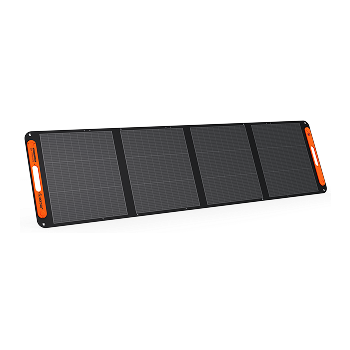
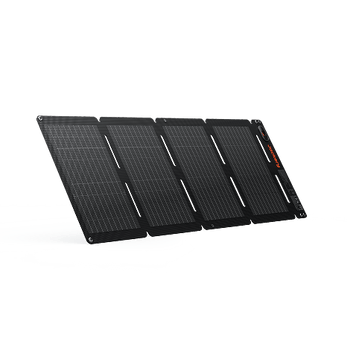
Weight and folded dimensions separate true portables from panels you’d rather leave at home. A 100W folding panel typically weighs 10–12 lbs and folds to roughly the size of a briefcase — easy for one person to grab and go. Stepping up to 200W or more adds bulk quickly, with many units exceeding 25 lbs. That’s still fine for car camping, but if you’re backpacking, every pound counts.
Monocrystalline cell technology is the engine behind efficient portable panels. Efficiency varies by cell type:
Cell Technology |
Efficiency |
Key Advantage |
|---|---|---|
Monocrystalline |
22–24% |
Best power-per-square-foot; generates usable power earlier and later in the day. |
Polycrystalline |
15–18% |
— |
Thin‑film |
10–12% |
— |
This means a monocrystalline panel generates usable power earlier in the morning and later into the afternoon — a real advantage when you’re relying solely on sunlight. [1]
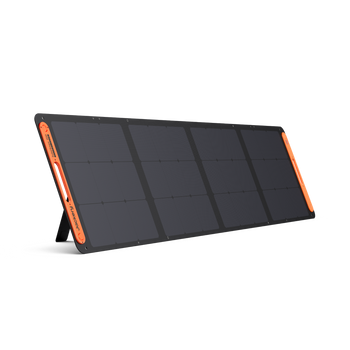
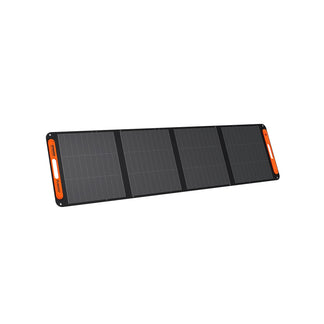
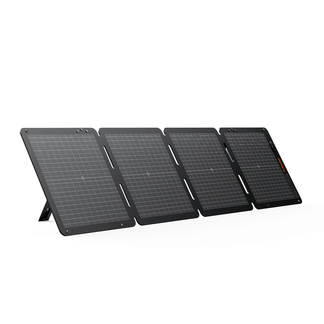
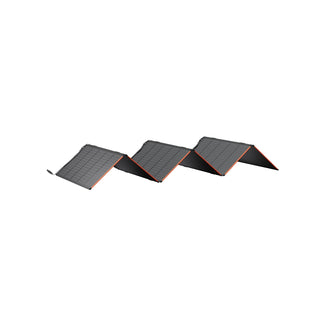
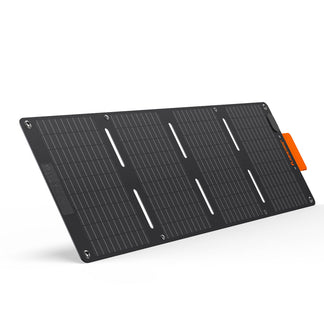
The folding briefcase design is the standard. Panels hinge into a protected stack, and built-in kickstands let you angle them toward the sun in seconds. Without adjustable tilt, you can lose 20–30% of daily output because the sun’s angle shifts. The best designs lock the angle quickly, even on uneven ground.
Surface material greatly affects portability. ETFE (ethylene tetrafluoroethylene) coating resists UV degradation and handles bumps better than tempered glass, at roughly half the weight. It’s not indestructible, but it’s a pragmatic choice for gear that gets tossed into truck beds or shuffled between campsites. Carrying handles and a zippered case add ounces but save you from juggling an awkward 20‑lb slab every time you move the panel.
How Do You Match Panel Wattage to Your Power Station?
Match panel wattage by checking two numbers before plugging in:
- Maximum solar input wattage — exceeding this limit can overheat the charge controller and waste capacity. A station with a 400W max will only draw 400W even if you connect 600W of panels; the extra 200W never reaches the battery.
- Open‑circuit voltage (VOC) — portable power stations generally accept 12–60V. A panel rated at 24V is safe; a string of panels in series that pushes 70V will cause the charge controller to refuse to charge or trigger a fault. Check the VOC number on the panel’s label — it’s non‑negotiable.
Power needs determine the right wattage:
Use Case |
Recommended Panel Wattage |
|---|---|
Weekend trips (small electronics, 12V fridge, device charging) |
100–200W |
Portable air conditioner or extended off‑grid RV living |
300–400W (likely with more than one panel) |
Now the reality check. Real‑world output is 60–80% of the label — a 200W panel often delivers 120–160W. That’s normal, not a defect. Oversize your panel array by 20–30% to close the gap.
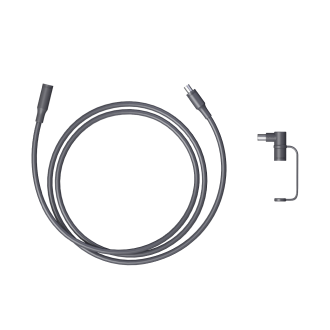
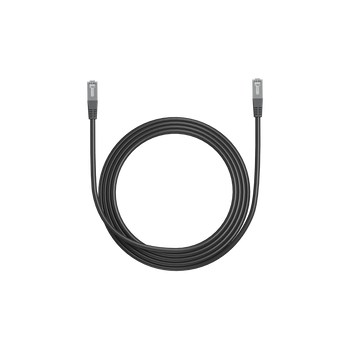
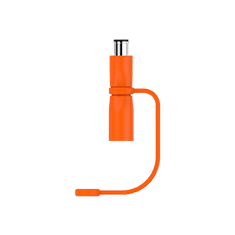
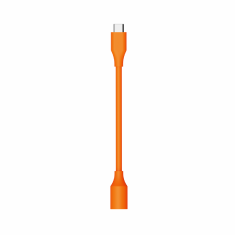
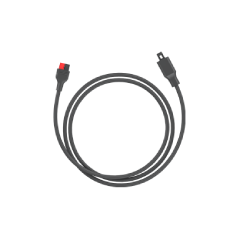
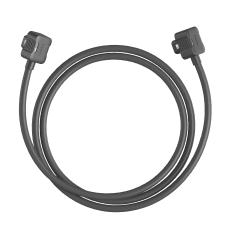
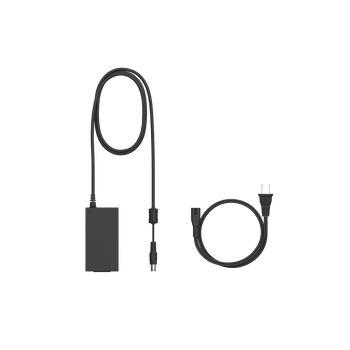
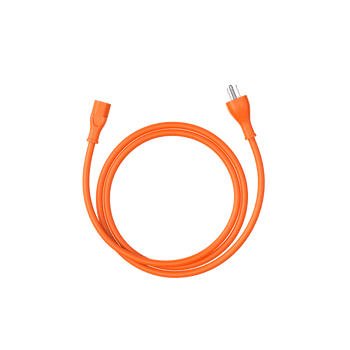
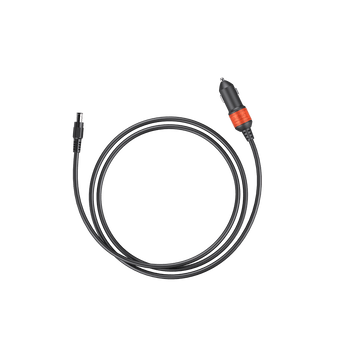
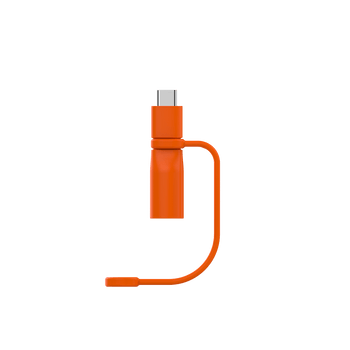
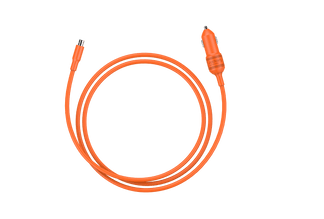
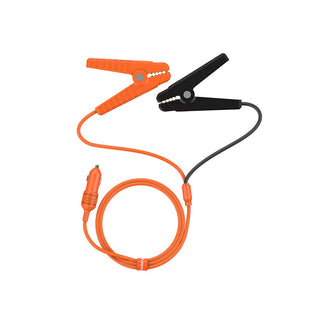
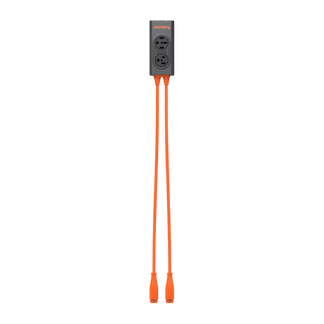
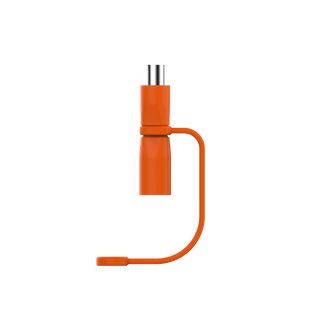
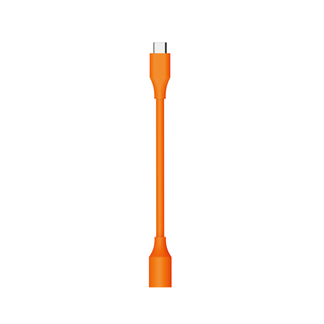
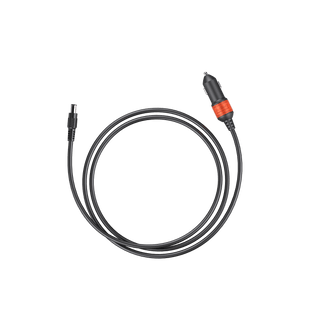
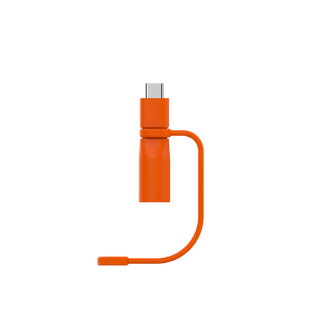
MC4 connectors are the universal standard. Yet many portable power stations — even excellent ones — need an XT60 or Anderson adapter pigtail to connect. The best solar panel brand for you is one whose connector matches your generator out of the box, or at least includes the right adapter in the box. Verify before clicking “buy.”
What Efficiency and Durability Features Matter Most?
Prioritize these four features:
- Monocrystalline panels with 22–24% efficiency
- Temperature coefficient below -0.35%/°C
- True IP65+ waterproofing
- Bypass diodes
Hot panels lose power. A temperature coefficient below -0.35%/°C means the panel sheds less voltage as it heats up. On a 95°F day, a panel with that coefficient loses roughly 7% output, whereas one with a worse coefficient might drop 12–15%. In direct desert sun, that margin matters.
Water and dust resistance must be genuine, not just a marketing badge. Here’s what the ratings mean:
IP Rating |
Dust Protection |
Water Protection |
Suitability |
|---|---|---|---|
IP65 |
Dust‑protected |
Low‑pressure water jets |
Covers most rain scenarios; minimum acceptable. |
IP67 / IP68 |
Dust‑tight |
Temporary immersion (30 minutes at 1 meter) |
Fully dust‑tight; recommended for camping, marine, and sudden rain. |
Bypass diodes are the invisible defense against partial shade. Even a small shadow from a tree branch or a piece of gear can kill output from an entire string of cells. Diodes route current around the shaded cells, so the rest of the panel keeps delivering power.
Long‑term durability relies on two factors:
- Degradation rate below 0.5% per year keeps the panel above 85% of its original capacity after 25 years.
- Reinforced corner stitching and rigid aluminum frames protect the delicate internal connections during transport, where most cell cracks actually happen. [1]
Which Panel Form Factor Fits Your Travel Style?
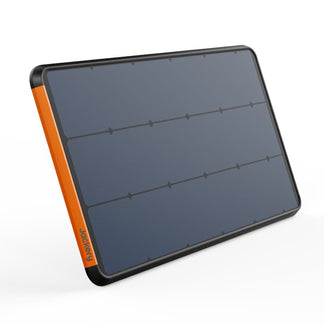
The right form factor depends on your travel style. Here’s how the most common types compare:
Form Factor |
Best For |
Typical Wattage |
Weight / Portability |
Key Features |
|---|---|---|---|---|
Folding suitcase |
Car camping, RV trips |
100–200W |
10–15 lbs, folds to laptop‑bag size |
Integrated kickstands, sub‑minute setup, versatile |
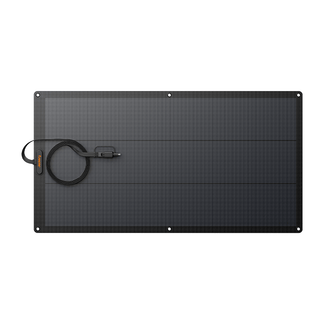
Flexible adhesive |
RV roofs, van installations |
50–150W |
Thin, permanent mount |
3–5% less efficient than rigid; stealth, no‑rack install |
Ultra‑light blanket |
Backpacking |
60–100W |
Under 8 lbs, rolls to sleeping‑bag size |
Minimal durability; extreme portability for hiking miles |
Rigid framed |
Fixed / semi‑permanent installations |
200–400W |
Heavy, not grab‑and‑go |
Highest efficiency and lifespan; requires mounting |
Kickstand quality and cable management determine whether you’ll actually deploy the panel promptly. Adjustable legs with sturdy locking mechanisms let you chase the sun angle. Built‑in cable pockets or Velcro straps keep the mess contained. The goal: from bag to generating power in under 60 seconds.
How Do You Evaluate Brand Reliability and Support?
Evaluate brand reliability by looking at warranty length, third‑party tested performance, customer support responsiveness, and ecosystem compatibility. A solar panel is a simple device — no moving parts, no firmware — but brand support still matters when a hinge snaps or a connector fails 18 months in. The best solar panel brand for your money is the one that answers your email quickly and ships a replacement without a 10‑step interrogation.
- Warranty length — 2–5 years signals manufacturer confidence; 12‑month coverage suggests fewer cycles. Longer warranties often pair with higher‑quality cells. A small premium for 3‑ or 5‑year coverage is worthwhile for heavy use.
- Third‑party tested performance — Reputable brands consistently deliver 90–95% of rated power in full midday sun. Independent gear reviews and user data reveal if a panel consistently underperforms — a red flag no amount of marketing can cover.
- Customer support responsiveness — Read recent buyer reviews for real‑world response times: a reply within 24 hours matters far more than a week‑and‑a‑half delay during an off‑grid trip or outage.
- Ecosystem compatibility — Sticking with one manufacturer simplifies expansion and avoids voltage‑matching headaches, but proprietary connectors lock you in. MC4‑native panels give you maximum flexibility to switch components down the road.
U.S.‑based customer service and warehousing cut shipping delays for warranty claims and accessories. If you rely on the panel for emergency battery backup during storm season, waiting three weeks for an overseas replacement isn’t tenable.
Limitations / What to Know Before Buying
- Portable panels are not permanent home solar — they’re for temporary outdoor use and cannot be roof‑integrated or grid‑tied. Don’t expect the same longevity or output as a professionally installed 400W rigid array.
- Nominal power vs. actual output often disappoints — expect 60–80% of rated wattage; panels never deliver 100% in real conditions. That’s physics, not a manufacturing flaw.
- Connector ecosystem lock‑in is real — proprietary plugs limit you to that brand’s power stations; MC4 panels offer maximum flexibility if you ever change generators.
- Weight rapidly increases above 200W — a 400W folding panel can exceed 35 lbs, impractical for backpacking and requiring vehicle transport. Even at 200W, think carefully before carrying it more than a few hundred yards.
- Kickstand stability on uneven ground varies — some panels need extra support or tie‑downs in windy conditions to avoid becoming a sail.
Decision Table: Which Jackery Setup Fits Your Use Case?
Use Case |
Recommended Jackery Setup |
Why It Fits |
|---|---|---|
Weekend car camping (fridge + lights) |
Explorer 1000 v2 + 2× SolarSaga 100W |
Light enough to carry (23.8 lbs station), 1,070Wh runs a fridge ~12 hrs; dual panels recharge in ~8 hrs of sun |
RV trips with portable AC or induction cooktop |
Explorer 2000 v2 + 4× SolarSaga 100W |
2,200W continuous handles startup surges; 4 panels max the 400W solar input for a 7.5‑hr full recharge |
Backpacking & ultralight travel |
Explorer 1000 v2 (or smaller power station) + 1× SolarSaga 100W |
Panel weighs ~8 lbs, folds compact; station’s 400W solar input lets you scale up later without replacing anything |
Essential home backup (fridge, router, lights, fan) |
Explorer 2000 v2 + 2× SolarSaga 100W |
2,042Wh runs a 520W fridge ~3.2 hrs; 200W solar input tops up battery daily to stretch runtime through multi‑day outages |
Extended off‑grid work site (tools + charging) |
Explorer 2000 v2 + 4× SolarSaga 100W |
4,400W surge starts saws/pumps; full solar recharge daily with 400W input keeps the site running without a generator |
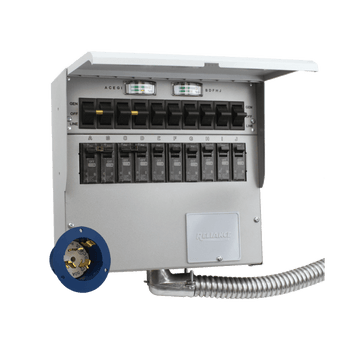
For larger home backup configurations that approach whole‑home coverage, battery generators for home paired with a transfer switch become essential. And if you’re weighing portability against permanent installation, electric generator for home use cases illustrate when stationary setups pull ahead. The Jackery 5000 Plus guide also details expandable home systems that go beyond what a single portable unit can do.
Product Recommendation: Jackery Solar Generator Bundles
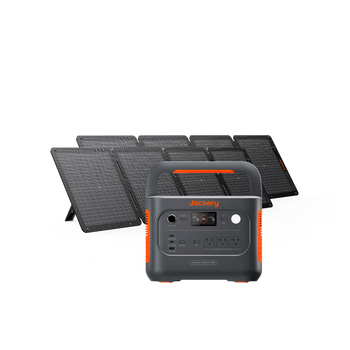
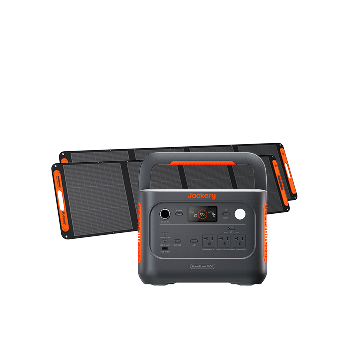
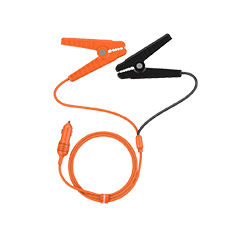
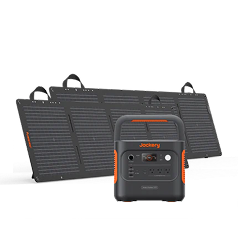
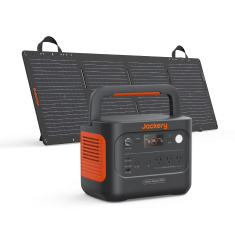
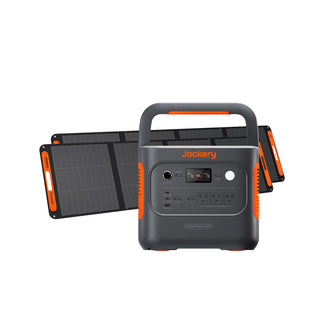
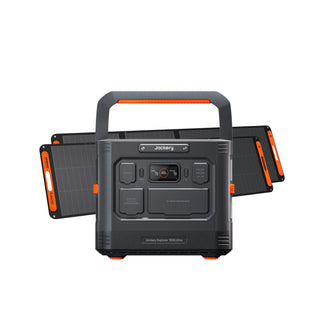
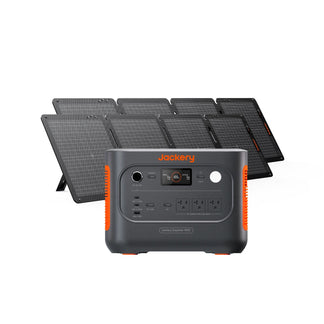
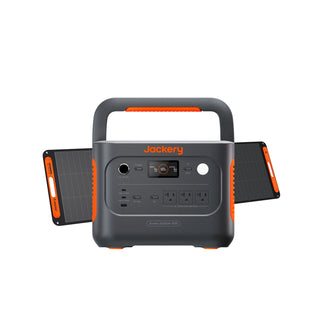
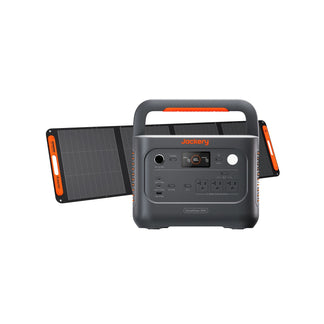
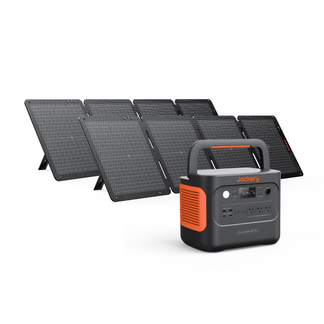
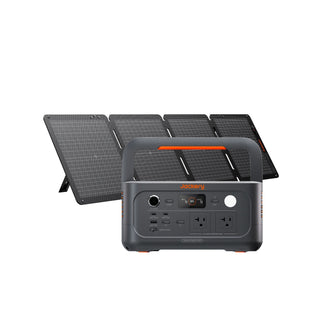
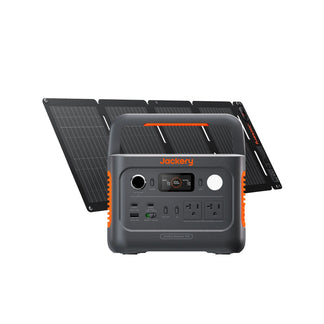
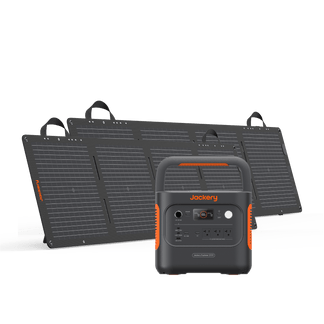
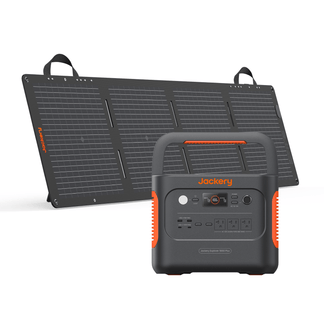
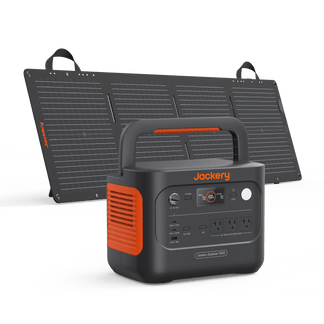
Jackery’s SolarSaga panels and Explorer power stations form a coordinated ecosystem that eliminates the connector‑matching guesswork. The panels include compatible cables and adapters for direct connection to Jackery power stations, and the stations’ MPPT controllers are tuned to the panels’ voltage curves for reliable daily recharge.
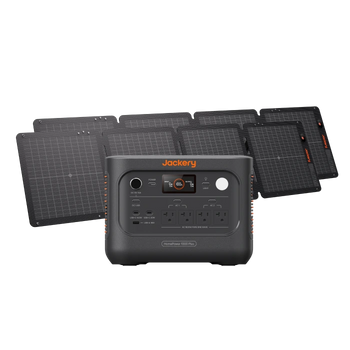
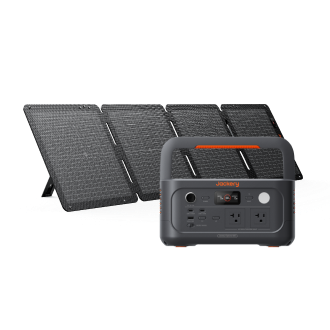
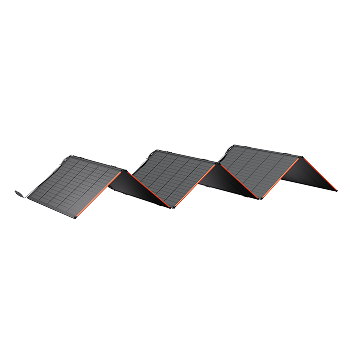
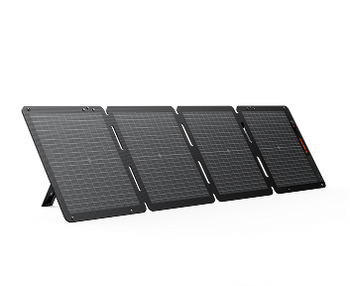
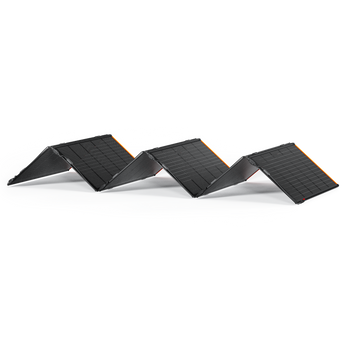
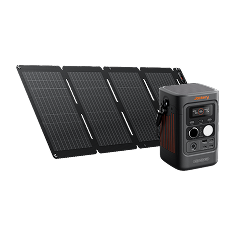
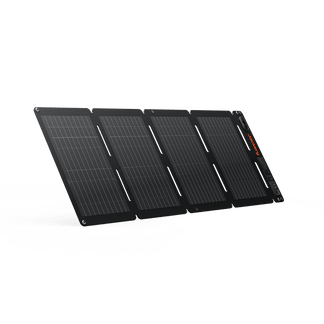
SolarSaga 500X
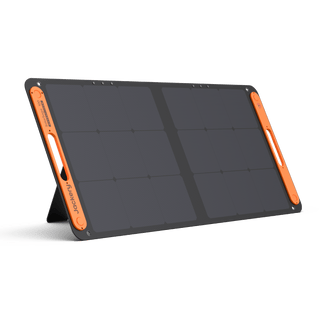
The panel’s M‑shaped design and ground stakes handle level 10 winds, while the multi‑angle kickstand improves low‑sun capture. It delivers up to 500W solar input when paired with a station that can accept it.
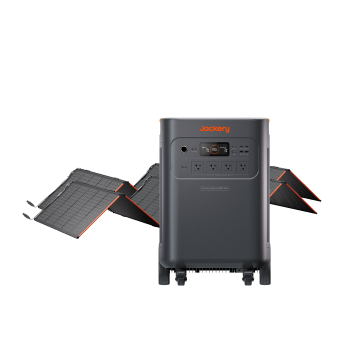
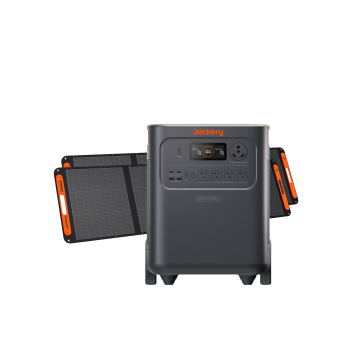
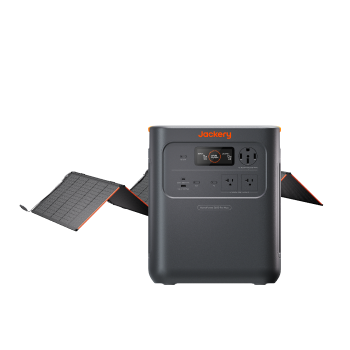
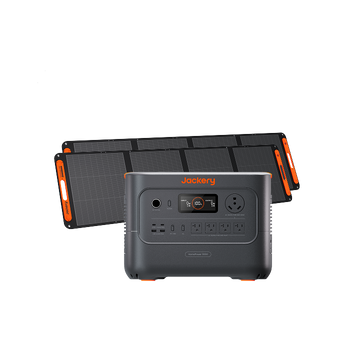
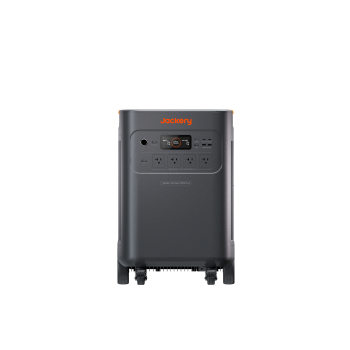
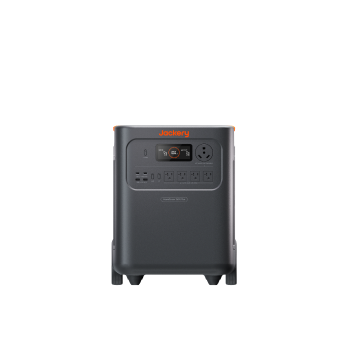
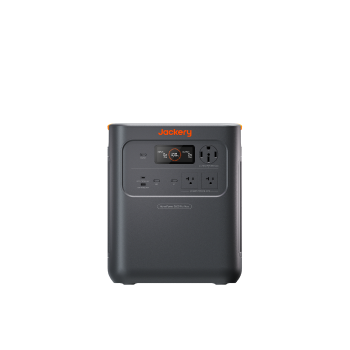
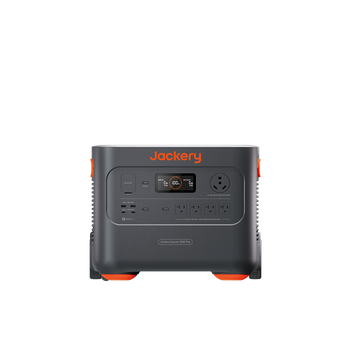
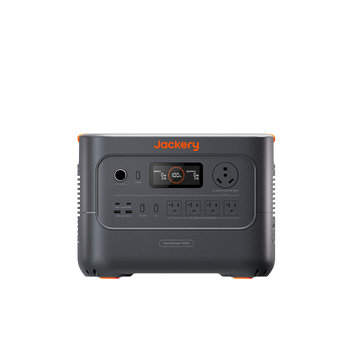
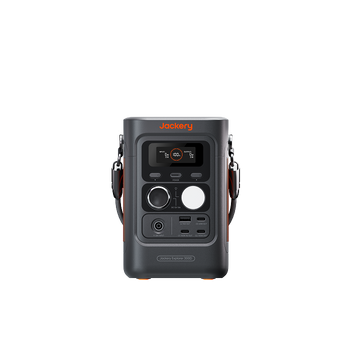
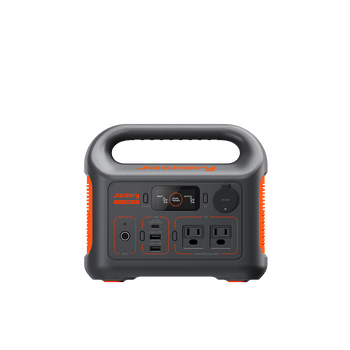
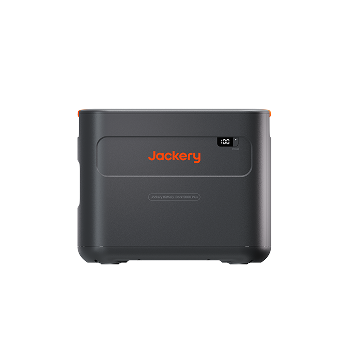
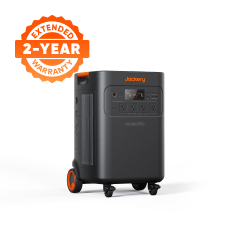
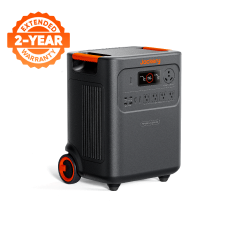
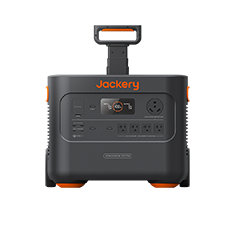
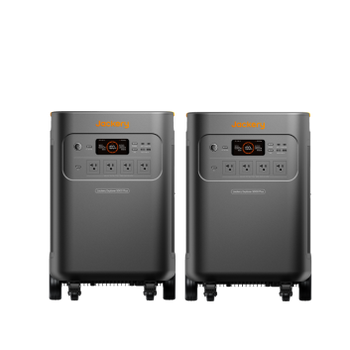
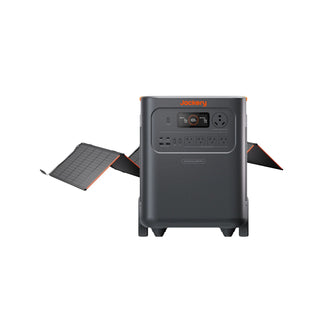
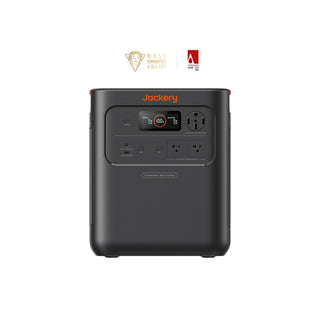
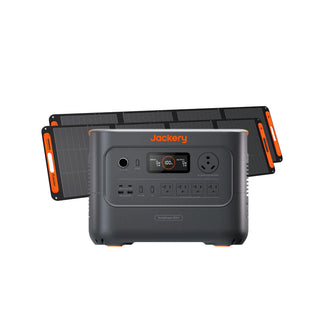
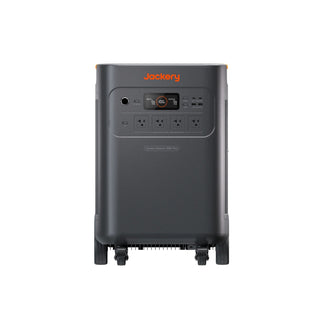
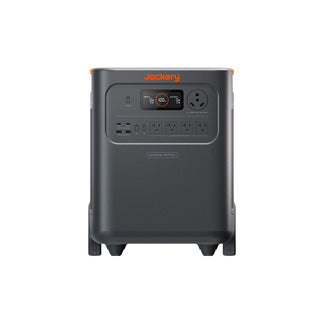
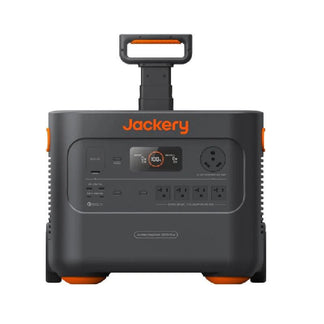
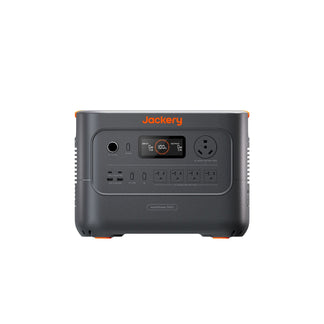
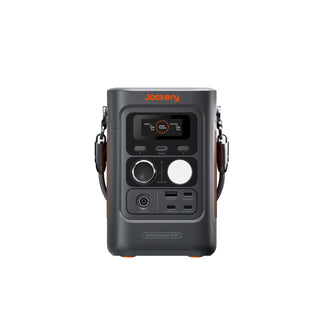
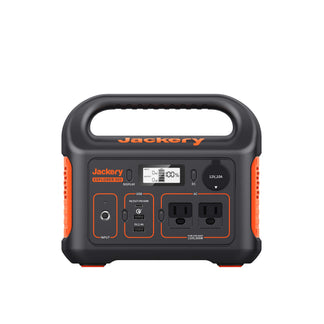
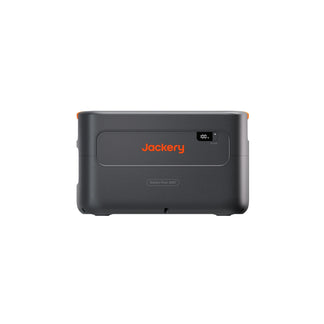
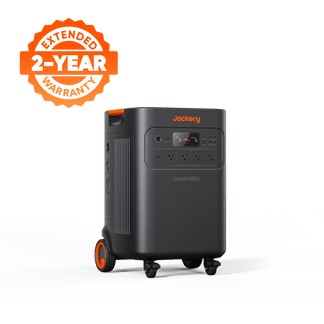
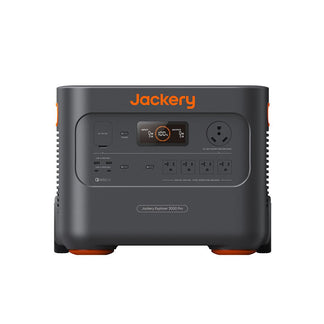
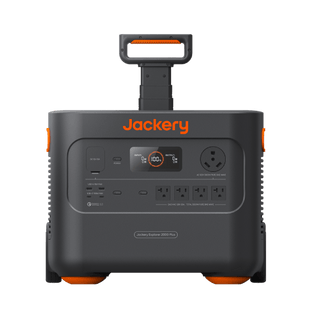
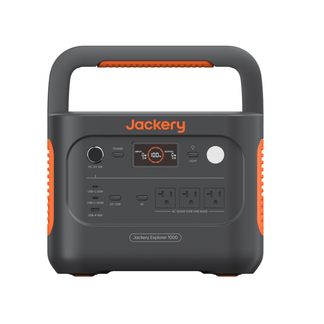
Explorer 2000 v2
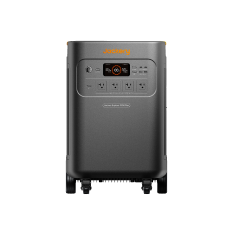
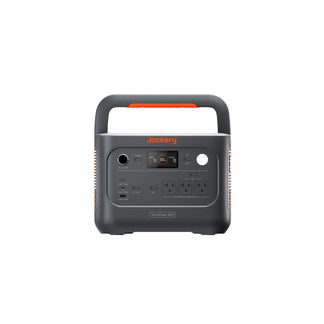
A 2,042Wh LiFePO4 battery rated for 10 years powers a household refrigerator (520W) for roughly 3.2 hours during an outage, keeping food safe overnight. Its 2,200W continuous / 4,400W surge inverter starts portable AC units, sump pumps, and space heaters without tripping.
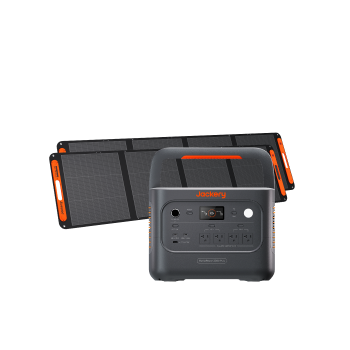
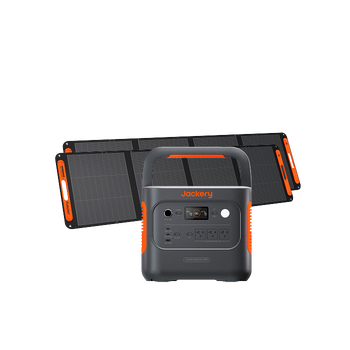
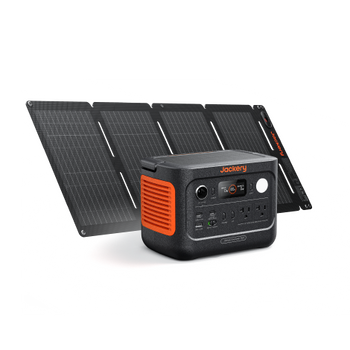
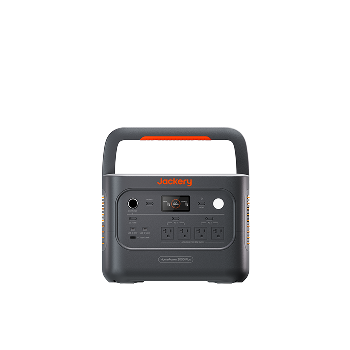
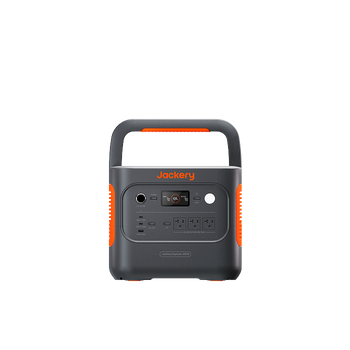
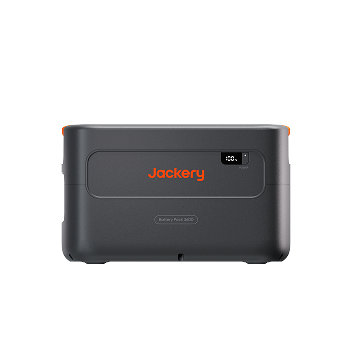
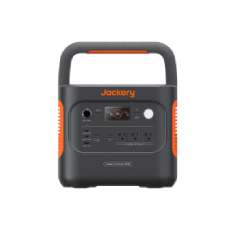
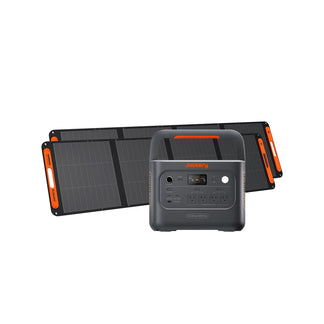
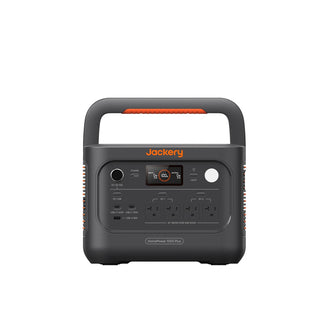
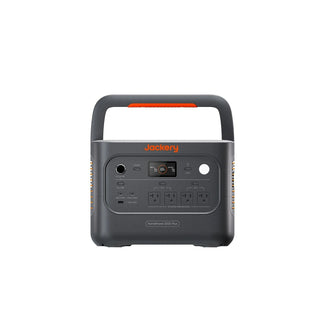
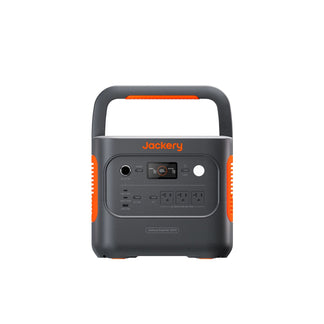
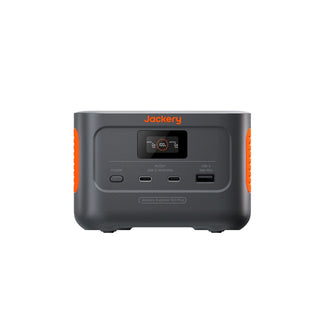
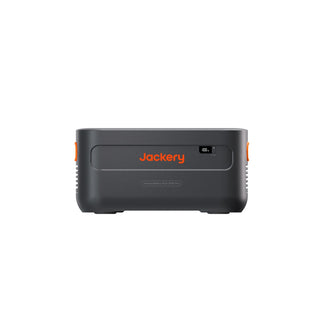
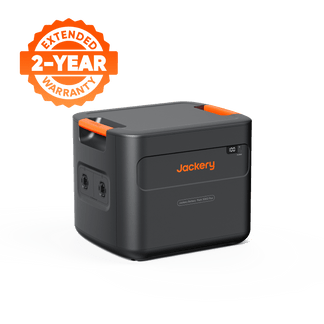
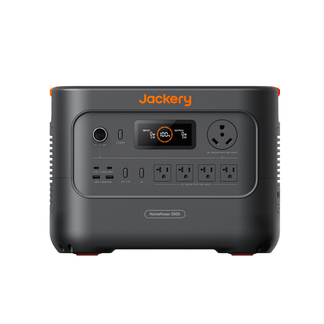
Explorer 1000 v2
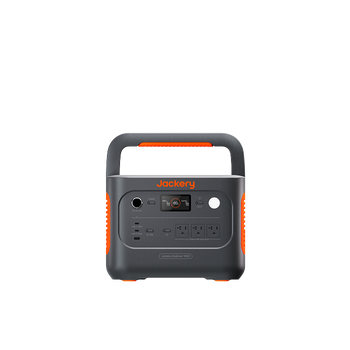
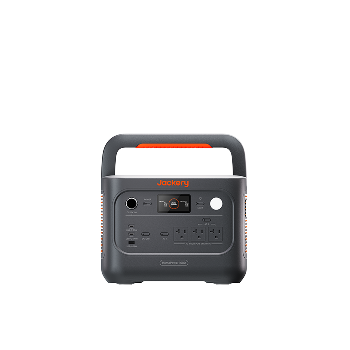
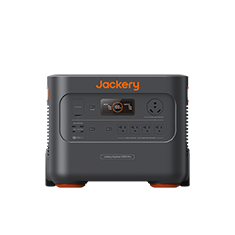
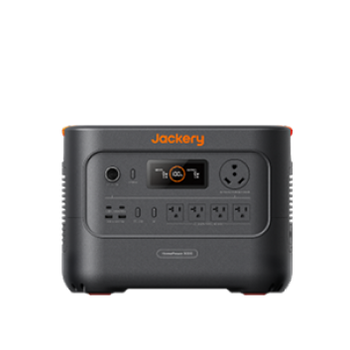
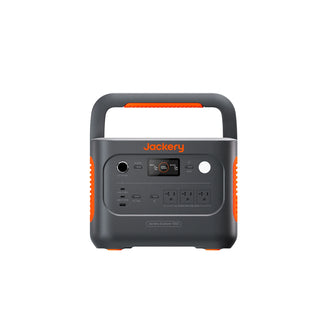
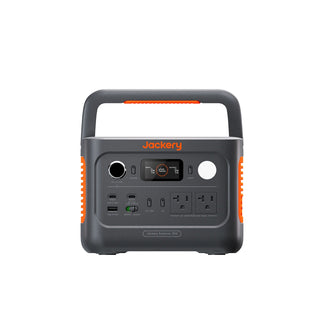
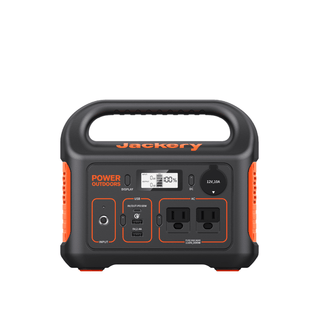
At 23.8 lbs with a built‑in handle, it’s portable enough for one person to shuttle between house, car, and campsite. The 1,070Wh capacity runs a 200W fridge for up to 12 hours; AC wall charging finishes in about 1.6 hours (standard) or 1 hour via emergency mode.
Feature |
Specification |
Key Benefit |
|---|---|---|
SolarSaga 500X panel |
500W output, MC4 connectors, IP68 |
Fast, weatherproof solar input for large‑capacity stations |
Explorer 2000 v2 battery |
2,042Wh LiFePO4, 2,200W inverter, 400W solar input |
Runs heavy‑draw appliances during outages; solar recharge in ~7.5 hrs |
Explorer 1000 v2 battery |
1,070Wh LiFePO4, 1,500W inverter, 23.8 lbs, 400W solar input |
Weekend‑ready backup that charges fully in under 2 hours from a wall outlet |
Compatible connectors included |
Cables and adapters for direct connection |
No extra adapter orders — plug directly into the power station |
Frequently Asked Questions (FAQ)
Can you use a portable solar panel in the rain?
Yes, if the panel carries an IP65 rating or higher, but keep electrical connectors dry and avoid direct water ingress on ports.
How do I store a portable solar panel in winter?
Store it folded flat in a dry, room‑temperature space indoors to prevent moisture damage and cell degradation from freezing cycles.
What is the difference between bifacial and monofacial panels?
Bifacial panels capture light from both sides, boosting output 5–30% in reflective environments; monofacial panels only collect from the front.
Can I use a portable panel to charge a 12V battery directly?
Yes, but you must connect a charge controller between the panel and battery to prevent overcharging and irreversible damage.
Sources & References
[1] U.S. Department of Energy, “Solar Performance and Efficiency” — https://www.energy.gov/eere/solar/solar-performance-and-efficiency (accessed June 25, 2026).


