



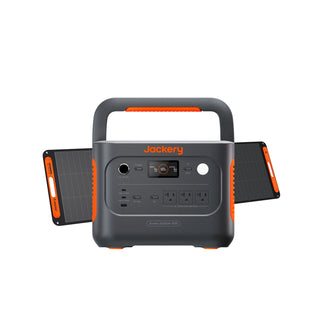
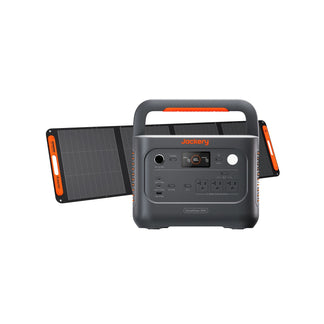
![[Add-on] Jackery SolarSaga 500 X - Jackery](http://www.jackery.com/cdn/shop/files/add-on-jackery-solarsaga-500-x-1493607.webp?v=1786503068&width=324)
![[Add-on] Jackery Battery Pack 5000 Plus - Jackery](http://www.jackery.com/cdn/shop/files/add-on-jackery-battery-pack-5000-plus-6713401.webp?v=1786503068&width=324)




![[Add - on] SolarSaga 200W - Jackery](http://www.jackery.com/cdn/shop/files/add-on-solarsaga-200w-4834329.png?v=1754016915&width=324)
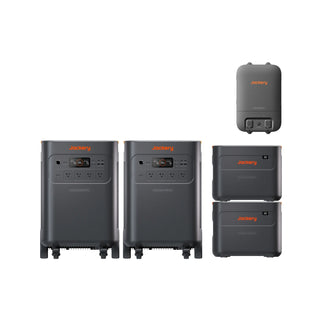


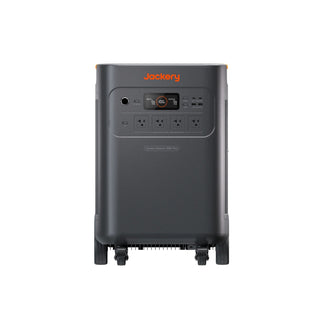
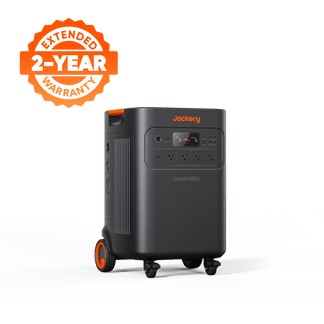
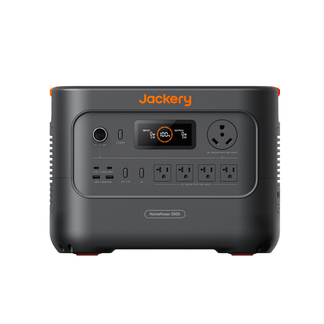
Quick Answer: The Jackery HomePower 3600 Plus is the stronger essential backup choice for most households — powering a fridge, router, and lights for 20–30+ hours from its 3,584Wh base. At $2,799 MSRP ($0.78/Wh) with 6,000‑cycle LiFePO₄ and a 77‑lb wheeled design, it delivers grab‑and‑go simplicity with no electrician required for basic setup. The EcoFlow DELTA Pro 3 is the better fit if you specifically need native 240V output from a single unit — for loads like a well pump or central AC.
Key Takeaways
- For most US households, the Jackery HomePower 3600 Plus is sized just right. Most utility outages last under 12 hours — the Jackery's base capacity handles that comfortably while keeping a refrigerator, router, and lights running throughout. [1][2]
- It scales with your needs, not against them. If longer outages prove you need more, the Jackery expands to 21.48kWh with additional battery packs — no second main unit needed. The EcoFlow DELTA Pro 3 tops out at ~12kWh per single unit. [2][3]
- It costs less to buy and lasts longer in use. The Jackery stores more energy per dollar at MSRP and is rated for 50% more charge cycles than the EcoFlow — making it a better long-term investment for a unit that may sit on standby for years. Both are frequently discounted — confirm current pricing before purchasing. [2][3]
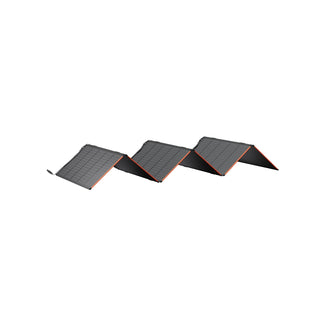
- Solar recharge requires no installation. Two foldable, IP68-rated panels deploy in minutes from a driveway or backyard — no roof work, no permits, no electrician. Full recovery in roughly one clear day of direct sun. [2]
- One person can move it. At 77 lbs with wheels and a telescoping handle, the Jackery goes wherever it's needed during an outage. At 113.5 lbs, the EcoFlow typically stays where it's placed. [2][3]
- For most outage scenarios, 120V is all you need — with one exception. A single Jackery unit covers refrigerators, routers, lights, and fans — the essentials for most households. If your backup plan includes a well pump, central AC, or electric dryer, the EcoFlow DELTA Pro 3's native single-unit 240V output is the stronger fit. [2][3]
Capacity and Expandability
Let's unpack each of those points in detail, starting with the most fundamental question for any backup power purchase: how much energy does it actually store, and how far can you scale it?
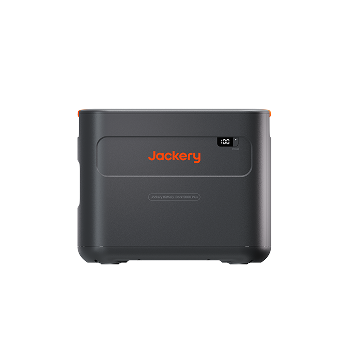
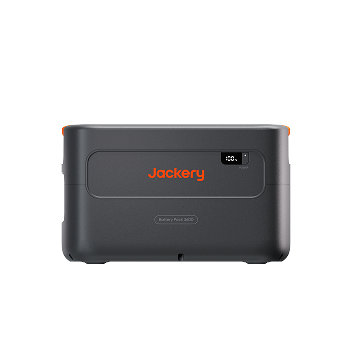
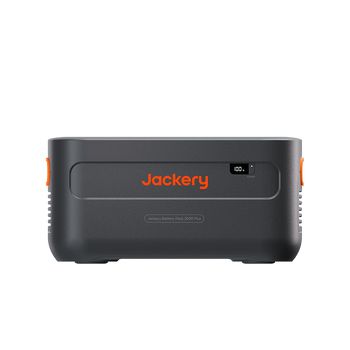
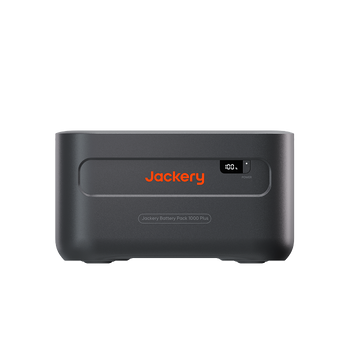
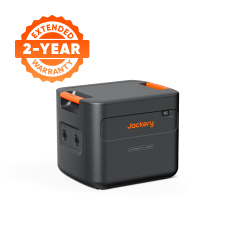
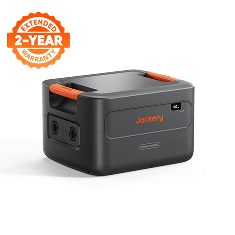
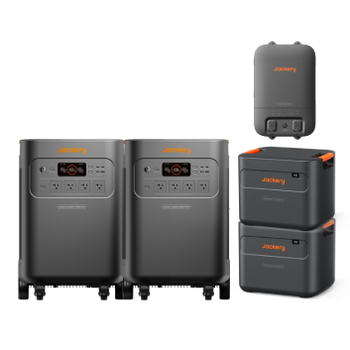
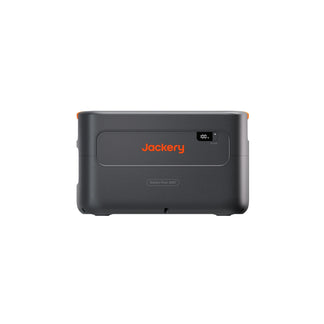
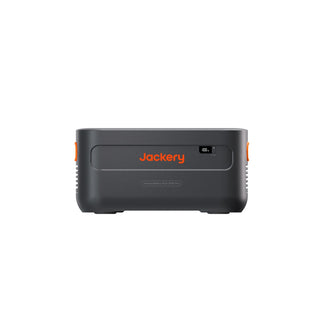
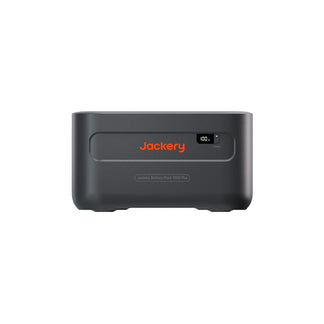
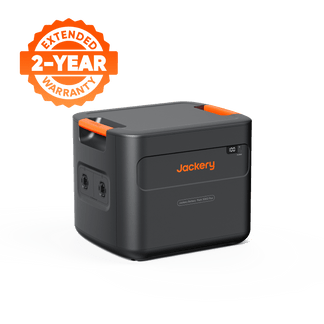
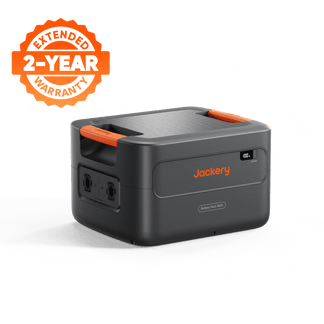
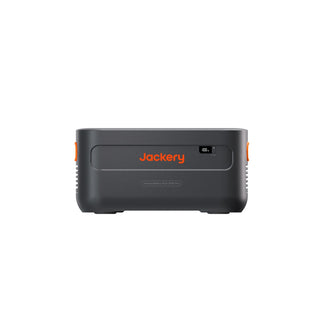
The Jackery's 3,584Wh base means your refrigerator keeps running for 20–30+ hours alongside a router and LED lights — more than enough for the typical US outage, which averages well under 12 hours in most regions. [1] When a longer outage demands more, the Jackery's modular design lets you add up to 5 × Expansion Battery Pack 3600 (3,584Wh each) to reach 21.48kWh — no second main unit required, no large upfront commitment. [2]
Cycle life is equally important for long-term value. The Jackery HomePower 3600 Plus is rated at 6,000 cycles to 70%, compared to 4,000 cycles to 80% for the EcoFlow DELTA Pro 3. [2][3] In regions with frequent outages, those extra 2,000 cycles translate to meaningfully more backup events over the product's lifespan. The Jackery's $0.78/Wh MSRP compares favourably to the EcoFlow DELTA Pro 3's approximately $0.90/Wh at list price — an advantage that holds across most real-world pricing scenarios, though both units are regularly discounted. [2][3]
Solar Setup and Recharging
Having enough stored energy is only part of the equation. For outages that stretch beyond a single day, how quickly and easily you can recharge makes all the difference — and this is where the Jackery HomePower 3600 Plus's portable solar approach stands apart.
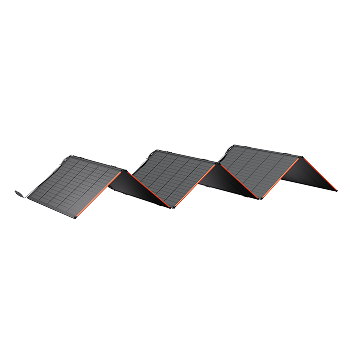
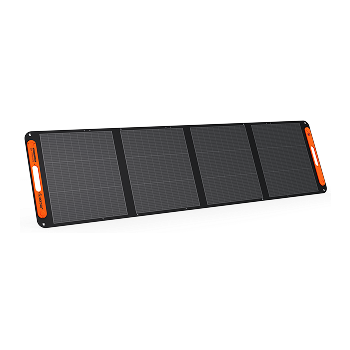
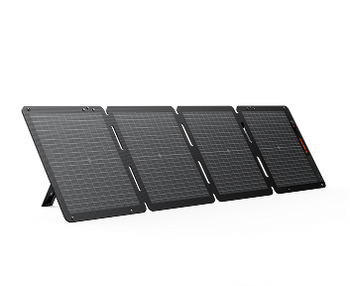
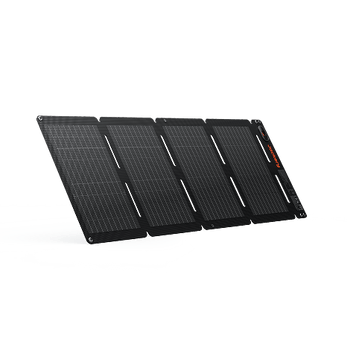
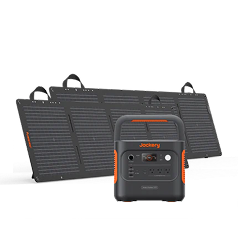
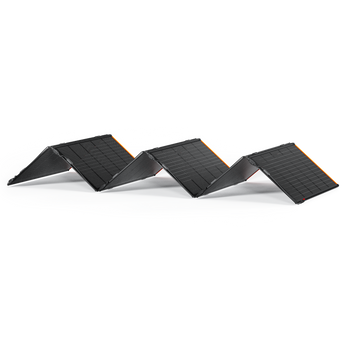
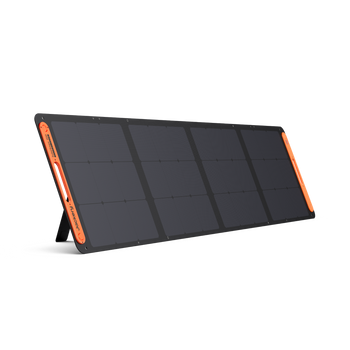
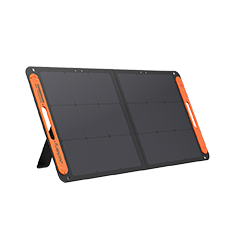
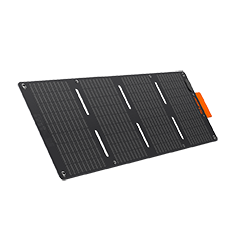
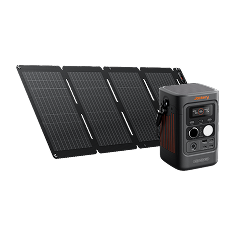
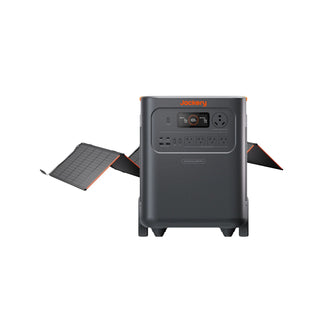
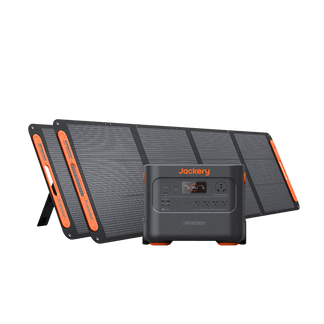
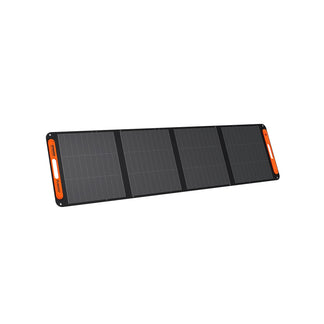
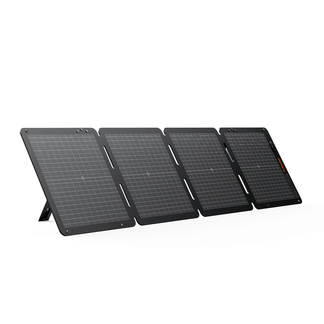
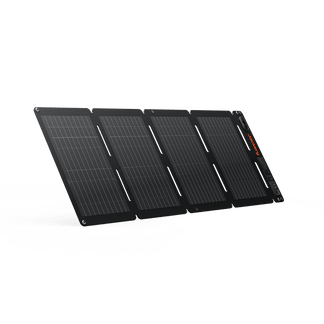
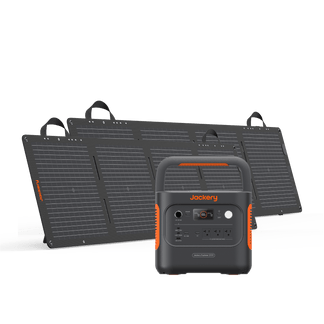
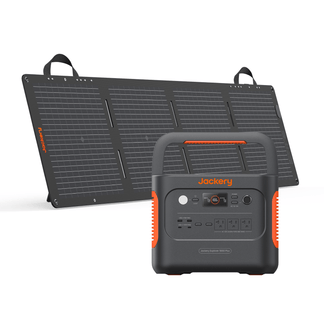
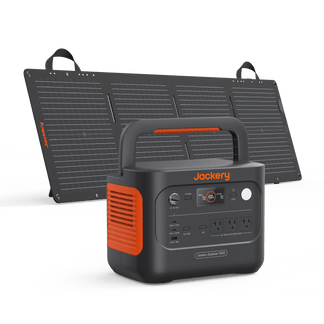
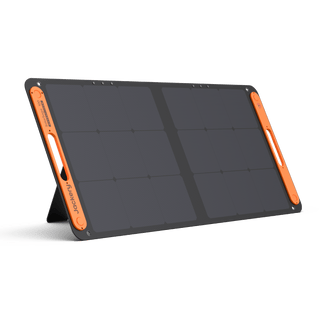
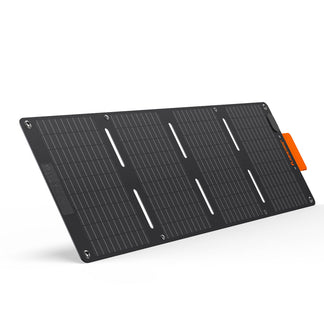
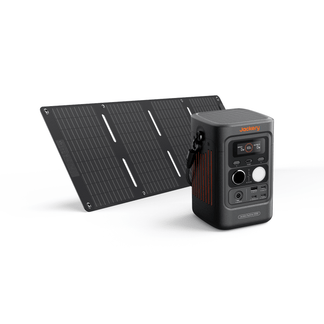
The Jackery HomePower 3600 Plus supports up to 1,000W of solar input via 2 × IP68-rated SolarSaga 500X panels — no fixed array, no roof work, no separate charge controller. [2] Unfold them in the driveway or backyard, plug in, and the Jackery handles the rest. Charging speeds for the HomePower 3600 Plus: [2]
- Solar‑only: ~4 hours to full.
- Hybrid AC + solar: Up to 1,800W AC plus 1,000W solar simultaneously → ~2 hours to full.
- AC‑only: ~2.5 hours.
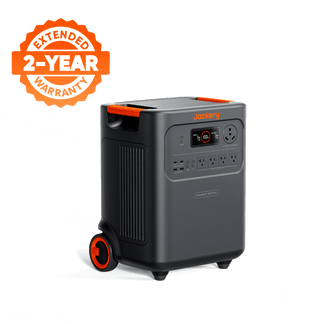
The EcoFlow DELTA Pro 3's 2,600W solar ceiling offers more raw input capacity, but utilizing it fully typically requires a fixed high‑voltage panel setup rather than portable ground-deployed panels. [3] For most outage-preparedness buyers, Jackery's approach — store the panels in the garage, deploy when the grid fails, pack them away when it returns — is simpler and requires no installation.
Portability and Real‑World Use
Beyond capacity and recharging, the physical experience of using a backup power station during an outage shapes how useful it really is. Weight, mobility, and ease of setup matter more than spec sheets suggest.
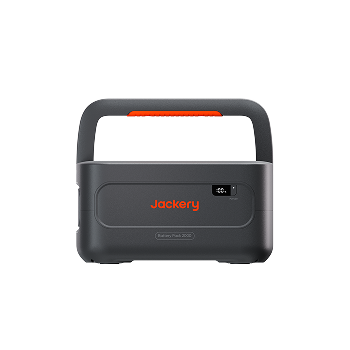
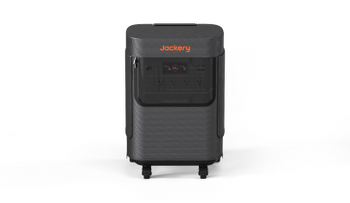
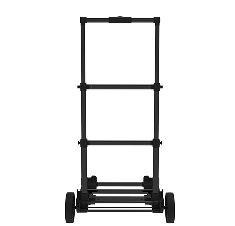
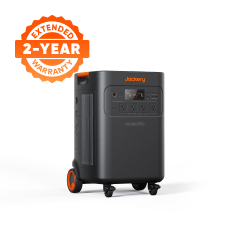
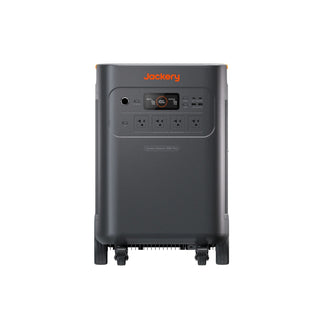
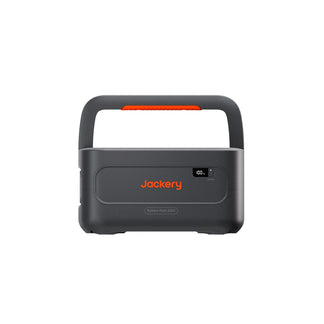
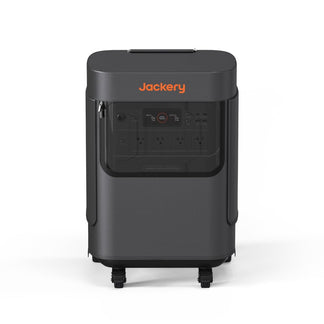
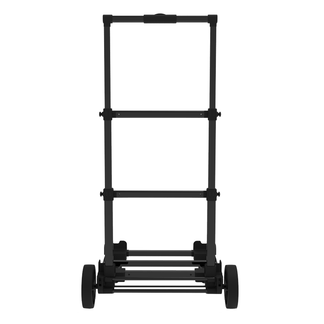
At 77.16 lbs with a telescoping handle and wheels, the Jackery HomePower 3600 Plus moves to wherever the load is — one person, no help needed. [2] The EcoFlow DELTA Pro 3 at 113.5 lbs is a stationary placement for most owners. [3] For basic 120V backup, the Jackery's setup is straightforward: charge from the wall before the storm, run an extension cord to your essentials when the power fails. No installation required.
At a glance: [2]
- Noise: ~30dB at low load (overnight-safe); ~55–60dB at maximum load.
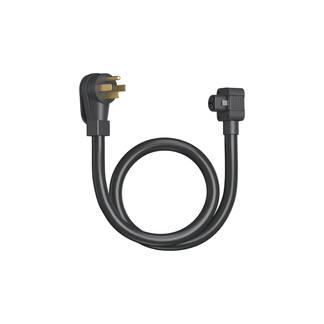
- RV outlet: Built-in TT‑30R (30A/120V) for campsite and cabin use.
- Runtime: Refrigerator + router + LED lights = 20–30+ hours; the Jackery's 7,200W surge rating handles furnace blowers and sump pump motor starts.
Limitations and Things to Know Before Buying
The HomePower 3600 Plus is a strong fit for most households — but like any product, it has boundaries worth understanding before you commit.
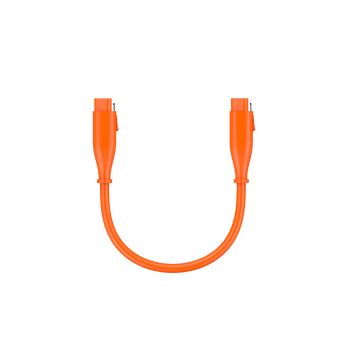
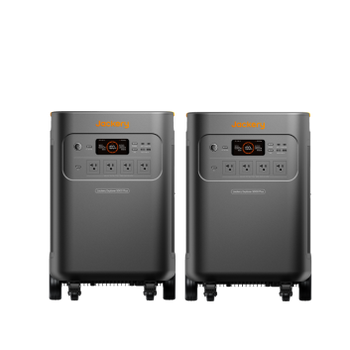
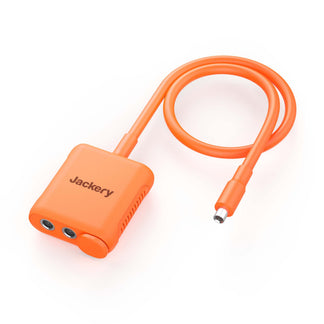
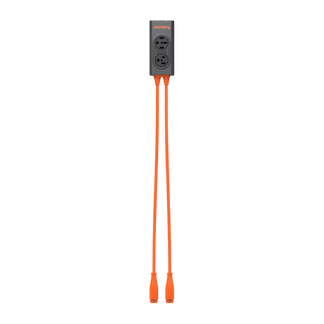
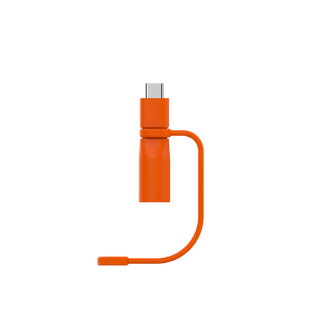
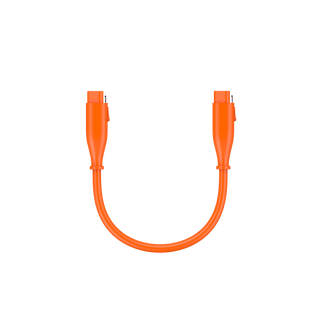
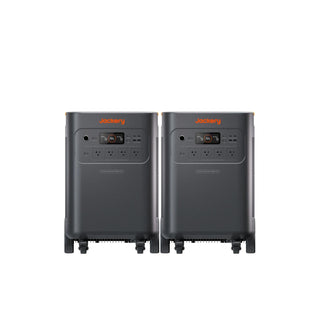
- Single-unit 120V only. A single unit cannot run 240V loads. Two units paired via the Jackery Connector can produce 240V split-phase output, but this doubles hardware cost. Native single-unit 240V is where the EcoFlow DELTA Pro 3 has a clear advantage. [2][3]
- Runtime estimates are approximate. The 20–30+ hours figure assumes a modern Energy Star refrigerator. Older or larger appliances — and warmer ambient temperatures — will reduce runtime.
- Solar output varies. The ~4-hour recharge estimate requires strong, direct sunlight. Overcast skies and shading will extend recharge time.
- Expansion adds cost. Each Expansion Battery Pack 3600 is an additional investment. Start with base capacity and scale only when needed.
- 1,000W solar ceiling. Additional panels beyond two SolarSaga 500X units will not increase charge speed. [2]
- Essential loads, not whole-home backup. This station is designed for critical 120V appliances — not to replicate your home's full electrical service.
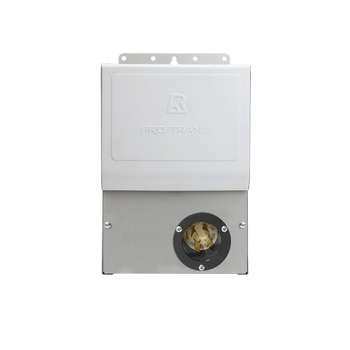
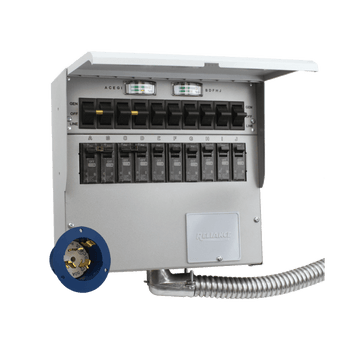
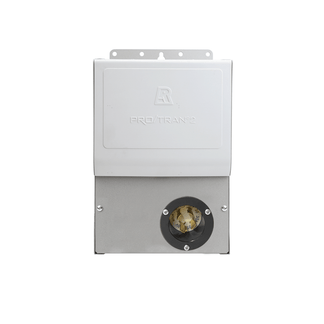
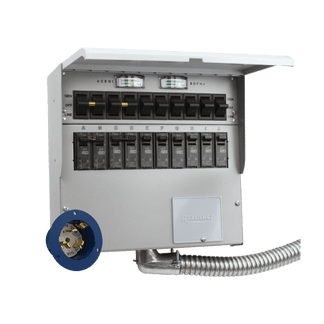
- Transfer switch requires a licensed electrician. Panel-level integration should never be a DIY project.
Comparison Table
With those strengths and boundaries in mind, here's how the two units stack up across the use cases that matter most.
Critical Backup Need |
Jackery HomePower 3600 Plus |
EcoFlow DELTA Pro 3 |
|---|---|---|
Essential Home Backup |
||
120V runtime (fridge, router, lights) |
3,584Wh base; 20–30+ hrs on essential loads [2] |
4,096Wh base; similar runtime on comparable loads [3] |
Expandability for multi-day outages |
Up to 21.48kWh with 5 × Expansion Battery Pack 3600 [2] |
Up to ~12kWh with 2 × Smart Extra Batteries (single unit) [3] |
Portability & Recharging |
||
One-person mobility |
77 lbs with telescoping handle and wheels [2] |
113.5 lbs — stationary placement for most owners [3] |
Portable solar recharge |
1,000W via 2 × IP68-rated SolarSaga 500X; ~4 hrs to full [2] |
2,600W max solar; higher ceiling but typically requires fixed or high-voltage array [3] |
Heavy Load Requirements |
||
240V loads (well pump, central AC, dryer) |
Requires two units + Jackery Connector for 240V split-phase [2] |
Native single-unit 240V split-phase output [3] |
Long-term Value |
||
Durability and cost of ownership |
6,000 cycles to 70%; ~$0.78/Wh MSRP [2] |
4,000 cycles to 80%; ~$0.90/Wh MSRP [3] |
Which One Should You Choose?
The table above covers the key scenarios — here's how to translate that into a straightforward purchase decision.
Choose the Jackery HomePower 3600 Plus if your priority is essential 120V backup — refrigerator, router, lights, fans, and small appliances — with the flexibility to expand, portable solar recharge without a permanent installation, and a unit one person can move and set up without help. The TT-30R outlet also makes it a practical companion for RV travel and cabin use.
Choose the EcoFlow DELTA Pro 3 if your home has 240V essential loads you cannot do without — a well pump, central AC, or electric dryer — and you need native single-unit 240V output. It is also the stronger fit for a permanently wired system with a transfer switch, or if you plan to run a fixed high-voltage solar array. [3]
Frequently Asked Questions (FAQ)
Still have questions? Here are answers to the most common ones about the HomePower 3600 Plus.
How long will the HomePower 3600 Plus run a refrigerator?
Roughly 20–30+ hours, depending on fridge size and efficiency. Real‑world testing of a modern Energy Star refrigerator alongside a router and basic LED lighting typically yields 24–36+ hours — well beyond the duration of most US outages.
Can I expand the system for longer outages?
Yes. Up to 5 × Expansion Battery Pack 3600 (3,584Wh each) can be added to reach 21.48kWh total. Each pack connects directly to the base unit — no tools required. Start with the base and expand only when your outage history proves you need it.
How many solar panels can I connect?
Up to 2 × SolarSaga 500X (500W each) for 1,000W total solar input. [2] The 1,000W cap is a hardware limit — additional panels will not increase charge speed.
Is it safe to use indoors?
Yes. The unit produces zero emissions and is designed for indoor use. Keep vents clear and away from moisture. At ~30dB at low load, it won't disrupt sleep in an adjacent room.
Does it support 240V appliances?
A single unit is 120V only. Two units paired via the Jackery Connector can produce 240V split‑phase output, but require purchasing a second unit. For native single-unit 240V, the EcoFlow DELTA Pro 3 is the more straightforward option. [2][3]
Sources & References
[1] U.S. Energy Information Administration, Annual Electric Power Industry Report — Average Duration of Electric Disturbances, https://www.eia.gov/electricity/data/eia861/, accessed June 2026.
[2] Jackery, HomePower 3600 Plus Portable Power Station — Official Product Page and Specifications, https://www.jackery.com/products/homepower-3600-plus, accessed August 2026.
[3] EcoFlow, DELTA Pro 3 Portable Power Station — Official Product Page and Specifications, https://www.ecoflow.com/products/delta-pro-3-portable-power-station, accessed August 2026.
