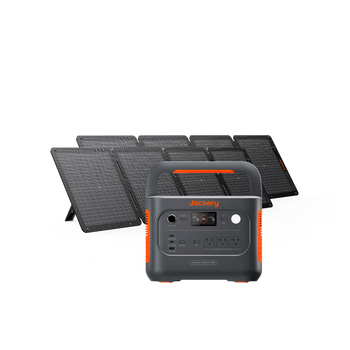

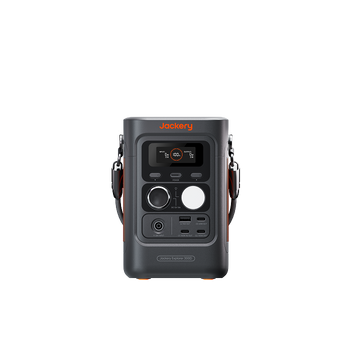
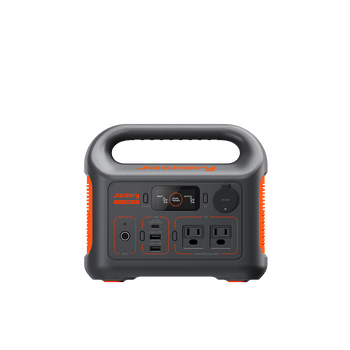

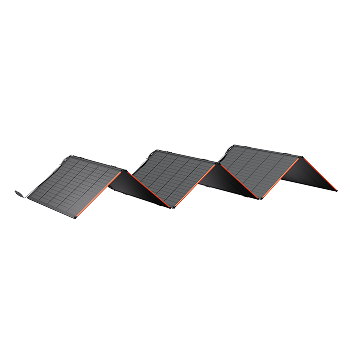
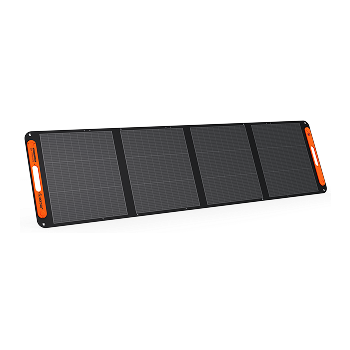
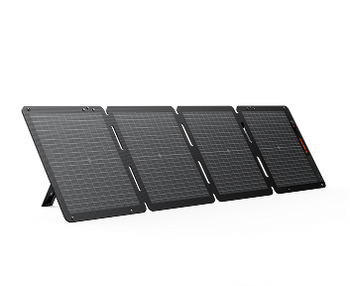
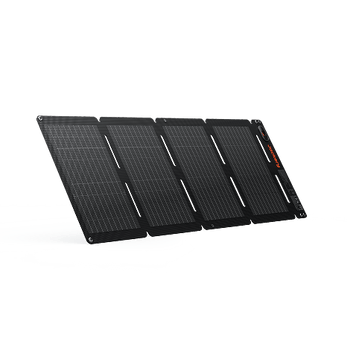



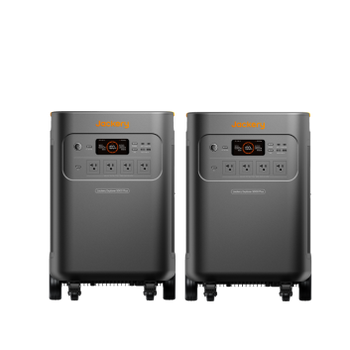


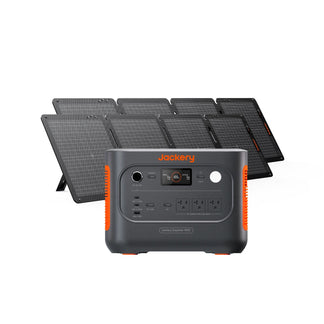
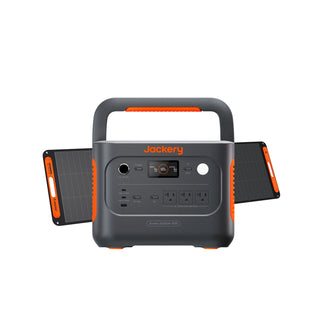
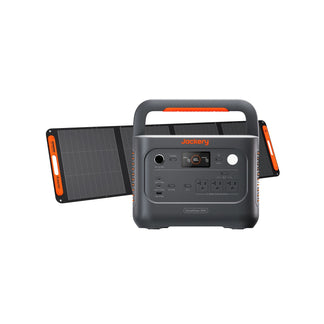
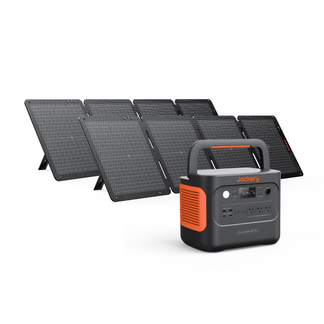
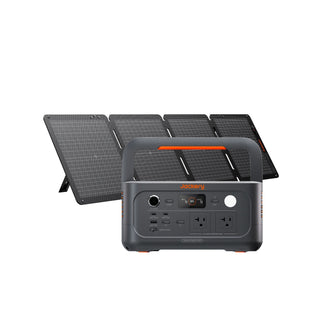
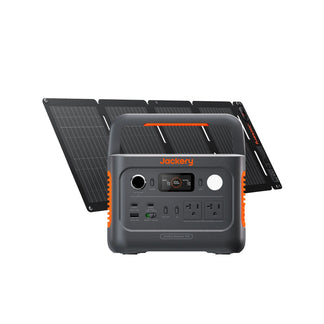

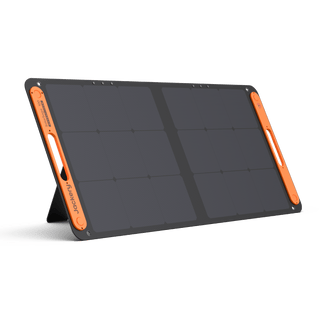
![[Add-on] Jackery SolarSaga 500 X - Jackery](http://www.jackery.com/cdn/shop/files/add-on-jackery-solarsaga-500-x-1493607.webp?v=1786503068&width=324)
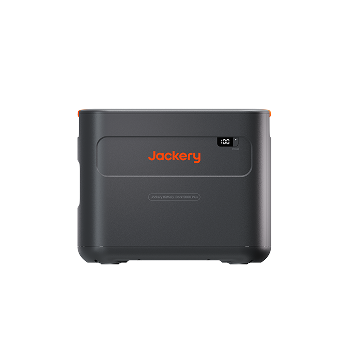
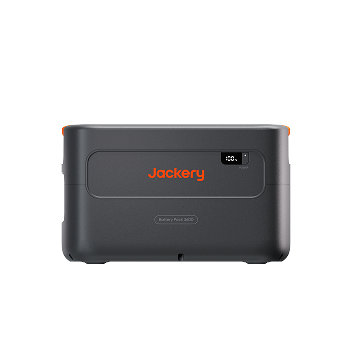
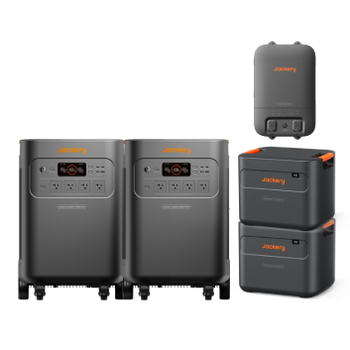
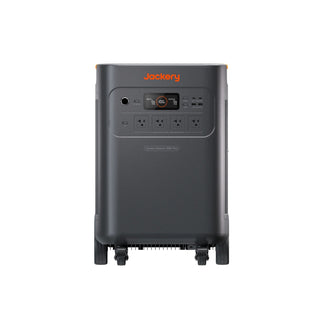
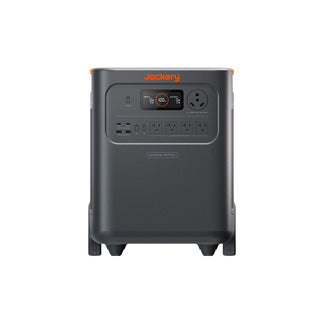
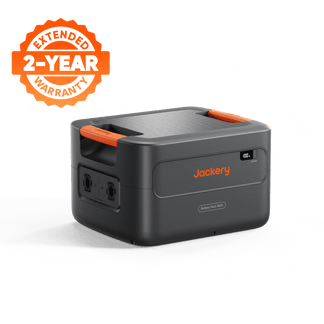
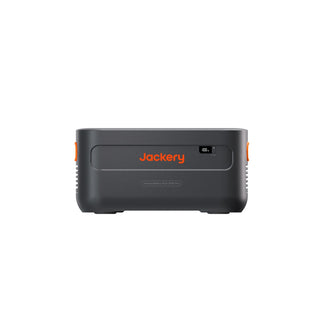
![[Add-on] Jackery Battery Pack 5000 Plus - Jackery](http://www.jackery.com/cdn/shop/files/add-on-jackery-battery-pack-5000-plus-6713401.webp?v=1786503068&width=324)






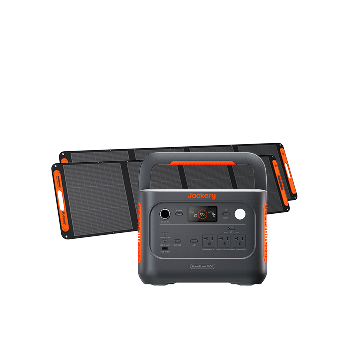
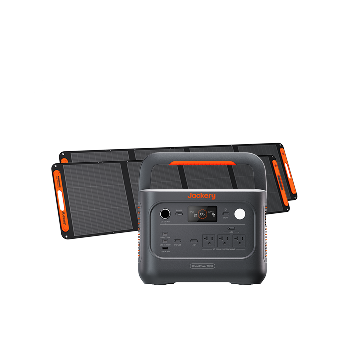
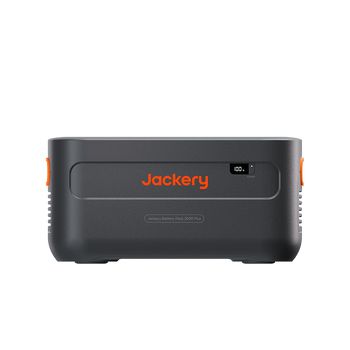
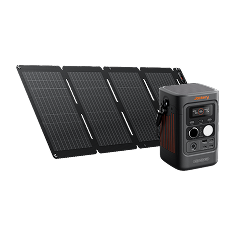
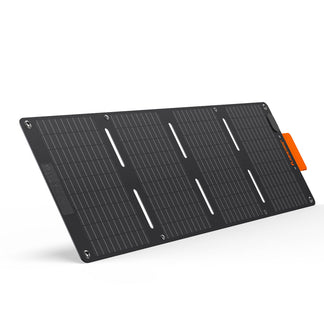
![[Add - on] SolarSaga 200W - Jackery](http://www.jackery.com/cdn/shop/files/add-on-solarsaga-200w-4834329.png?v=1754016915&width=324)
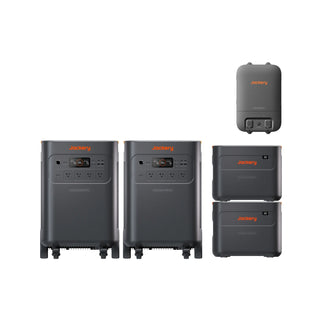


Quick Answer: Most US blackouts last under 12 hours, yet homeowners routinely overspend on backup power for house needs by buying 20kW standby generators designed for multi-day outages they'll statistically never face. A modular battery system sized for essential loads — refrigerator, lights, internet, sump pump — costs $1,500–$5,000, switches over in under 20 milliseconds, and delivers daily utility savings that a generator never will.
Key Takeaways:
- The average US grid failure lasts 8–12.8 hours, not days — a 2,400W essential-load setup covers what most households actually need during an outage.
- True usable battery capacity is roughly 85% of advertised watt-hours due to inverter conversion losses; always add a 20% safety buffer above your calculated running load.
- LiFePO4 battery chemistry is non-negotiable for home backup: 3,000–5,000 cycles, zero combustion risk indoors, and no fuel degradation over months of storage.
- Modular systems let you start with 2–5kWh and expand to 30kWh+ as budget allows, avoiding the sunk-cost trap of oversized permanent installations.
- A hybrid approach — battery for short outages, generator only when the battery depletes — extends fuel life and eliminates the stale-gas problem.
The real backup power dilemma in 2026 isn't choosing between a generator and a battery. It's choosing between what you think you need and what the data says you'll actually use.
Many Americans experienced power outages in 2025, but the average duration stayed stubbornly between 8 and 12.8 hours. That's one overnight. Yet the backup power industry keeps pushing 20kW standby generators that can run an entire 3,000-square-foot home for a week — at $7,000–$15,000 installed, plus $300–$600 annually in maintenance.
Meanwhile, the fuel that powers those generators degrades chemically within six months:
- Gasoline left sitting in a tank forms varnish and gums up carburetors.
- Propane works — if you've got a 500-gallon tank buried in the yard.
- Post-storm gas station lines are a logistics nightmare nobody wants to relive.
The smarter play in 2026 is scaling your backup power for house essentials to what you statistically face, not what disaster movies depict. That means a modular battery system covering refrigerator, lights, internet, and sump pump — typically under 2,400 watts running — with the option to expand later.
Why the "Whole Home" Generator Math No Longer Fits
A 20kW standby generator solves a problem most homeowners don't have. It's designed for the multi-day, whole-home outage that happens once every five to ten years — if ever. The other 364 days, it sits there burning money in maintenance costs while delivering exactly zero daily value.
Here's what the numbers actually look like:
Backup Approach |
Upfront Cost |
Annual Maintenance |
Runtime Capability |
Daily Value When Grid Is Up |
|---|---|---|---|---|
20kW Standby Generator |
$7,000–$15,000 |
$300–$600 |
Days (with fuel) |
None |
10kWh Wall Battery (Installed) |
$9,000–$18,000 |
Minimal |
8–12 hours essentials |
TOU savings possible |
Modular 5kWh Portable System |
$2,500–$4,000 |
None |
8–10 hours essentials |
Portable use, solar recharge |
The "essentials only" load tells a different story:
- A modern refrigerator draws 100–800W running.
- LED lights pull 5–15W per bulb.
- A Wi-Fi router consumes 10–20W.
- A sump pump runs at 800–1,200W.
Add them up and you're looking at roughly 1,500–2,400W running — easily covered by a scalable battery system without the noise, fumes, or fuel logistics of a generator.
The switchover speed matters too. Battery systems deliver seamless power transfer in under 20 milliseconds — your clocks don't reset, your computers don't crash, and your home appliances stay powered without interruption. Generators need 10–30 seconds to kick in, which is long enough to reboot every digital device in the house.
Calculating Your Critical Load: The 20% Safety Buffer Rule
Most first-time backup buyers make the same mistake: they add up running watts and buy exactly that capacity. Then the refrigerator compressor kicks on, the surge spike hits 1,200–2,200W, and the inverter trips its overload protection. Now you're in the dark with a dead battery and spoiled food.
The Surge Problem Nobody Mentions
Refrigerator startup surges are the silent killer of undersized backup systems. A fridge that draws 600W continuous can spike to 2,200W for two to three seconds when the compressor cycles on. Sump pumps are worse — inductive motor loads demand peak wattage that can double or triple the running draw.
Here's the formula that prevents midnight shutdowns:
(Total Running Watts × 1.2) + Largest Single Surge Wattage = Minimum Inverter Size
Example: Your essentials draw 1,800W running. Your refrigerator surges at 2,000W peak. You need an inverter rated for at least (1,800 × 1.2) + 2,000 = 4,160W. Round up to the nearest available size.
The 85% Usable Capacity Reality
Battery manufacturers advertise total watt-hour capacity, but DC-to-AC inverter conversion eats roughly 15% of that. A "5,000Wh" battery delivers about 4,250Wh of usable AC power. Factor this into your runtime calculations:
(Usable Wh × 0.85) ÷ Total Running Watts = Realistic Runtime Hours
Example: A 5,040Wh battery with 85% usable capacity (4,284Wh) running a 600W continuous load gives you roughly 7.1 hours — not the 8.4 hours the raw math suggests.
Did you know?
Phantom loads from idle appliances — coffee makers with clocks, microwave displays, phone chargers left plugged in — can silently drain 50–100W continuously. Over a 12-hour outage, that's 600–1,200Wh of wasted capacity. Unplug everything you don't absolutely need when running on backup.
The Hybrid Approach: When to Combine Battery and Generator
The hybrid model — battery for short outages, generator for extended ones — solves the runtime-versus-convenience equation.
Outage Duration |
Load Type |
Best Solution |
Why |
|---|---|---|---|
Under 12 hours |
Essentials only (fridge, lights, internet) |
Battery alone |
Silent, seamless switchover, no fuel needed |
12–72 hours |
Essentials + some convenience |
Battery + solar panels |
Solar panels can significantly extend runtime during daylight hours |
3–5 days |
Essentials + HVAC |
Battery + generator |
Battery handles frequent short outages silently; generator covers heavy loads |
5+ days |
Whole-home |
Generator primary, battery for overnight |
Battery eliminates nighttime generator noise; generator handles HVAC |
The battery handles the frequent short outages — under 12 hours — silently and without fuel. When the battery depletes during an extended outage, the generator picks up the load. This extends your fuel supply dramatically because the generator only runs a few hours per day instead of continuously.
Key benefits of this layered approach:
- The battery's sub-20-millisecond switchover protects sensitive electronics and keeps digital devices running without interruption.
- The generator handles the heavy lifting — well pumps, HVAC compressors, electric water heaters — that would drain a battery in under an hour.
- For homeowners who want to build a reliable backup system, this eliminates the single-point-of-failure problem: if the generator won't start, the battery still covers essentials; if the battery depletes, the generator takes over. Redundancy is the point.
The Modular Scaling Strategy: From 2kWh to 30kWh
The biggest advantage of modular systems is that you don't have to guess your future needs today. You start with what covers your essentials now and add capacity as your budget and requirements grow.
Entry-Level: 2kWh ($1,500–$2,000)
An entry-level 2kWh system sustains a single refrigerator cycle and overnight device charging. Runs a 100W fridge for roughly 17 hours or keeps a Wi-Fi router and laptop powered for multiple days. Portable enough to grab during an evacuation — weighs under 40 lbs in most configurations.
Mid-Tier: 5kWh ($2,500–$4,000)
A mid-tier 5kWh system covers the full essentials load — refrigerator, lights, internet, sump pump, phone charging — for a standard 8-hour blackout with no recharging needed. Add portable solar panels and you extend runtime significantly during daylight hours.
High-Capacity: 15–30kWh ($6,000–$12,000)
A high-capacity 15–30kWh system enables partial home backup with solar recharge capability, directly rivaling the utility of a standby generator. Powers essentials for 24–48 hours without sun, or runs a portable air conditioner overnight during summer outages. This tier handles extended outages without fuel logistics.
The Expansion Math
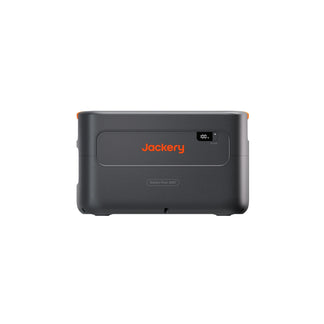
Modular expansion avoids the sunk-cost trap. Instead of buying a 20kWh system on day one and hoping you need it, you buy 5kWh now and add another 5kWh battery pack in six months if your usage patterns justify it. Each expansion module typically costs $1,500–$2,500 and plugs in without tools or electricians.
Plug-and-play installation also bypasses the weeks-long wait for electrician availability, city permits, and the concrete pad required by standby generators. You unbox it, charge it, and it's ready.
Avoiding the Common Pitfalls of First-Time Backup Buyers
Pitfall 1: Buying by Running Watts Alone
Always verify surge capacity matches your largest motor startup load. A refrigerator that runs at 600W can spike to 2,200W. Your inverter must handle that peak or it will shut down.
Pitfall 2: Relying on Extension Cords Permanently
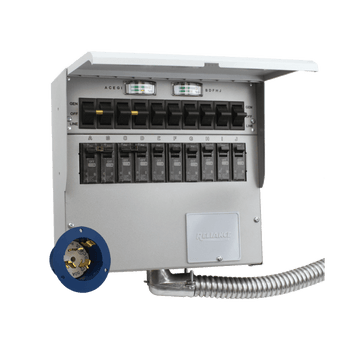
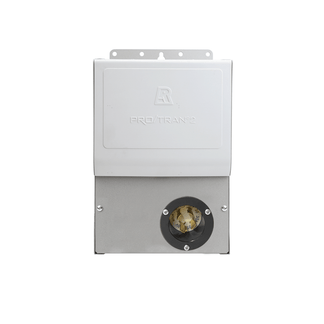
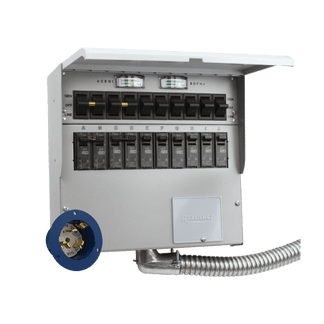
Running extension cords through doorways during every outage is a temporary hack, not a solution. A manual transfer switch — installed by a licensed electrician — integrates your backup power cleanly with your breaker panel for selected circuits.
Pitfall 3: Choosing the Wrong Battery Chemistry
LiFePO4 (lithium iron phosphate) is mandatory for home backup: 3,000–5,000 charge cycles, zero combustion risk indoors, and stable chemistry that doesn't degrade when stored at partial charge. Older NMC lithium-ion batteries offer fewer cycles and higher thermal risk.
Pitfall 4: Forgetting Solar Recharge Capability
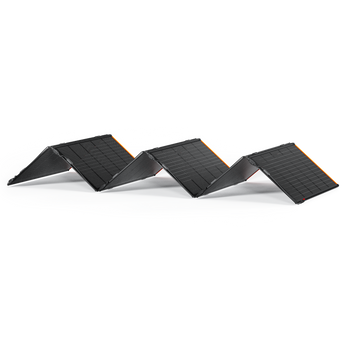
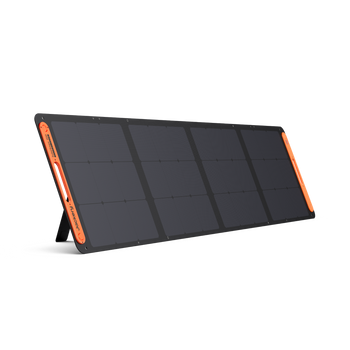
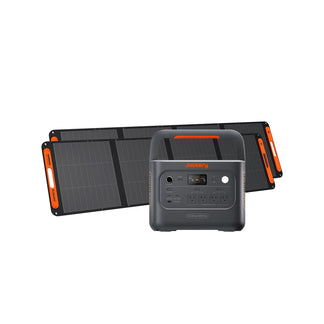
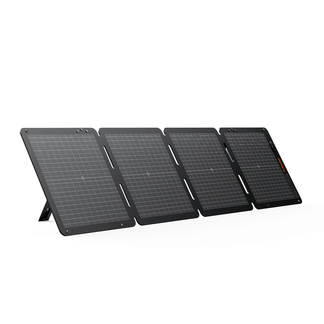
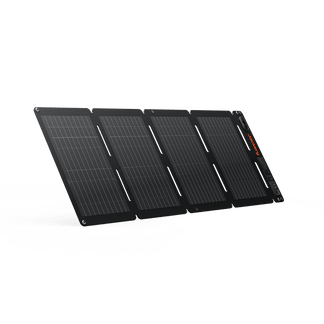
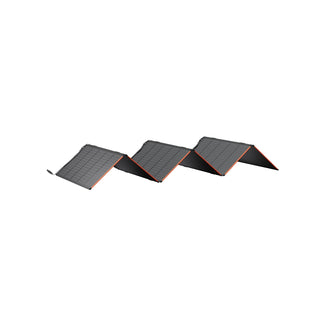
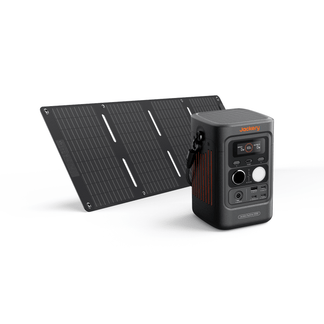
A battery without solar input has a fixed runtime — when it's dead, it's dead. Adding even 200–400W of portable solar panels extends backup significantly during daylight, turning your system from a limited fuel tank into a renewable power source.
Jackery Backup Power Systems for Essential Home Coverage
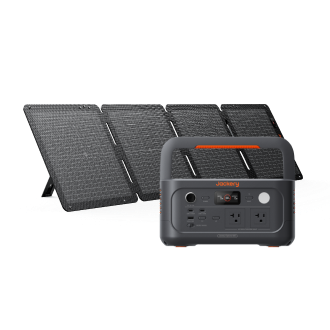
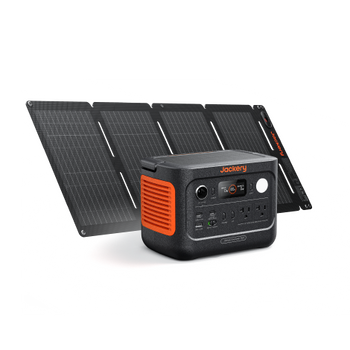
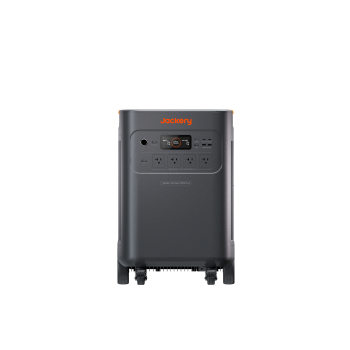
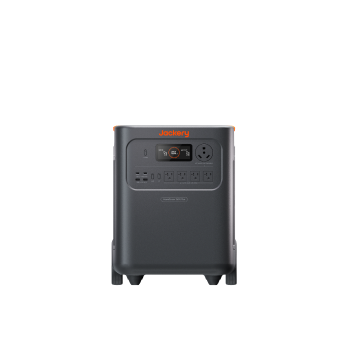
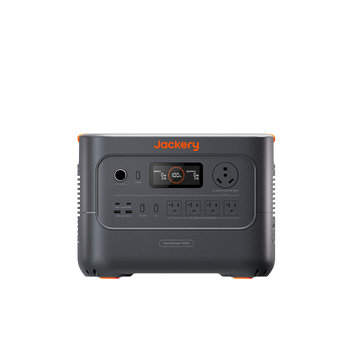
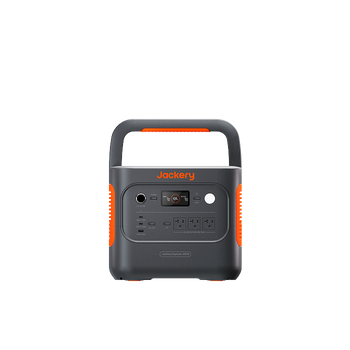
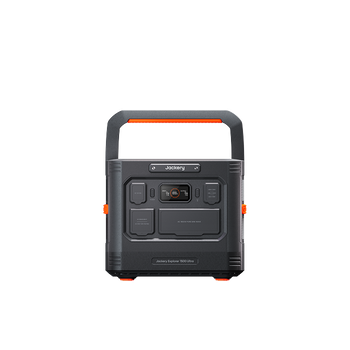
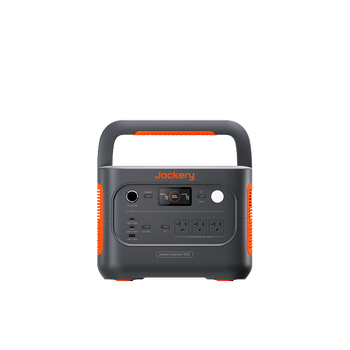
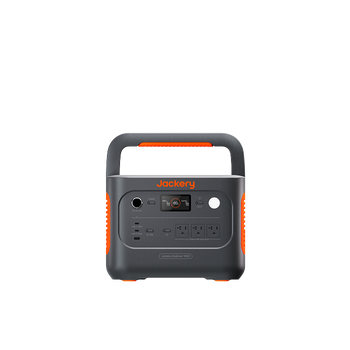
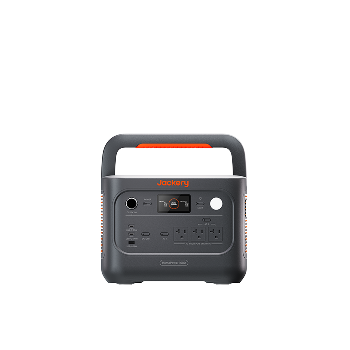
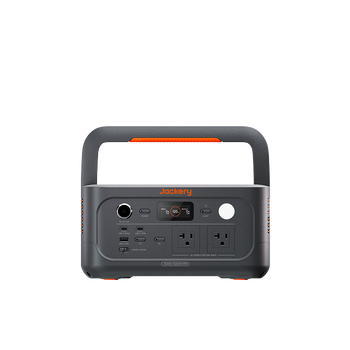
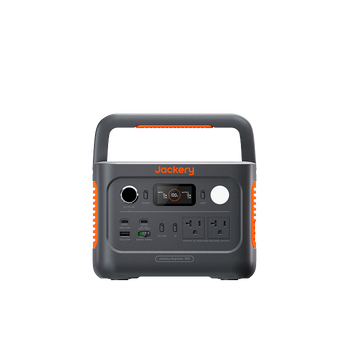
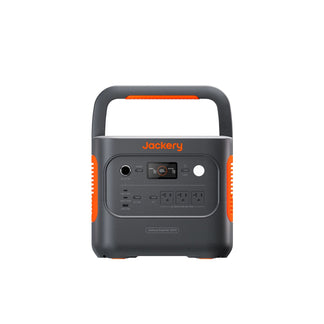
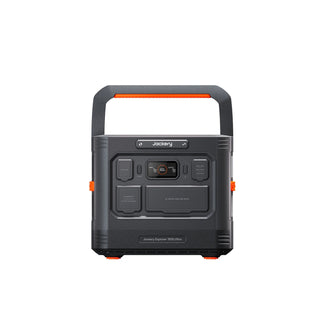
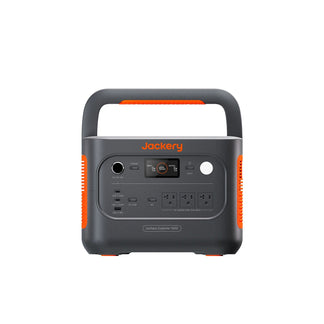
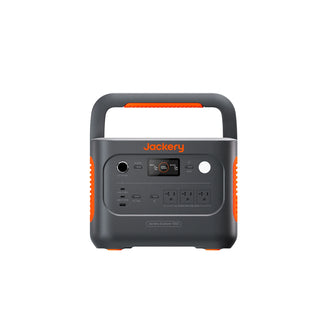
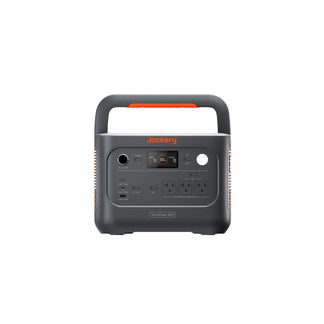
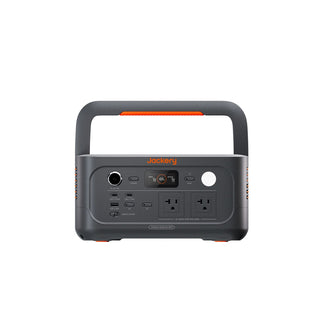
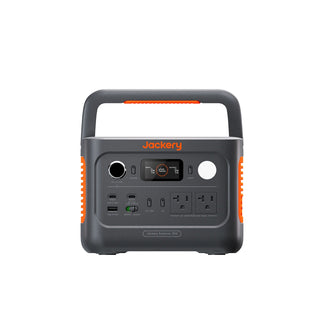
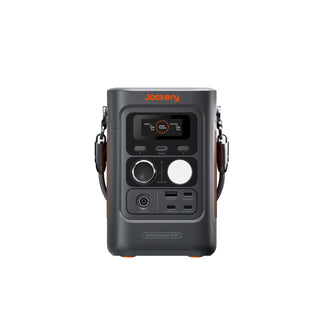
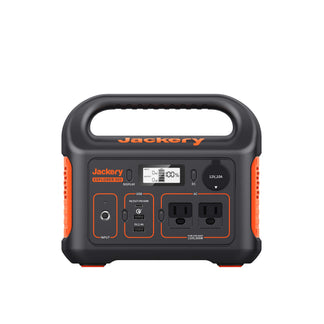
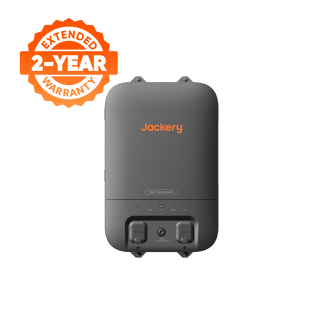
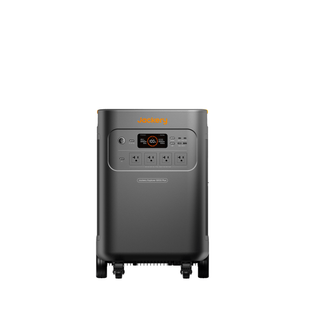
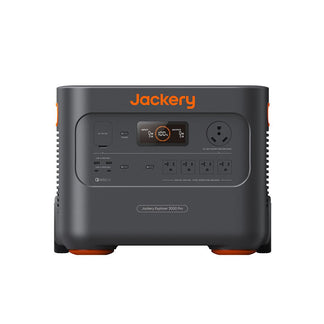
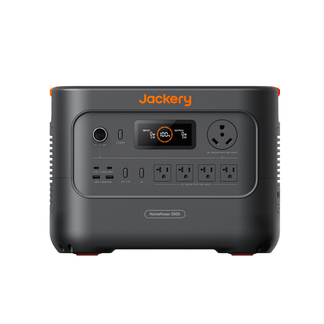
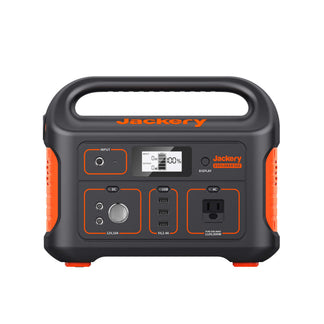
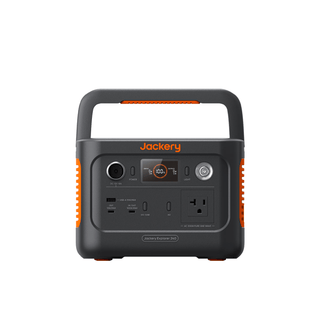
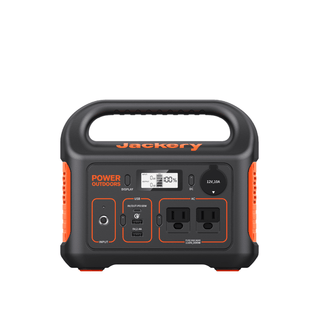
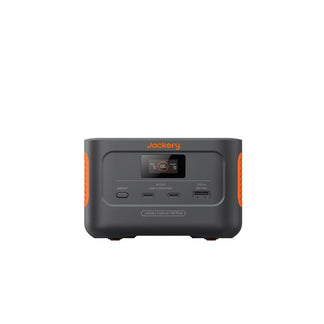
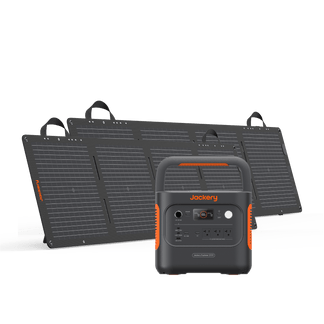
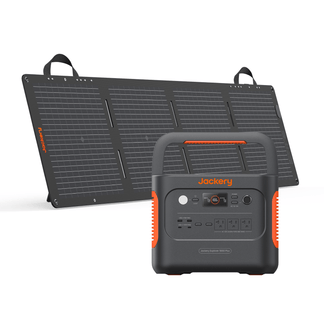
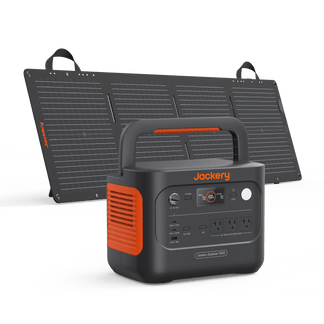
Jackery's 2026 lineup implements the modular scaling strategy with LiFePO4 chemistry and solar integration across entry-level to high-capacity tiers. Here's how each system maps to real outage scenarios:
Outage Scenario |
Recommended Jackery System |
Capacity (Expandable) |
Key Advantage |
|---|---|---|---|
Short outages, portable evacuation |
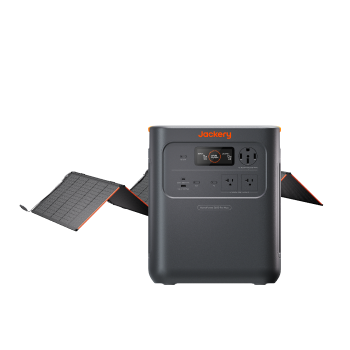
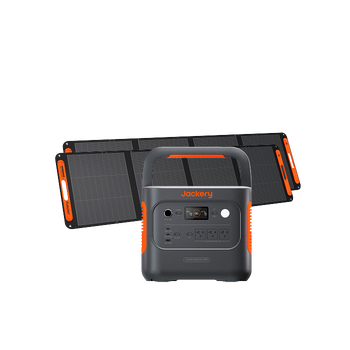
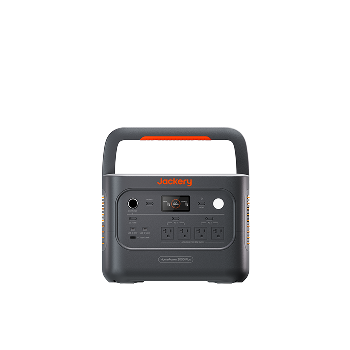
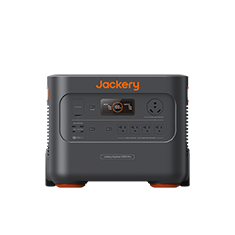
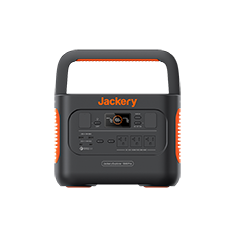
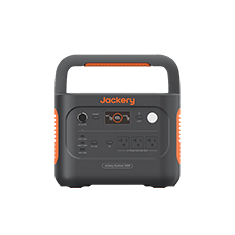
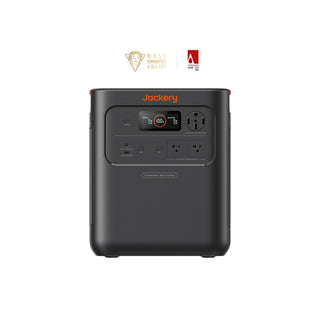
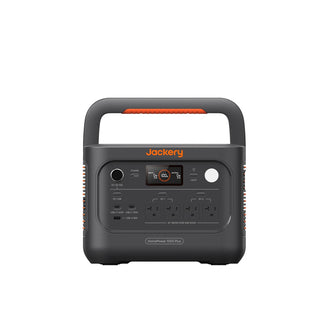
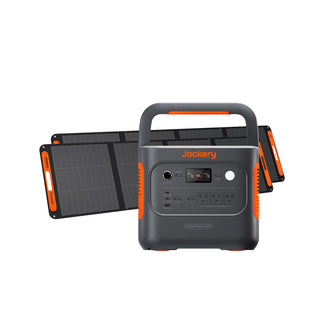
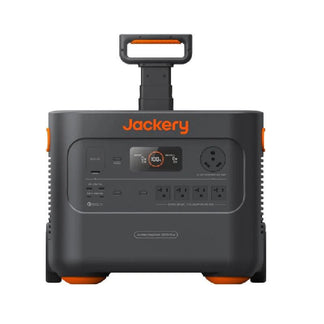
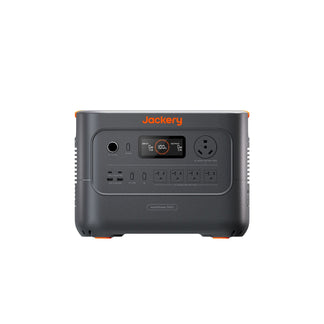
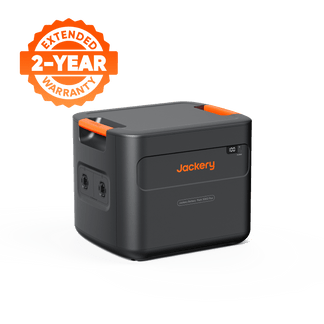
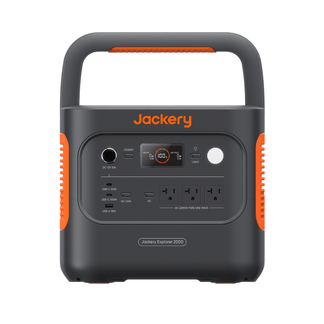
Jackery Solar Generator 2000 v2 |
2kWh (standalone) |
39.5 lbs grab-and-go, no fuel degradation, stores indefinitely |
Essential loads (fridge, lights, internet, sump pump) for standard 8-hour blackout |
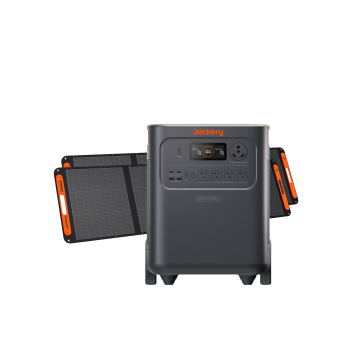
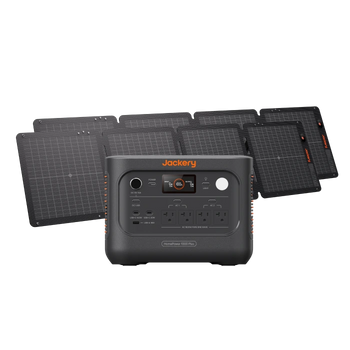
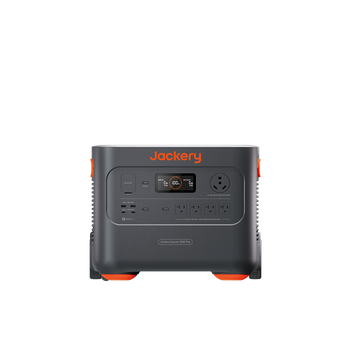
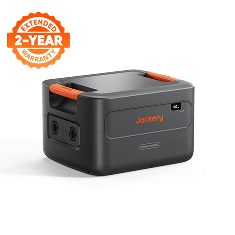
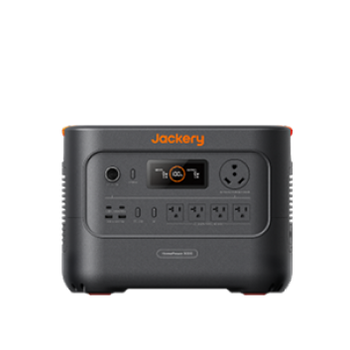
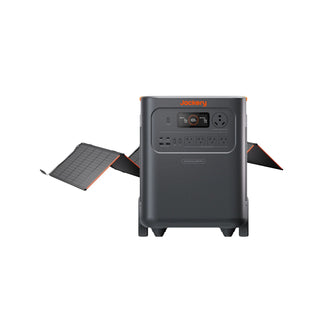
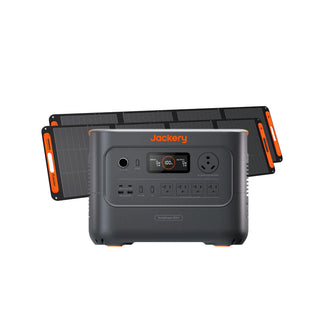
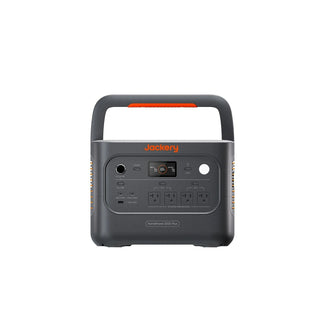
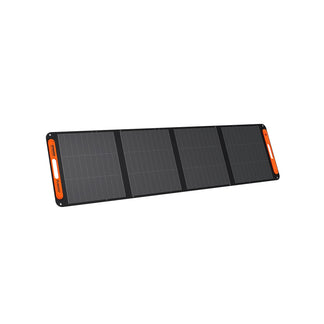
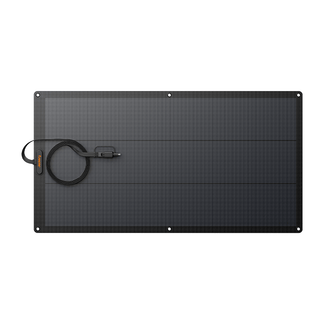
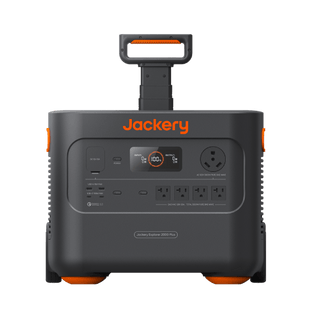
Jackery Solar Generator HomePower 3600 Plus + SolarSaga 500X |
3.58kWh–21.48kWh |
3,600W running, 7,200W surge, covers 2,400W essentials + 20% buffer |
High-capacity partial home backup, seamless integration |
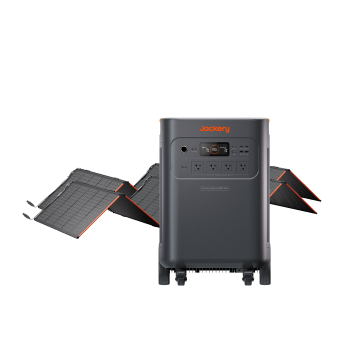
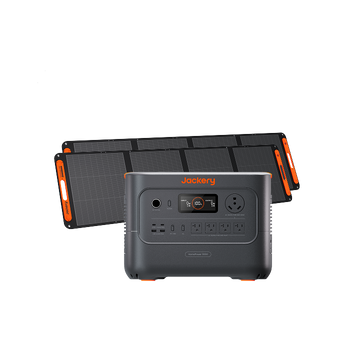
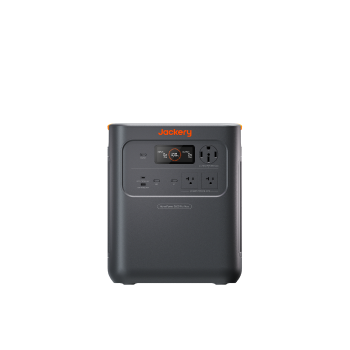
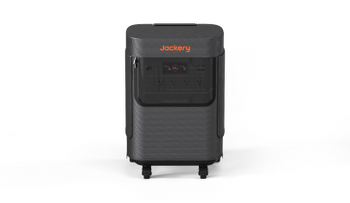
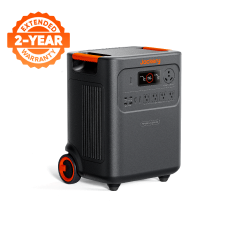
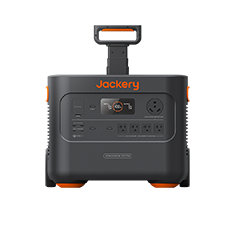
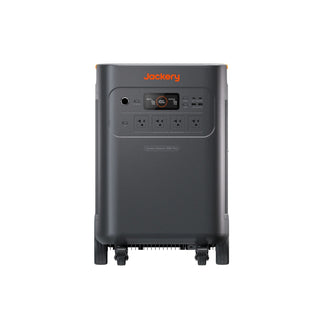
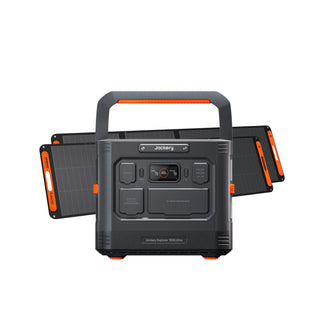
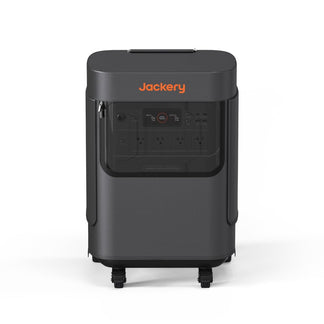
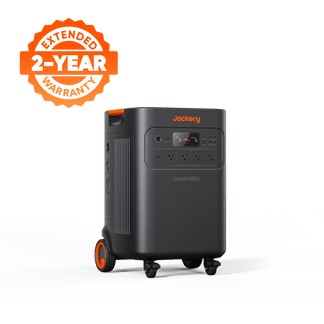
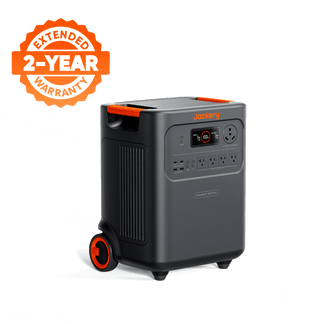
Jackery Solar Generator 5000 Plus |
5kWh–60kWh |
14,400W surge, 0ms transfer switch, handles heavy motor startups |
Frequently Asked Questions (FAQ)
Can I use my existing solar panels with a portable battery?
Yes, if the panels' voltage and connector type (typically MC4) match the battery's charge controller input range. Check your battery's solar input specifications before connecting.
How often should I cycle a LiFePO4 battery for longevity?
LiFePO4 batteries last longest when stored at 50–80% charge. Full daily cycles are fine but slightly shorten overall lifespan. Discharge to no deeper than 90% every few months to maintain calibration.
Do I need an electrician to install a manual transfer switch?
Yes. A manual transfer switch requires a licensed electrician to wire it into your breaker panel, ensuring safe isolation from the grid and preventing backfeed that could endanger utility workers.
What happens to battery capacity in freezing temperatures?
Most LiFePO4 batteries lose 20–40% of usable capacity below 32°F, and many cannot charge below freezing. Keep the battery indoors or use a heated enclosure during winter outages.
How long can a battery power a sump pump continuously?
A typical 1/3 HP sump pump draws 800–1,200W running. A 5kWh battery with 85% usable capacity (4,250Wh) runs it for approximately 3.5–4 hours without other loads connected.


