


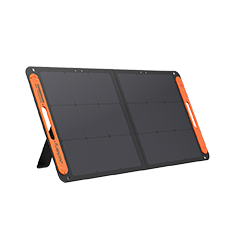



![[Add-on] Jackery SolarSaga 500 X - Jackery](http://www.jackery.com/cdn/shop/files/add-on-jackery-solarsaga-500-x-1493607.webp?v=1786503068&width=324)
![[Add-on] Jackery Battery Pack 5000 Plus - Jackery](http://www.jackery.com/cdn/shop/files/add-on-jackery-battery-pack-5000-plus-6713401.webp?v=1786503068&width=324)



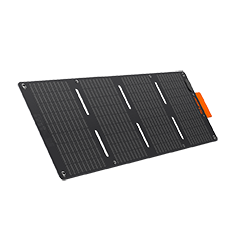
![[Add - on] SolarSaga 200W - Jackery](http://www.jackery.com/cdn/shop/files/add-on-solarsaga-200w-4834329.png?v=1754016915&width=324)


A window AC’s sticker wattage rarely matches real-world performance. On a blistering 95°F afternoon, an old "900-watt" unit can easily pull a massive 1,100 watts. Meanwhile, on a cool evening, a smart inverter model can cruise at a mere 200 watts. When budgeting your electrical needs, always plan for the worst-case weather, not the glossy marketing numbers.
Avoid the Breaker-Tripping Trap
Most US bedrooms share a single, fragile 15-amp circuit. Plug in a standard 1,200-watt AC (which draws 10 amps alone), turn on your TV and computer, and pop—there goes your breaker.
By switching to a smart, low-wattage inverter AC that draws under 5 to 8 amps, you keep your room icy cold while leaving plenty of electrical breathing room for the rest of your gear. Here is how inverter tech, smart sizing, and energy-saving modes deliver premium comfort at a fraction of the power.
Understanding Low Wattage Window Air Conditioners
A high-performance, low-wattage window air conditioner is one of the smartest upgrades you can make for your home's energy efficiency.
1. The Power of Inverter Technology
Thanks to advanced inverter compressor technology, modern low-wattage units draw only 200 to 450 watts in a steady state.
- Dynamic Speed Control: Instead of shutting completely off when a room reaches its set temperature, the inverter compressor slows its motor down to maintain a steady, gentle cooling cycle.
- Massive Savings: This continuous operation slashes daily energy consumption by 35% to 50% compared to traditional on/off units.
- No Grid Spikes: Continuous low-speed operation eliminates the massive startup current spikes (inrush current) that can overload household circuits or trip backup battery power stations.
2. Decoding CEER and Energy Efficiency
When shopping for an energy-saving model, it is vital to know how efficiency is measured:
- CEER vs. EER: Always look for the Combined Energy Efficiency Ratio (CEER) rating. While EER only measures full-load performance, CEER accounts for standby energy consumption—the "phantom" electricity your unit draws when it is plugged in but not actively cooling.
- ENERGY STAR Standards: Certification sets a strict minimum CEER standard.
- Peak Efficiency: The most efficient inverter window air conditioners now exceed 15.0 CEER, representing a huge efficiency gap that translates directly into lower electric bills.
3. The Sizing Pitfall: Don't Erase Your Savings
Achieving maximum efficiency depends entirely on matching your cooling capacity (BTUs) to your room's square footage. If you size your system incorrectly, you will erase these low-wattage benefits:
- ❌ The Oversized Unit: Will short-cycle (turn on and off rapidly). While the room will get cold quickly, the unit won't run long enough to pull moisture out of the air, leaving you with a cold, sticky, and clammy space.
- ❌ The Undersized Unit: Will run at maximum speed continuously. This prevents the inverter from slowing down to its low-wattage state, rapidly wearing out the compressor and wasting massive amounts of power.
How Inverter Technology Reduces Power Draw
The engineering secret behind low-wattage cooling lies in the variable-speed compressor. By dynamically adjusting its motor speed rather than slamming on and off, it fundamentally changes how electricity is consumed.
1. The Variable-Speed Advantage
Once your room is cooled, a variable-speed compressor slows its motor down to a crawl instead of shutting off entirely:
- Ultra-Low Power Cruise: At steady-state, it consumes only 200 to 300 watts of power—less electricity than a standard gaming computer.
- Stable Indoor Climate: Continuous operation maintains a rock-steady room temperature, completely eliminating the ±3°F temperature swings common in older units.
- Constant Dehumidification: Because the evaporator coil remains cold, the unit continuously pulls moisture out of the air, ensuring your room never feels clammy.
2. Efficiency Showdown: Traditional vs. Inverter (Over 1 Hour)
Let's look at how much power each technology uses over the course of an hour in the same room:
|
Metric / Behavior |
Traditional Single-Speed AC |
Modern Inverter AC |
|
Operation Pattern |
Cycles fully on/off roughly 4 times per hour. |
Runs continuously at a slow, optimized pace. |
|
Peak Power Draw |
Pulls a heavy 900W when active + high startup surges. |
Cruises at a steady 300W. |
|
Active Runtime |
Runs at 100% capacity for 40 minutes total. |
Runs for the full 60 minutes. |
|
Hourly Energy Use |
600 Watt-hours (Wh) |
300 Watt-hours (Wh) |
|
Your Energy Savings |
Baseline |
50% reduction in electricity costs |
3. The Silent Benefit: Soft-Start Technology
Standard single-speed compressors pull maximum rated power every single time they start, causing a brief electrical surge that can double or triple their running wattage.
In contrast, inverter compressors utilize soft-start technology, ramping up their motor speed gradually over several seconds to eliminate startup power spikes entirely.
Off-Grid & Battery Power Champion The lack of a startup surge makes inverter window air conditioners uniquely suited for home battery backup systems and small portable generators. Because there are no sudden power spikes, smaller portable power stations can run the AC safely without tripping their internal overload breakers.

Choosing the Right BTU for Maximum Efficiency
To find the most energy-saving option, always match your cooling capacity to your room's physical area as a starting point:
- 5,000 BTU: Up to 150 sq. ft. (ideal for small bedrooms and home offices).
- 8,000 BTU: Up to 350 sq. ft. (ideal for master bedrooms and large studios).
- 10,000 BTU: Up to 450 sq. ft. (ideal for open-plan living rooms and common areas).
Adjust these baselines to match your room's real-world conditions. A west-facing room with heavy afternoon sun exposure requires an extra 10% capacity. Heavily shaded spaces can subtract 10%, while a kitchen installation requires adding 4,000 BTUs to handle the heat generated by cooking appliances. Ceilings over 8 feet also require an additional 10% to 20% capacity.
Oversizing your unit is highly counterproductive. When an air conditioner is too powerful, it cools the air rapidly, satisfies the thermostat in minutes, and shuts off. Because the compressor runs in brief bursts, the indoor coil never stays cold long enough to pull moisture from the air, leaving you with a cold, sticky, and humid room. The extra capacity you paid for actually ruins your comfort while causing the compressor to cycle relentlessly, leading to premature component failure.
Comparing Low Wattage Window AC Options
To help you select the most efficient model class for your home, review this performance matrix comparing common low-wattage system configurations:
|
AC System Class |
BTU Capacity Range |
Steady-State Draw |
Noise Level & Best Application |
|
Standard Non-Inverter Unit |
5,000 – 6,000 BTU |
380W – 450W (Max allowable draw) |
52 – 56 dB. Loud on/off compressor cycling; lowest upfront budget price. |
|
Low-Wattage Bedroom Inverter |
5,000 – 6,000 BTU |
200W – 250W (Low-speed cruise) |
35 – 42 dB. Whisper-quiet operations; ideal for undisturbed sleep in small bedrooms. |
|
Premium Mid-Sized Inverter |
8,000 BTU |
300W – 400W (Low-speed cruise) |
40 – 45 dB. Balanced energy-saver; designed for large master bedrooms or home offices. |
|
Heavy-Duty Inverter Unit |
10,000 – 12,000 BTU |
400W – 550W (Low-speed cruise) |
42 – 48 dB. Powerful cooling output; best application for open-floor plans and living areas. |
Key Features for Energy Savings
Look for these advanced, integrated smart features to maximize your daily energy savings:
- Eco / Energy Saver Mode: Instead of running the fan continuously, this mode automatically cycles the fan motor off when the compressor pauses. This simple change can reduce your total daily power consumption by 15% to 20%.
- Sleep Mode: Gradually raises the thermostat set point by 1°F to 2°F per hour overnight. Your body requires less active cooling while sleeping, allowing the system to run at a lower, power-saving speed without sacrificing comfort.
- Wi-Fi Scheduling: Lets you pre-cool your home during off-peak hours when utility rates are low. You can program the system to turn off when you leave for work and run 30 minutes before you return, preventing you from wasting money cooling an empty house.
- Low GWP Refrigerants (R-32): Modern inverter air conditioners utilize R-32 refrigerant, which features a Global Warming Potential (GWP) one-third that of older R-410A while delivering superior heat-transfer efficiency.
Reliable Power for Your Energy-Saving AC
Pairing an energy-saving inverter window air conditioner with a high-capacity solar generator is the ultimate way to maintain indoor comfort during summer power grid failures. Because low-wattage inverter units draw only 200 to 450 watts of steady-state power, a reliable battery bank can run your cooling system safely for hours with zero noise, zero exhaust fumes, and no extension cords run through open windows.
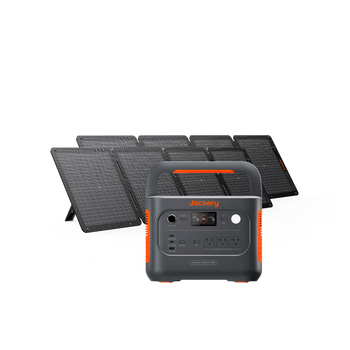
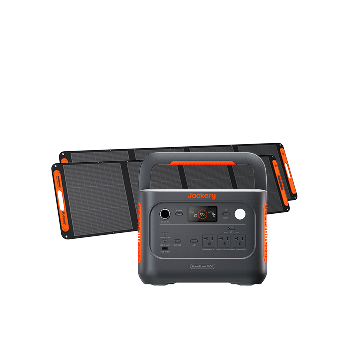
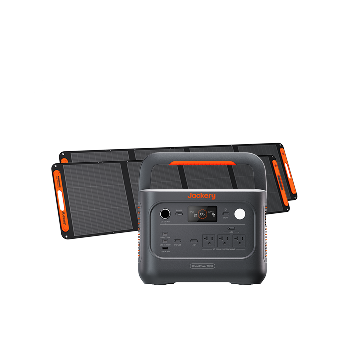
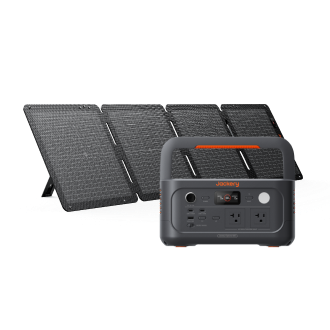
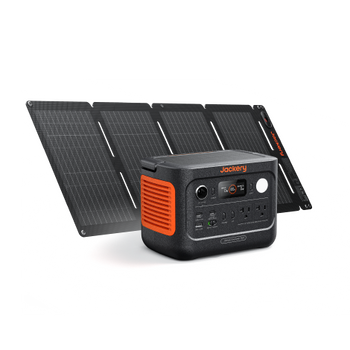
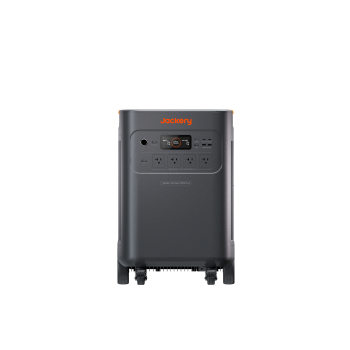
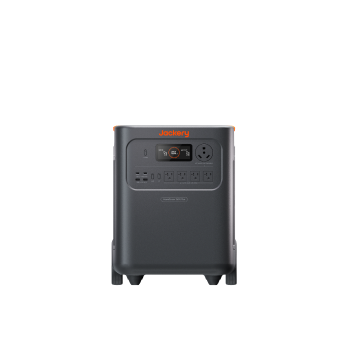
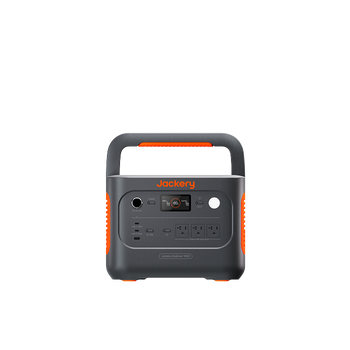
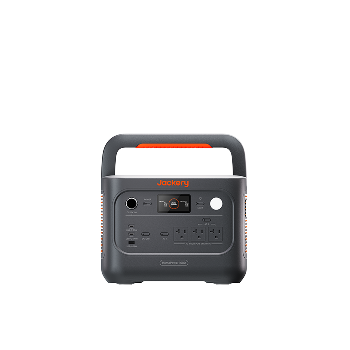
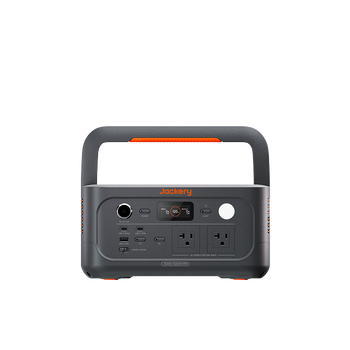
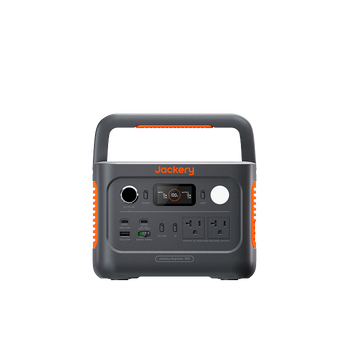
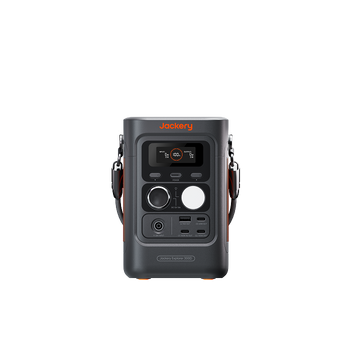
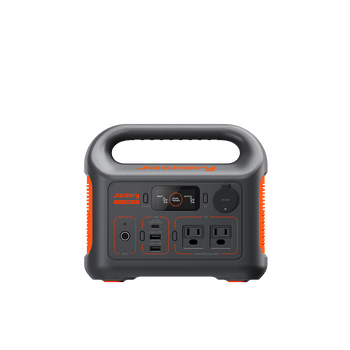
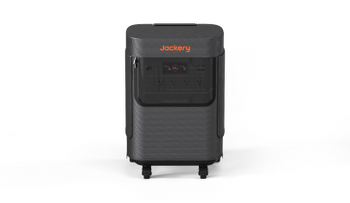
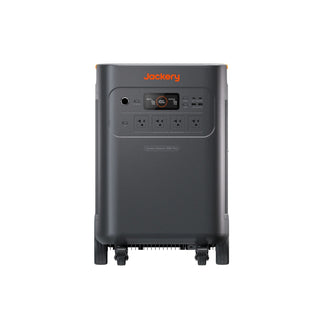
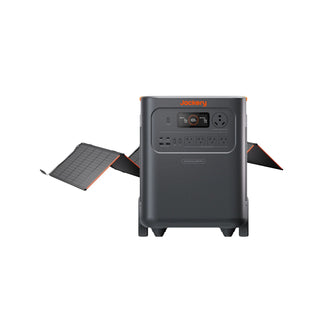
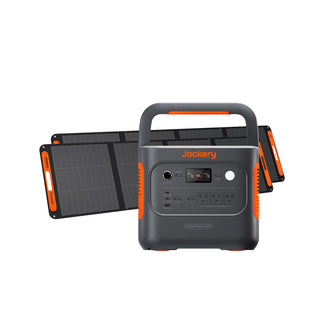
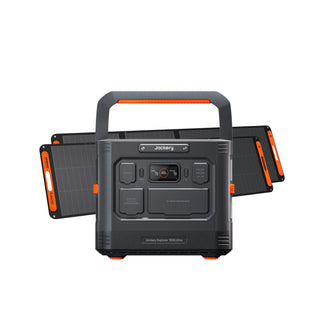
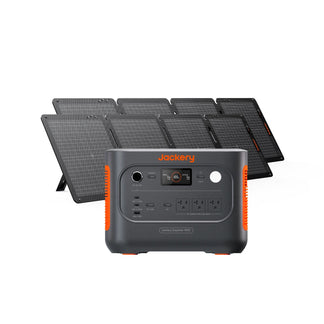
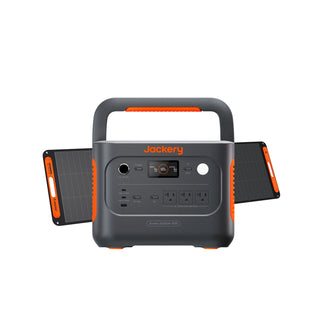
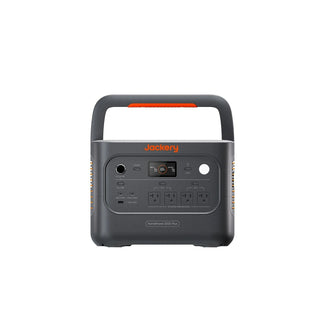
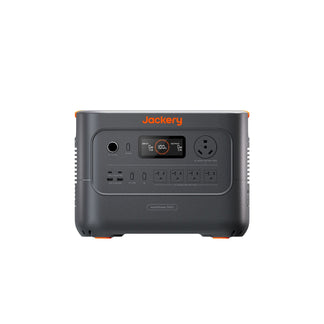
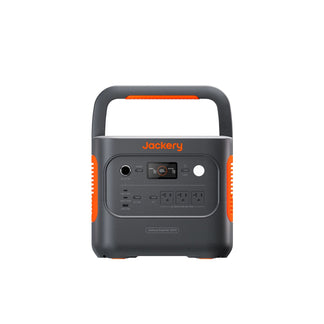
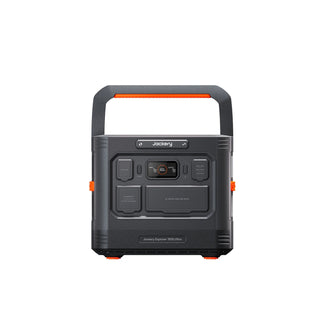
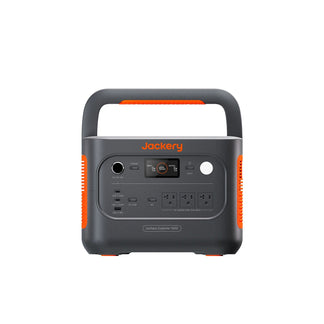
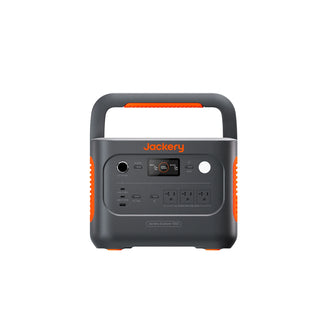
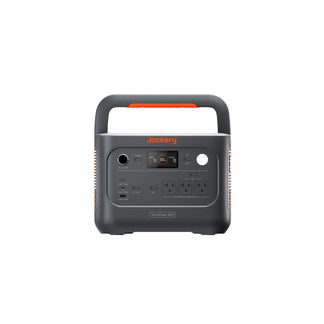
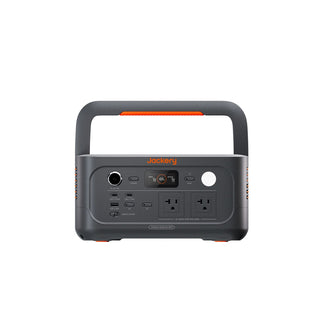
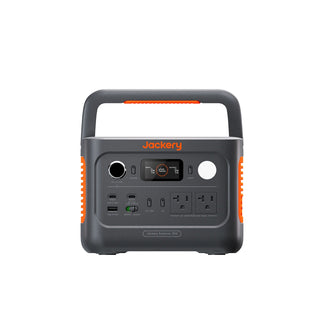
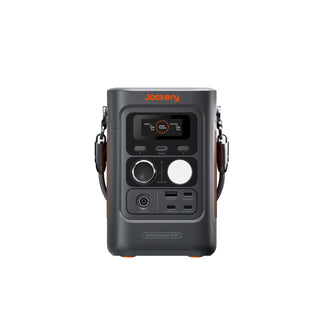
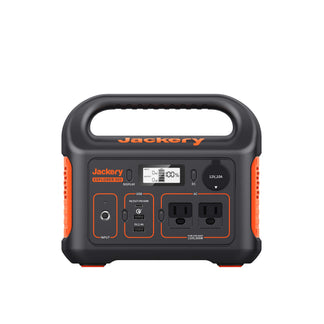
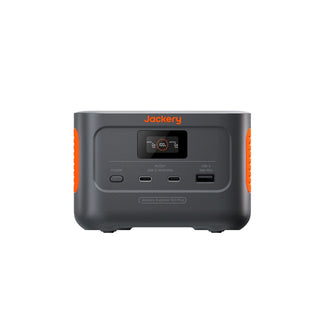
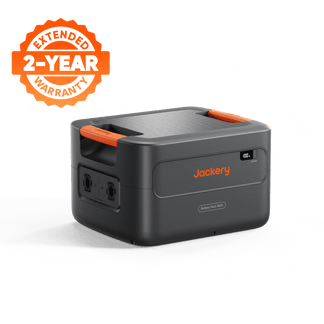
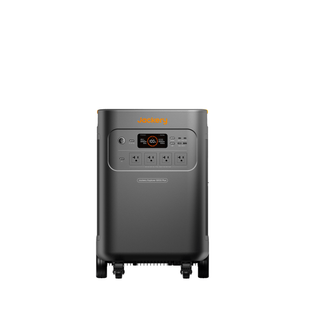
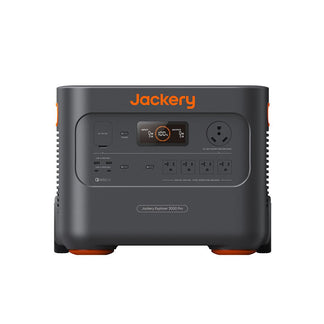
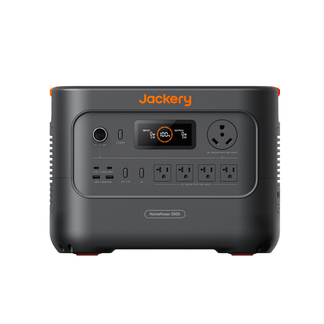
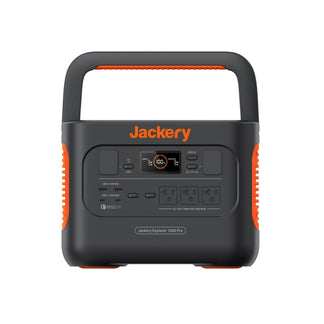
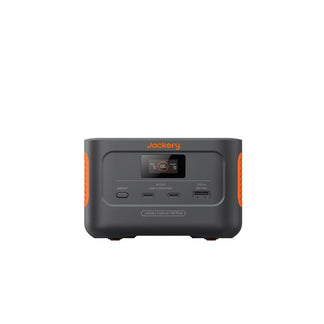
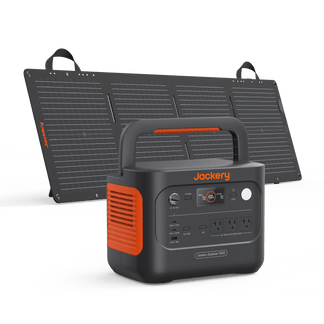
Three premium solar generators from Jackery provide ideal emergency backup power:
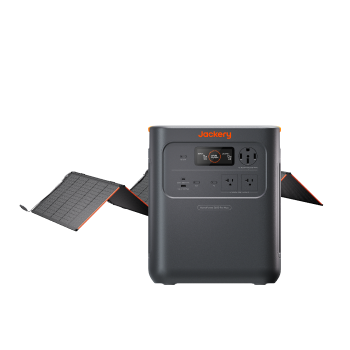
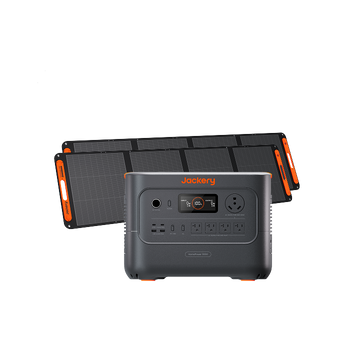
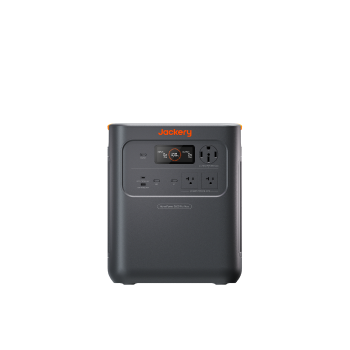
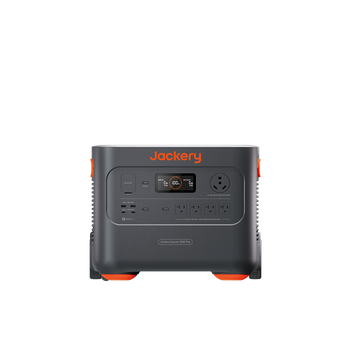
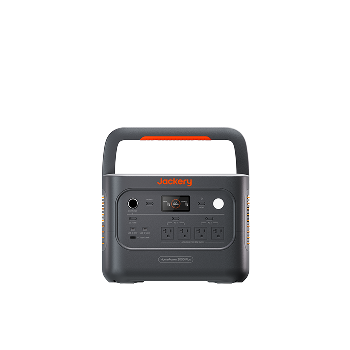
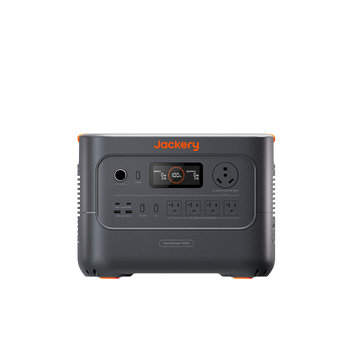
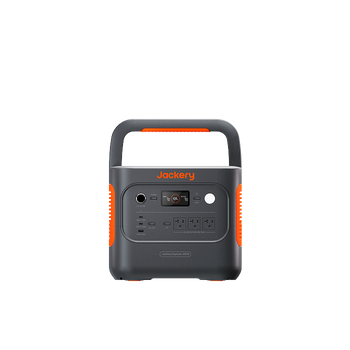
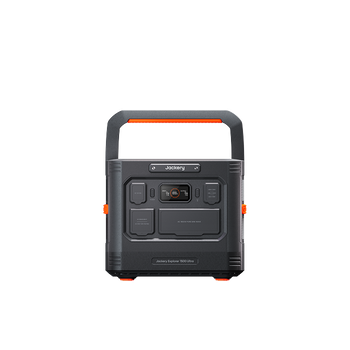
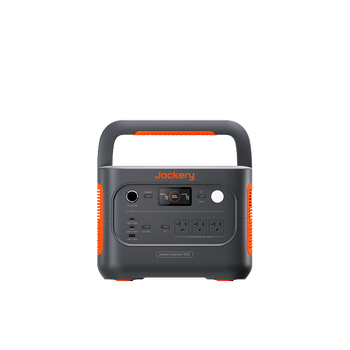
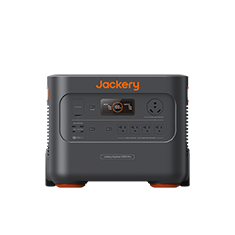
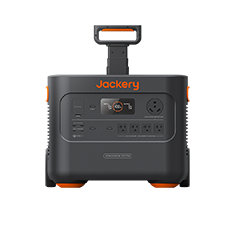
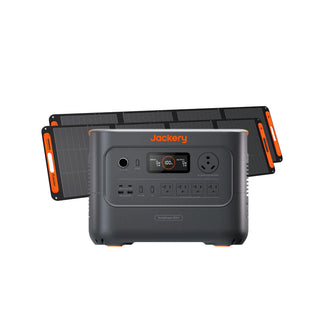
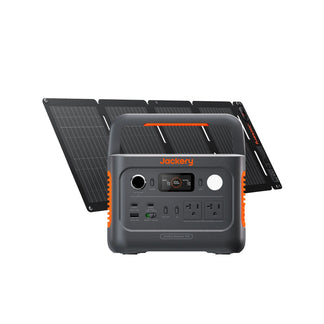
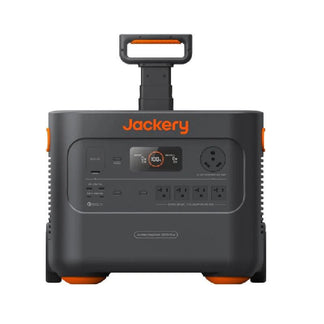
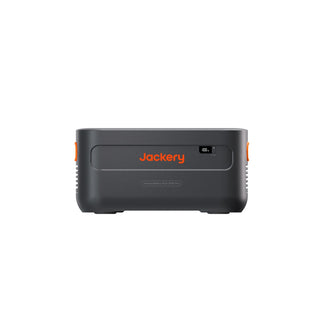
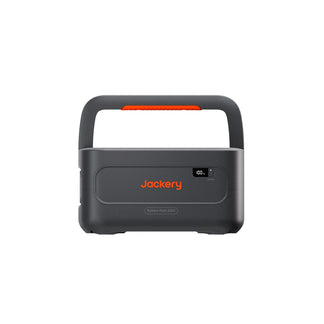
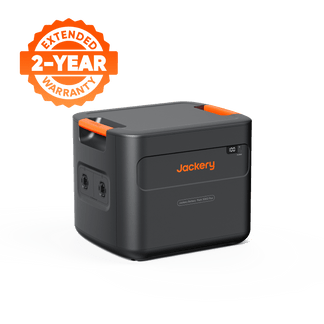
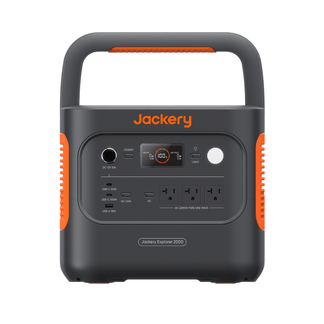
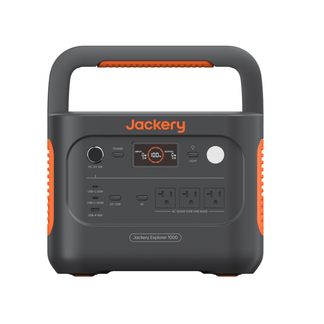
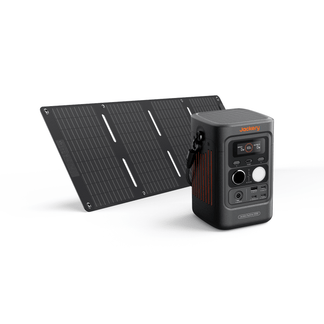
Jackery Explorer 2000 v2: Features a 2,042 Wh capacity, capable of running a low-wattage 5,000 BTU inverter AC drawing 250W for up to 8 hours on a single charge. It is highly portable (39.5 lbs) and can recharge completely in just 1.7 hours from an AC outlet.
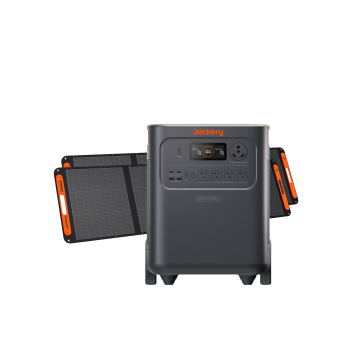
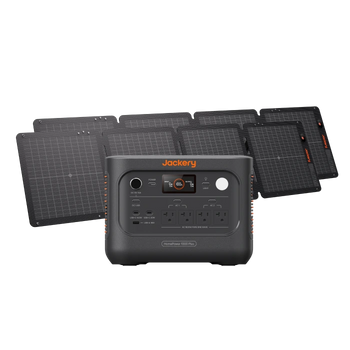
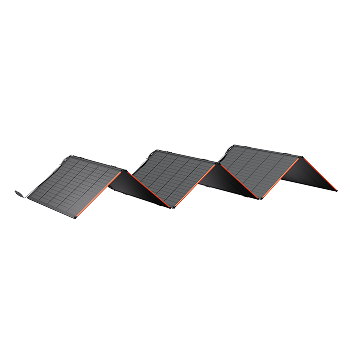
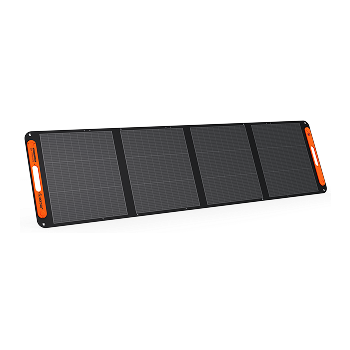
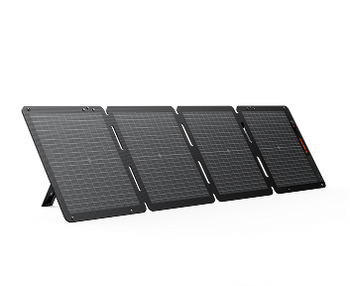
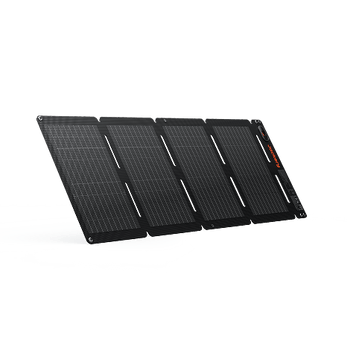
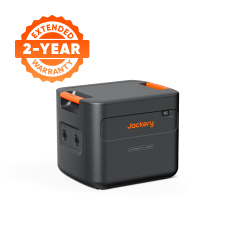
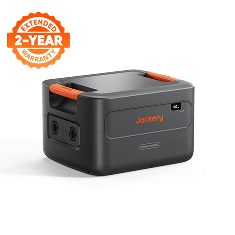
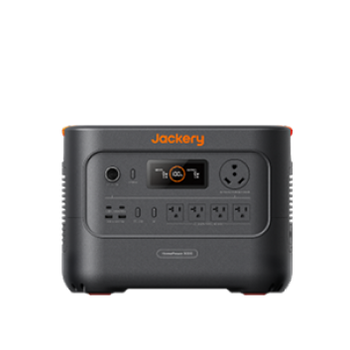
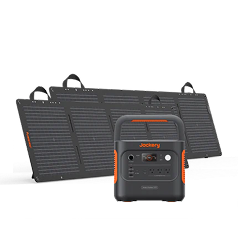
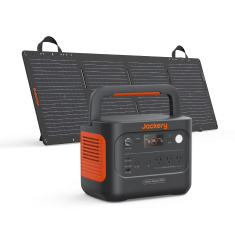
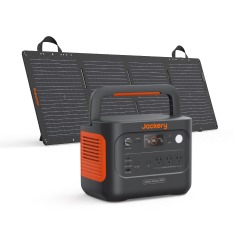
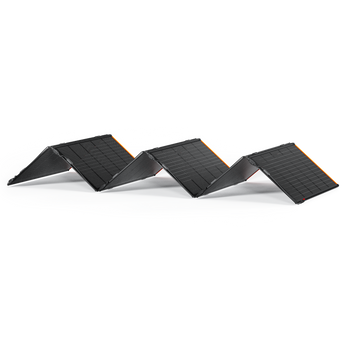
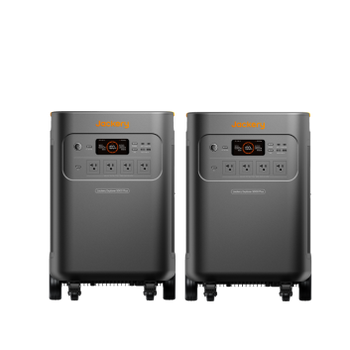
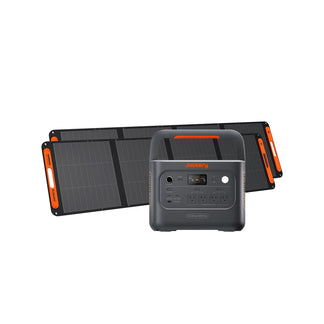
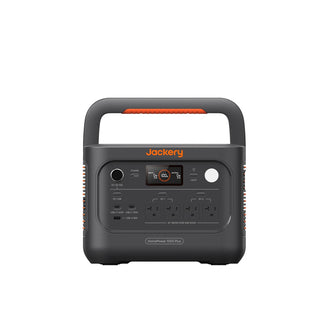
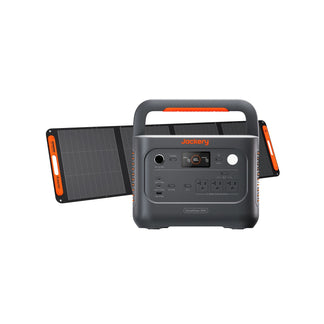
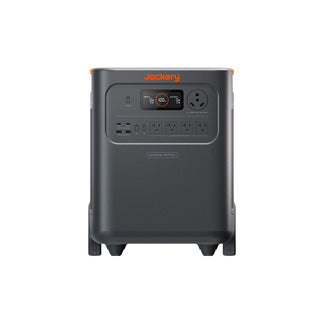
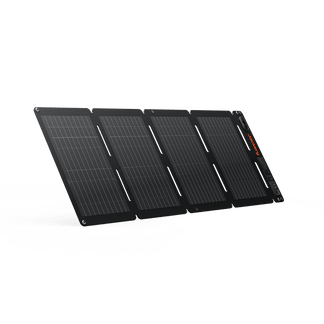
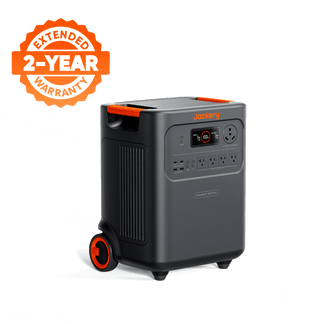
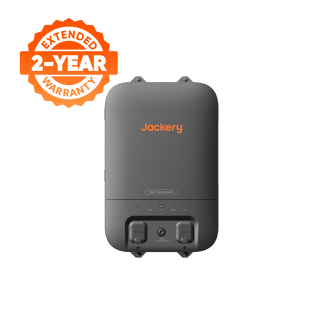
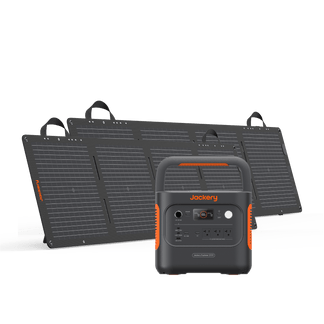
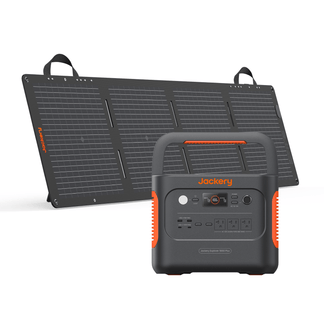
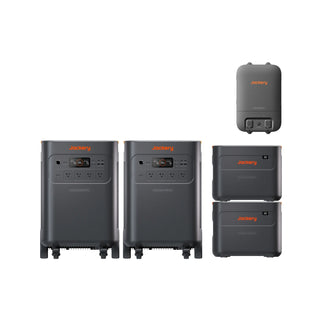
Jackery Solar Generator HomePower 3600 Plus: Houses a 3,584 Wh capacity (expandable to 43 kWh) with a robust 3,600W output (7,200W surge) designed to run an 8,000 BTU inverter unit drawing 700W. It includes a high-efficiency 500W solar panel to establish a clean off-grid cooling loop during extended blackouts.
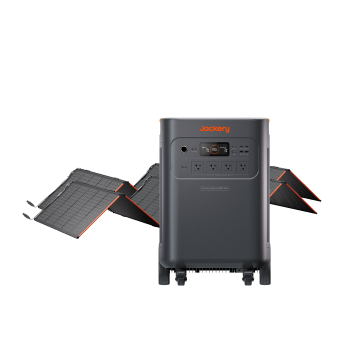
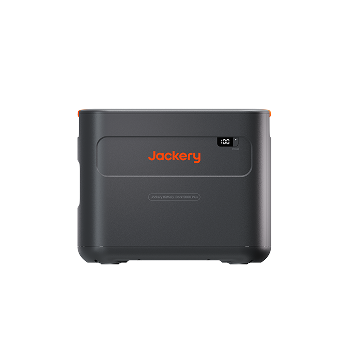
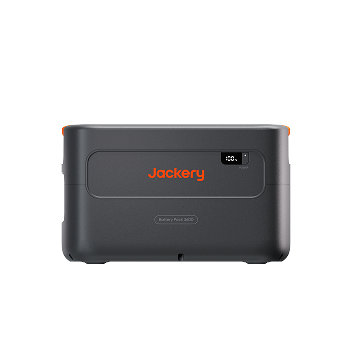
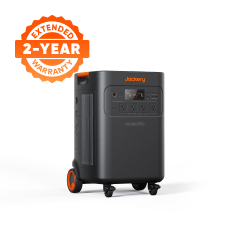
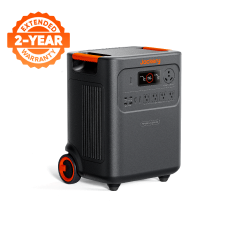
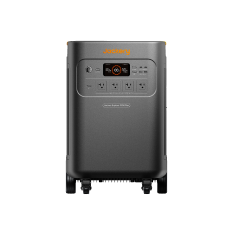
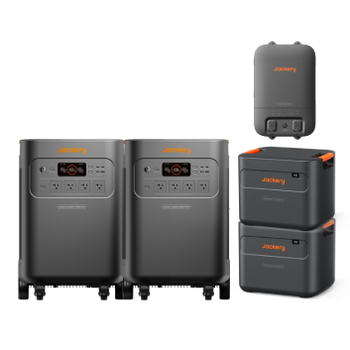
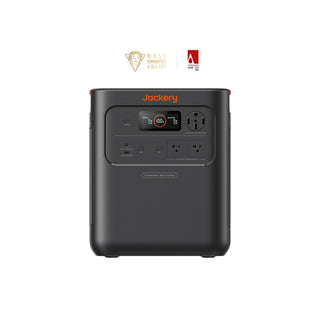
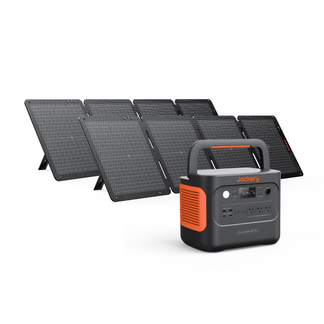
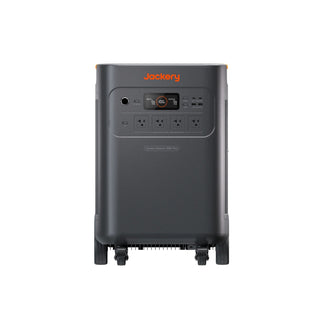
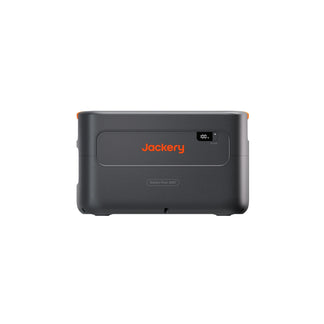
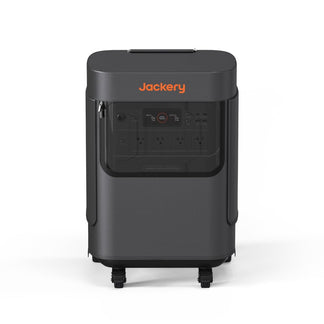
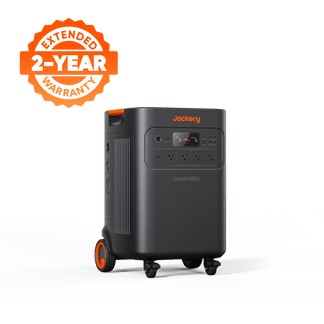
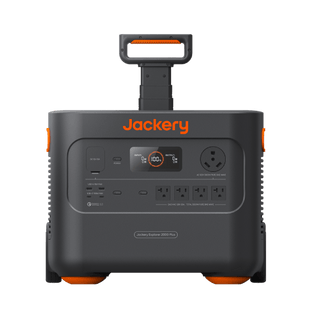
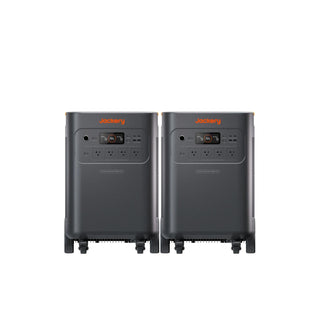
Jackery Solar Generator 5000 Plus: Sized for whole-home backup, delivering a 5,040 Wh capacity (expandable to 60 kWh) and a massive 7,200W continuous output (14,400W surge) to easily start and run heavy 12,000 BTU inverter units.
Frequently Asked Questions
How many BTUs do I need for a small bedroom?
Based on the standard US cooling metric of 20 BTUs per square foot of living area, a 5,000 to 6,000 BTU unit is the ideal practical capacity to cool a standard 150-square-foot bedroom or home office efficiently.
Can a low-wattage AC run on a standard 15A household circuit?
Yes. Most modern 5,000 to 8,000 BTU inverter window air conditioners draw under 8 Amps of current during peak operation, leaving plenty of capacity (7+ Amps) on a standard 15-amp circuit to run other household electronics safely.
Is an inverter window AC worth the extra cost?
Yes. While inverter models carry a slight price premium upfront, their 35% to 50% lower electricity consumption, quiet operation, and reduced wear on the compressor compressor typically pay back the initial cost difference in 2 to 3 summer seasons.
What is the lowest wattage window AC that still works?
A 5,000 BTU inverter-driven window air conditioner represents the most efficient low-wattage option available, capable of cooling small rooms while drawing only 200 to 450 watts of steady-state power.
Is a window unit more efficient than a portable AC?
Yes. Window units are significantly more efficient because they reject heat directly outside through the window opening. Portable air conditioners waste massive amounts of energy by drawing hot outdoor air back into the room through gaps around their exhaust hoses.
How do I maintain my low-wattage window AC?
Clean the air filter every 2 to 4 weeks during heavy summer use by rinsing it in warm, soapy water. Keeping the filter clean prevents restricted airflow, which can choke your unit's thermal exchange and spike its power draw by up to 15%.


