


![[Add - on] Jackery Manual Transfer Switch for Explorer 5000 Plus - Jackery](http://www.jackery.com/cdn/shop/files/add-on-jackery-manual-transfer-switch-for-explorer-5000-plus-9017324.png?v=1754016782&width=350)



![[Add - on] Jackery Manual Transfer Switch for Explorer 5000 Plus - Jackery](http://www.jackery.com/cdn/shop/files/add-on-jackery-manual-transfer-switch-for-explorer-5000-plus-9017324.png?v=1754016782&width=324)


Off-grid reliability depends on autonomy, not just generation.
Most cabin owners design systems for peak summer production, only to face blackouts when November clouds reduce output by 80%. A resilient off-grid system is defined by its ability to keep critical appliances running during a three-day blizzard, not by its performance on a sunny afternoon.
To achieve reliable power, you must prioritize a day of autonomy target—typically 2 to 5 days of battery storage—rather than simply adding more solar panels for off grid cabin setups. This guide details how to size, select, and install a system capable of handling the realities of remote living.
Calculating Your Cabin’s Energy Profile
Accurate sizing requires a detailed audit of every electrical device. Guesswork regarding consumption leads to inevitable system failure.
Conduct a Detailed Audit
List every electrical device in your cabin to establish a baseline. Note the rated running watts and the surge watts (startup power) for inductive loads like refrigerator compressors and well pumps. Estimate the daily run hours for each item to determine total demand.
Account for Phantom Loads
Phantom loads consume 10–20% of daily energy budgets. Devices that appear off—such as modems, microwave clocks, and wall chargers—draw standby power 24/7. Measuring these with a plug-in usage meter provides an honest consumption baseline.
Calculate Daily Watt-Hours
Total Daily Consumption is calculated by multiplying running watts by daily run hours.
- Example: A 60W laptop running for 5 hours consumes 300Wh.
- Example: A 50W fridge cycling 10 hours a day consumes 500Wh.
Plan for Voltage
System voltage must match daily usage levels for maximum efficiency.
- 12V: Suitable for small cabins with <1000W daily usage.
- 24V: Ideal for mid-sized setups (1000W–3000W).
- 48V: Required for full-time living (>3000W). Higher voltage reduces amperage, allowing for thinner wiring and improved inverter efficiency.
Set Autonomy Goals
Battery banks must power the cabin when solar production is zero. Aim for 3 days of autonomy for weekend cabins and 5 days for full-time residences. Adding a 20–30% buffer to this calculation prevents draining batteries to 0%, which significantly extends their lifespan.
Categorize Loads
Separating circuits ensures critical reliability. Critical loads (fridge, water pump, medical devices) receive priority battery allocation. Discretionary loads (AC, power tools) run only when the battery bank is full. Reviewing specific off-grid cabin plans helps structure your space efficiently for these electrical layouts.
Sizing Solar Panels for Off Grid Cabin Locations
Location dictates array size more than energy usage does. A 400W array in Arizona performs significantly differently than the same 400W array in Vermont.
Calculate Array Size
Required array wattage equals total daily Wh divided by local Peak Sun Hours. Peak Sun Hours refers specifically to hours where solar intensity reaches 1000W/m², which differs from total daylight hours. Add 20% to your daily Wh needs to account for system efficiency losses.
Prioritize Efficiency
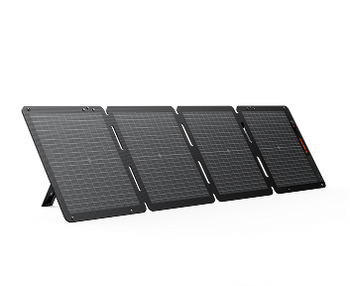
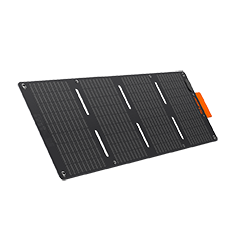
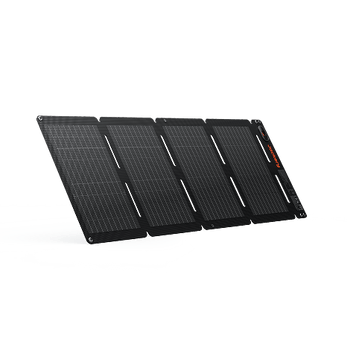
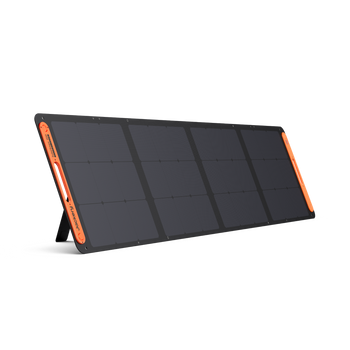
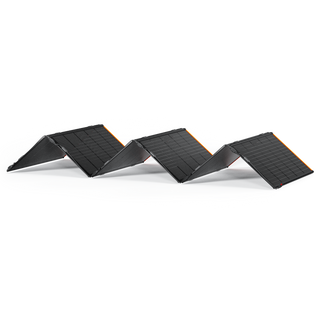
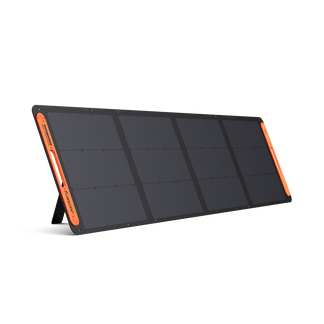
Monocrystalline solar panels for off grid cabin installations offer 20%+ efficiency ratings. Because roof space on tiny homes is premium real estate, these high-efficiency panels generate more power per square foot than polycrystalline alternatives.
Adjust for Geography
Oversize arrays by 30–50% in northern latitudes like the Pacific Northwest. These regions suffer from short winter days and lower sun angles, requiring larger arrays to compensate for frequent cloud cover and reduced light intensity.
Optimize Orientation and Tilt
Panels in the US should face true south (not magnetic south) for maximum exposure. Tilt the array at an angle equal to your latitude for year-round balance. To maximize winter production—when power is most scarce—tilt panels at your latitude plus 15 degrees.
Mitigate Shading
Partial shading can drop string output by 50% or more. If your site has trees, use parallel string layouts or microinverters. This configuration ensures that if one panel is shaded, the rest of the array continues generating at full power.
Consider Mounting
Ground mounts are superior for off-grid living in snowy regions. While roof mounts are standard, ground systems allow for easy snow removal and seasonal tilt adjustment without ladder access. Understanding how to build a solar powered off grid cabin in 6 easy steps simplifies the construction process.
Essential Components of an Off-Grid Kit
Panels provide the fuel, but the balance of system (BOS) components manage the engine.
Solar Charge Controllers
MPPT controllers harvest up to 30% more energy than PWM models. Maximum Power Point Tracking (MPPT) converts excess voltage into amperage, which is critical for maintaining charging rates in cold weather or low-light conditions.
Inverters
Pure sine-wave inverters prevent motor failure in fans and fridges. Modified sine-wave inverters are cheaper but cause sensitive electronics to run hot and fail prematurely. The inverter's surge rating must cover the startup spike of the largest appliance in the cabin.
Battery Storage
Battery sizing depends on usable kWh, not just rated capacity. Lead-acid batteries offer only 50% usable capacity to prevent damage, while lithium options allow for 80–100% discharge depth.
Safety Infrastructure
Safety gear is mandatory for code compliance and fire prevention. Install DC breakers between panels and the controller, and fuses between the controller and battery. A grounding rod is essential to protect the system against lightning and static buildup.
Monitoring Systems
Accurate monitoring requires a shunt-based system that counts amp-hours. Voltage readings are inaccurate for lithium batteries due to their flat discharge curve; a smart system with an app provides the necessary visibility into energy flow.
Battery Technology: LiFePO4 vs. Lead-Acid
LiFePO4 is the superior investment for modern off-grid living. While lead-acid remains available, Lithium Iron Phosphate offers better longevity and performance.
Compare Cycle Life
LiFePO4 batteries last 4,000+ cycles compared to 500–800 cycles for lead-acid. Although lithium has a higher upfront cost, the cost per kWh over the system's life is significantly lower because replacement is not required every 3–5 years.
Manage Temperature
Lithium batteries require heating pads below freezing (32°F / 0°C). Charging lithium cells in freezing temperatures causes permanent damage. Lead-acid batteries can charge in the cold but suffer from significant capacity loss.
Evaluate Maintenance
LiFePO4 technology is virtually maintenance-free. In contrast, lead-acid banks require regular water level checks, specific gravity testing, and ventilation to prevent explosive gas buildup.
Consider Modularity
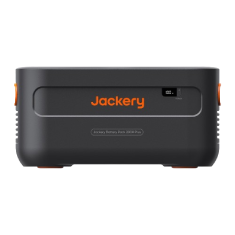
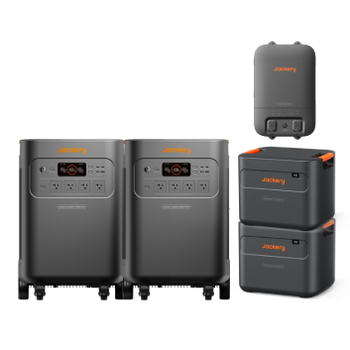
Modern modular systems allow for capacity expansion without replacing the inverter. Traditional setups often require a full overhaul to add storage.
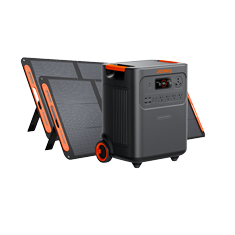
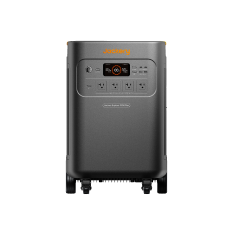
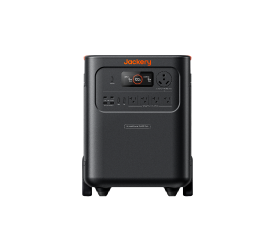
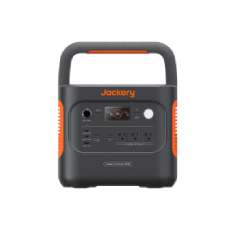
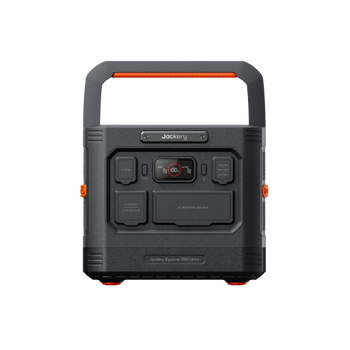
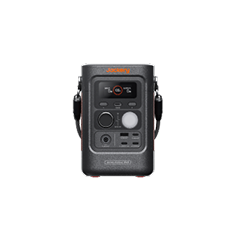
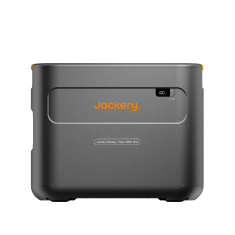
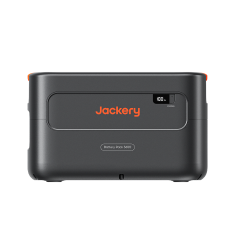
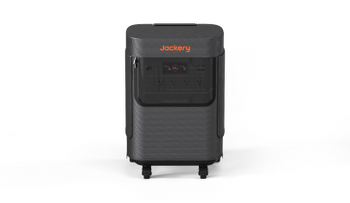
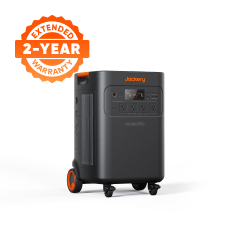
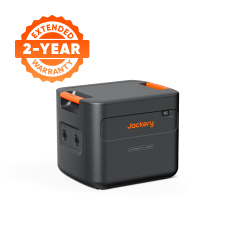
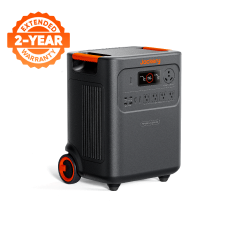
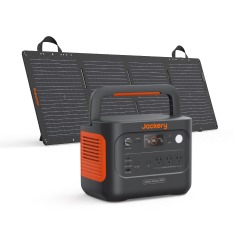
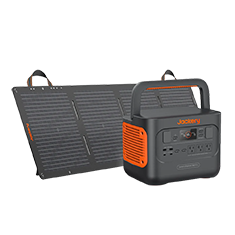
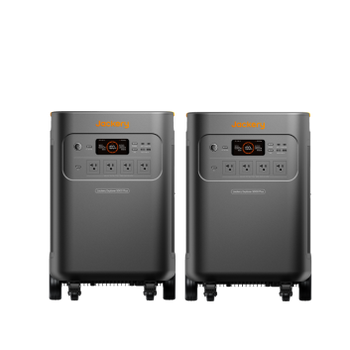
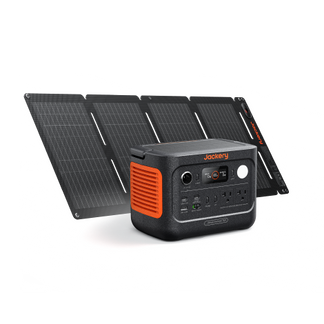
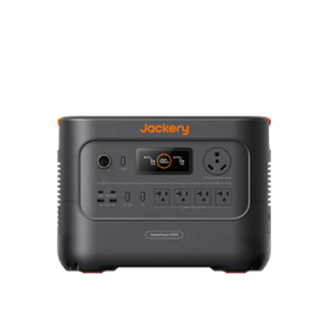
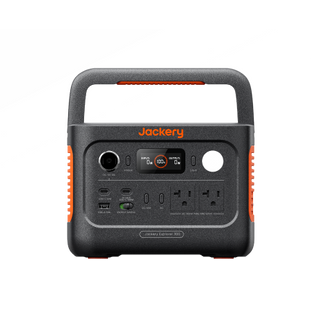
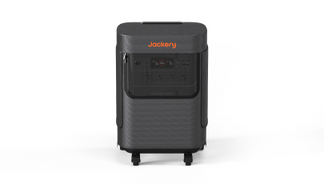
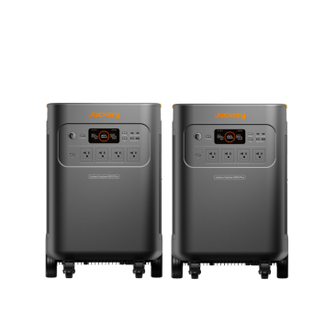
Jackery Solar Generator 5000 Plus
- Capacity: The unit provides 5040Wh, expandable up to 60kWh.
- Chemistry: LiFePO4 cells offer a 10-year lifespan with 4000+ cycles.
- Output: It delivers 7200W Rated power (14400W Surge) with Dual Voltage (120V/240V) support.
- Use Case: This modular system solves growing pains by allowing users to start small and expand storage without rewiring the cabin.
Navigating Installation and Regulatory Hurdles
Off-grid installations must adhere to codes to ensure safety and insurability.
Check Local Codes
Local fire codes often mandate specific storage requirements for lithium batteries. Some jurisdictions require batteries to be stored in a separate structure or fire-rated room. Setback requirements for ground-mounted arrays must also be verified.
Secure Permits
Electrical permits are typically required even for off-grid properties. Most counties demand an electrical inspection to issue a certificate of occupancy, regardless of grid connection status.
Assess Structure
Roof trusses must support the combined dead load of panels and live load of snow. Wet snow adds significant weight; if structural integrity is in doubt, reinforce rafters or opt for a ground mount. Reviewing how to build a small cabin house plans ideas cost helps with structural planning.
Plan Interconnection
Grid-tied backup requires specific transfer switches. If you plan a hybrid system, the inverter must be certified for grid interconnection to prevent dangerous back-feeding during utility outages.
Hire Professionals
Main panel tie-ins should be performed by a qualified electrician. While DIY is possible for component placement, the final AC connection carries significant risk. Document all DIY work with photos for the inspector.
Maximizing System Longevity and Reliability
System reliability requires seasonal maintenance rather than set and forget operation.
Perform Seasonal Maintenance
- Spring/Summer: Clean pollen and dust off panels and check wire insulation for UV damage.
- Fall/Winter: Clear snow immediately and inspect wiring for rodent damage, as mice often chew on warm cables.
Test Under Load
Stress testing identifies weak connections before critical failure. Pick a cloudy day and run normal loads to observe voltage stability. This proactive step reveals aging batteries or loose terminals.
Implement Redundancy
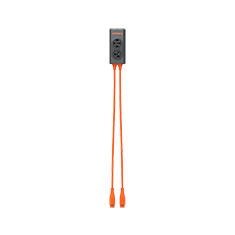
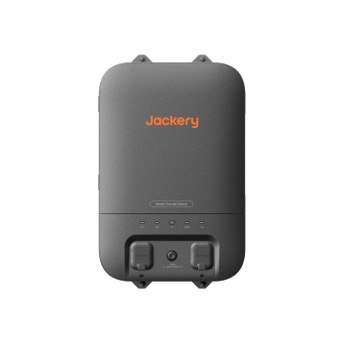
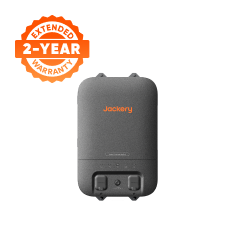
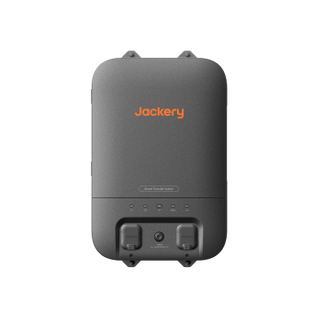
A manual transfer switch ensures power continuity during inverter failure. This device allows you to bypass the solar inverter and power the panel directly from a backup generator while waiting for replacement parts.
Monitor Proactively
A sudden 10% drop in production usually indicates soiling or shading. Use monitoring apps to track daily metrics and address issues immediately.
Plan for Expansion
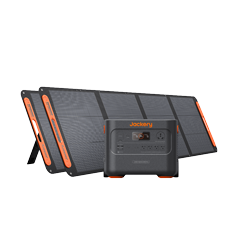
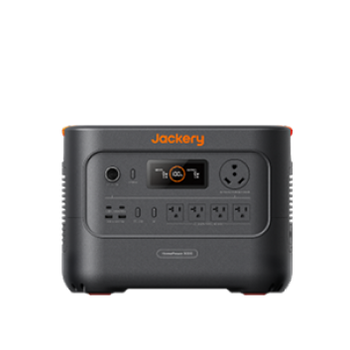
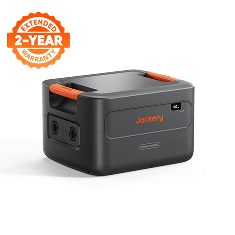
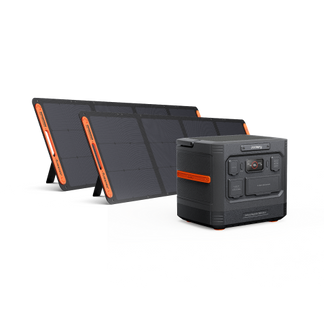
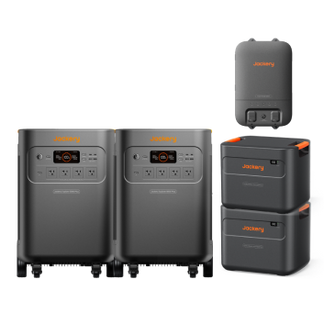
Start with a robust core unit like the Jackery Solar Generator HomePower 3600 Plus. This system serves as a central hub integrating solar input, battery management, and AC output, allowing for battery pack additions as budgets allow.

Financial Considerations and Long-Term Value
Analyze Lifecycle Costs
LiFePO4 banks offer lower 20-year lifecycle costs despite higher upfront pricing. A lead-acid bank costing $2,000 requires replacement four times over 20 years ($8,000 total), whereas a $5,000 LiFePO4 bank lasts the full duration.
Avoid Financing Traps
Solar leasing contracts often place a lien on the property. Ownership is essential for off-grid properties to avoid complications during resale.
Document Value
A well-documented solar system adds significant property value. Keep all warranties, manuals, and maintenance logs to present the system as an asset rather than a liability to future buyers.
Budget for Replacements
Inverters typically last 10–15 years. Consulting a guide on solar panels for tiny house applications clarifies needs for smaller structures but always set aside a replacement fund annually.
Practical System-Building Roadmap
Follow this sequence to avoid costly equipment mismatches.
- Audit First: Calculate total daily Wh and surge requirements.
- Size Storage: Select battery capacity to meet your days of autonomy goal (minimum 2 days).
- Size Generation: Match panel wattage to recharge that battery bank within your location's average peak sun hours.
- Select Electronics: Choose an MPPT controller and inverter sized for your peak surge loads.
- Plan Backup: Integrate a fuel generator for critical redundancy during extended storms.
- Start Modular: Install a scalable system. Test performance for 6–12 months before buying maximum capacity.
Frequently Asked Questions
Can I mix different solar panel brands in one kit?
Mixing brands drags efficiency down to the lowest performing panel due to voltage mismatches. If mixing is unavoidable, use separate charge controllers for each brand or install power optimizers.
How do I protect my off-grid system from lightning strikes?
Surge Protective Devices (SPDs) are required on both the DC input and AC output sides. Additionally, ensure mounting frames and ground rods are bonded correctly to divert energy to the earth.
Do I need a backup generator if I have enough batteries?
A backup generator is essential for extended weather events where solar production is near zero. It ensures batteries never hit critical low voltage, protecting their long-term health.
Will my solar panels work during a total grid outage?
Dedicated off-grid systems or hybrid inverters with island mode will continue to work. Standard grid-tied systems automatically shut down during outages to protect utility workers.
How does high altitude affect my solar kit’s performance?
High altitude improves performance due to higher UV intensity and cooler air. You may need a charge controller with a higher voltage rating to handle the increased output.