
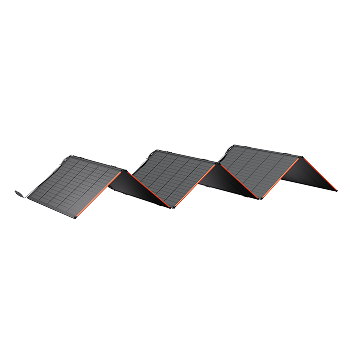
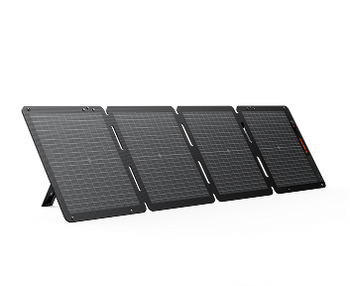







![[Add-on] Jackery SolarSaga 500 X - Jackery](http://www.jackery.com/cdn/shop/files/add-on-jackery-solarsaga-500-x-1493607.webp?v=1786503068&width=324)
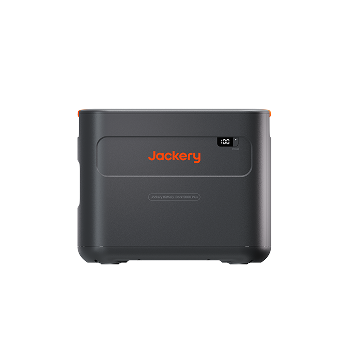
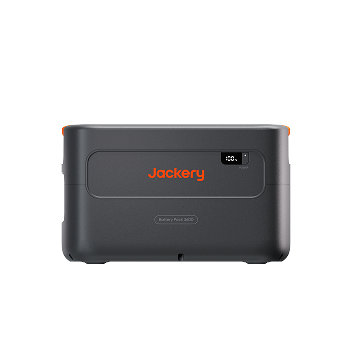
![[Add-on] Jackery Battery Pack 5000 Plus - Jackery](http://www.jackery.com/cdn/shop/files/add-on-jackery-battery-pack-5000-plus-6713401.webp?v=1786503068&width=324)




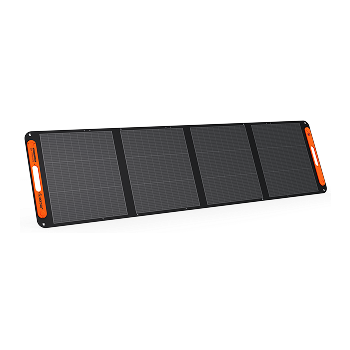
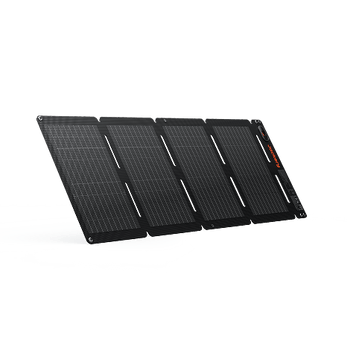
![[Add - on] SolarSaga 200W - Jackery](http://www.jackery.com/cdn/shop/files/add-on-solarsaga-200w-4834329.png?v=1754016915&width=324)
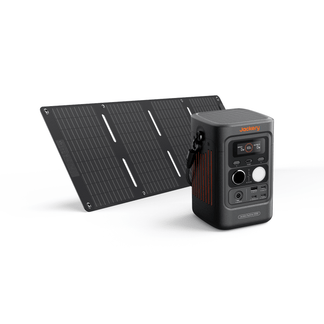


Losing power in an apartment hits differently than losing it in a house. You can't run an extension cord to a generator in the backyard. You can't store fuel in the garage. And in most buildings, you can't make noise at midnight without consequences. For apartment renters, the options for backup power have historically been limited until portable power stations for apartments changed the equation entirely.
The best portable power station for an apartment is one that is quiet, safe to use indoors, compact enough to store without taking over your living space, and powerful enough to cover your essentials through a standard outage. For most apartment dwellers, a power station in the 1,000–2,000Wh range covers a router, a phone, a portable fridge, and laptop charging comfortably through an overnight outage.
Jackery Solar Generators are portable and powerful solar battery backups that can power appliances in an apartment without fumes or noise.
Takeaways
- Gas generators are not a viable option for apartment renters with carbon monoxide risk; lease restrictions, noise, and building rules make them a non-starter indoors.
- Portable power stations produce zero emissions, run silently, and require no installation, making them a practical backup power solution for apartment living.
- For most apartments, a 1,000–2,000Wh power station covers the essentials: fridge, router, phone, and laptop through a standard outage.
- Oversizing the power station isn't always smart in an apartment. You should factor in weight, footprint, and price as much as capacity when making your decision.
Why Can't Apartment Renters Just Use a Regular Generator for Backup Power?
Gas generators are widely available, relatively affordable, and powerful enough to run a full apartment's worth of appliances. So why don't renters use them? The short answer is that gas generators and apartments are fundamentally incompatible because of carbon monoxide emissions, landlord agreements, noise, and other reasons that go well beyond inconvenience.
Carbon Monoxide Emissions
Carbon monoxide is the most serious issue. Gas generators produce carbon monoxide, a colorless, odorless gas that is lethal in enclosed spaces. Running a generator indoors, including in a garage, hallway, or on a covered balcony, can lead to dangerous CO levels within minutes. The CDC reports hundreds of deaths every year from generator-related carbon monoxide poisoning, the majority of which occur indoors or in partially enclosed spaces. There is no safe way to run a gas generator inside an apartment building.
Landlord Agreements
Lease agreements almost universally prohibit the usage of fuel generators in closed spaces like apartments. Most residential lease agreements explicitly ban gas generators and fuel storage on the premises. Even if yours doesn't mention generators by name, clauses around fire hazards, noise, and structural modifications typically cover it. Violating these terms risks lease termination, which is a consequence most renters aren't willing to risk for backup power.
Noise
The noise alone is a dealbreaker. A standard gas generator runs at 65–75 decibels, which is roughly the volume of a vacuum cleaner running continuously. In an apartment building where you share walls, floors, and ceilings with neighbors, that level of noise at any hour is not acceptable and, in many buildings, grounds for a noise complaint or eviction.
HOA and Building Rules
Even condo owners who technically own their unit often face generator bans enforced by their HOA or building management. Shared ventilation systems, fire codes, and building-wide safety regulations make gas generators a liability that most buildings simply don't allow.
This is exactly where portable power stations for apartments win. A portable power station produces zero emissions and can run safely in any room of your apartment without ventilation concerns. It operates in near-total silence and does not require installation, fuel storage, or landlord permission. You plug the power station in to charge, unplug it when the power goes out, and connect your devices.
If you are still confused between a solar and a gas generator, you can check out: Gas Generator vs. Solar Generator: Which is Right for You.
Joseph Schentrup, a software engineer and father of infant twins in Florida, didn't start looking for a backup power solution until outages stopped being a personal inconvenience and became a parental one. He researched the way engineers do, methodically, and landed on the Jackery products. The first real test came not during a storm but during a quiet workday flicker. His computer didn't blink. His twins slept through it. "The lights stay off, the fans keep running," he says. Read such Jackery Stories to see how people use their home backup solutions.
How Much Capacity Do You Need for an Apartment Backup?
Capacity is measured in watt-hours (Wh) and tells you how much total energy a power station can store and deliver. Getting the right size for your apartment comes down to honest math: what do you actually need to keep running, and for how long?
Typical Apartment Essentials and Their Wattage
These are the appliances most apartment dwellers prioritize during an outage:
- Refrigerator: 100–200W (the single highest-draw essential in most apartments)
- WiFi router and modem: 10–20W
- Laptop: 50–100W
- Smartphone charging: 15–25W
- LED lighting: 10–20W per fixture
- Portable fan: 30–50W
- Small portable AC unit: 500–1,000W
Runtime Math
Here's a practical way to think about it: divide the power station's capacity (Wh) by the appliance's wattage to get an approximate runtime in hours. A 1,000Wh unit running a 150W refrigerator gives you roughly 6–7 hours of runtime, accounting for inverter efficiency. Add a router at 15W, a laptop at 60W, and phone charging at 20W, and you are drawing around 245W total, which gives you approximately 3.5–4 hours of combined runtime from a 1,000Wh unit.
For overnight coverage of the basics, a 2,000Wh power station is a more comfortable fit for most apartments.
Why Oversizing Isn't Always Smart in an Apartment?
A bigger power station isn't automatically better when you are working with apartment-sized spaces. A 5,000Wh power station is heavy, which makes it difficult to move, store in a closet, or relocate during an evacuation. It also takes up significant floor space in a living room or bedroom. And the price jump between a 2,000Wh and a 5,000Wh power station is substantial. For most apartment dwellers, a well-chosen mid-range power station covers almost everything they actually need.
What Are the Best Portable Power Stations for Apartments in 2026?
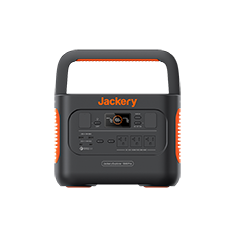
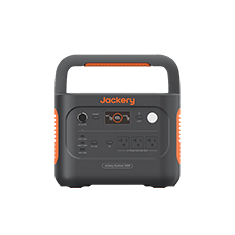
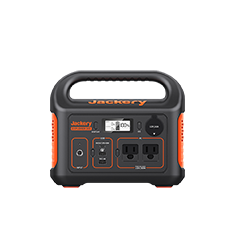
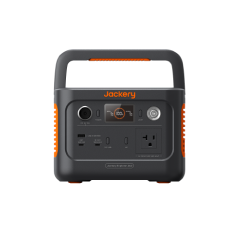
Jackery is a leading brand manufacturing solar generators, portable power stations, and solar panels for apartments, homes, and even outdoor adventures. Different Jackery Portable Power Stations stand out for different apartment use, each chosen for a different living situation, budget, and power need. Whether you are covering the basics through an overnight outage or running a portable AC unit through a Florida summer storm, there's a portable power station on this list sized for your apartment and your situation.
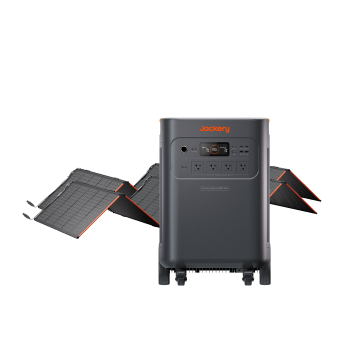
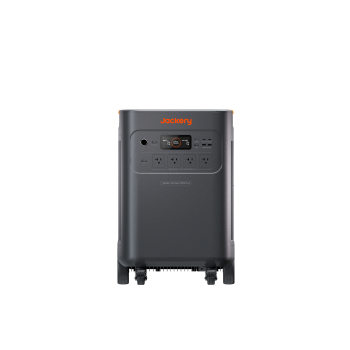
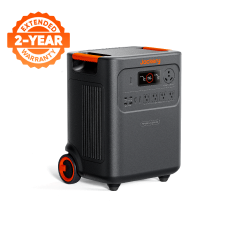
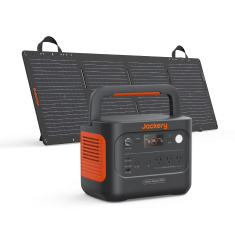
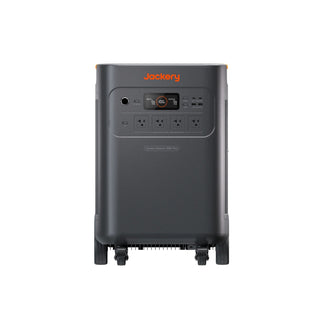
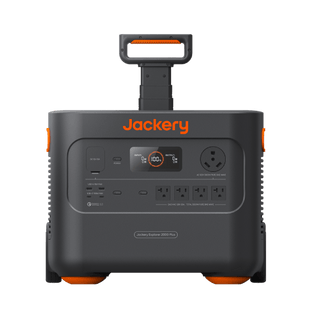
Best Overall for Apartment Backup: Jackery HomePower 3600 Plus
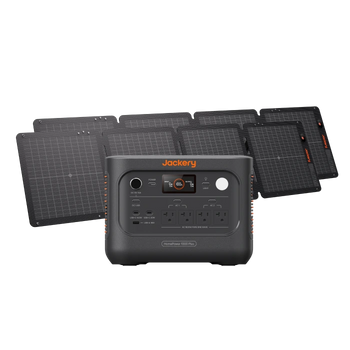
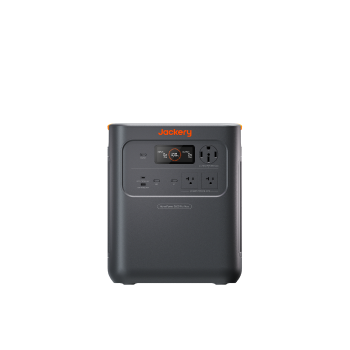
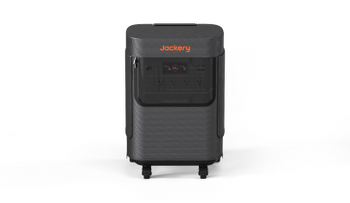
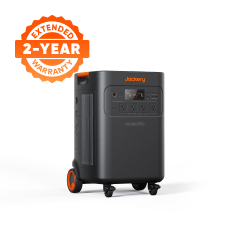
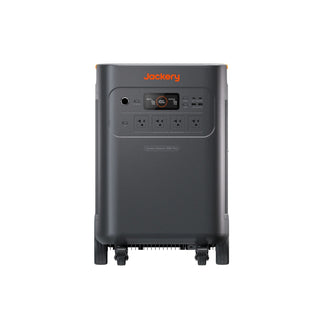
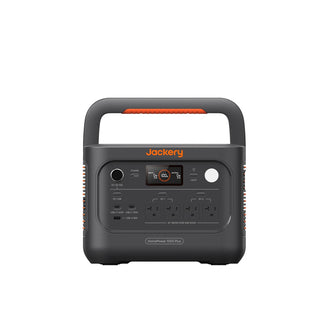
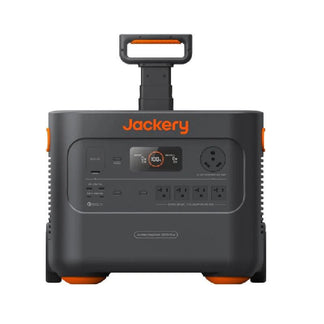
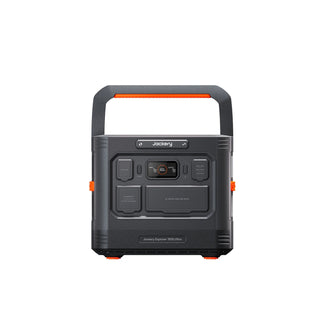
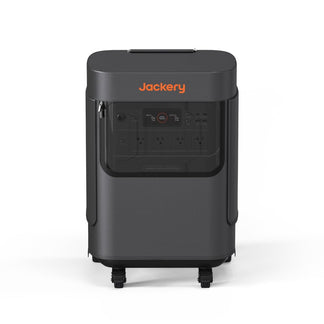
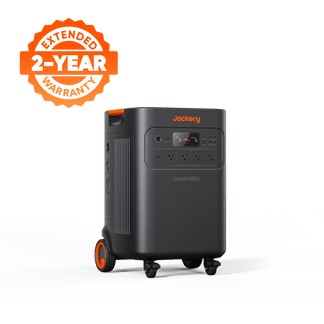
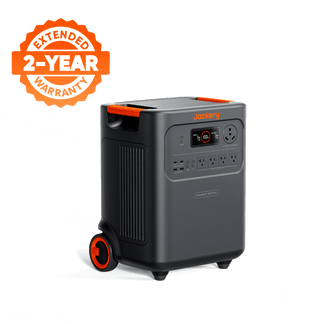
If you are an apartment dweller who wants the most comprehensive backup coverage available without a permanent installation, the Jackery HomePower 3600 Plus is the strongest all-around choice. It delivers high output and capacity, meaning it can run a refrigerator, router, lighting, laptop, and a portable AC unit simultaneously without being pushed to its limits. It's the reliable home battery backup for renters who've experienced multi-day outages and want to keep essential appliances powered. Despite the large capacity, it features a foldable handle and wheels, so you can move this apartment battery backup anywhere.
Appliances Running Time
- Refrigerator (200W) = 13.7H
- LED Lighting (20W) = 72.5H
- Portable Fan (50W) = 42.3H
- Small Portable AC Unit (1000W) = 3.0H
Who Should Buy This
If you want the most capable no-install backup solution for apartment living and need to run several appliances simultaneously during an extended outage, the Jackery HomePower 3600 Plus is the essential home backup solution that covers it all.

Customer Review
I was able to power my modest garage refrigerator along with a lamp for 14 hours, and run a 750-watt heater for 20 minutes, and still had over 75% left on the unit. My primary refrigerator will be a more significant load, being larger, but I think this will easily handle it, a couple of lamps, the TV, and possibly a microwave without trouble.
— Tom W.
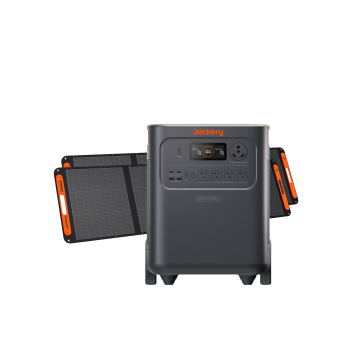
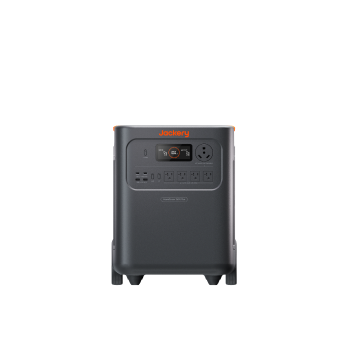
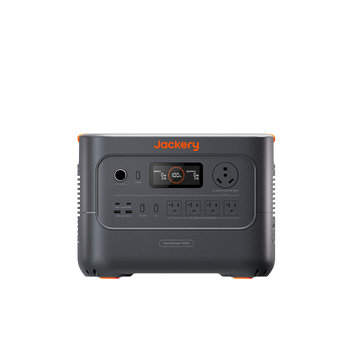
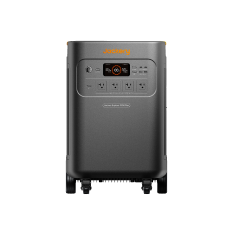
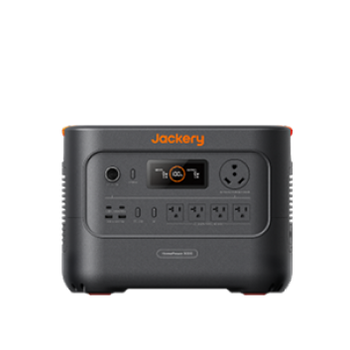
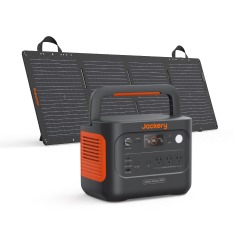
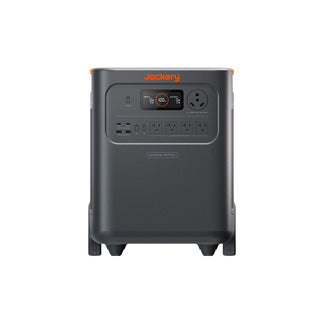
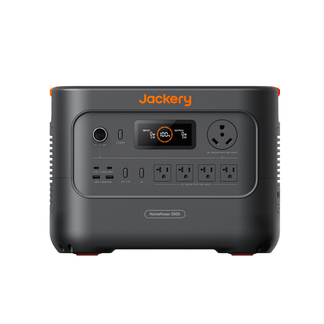
Best Lightweight Option in its Capacity Range: Jackery HomePower 3000
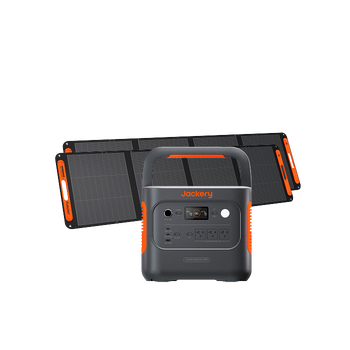
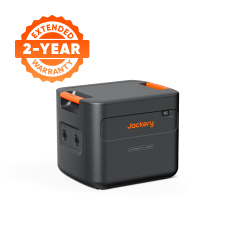
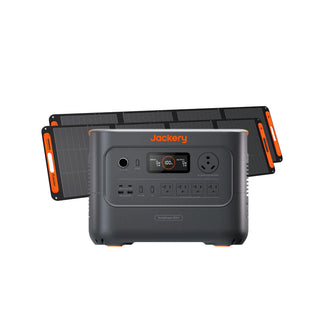
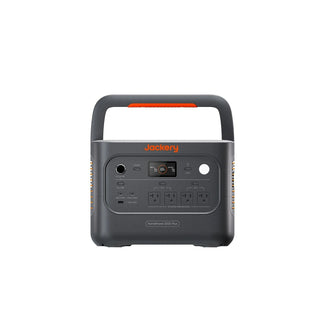
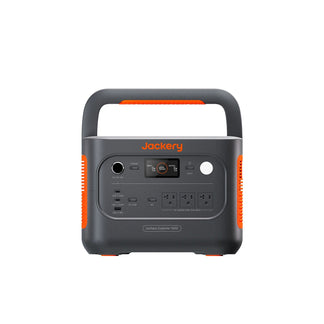
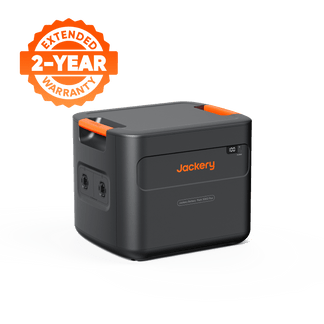
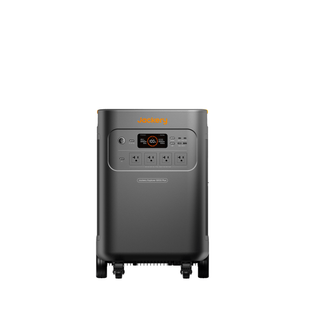
Not every apartment has room for a large power station, and not every renter wants to think about how they would move a heavy power station in an emergency. The Jackery HomePower 3000 balances strong capacity with a more manageable form factor, making it the practical choice for renters who want serious backup power without the bulk of a top-tier unit. It can run the apartment essentials comfortably and handles a portable AC unit for shorter stretches, which is enough to take the edge off a summer outage without committing to a heavier system.
Appliances Running Time
- Refrigerator (200W) = 11.8H
- LED Lighting (20W) = 62.2H
- Portable Fan (50W) = 36.3H
- Small Portable AC Unit (1000W) = 2.6H
Who Should Buy This
If you want reliable apartment backup power with enough capacity to cover your essentials through a full day's outage, but you need something lighter and easier to store than a top-tier unit, the Jackery HomePower 3000 is the right balance.

Customer Review
Powers our full-size Samsung fridge for 24 hours. Charges very fast from mains power. Looking forward to adding enough solar capacity to charge it.
— John V.
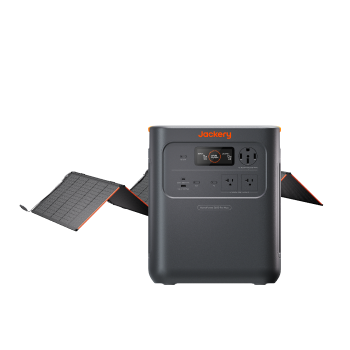
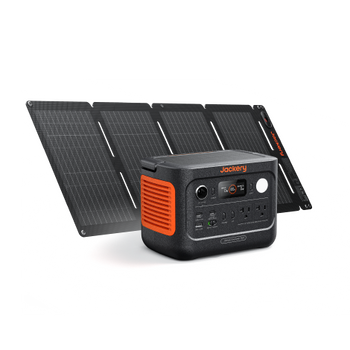
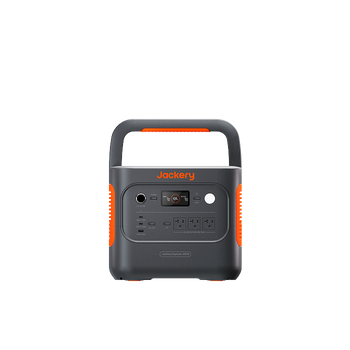
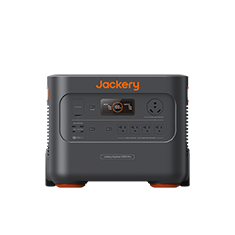
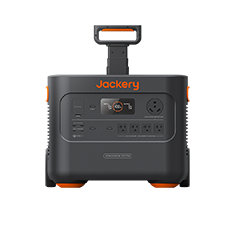
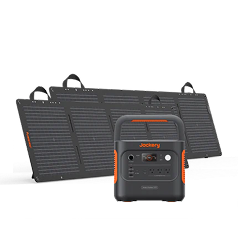
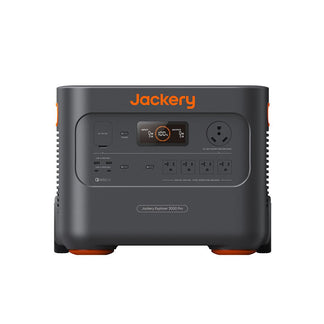
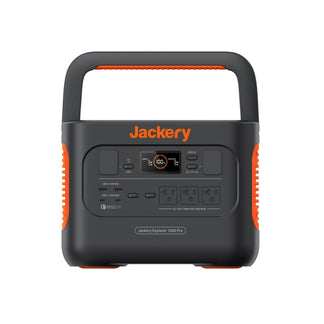
Best for Apartment and Balcony Solar: Jackery Explorer 2000 Plus
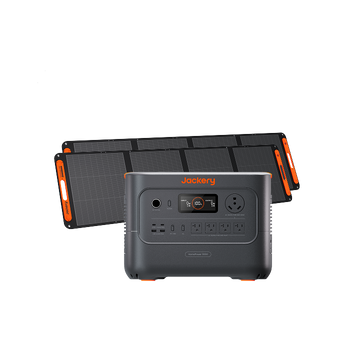
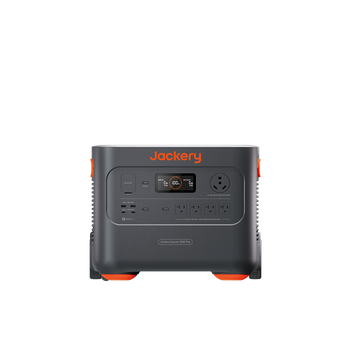
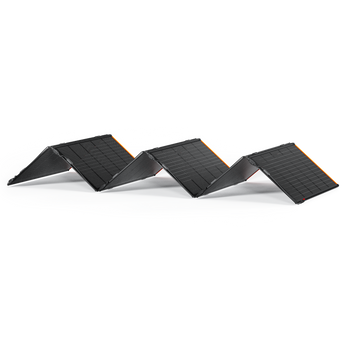
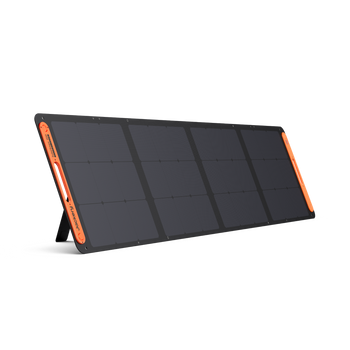
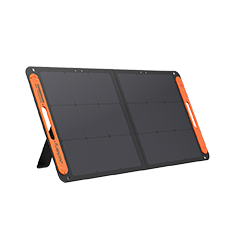
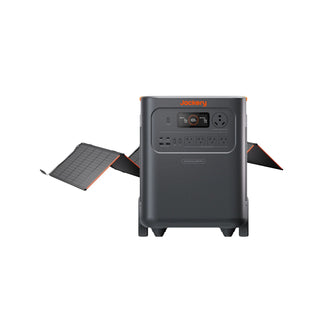
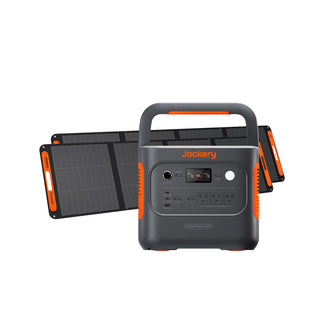
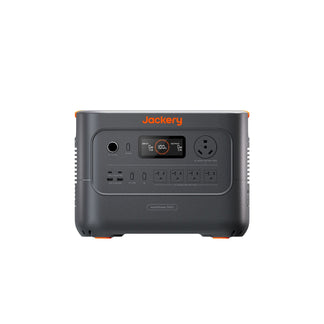
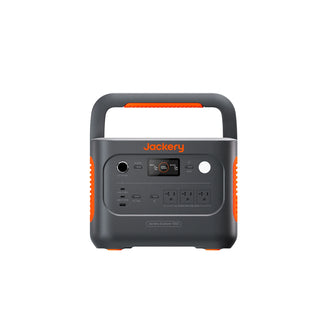
One of the underrated advantages of apartment living for backup power is the balcony, and the Jackery Explorer 2000 Plus is built to take advantage of it. Its high solar input means a set of portable solar panels on a south-facing balcony can meaningfully recharge the power station during the day, extending your coverage through multi-day outages without relying solely on AC charging. For renters in sun-rich states like Florida, Texas, California, and Arizona, balcony solar turns a standard backup unit into a genuinely self-sustaining power system.
Appliances Running Time
- Refrigerator (200W) = 7.7H
- LED Lighting (20W) = 44.1H
- Portable Fan (50W) = 24.6H
- Small Portable AC Unit (1000W) = 1.6H
Who Should Buy This
If you have a south-facing balcony and want a backup power system that can recharge itself during a multi-day outage using portable solar panels, the Jackery Explorer 2000 Plus is the apartment setup built for that.

Customer Review
I have one 300 J, two 1000 J, and two 2000 plus kits. I have not had to use the 2000 yet for a long extended time. I am ready for an electrical failure. That’s a good piece of mind. Thank you, Jackery.
— Anonymous.
Appliances Running Time
- Refrigerator (200W) = 7.7H
- LED Lighting (20W) = 44.1H
- Portable Fan (50W) = 24.6H
- Small Portable AC Unit (1000W) = 1.6H
Who Should Buy This
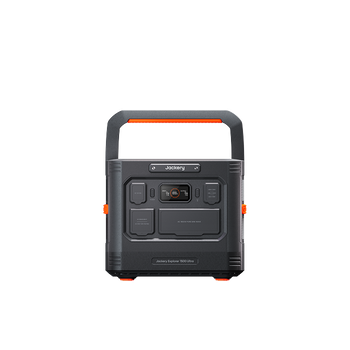
If you or someone in your household relies on an essential device that cannot afford an interruption during an outage, the Jackery Explorer 2000 v2 provides the reliability and runtime to keep it running.

Customer Review
This Jackery solar generator is really nice and compact! It supplies plenty of power and lasts really longer than I expected! The solar panels are made really well and are easy to set up! They produce a really good fast charge! The unit and the App are very easy to use, and there are good instructions to help you set up and use the unit!
— Gim M.
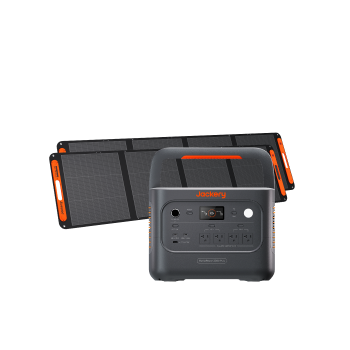
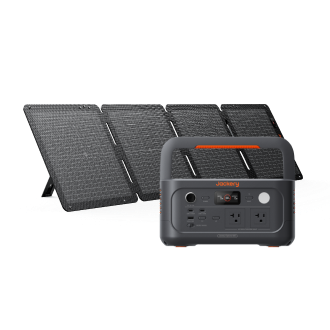
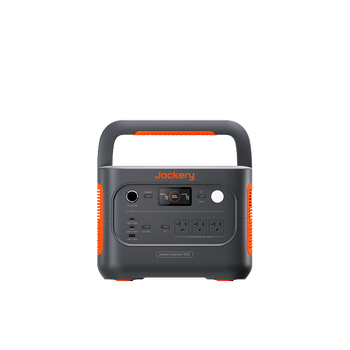
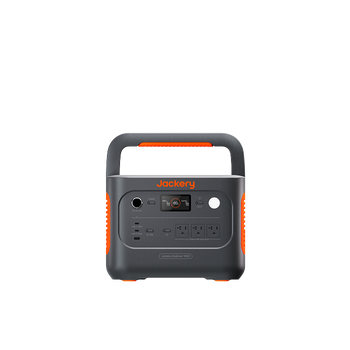
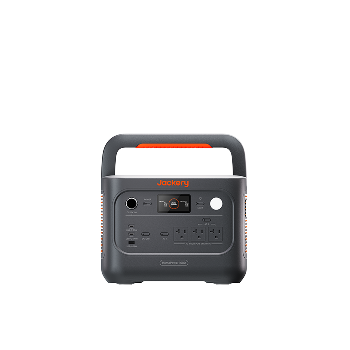
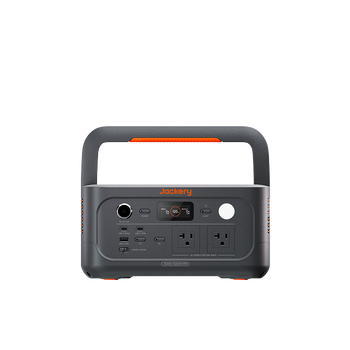
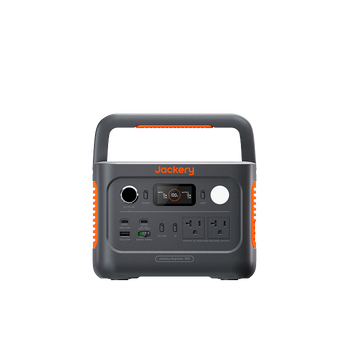
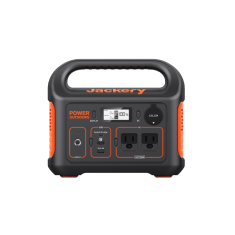
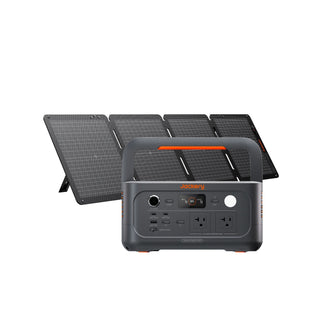
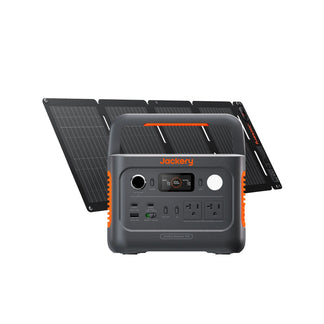
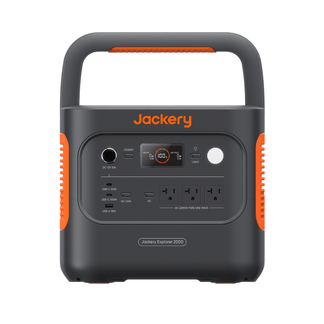
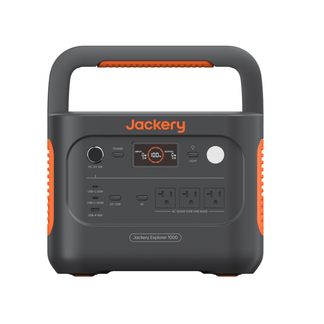
Best Budget Pick for Apartments: Jackery Explorer 1000 v2
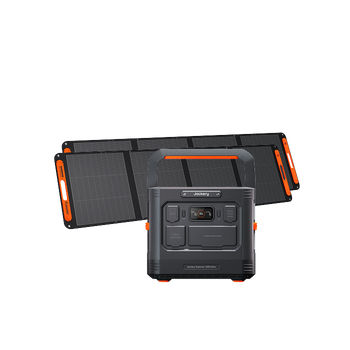
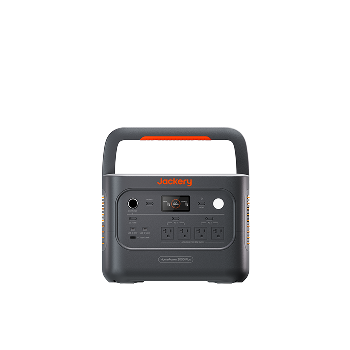
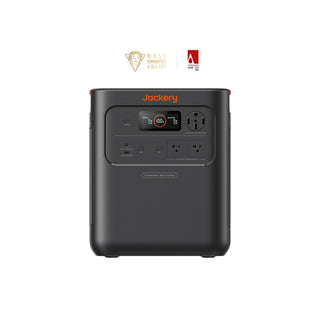
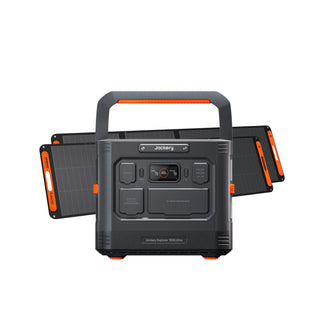
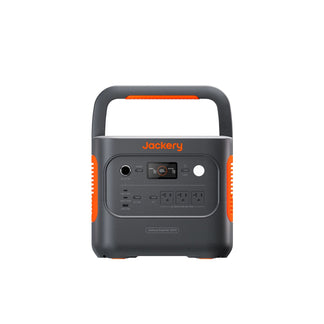
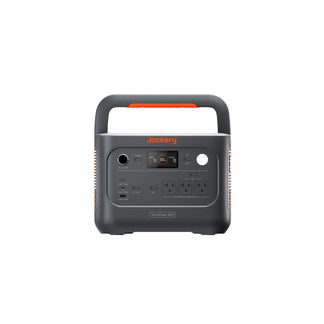
For apartment dwellers who want a reliable, affordable backup unit that covers the home essentials, such as phone charging, router, lighting, and a laptop through a standard overnight outage, the Jackery Explorer 1000 v2 is the smartest entry point. It's lightweight enough to store in a closet and carry to any room, simple enough to use without a setup process, and priced low enough to be genuinely accessible for renters on a budget. It features a foldable handle for easy transportation around the home and even to outdoor locations.
Appliances Running Time
- Refrigerator (200W) = 4.1H
- LED Lighting (20W) = 25.1H
- Portable Fan (50W) = 13.5H
- Small Portable AC Unit (1000W) = 0.9H
Who Should Buy This
If you're looking for your first backup power unit, working within a tighter budget, or simply need to cover the basics through a standard outage without paying for capacity you won't use, the Jackery Explorer 1000 v2 is the right starting point.

Customer Review
The backup power supplies (Jackery 1000 v2) are doing the job well so far. Thankfully, we haven’t lost power yet, but I let them power the fridge and freezer for a handful of cycles, and they worked. When I disconnected from the grid power, the backups maintained power flawlessly.
— Anonymous.
How Should You Store and Use a Power Station Safely Inside an Apartment?
A portable power station is one of the safest backup power options available for indoor use, but like any battery-based device, it performs best and lasts longest when stored and used correctly. Here are the ideal storage conditions that apartment dwellers specifically need to know:
Temperature: Store the power station between 32°F (0°C) and 95°F (35°C). Avoid leaving a power station in a hot car, near a heating vent, or in a space that gets direct summer sun for extended periods.
Humidity: Keep the power station in a dry environment. Excessive moisture can affect battery performance and longevity over time.
Direct Sunlight: Avoid placing the battery backup in direct sunlight for extended periods, as this can unnecessarily raise its internal temperature.
Charge Level for Storage: If storing long-term without regular use, keep the battery at around 50–80% charge rather than fully charged or fully depleted.
Where to Keep a Power Station in Your Apartment?
The best spots are practical and accessible, such as a closet near an outlet, which works well for day-to-day storage. Keeping it under a desk or beside a bookshelf keeps it within reach without dominating floor space. Avoid storing it in a sealed box, a hot laundry room, or directly against a wall with poor air circulation. During an active outage, move it to a central location where you can connect multiple devices without running long extension cords across the apartment.
What to Do During a Power Outage?
When the grid goes down, connect your highest-priority devices first, such as the router, and the refrigerator. Avoid running everything simultaneously if it pushes the power station close to its output limit. Keep the battery in a ventilated area with reasonable airflow, away from curtains or soft furnishings. Check the display periodically to monitor remaining capacity and prioritize accordingly.
What are the Apartment-Friendly Charging Habits?
For regular use, charge the power station fully after each use and store it at 50–80% if it will sit unused for more than a few weeks. Most modern LiFePO4 power stations handle regular charge cycles well, but avoiding consistently running the battery to zero and then charging to 100% extends overall cycle life.
FAQs
Can a portable power station be used indoors?
Yes, portable power stations can be used indoors. In fact, it's one of the key advantages portable power stations have over gas generators. Portable power stations produce zero emissions and operate silently, making them completely safe to use inside an apartment, bedroom, or any enclosed space. LiFePO4 power stations, like those in the Jackery lineup, are also thermally stable, adding an extra layer of safety for indoor use.
Can I use a generator if I live in an apartment?
No, you should not use a gas generator inside closed spaces like an apartment. Running a gas generator indoors or in any enclosed space creates a serious carbon monoxide risk that can be fatal within minutes. Beyond the safety issue, most apartment lease agreements explicitly prohibit gas generators and fuel storage on the premises, and building rules typically enforce this regardless of whether your lease mentions it specifically. A portable power station is the safe, legal, and landlord-friendly alternative.
What size generator will run an apartment?
For a portable power station covering apartment essentials, a 1,000–2,000Wh unit handles most standard overnight outages. It covers a refrigerator, router, phone, and laptop charging, and lighting simultaneously. If you need to run a portable AC unit, you can step up to 2,000Wh or higher.
Should I get a portable or a standby generator?
For apartment renters, a standby generator isn't an option because it requires permanent installation and direct connection to your home's electrical panel, neither of which is permitted in a rental. A portable power station is the practical equivalent for apartment living that does not require installation, landlord permission, fuel storage, or emit noise. For homeowners weighing the two, standby generators offer higher continuous output for whole-home coverage, but portable power stations are cleaner, quieter, and more flexible for most standard outage scenarios.
Conclusion
Apartment living used to mean accepting that backup power simply wasn't an option. No backyard for a generator, no fuel storage permitted, no lease allowance for modifications. That limitation no longer holds. Portable power stations for apartments have made reliable, safe, silent backup power accessible to every renter, regardless of building rules, lease restrictions, or the size of your living space. Jackery Solar Generators are ideal home battery backup solutions that can handle basics for overnight coverage with a fridge and even run portable AC units or cover extended multi-day outages.


