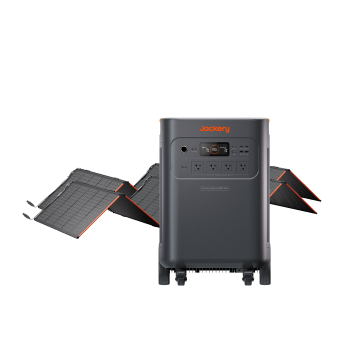
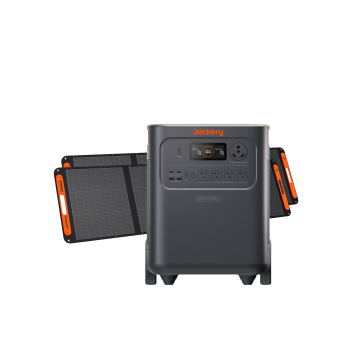
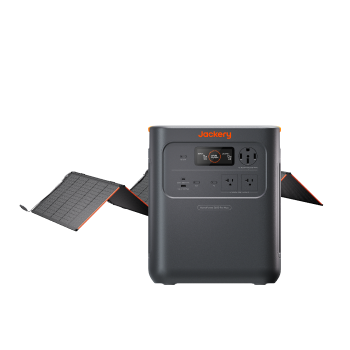
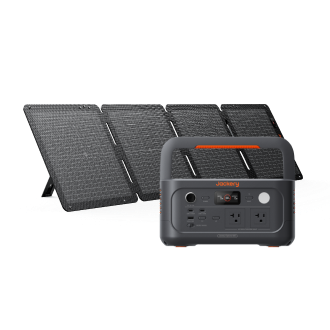
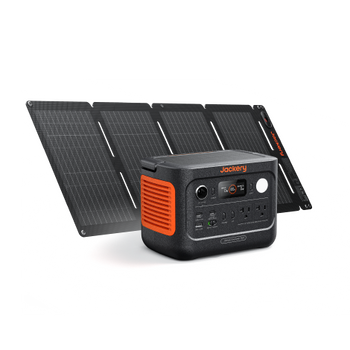
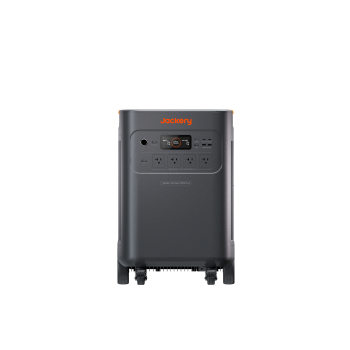
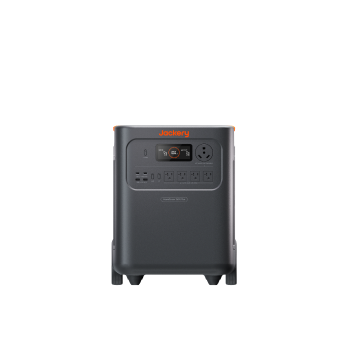
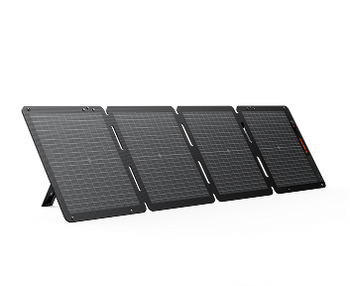
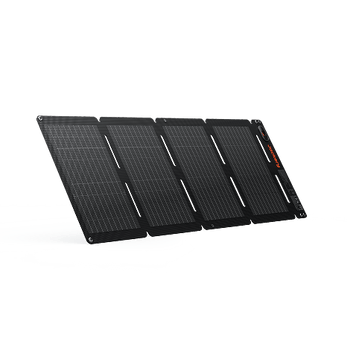






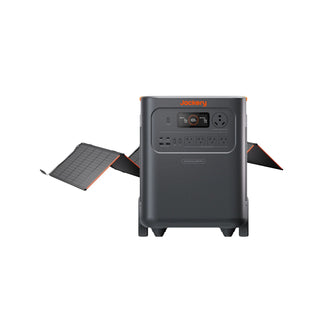
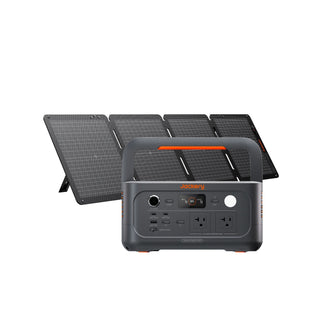
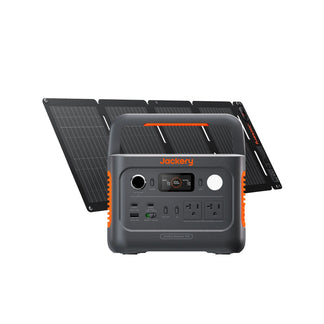
![[Add-on] Jackery SolarSaga 500 X - Jackery](http://www.jackery.com/cdn/shop/files/add-on-jackery-solarsaga-500-x-1493607.webp?v=1786503068&width=324)
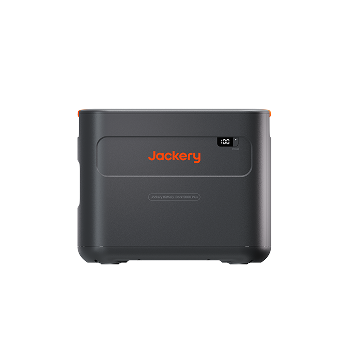
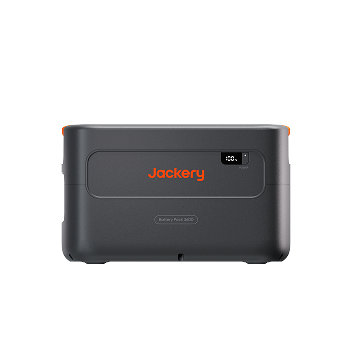
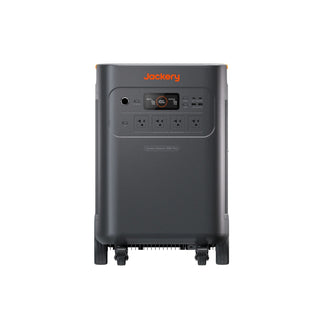
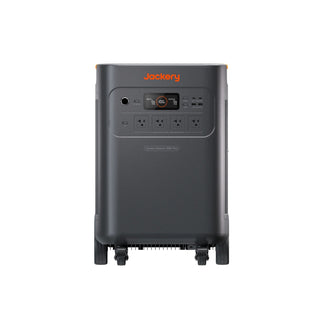
![[Add-on] Jackery Battery Pack 5000 Plus - Jackery](http://www.jackery.com/cdn/shop/files/add-on-jackery-battery-pack-5000-plus-6713401.webp?v=1786503068&width=324)




![[Add - on] SolarSaga 200W - Jackery](http://www.jackery.com/cdn/shop/files/add-on-solarsaga-200w-4834329.png?v=1754016915&width=324)


Kurzantwort: A compressor portable refrigerator cools to 0°F even in 100°F heat, while a thermoelectric cooler only drops ~40°F below ambient — useless for keeping food safe in summer. For a couple’s weekend, choose 35–45L; a family of four needs 55–65L. Off‑grid, a 60W fridge draws 420–600 Wh daily, so pair it with a portable power station like the Jackery Explorer 2000 v2 and a 200W solar setup to run indefinitely without draining your car battery.
Das Wichtigste auf einen Blick:
- Compressor fridges are the only safe choice for camping in hot weather — thermoelectric units can’t hold food below 40°F once the outside temperature passes 80°F.
- A 35–45L unit serves two people for a weekend; families need 55–65L for 3–5 days with fresh and frozen items.
- Daily power draw for a 40–60L fridge is 420–600 Wh (35–50 Ah at 12V), so a power station with at least 1.5× that capacity covers cloudy days.
- Dual-zone fridges give you a freezer and fridge but sacrifice 15–20% of usable space; single-zone maximizes capacity when you only need one temperature.
- Pre‑chill your food and keep the fridge out of direct sun — these two habits cut energy consumption by 15–30%, stretching your battery runtime.
How do compressor and thermoelectric portable refrigerators compare?
Compressor refrigerators actively pump heat out and maintain 0°F inside even at 100°F outside, while thermoelectric coolers can only create a fixed ~40°F temperature difference below ambient — making them unsafe for food on hot days.
Feature |
Compressor Refrigerator |
Thermoelectric Cooler |
Cooling technology |
Motor‑driven refrigerant cycle (like a kitchen fridge) |
Peltier chip (solid‑state heat pump) |
Temperature control |
Can freeze (0°F) and maintain any set point; safe at 100°F outside |
~40°F below ambient; at 90°F outside interior ≈50°F (bacterial danger zone); unsafe overnight or for raw food |
Power consumption (12V DC) |
35–50 Ah/day (420–600 Wh); cycles on/off, efficient |
4–8 A continuously (96–192 Ah/day); delivers weaker cooling |
Efficiency |
Far more efficient per degree of cooling |
Less efficient overall |
Food safety & storage |
Safe for days; can freeze meat, store dairy, keep vegetables crisp |
Only safe for pre‑chilled drinks on a day trip |
Best application |
Camping, travel, multi‑day off‑grid |
Tailgate parties, short trips |
For camping and travel, compressor refrigerators are the only practical choice. Thermoelectric coolers belong at a tailgate party, not a multi‑day trip.
What size portable refrigerator do I need for camping?
Size depends on three things: how many people, how many days, and whether you need a freezer.
- Solo camper, 2–3 days: 15–25L. Enough for drinks, sandwiches, and a few snacks. No frozen items.
- Couple, weekend trip: 35–45L. Fits fresh produce, dairy, drinks, and a small frozen section for meat or ice cream.
- Family of 3–4, 3–5 days: 55–65L. Holds lunch meat, leftovers, frozen meals, and beverages for a whole trip without resupply.
- Large groups or week‑long expeditions: 75L+. Be aware that larger units consume more power and eat up vehicle cargo space.
Internal dimensions matter as much as total volume. Check that the interior height fits a 2‑liter soda bottle standing upright (typically 10–12 inches) or a gallon jug. Some 40L fridges have awkwardly shallow baskets that force you to lay bottles flat, wasting space.
A practical rule: if you’re unsure between two sizes, go one size up. A slightly larger fridge running half‑empty uses only marginally more power than a stuffed smaller one, but you won’t run out of cold storage.
What features matter most in a portable refrigerator?
Not all compressor fridges are built equal. Three features separate a reliable unit from a battery‑draining disappointment.
- Compressor quality and control logic: The compressor is the heart of the unit. Look for a model with a proven compressor brand and a smart thermostat that modulates speed instead of simply banging on/off. A variable‑speed compressor reduces power spikes and runs quieter — 30–45 dB at night, about the volume of a quiet conversation.
- Insulation thickness: Thick, dense insulation keeps cold in and cuts compressor runtime. Cheap fridges use thin walls; they cycle more often and lose cold air faster when you open the lid. Check the wall thickness in the specs — 50 mm or more is a good sign.
- Chest‑style form factor: Cold air sinks. When you open a chest‑style fridge, the cold air stays in the box. A vertical or front‑opening unit dumps its cold air every time you open the door, forcing the compressor to work harder. For campsite use where you’re in and out all day, a chest is far more efficient.
- Lid design: Flexible lids that open from either side or are fully removable make access easier in a packed vehicle. A latch that seals firmly but doesn’t require two hands is a small detail that matters every time you reach for a drink.
- Warranty: A 5‑year compressor warranty signals the manufacturer expects the unit to last. Budget models often offer only 1–2 years.
How do I power a portable refrigerator off‑grid?
A compressor fridge needs steady 12V DC power. You have three realistic options.
- 12V DC from your vehicle battery: This works while driving, but it’s risky when parked. A fridge can drain a starter battery below the voltage needed to crank the engine. Install a low‑voltage cutoff or, better, use a portable power station as a buffer.
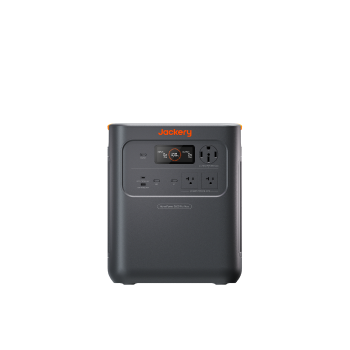
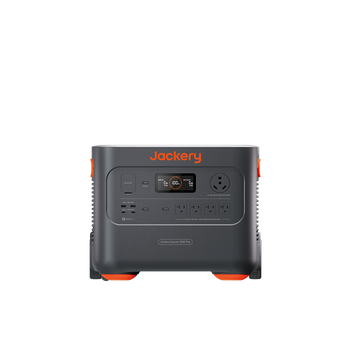
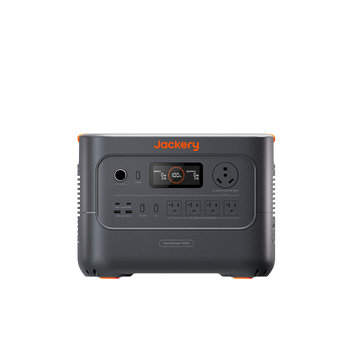
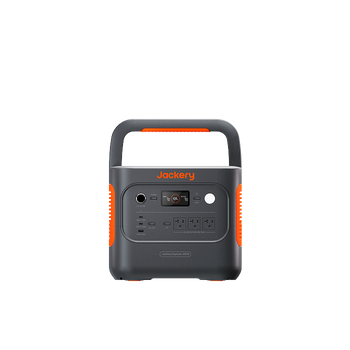
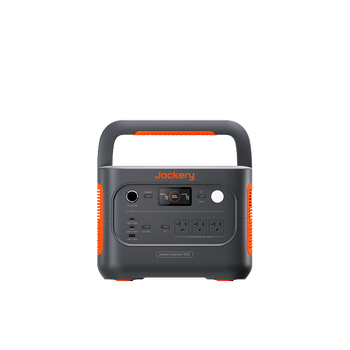
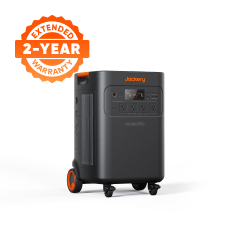
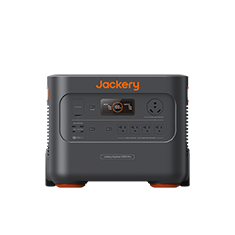
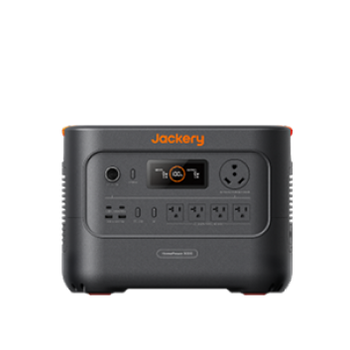
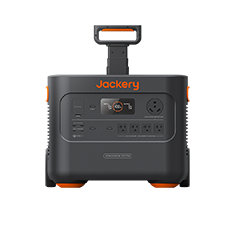
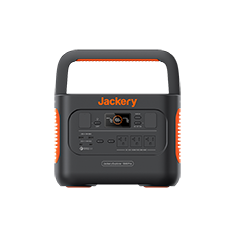
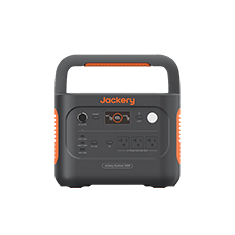
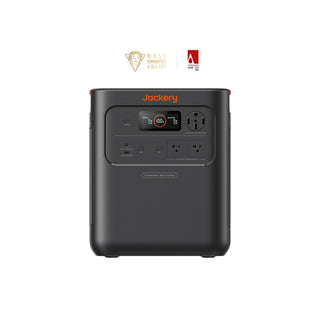
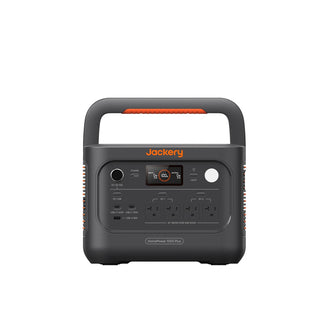
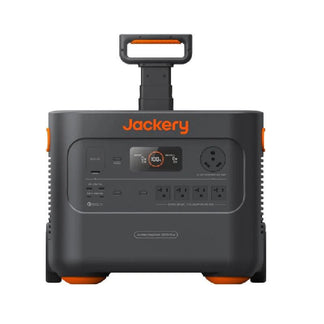
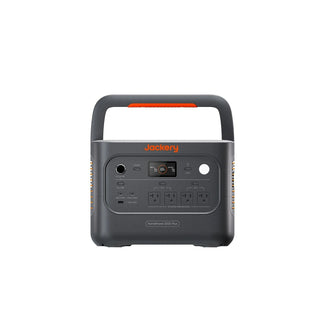
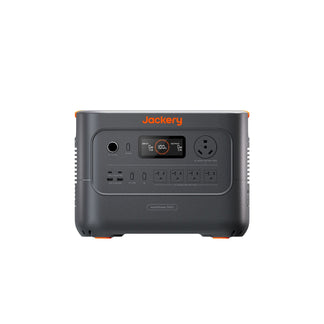
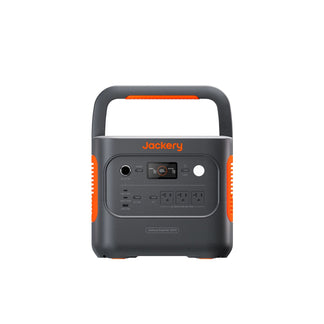
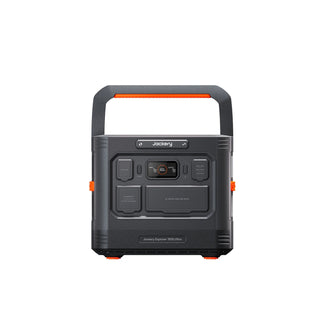
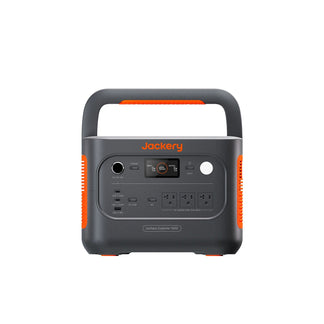
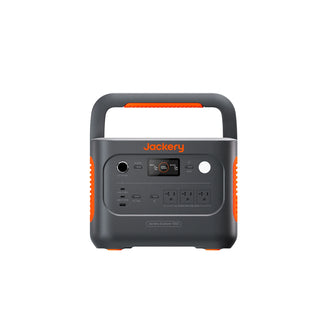
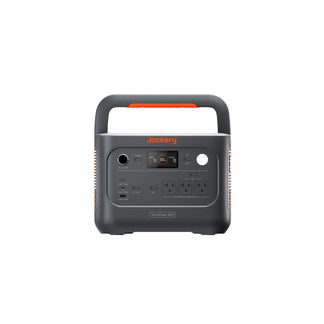
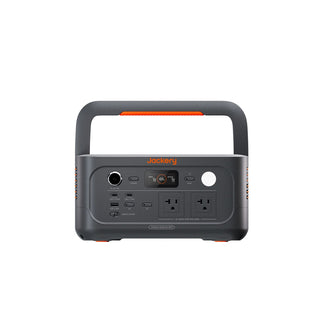
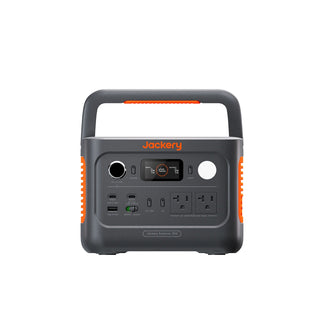
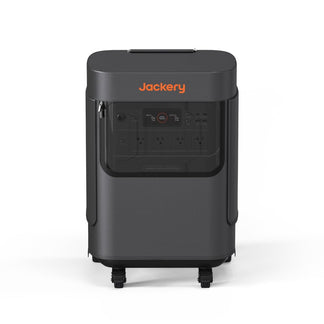
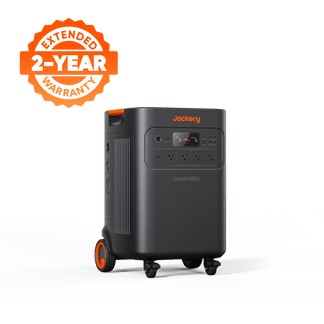
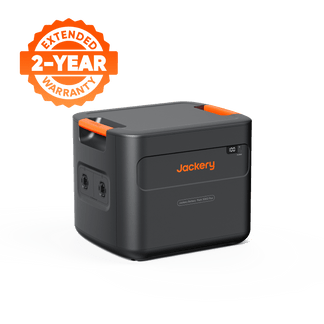
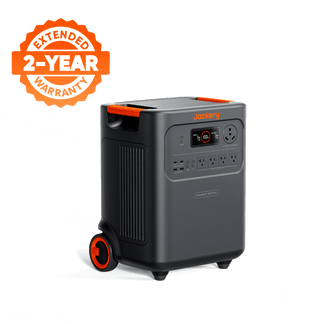
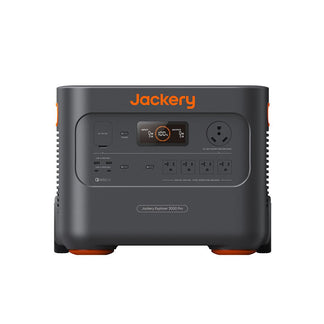
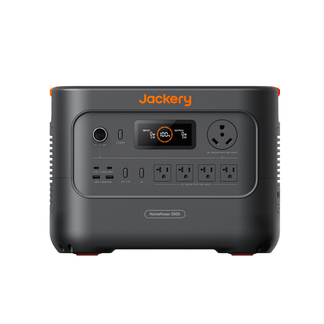
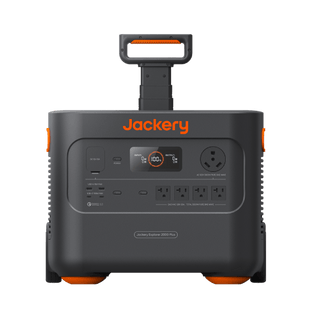
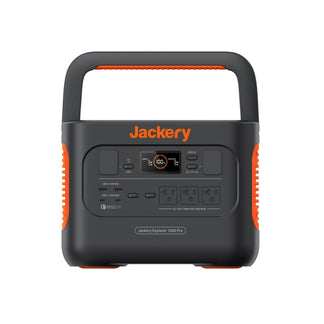
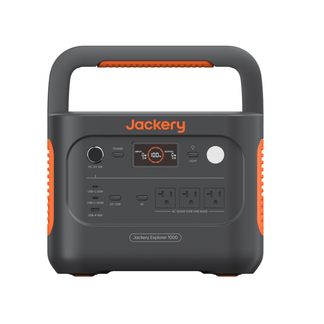
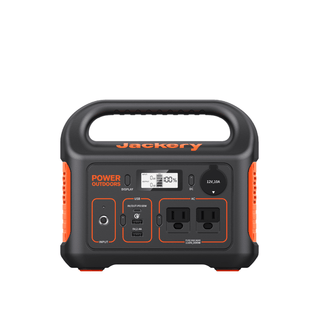
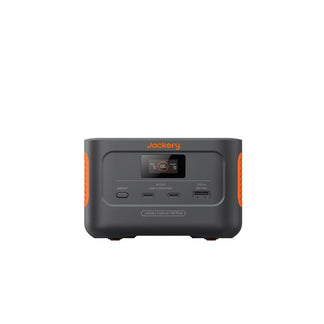
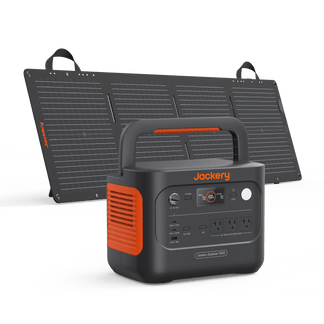
- Portable power station: A lithium‑iron‑phosphate (LiFePO4) power station like the Jackery Explorer 2000 v2 or Jackery Explorer 1000 v2 provides clean, regulated 12V DC output and enough capacity to run a fridge for days without touching your car battery. The Explorer 2000 v2 holds 2,042 Wh — that’s 3–5 days of runtime for a 60W fridge, depending on ambient temperature. The Explorer 1000 v2, with 1,070 Wh, covers a weekend for a 40–50L unit.
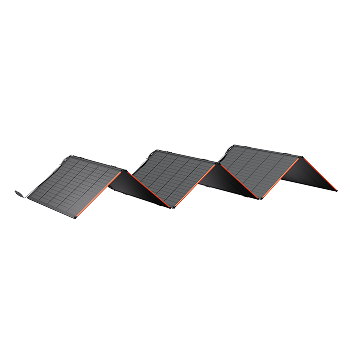
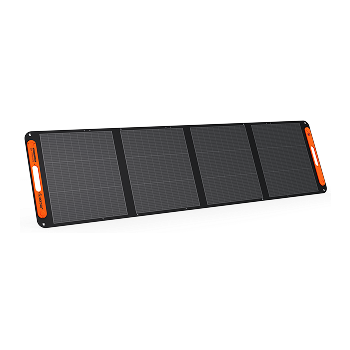
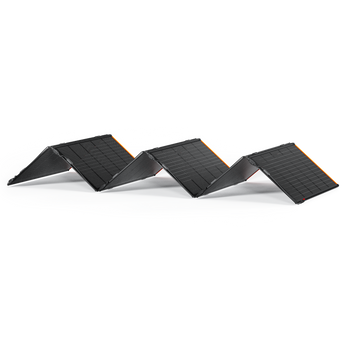
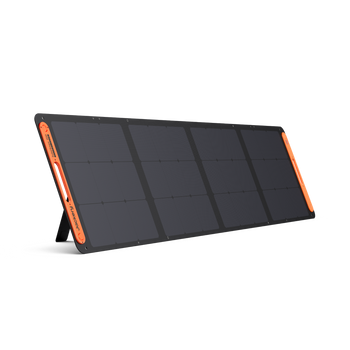
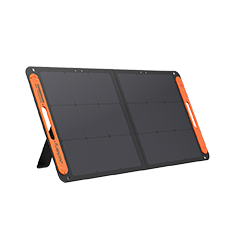
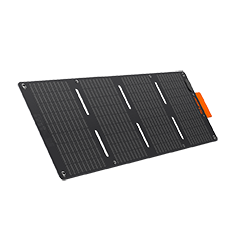
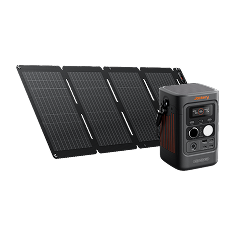
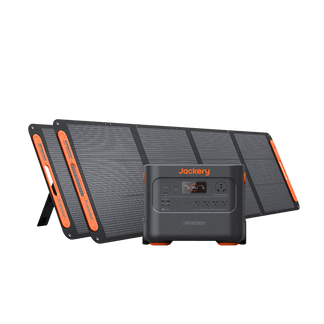
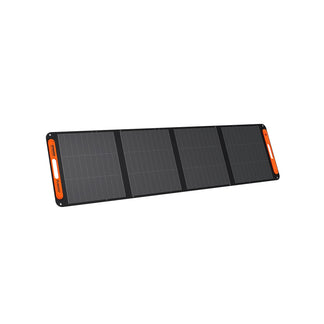
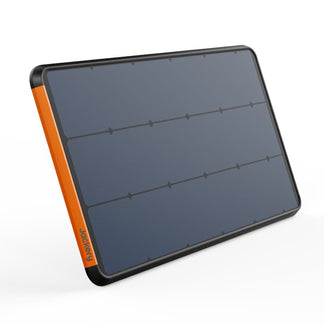
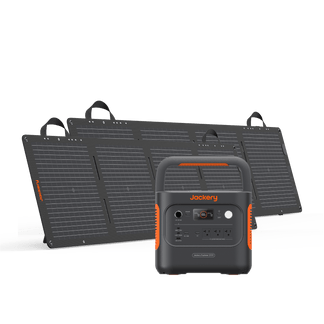
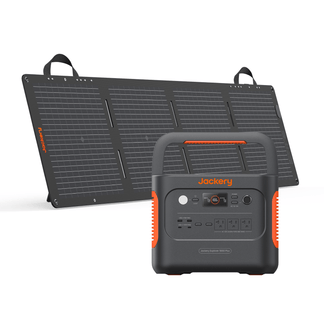
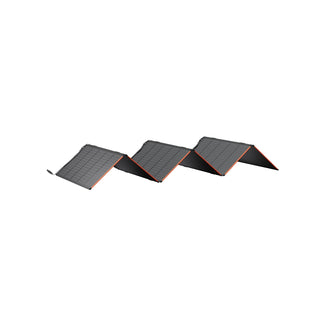
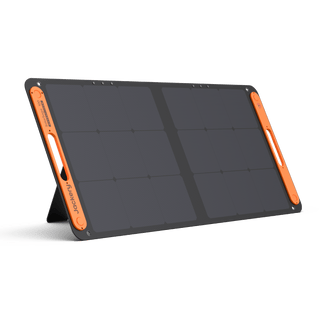
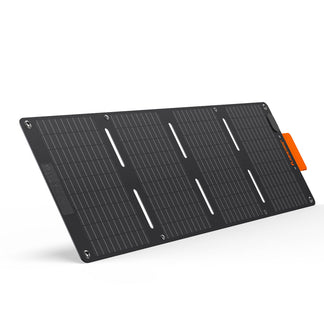
- Solar recharging: Pair a power station with a 200W solar setup, and you can run the fridge indefinitely. In full sun, a 200W panel array delivers about 800–1,200 Wh per day, matching or exceeding the fridge’s daily consumption. The solar generator setup — power station plus panels — becomes a self‑sustaining off‑grid cooling system.
Battery capacity rule: Your power station should have at least 1.5× the fridge’s daily Wh draw. This covers cloudy days, higher‑than‑expected consumption in heat, and the fact that you shouldn’t discharge a battery to zero. For a 500 Wh daily draw, target at least 750 Wh of usable capacity. When in doubt, calculate your exact needs before buying.
Should I get a single‑zone or dual‑zone portable refrigerator?
The choice comes down to whether you need a freezer.
Single‑zone models dedicate the entire interior volume to one temperature. They maximize storage for all‑cold or all‑frozen items. If you only need drinks, deli meat, and vegetables at 36°F, a single‑zone 45L unit gives you a full 45L of usable space.
Dual‑zone fridges split the interior into two compartments with independent temperature control — typically a freezer (0°F–10°F) and a fridge (34°F–40°F). They let you carry ice cream and fresh lettuce in the same box. The trade‑off: the divider and separate evaporators eat about 15–20% of the total volume. A 60L dual‑zone fridge effectively stores around 50L of food.
Use Case |
Recommended Zone Type |
Example Size |
Weekend couple trip, only cold drinks and snacks |
Single‑zone |
35–45L |
Family trip with frozen meat and fresh produce |
Dual‑zone |
55–65L |
Beach weekend with ice cream and chilled drinks |
Dual‑zone |
45–55L |
Maximum capacity in a small vehicle, no freezer needed |
Single‑zone |
50–60L |
Long‑term overlanding requiring both frozen and fresh |
Dual‑zone |
75L+ |
Dual‑zone wins when you need a freezer. Single‑zone wins when you don’t — you get more usable space for the same exterior footprint and a simpler, often more reliable, system.
How do I maximize runtime and efficiency with my portable refrigerator?
Small habits cut energy consumption by 15–30%. That’s the difference between a dead battery on day three and cold food on day five.
- Pre‑cool everything before loading: Putting warm drinks or room‑temperature meat into the fridge forces the compressor to run non‑stop for hours. Chill food in your home refrigerator overnight, then transfer it to the portable unit right before departure. The compressor only has to maintain temperature, not fight thermal mass.
- Set the thermostat to 36–38°F, not max cold: Every 5°F lower inside temperature increases energy consumption by roughly 15–20%. You don’t need 28°F for fresh food; 36–38°F keeps everything safe and uses noticeably less power.
- Minimize lid opens: Each time you open the lid, cold air spills out and warm air rushes in. The compressor then runs a full cycle to recover — adding 2–5 Wh per open. Organize the interior so you can grab what you need in seconds, not minutes. Use baskets or dividers to separate frequent‑access items.
- Park in shade and insulate the fridge: Direct sun on the fridge body raises the internal temperature dramatically. A fridge in full sun can draw 50% more power than one in shade. Use a reflective cover or simply move the unit to the shaded side of your vehicle.
- Monitor real‑time power draw: The Jackery Explorer 2000 v2 and Explorer 1000 v2 display live wattage. Check the display a few times on your first trip to understand how your fridge behaves in different conditions. You’ll quickly learn which habits waste energy and which save it.
Limitations / What to Know Before Buying
Even a good portable refrigerator has trade‑offs. Know them before you spend $400–$1,200.
- Build quality varies widely: Budget fridges often use thinner insulation and cheaper compressors. They draw more power, run louder, and fail earlier. A $300 unit might cost you more in extra battery capacity and replacement than a $700 unit that lasts 10 years.
- Chest‑style is more efficient, but harder to organize: Chest fridges are the right choice for energy efficiency, but they require digging to reach items at the bottom. Vertical fridges offer easier access but lose cold air with every door open. For frequent access at a campsite, a chest with internal baskets is the best compromise.
- Power consumption spikes in hot weather: A fridge rated at 500 Wh/day in 70°F ambient may draw 750 Wh/day in 100°F heat. Size your battery for the worst case, not the average. And never place the fridge in direct sun — that’s the fastest way to kill your battery.
- Pest intrusion is a real problem: Unsealed holes in RV floors or trailer vents let rodents chew through fridge wiring. Inspect and seal all gaps before installation. A $10 tube of sealant can prevent a $300 repair.
- Not ideal for heavy freezing: Most portable fridges have a small freezer compartment that holds a few pounds of meat. If you need to freeze a week’s worth of food, consider a dedicated portable freezer or a large dual‑zone unit — and expect it to draw 800–1,200 Wh per day.
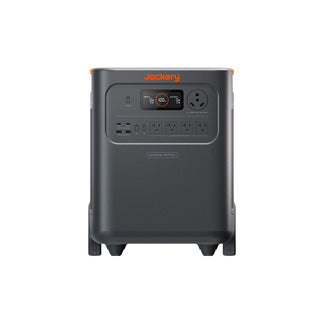
Product Recommendation: Jackery Portable Power Solutions
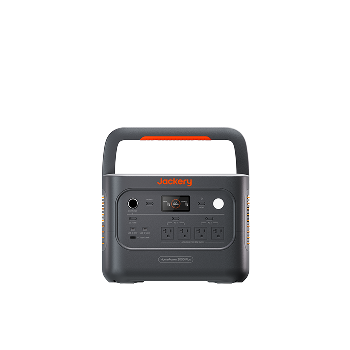
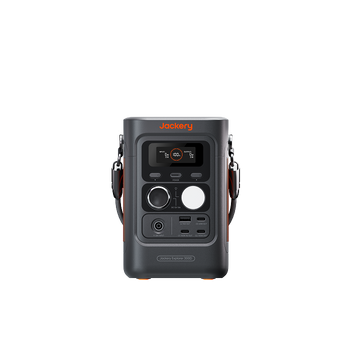
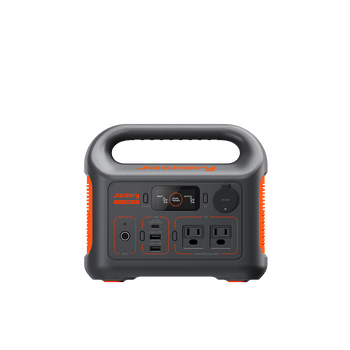
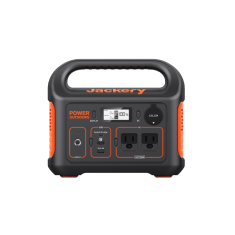
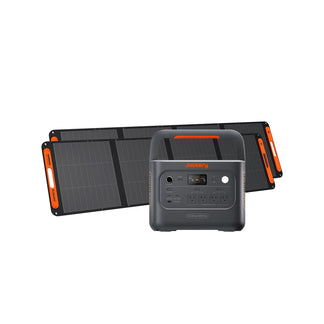
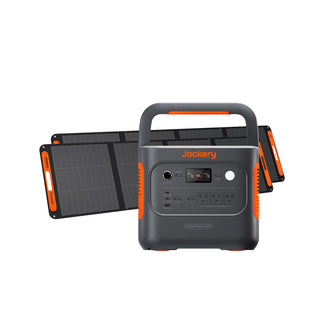
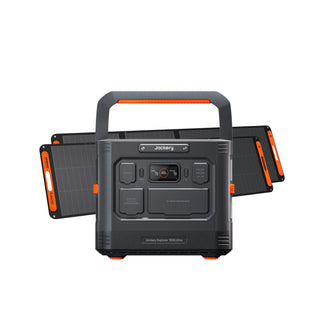
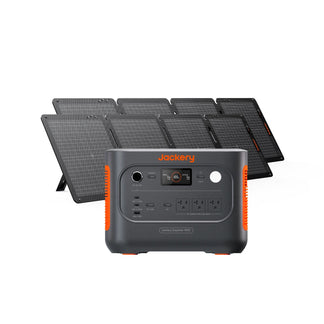
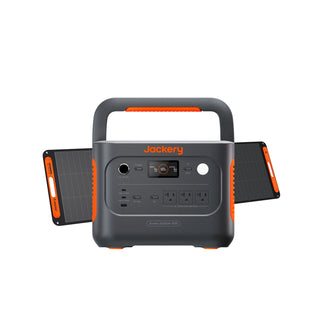
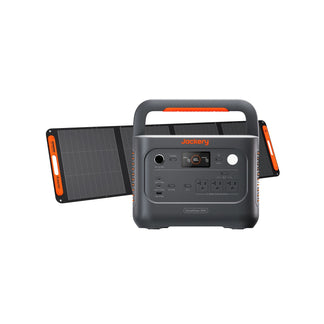
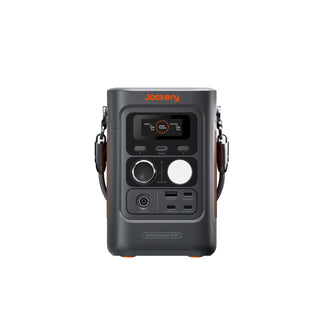
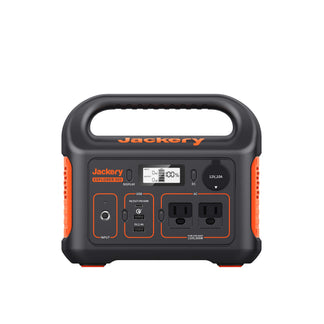
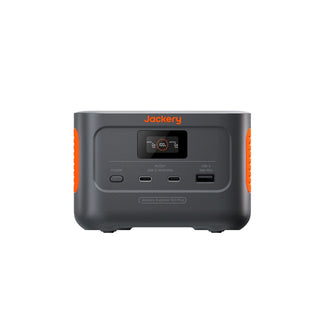
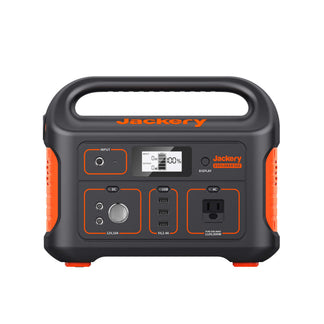
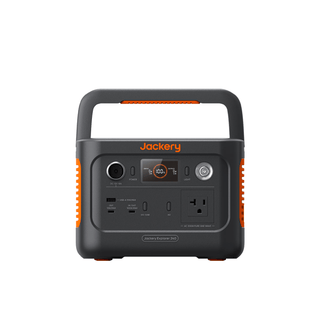
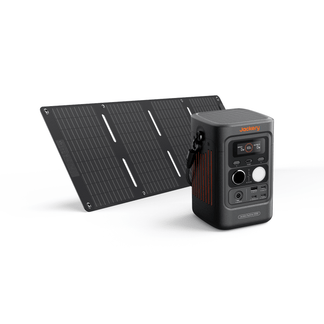
A compressor fridge is only as good as the power behind it. Jackery’s Explorer power stations and SolarSaga panels are built to keep your food cold for days without a generator or shore power.
Criteria for a fridge power station: match battery capacity to daily fridge draw, ensure 12V DC output, and plan for solar recharging on extended trips. For a 60W fridge drawing 500 Wh/day, you want at least 750 Wh of capacity and a solar panel that can replenish that amount in a few hours of sun.
Ideal for: campers, RVers, and overlanders who need reliable off‑grid power for a compressor fridge without draining a vehicle battery.
Not ideal for: users needing essential home backup for multiple large appliances, or those with 12V fridge systems drawing over 100W continuously — in that case, a larger stationary system is more appropriate. Learn how to size a home backup system separately.
Product Bundle |
Best For |
Key Specs |
Jackery Solar Generator 1000 v2 (Explorer 1000 v2 + 2x SolarSaga 100W) |
Weekend camping with a 35–45L fridge |
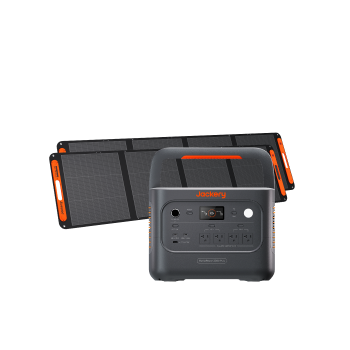
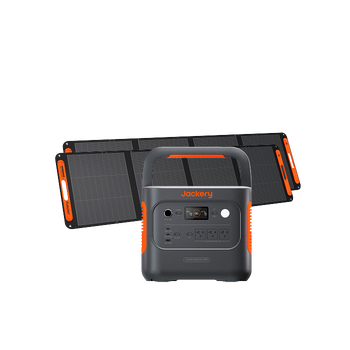
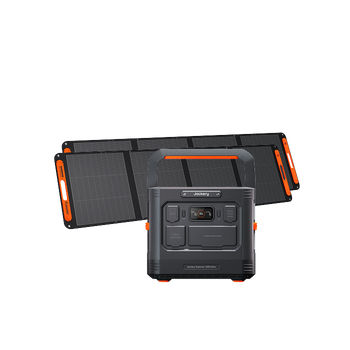
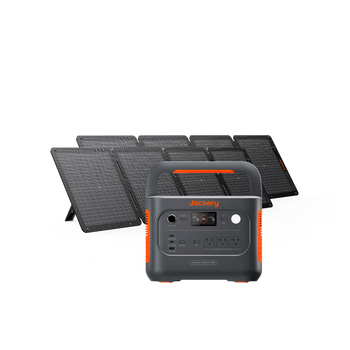
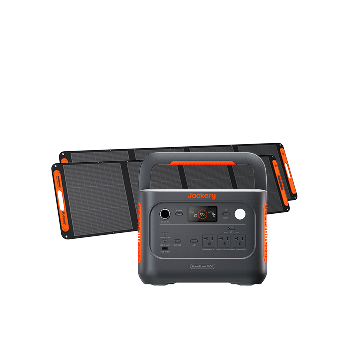
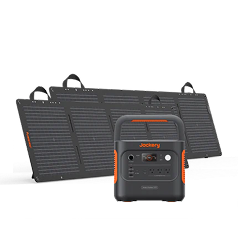
1,070 Wh capacity, 1,500W AC output, 12V DC port, 200W solar input (2x 100W panels); recharges in ~8 hours of sun with included panels, or ~4 hours with 4x 100W |
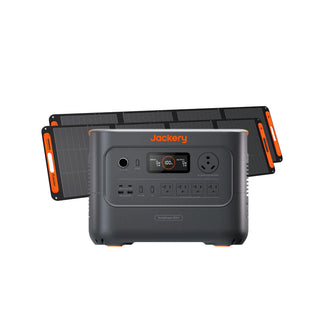
Jackery Solar Generator 2000 v2 (Explorer 2000 v2 + 2x SolarSaga 100W) |
5‑day trips or larger 55–65L fridges |
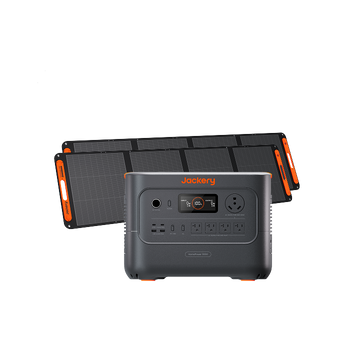
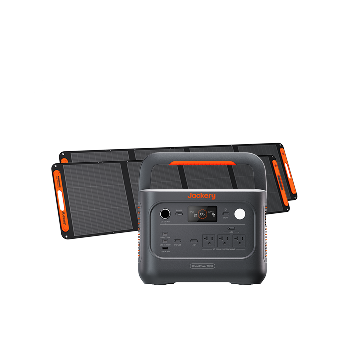
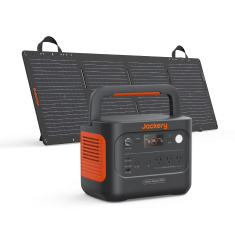
2,042 Wh capacity, 2,200W AC output, 12V DC port, supports up to 400W solar; recharges in 7.5 hours with 4x 100W panels; runs a 60W fridge for 30+ hours without sun |
Both bundles include multiple output ports — 12V DC for direct fridge connection, USB‑C for phones, and AC for other gear. The LiFePO4 batteries deliver 4,000+ cycles to 70%+, so they’ll outlast several fridges. And because the power station shows real‑time watt draw, you can see exactly how much energy your fridge uses and adjust your habits accordingly. For anyone serious about off‑grid cooling, matching the right capacity to your loads is the single most important decision.
Frequently Asked Questions (FAQ)
How noisy are compressor portable fridges at night?
Most compressor fridges run at 30–45 decibels, about the volume of a quiet conversation. You can sleep next to one in a tent without earplugs.
Do portable refrigerators work at high altitudes?
Yes, compressor fridges function normally up to at least 10,000 feet. The sealed refrigerant system isn’t affected by lower air pressure.
What is the best placement for a portable fridge in a vehicle?
Place it on a flat surface in a shaded, well‑ventilated area, away from exhaust heat. Leave at least 2–3 inches of clearance around the compressor vents for airflow.
Can I run a portable fridge directly from a solar panel?
No. Solar output fluctuates with sunlight, and fridges need steady 12V DC. You must have a battery or power station between the panel and the fridge.
How much do typical 50L portable refrigerators weigh?
A 50L compressor fridge weighs 35–50 pounds empty. Plan for two‑person lifting and secure tie‑downs in your vehicle.
