


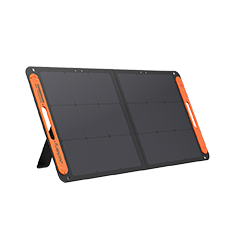



![[Add-on] Jackery SolarSaga 500 X - Jackery](http://www.jackery.com/cdn/shop/files/add-on-jackery-solarsaga-500-x-1493607.webp?v=1786503068&width=324)
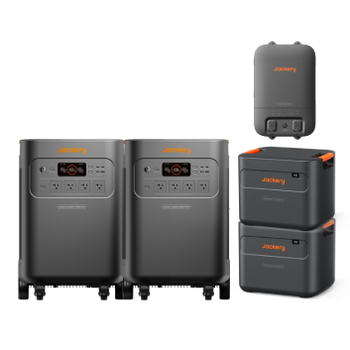
![[Add-on] Jackery Battery Pack 5000 Plus - Jackery](http://www.jackery.com/cdn/shop/files/add-on-jackery-battery-pack-5000-plus-6713401.webp?v=1786503068&width=324)



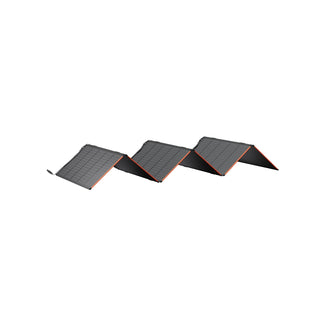
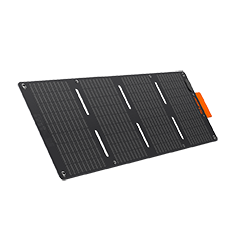
![[Add - on] SolarSaga 200W - Jackery](http://www.jackery.com/cdn/shop/files/add-on-solarsaga-200w-4834329.png?v=1754016915&width=324)


Quick Answer: A portable solar generator can keep a window or mini‑split air conditioner running for hours during an outage—but it’s not a replacement for daily whole‑home cooling. The key is matching your AC’s wattage and surge requirements to the unit’s output and battery. For most in 2026, a hybrid strategy—grid power for everyday cooling, portable solar backup for emergencies—offers more flexibility at a lower cost than a dedicated solar AC.
Key Takeaways
- A 5,000 BTU window AC needs 450–600 running watts but can surge to 1,200–1,800 W at startup, so your portable station must handle that spike.
- Running an AC for 8 hours overnight demands 3.6–9.6 kWh of usable battery capacity, depending on the unit size.
- Ignoring compressor startup surge is the #1 mistake that causes portable systems to trip or shut down during a heatwave.
- Portable solar generators eliminate installation costs, permitting, and HOA headaches—and you can take them with you if you move.
- For cooling a single room during an outage, a 2,000+ Wh station with a 4,400 W surge peak can keep a window unit, fridge, and lights running for hours.
The New Reality: Why Solar Air Conditioning Decisions Have Changed in 2026
A dedicated solar AC setup—panels, inverter, battery, and installation—now costs $2,000 to $7,000 upfront, with payback periods stretching to 6–10 years even in sunny regions, making it hard to justify for non‑critical comfort. Meanwhile, peak cooling demand coincides with heatwaves that can trigger blackouts.
The advantages of a portable approach are clear:
- Skip contractor fees, permits, and structural installation
- Take the system with you if you move
- Ideal for renters, apartment dwellers, or anyone wanting emergency cooling without a permanent commitment
- More immediate resilience than a rooftop system for running a window AC during an outage
The “peak heat failure gap” remains a challenge: solar panels produce the most power around midday, but cooling demand spikes from 4–7 PM when output is already falling. Any solar‑powered cooling solution needs a substantial battery bank, and essential home backup systems let you right‑size that storage without over‑investing in a year‑round array.
What Does It Take to Run a Window or Mini‑Split AC on Solar Power?
Running an AC on solar requires enough panel wattage, a battery for night use, and an inverter that handles startup surge. Here are the key specifications:
AC Unit Type |
Running Watts |
Startup Surge |
Nightly Usage (8h) |
Required Panels (Daylight Only) |
|---|---|---|---|---|
5,000 BTU window AC |
450–600 W |
1,200–1,800 W |
4.8 kWh |
At least 2× 400 W panels |
9,000–12,000 BTU mini‑split |
900–1,200 W |
2,500–2,700 W |
7.2–9.6 kWh |
≥3× 400 W panels |
A single 400 W solar panel in the US produces roughly 1.6–1.8 kWh per day; you'd need at least two such panels to run a small window unit during daylight. For nighttime operation, use this formula:
(Running Watts × Hours Used) ÷ 1,000 = Daily kWh
Example: a 600 W window unit for 8 hours uses 4.8 kWh. With 10–15% inverter losses, you need about 5.5 kWh of stored energy.
Battery capacity for 8 hours of nighttime AC ranges from 3.6 kWh for a small window unit to 9.6 kWh for a mini‑split, which can increase total system cost by about 40% if buying extra batteries. LiFePO4 batteries deliver 3,000–5,000 cycles (10–15 years of daily use) and handle high continuous discharge without sag.
Critical requirements:
- A pure sine wave inverter is non‑negotiable—modified sine wave units often fail with compressor surges
- Running AC directly from solar without batteries works only during 6–8 sunny midday hours; any cloud or sunset cuts cooling
Limitations / What to Know Before: The Most Common Sizing Mistakes That Leave You Without Cooling
1. Ignoring startup surge power: A 900 W mini‑split can spike to 2,700 W for 3–5 seconds. Check the AC's nameplate for LRA/startup wattage and verify the station's peak surge rating; otherwise it will trip.
2. Underestimating daily energy use: During a heatwave, an AC may run 10–16 hours. A 500 W window unit can consume 5–8 kWh daily. Build in a 25% buffer over your worst‑case estimate.
3. Forgetting inverter efficiency losses: Inverters lose 10–15% of energy as heat. A load requiring 2,000 Wh of usable output actually needs 2,300–2,400 Wh stored capacity; neglecting this shortens battery life.
4. Relying on solar alone for evening cooling: Peak solar production ends 3–4 hours before peak cooling demand. Without a battery, cooling stops after sunset.
5. Running a fridge and AC on one small generator: Combined surge can exceed 3,500 W. Use a generator with at least 3,500 W surge and 4 kWh+ battery, and stagger startups (AC first, then fridge).
6. Confusing amps and watts: 10 A from a 12 V panel is only 120 W, not 1,200 W. Always multiply amps by voltage to get watts.
7. Trusting inflated BTU ratings: Many 12,000 BTU mini‑splits struggle in real 95°F+ conditions. Choose inverter‑driven modulating models for better extreme‑heat efficiency.
Real‑World Advice from Experienced Off‑Grid Users
- Passive cooling first: Install shutters, overhangs, or shade trees to cut cooling load up to 30%, reducing battery and panel requirements.
- Soft‑start kits ($75–$150): Reduce compressor startup surge by 50–70%, allowing a smaller inverter to run a 10,000 BTU unit on a 2,700 W surge station.
- MPPT charge controllers are mandatory: Extract up to 30% more power in partial shade or high heat compared to PWM controllers.
- Hybrid mini‑splits with built‑in MPPT: Accept direct DC solar input, bypassing inverter losses; still need a battery for night use.
- Avoid 12 V/24 V DC RV units for residential use: 5,000–8,000 BTU models fail to cool effectively above 90°F—they're designed for mild climates.
- Programmable thermostats: Set a higher “on” temperature during peak solar to bank energy, then pre‑cool before sunset so the battery only maintains.
- Swamp coolers use 400–800 W vs. 1,000+ W for AC: Only effective in dry climates with humidity below 50%.
When a Portable Solar Generator Beats a Whole‑Home Solar System (and When It Doesn't)
Portable systems win for:
- Renters and apartment dwellers
- Emergency backup during blackouts—a generator with 2,000+ Wh capacity and 3,000 W surge can power a window AC, fridge, and lights for several hours
Whole‑home rooftop solar:
- Offsets year‑round electric loads
- Full installation can cost upwards of $20,000 with a payback stretching well beyond a decade
- Sizing a whole‑house generator involves a much larger investment and permanent commitment
The hybrid approach—using a portable backup for AC emergencies and the grid for daily use—is often cheaper and more flexible than a dedicated solar AC system in 2026. You avoid a battery bank that sits idle 90% of the year, and the portable unit can be used for camping or other outages.
RV and mobile limitations: Even with large rooftop arrays, limited space and poor insulation mean an RV cannot stay cool for more than a few hours off solar alone. A portable station can supplement, but don't expect all‑day AC in a mobile setup.
How to Match a Backup System to Your Actual Cooling Needs
Follow these steps to avoid buying a station that's too small or wildly oversized:
- List the AC's running and startup watts from the nameplate or manual. Startup surge is typically 2–3× running watts for compressor‑based units.
- Calculate daily watt‑hours: multiply running watts by expected outage runtime. (600 W × 10 hours = 6,000 Wh).
- Add a 15–25% buffer for inverter losses and battery health. 6,000 Wh becomes 6,900–7,500 Wh of usable capacity needed.
- Verify surge output exceeds the AC's startup surge. A 7,200 W surge rating can handle most 12,000 BTU mini‑splits.
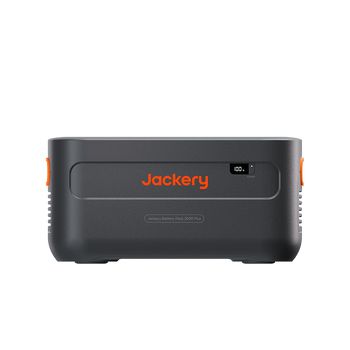
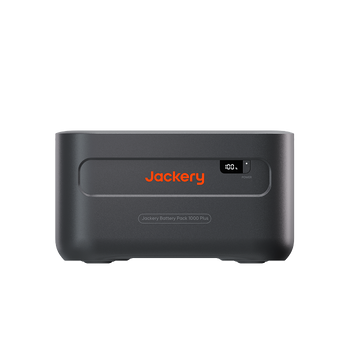
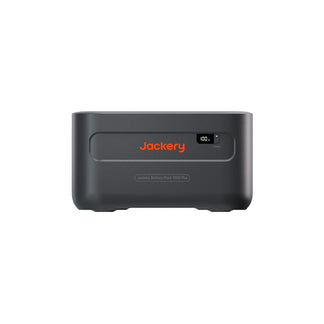
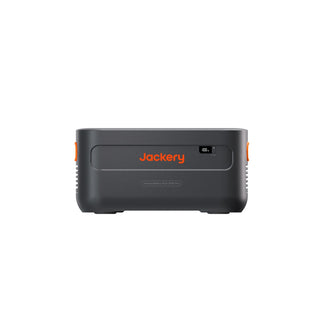
- Decide if expansion is needed. Some portable stations let you daisy‑chain extra battery packs to cover multi‑day blackouts.
For a quick reference, here's how different loads match up:
Cooling Scenario |
Running Watts |
Startup Surge |
Recommended Battery (8h) |
Suggested Solar Input |
|---|---|---|---|---|
5,000 BTU window AC |
450–600 W |
1,200–1,800 W |
3.6–4.8 kWh |
500 W panels |
8,000 BTU window AC |
700–900 W |
2,100–2,700 W |
5.6–7.2 kWh |
800 W panels |
9,000–12,000 BTU mini‑split |
900–1,200 W |
2,500–2,700 W |
7.2–9.6 kWh |
1,200 W panels |
Portable AC (dual‑hose, 12,000 BTU) |
1,200–1,500 W |
2,400–3,000 W |
9.6–12 kWh |
1,600 W panels |
For a 1,000–1,500 W portable AC, you'll need at least 1,600–2,000 W of solar just to run it during peak sun hours, plus a robust battery buffer for evening. For full‑day residential use, experts estimate 4,500 W of panels and 12 kWh of storage.
Powering a Portable AC Through a Blackout: Three Scalable Options
When the grid fails during a heatwave, a portable solar generator can keep a single room livable. These three setups scale from basic window‑unit backup to extended mini‑split operation.
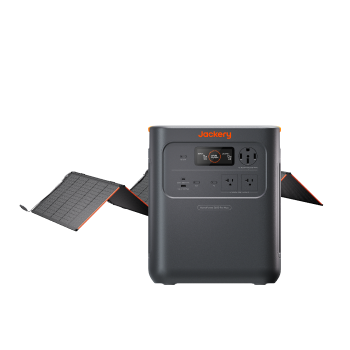
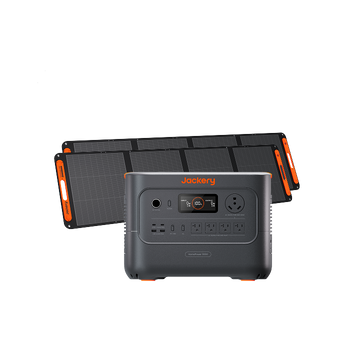
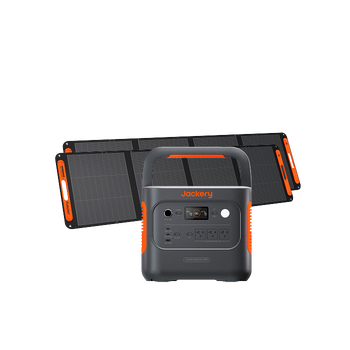
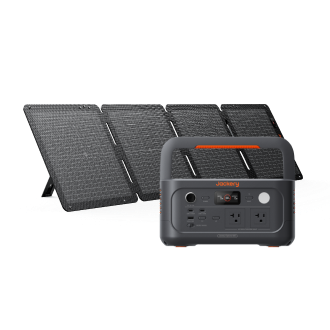
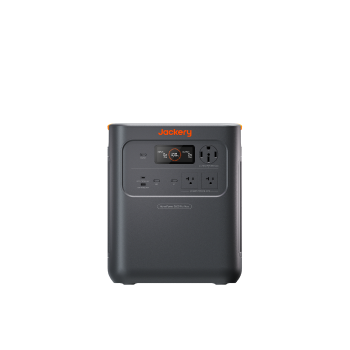
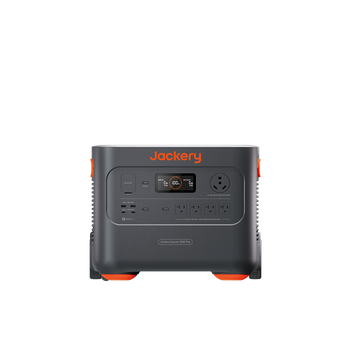
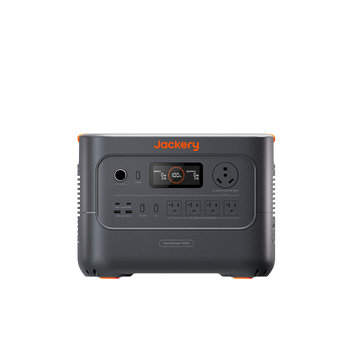
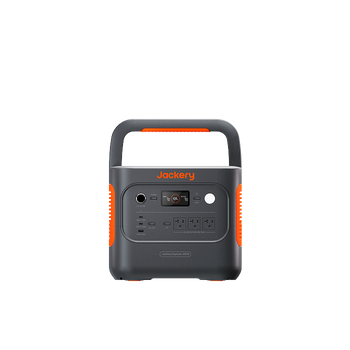
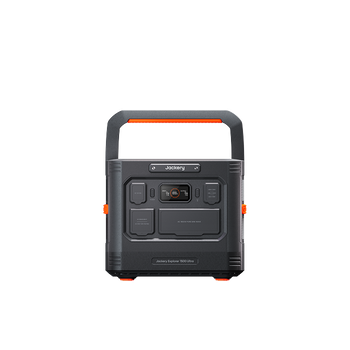
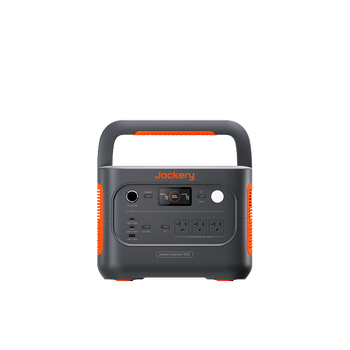
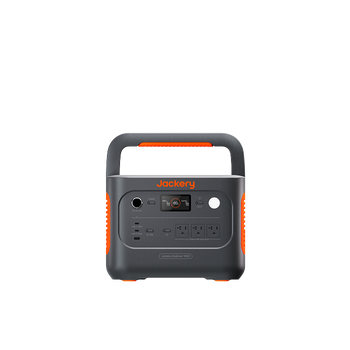
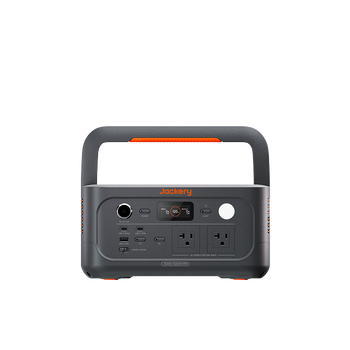
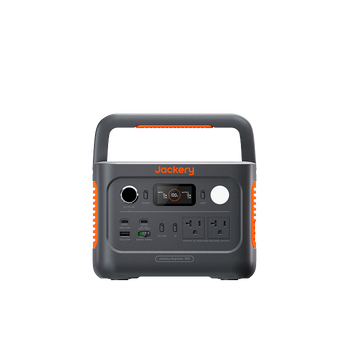
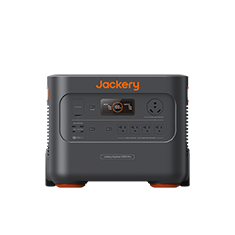
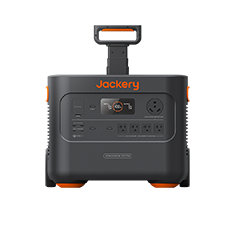
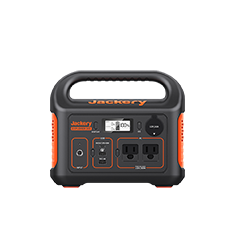
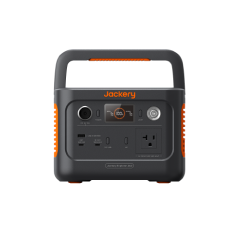
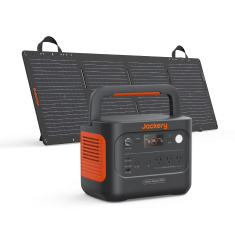
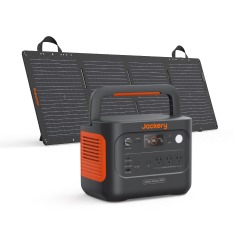
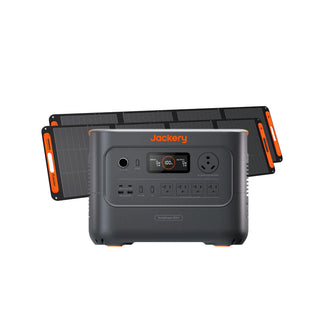
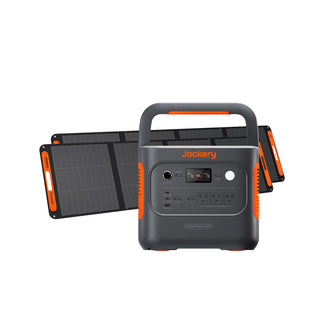
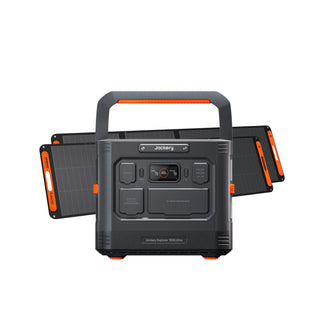
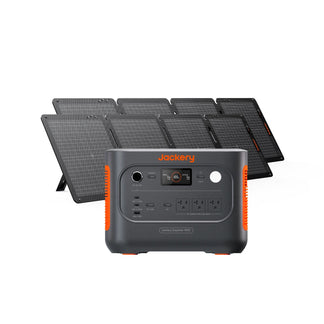
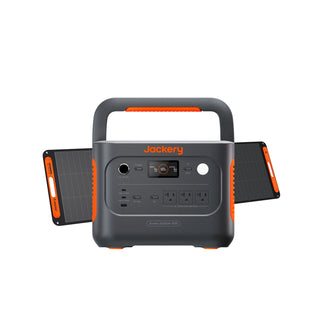
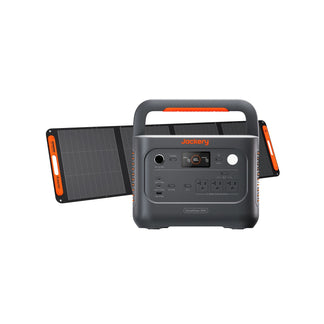
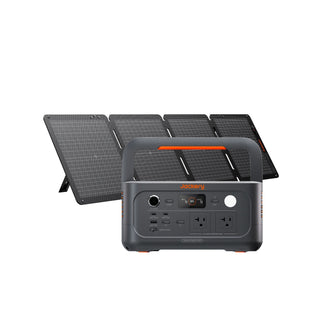
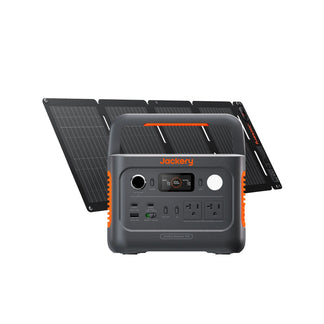
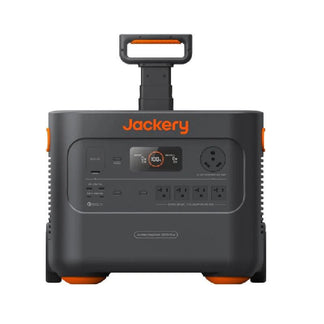
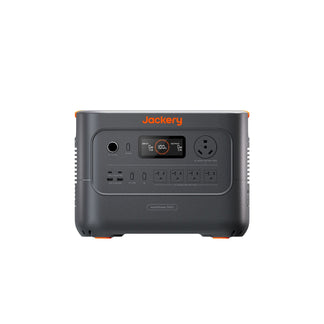
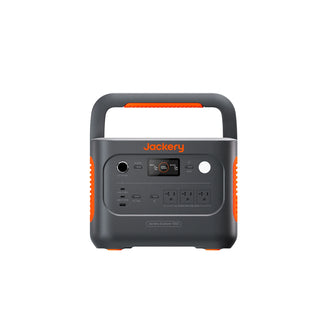
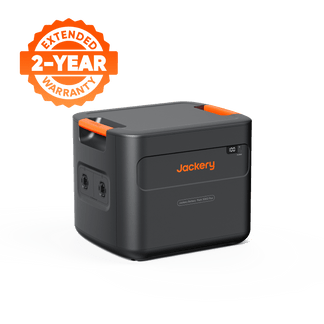
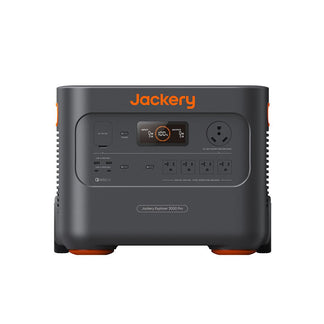
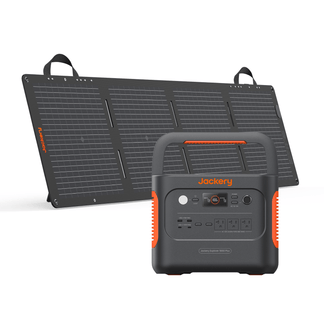
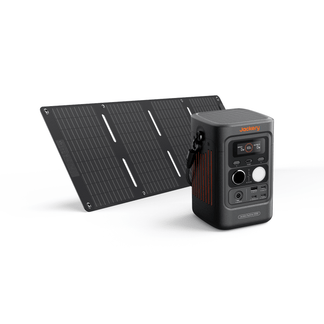
Jackery Solar Generator 2000 v2: Compact unit sustains a 5,000–8,000 BTU window AC for ~2 hours and runs a fridge and lights.
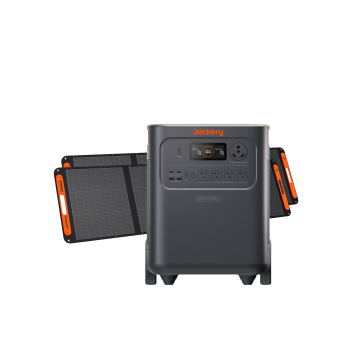
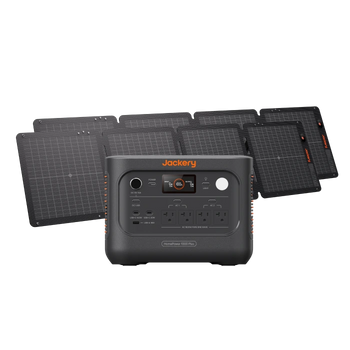
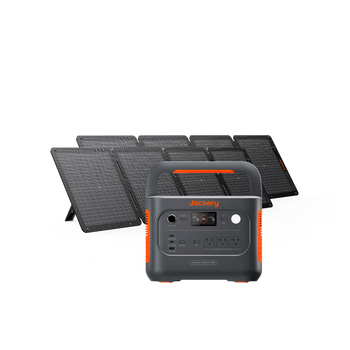
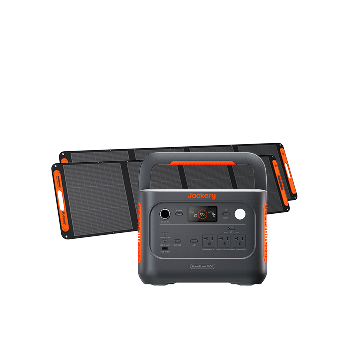
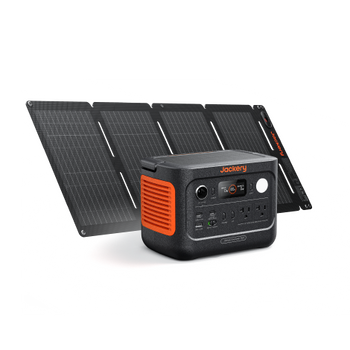
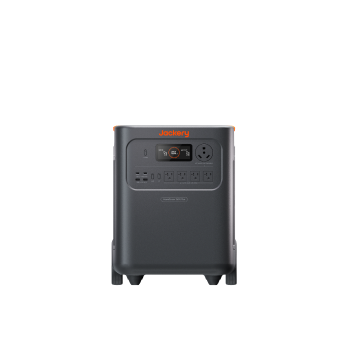
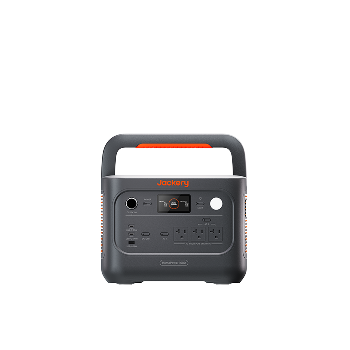
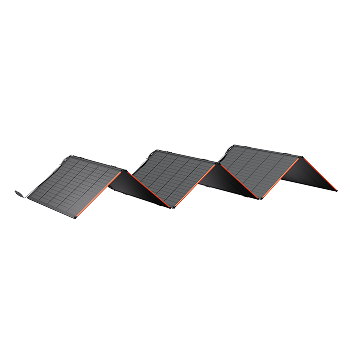
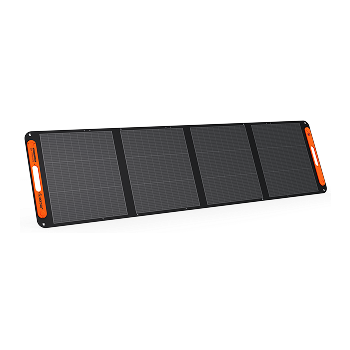
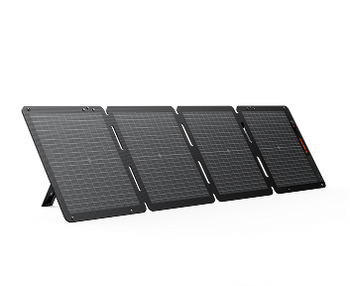
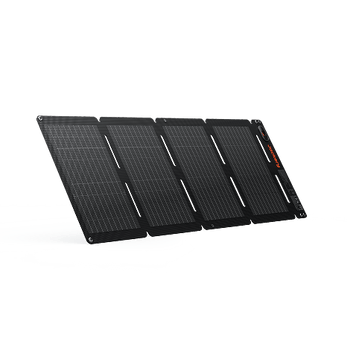
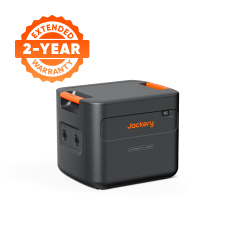
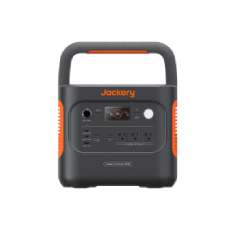
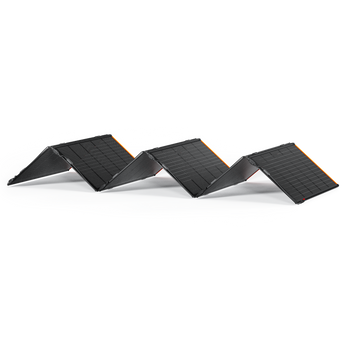
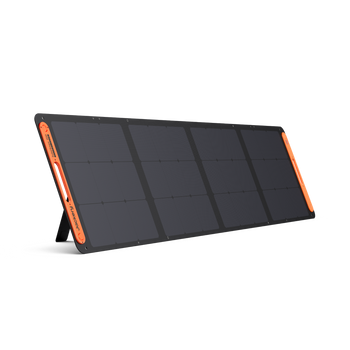
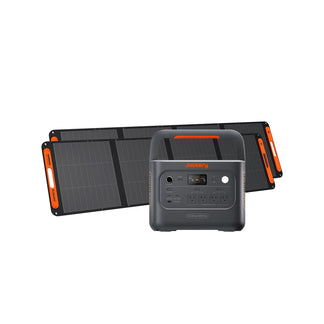
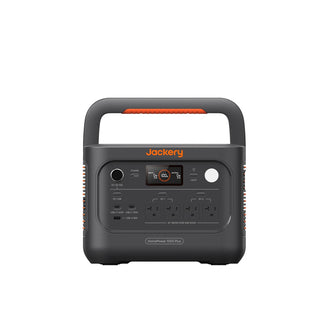
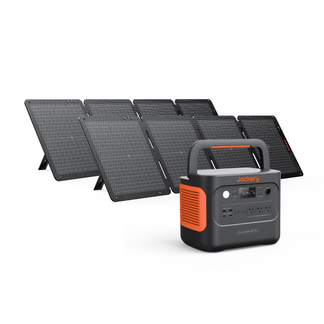
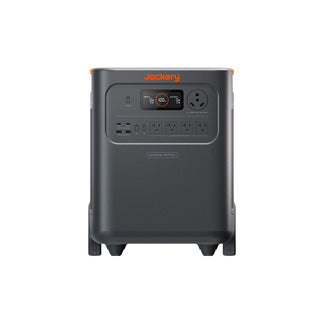
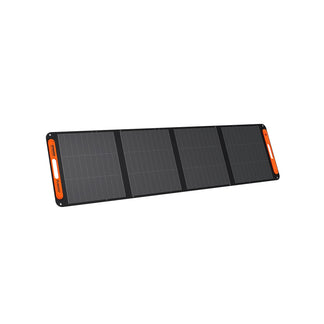
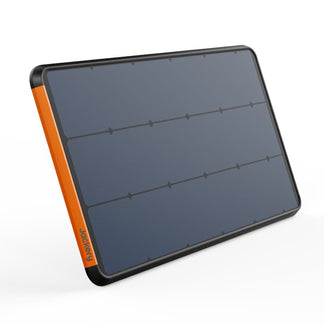
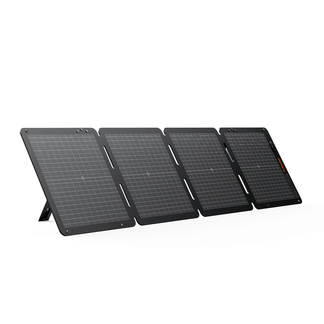
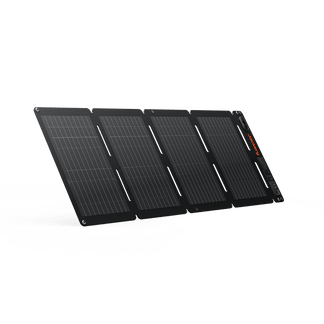
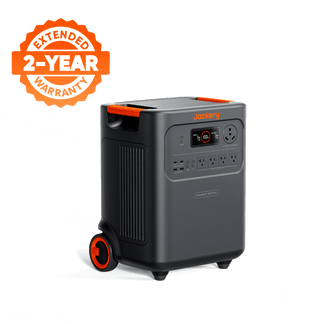
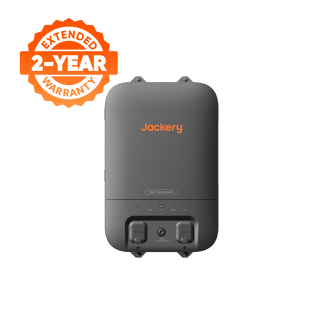
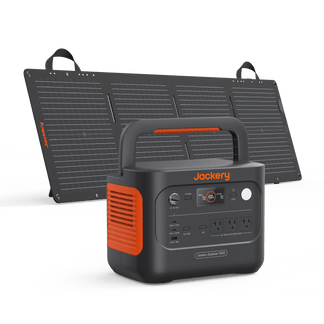
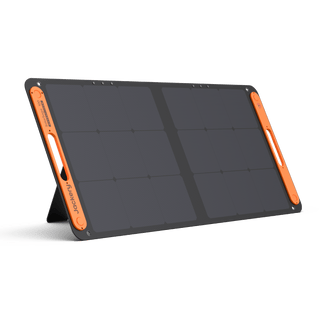
Jackery Solar Generator HomePower 3600 Plus + SolarSaga 500X: Mid‑range system runs a 12,000 BTU mini‑split for over 3 hours (expandable to 21.48 kWh with extra battery packs); the 500 W bifacial panel recharges it in about 16 hours of sun.
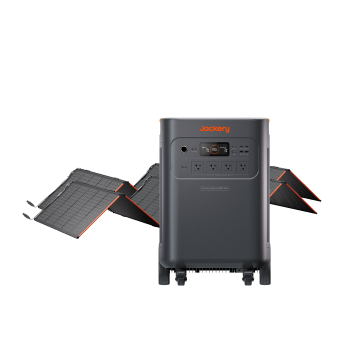
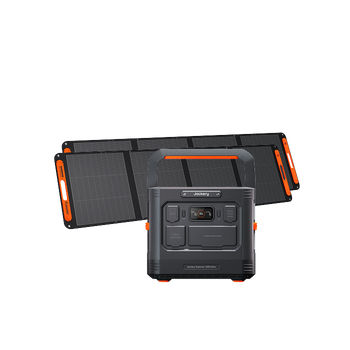
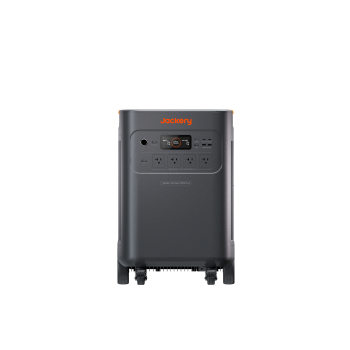
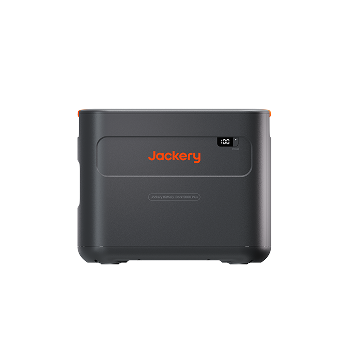
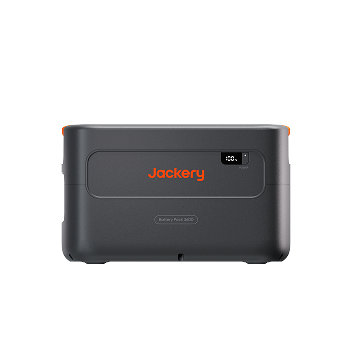
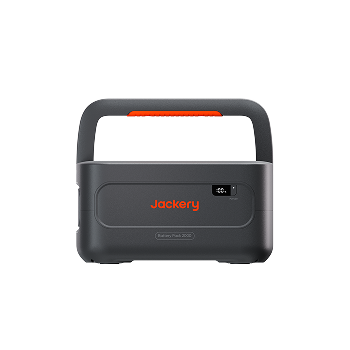
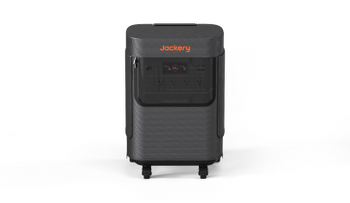
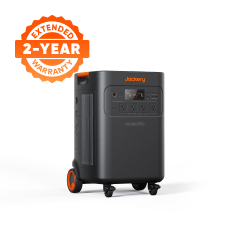
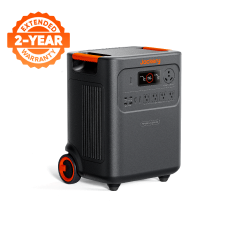
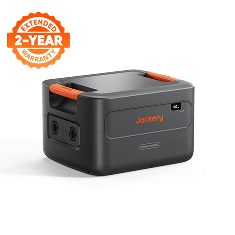
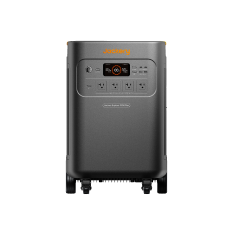
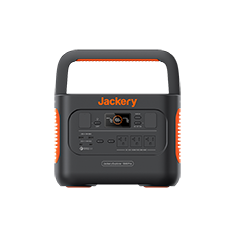
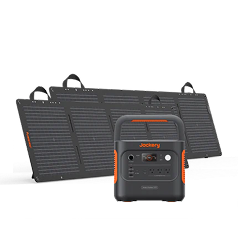
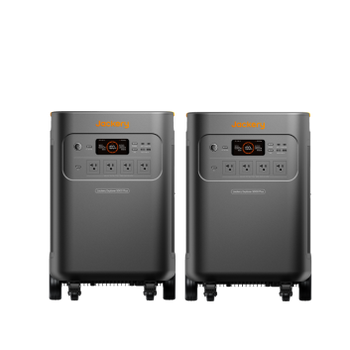
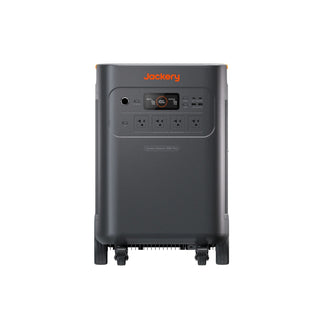
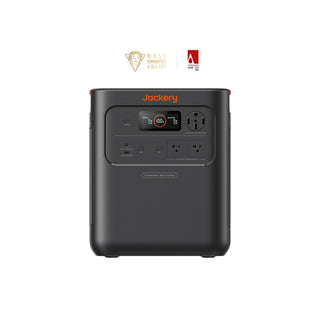
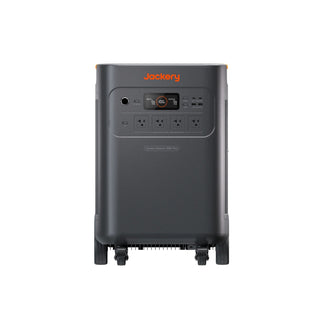
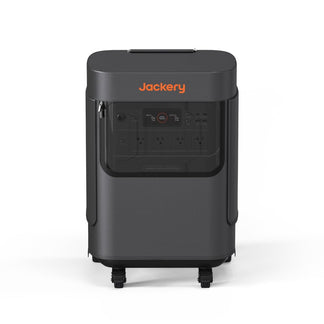
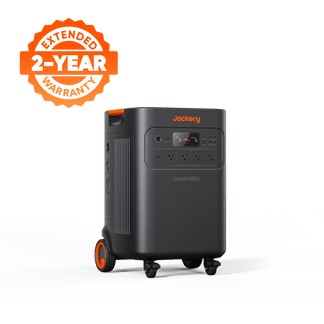
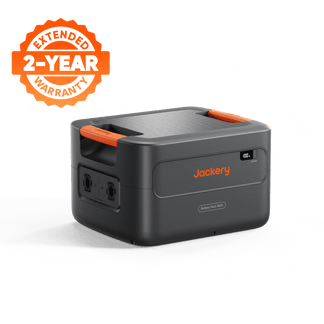
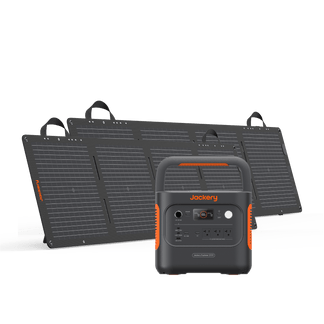
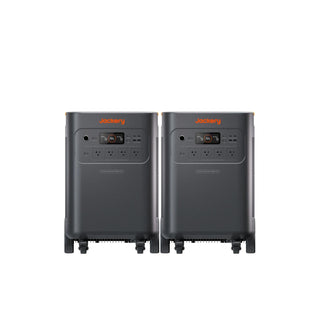
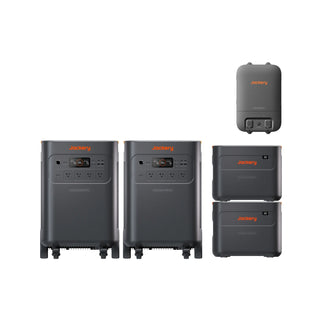
Jackery Solar Generator 5000 Plus + 2x SolarSaga 500X: Heavy‑duty base of 5,040 Wh (expandable to 60 kWh) provides several hours of backup cooling for a large mini‑split or central AC air handler, with a 6.5‑hour solar recharge using the two included panels.
Use Case |
Recommended System |
Key Specs |
What It Can Run |
|---|---|---|---|
Short outage, small window AC |
Jackery Solar Generator 2000 v2 |
2,042 Wh LiFePO4, 2,200 W continuous / 4,400 W surge |
5,000–8,000 BTU window AC, fridge, lights for ~2h |
Evening mini‑split cooling, expandable |
Jackery Solar Generator HomePower 3600 Plus + SolarSaga 500X |
3,584 Wh (expandable to 21.48 kWh), 3,600 W / 7,200 W surge |
12,000 BTU mini‑split for 3+ hours, extendable |
Extended backup for large AC |
Jackery Solar Generator 5000 Plus + 2x SolarSaga 500X |
5,040 Wh (expandable to 60 kWh), 7,200 W / 14,400 W surge |
Large mini‑split or central AC air handler for several hours (expandable) |
As covered earlier, the LiFePO4 batteries and pure sine wave inverters in all three models handle compressor surges reliably. The main differences lie in capacity and expandability.
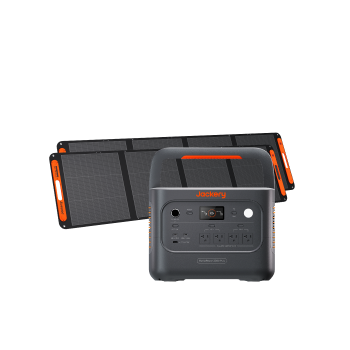
Can a Jackery power an air conditioner? Yes, but the right model depends entirely on your AC's wattage and how long you need it to run. For detailed runtime estimates, check how long a Jackery will run an air conditioner. And if you're new to pairing solar generators with cooling loads, the solar generator for AC guide walks through the critical specs.
Frequently Asked Questions (FAQ)
Can a portable air conditioner with an exhaust hose run on solar?
Yes, but dual‑hose units are more efficient. A 12,000 BTU portable AC consumes 1,200–1,500 W and needs a solar generator with at least 3,000 W surge.
Can I use my existing home solar panels to charge a portable generator?
Yes, if the panels have standard MC4 connectors and the generator's input voltage range matches. You may need to disconnect from the grid inverter first.
How can I run both an AC and refrigerator on one solar generator?
Use a generator with at least 3,500 W surge and 4 kWh+ of battery. Stagger startup times—power the AC first, then the fridge—to avoid simultaneous inrush.
How many years will a LiFePO4 battery last powering AC nightly?
About 8–14 years if cycled daily, depending on depth of discharge and operating temperature. 3,000–5,000 cycles at 80% depth is typical.
Do I need a permit or HOA approval for a portable solar generator?
No permits are required for portable units. Check HOA rules regarding visible panels, storage location, or noise restrictions, but most have no issues with temporary setups.


