

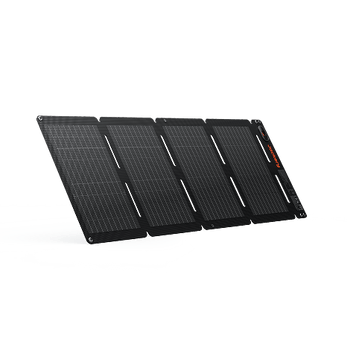









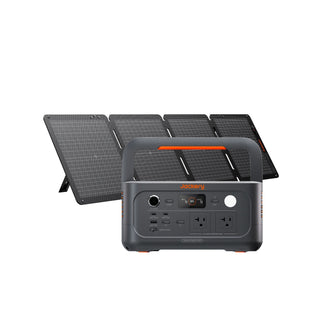
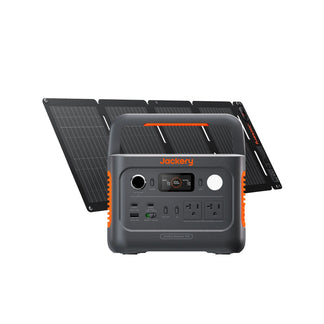

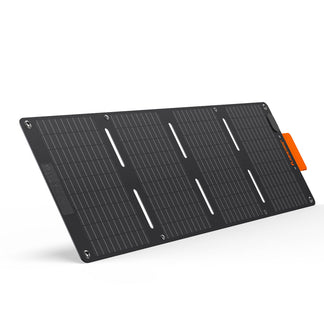
![[Add-on] Jackery SolarSaga 500 X - Jackery](http://www.jackery.com/cdn/shop/files/add-on-jackery-solarsaga-500-x-1493607.webp?v=1786503068&width=324)
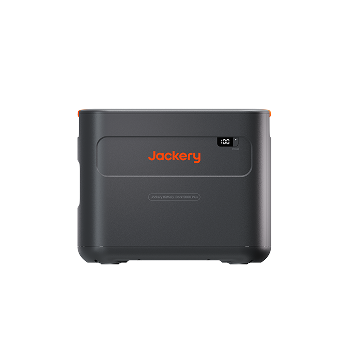
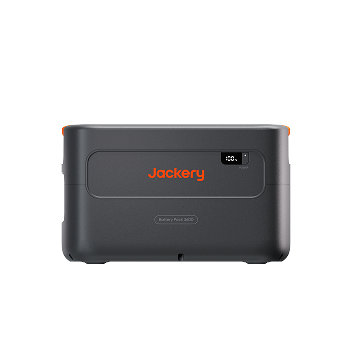
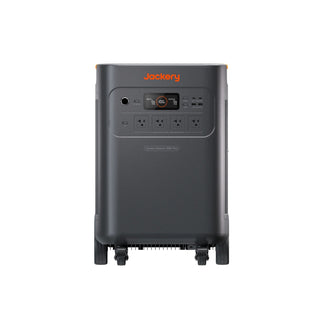
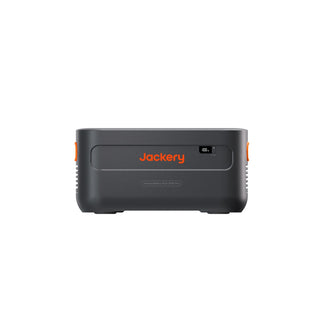
![[Add-on] Jackery Battery Pack 5000 Plus - Jackery](http://www.jackery.com/cdn/shop/files/add-on-jackery-battery-pack-5000-plus-6713401.webp?v=1786503068&width=324)







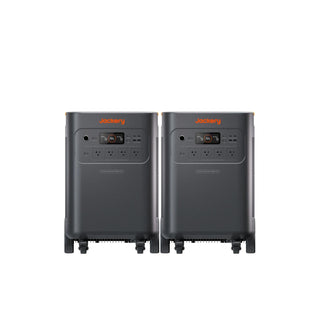
![[Add - on] SolarSaga 200W - Jackery](http://www.jackery.com/cdn/shop/files/add-on-solarsaga-200w-4834329.png?v=1754016915&width=324)


The United States power grid relies on thousands of miles of aging transmission lines. Consequently, utility interruptions caused by extreme weather events and infrastructure failures are rising sharply. The rising frequency of grid failures creates a distinct Weather Paradox for homeowners: the exact severe storms that knock out your grid power also block the sunlight required to recharge a battery system.
This reality sparks a fierce debate between stored energy and generated energy. Batteries rely on a strict capacity cap, whereas traditional gas engines run continuously as long as you feed them liquid fuel. Can a solar generator for home backup reliably replace a traditional gas system? The answer depends entirely on your household energy consumption, your outage duration, and your willingness to adapt.
Understanding the Basics: Gas vs. Solar Generators
The Hidden Costs of Traditional Gas Generators
Traditional gas generators incur steep hidden costs through ongoing fuel purchases, relentless maintenance, and hazardous storage requirements. A standard portable gas generator costs $1,000 to $5,000 upfront. Running at a 50% load, a typical unit burns approximately 0.5 to 1.5 gallons of stored fuel per hour. At the high end of that consumption, surviving a three-day continuous blackout could require you to purchase, safely transport, and store up to 108 gallons of highly flammable gasoline. In stark contrast, modern high-tier solar systems can now scale their modular capacity to provide over a month of energy security without requiring a single drop of liquid fuel.
Lethal carbon monoxide emissions mandate strict outdoor operation. You must place the unit a minimum of 20 feet away from your home's doors and windows, which complicates deployment during heavy rain or blizzards. Maintenance is relentless:
- Routine oil changes: You must perform routine oil changes.
- Air filters: Inspect air filters.
- Fuel storage: Manage hazardous long-term fuel storage with chemical stabilizers to prevent carburetor degradation.
How a Portable Solar Generator for Home Backup Works
A portable battery system captures direct sunlight via photovoltaic panels and stores that electrical energy in high-density lithium cells. Operation is completely silent and 100% emission-free. Zero emissions allow you to safely operate the power station directly inside your living room, kitchen, or bedroom during severe storms.
Modern premium systems utilize LiFePO4 (Lithium Iron Phosphate) battery chemistry. The LiFePO4 architecture eliminates thermal runaway risks, creating a vastly superior safety profile compared to older lithium-ion tech. LiFePO4 cells routinely deliver over 6,000 charge cycles, providing a reliable 10-year operational lifespan even with daily use.
|
Feature |
Traditional Gas Generator |
Solar Battery Backup |
|
Fuel Source |
Gasoline, Propane, or Diesel |
Sunlight (Free) / Grid Power |
|
Emissions |
High (Carbon Monoxide) |
Zero |
|
Indoor Safe |
Never |
Always |
|
Maintenance |
High (Oil, Filters, Spark Plugs) |
Zero |
|
Operating Noise |
65–85 Decibels |
Silent (<30 Decibels) |
Capacity and Load: What Can You Actually Power?
Managing Essential vs. Heavy Loads
Managing essential versus heavy loads requires matching your battery capacity to high-draw appliances. A central air conditioning unit requires massive energy reserves, often pulling 3500W to 5000W continuously. Conversely, a standard 3000W battery system easily runs essential household survival items.
You must prioritize your power draw during a blackout:
- Refrigeration: Dedicate capacity to the refrigerator to prevent hundreds of dollars in food spoilage.
- Communication: Power your Wi-Fi router to maintain emergency communication lines with local authorities.
To completely replace a gas system for whole-home backup, you must look for advanced battery systems with 240V output capability to surge heavy equipment like deep well pumps and electric water heaters.
Choosing a Small Solar Generator for Home Backup
Choosing a small solar generator for home backup is ideal for keeping critical communication lines open during an outage. Setting up a small solar generator keeps smartphones, laptops, and basic LED lighting operational for days.
Mid-size units step up to handle critical kitchen appliances like microwaves and coffee makers during 3-to-18-hour rolling blackouts, which are increasingly common during extreme heat waves. When shopping for these units, look for an Uninterruptible Power Supply (UPS) feature. A UPS switchover time of <20ms ensures sensitive electronics like desktop computers and automated medical equipment stay powered without resetting when the grid drops.
Evaluating Whole House Solar Generators Prices and Capacity
When comparing whole-house systems, calculate your specific daily wattage consumption to determine the exact battery capacity you require. Do not guess; check the wattage labels on your target appliances.
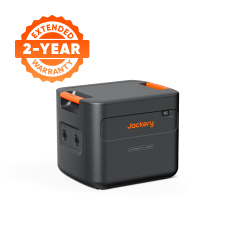
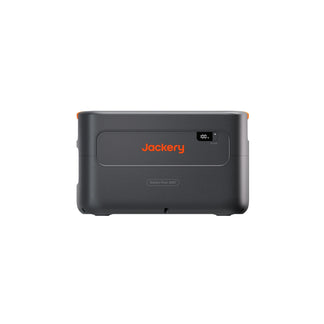
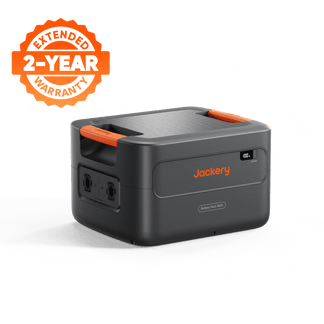
Factor in the cost of expandability. Modular systems dictate long-term value. Purchasing a base unit that allows you to stack additional batteries spreads your capital investment over several years, letting you scale your backup power as your budget allows.
The Weather Factor: Limitations of Solar Backup
The primary limitation of solar backup is that panel efficiency drops significantly on heavily cloudy or snowy days. You cannot ignore this physical limitation. Severe winter storms and dense wildfire smoke can temporarily halt solar recharging completely, restricting your home entirely to stored battery energy.
The U.S. Energy Information Administration (EIA) reports the average utility customer experiences 5.5 hours of power interruptions annually. A medium-sized battery (2–5 kWh) easily keeps essentials running for 1–2 days. However, sizing a system for 3 to 5 days of total backup without any sun requires massive, expensive modular arrays ranging from 15 to 40 kWh. Modular expandability remains the most critical feature to survive multi-day dark periods without grid power.
The Hybrid Approach: Combining Solar and Gas
Combining solar and gas in a hybrid approach prevents you from relying solely on one technology during prolonged emergencies. Veteran off-grid users recommend this strategy to maximize reliability:
- Heavy loads: You deploy a gas generator exclusively for heavy, continuous loads during extended, dark storms when solar recharging is impossible.
- Daytime charging: You run the gas engine during the day to chill the fridge and charge the battery, then shut the engine off.
This strategy maximizes household reliability while drastically reducing overall fuel consumption, slashing toxic emissions, and eliminating overnight noise pollution.
Top Solar Generator Recommendations for US Homes
|
Feature |
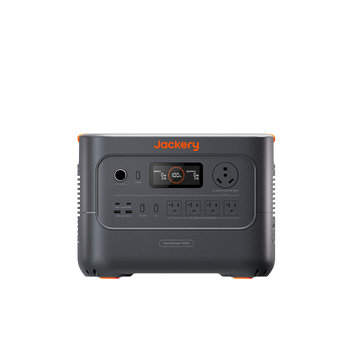
Jackery Solar Generator HomePower 3600 Plus |
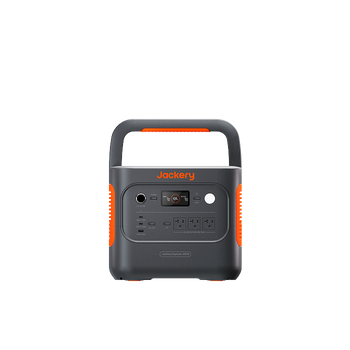
Jackery Solar Generator 5000 Plus |
|
Continuous Output |
3600W |
7200W |
|
Base Capacity |
3584Wh |
5040Wh |
|
Max Expandability |
21kWh |
60kWh |
|
Voltage |
120V |
120V/240V Dual Voltage |
|
UPS Switchover |
Standard |
0ms |
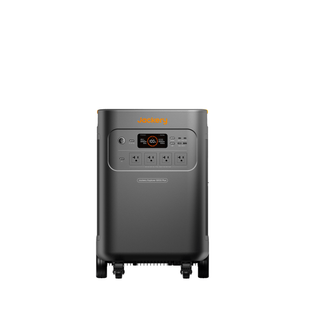
Jackery Solar Generator HomePower 3600 Plus for Essential Backup
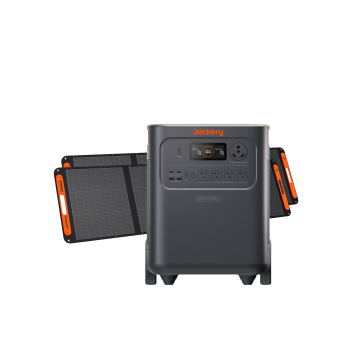
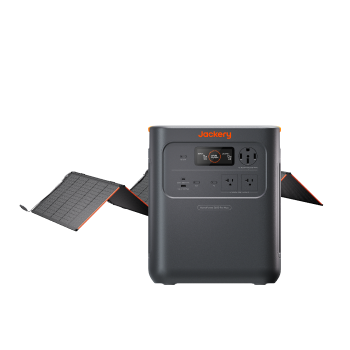
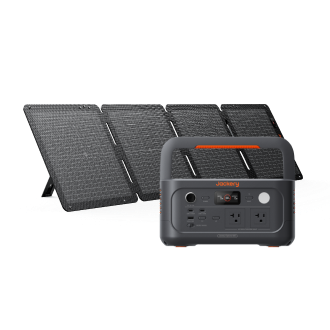
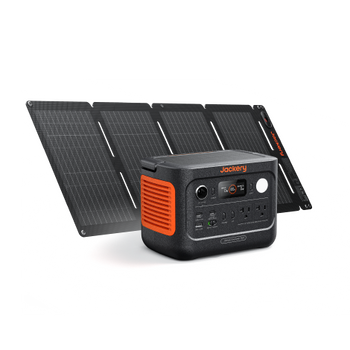
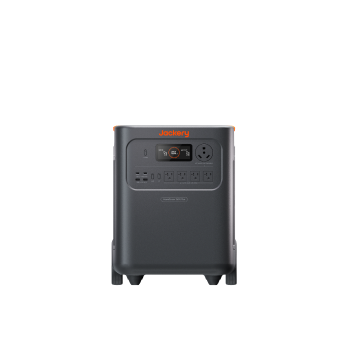
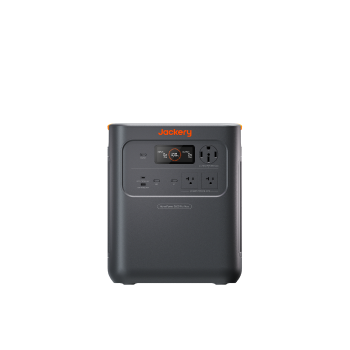
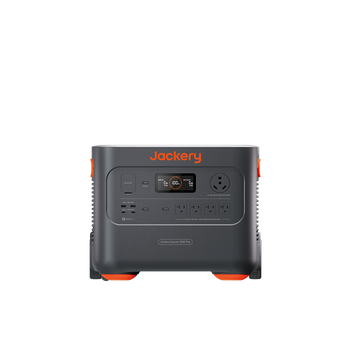
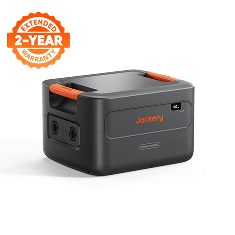
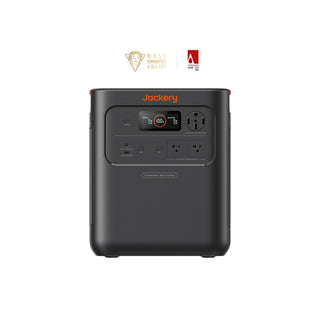
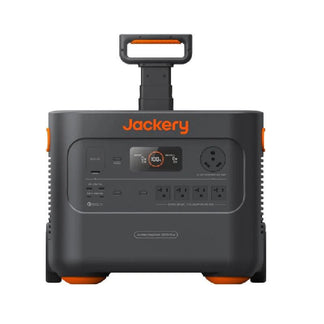
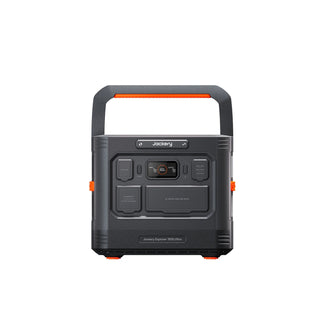
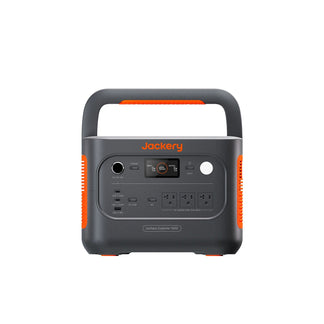
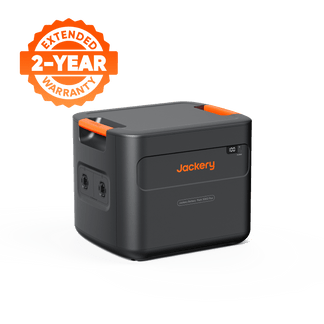
The Jackery Solar Generator HomePower 3600 Plus provides robust 3600W continuous output and a 3584Wh capacity base to keep essential home appliances running. It features safe, long-lasting LiFePO4 battery technology offering over 6,000 charge cycles for a 10-year lifespan. The Jackery Solar Generator HomePower 3600 Plus offers modular expandability up to 21kWh, allowing homeowners to scale their backup power seamlessly as household demands grow.

Jackery Solar Generator 5000 Plus: Beyond a 5000 Watt Solar Generator
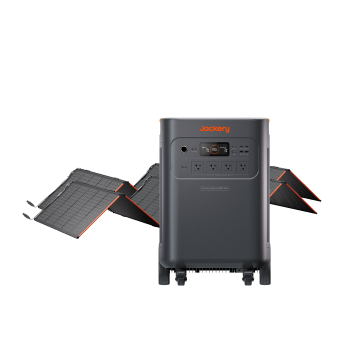
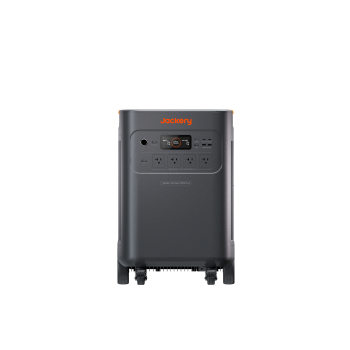
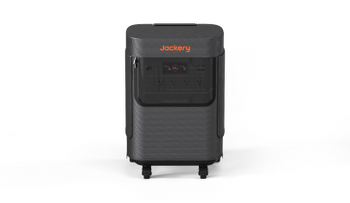
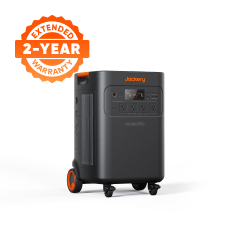
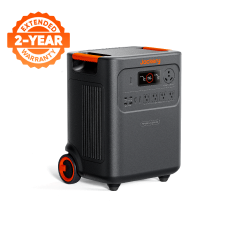
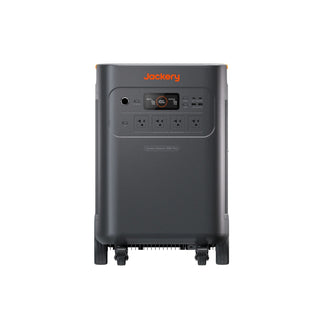
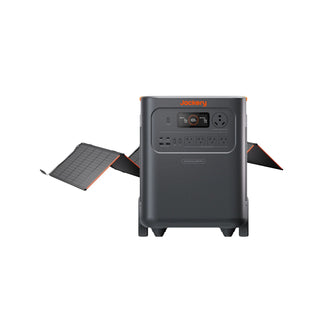
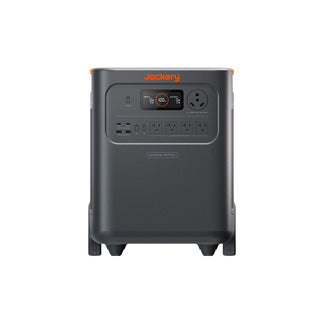
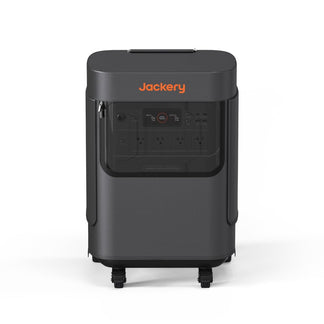
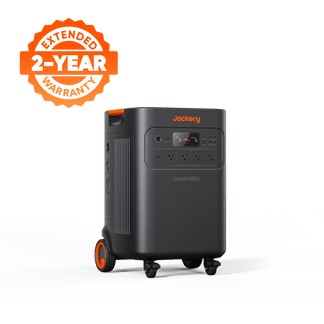
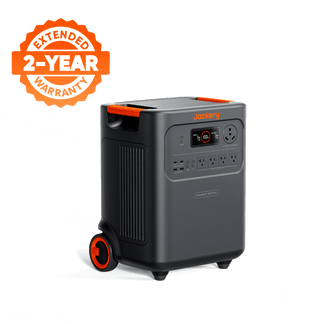
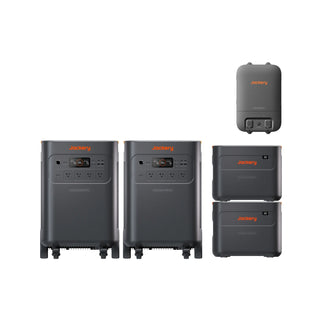
The Jackery Solar Generator 5000 Plus vastly outperforms a standard 5000 watt solar generator with its massive 7200W output. The Jackery Solar Generator 5000 Plus features integrated 120V/240V dual voltage to seamlessly run high-draw, hardwired appliances like deep well pumps and electric space heaters. The system boasts a 0ms UPS switchover time and offers massive expandability up to 60kWh for extended, multi-day power outages.

Cost Comparison: Upfront Investment vs. Long-Term ROI
When comparing upfront investment versus long-term ROI, gas generators have lower initial costs but drain your wallet with high, ongoing fuel and maintenance expenses. Solar batteries demand a significantly higher upfront capital investment, but they operate with absolutely zero fuel costs.
More importantly, a solar battery system provides daily utility savings. You can program the unit to power your home during peak utility rate hours, actively returning your investment every day. A gas generator simply sits idle in your garage waiting for an emergency.
Switch to Solar and Battery Storage to Offset Costs
How Solar Panels Reduce Utility Reliance
Solar panels reduce utility reliance by significantly lowering your monthly energy bills when paired with electric appliances. You generate your own power during the day, store the excess in your battery system, and deploy it at night to avoid drawing expensive grid power.
Important 2026 Update
The direct 30% Residential Clean Energy Credit (Section 25D) expired at the end of 2025 for homeowner-purchased systems. Homeowners can no longer claim the Section 25D direct tax rebate when buying hardware outright.
Alternative Tax Strategies
Homeowners can still indirectly benefit from the 30% commercial tax credit (Section 48E), which remains active through 2027. Homeowners access the commercial tax credit by utilizing Third-Party Ownership (TPO) models. Explore local platforms for $0 down solar leasing or Power Purchase Agreements (PPAs). The corporate provider claims the commercial tax credit and passes those financial savings directly down to you through lower, locked-in monthly energy rates.
Conclusion: Is Solar Enough for Your Home?
Solar power is enough for your home during short to medium outages, excelling at powering essential household devices safely indoors. For extended, multi-day winter blackouts, a hybrid solar-gas strategy offers the ultimate peace of mind. Calculate your critical power needs, evaluate your worst-case weather scenarios, and choose a modular backup system that scales with your home's demands.
Frequently Asked Questions
How do I connect a solar generator to my breaker?
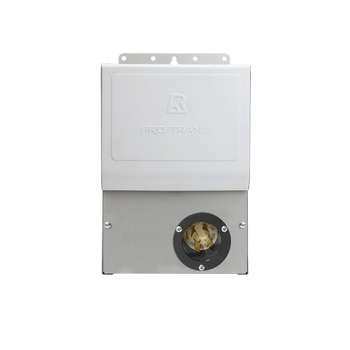
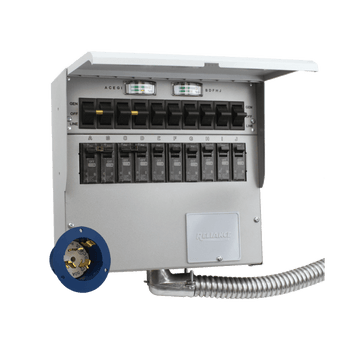
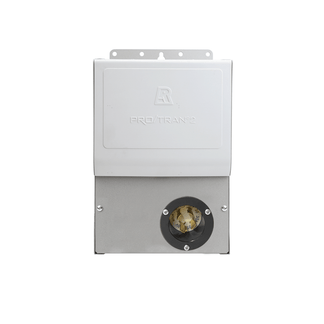
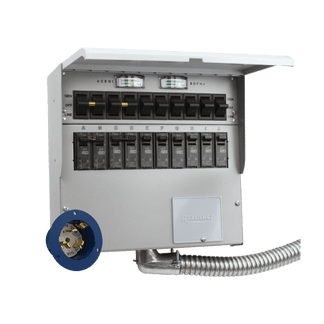
To connect a solar generator to your breaker, you must hire a licensed electrician to install a manual transfer switch on your main panel. The transfer switch safely isolates your home's built-in circuits from the grid, preventing dangerous electrical backfeeding that can injure utility workers.
Can I charge a solar generator using my car?
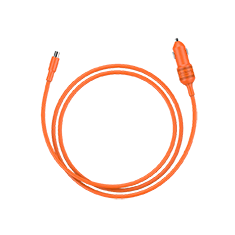
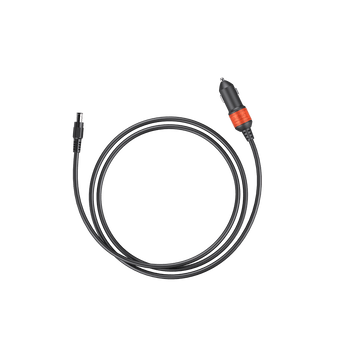
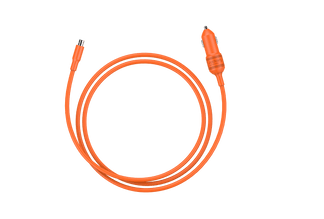
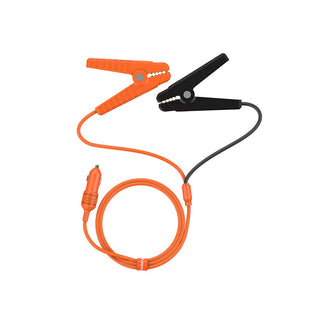
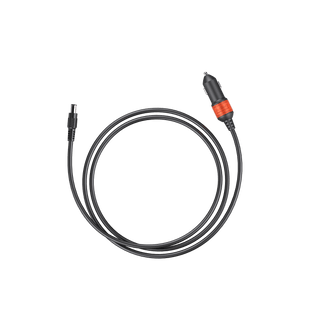
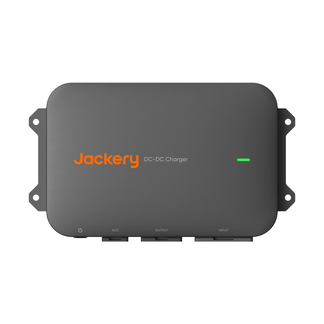
Yes, 12V car charging ports provide a crucial alternative recharging method during extended emergencies. Drivers use their vehicle's alternator to replenish the battery if both sunlight and grid power are completely unavailable.
Can you leave portable solar panels in the rain?
Whether you can leave portable solar panels in the rain depends entirely on their specific IP waterproof ratings. While IP68-rated panels withstand heavy rain, standard panels should be brought indoors during severe storms to prevent permanent water damage.
Do solar generators work for apartment renters?
Yes, solar generators work exceptionally well for apartment renters who utilize balcony panel setups or window-charging configurations. Emission-free indoor battery storage makes solar generators the only legally and physically viable emergency backup solution for apartment living.
Can I use third-party solar panels with my generator?
You can use third-party solar panels with your generator, provided you verify the power station's maximum voltage input limits to prevent overloading the charge controller. Use standard MC4 adapters to bridge the connection between different brands of panels and power stations safely.


