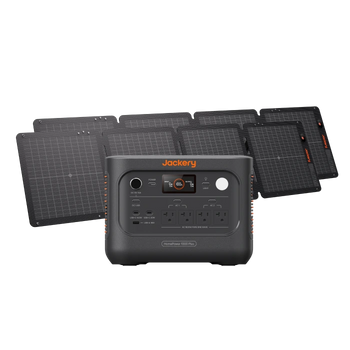
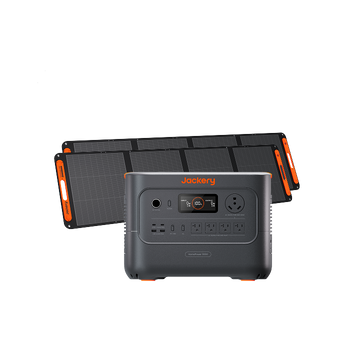
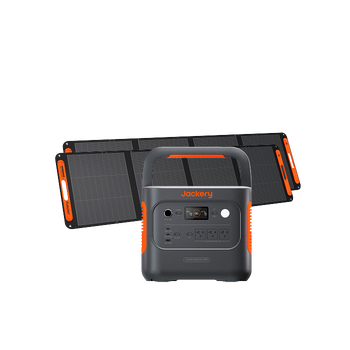
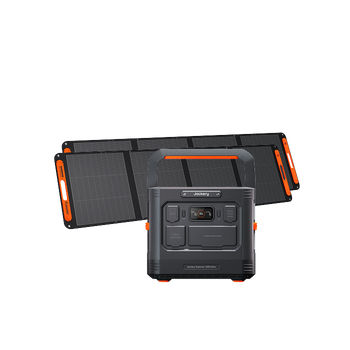
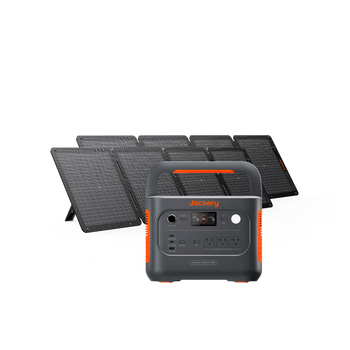
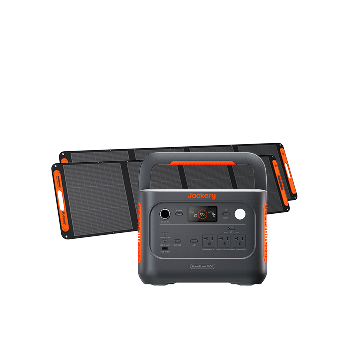
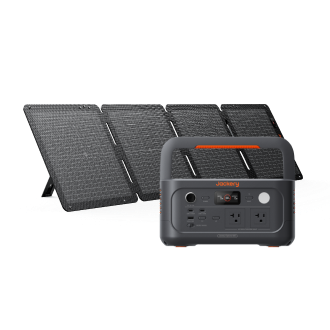
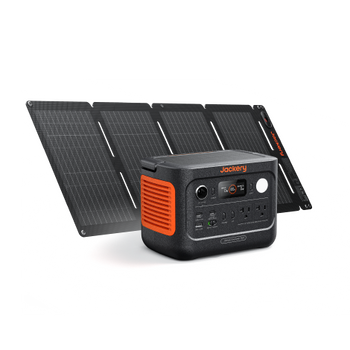

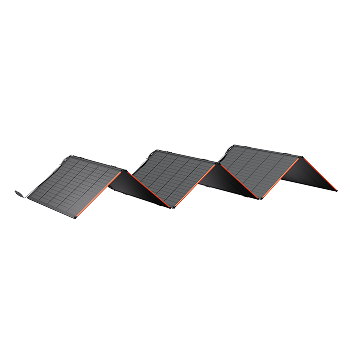
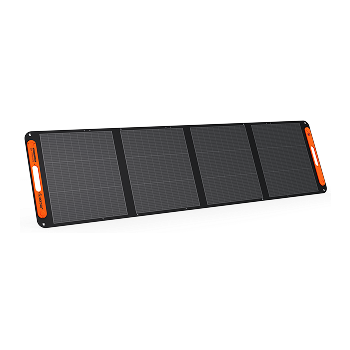
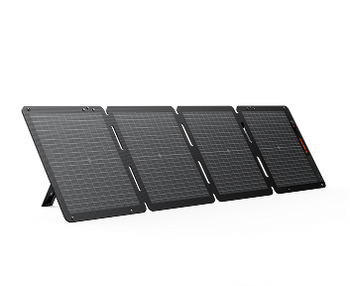








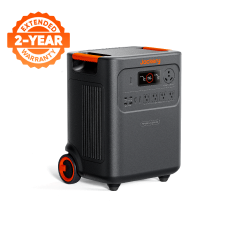
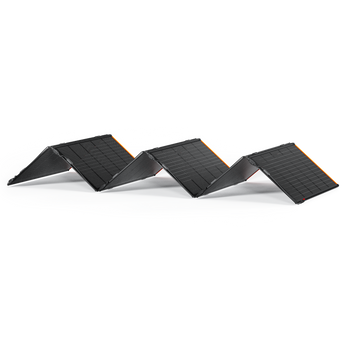
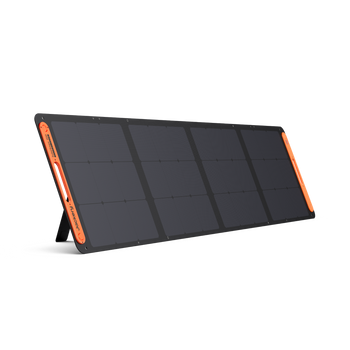


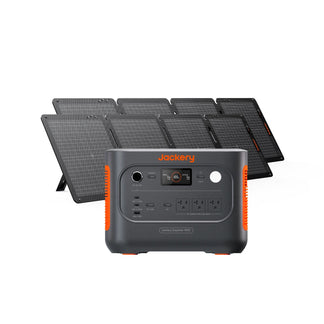
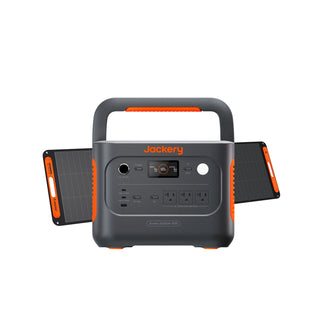
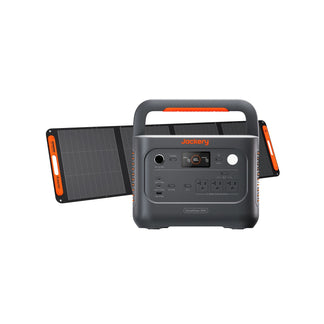
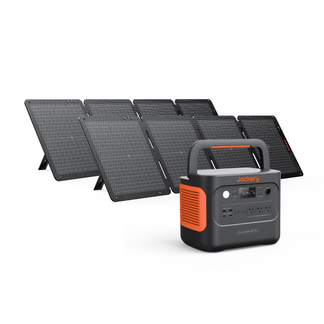
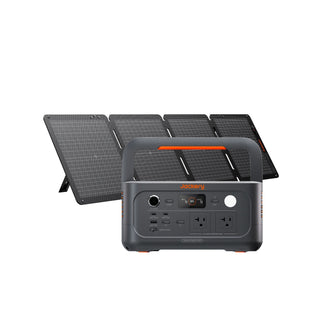
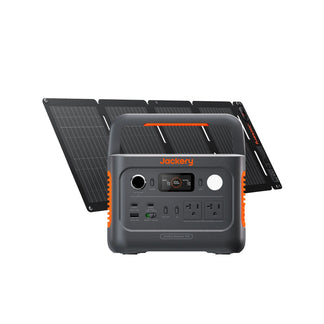

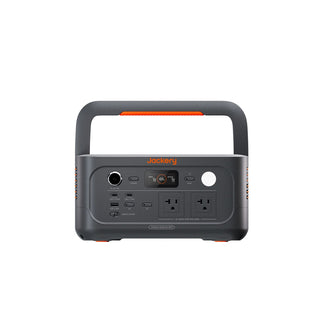
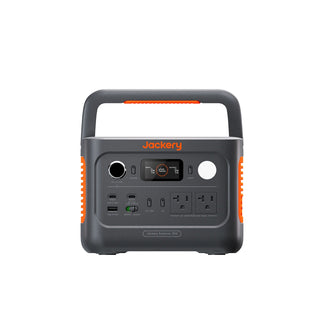
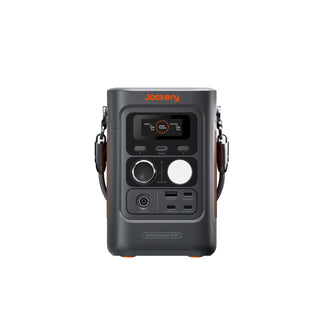
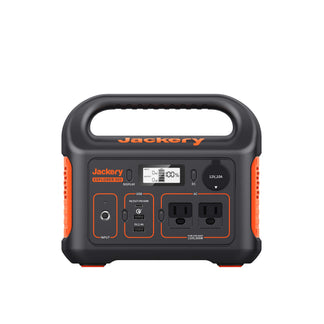
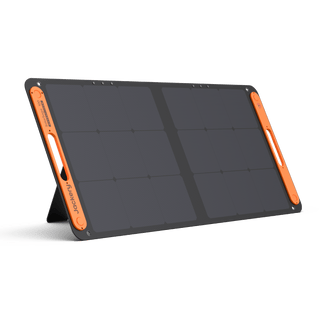
![[Add-on] Jackery SolarSaga 500 X - Jackery](http://www.jackery.com/cdn/shop/files/add-on-jackery-solarsaga-500-x-1493607.webp?v=1786503068&width=324)
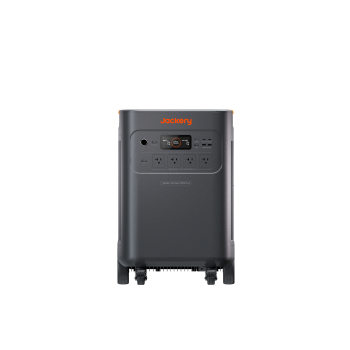
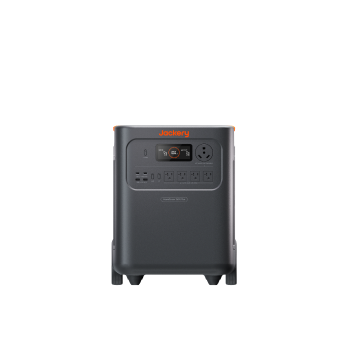
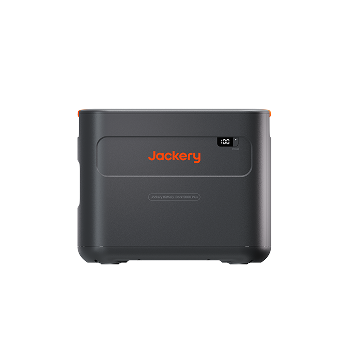
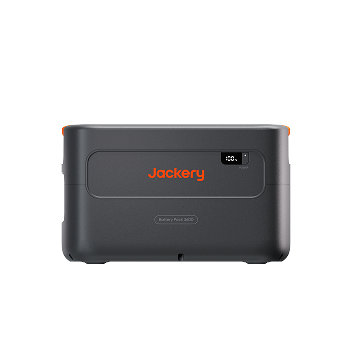
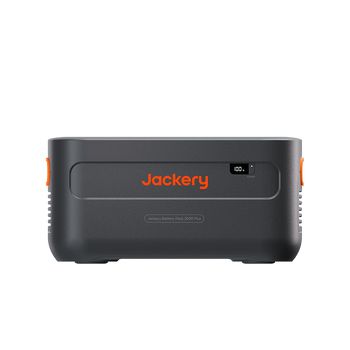
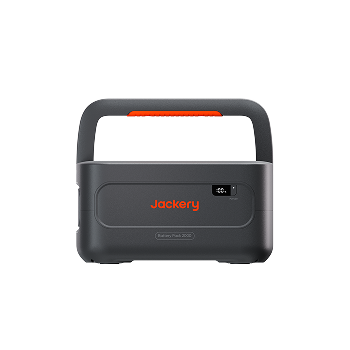
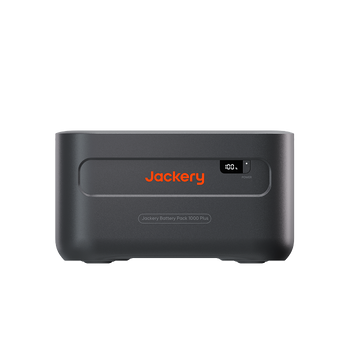
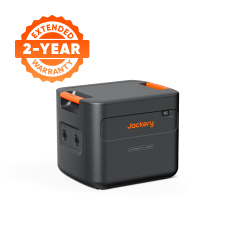
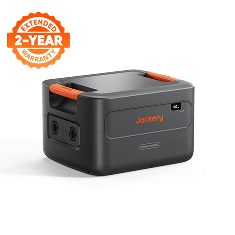
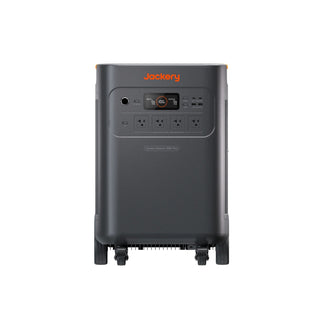
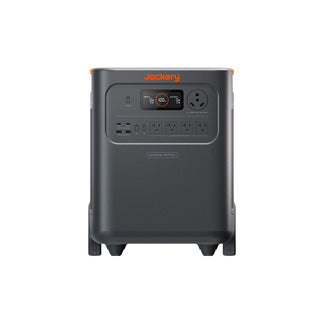
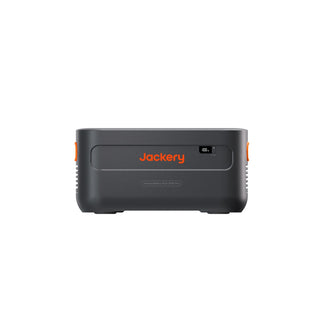
![[Add-on] Jackery Battery Pack 5000 Plus - Jackery](http://www.jackery.com/cdn/shop/files/add-on-jackery-battery-pack-5000-plus-6713401.webp?v=1786503068&width=324)






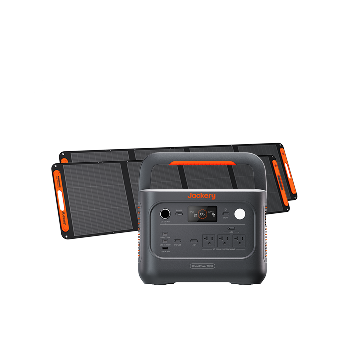
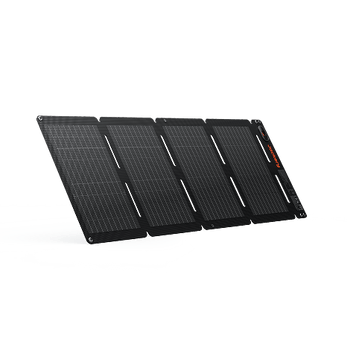
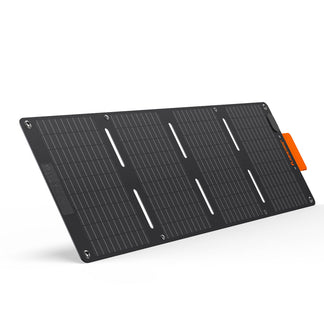
![[Add - on] SolarSaga 200W - Jackery](http://www.jackery.com/cdn/shop/files/add-on-solarsaga-200w-4834329.png?v=1754016915&width=324)


Quick Answer: A solar generator that keeps a refrigerator running through a multi‑day blackout costs between $600 and $1,500. That’s less than the $1,000+ in spoiled food and emergency lodging a single extended outage can trigger. For households that lose power three times a year, a $1,200 unit breaks even in 12 months — and every outage after that is pure savings.
Key Takeaways:
- One power outage can cost $1,000+ in ruined groceries and hotel stays — more than the up‑front cost of a solar generator.
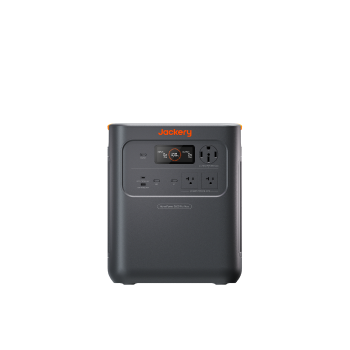
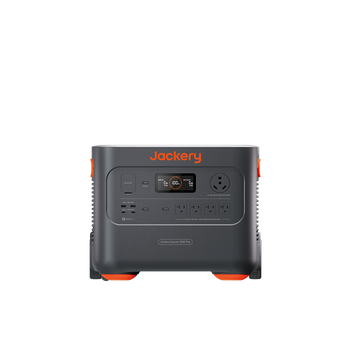
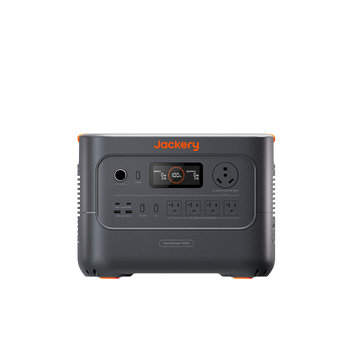
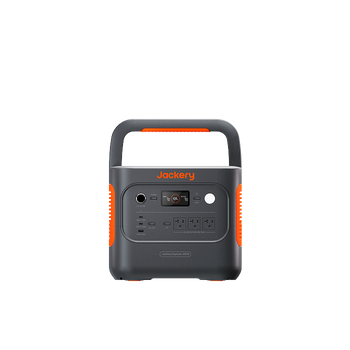
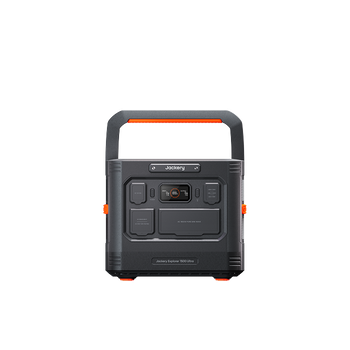
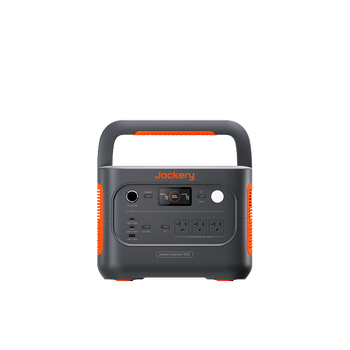
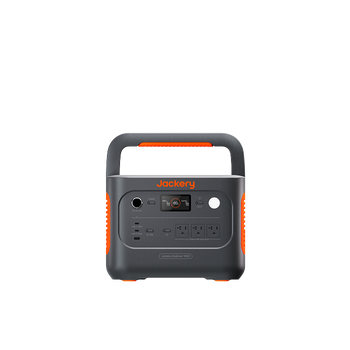
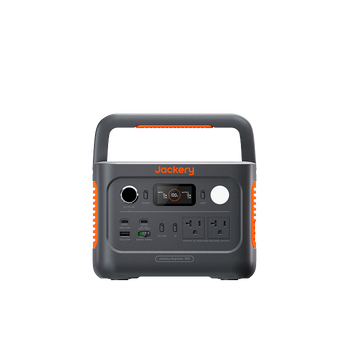
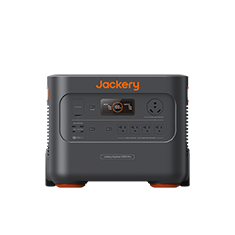
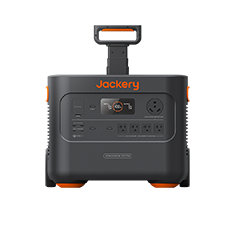
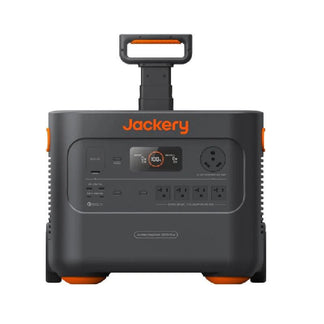
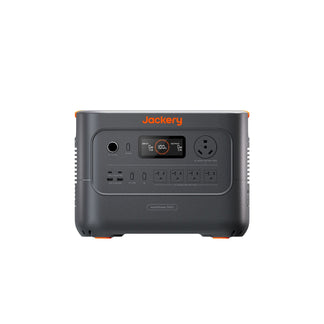
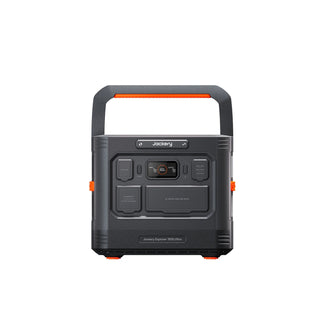
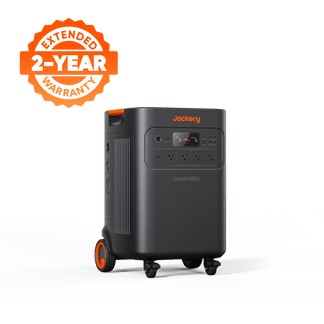
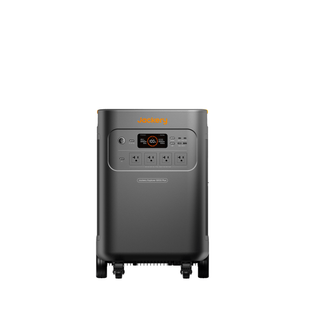
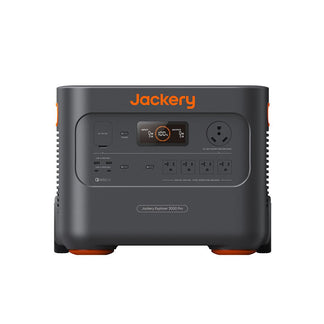
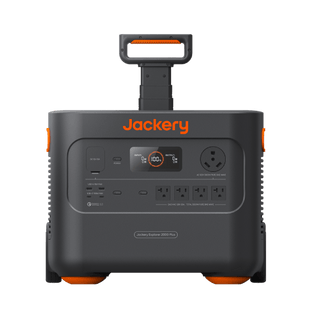
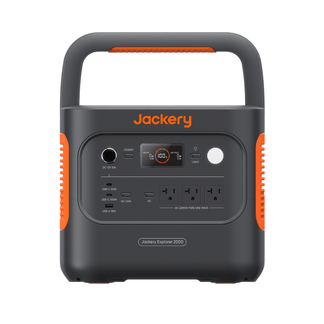
- A 2 kWh solar generator like the Jackery Explorer 2000 v2 can run a 520W fridge for about 3.2 hours; for 24+ hour protection, a larger unit like the Jackery Solar Generator HomePower 3600 Plus (38 hours for an 80W fridge) is needed.
- Solar generators eliminate fuel costs and carbon‑monoxide risk; gas generators burn $20–$48 per day in fuel and require annual maintenance.
- Disabling eco‑mode is the #1 step for uninterrupted refrigeration — most unexpected shutdowns are user error, not equipment failure.
- Measure your fridge’s actual draw with a $20 Kill‑A‑Watt meter before buying; EnergyGuide labels are averages, not your unit’s real consumption.
The Hidden Cost of a Power Outage: Your Refrigerator’s Toll
A single outage can cost you $1,000 or more. That’s not hyperbole — it’s the sum of spoiled groceries and the emergency expenses that pile up when the power stays off. Here's how the costs break down:
- Spoiled food: USDA guidelines are absolute — perishables become unsafe after 4 hours above 40°F. A cooler and ice buy you a few extra hours, but beyond that, the food is garbage. A full freezer, if kept unopened, holds safe temperatures for up to 48 hours — but most households open the door at least once, cutting that window in half.
- Insurance gaps: Homeowners insurance rarely helps. Deductibles run $500–$2,500, making a claim for $200–$400 in spoiled groceries pointless. Utility reimbursement programs typically exclude weather‑related outages.
- Emergency lodging: If you choose to ride out a summer blackout in a hotel, you’ll spend $100–$500 per night — a 3‑day outage becomes a $300–$1,500 lodging bill.
The math is brutal. The cost of a solar generator suddenly looks cheap when you stack up what you stand to lose.
From “Panic Buy” to Planned Home Infrastructure
When outages hit three or more times a year, a solar generator stops being an impulse buy and becomes a rational infrastructure investment.
- Cost justification: A $600–$900 power station pays for itself after just two events — and you never have to scramble for ice again. Quantifying your risk changes the decision: a single $2,000 loss justifies a $1,500 solar generator. That’s not a gadget; it’s a financial hedge against a recurring problem. The same way you buy insurance, you buy backup power — only this asset actually works when you need it and doesn’t come with a deductible.
- Why ice fails: Relying on ice and coolers is a losing strategy for multi‑day blackouts. Users universally report total food loss after 24 hours. Ice melts, coolers leak, and you can’t keep refreezing gel packs without power.
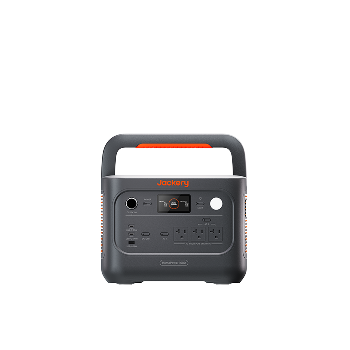
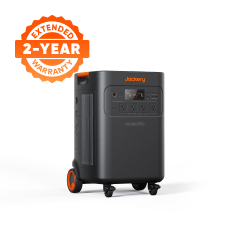
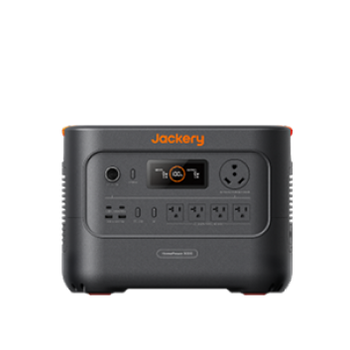
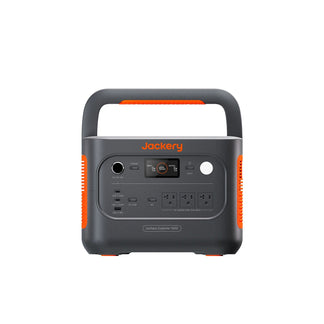
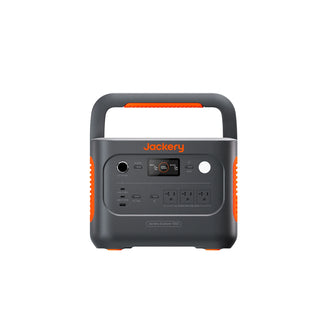
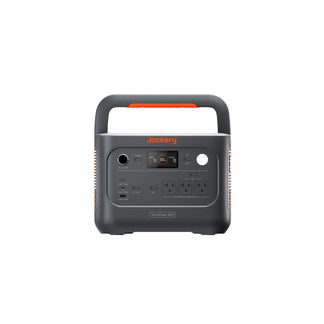
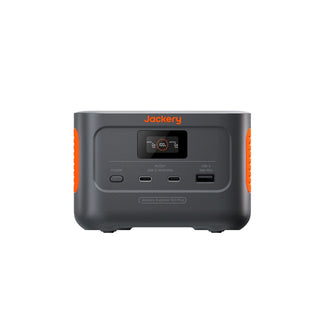
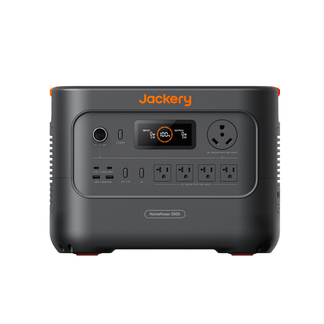
- A real solution: A solar generator with sufficient capacity, such as the Jackery Solar Generator HomePower 3600 Plus, can run a fridge for 38 hours and recharge from the sun, making it a reliable backup solution rather than a stopgap.
This shift from panic to planning is where building a secure backup system pays off. You stop reacting and start protecting what matters.
Key Questions for First‑Time Buyer
Is a $600 solar generator overkill compared to ice and a cooler?
Ice works for 4–6 hours. It fails completely during a multi‑day outage. A $600 solar generator costs a fraction of one outage’s damage when you add up ruined food and restaurant bills. Anyone who has already lost $1,000 in food finds the math straightforward: the generator is cheaper than repeating the loss.
How much battery do I actually need for 24 hours of fridge protection?
A typical fridge consumes 1.0–1.3 kWh per day. Add 15% for inverter losses, and you need at least a 1.5 kWh usable battery.
A 2 kWh battery like the Jackery Explorer 2000 v2 delivers roughly 1.74 kWh usable, which can run a 520W fridge for about 3.2 hours. For 24-hour protection, you need a larger battery like the Jackery Solar Generator HomePower 3600 Plus (3.58 kWh) which can run an 80W fridge for 38 hours. Always measure your actual draw with a $20 Kill‑A‑Watt meter — EnergyGuide labels are averages, not your fridge’s exact consumption.
Solar generator vs. gas generator for keeping food cold?
Factor |
Solar Generator |
Gas Generator |
Indoor safety |
Zero carbon monoxide, apartment‑friendly |
Carbon monoxide risk, outdoor‑only |
Noise level |
Silent operation |
Loud operation |
Fuel logistics |
None; solar recharge |
Gas stations may be out of power |
Daily operating cost |
$0 |
$20–$48 in fuel |
Annual maintenance |
None |
Oil changes, spark plugs, stale fuel risk |
Dual-purpose use |
Can double as "lodging insurance" |
Exhaust makes indoor use impossible |
Solar generators win on indoor safety and operating costs. Gas generators burn $20–$48 per day in fuel plus annual maintenance, quickly erasing their lower sticker price.
Can I run a fridge on a small 288 Wh or 768 Wh unit?
No. Fridge compressors draw 800–1,200 W startup surge, which will trip an undersized inverter immediately.
Minimum continuous inverter rating for fridge duty is 1,000 W to handle the surge, regardless of battery capacity. A 768 Wh battery might run for 4–6 hours under ideal conditions but will fail repeatedly if the inverter can’t handle the surge. You need both enough watt‑hours and a strong inverter.
Break‑Even Math: When a Solar Generator Pays for Itself
The numbers are straightforward. At 3 outages per year with $400 average spoilage, a $1,200 solar generator breaks even in just 12 months:
3 × $400 = $1,200
After that, every outage avoided is pure savings. Over 10 years of ownership at 3 outages per year, that’s $12,000+ in prevented losses.
Gas generators look cheaper up front, but their operating costs change the picture:
Cost Factor |
Gas Generator (3 years) |
Solar Generator |
Purchase price |
Lower sticker price |
Higher one‑time cost |
Fuel (at $20/day) |
$60+ for 3 outage-days |
$0 |
Annual maintenance |
$150 ($50 × 3 years) |
$0 |
Fuel price volatility |
30%+ jump when gas hit $5.20/gallon |
Unaffected |
Hidden costs |
Gas station trips, oil changes, spark plugs, stale fuel risk |
None |
Solar generators also avoid all hidden costs. For a pure fridge‑backup role, the best battery backup generators eliminate all of that.
Break‑even calculations are simple because portable solar generators are consumer electronics. You pay once, and the savings come from avoided losses, not from complex energy‑arbitrage schemes. The cost of a solar generator is the total cost — no installation, no permits, no ongoing fees.
The Critical Feature: Preventing Eco‑Mode Shutdown
Fridge compressors cycle on and off, dropping power draw to near zero between cycles. Many power stations interpret this idle period as “no load” and shut off automatically — killing your fridge hours into a blackout.
The “AC Always‑On” or “Disable Standby” setting is the single most important feature for uninterrupted refrigeration. Every Jackery unit provides manual control via the Smart App or front panel to override eco‑mode, ensuring the inverter stays active 24/7.
Always disable auto‑off timers and eco‑mode before connecting any refrigerator. User error — not equipment failure — causes most unexpected shutdowns. If your fridge stops running mid‑outage, check this setting first.
Real‑World Sizing: What Experienced Owners Do
1. Use a Kill‑A‑Watt meter first. Fridge consumption varies 0.9–1.8 kWh/day. Guessing leads to buying too little capacity. Plug the meter in for 24 hours under normal use and get a real number.
2. Continuous watts matter more than watt‑hours. The inverter must handle the startup surge (800 W+), not just the running load (100–150 W). A 2,000 Wh battery with a weak 500 W inverter is useless for a fridge.
3. Assume ~85% usable capacity. Inverter losses eat about 15%. A 2,048 Wh unit delivers roughly 1.74 kWh to your fridge.
4. Match fridge type to battery size.
Fridge Type |
24-Hour Battery Need |
Mini‑fridge |
~1,000 Wh |
Side‑by‑side |
2,500+ Wh |
Large French door |
3,000+ Wh |
Buy for your actual fridge, not an average.
5. Hybrid strategy for long outages. Use a gas generator for high‑draw freezers and a solar generator for essential electronics and small loads. This splits the load and reduces fuel consumption.
For deeper guidance on sizing a whole‑home approach, see choosing an electric generator for home backup.
Solar Generator Solutions for Food Preservation
The right solar generator turns a fridge from a liability into a protected asset. Below are three Jackery bundles matched to common use cases.
Use Case |
Recommended Jackery Bundle |
Key Specs |
Fridge Runtime |
Full‑size fridge, sump pump, home office |
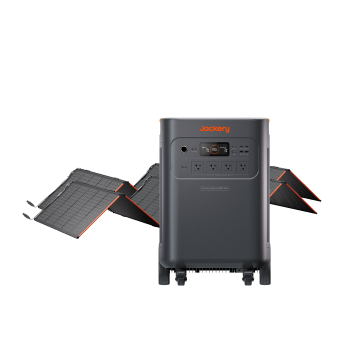
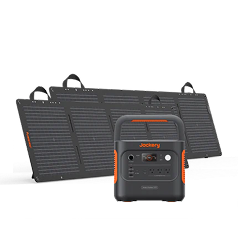
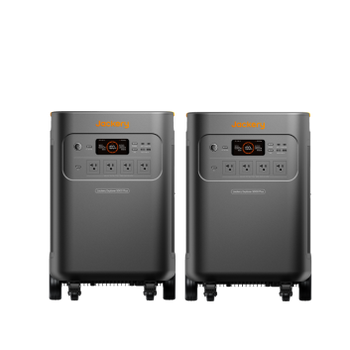
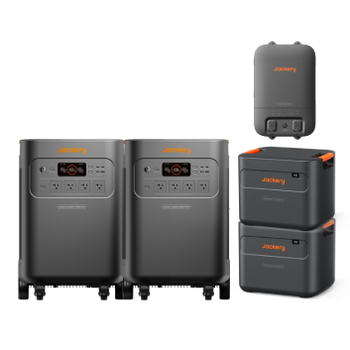
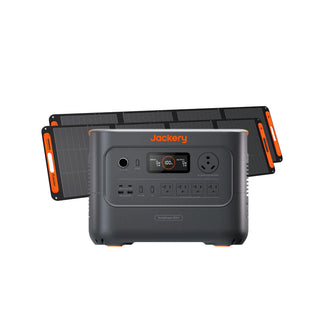
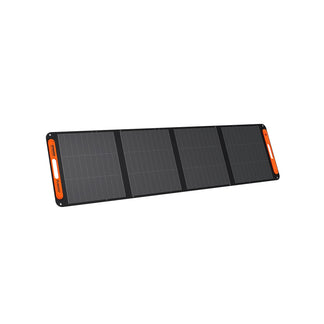
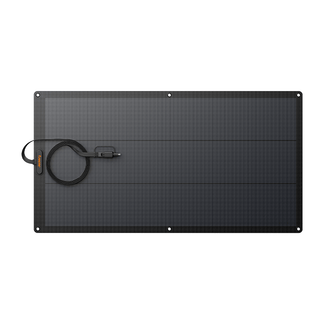
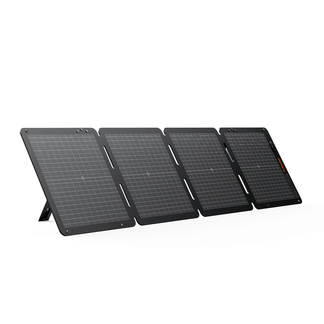
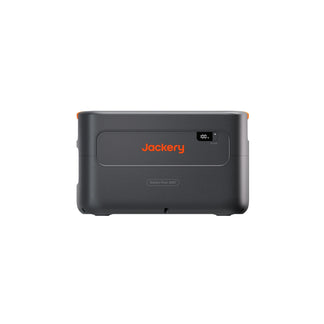
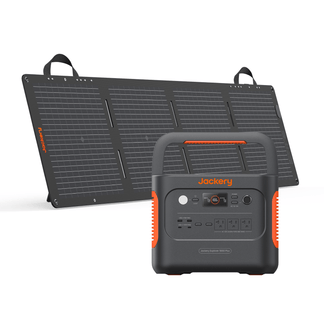
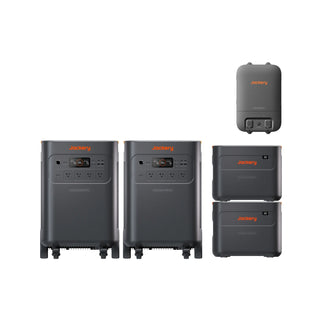
Jackery Solar Generator 5000 Plus + 2x SolarSaga 500X |
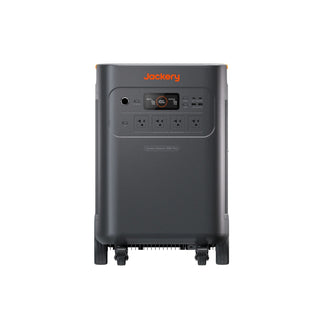
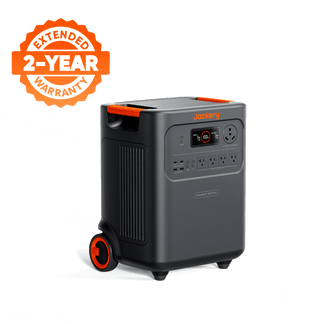
5.04 kWh, 7,200 W continuous, 14,400 W surge |
10 hours (520W fridge) |
Refrigerator, microwave, lights, apartment‑safe |
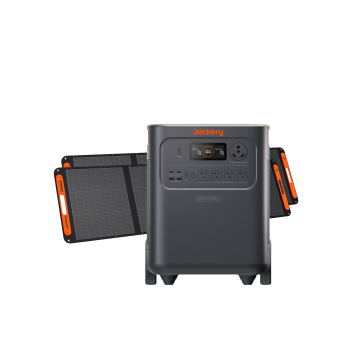
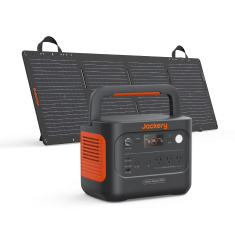
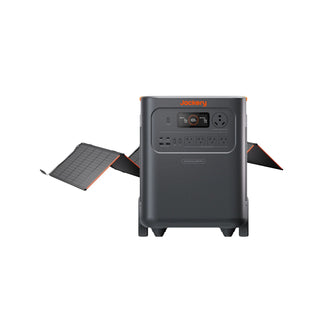
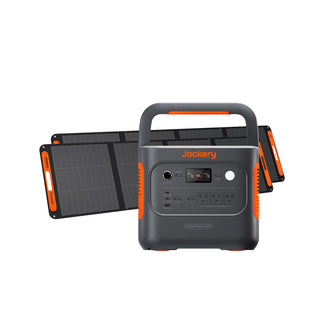
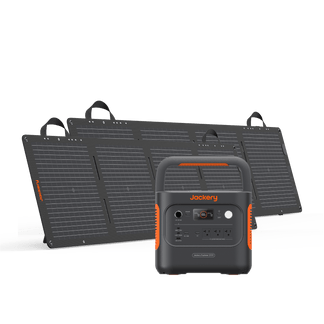
Jackery Solar Generator HomePower 3600 Plus + SolarSaga 500X |
3.58 kWh, 3,600 W continuous, 7,200 W surge |
38 hours (80W fridge) |
Fridge and freezer, lightweight portable backup |
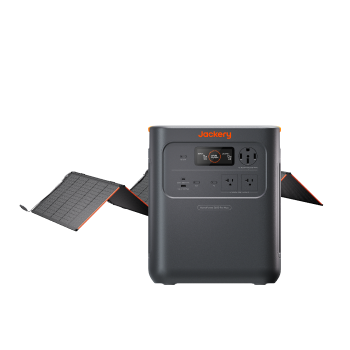
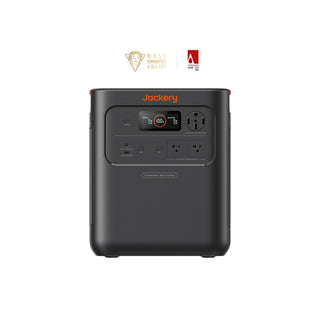
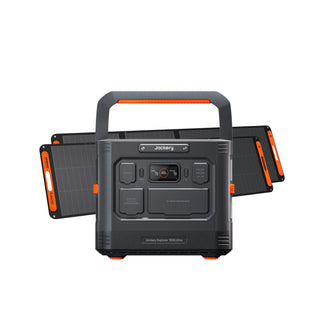
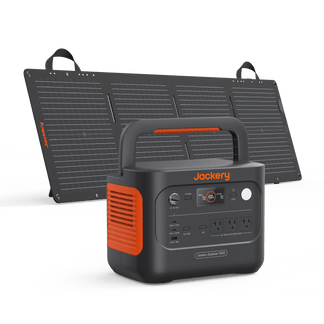
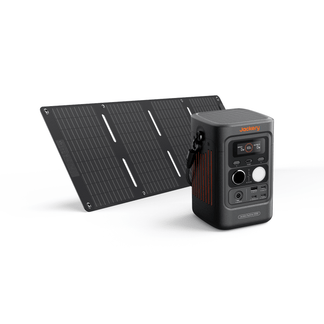
Jackery Solar Generator 2000 v2 |
2,042 Wh, 2,200 W continuous, 4,400 W surge |
3.2 hours (520W fridge) / 4 hours (400W fridge) |
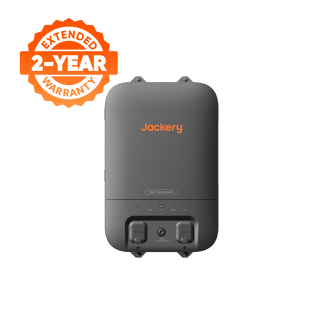
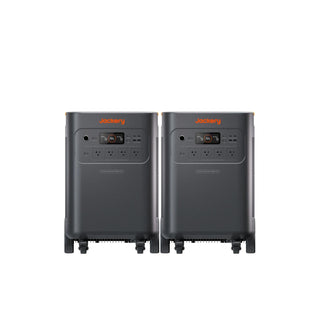
All models feature LiFePO4 batteries for a 10+ year lifespan and app-based energy management. The 5000 Plus expands to 60 kWh; the HomePower 3600 Plus recharges in 16 hours with the included 500 W bifacial panel; the 2000 v2 weighs just 39.5 lbs and stores easily.
Practical Tips from Experienced Users
- Disable eco‑mode immediately after connecting a fridge. It’s the #1 cause of unexpected power loss during compressor starts.
- Pre‑cool the fridge to max setting before an anticipated outage. The thermal mass buys extra time.
- Fill empty freezer space with water jugs. Frozen jugs stabilize temperature and reduce compressor run time.
- Cycle the fridge on a timer. Running 1–2 hours every 4–5 hours often keeps food safe, doubling or tripling battery runtime.
- Keep the freezer door closed. A full freezer stays below 40°F for up to 48 hours if unopened.
- Measure your fridge’s exact draw with a meter before buying. EnergyGuide labels are only a starting point.
Frequently Asked Questions (FAQ)
Will homeowners insurance cover my spoiled food?
Most policies have a $500–$2,500 deductible, making a claim for $200–$400 in spoiled groceries financially pointless.
How long can a fridge stay cold without any power?
A closed refrigerator keeps food safe for about 4 hours; a full freezer maintains temperature for 24–48 hours if unopened.
Can I run a freezer and fridge on one solar generator?
Yes, but only if the generator’s continuous inverter rating exceeds the combined startup surge of both compressors, typically 1,600–2,400 watts.
Do solar generators work during cloudy winter outages?
Yes, but you’ll rely entirely on stored battery capacity since solar recharge drops to near zero on overcast days.
What size solar generator do I need for a week‑long outage?
For a standard fridge, you need at least 7–10 kWh of usable battery capacity, or a unit that supports solar pass‑through charging for daytime top‑ups.


