











![[Add - on] Jackery Manual Transfer Switch for Explorer 5000 Plus - Jackery](http://www.jackery.com/cdn/shop/files/add-on-jackery-manual-transfer-switch-for-explorer-5000-plus-9017324.png?v=1754016782&width=350)






![[Add - on] Jackery Manual Transfer Switch for Explorer 5000 Plus - Jackery](http://www.jackery.com/cdn/shop/files/add-on-jackery-manual-transfer-switch-for-explorer-5000-plus-9017324.png?v=1754016782&width=324)


Yes, a solar generator can power a chicken coop door. Solar-powered chicken coop doors are designed to operate on extremely low power using small built-in solar panels and batteries, making them largely self-sufficient for daily open-and-close cycles.
Keeping chickens safe and sound while also saving the planet is one of the most critical things on the list of chicken raisers. To make sure the hens are secure in their coop, you have to get up in the early morning to open the coop door and double-check whether you closed up the coop door each night. That can be hard, especially when you lead a busy life. A solar-powered chicken coop door comes in handy for those who don't want to let their chickens out of the coop manually.
The automatic doors powered by solar panels keep your chickens safe from predators and the planet from carbon emissions. Most solar coop doors use 5-15 watts, depending on the coop size and door type. Jackery Solar Generators can power the automatic coop doors using sunlight, ensuring that you don't have to worry about power outages. These solar generators are portable and can power other appliances, such as LED coop lighting, small ventilation fans, etc. Keep reading to understand more about solar chicken coop doors and how to power them.
Takeaways
- An automatic door that opens and closes based on time or light, using a small solar panel and internal battery to operate a low-power motor.
- Most doors run on built-in solar panels, AA batteries, or small rechargeable batteries, with solar generators used only as backup or shared power.
- Chicken coop doors typically use 5 - 15 watts, and only for short bursts during opening and closing.
- Jackery Solar Generator can easily power a coop door, but it’s best used when the door shares power with lighting, cameras, or other coop accessories.
What Is A Solar Powered Chicken Coop Door?
Simply put, a solar-powered chicken coop door mechanism can automatically open and close the chicken pop door for chickens. There are two ways by which the automatic coop door operates: light sensors and timers.
Light sensors measure the outside light to work. Doors are automatically closed when the sun sets and opens when the sun rises. In this case, you'll need to keep the coop location in mind.
On the other hand, a timer model opens and closes the door at specific times. The innovative opening and closing mechanism of the door is powered by solar panels. A reliable solar generator solution will not only reduce electricity expenses, but it will also help you eliminate manual labor.

What are the Power Sources For A Chicken Coop Door?
There are four different ways to power the automatic chicken coop door, including AC-powered systems, batteries, solar-powered systems, and solar generators.
Below we compare the four power sources for the solar-powered door for the chicken coop.
|
Types |
Pros |
Cons |
|
AC-Powered Chicken Coop Door |
- Suitable for areas with electrical outlets. - The smart plug-in option is available. |
- High electricity bills due to increased electricity consumption. - Not suitable for locations that are prone to brownouts or blackouts. |
|
Batteries for Chicken Coop Door |
- Easily replaceable. - Low investment. - Reliable power source. |
- Short battery life. - Charging or replacement is required after power depletion. |
|
Solar Panels for Chicken Coop Door |
- Eco-friendly solution. - Can be beneficial in the long run. - Portable and foldable in nature, making them easy to carry. |
- Cannot produce power after the sun sets. |
|
Solar Generator for Chicken Coop Door |
- Can work on cloudy days or at night due to power storing batteries available. - Pass-through charging option available. - Portable and lightweight, making them easy to transport. |
- High upfront costs. |
AC-Powered Chicken Coop Door
Coops with access to electricity can opt for AC-powered chicken coop doors. Unlike solar-powered doors, they do not rely on the sun's power to work. The coop door mechanism directly attaches to the electrical grid and provides power to the door. However, that doesn't mean you'll get power 24*7. If the power goes off, you'll have to manually open and close the door, as well as reset the program every time the electricity returns.
Pros
- Quite advantageous for coops that have a power supply source.
- The smart plug-in allows you to connect the automatic door to WiFi and operate it using your smartphone.
Cons
- Not suitable for coops that are not electrified.
- You'll have to install the control box for efficient working.
- Less readily available than battery-operated doors.
- Unsuitable for areas that are prone to power outages.
Batteries For Chicken Coop Door
Often, coops do not have nearby power supplies. In this case, many people choose battery-powered control boxes. It is a constant and reliable power source where the battery functions to support the charging needs of the door. However, it comes with a downside of short battery life.
Pros
- Easy to replace batteries when they run out.
- Battery indicator helps you understand when it's time to change the battery.
- A wide range of model options is available.
Cons
- Many batteries get affected by cold weather conditions, making door operation inefficient.
- Power quickly runs out after a low battery, leaving your chickens stuck in the coop.
Solar Panels For Chicken Coop Doors
Solar panels are suitable for areas that receive direct sunlight for long hours. It is also an ideal choice if your chickens are far away from an electric source or in the pasture. However, they won't work at night or in areas that receive little to no sunshine.
Pros
- It is a cost-effective solution as you use the sun's energy to generate electricity.
- As solar panels are recyclable in nature, they are an eco-friendly choice.
- Most foldable solar panels are portable, making it easy for you to change the location according to sunlight.
Cons
- The solar panels won't work if they don't get enough sunlight to power the automatic door.
Solar Generator For Chicken Coop Door

As you see, there are a few drawbacks to each power option available. That's why choosing a combination of solar panels and batteries is ideal. Solar panels will allow you to convert sunlight into electrical energy. On the other hand, batteries will store the charge to power the automatic door during the night, on cloudy days, or without the sun.
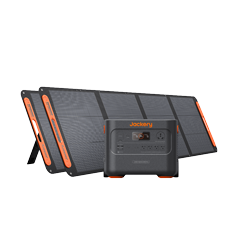
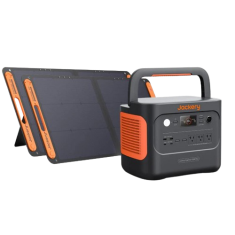
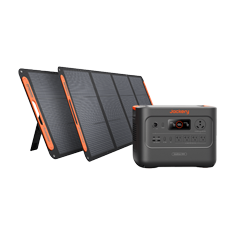
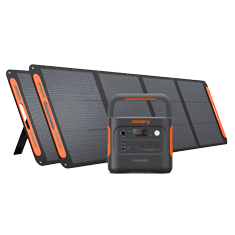
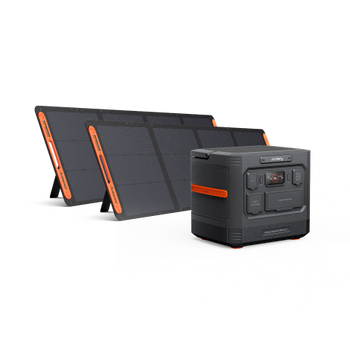
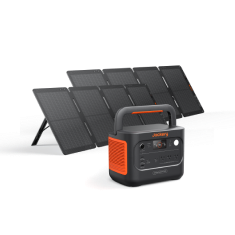
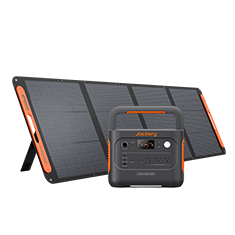
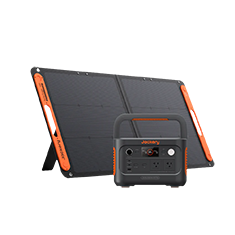
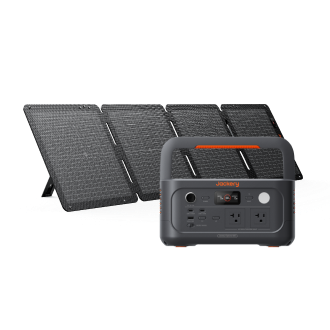
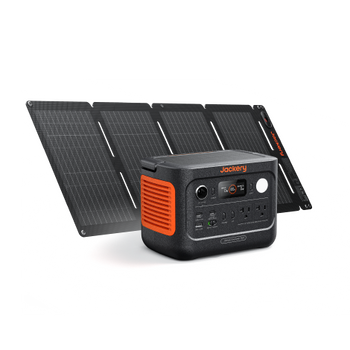
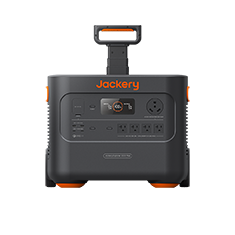
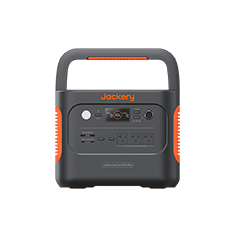
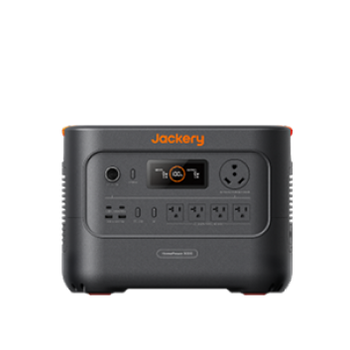
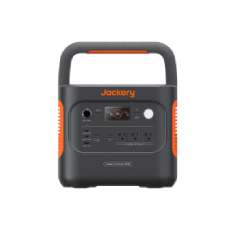
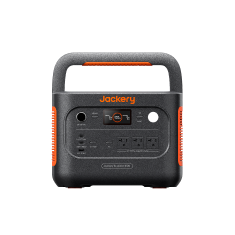
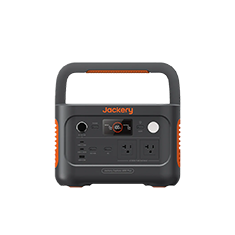
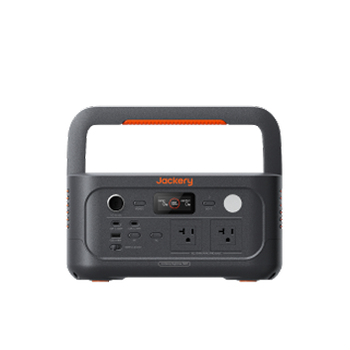
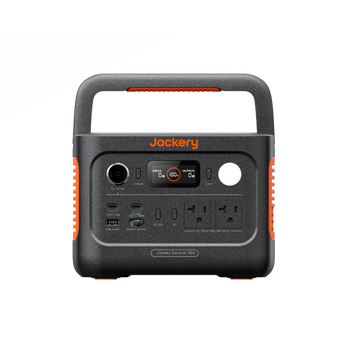
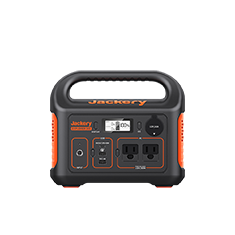
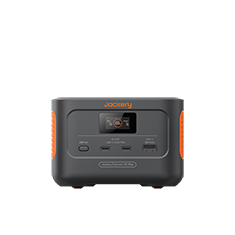
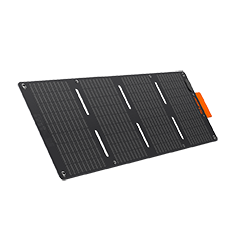
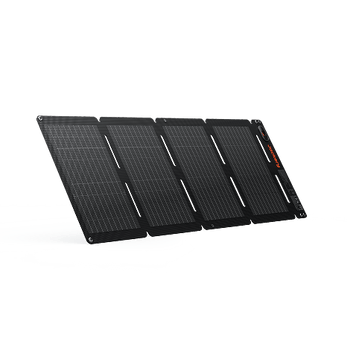
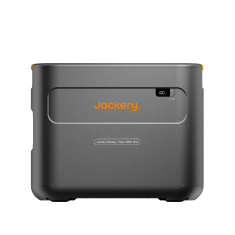
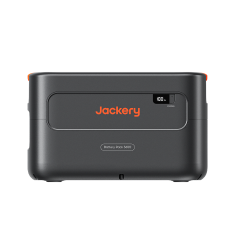
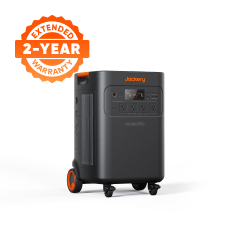
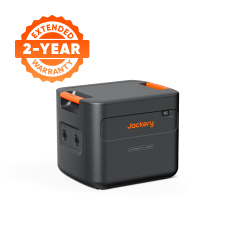
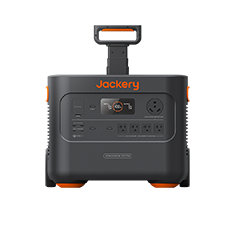
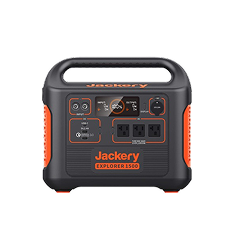
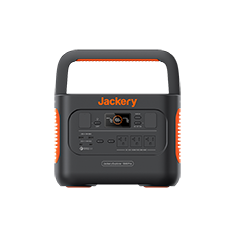
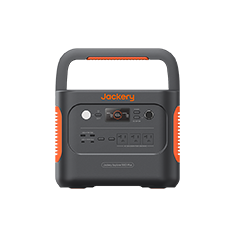
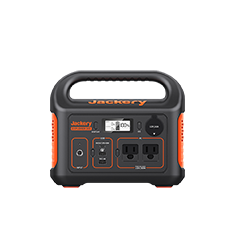
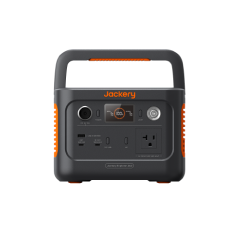
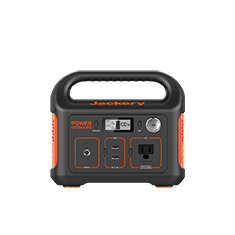
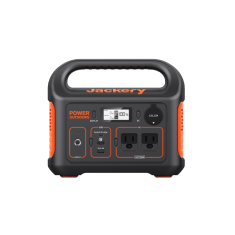
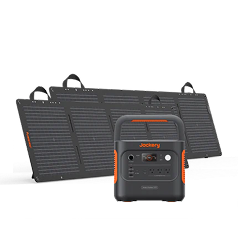
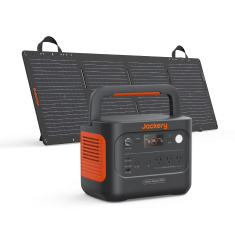
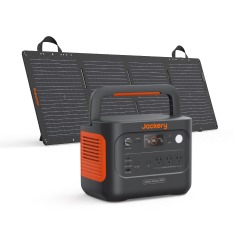
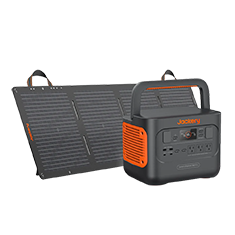
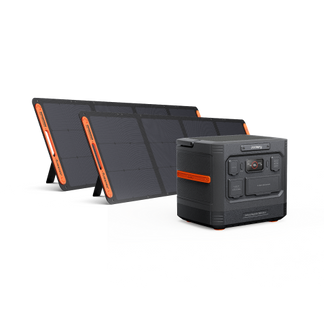
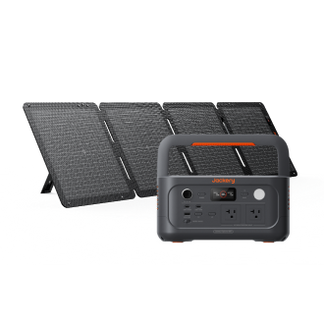
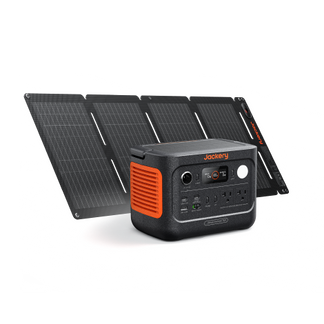
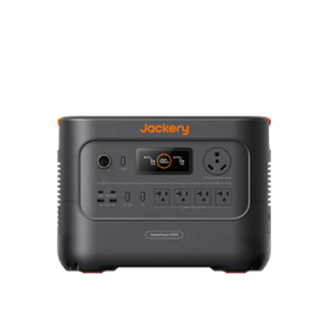
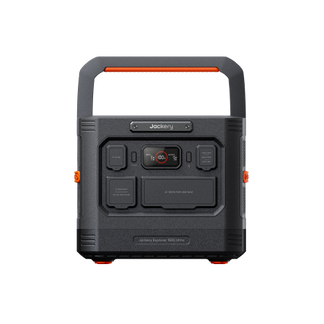
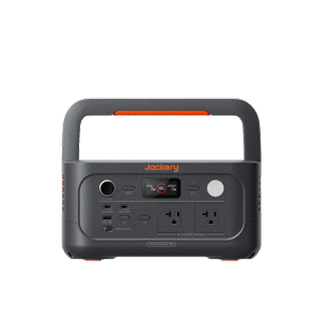
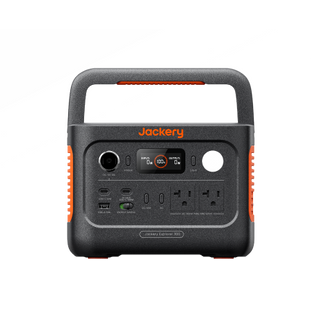
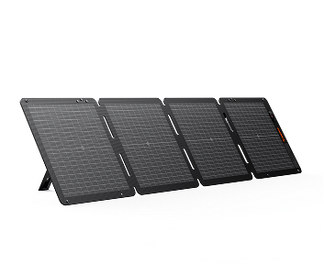
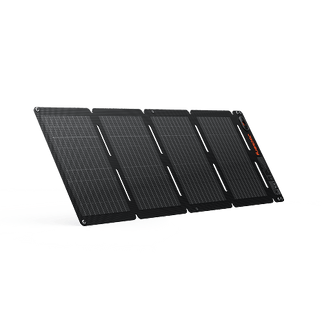
Jackery Solar Generator combines solar panels and portable power stations. You can easily connect solar panels to the power station to leverage the benefits of solar-powered chicken coop doors. The three ideal options to power the automatic door are Jackery Solar Generator 240 v2, Jackery Solar Generator 300 Plus, and Jackery Solar Generator 1000 v2.
Adam Taylor, a horse farmer in Clearwater, Florida, relies on a Jackery Solar Generator to keep his 16-acre farm, barn, and RV running during hurricanes and long power outages that can last weeks. After years of dealing with noisy, fuel-dependent gas generators, he switched to the Jackery product to power essentials like barn fans, refrigerators, freezers, portable AC units, and even tools used for fence repairs. Read more such Jackery Stories to see how people use Jackery products.
Pros
- Solar generators use solar energy to run electrical devices, ensuring you don't have to worry about power outages.
- The portable power station stores the produced energy to power the door when the sun is down.
- The solar power system is easy to install and takes only a few minutes.
- Unlike other power sources, the solar-powered door for chicken coop costs less in the long run.
- Like solar panels, they are safe to use around chickens as they emit no fumes and are quiet.
Cons
- The initial investment is a little high.
How Many Watts Does A Solar Chicken Coop Door Use?
Most solar or battery-assisted chicken coop doors use very little power, typically around 5 - 15 watts, with brief spikes during opening and closing and near-zero draw while idle.
How Much Solar Power Does A Chicken Coop Door Need?
A chicken coop door needs very little solar power, typically around 5 - 15 watts, because it only uses electricity for a few seconds when opening and closing. Most solar-powered doors are designed to run on a small built-in panel and battery, with minimal energy requirements even during daily operation.
The amount of solar energy consumed by the chicken coop door will depend on the size of the door and the time you wish to power it.
Let us take an example to understand better.
Suppose the solar chicken coop door consumes 5 watts, and you want to run it for an hour in a month.
The total energy consumption will be:
Energy Consumption = Watts × Time = 5 W × 1 H = 5Wh monthly
|
Product |
Watts |
Length of Time (Monthly) |
Monthly Energy Consumption |
|
Solar Chicken Coop Door |
5-15 W |
1 H |
5W*1H = 5Wh 10W*1H = 10Wh 15W*1H = 15Wh |
Understanding the power consumption of a solar-powered door for a chicken coop will help you choose the suitable charging solution.
Jackery Solar Generator For Chicken Coop Door

If you want a stable power source for a chicken coop door, you can never go wrong with reliable and powerful Jackery Solar Generators. The ultra-charging system of portable power stations and solar panels converts maximum sun energy into electricity.
Not only can you power the coop door, but it also provides enough power for lights, heater, etc. The pass-through charging of Jackery Solar Generators ensures you can power the appliances while charging the power station. Below we have compiled a list of different Jackery Solar Generator sizes suitable for chicken coop doors.
Jackery Solar Generator 240 v2
The Jackery Solar Generator 240 v2 can comfortably handle the power needs of an automatic chicken coop door, which only draws electricity for a few seconds during opening and closing. It can also act as a dependable backup during winter, heavy cloud cover, or shaded coop locations where small solar panels struggle. In addition to the door, it can support basic coop accessories like LED lights or a small security camera, helping keep the setup simple and reliable without frequent battery changes.
Appliances Running Time
- Automatic Chicken Coop Door (15W) = 8.4H
- LED Coop Lighting (15W) = 8.4H
- Small Ventilation or Exhaust Fan (50W) = 3.5H
- Automatic Feeder (50W) = 3.5H
- Heated Base (100W) = 1.9H
Who Should Buy This
If your chicken coop door needs reliable backup power and you run only a few low-wattage accessories, then you can consider investing in the Jackery Solar Generator 240 v2.

Customer Review
This is awesome for my off-grid campground! Easy to use and lasts as it states!
— Shayne M.
Jackery Solar Generator 300 Plus
The Jackery Solar Generator 300 Plus provides extra battery capacity that makes it better suited for coops with multiple low-power devices running daily. While the door itself barely uses any energy, it ensures consistent operation even when additional equipment like lighting, small fans, or monitoring cameras is running for hours at a time. It’s a practical option for year-round coop setups where reliability matters more than minimal size.
Appliances Running Time
- Automatic Chicken Coop Door (15W) = 9.4H
- LED Coop Lighting (15W) = 9.4H
- Small Ventilation or Exhaust Fan (50W) = 3.9H
- Automatic Feeder (50W) = 3.9H
- Heated Base (100W) = 2.1H
Who Should Buy This
If your coop operates daily with several small devices and you want a longer runtime without constant recharging, you can consider going ahead with the Jackery Solar Generator 300 Plus.

Customer Review
My goal is to use this little solar generator not only for emergencies but to keep my phone, iPad, and rechargeable tablelights charged daily as well. So far, so good.
— Linda E.
Jackery Solar Generator 1000 v2
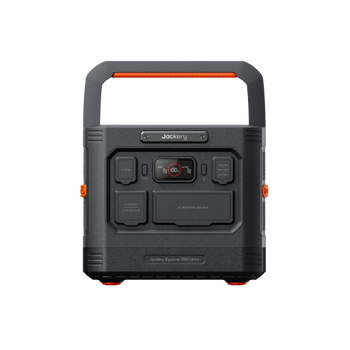
The Jackery Solar Generator 1000 v2 is far beyond what a chicken coop door alone requires, but it becomes useful when the coop is part of a broader off-grid or backyard power system. It can run the door effortlessly while also supporting larger loads such as extended lighting, multiple cameras, or nearby outdoor equipment from one central power source. It is the lightest and smallest 1kWh LFP solar generator and features a foldable handle, so you can easily transport it from one place to another.
Appliances Running Time
- Automatic Chicken Coop Door (15W) = 29.2H
- LED Coop Lighting (15W) = 29.2H
- Small Ventilation or Exhaust Fan (50W) = 13.5H
- Automatic Feeder (50W) = 13.5H
- Heated Base (100W) = 7.6H
Who Should Buy This
If your chicken coop is connected to a larger off-grid setup and you want one power source for everything, you can consider the Jackery Solar Generator 1000 v2.

Customer Review
I have 8-1000v2 units. Being smaller and lighter, it is easy to use in multiple rooms and carry outside for solar charging. They can run the fridge for 8-10hours and solar charge quickly with 2-200 solar panels.
— Ilene W.
Solar Powered Chicken Coop Door FAQs
What size of solar generator do I need to power a chicken coop door?
For a chicken coop door, you generally don’t need a large solar generator at all, because automatic coop doors use very little power and only operate for a few seconds at a time. Even the smallest-capacity solar generator is more than sufficient if the door is included in a larger off-grid setup. If you want to check how long Jackery Solar Generator can power chicken coop doors and other appliances, you can use the runtime calculator on the Jackery Buying Guide page to get a realistic estimate and calculate the size of solar generator you need. Visit the page and scroll down to find the calculator. Choose the Jackery model from the dropdown and then enter the total wattage consumption to get an estimated runtime value.
How to choose the best solar-powered chicken coop door?
Below are a few important things you must consider while choosing the best solar-powered chicken coop door:
- Safety and light sensors
- Door size and materials
- Installation process
- Locking mechanism
- Coop control options
Can I charge the solar chicken coop door on cloudy days, in winter, or without the sun?
Yes. You can use a reliable solar generator to run your chicken coop door on cloudy days, in winter, and without the sun. Jackery Solar Generators come with highly efficient solar panels and portable power stations. The solar panels absorb the maximum amount of sunlight. The power station lets you store the generated electricity to power appliances without sunshine.
How many solar panels do I need for a chicken coop?
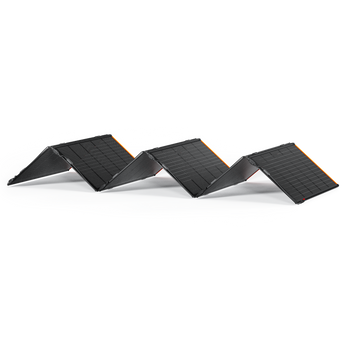
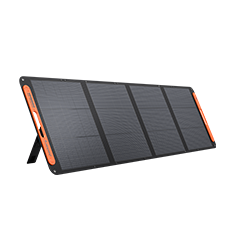
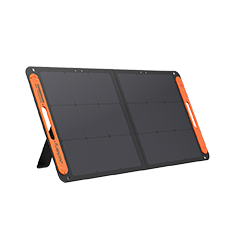
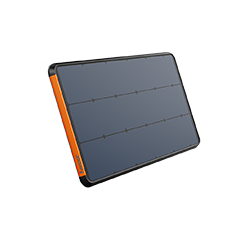
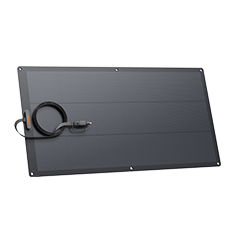
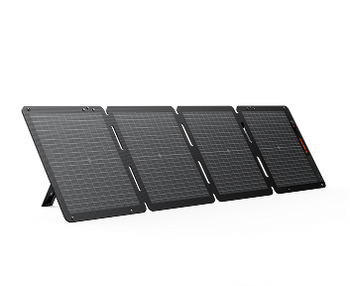
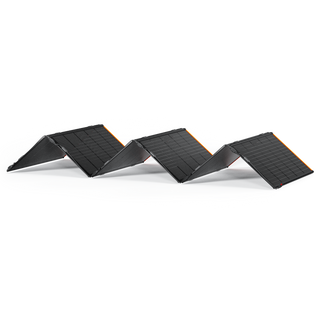
The exact number of solar power panels required to run the chicken coop will depend on what you want to power and for how long. In general, a single folding solar panel and power station combination would be sufficient to power the chicken coop door. Jackery SolarSaga Solar Panels and Explorer Portable Power Station work to provide umpteen power. You can power different appliances simultaneously using multiple ports available.
Final Thoughts
Investing in a solar power system for the chicken coop door will take away the time crunch in the day-to-day care of chickens. As the solar-powered chicken coop door will automatically open and close, you can rest assured that your chickens are safe and happy.
Instead of choosing a solar chicken coop door with an in-built solar mechanism, consider investing in the powerful Jackery Solar Generators. They are designed to power small and large appliances, like lights, heaters, doors, etc., using the renewable sun's energy.
Don't forget to subscribe to the Jackery newsletter to get all the important updates about products, promotional deals, etc.