
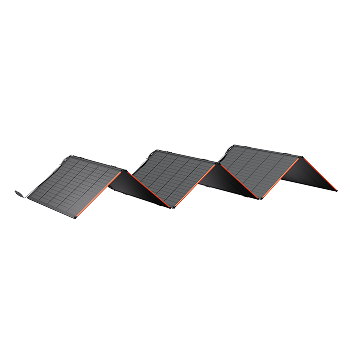
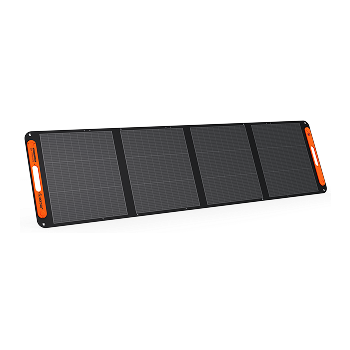






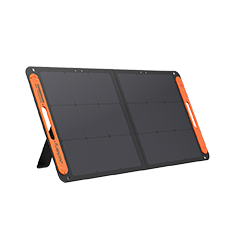



![[Add-on] Jackery SolarSaga 500 X - Jackery](http://www.jackery.com/cdn/shop/files/add-on-jackery-solarsaga-500-x-1493607.webp?v=1786503068&width=324)
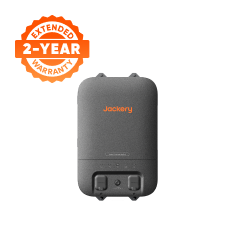
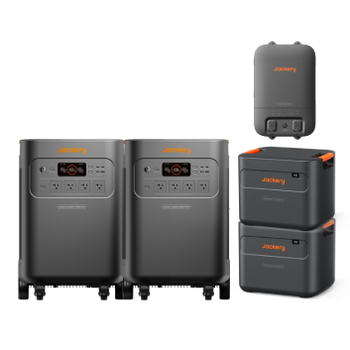
![[Add-on] Jackery Battery Pack 5000 Plus - Jackery](http://www.jackery.com/cdn/shop/files/add-on-jackery-battery-pack-5000-plus-6713401.webp?v=1786503068&width=324)






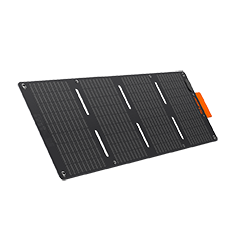
![[Add - on] SolarSaga 200W - Jackery](http://www.jackery.com/cdn/shop/files/add-on-solarsaga-200w-4834329.png?v=1754016915&width=324)
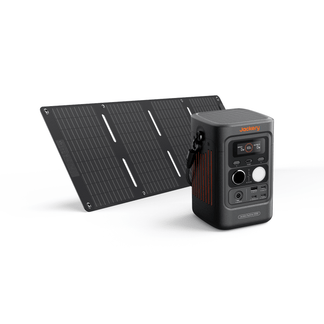


Small, low-wattage solar chargers almost always disappoint when you need them most. A compact 28-watt panel that keeps your phone alive under a scorching midday sun quickly becomes an expensive paperweight under cloud cover, in partial forest shade, or during winter's weak solar windows.
The massive gap between what a panel's sticker promises and what it actually delivers in the field trips up almost every first-time buyer. To secure real energy independence, you must realize that the best solar battery charger is not a standalone panel—it is a carefully calculated, integrated system that pairs a high-efficiency solar panel with a dedicated battery bank and an intelligent charge controller.
Without these three components operating in harmony, your system will struggle to harvest, store, and regulate power. This guide will outline real-world solar performance losses, explain the expert sizing math, compare system designs, and highlight the best solar setups for outdoor adventures.
Real-World Performance: Why 60% to 80% Is Normal
A solar panel rated for 100W will rarely produce 100W in the field. In real-world outdoor conditions, you should expect to harvest roughly 60% to 80% of your panel's rated wattage. This is not a manufacturing defect; it is governed by basic physics:
- Cell Temperatures: Solar panels are rated at a laboratory standard of 25°C (77°F). In the summer sun, dark silicon cells can easily heat up to 45°C (113°F) or higher. Because silicon displays a negative temperature coefficient, this extreme heat can cause a 10% to 15% drop in output voltage.
- Bypass Diodes and Shading: If bypass diodes are absent, shading even a single cell on a panel can cause whole-panel generation to collapse by up to 50%. High-quality panels include built-in bypass diodes to isolate shaded cells, preventing a single leaf from dragging down the entire array.
- Line Resistance: Undersized cables and loose connections introduce resistance, leading to a 3% to 5% voltage drop. Always use thick, low-gauge (heavy-duty) solar cables and keep your MC4 or Anderson connectors clean.
Additionally, keeping your panels flat on the ground loses 20% to 30% of daily energy collection. Adjusting your panel's tilt angle by 15 to 30 degrees toward the sun every few hours ensures the panels remain perpendicular to the incoming rays, maximizing your daily watt-hour yield.
Sizing: The Expert Rule of 1.5x
To ensure your off-grid system has sufficient power, apply the 1.5x sizing rule. This formula multiplies your daily watt-hour (Wh) consumption by 1.5 to offset real-world panel efficiency losses and cloudy weather.
First, calculate your total daily electricity consumption by listing your devices and their power draws: a smartphone uses roughly 10 Wh, a tablet uses 30 Wh, and a standard 12V portable compressor refrigerator consumes 400 Wh to 500 Wh per day. Multiply this total by 1.2 to cover typical DC-to-AC inverter conversion losses only if you run the fridge via an AC wall plug. If utilizing the power station's direct 12V DC car port, omit this inverter penalty and apply a minor 1.05 to 1.1 multiplier for native DC-to-DC conversion.
Next, apply the 1.5x factor to find your required solar array capacity:
Required Solar Panel (W) = [Daily Load (Wh) × 1.5] ÷ Peak Sun Hours
Let's use a 12V camping refrigerator as an example: 500 Wh daily consumption × 1.5 = 750 Wh of daily harvest required. Assuming your region receives an average of 5 peak sun hours per day, your calculation is: 750 Wh ÷ 5 hours = 150W of solar panel capacity. For a safe, resilient margin, you should round this up to a standard 200W panel.
Your accompanying battery bank should feature enough capacity to cover 2 to 3 days of autonomy (roughly 1,000 Wh to 1,500 Wh of storage for that same refrigerator), allowing you to ride out extended cloudy periods without needing a gas generator.
System Design: Panel + Battery + Controller, Not Panel Alone
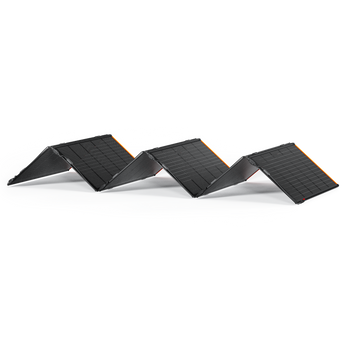
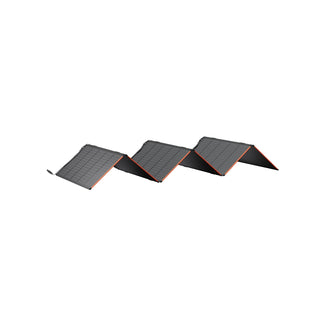
A portable folding solar panel plugged directly into a separate power station is significantly more reliable than a small, all-in-one solar power bank. In inconsistent sunlight, the power station functions as a vital electrical buffer, protecting your sensitive electronic devices from damage.
An open-circuit 12V solar panel can output up to 20V. Connecting a panel directly to a battery without a dedicated charge controller will overcharge and permanently damage sensitive lithium cells. An MPPT (Maximum Power Point Tracking) controller is essential, automatically adjusting its voltage output to harvest up to 30% more energy in partial shade or overcast conditions compared to older, inefficient PWM (Pulse Width Modulation) controllers.
Standardizing on your system connectors is also critical. While adapters exist to convert MC4 outputs to Anderson, XT60, or 8mm ports, each physical connection introduces minor electrical resistance and potential failure points. Modern systems utilize durable Lithium Iron Phosphate (LiFePO4) battery chemistry, providing over 4,000 safe, reliable charge-discharge cycles before displaying significant capacity loss.
Four Real-World Off-Grid Scenarios
Depending on your outdoor activity, your direct solar charging requirements will vary:
- Backpackers (3–7 Days): Lightweight portability is key. A compact 20W to 28W folding panel paired with a standard 10,000 mAh power bank is the standard choice. Clip the panel to your pack while hiking to collect a steady trickle charge. For ultralight suggestions, consult our guide to selecting a portable solar charger for hiking.
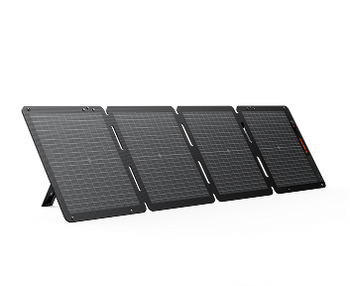
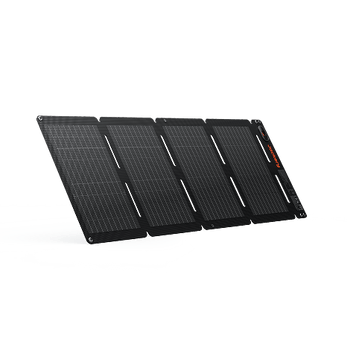
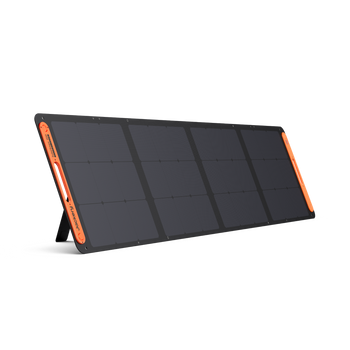
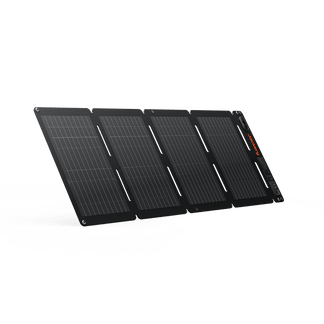
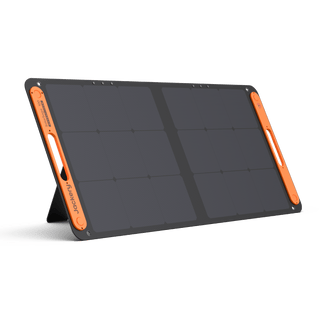
- Car Campers: Running portable refrigerators demands robust generation. A 160W to 200W portable ground panel is the recommended minimum. For detailed sizing and camping setups, review our expert guide to solar chargers for camping.
- Overlanders and Van-Dwellers: Require continuous daily power. A 200W to 400W solar array paired with a 1,000 Wh battery bank provides excellent off-grid resilience. To explore mobile vehicle wiring configurations, consult our guide on selecting a solar battery charger for RV applications.
- Emergency Home Backup: Emergency Home Backup: Requires massive storage. A 2,000+ Wh power station charged by a 400W+ solar array can recharge in roughly 6.3 to 8.3 peak sun hours under real-world system efficiency variables (60% to 80% output), running critical appliances like refrigerators and lights through a blackout.
The Lazy Charging Trick and Device Protections
To maximize your energy collection without constant monitoring, use these practical charging strategies:
First, always use a separate battery bank as an intermediary buffer. Allow your solar panels to charge the power station during the day, and charge your sensitive electronics from the station in the evening. Direct-to-panel charging often triggers repeated start-stop charging cycles as clouds pass over, which can degrade your phone's battery health over time. A power station with a built-in MPPT controller functions as a safe, highly stable intermediary.
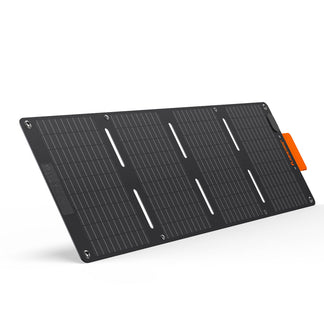
Second, select foldable solar panels equipped with high-speed USB-C Power Delivery (PD) outputs. USB-C PD ports charge modern electronics up to three times faster than standard USB-A ports, allowing you to capture maximum energy during brief windows of bright, unshaded sunlight.
Jackery Solar Generators: Seamless Integrated Power
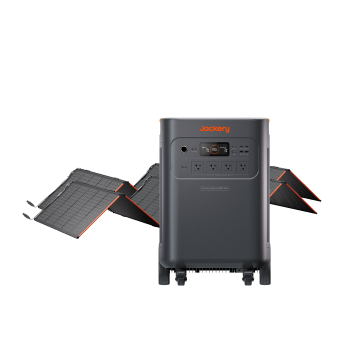
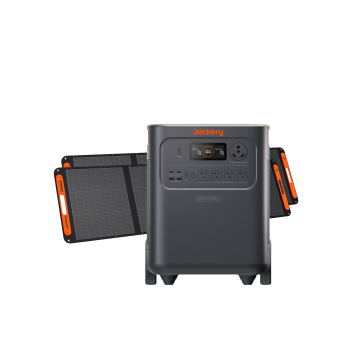
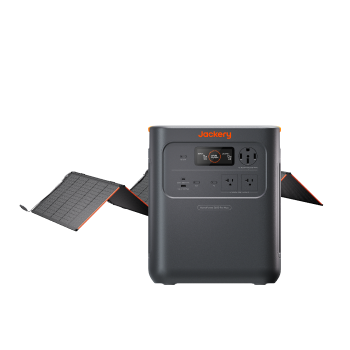
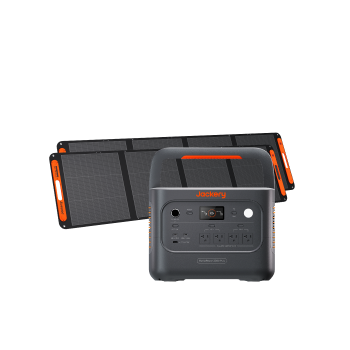
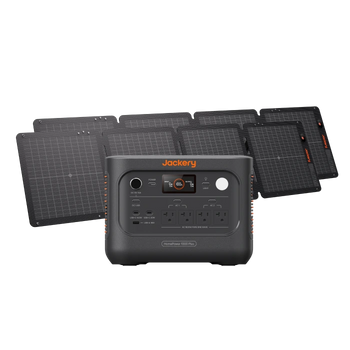
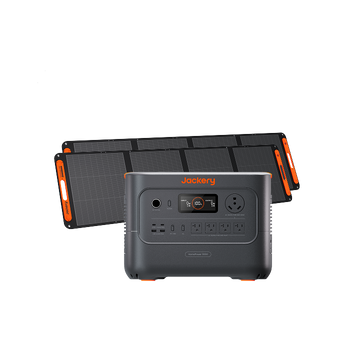
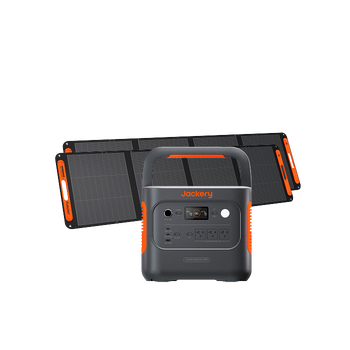
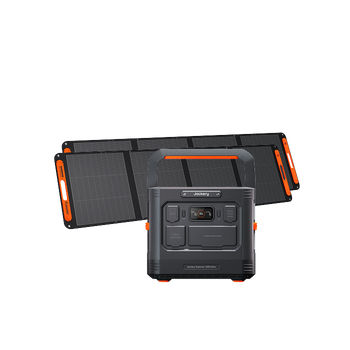
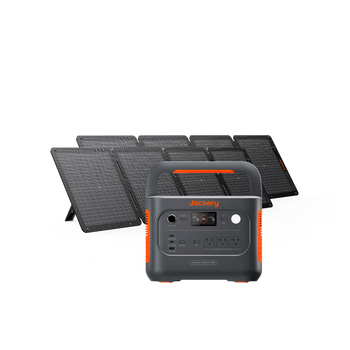
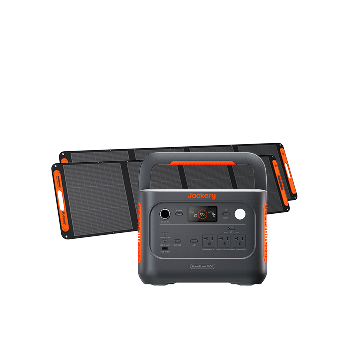
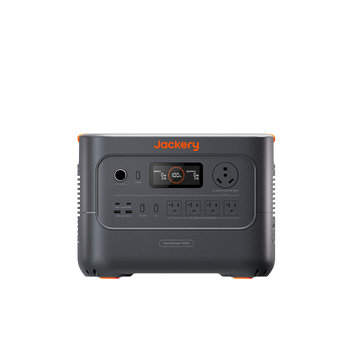
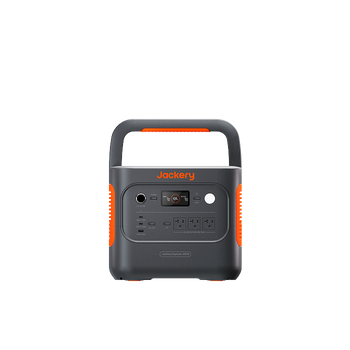
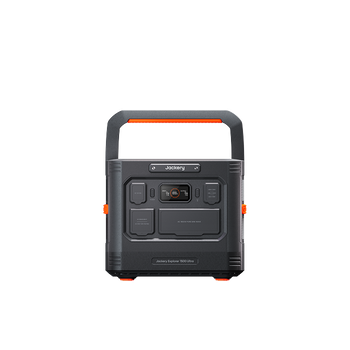
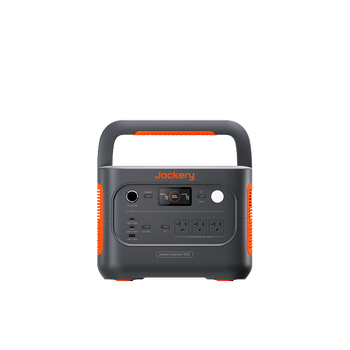
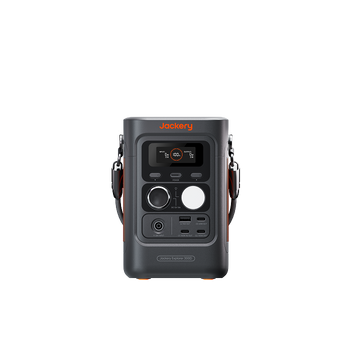
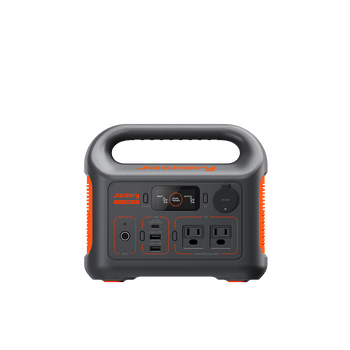
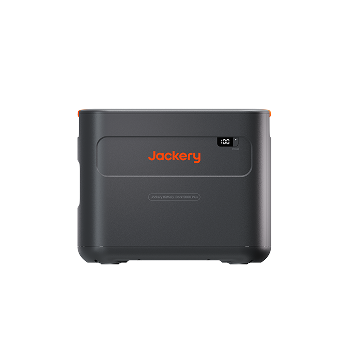
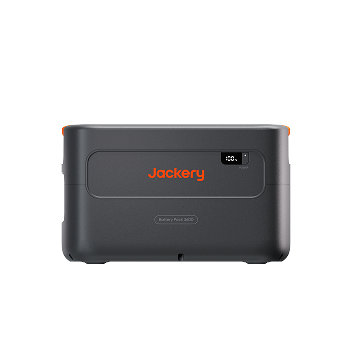
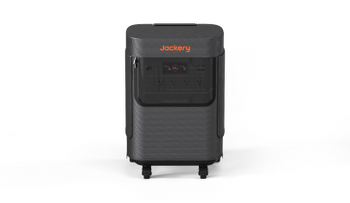
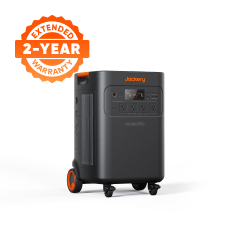
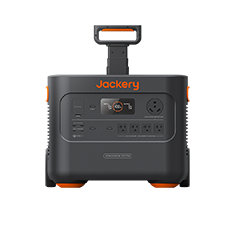
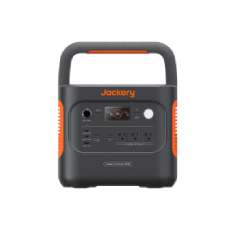
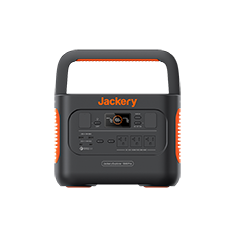
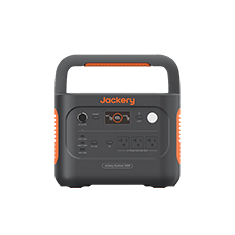
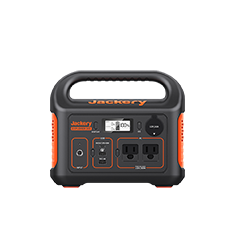
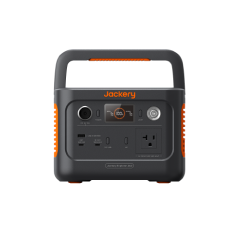
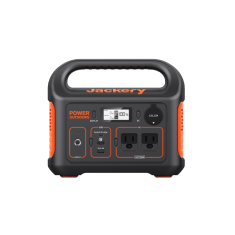
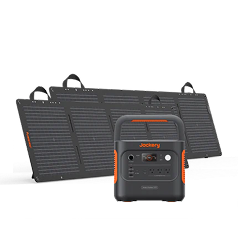
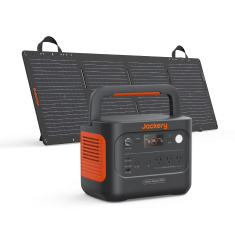
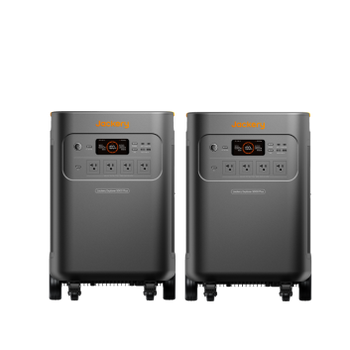
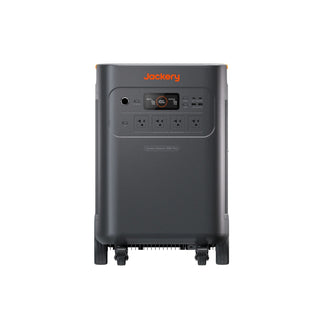
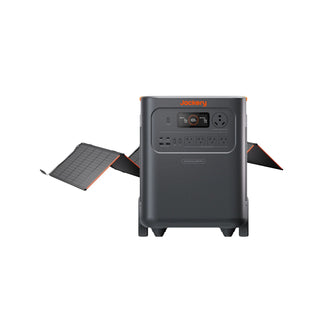
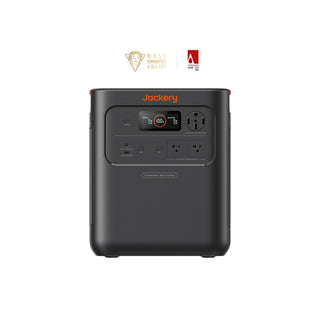
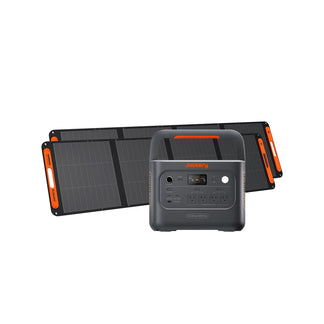
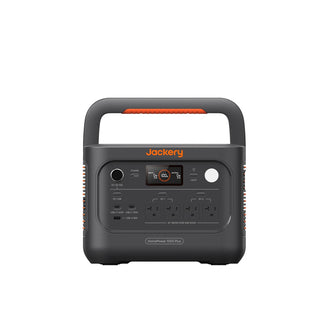
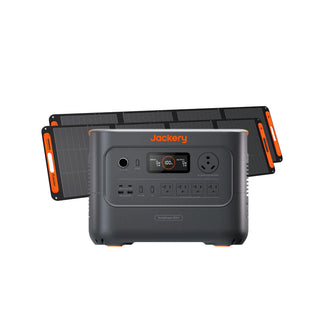
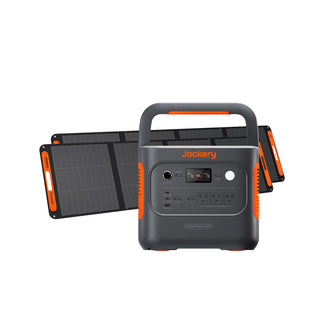
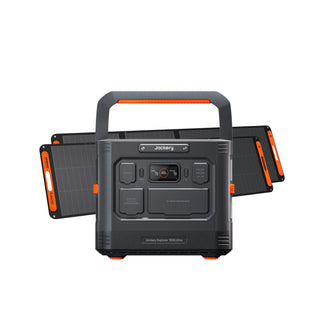
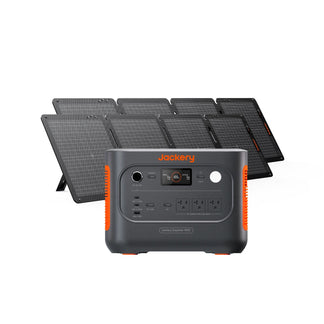
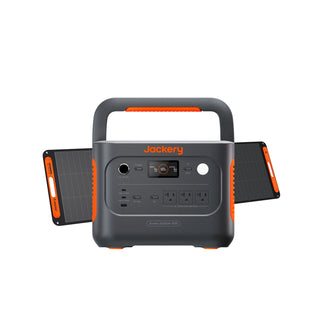
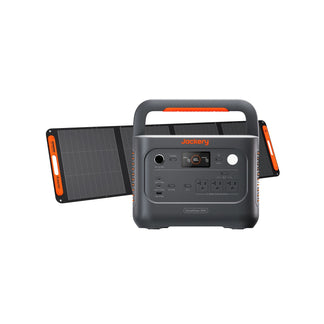
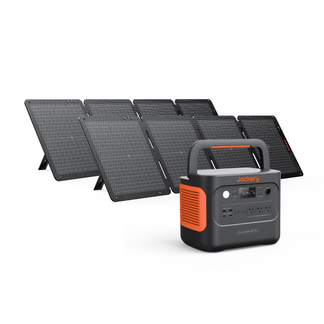
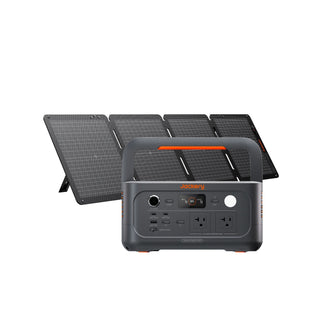
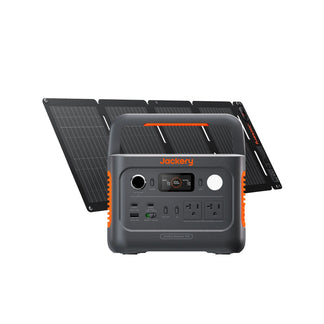
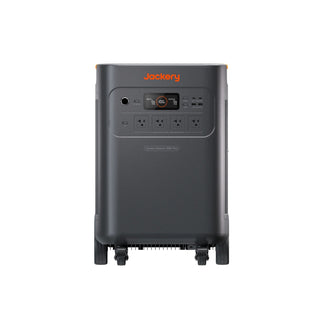
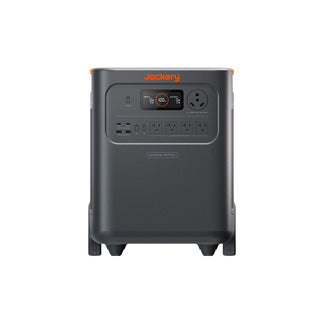
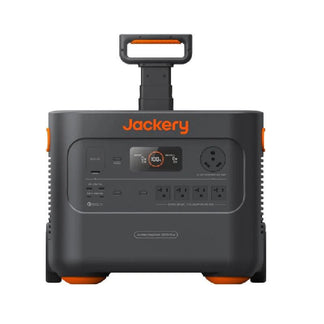
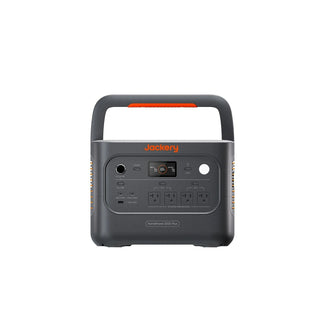
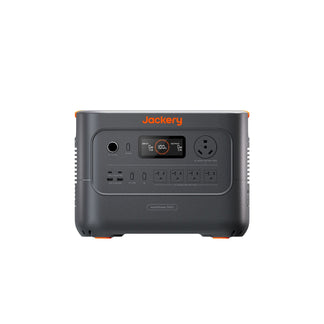
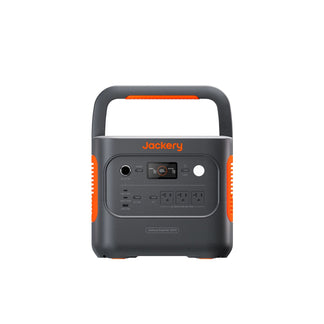
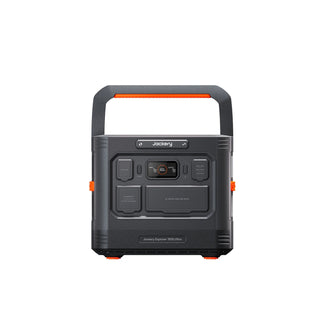
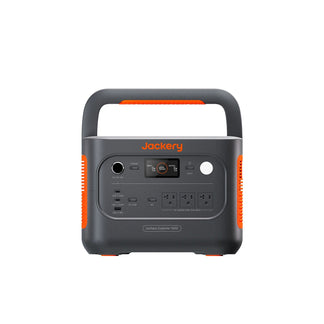
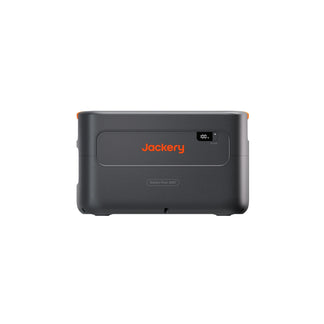
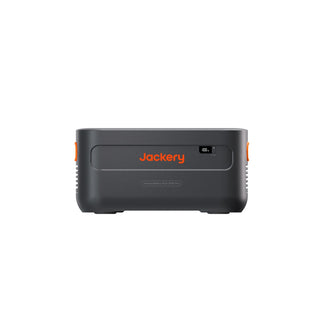
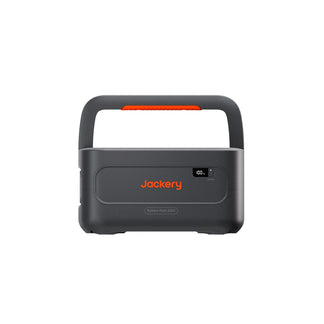
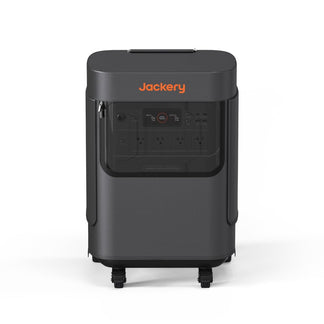
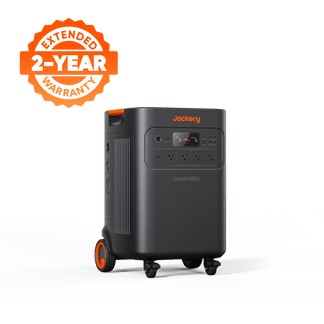
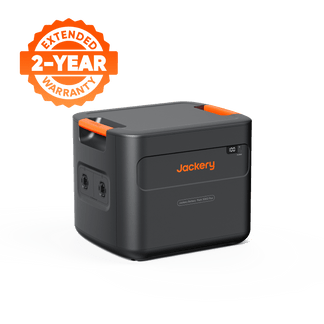
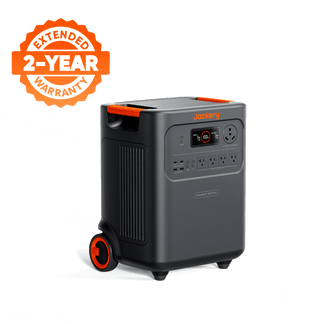
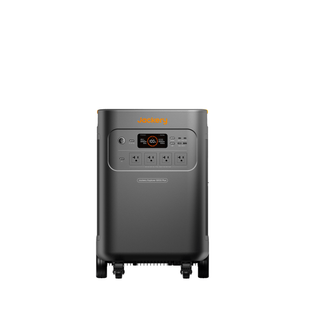
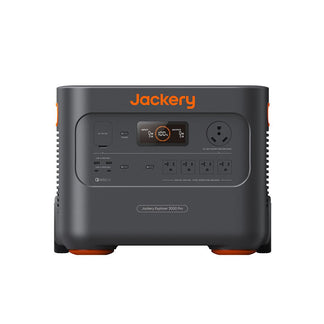
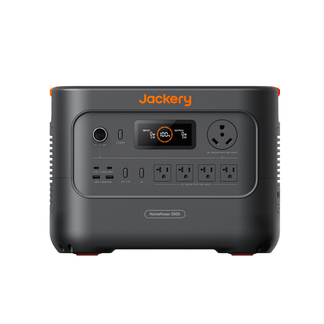
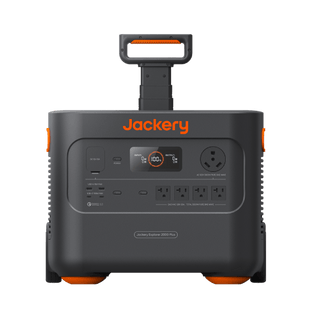
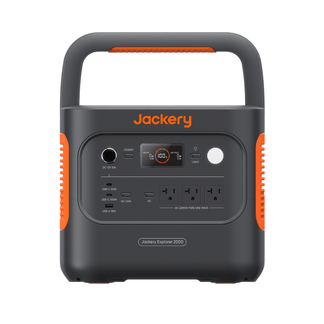
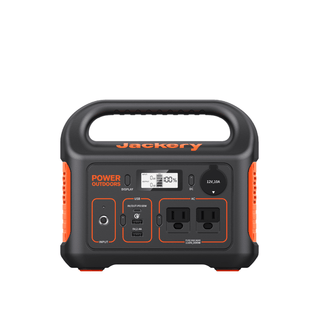
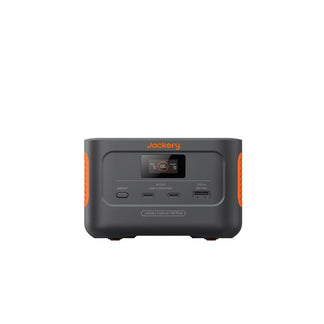
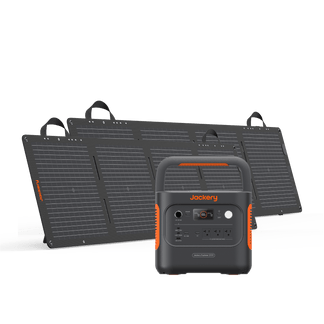
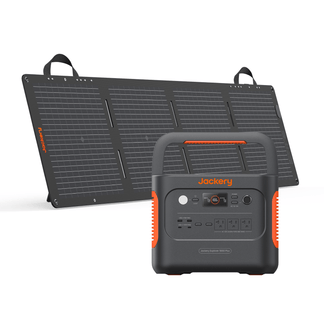
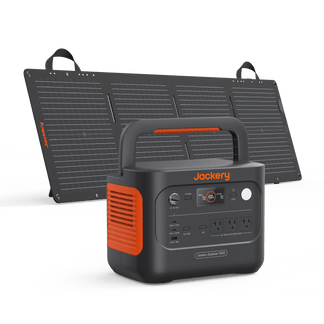
Jackery's portable power stations completely eliminate off-grid wiring guesswork. They combine an intelligent MPPT charge controller, a long-lasting LiFePO4 battery bank, and a pure sine wave inverter in a single, plug-and-play package, managing your charging speeds and cell balancing automatically.

Two premium models are designed to cover standard off-grid energy demands:
|
Feature Specification |
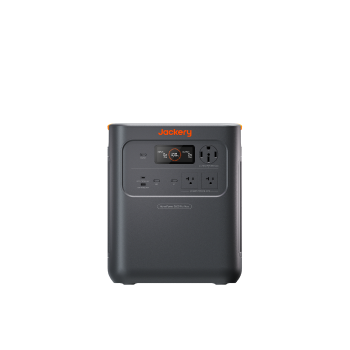
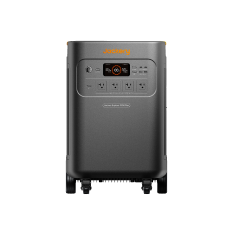
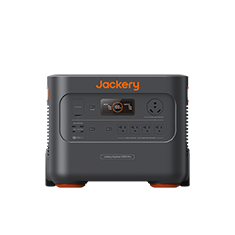
Jackery Solar Generator 2000 v2 |
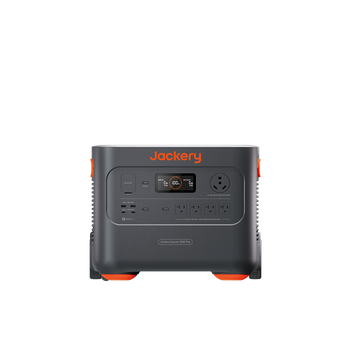
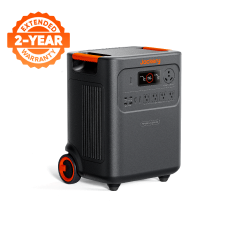
Jackery Solar Generator 2000 Plus |
|
Usable Capacity |
2,042 Wh |
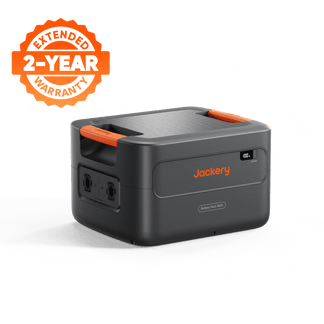
2,042.8 Wh (Expandable to 24 kWh) |
|
Continuous Output |
2,200W (4,400W Surge) |
3,000W (6,000W Surge) |
|
Recharge Time (AC / Solar) |
AC: ~2 hours | Solar (1200W): ~2 hours (via 6x 200W panels) |
Fast solar charge via 6x 200W panels |
|
Best Application |
Weekend car camping & critical backup (lights) |
Extended off-grid living, RV power, whole-home backup |
Both of these platforms utilize ultra-stable LiFePO4 chemistry and are equipped with advanced ChargeShield 2.0 protections, delivering over 4,000 charge cycles (before dropping to 70% of their original capacity, representing a 10+ year service life) backed by a full 5-year warranty. Selecting an integrated solar generator allows you to spend less time calculating wiring specs and more time enjoying your off-grid adventures.
Frequently Asked Questions
How long does a solar battery charger take to fully charge a power station?
A high-efficiency 400W solar array can fully recharge a 2,000 Wh power station in approximately 6.3 to 8.3 hours under standard real-world solar conditions (accounting for typical 60% to 80% system efficiency). Passing clouds or poor panel angles can easily double this charging time.
Can I mix solar panels from different brands?
Yes, provided their output voltage (typically 11V to 60V) falls within your power station's acceptable input limits and they share compatible physical connectors. While mixing different wattages will slightly lower overall system efficiency, it will not damage your hardware.
What is the lifespan of a LiFePO4 battery in a solar charger?
Modern LiFePO4 batteries are highly durable, typically delivering 3,000 to 4,000 charge-discharge cycles before dropping to 70% of their original capacity, representing over 10 years of regular continuous use.
Do I need a charge controller between a solar panel and a power station?
No. Modern portable power stations are equipped with highly efficient, built-in MPPT charge controllers. However, if you are connecting a standalone solar panel directly to raw lithium or lead-acid batteries, you must install an external charge controller to prevent overcharging.
Will a 100W panel run my camping fridge?
In most cases, no. A standard 12V portable compressor refrigerator consumes between 400 Wh and 500 Wh per day. To recharge your battery bank and offset real-world efficiency losses under average US sun conditions, a 160W to 200W solar panel is the recommended practical minimum.
How do I maintain my solar panel?
Keep your panels clean by wiping them regularly with a microfiber cloth, mild soap, and warm water. Avoid using abrasive sponges or harsh chemical cleaners, as they can scratch the surface anti-reflective coating and lower your generation efficiency.
Can I use a solar charger indoors?
No. Solar panels require direct, unshaded sunlight to excite silicon electrons and generate electricity. Double-paned window glass blocks a significant portion of UV spectrum light, making indoor solar charging highly inefficient and impractical.


