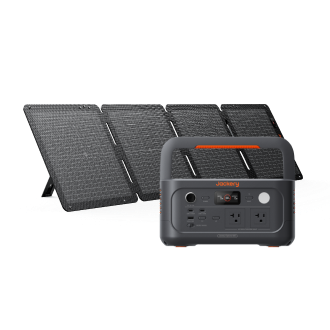
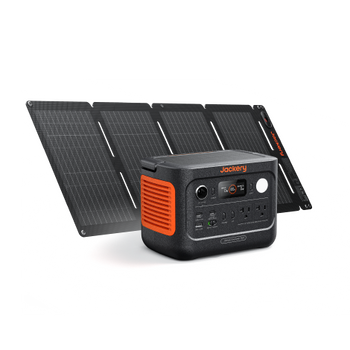
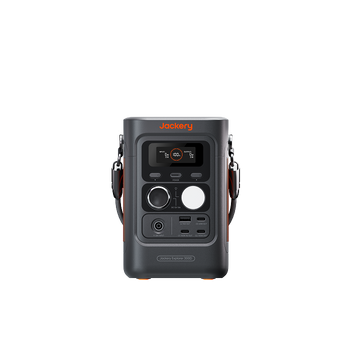
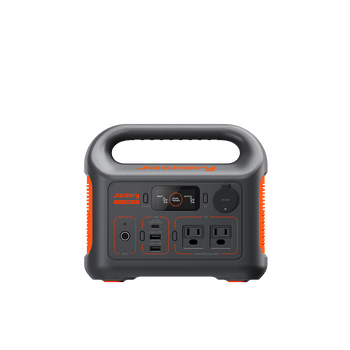

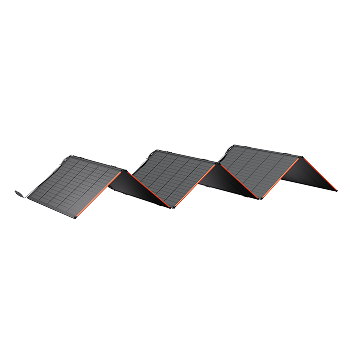
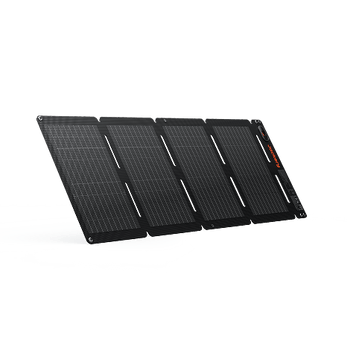




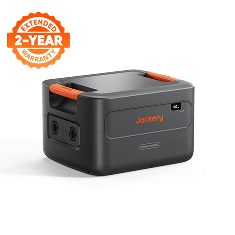
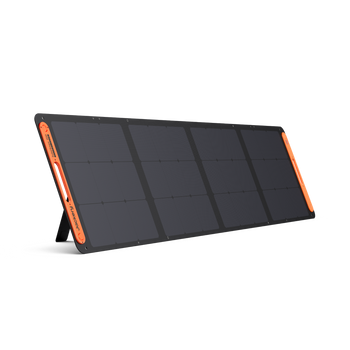
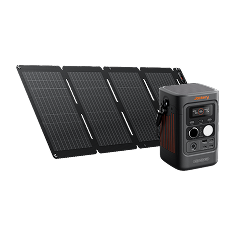


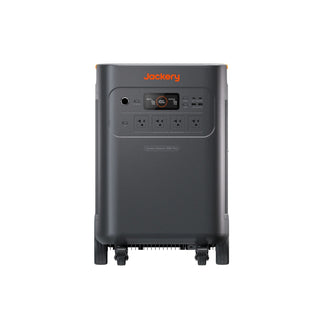
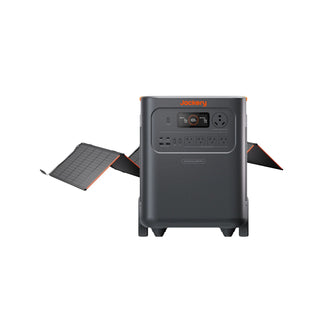
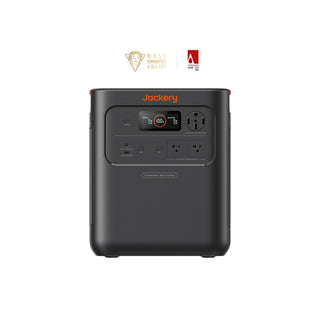
![[Add-on] Jackery SolarSaga 500 X - Jackery](http://www.jackery.com/cdn/shop/files/add-on-jackery-solarsaga-500-x-1493607.webp?v=1786503068&width=324)
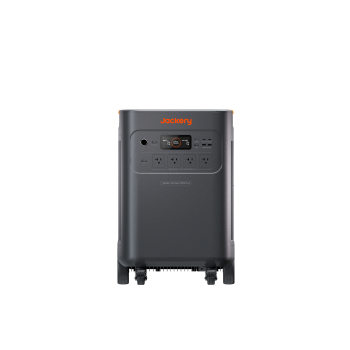
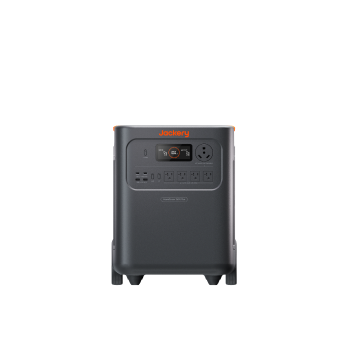
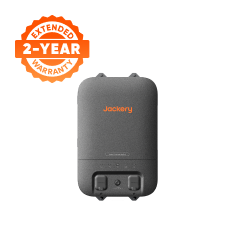
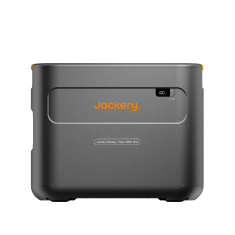
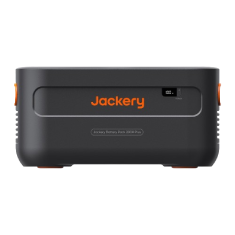
![[Add-on] Jackery Battery Pack 5000 Plus - Jackery](http://www.jackery.com/cdn/shop/files/add-on-jackery-battery-pack-5000-plus-6713401.webp?v=1786503068&width=324)





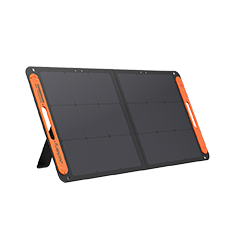
![[Add - on] SolarSaga 200W - Jackery](http://www.jackery.com/cdn/shop/files/add-on-solarsaga-200w-4834329.png?v=1754016915&width=324)
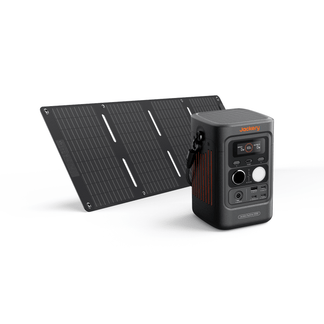


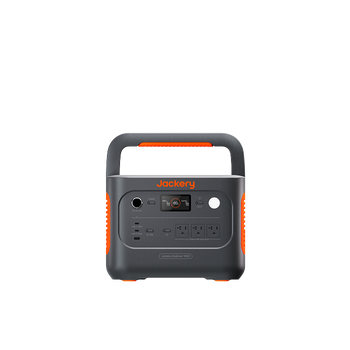
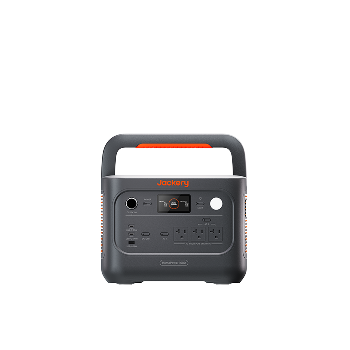
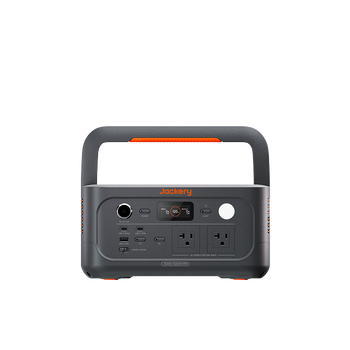
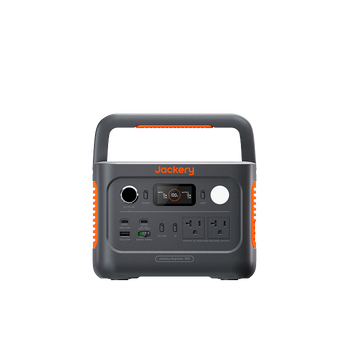
Quick Answer: A small power station is a portable battery generator that stores electricity for powering phones, laptops, lights, and mini-fridges during fall camping or outages. Select the right model by evaluating device wattage, desired runtime, and solar recharging compatibility. Prioritize LiFePO4 battery chemistry for longer lifespan, capacity in watt-hours (Wh), and pure sine wave output for sensitive electronics.
Key Takeaways
- LiFePO4 battery chemistry delivers 3,000–5,000 charge cycles, making it the safest and longest-lasting choice for a small power station.
- Calculate total watt-hours by multiplying each device’s running watts by hours of use, then add a 25–50% buffer for inverter inefficiency and manufacturer overstating.
- A 300Wh unit runs a 60W laptop for ~5 hours, while a 1000Wh unit powers a 150W mini-fridge for 6–7 hours.
- Fall’s shorter, cloudier days reduce solar panel output by 30–50%—plan for extra panel wattage.
- Always load-test your equipment; real-world runtimes often differ from marketing specs.
What Size Small Power Station Do You Need for Fall Activities?
The right size for your fall activities boils down to a straightforward calculation: total device watt-hours plus a 25% buffer, which often lands between 300 and 500Wh.
- Step 1: List every device you’ll power—phone, laptop, mini-fridge, LED lights, maybe a fan—and note its running watts and surge watts (the brief startup spike).
- Step 2: Calculate total watt-hours: multiply each device’s running watts by hours of use. Example: 60W laptop + 10W phone charger + 2 × 5W LED bulbs = 80W; for 5 hours, 80W × 5h = 400 watt-hours.
- Step 3: Add a 25–50% buffer for inverter inefficiency and manufacturer overstating. 400Wh + 25% → 500Wh minimum. (Your 500Wh unit rarely delivers exactly 500Wh of usable energy.)
Surge wattage matters for motor-driven gear: a portable fan that draws 50W running may spike to 150W at startup. If your station’s inverter can’t handle the surge, the device won’t turn on.
Appliance wattage and recommended station size
Device (example) |
Running Watts |
Surge Watts |
Recommended Minimum Capacity |
|---|---|---|---|
Smartphone (fast charge) |
10–20 |
– |
100–200Wh (for multiple charges) |
Laptop (USB-C PD) |
45–65 |
– |
300–500Wh |
LED camp lights (3x 5W) |
15 |
– |
200Wh |
Portable 12V fridge (40L) |
40–60 |
150 |
500–1000Wh |
Mini fridge (AC) |
100–150 |
300–450 |
1000–1500Wh |
Small stations in the 200–500Wh range weigh under 10 lbs—ideal for weekend camping where you need phone charging, LED lights, and maybe a laptop. Medium stations (500–1000Wh) add mini-fridge support and power tools for longer fall getaways. In all cases, match the station’s continuous output rating to your total running watts plus that surge margin.
LiFePO4 vs. Lithium-Ion: Which Battery Chemistry Wins for Fall?
LiFePO4 (lithium iron phosphate) dominates for longevity: 3,000–5,000 full charge cycles before capacity drops to 80%, roughly 10–15 years of weekly use. Standard lithium-ion (NMC) manages 500–1,000 cycles, often dying after 3–5 years. Over a decade, LiFePO4 costs less per charge even with a higher upfront price.
Fall temperatures favor LiFePO4. It discharges safely down to -20°C (-4°F) and charges safely above 0°C (32°F) with low-temperature protection. NMC loses significant capacity below 10°C and risks permanent damage if charged below freezing. LiFePO4 is slightly heavier (1–2 lbs more for a 500Wh unit) but far safer and longer-lasting.
Chemistry comparison at a glance
Feature |
LiFePO4 |
NMC Lithium-Ion |
|---|---|---|
Cycle life (to 80%) |
3,000–5,000 |
500–1,000 |
Safe charging temp |
0°C to 45°C (with BMS protection) |
10°C to 45°C; risk < 0°C |
Discharge temp |
-20°C to 60°C |
-10°C to 60°C |
Thermal stability |
High; no thermal runaway |
Moderate; risk of overheating |
Calendar life |
10–15 years |
3–5 years |
Weight per Wh |
Slightly heavier |
Slightly lighter |
Best for |
Frequent use, cold weather, long-term investment |
Occasional use, weight-sensitive applications, lower upfront cost |
For fall storage between trips, keep the battery at 50–80% charge in a cool, dry spot (10–25°C). LiFePO4’s low self-discharge rate (2–5% per month) means you can top it off in October and still have 90%+ fuel by November.
How to Choose the Right Outlets and Charging Methods
Prioritize pure sine wave AC, USB-C PD, and sufficient solar input voltage—these determine what you can power and how quickly you recharge.
- Pure sine wave AC output: Essential for sensitive electronics (laptops, camera chargers, microprocessors) that can buzz, overheat, or fail on a modified sine wave. Every Jackery Explorer uses pure sine wave.
- USB-C Power Delivery (PD): Up to 100W fast-charges a modern MacBook or Dell XPS from dead to 50% in 30 minutes, eliminating bulky power bricks. USB-A ports handle phones, headlamps, and older gadgets.
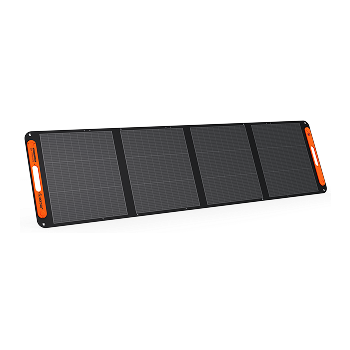
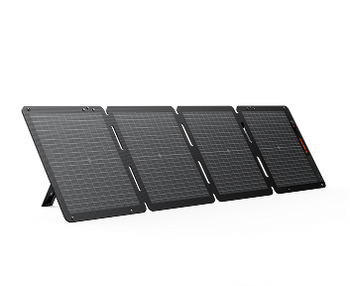
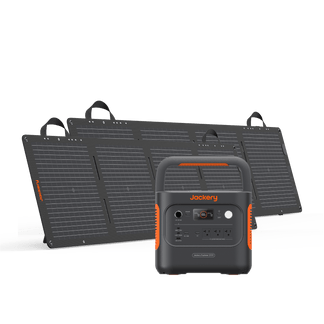
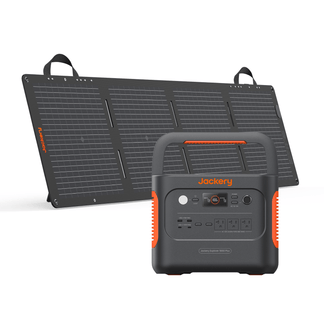
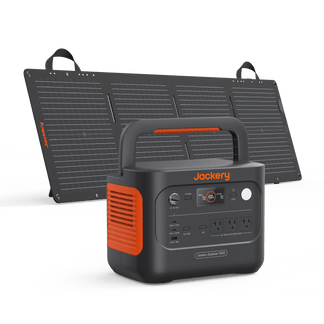
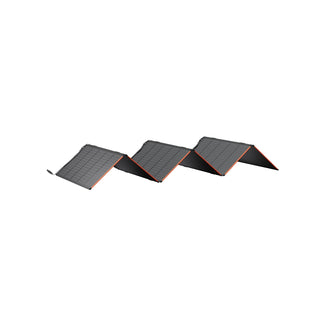
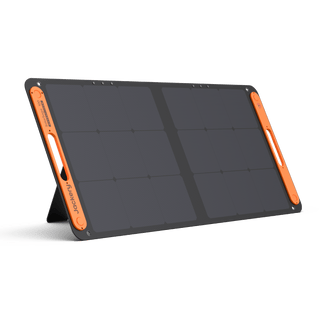
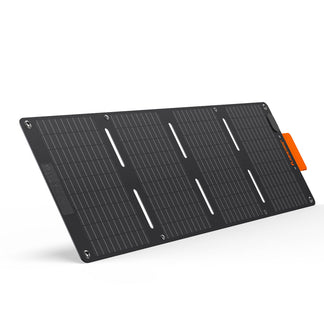
- Solar input voltage: Most small stations accept 12–30V DC from panels; some newer models accept up to 60V for faster charging. A single 100W solar panel delivers about 85W in real fall conditions; recharging a 500Wh unit takes roughly 6.5 hours of unobstructed midday sun.
- Pass-through charging: Lets you power devices while the station refills from solar or AC—useful when daylight hours are short and you still need to run a 12V fridge.
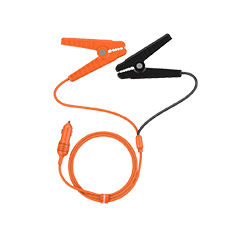
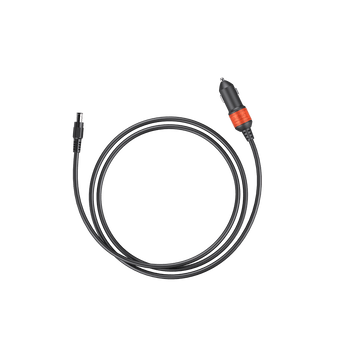
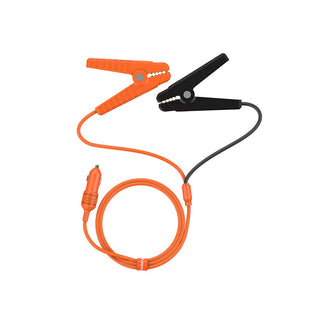
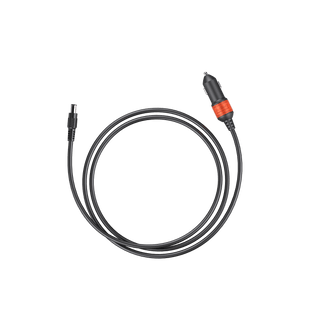
- Multiple DC outputs: Cigarette lighter port and 12V barrel run 12V fridges, air pumps, and LED string lights directly, avoiding AC-DC conversion losses. A car’s cigarette lighter port can charge the station while driving, though slower than solar.
For a deeper dive on outlet types, read about the best outlet battery backups.
What Fall-Specific Features Should You Prioritize?
For fall, prioritize low-temperature charging protection, weather resistance, app connectivity, expandable capacity, and silent operation—these handle cold, damp, and unpredictable sun. Build your checklist around these must-haves.
- Low-temperature charging protection: The BMS must block charging below 0°C (32°F) to prevent permanent cell damage. Look for an explicit low-temp cutoff in specs.
- Weather-resistant design: IP65 or higher protects against rain, dew, and dust. Damp ground can short unprotected ports.
- App connectivity: Bluetooth or Wi-Fi lets you monitor battery level, adjust output, and set charging schedules from your phone, avoiding cold-weather checks.
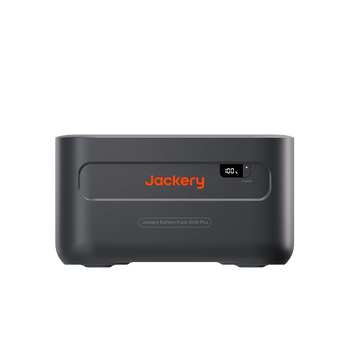
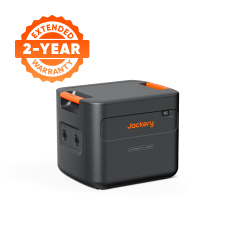
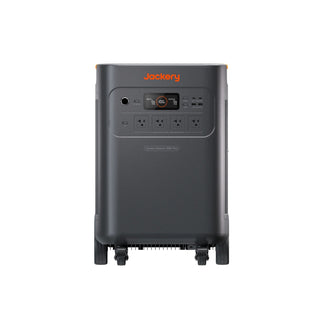
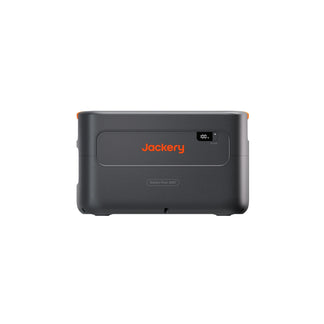
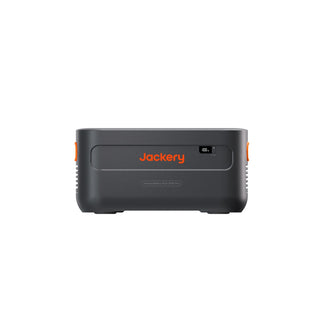
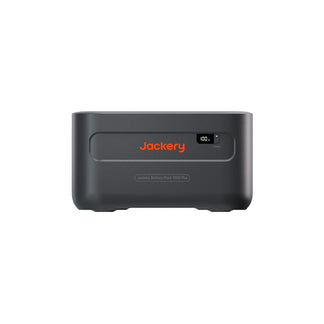
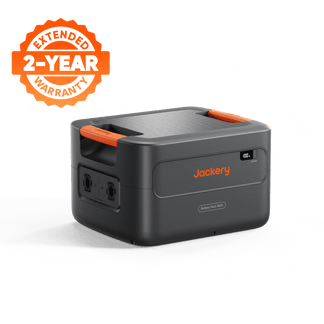
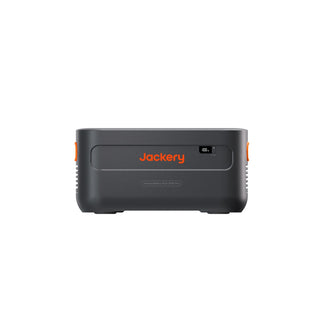
- Expandable capacity: Add-on battery packs (e.g., for the Jackery Explorer 1000 Plus) double capacity without replacing the whole unit.
- Silent operation: Zero noise, no fumes—ideal for campsites, tailgates, and discreet outage backup.
Common Mistakes When Buying a Small Power Station for Fall
Mistake 1: Ignoring surge wattage
A 700W microwave needs at least 1,400W surge. Check both continuous and surge ratings; if only continuous is listed, assume surge is 1.5×, which may be insufficient.
Mistake 2: Underestimating solar panel needs in low sun
Fall output drops 30–50% versus summer. A 100W panel delivering 500Wh in July may give 250–350Wh in October. Add panel wattage or battery capacity.
Mistake 3: Choosing capacity by inverter wattage alone
A 1000W inverter with a 200Wh battery runs a 1000W heater under 12 minutes. Inverter defines what you can power; capacity (Wh) defines how long.
Mistake 4: Forgetting about self-discharge
LiFePO4 loses 2–5% per month. Top off before every trip; an 80% battery from August storage is avoidable.
Mistake 5: Skipping a load test
Real-world inverter efficiency is 85–90%, and capacity degrades. Test your actual devices for a few hours before relying on the station—e.g., run a Wi-Fi router and laptop for a six-hour outage simulation.
Product Recommendation: Jackery Small Power Stations for Fall
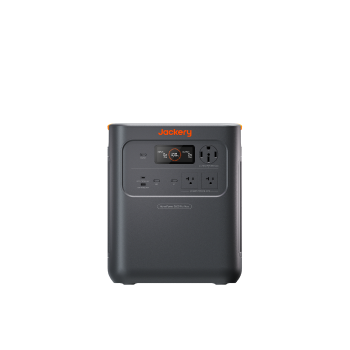
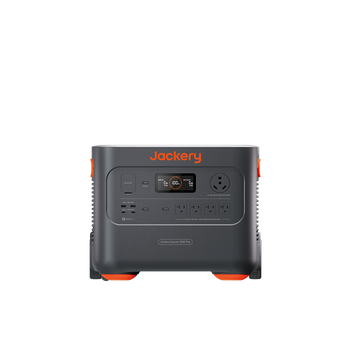
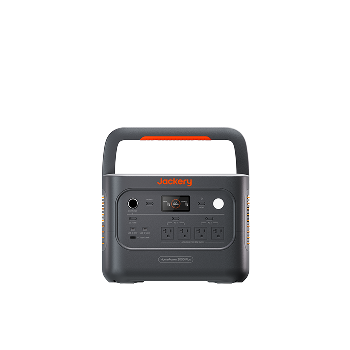
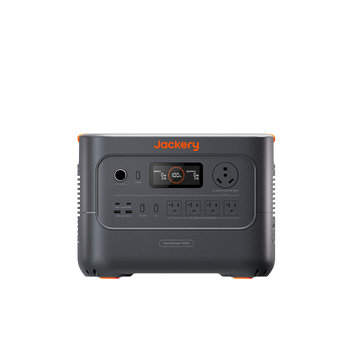
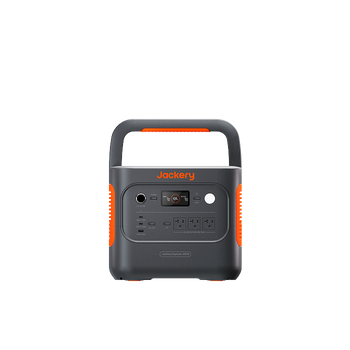
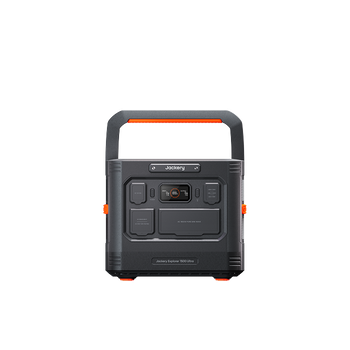
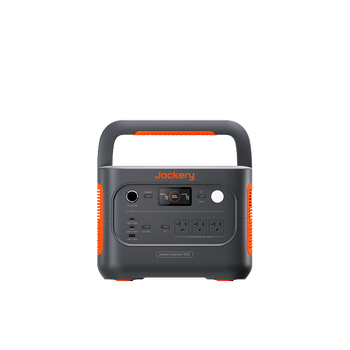
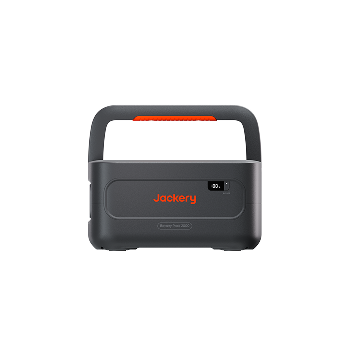
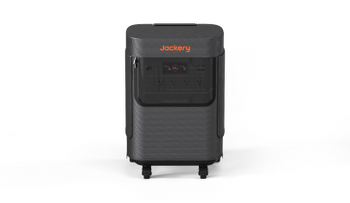
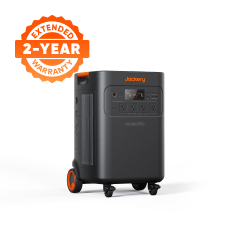
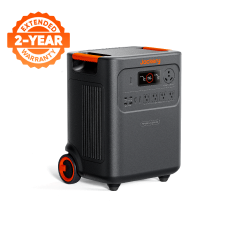
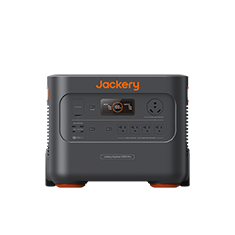
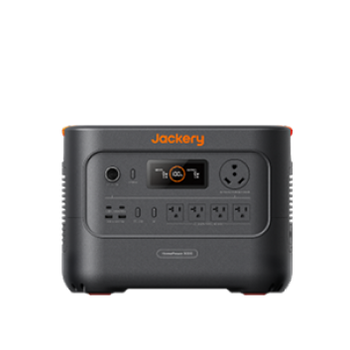
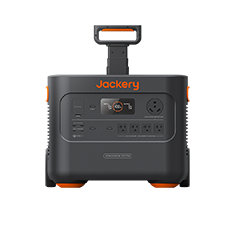
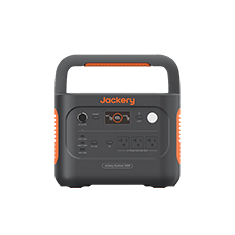
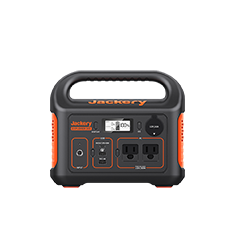
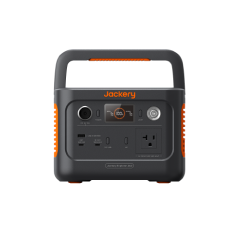
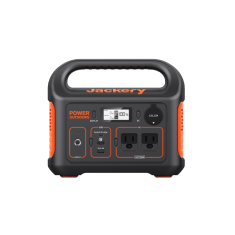
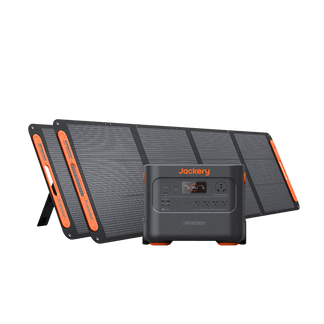
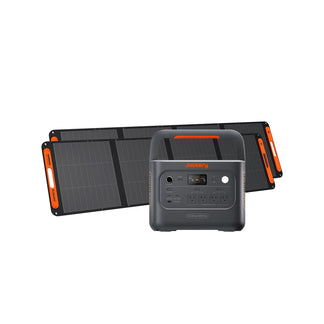
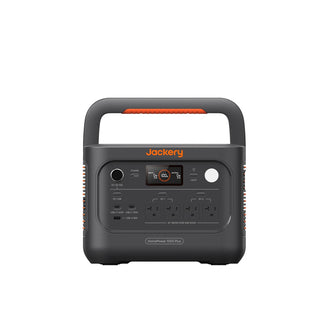
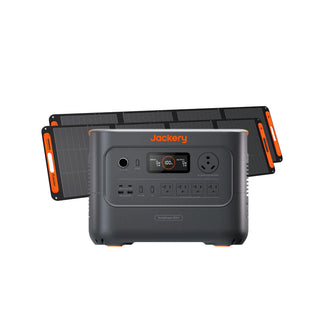
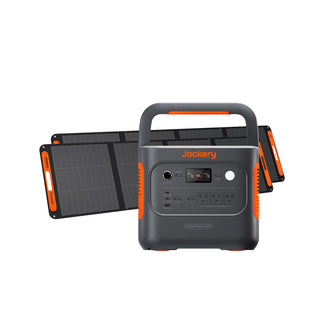
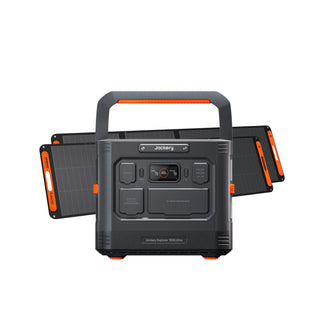
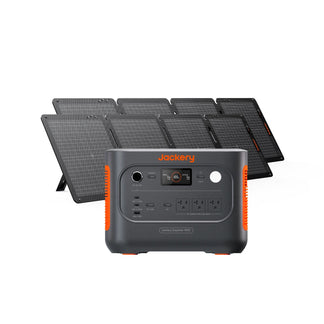
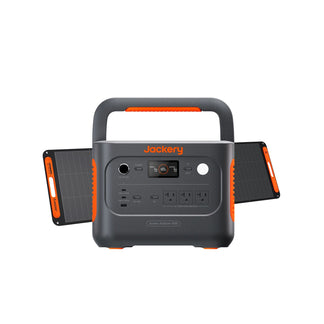
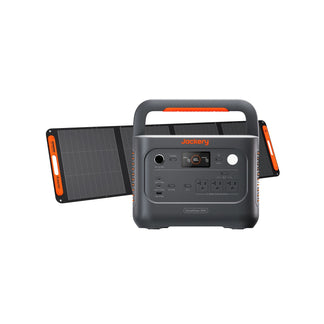
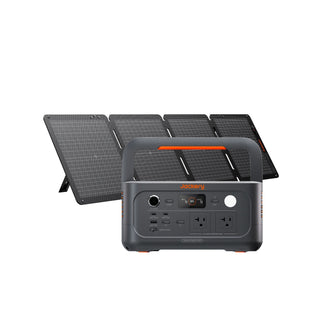
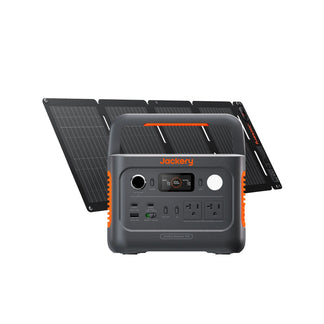
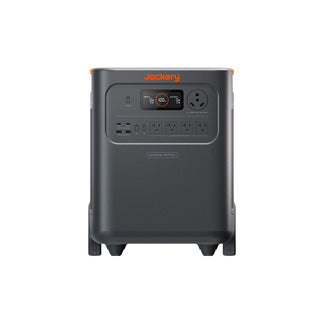
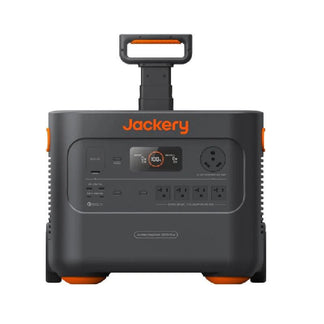
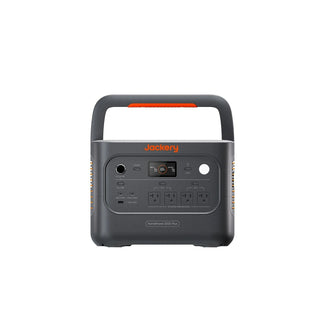
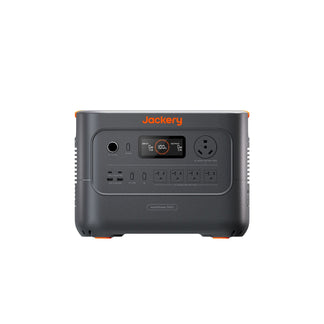
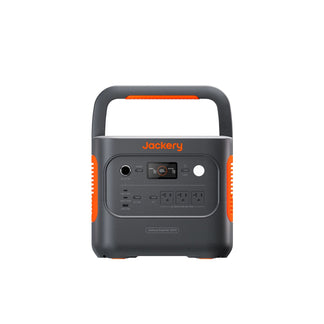
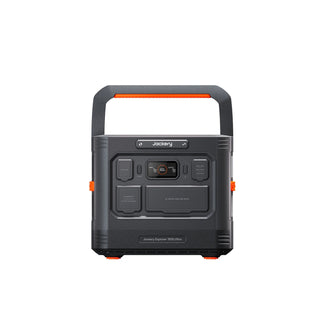
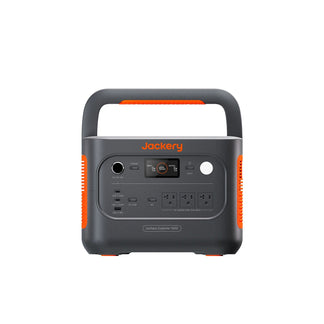
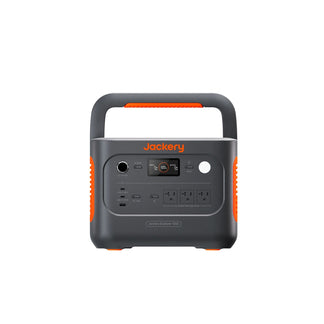
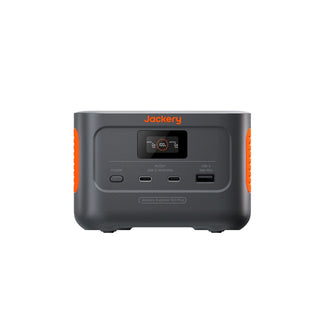
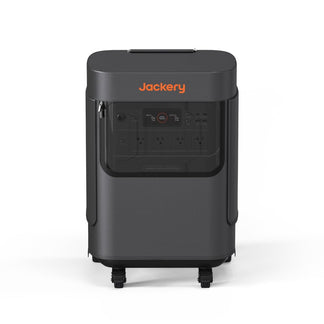
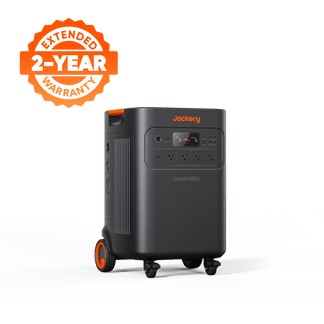
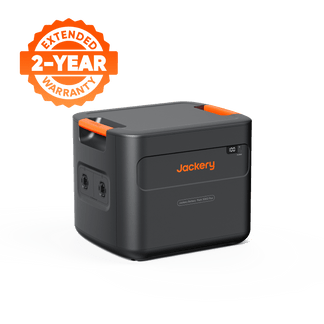
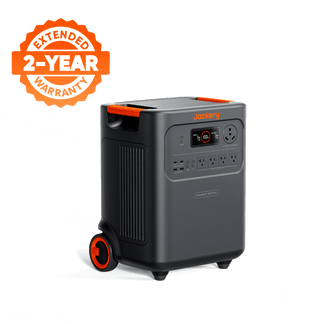
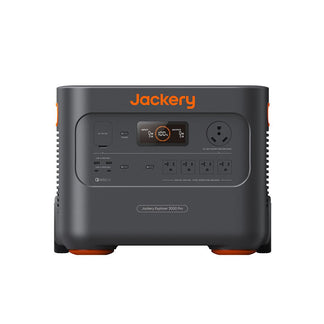
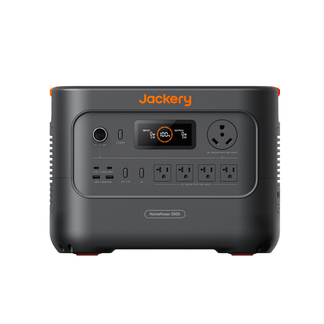
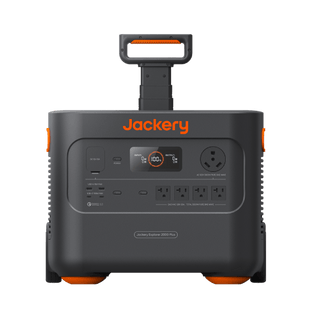
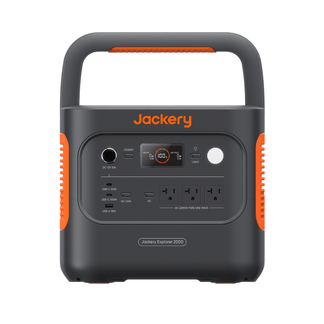
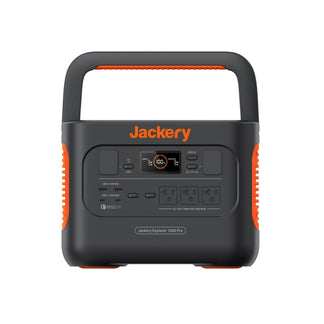
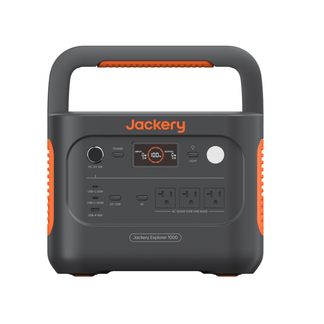
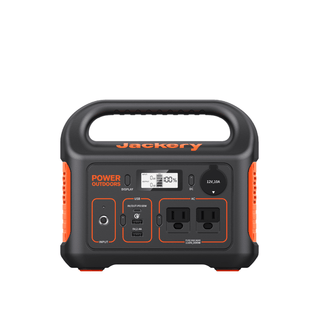
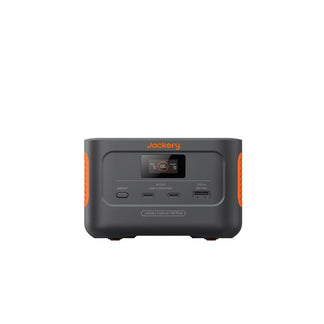
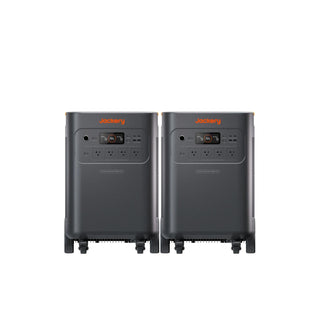
Jackery’s Explorer 1000 Plus and 2000 Plus Portable Power Stations offer LiFePO4 batteries, pure sine wave AC, USB-C PD ports, and app control. No unit is “whole-home” backup—these are portable power stations for essential loads. For an overview of what a Jackery can do in emergency and camping settings, see this guide to essential home backup and outdoor use.
Which Jackery Explorer fits your fall?
Model |
Capacity / Output |
Best For |
Key Feature |
|---|---|---|---|
Jackery Explorer 1000 Plus Portable Power Station |
1,264Wh / 2000W (4000W surge) |
Mini-fridge, camera gear, router, multiple devices |
Expandable with add-on battery packs |
Jackery Explorer 2000 Plus Portable Power Station |
2,042Wh / 3000W (6000W surge) |
Refrigerator, space heater on low, essential appliances through fall storms |
Ultra-fast AC charging, app control via Wi-Fi/Bluetooth |
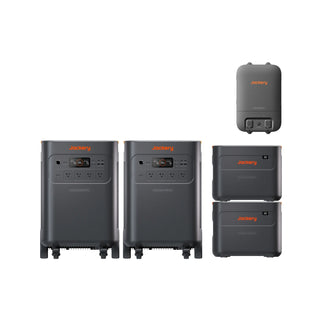
Both charge from solar, wall outlet, and car. The 1000 Plus and 2000 Plus support expansion batteries if you need more runtime later. For a wider comparison of portable battery backup options, this roundup of the best portable battery backups breaks down additional models and use cases.
Limitations / What to Know Before
- Cold weather capacity loss: Below 32°F, runtime drops 10–35%. Insulate the station (cooler/sleeping bag) and never charge a frozen battery.
- Unpredictable solar recharging in fall: A 500Wh station may need 200W of panels for a full October recharge. Start with 100W, add a second if needed.
- Space heaters drain batteries fast: A 1,500W heater empties a 1,000Wh station in under 40 minutes. Use only on low for brief warmth; rely on sleeping bags overnight.
- Not whole-house backup: These power a fridge, lights, and internet, not HVAC, stove, or water heater. Prioritize critical loads; see this article on using a Jackery for home power for load-management strategies.
- Cost comparison context: Residential battery installation costs in the U.S. averaged $800–$1,300 per usable kilowatt-hour in 2026, with solar panels ranging from $2.50–$3.80 per watt installed. [1] Note: These cost figures are projections for 2026 and may not reflect current market prices. Verify with up-to-date sources. A portable station avoids installation labor and permits, but you trade fixed, high-capacity backup for mobility. Each approach has a place.
Frequently Asked Questions
Can I charge my power station while using it?
Yes, pass-through charging allows simultaneous device power and station recharging from solar or AC.
How long does a small power station hold its charge?
Expect 2–5% charge loss per month in storage, so top it off before any trip.
Will a power station keep my Wi-Fi router running overnight?
Yes—a 300Wh unit can keep a 10W Wi-Fi router running for well over a day, or a mini-fridge for several hours.
What’s the difference between running watts and surge watts?
Surge watts handle the brief startup spike of motors, while running watts sustain normal operation.
Can I leave my power station plugged in all the time?
Yes, modern units with smart BMS prevent overcharging when left connected.
Sources & References
[1] EnergySage, marketplace averages for battery storage and solar panel costs, 2026, https://www.energysage.com/ (accessed October 2026).
