

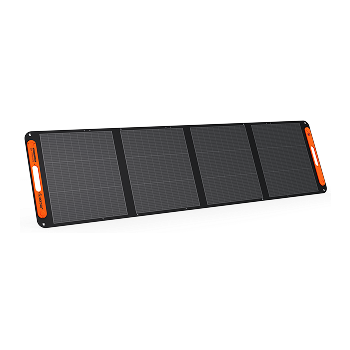
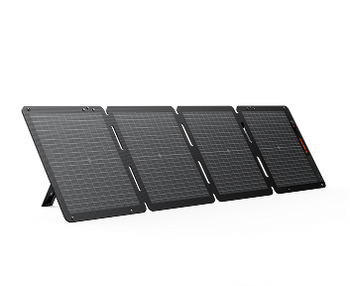
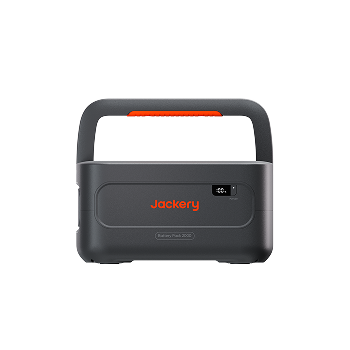




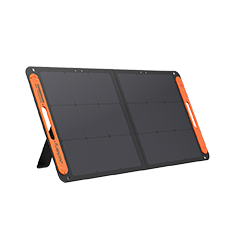
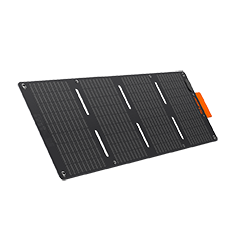
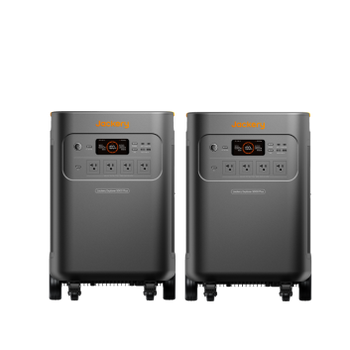
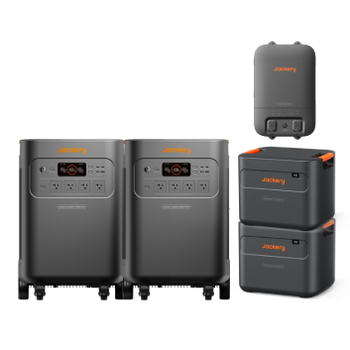




![[Add-on] Jackery SolarSaga 500 X - Jackery](http://www.jackery.com/cdn/shop/files/add-on-jackery-solarsaga-500-x-1493607.webp?v=1786503068&width=324)
![[Add-on] Jackery Battery Pack 5000 Plus - Jackery](http://www.jackery.com/cdn/shop/files/add-on-jackery-battery-pack-5000-plus-6713401.webp?v=1786503068&width=324)







Best Emergency Radio: Staying Connected During Storms
Quick Answer: The best emergency radio combines NOAA weather-alert reception with multiple power options, but its weakness in a long outage is battery life — pairing it with a portable power station keeps your radio and phone charged for days, ensuring you stay informed when cell networks fail.
Key Takeaways:
- NOAA weather radios with SAME technology are the only devices that automatically trigger alarms for tornadoes, flash floods, and other severe threats in your specific county, even while you sleep. (NOAA Weather Radio All Hazards)
- The 3-3-3 rule — monitoring Channel 3 for 3 minutes every 3 hours — helps coordinate communication with others when cell service is unavailable.
- A portable power station extends an emergency radio's operational time from hours to days, especially critical for radios lacking solar or hand-crank options. (FEMA Power Outages)
- Most portable radios cannot transmit — they are receivers only; for two-way communication, you need a separate FRS, GMRS, or amateur radio.
Why Does an Emergency Radio Matter When Cell Networks Fail?
Cellular networks typically fail within the first hours of a major hurricane or earthquake, but radio towers and AM/FM stations with backup generators continue broadcasting for days or weeks, providing evacuation routes, shelter locations, and real-time updates that text alerts cannot match. This infrastructure gap is why a dedicated radio belongs in every emergency kit.
Portable radios with SAME technology filter alerts by your county code, eliminating false alarms from distant storms and preventing alarm fatigue — the tendency to ignore warnings when they constantly trigger for storms that never reach you.
A two-radio strategy provides redundant coverage. Keep one dedicated NOAA unit at home for overnight alerts and pack one compact AM/FM model in your go-bag. If one fails or runs out of power, the other keeps you connected.
Storing a radio in a metal cabinet or deep basement can block NOAA alert signals entirely. The 162.400–162.550 MHz frequencies used by NOAA Weather Radio rely on line-of-sight transmission, and metal enclosures act as Faraday cages, blocking the signal when you need it most.
What Is the 3-3-3 Communication Protocol?
The 3-3-3 rule is a battery-saving check-in plan: monitor Channel 3 for 3 minutes, every 3 hours, using FRS, GMRS, or CB radios when cell towers are down. This protocol originated in emergency preparedness communities as a simple, memorable way to coordinate without draining batteries.
Standard check-in times are 12:00, 3:00, 6:00, and 9:00 — whether AM or PM. These fixed windows enable families and groups to coordinate without requiring continuous monitoring.
Channel 3 on FRS/GMRS radios is the agreed emergency calling frequency. This convention emerged because Channel 3 sits in a commonly available band on nearly all consumer radios. However, this protocol does not translate directly to amateur radio's non-channelized bands, where operators use specific frequencies rather than channel numbers.
The 3-3-3 plan interoperates with the hourly 1-2-3 plan at three-hour intervals. The 1-2-3 plan — monitoring for 1 minute every hour at the top of the hour — gives groups flexibility if someone misses a scheduled 3-3-3 window. At 12:00, 3:00, 6:00, and 9:00, both protocols align.
Real-world challenges include:
- Remembering the schedule under stress — when a tornado warning sounds at 2:47 AM, checking at 3:00 AM may not be instinctive. Tape a laminated schedule card to your radio as a reminder.
- Three-hourly discipline in active field operations — this protocol works best for stationary groups, not mobile search-and-rescue teams.
What Radio Features Matter — and How to Keep Them Powered
NOAA weather alert reception with SAME technology is non-negotiable. It automatically activates an audible alarm for tornadoes, flash floods, and severe thunderstorms in your county. Without this feature, your radio is just a receiver — it won't wake you when a tornado touches down at 3 AM. (NOAA Weather Radio All Hazards)
Multiple independent power sources ensure the radio works regardless of grid status. The best emergency radio offers at least three ways to power it:
- Hand crank: manual backup for emergencies
- Solar panel: built-in photovoltaic charging
- Replaceable AA or C-cell batteries: instantly swappable long-term storage
- USB-C input: modern recharging from any compatible source
Redundancy matters because any single power source can fail when you need it most.
AM/FM reception remains critical. Local stations provide hyper-local information, evacuation routes, and shelter locations that NOAA broadcasts may not cover. A NOAA broadcast tells you a tornado warning exists; a local AM station tells you which roads are flooded and where the Red Cross set up a shelter.
A USB output port for charging phones transforms the radio into a backup power bank. When a dead phone means losing access to maps and emergency contacts, this feature becomes vital. However, expect limited charging capacity — most radios provide only 1–2 phone charges before their internal battery depletes.
Rugged build with water resistance and a flashlight ensures the radio survives drops, rain, and dark conditions. Look for IPX4 water resistance at minimum. The flashlight should provide at least 20 lumens — enough to navigate a dark hallway, not illuminate a football field.
How to Keep Your Radio Operational During Extended Outages
Hand-crank generators provide emergency power but demand significant effort. Most require 60–90 seconds of cranking for only 10–15 minutes of radio use, making hand-cranking impractical for continuous monitoring during a multi-day outage.
Solar panels on compact radios are often too small to maintain a full charge. Typical built-in panels deliver 2–5 watts under ideal conditions.
In direct summer sunlight, that might extend battery life by a few hours. On a cloudy winter day, it contributes almost nothing. Position the radio in direct sun, but don't expect miracles from a panel the size of a credit card.
Replaceable AA or C-cell batteries are the most reliable backup. Alkaline batteries store for 5–10 years and swap instantly without waiting for recharging. Keep a sealed pack of 8–12 batteries in your emergency kit, and replace them every 12 months to prevent leakage. Lithium AA batteries last even longer in storage and perform better in cold temperatures.
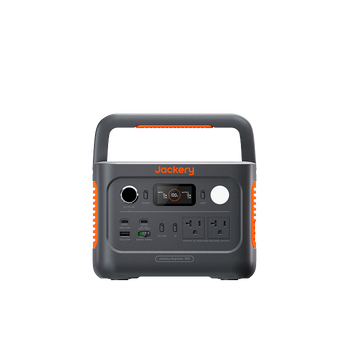
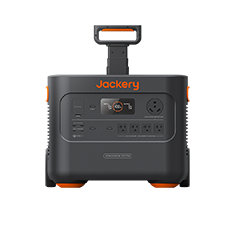
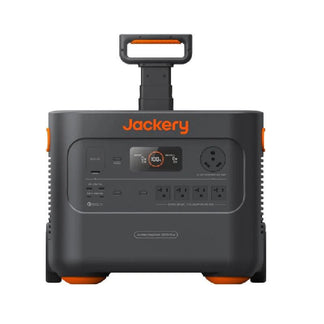
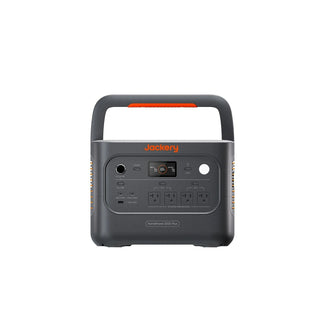
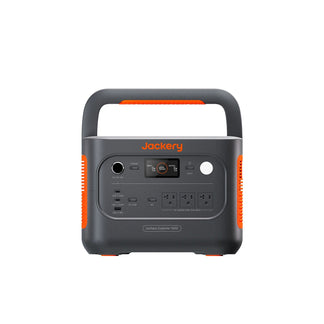
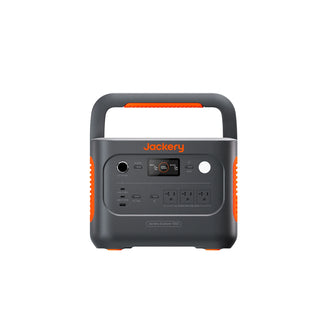
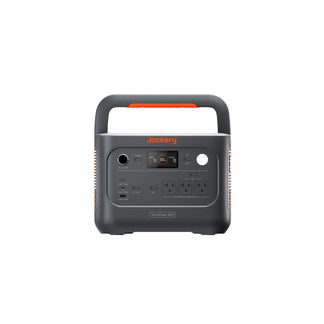
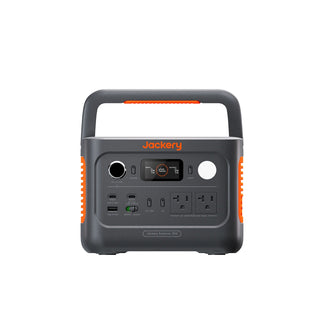
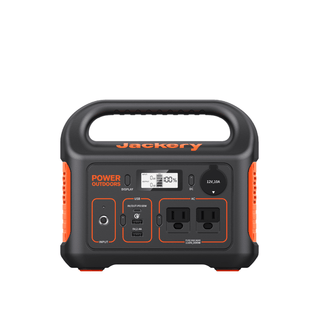
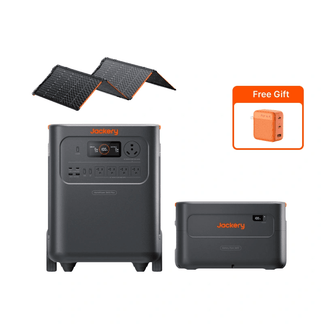
A portable power station solves the endurance problem entirely. Connecting a radio via USB-C provides days of continuous monitoring, far exceeding built-in battery life. (FEMA Power Outages) For multi-day outages, this is the difference between staying informed and losing contact. A unit like the Jackery Explorer 600 v2 can power a typical emergency radio for hundreds of hours on a single charge.
Lithium-ion batteries lose charge over winter storage. Check your radio's battery level every 3–6 months and recharge or replace before storm season begins. Set a calendar reminder for March and September — the start of spring tornado season and peak Atlantic hurricane season, respectively.
How to Keep Both Home and Portable Radios Powered
For home: A desktop NOAA radio with AC power and battery backup provides an 85–90 dB alarm (comparable to a smoke detector) and brightly lit alert to wake you for overnight tornado warnings. For evacuation: Portable hand-held radios fit in a go-bag, run on batteries or USB power, and belt clips/headphone jacks allow hands-free monitoring.
A home radio's AC connection eliminates battery worries until the grid fails, at which point its internal battery backup provides 4–8 hours of monitoring. For longer outages, a home backup power system keeps it running indefinitely.
Portable models weigh under 1 pound and stay in a vehicle emergency kit year-round — grab the go-bag and go. Owning both types provides redundancy: one plugged in at home, one in each vehicle kit. A quality portable radio costs $30–60, less than a tank of gas.
Limitations / What to Know Before
- Line-of-sight dependency: NOAA reception is line-of-sight — mountains or basements can block the signal; an external antenna above ground may be necessary.
- Hand-crank and solar are supplemental: These are not primary power sources. They cannot fully recharge a depleted battery on their own in any reasonable timeframe. Always keep spare AA batteries in your emergency kit — they are the most dependable backup power source for portable radios.
- Phone alerts are not a replacement: Wireless Emergency Alerts on phones are insufficient — cell towers fail when overloaded or damaged. A solar generator for home backup can keep phones charged, but the phone may have no signal. A dedicated NOAA radio operates independently of cellular infrastructure.
- SAME programming required: SAME requires your county's 6-digit FIPS code (find it at weather.gov). Without it, the radio either ignores all alerts or triggers for every storm within 200 miles — both defeats the purpose.
Best Portable Power Stations for Emergency Radio Backup
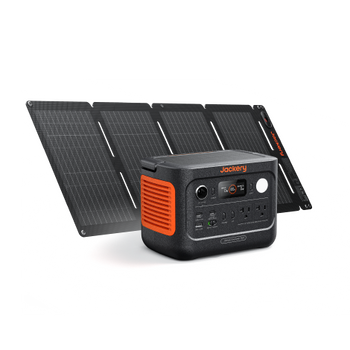
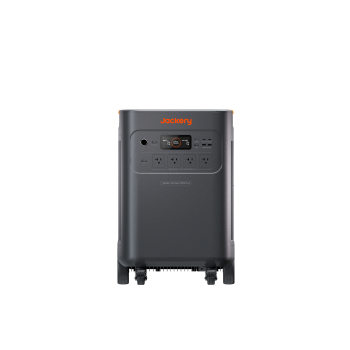
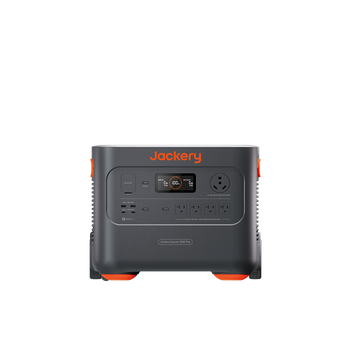
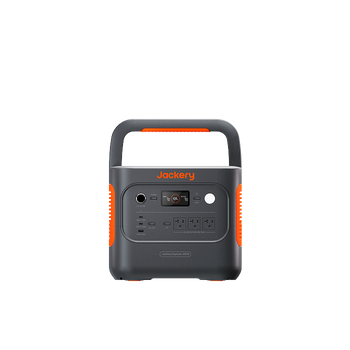
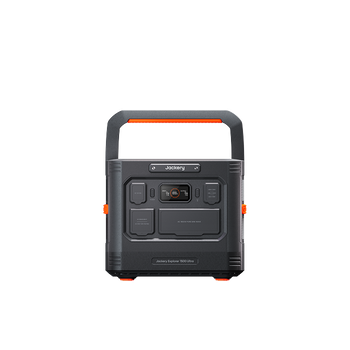
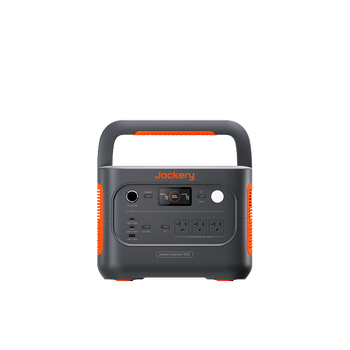
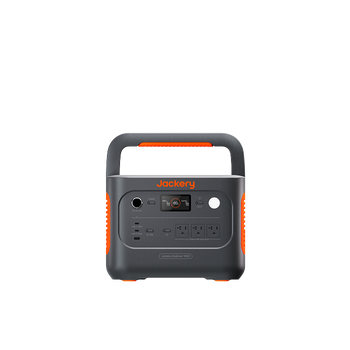
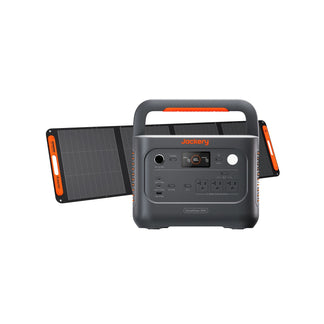
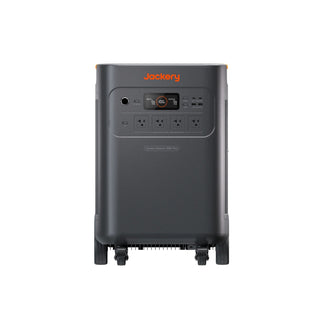
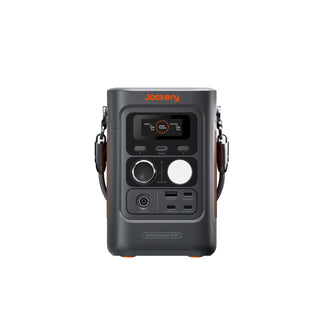
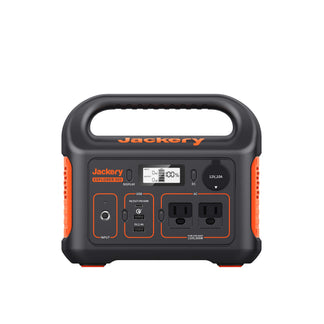
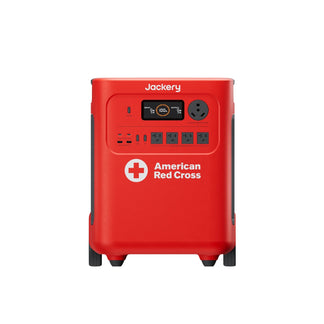
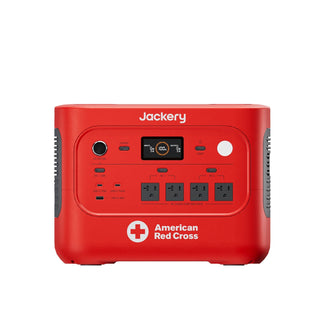
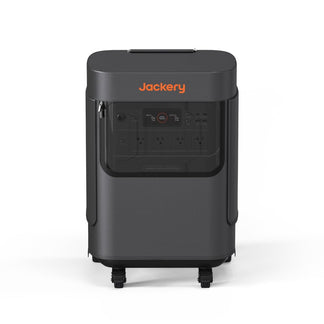
Pair your radio with a portable power station to extend monitoring from hours to days. Choose a Jackery model for your scenario:
Your Situation |
Best Model |
Why It Fits |
Key Specs |
Grab-and-go kit, vehicle glovebox, ultra-portable backup |
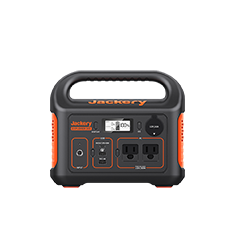
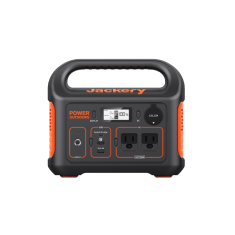
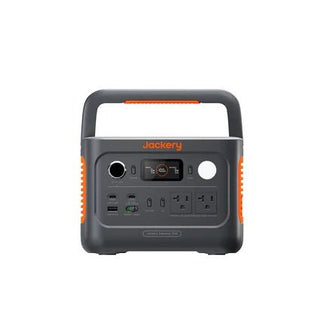
Explorer 100 Plus |
Compact and lightweight, fits anywhere; USB-C output charges radios and phones with zero bulk |
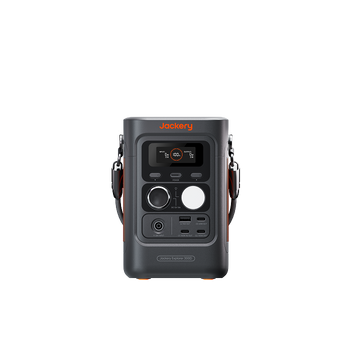
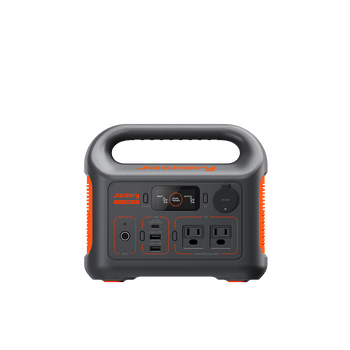
< 2 lbs, USB-C only, LiFePO4 |
Dedicated home communications, want days of radio + phone charging |
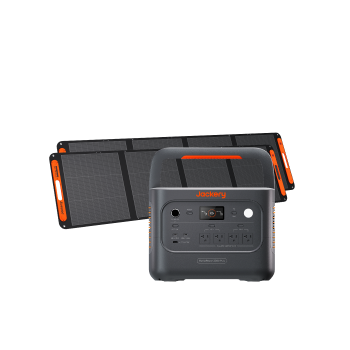
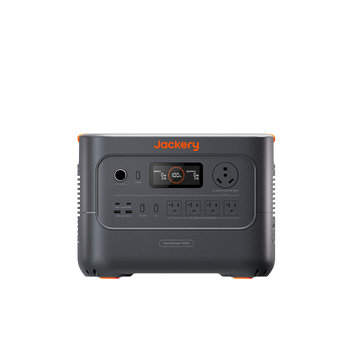
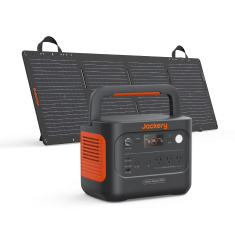
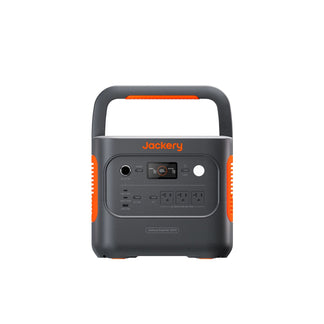
Explorer 600 v2 |
Powers radio for hundreds of hours and recharges a phone 21 times; enough to keep a LED lamp running too |
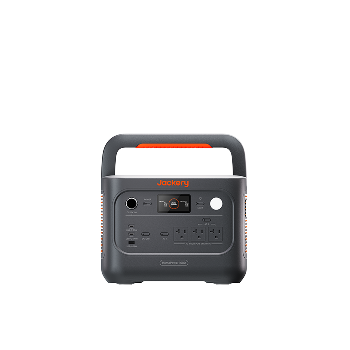
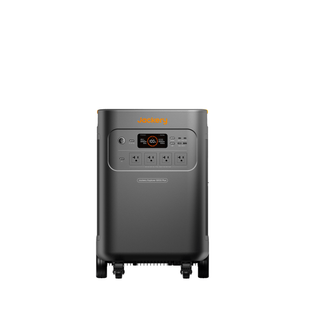
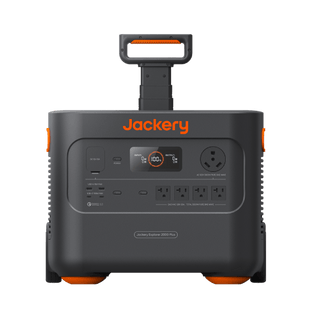
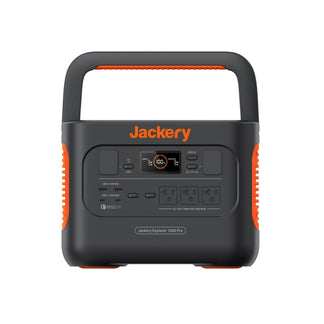
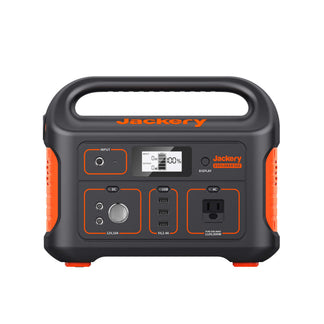
640Wh, 500W (1000W surge), 14.1 lbs, LiFePO4 6,000+ cycles, emergency super charge in 1 hour via AC |
Power radio, phone, and small fridge simultaneously — maintain both communication and food safety |
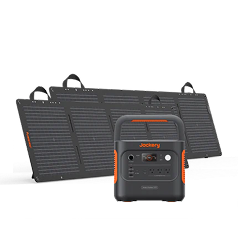
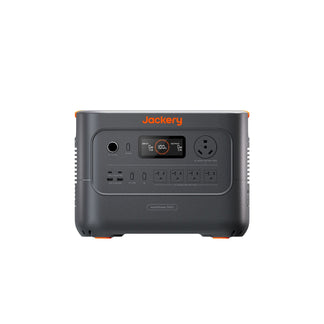
Explorer 1000 v2 |
Runs radio and a small refrigerator at the same time; larger capacity for critical loads during extended outages |
1070Wh, 1500W (3000W surge), 23.8 lbs, LiFePO4 |
All use LiFePO4 chemistry for thousands of cycles and come with USB-C output that directly powers most modern emergency radios.
For a deeper look at battery backup options, best battery backup generators compares capacities and use cases across the Jackery lineup. If you're building a comprehensive emergency power plan, solar emergency generator systems explain how to pair portable power stations with solar panels for indefinite off-grid operation.
Frequently Asked Questions (FAQ)
How often should I test my emergency radio?
Test your radio monthly by running the self-test function and verifying the alert alarm sounds clearly. Schedule it for the first Saturday of each month — many NOAA stations broadcast a weekly test every Wednesday between 10 AM and noon, but a monthly check catches battery drain before it becomes critical.
Can I use a scanner instead of a weather radio?
No, scanners lack SAME technology and automatic alert activation for life-threatening weather warnings. A scanner lets you listen to weather frequencies, but it won't wake you when a tornado warning is issued for your county at 3 AM.
What happens if I move to a new county?
You must reprogram the radio with your new county's 6-digit FIPS code to receive local alerts. Find your new code at weather.gov — enter your county name in the search bar, and the FIPS code appears in the county information page.
Do emergency radios work without batteries?
No, all emergency radios require some power source. Even AC-powered models need battery backup for outages — a desktop NOAA radio plugged into wall power becomes useless the moment the grid fails unless it has internal batteries installed.
How do I store batteries for long-term emergencies?
Store alkaline batteries in a cool, dry place and replace them every 12 months to prevent leakage. Keep them in their original packaging until needed — loose batteries in a drawer can short-circuit against metal objects and create a fire hazard.
Disclaimer:
The runtime mentioned for appliances powered by Jackery is for reference only. Actual runtime may vary under different conditions. Please refer to real-world performance for accurate results.

