






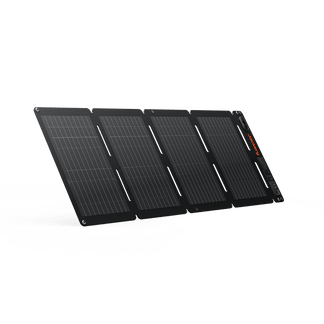
![[Add-on] Jackery SolarSaga 500 X - Jackery](http://www.jackery.com/cdn/shop/files/add-on-jackery-solarsaga-500-x-1493607.webp?v=1786503068&width=324)
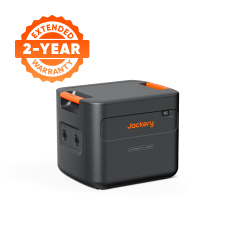
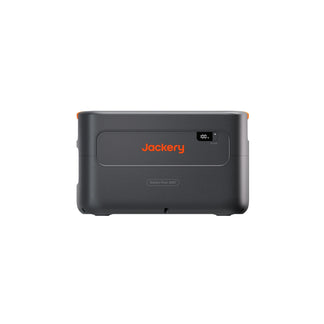
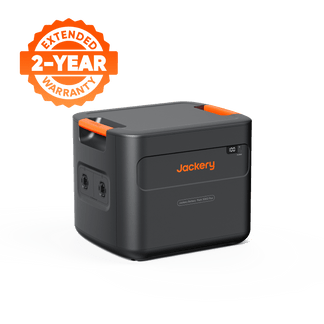
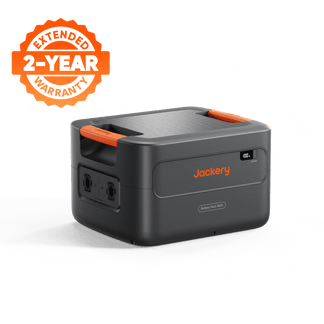
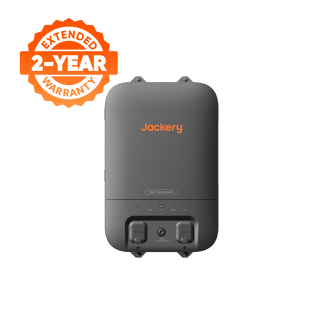
![[Add-on] Jackery Battery Pack 5000 Plus - Jackery](http://www.jackery.com/cdn/shop/files/add-on-jackery-battery-pack-5000-plus-6713401.webp?v=1786503068&width=324)





Duke Energy Power Outage: Tracking & Hurricane Prep
Quick Answer
Track Duke Energy outages via the official outage map at duke-energy.com/outages, text “OUT” to 57801, or call 800-769-3766. Hurricane outages can last from a couple of days to more than two weeks, with rural areas often taking significantly longer to restore than urban ones. Self-healing tech reroutes power for 82% of Florida customers, but restoration estimates may shift to “undetermined” during major storms.
Key Takeaways
- Duke Energy’s outage map shows real-time status by address or ZIP code, with restoration times that may change to “undetermined” during severe storms.
- Hurricane-related outages in the Southeast can last from two days to more than two weeks, with rural customers often waiting significantly longer than urban ones. [1]
- Duke Energy has upgraded 60% of wooden poles and deployed self-healing technology covering 82% of Florida customers to reduce outage duration. [1]
- Essential home backup for a refrigerator, router, and phone charging requires a portable power station rated at 1,500–3,000 Wh for a 24‑hour stretch. [2]
- Liability claims for spoiled food are accepted only when Duke Energy’s equipment failure caused the outage, not for weather-related events.
How to Track Duke Energy Power Outages in Real Time
Use these channels to track outages in real time:
- Outage map: duke-energy.com/outages — enter an address or ZIP code to see active outages, affected customers, and a best-estimate restoration time (refresh periodically).
- Text or call: Text “OUT” to 57801 or call 800-769-3766; both tie into Duke Energy’s automated system for real‑time status updates.
- Third-party tracker: poweroutage.us pulls Duke Energy data across 236 counties, showing total customers without power and the percentage of the territory affected. During storms, county‑level data highlights hotspots — Wake County, NC, and Hamilton County, FL, for example, frequently register the highest outage counts.
- Mobile app: The Duke Energy mobile app sends push notifications the moment an outage is reported in your area and again when crews are dispatched.
For anyone in hurricane country, having all three channels at your fingertips removes guesswork while the wind is still blowing.
Understanding Duke Energy’s Outage Restoration Process
Duke Energy follows a strict triage hierarchy:
- Critical infrastructure: hospitals, water treatment plants, 911 call centers get priority.
- Main distribution lines: feed the largest number of customers — second priority.
- Individual homes: last in line, which is why a neighbor on the same street may have lights while you wait.
Self‑healing technology changes the math for many. Sensors and automated switches reroute power around damaged line sections within seconds. This system covers 82% of Florida customers and routinely keeps outage durations to minutes instead of hours for those zones. [1] Pole upgrades also play a role — 60% of wooden poles in Duke’s territory have been hardened to withstand hurricane‑force winds, reducing the chance of a snap that pulls down entire spans of wire.
Restoration estimates are live projections, not promises. When a new storm band moves in or flooding blocks access, an ETA can shift to “undetermined” instantly. Rural customers should expect longer wait times, often days beyond what urban areas experience, simply because line crews have farther to travel and fewer roads to use.
Regional Outage Patterns: Why Hurricane Season Demands Preparation
The Southeast consistently logs the longest power outages in the country. Hurricanes Helene and Milton alone triggered blackouts lasting 53 hours to 14 days across swaths of Florida and the Carolinas. [3] In the Piedmont region, ice storms snap lines and can keep crews working for a week or more, especially in wooded, rural stretches.
Coastal counties face the double punch of storm surge and wind, while inland zones contend with uprooted trees and flash flooding. Peak hurricane months — August through October — see the highest number of Duke Energy outage events, and 2025 set new records for total outage hours. [3]
Pre‑season preparation isn’t optional. A portable backup system sized for 2–3 days bridges the gap between the lights going out and the moment a restoration crew finally reaches your street. Pair a power station with solar panels to recharge indefinitely during daylight — a strategy detailed in our article on emergency solar generator for home. That one step transforms a few days of autonomy into a genuinely open‑ended safety net.
Essential Hurricane Prep: What to Power During an Extended Outage
The essential loads to power during a hurricane outage are your refrigerator, Wi‑Fi router, LED lights, and a fan — small, steady draws that keep your household functional.
- Refrigerator and freezer: A modern Energy Star fridge pulls 500–800 Wh per day. A 2,000‑Wh power station buys you 2–3 days of cold food, enough to prevent spoilage until restoration.
- Wi‑Fi router and phone charging: Combined, these draw only 10–30 Wh per day. That tiny load keeps you connected for emergency updates, so don’t skip it.
- LED lights and a fan: Add another 50–100 Wh per night for a few bulbs and air circulation. It’s enough to maintain comfort without draining the battery fast.
- Scalable backup: Start with a 1,500‑Wh unit for those core essentials. If the outage drags on, add a solar panel to harvest free daytime energy — no fuel to store, no noise to worry about.
The key is matching your backup to the expected outage window. A short 24‑hour outage needs different capacity than a week‑long aftermath from a hurricane.
How to File a Claim for Spoiled Food or Damage
Duke Energy’s liability for spoiled food is narrow. Claims are accepted only when the utility’s own equipment failure — not weather or third‑party damage — caused the outage. During hurricanes, that means almost no claims are paid. If you do file, you’ll need clear photos of the spoiled contents and original grocery receipts, submitted through Sedgwick’s online claims portal.
Homeowners insurance is the realistic fallback for storm‑related food spoilage. Check your policy for a specific “food spoilage” coverage limit, often a few hundred dollars with no deductible. Recent rate adjustments do not change Duke Energy’s reimbursement policy. Because claim denial is the norm for weather events, the practical approach is prevention: a portable power station keeps your fridge running and eliminates the spoilage loss altogether.
Limitations / What to Know Before
Be aware of these limitations:
- Rural restoration times can stretch far beyond urban ones. A power station rated for two days may not be enough if you live at the end of a dirt road with low‑priority line access.
- Claim reimbursement for hurricane outages is rare. Budget for backup power rather than expecting a check for spoiled groceries.
- Portable power stations cannot run central air conditioning, electric ovens, or well pumps for extended periods without very large battery banks. Know the difference between “essential backup” and whole‑home standby.
- Self‑healing technology covers 82% of Florida customers; about 18% still lack automatic rerouting, and rural zones may see no benefit. Restoration estimates can shift to “undetermined” without warning, so always assume the outage will last longer than the first ETA suggests.
For a deeper dive into how solar generators fit into emergency plans, see our solar emergency generator guide.
Product Recommendation: Essential Home Backup for Duke Energy Customers
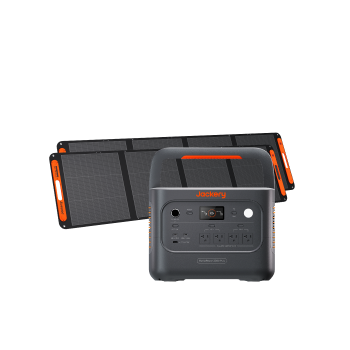
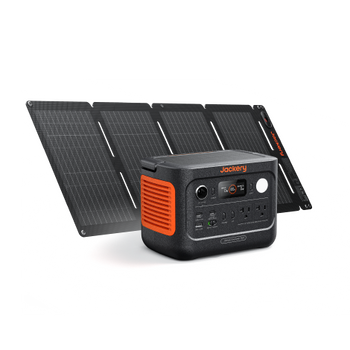
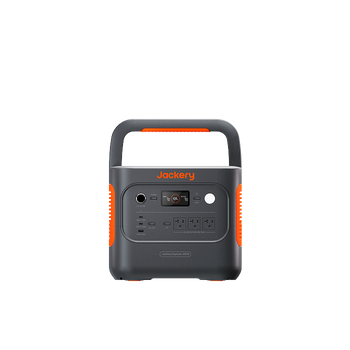
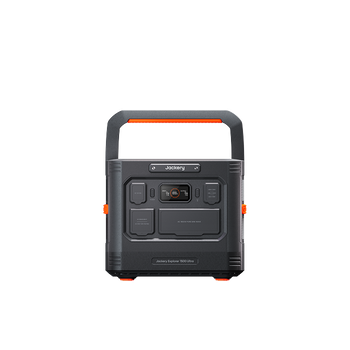
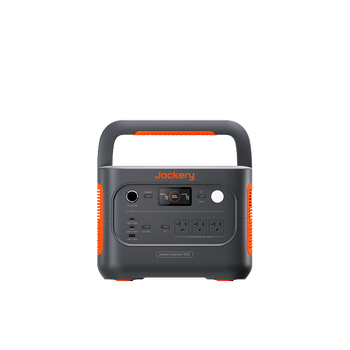
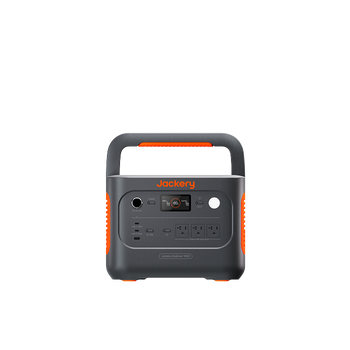
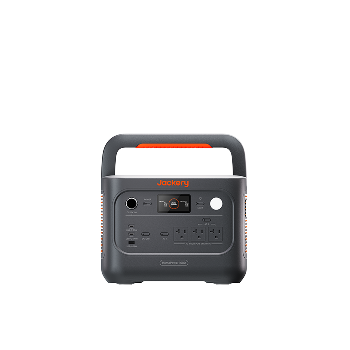
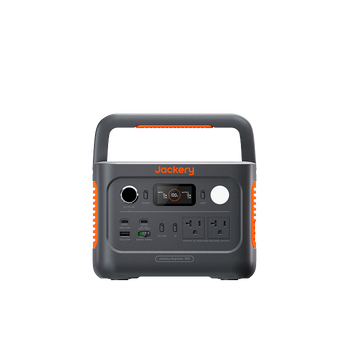
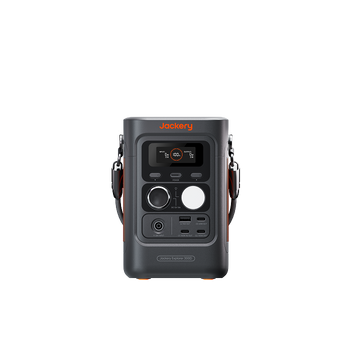
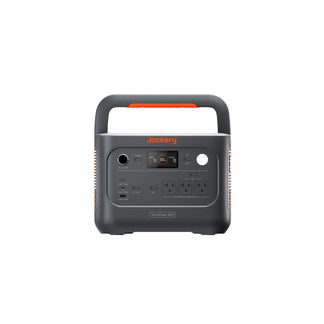
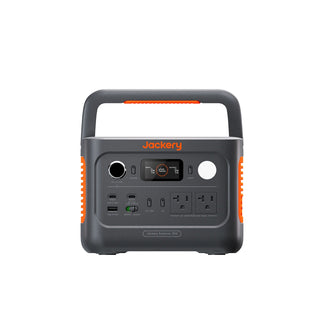
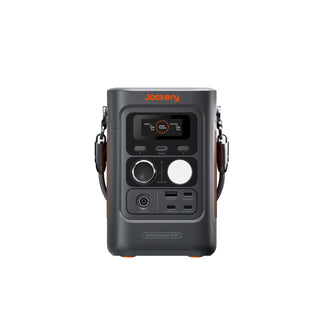
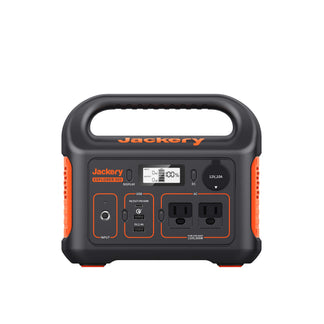
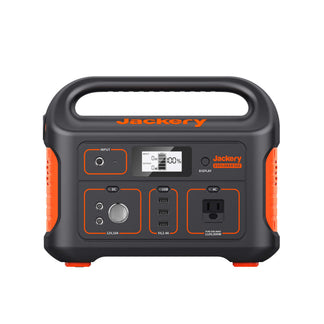
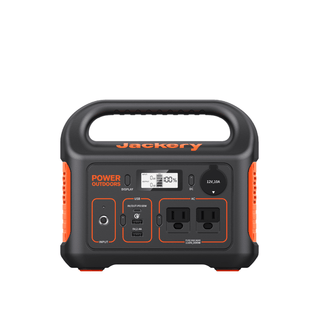
When a storm knocks out power for days, a portable power station keeps your refrigerator, router, lights, and fan running without gasoline or noise. Jackery’s lineup offers several options sized to the most common outage windows.
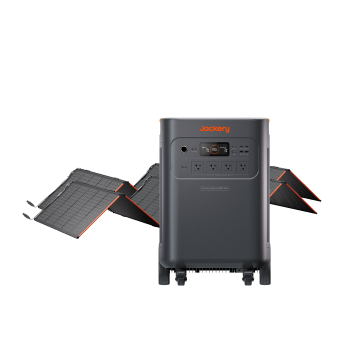
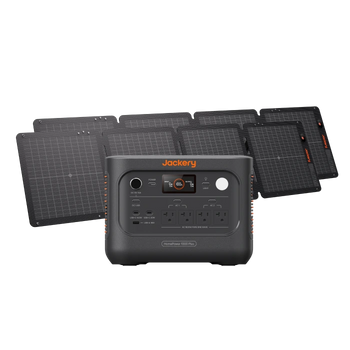
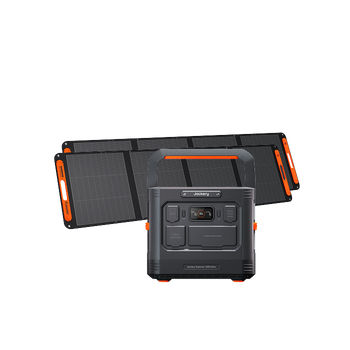
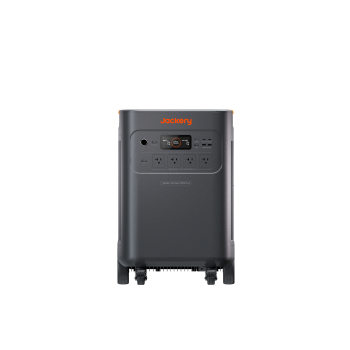
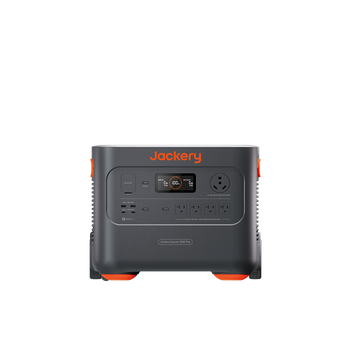
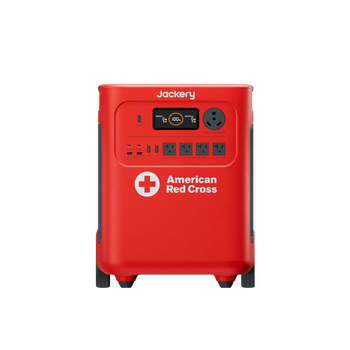
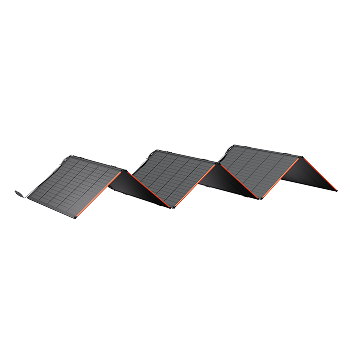
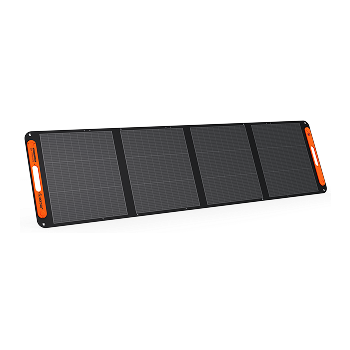
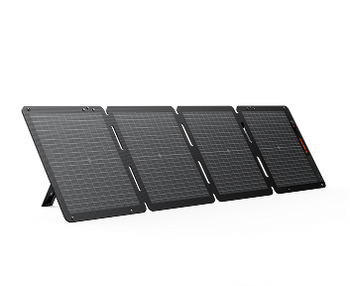
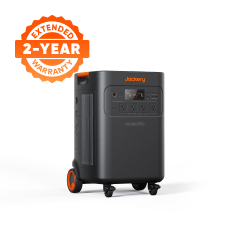
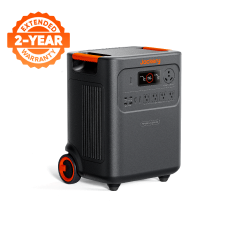
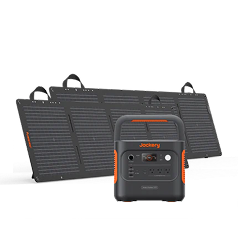
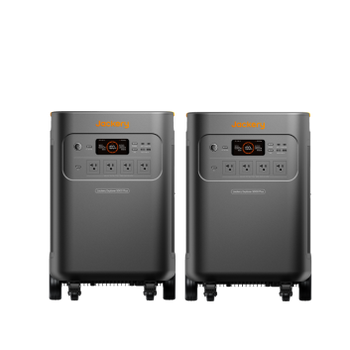
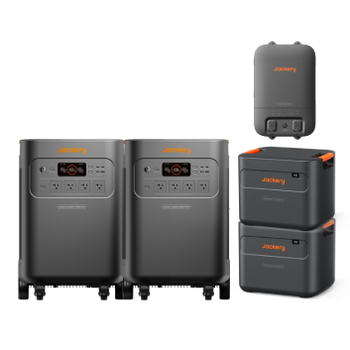
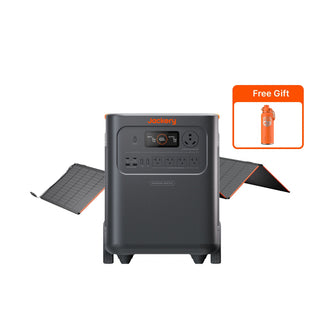
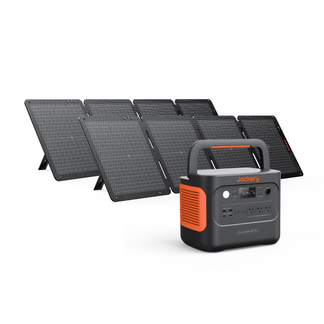
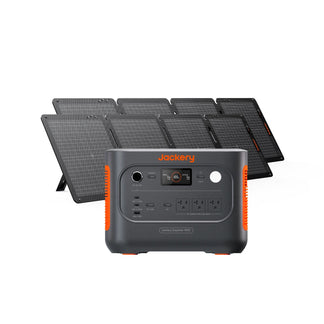
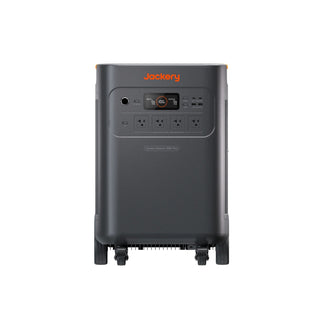
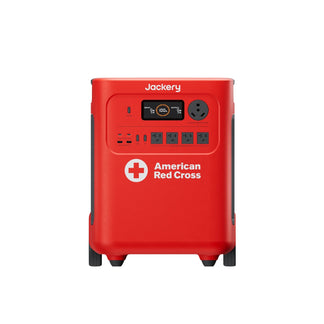
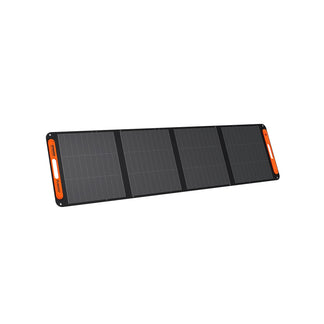
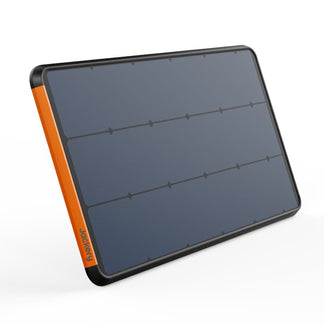
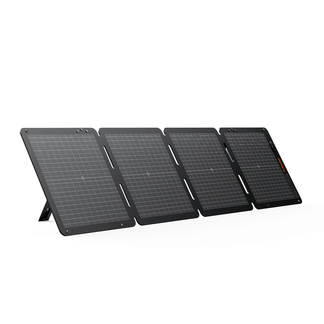
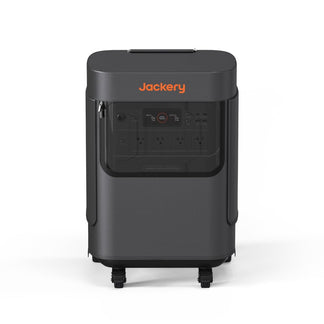
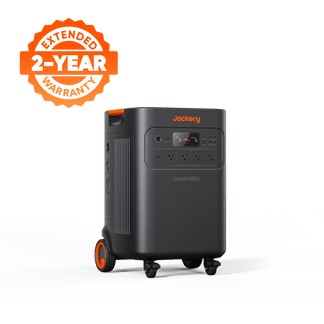
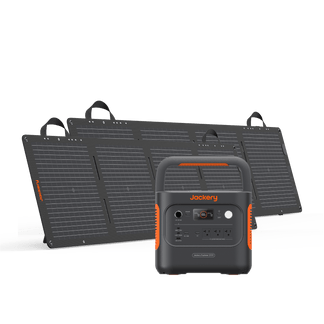
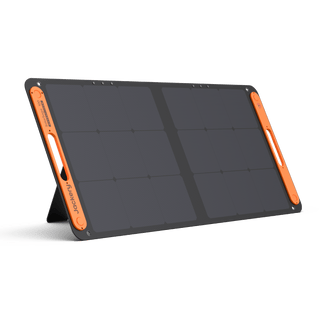
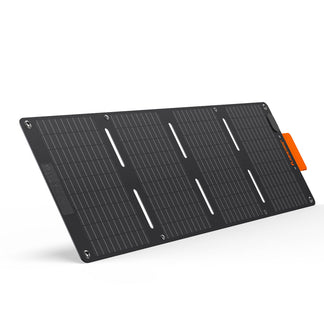
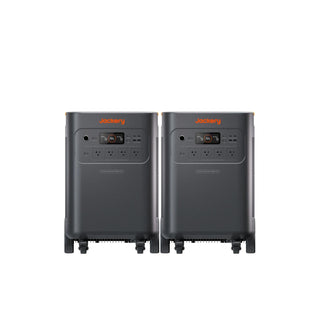
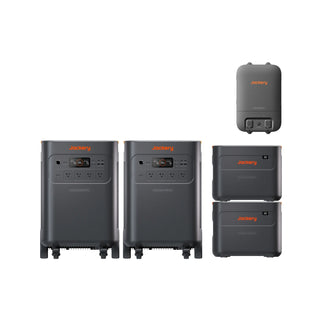
Jackery Solar Generator 5000 Plus + 2× SolarSaga 500X
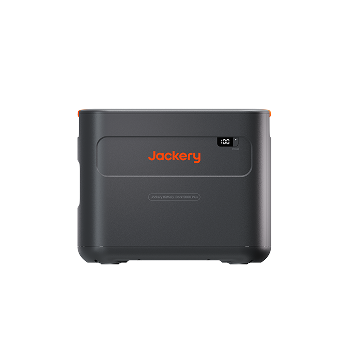
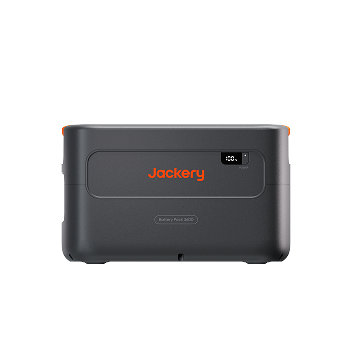
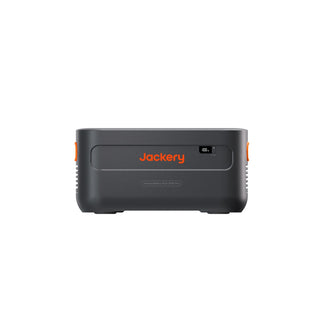
- 5,040 Wh capacity (expandable to 60 kWh) — supports essentials for 2–3 days without recharging.
- 7,200 W continuous output, 14,400 W surge — handles refrigerator compressors and multiple devices simultaneously.
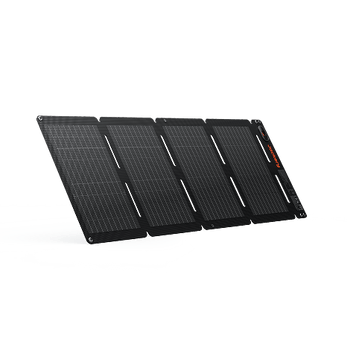
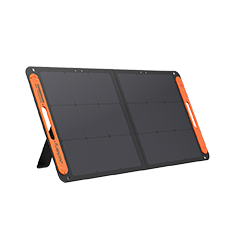
- Two 500 W panels deliver 1,000 W total solar input, recharging in about 6.5 hours of good sun.
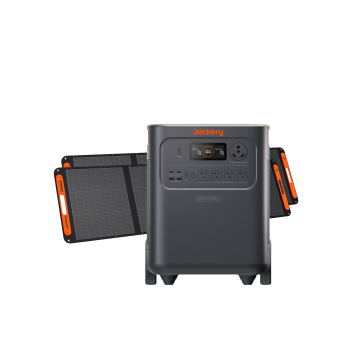
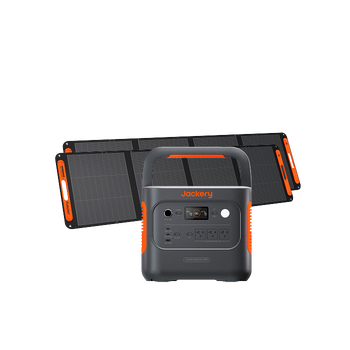
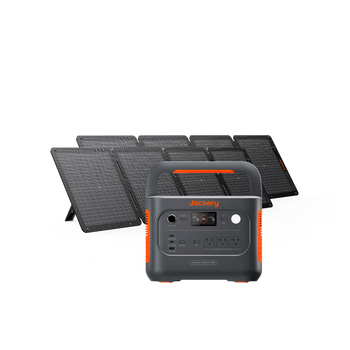
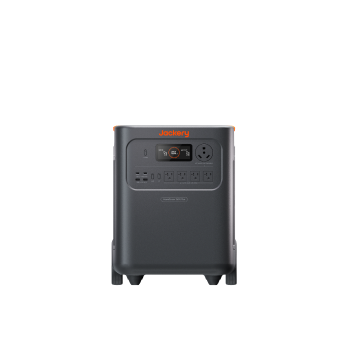
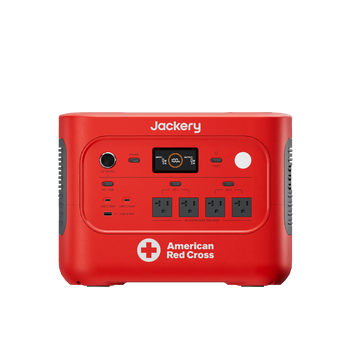
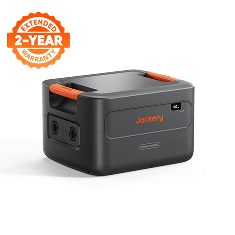
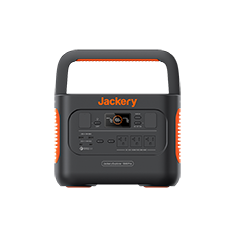
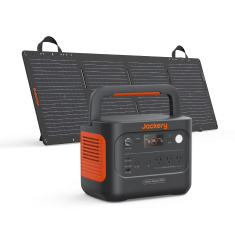
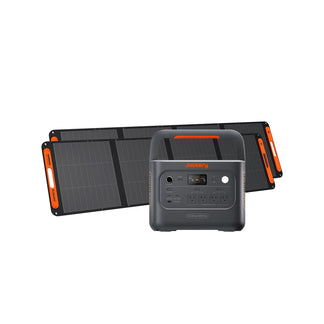
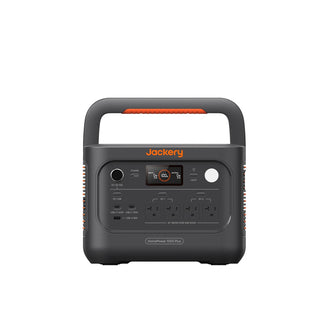
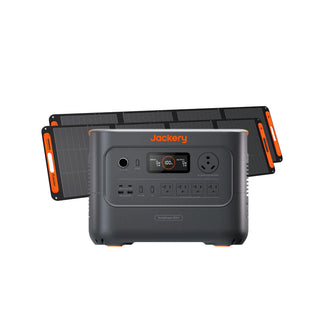
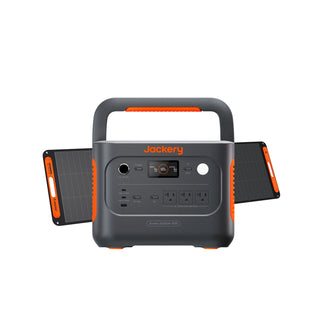
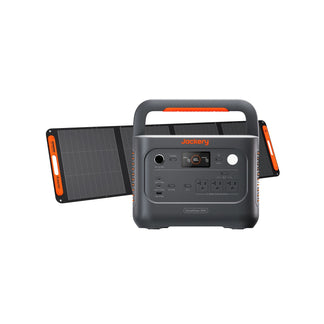
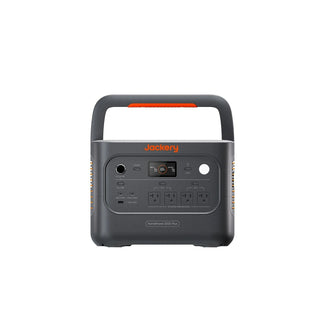
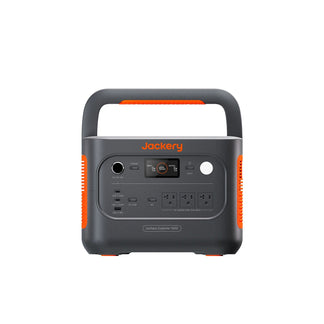
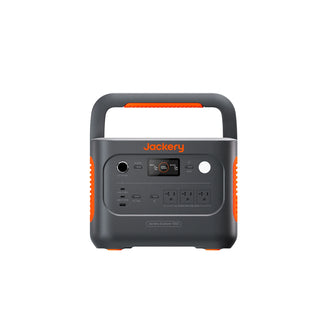
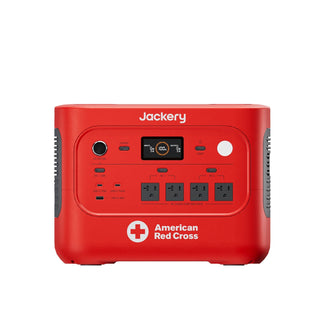
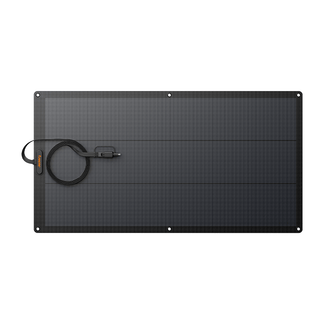
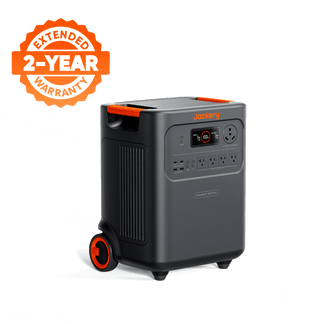
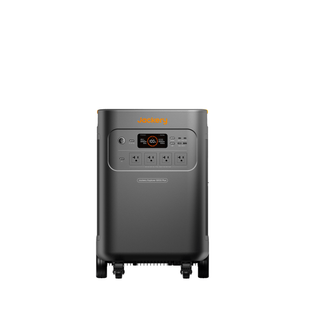
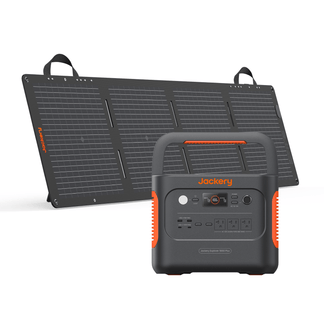
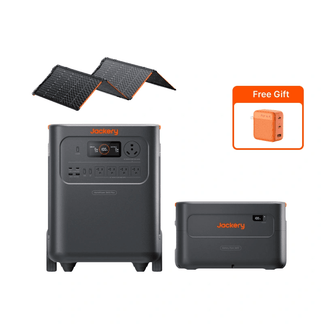
Jackery Solar Generator HomePower 3600 Plus + SolarSaga 500X
- 3,584 Wh capacity — runs a refrigerator, router, lights, and fan for 1–2 days.
- 3,600 W continuous output — powers small appliances like a microwave or coffee maker alongside core devices.
- Recharges via the bundled 500 W panel in roughly 16 hours of sun; runtime extends with additional panels.
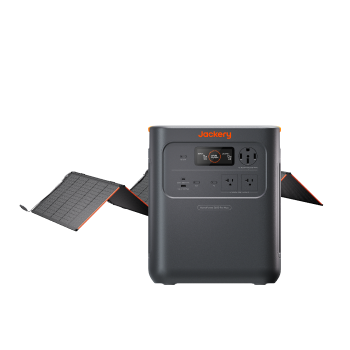
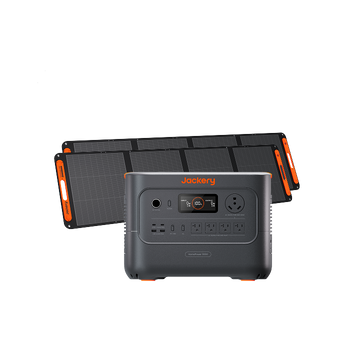
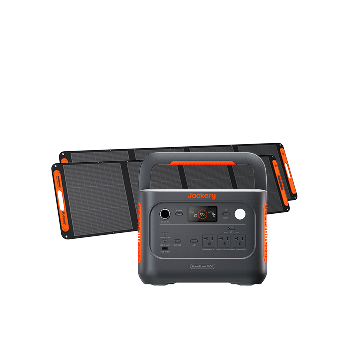
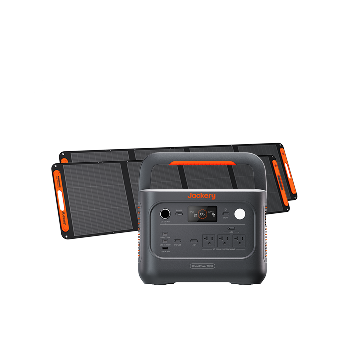
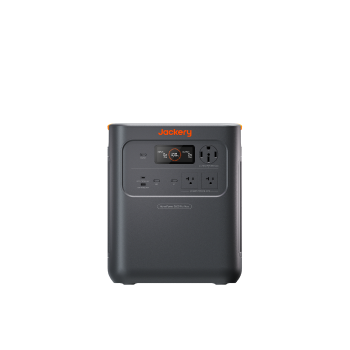
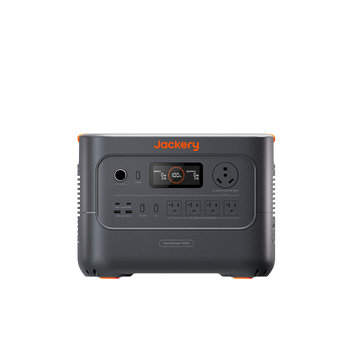
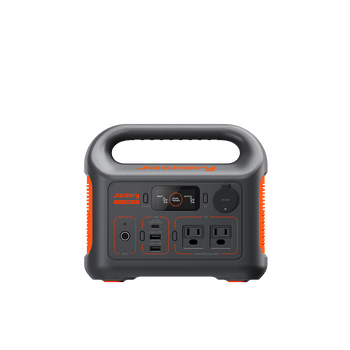
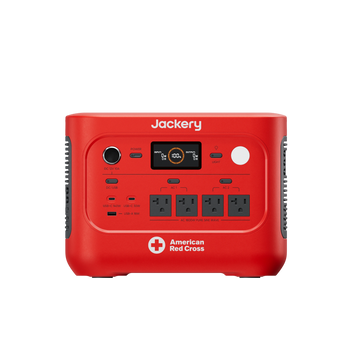
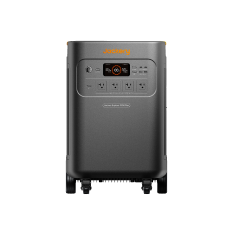
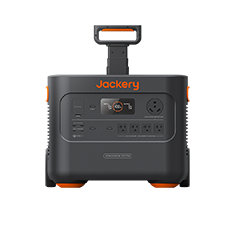
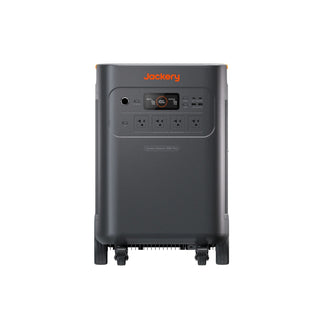
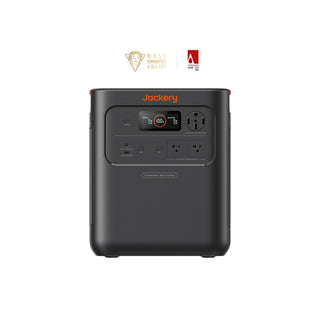
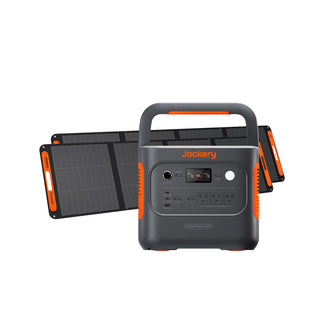
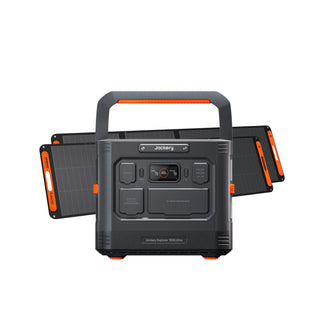
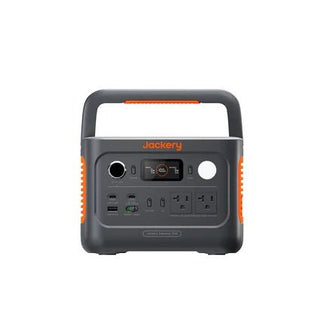
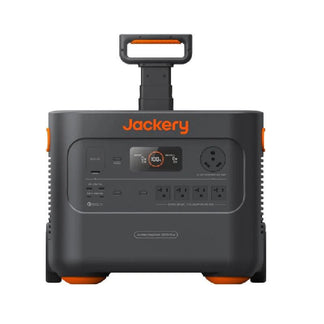
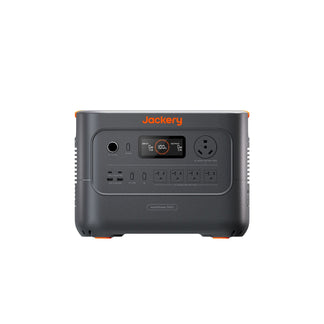
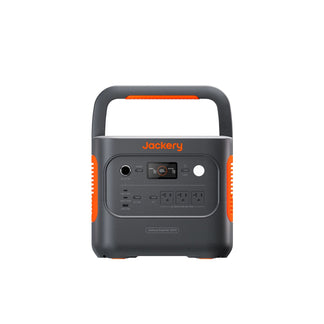
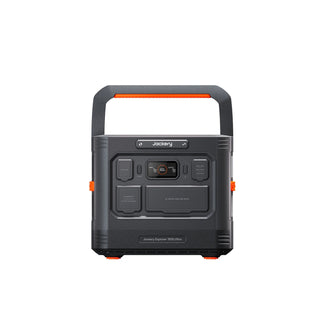
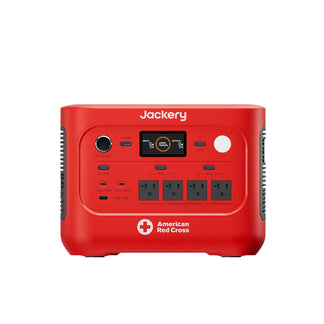
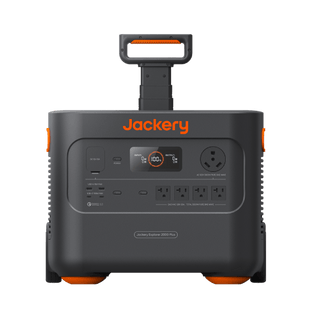
Jackery Explorer 2000 v2 Portable Power Station
- 2,042 Wh capacity — keeps a refrigerator, Wi‑Fi router, and lights running 24–36 hours.
- 2,200 W output with 4,400 W surge — starts refrigerators easily and runs small electronics.
- Weighs 39.5 lbs; wall‑charges in under 2 hours, so it’s easy to grab for an evacuation or move between rooms.
Decision Table: Outage Duration vs. Recommended Model
Outage Scenario |
Typical Duration |
Recommended Jackery System |
Why It Fits |
|---|---|---|---|
Short blackout |
12–36 hours |
Jackery Explorer 2000 v2 Portable Power Station |
Compact, light, fast recharge; covers fridge and connectivity for a day or two. |
Extended hurricane outage |
2–4 days |
Solar Generator HomePower 3600 Plus + 500X panel |
Enough capacity for multi‑day essentials; solar panel extends runtime without grid power. |
Prolonged multi‑day storm |
5+ days |
Solar Generator 5000 Plus + 2× 500X panels |
Largest capacity and fast solar recharge; expandable for week‑long independence. |
For a broader comparison of models and their real‑world runtime, see our guide on best battery backup generators. If you’re weighing a traditional generator against a battery‑based system, check out our home backup power system generator vs battery breakdown.
Frequently Asked Questions (FAQ)
Can I use a generator indoors during a power outage?
Never operate any generator indoors or in an enclosed space because of lethal carbon monoxide risks.
Will my internet still work if the power is out?
Only if your modem and router have battery backup or are connected to a charged power station; the broader network may still go down if the provider’s equipment loses power.
How do I know if my outage is weather-related or equipment failure?
Duke Energy determines the cause during damage assessment; pure equipment failures are rare during storms, and the utility posts the cause on the outage map when verified.
Can I track outages for a specific street or neighborhood?
Yes, the official outage map at duke‑energy.com/outages allows address‑level searches to see localized status and crew assignments.
Sources & References
[1] Duke Energy, “Power Outage Map” (official outage map & grid updates), https://outagemap.duke-energy.com/ (accessed June 25, 2026).
[2] Ready.gov / FEMA, “Power Outages,” ready.gov/power-outages (accessed June 25, 2026).
[3] NOAA National Hurricane Center, nhc.noaa.gov (accessed June 25, 2026).
Disclaimer:
The runtime mentioned for appliances powered by Jackery is for reference only. Actual runtime may vary under different conditions. Please refer to real-world performance for accurate results.

