




![[Add - on] Jackery Manual Transfer Switch for Explorer 5000 Plus - Jackery](http://www.jackery.com/cdn/shop/files/add-on-jackery-manual-transfer-switch-for-explorer-5000-plus-9017324.png?v=1754016782&width=350)




![[Add - on] Jackery Manual Transfer Switch for Explorer 5000 Plus - Jackery](http://www.jackery.com/cdn/shop/files/add-on-jackery-manual-transfer-switch-for-explorer-5000-plus-9017324.png?v=1754016782&width=324)


Power outages can strike unexpectedly, leaving you without lights, refrigeration, and essential devices. Whether caused by storms, grid failures, or emergencies, losing electricity can disrupt daily life and even pose safety risks. That's why having a reliable home emergency power plan is crucial. You can build your own emergency power for home and keep your essential appliances running smoothly when the grid goes down.
In this guide, we will provide you with detailed steps to create an effective emergency power supply setup, from choosing the right power source to ensuring safe installation. Jackery Solar Generators are powerful solar-powered generators for emergencies that offer a clean, quiet, and long-lasting alternative to traditional fuel-powered generators. They are available in different sizes, so you can choose the one that meets your power needs.
Key Takeaways
- An emergency power supply for homes is an alternative power solution mostly used during power outages. It can power essential electrical devices.
- Battery backup systems, gas generators, solar emergency power supply, and hybrid solutions are common electricity power supply solutions.
- Some factors to consider while choosing the best emergency power for home include wattage, noise, output ports, and recharging time.
- You can build an emergency power supply system for your home by determining your power needs and choosing the right components, such as a battery, inverter, and charger.
- Jackery Solar Generators are portable and powerful solar battery backups that can power most household appliances during emergencies.
What is an Emergency Power Supply
An emergency power supply for homes is a backup power source that can provide electricity to essential appliances during an outage or emergency. It ensures essential devices like lights, refrigerators, and medical equipment keep running. Solar generators are one of the most reliable emergency power supplies that offer a clean and quiet way to stay powered, keeping your home safe and functional when the grid goes down.
Types of Emergency Power Supply
Solar-powered generators are one of the best options for generating emergency power supply for outages or blackouts. However, there are other forms of emergency power supplies available that are powered by fuel, diesel, or gasoline. Here, we will explain different types of emergency power supply for homes so you can choose the best one:
Battery Backup Systems
Battery backup systems or portable power stations are designed to store electricity, which can be later used during a power outage or blackout. They are generally recharged by wall outlets, car chargers, or solar panels to store electricity. You can then use these home battery backups to power essential appliances, such as refrigerators, lights, radios, etc.
Gas Generators
Gas generators typically run on fossil fuels like propane or gasoline and can produce electricity on demand. They are generally considered a cost-effective option for brief or short-term power outages. However, they come with certain drawbacks. For example, they can be noisy and emit fumes, which makes them unsuitable indoors.
Solar Emergency Power Supply
Solar emergency power supply combines a portable power station (or battery storage) and solar panels that work together to convert sunlight into electricity and power appliances. Even though solar generators have a high upfront cost, they have many practical benefits. Unlike fuel-based generators, solar generators can be used indoors as they do not emit any toxic fumes.
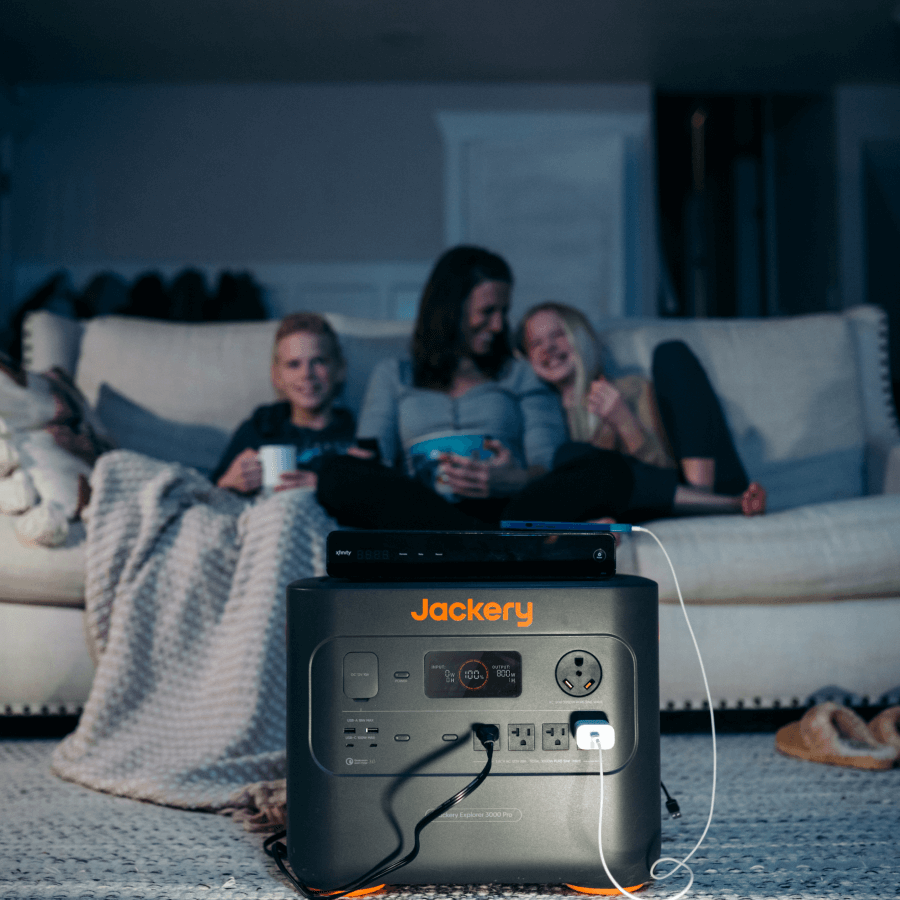
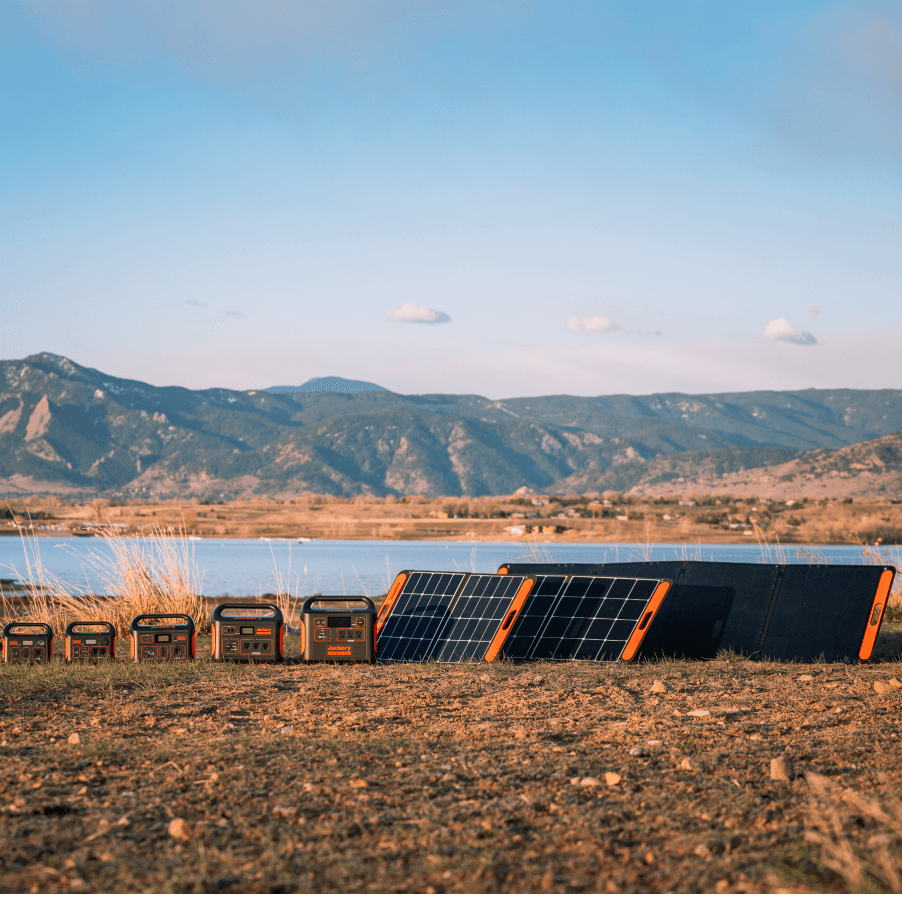
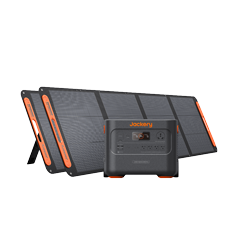
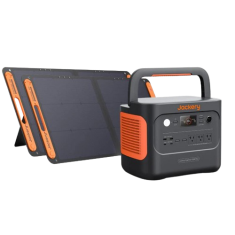
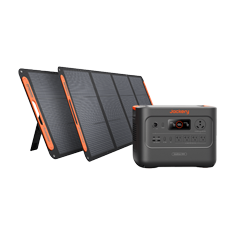
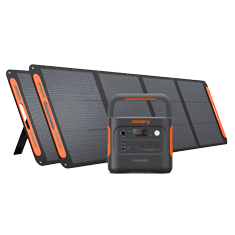
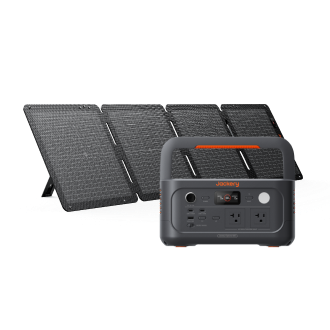
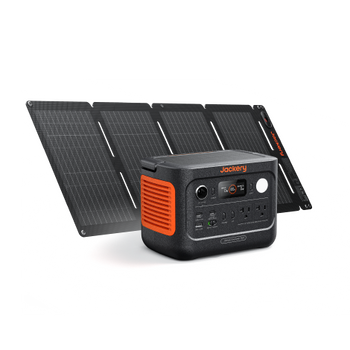
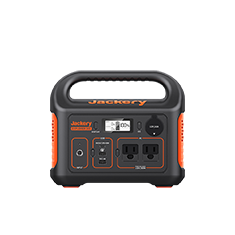
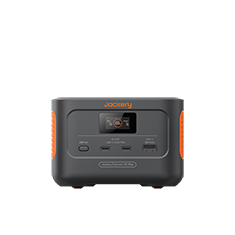
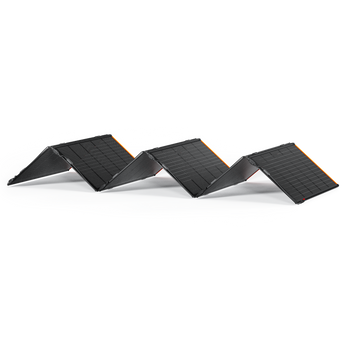
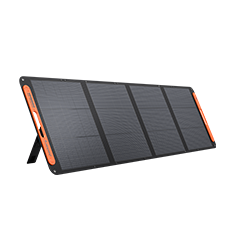
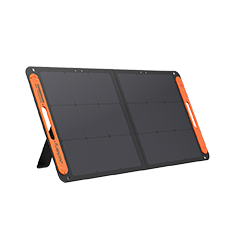
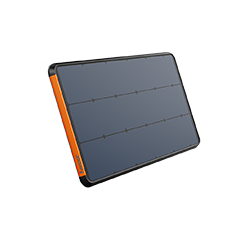
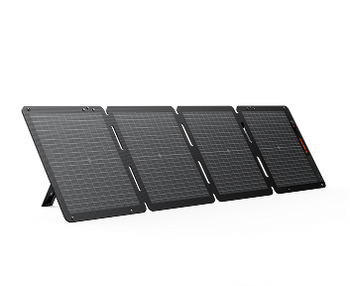
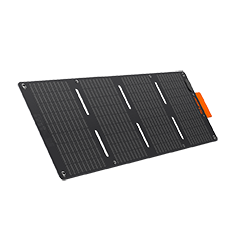
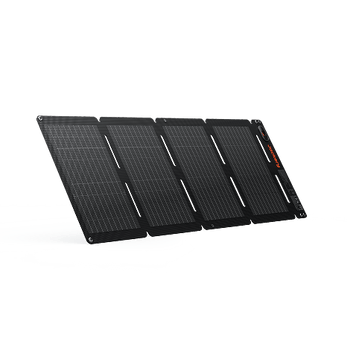
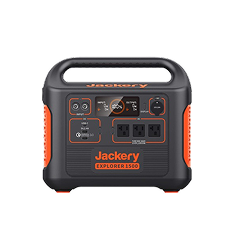
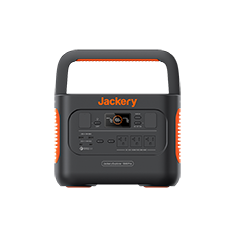
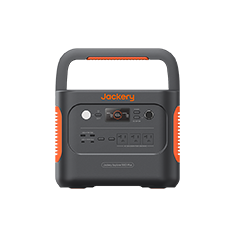
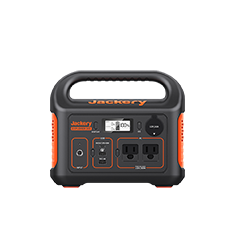
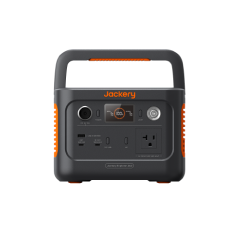
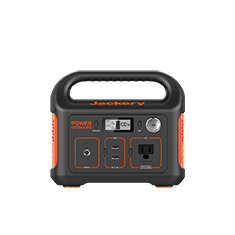
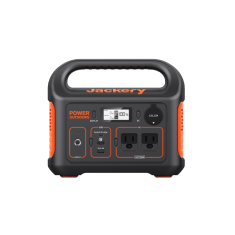
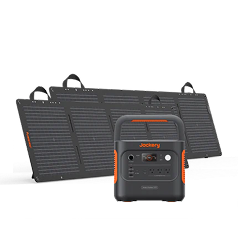
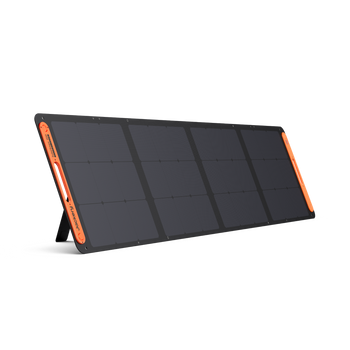
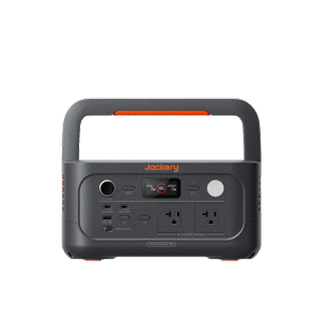
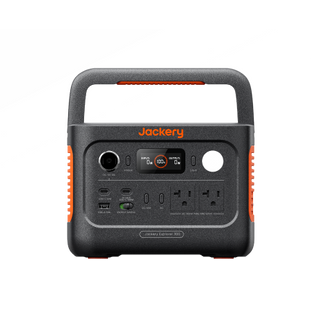
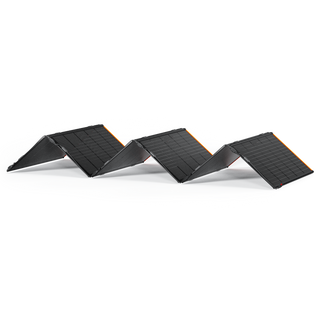
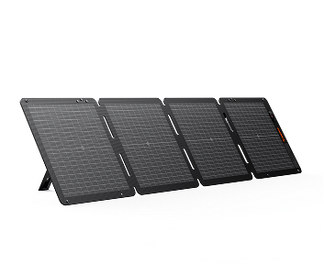
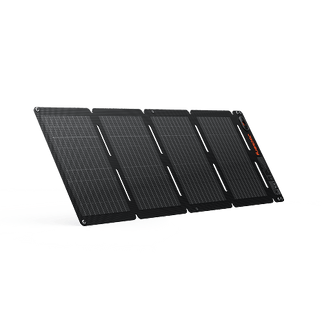
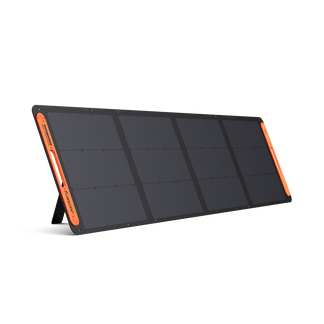
Jackery Solar Generators combine foldable solar panels with portable power stations that can power most household appliances during outages. They can power refrigerators and ACs as well as sensitive electronics like computers and laptops. They feature sturdy handles and ergonomic designs for easy transportation from one room to another.
Hybrid Solutions
Hybrid emergency power supplies combine multiple energy sources, such as batteries, generators, and solar or wind power, to provide reliable power. However, one of the major challenges of hybrid solutions is the overall cost. For example, wind turbines have high upfront costs and require a lot of space for installation, which makes them a less reliable choice for many.
Factors to Consider Before Choosing an Emergency Power Supply
Power outages can happen at any time, and a reliable emergency power generator for home can be helpful. Choosing the right solar emergency power supply system depends on several factors, such as the appliances needed to be powered and the budget. If you are first time buyer looking to get an emergency power supply, you should look for the following factors:
Wattage: Before choosing the emergency power supply, calculate the total wattage of the appliances that you plan to use simultaneously. For example, if the devices being powered consume 4000W, the emergency power supply should have a battery capacity of at least 5000Wh.
Noise: You will likely need to check the battery backup's noise level. Gas generators produce a lot of noise at high decibel levels, whereas solar generators consume less than 45 dB. Jackery Solar Generators consume 30dB of noise, which makes them ideal for indoor use.
Output Ports: You also need to check the emergency power supply's output ports to see how many devices can be powered at once. If you want to power multiple appliances simultaneously, it is better to choose a large-capacity solar generator.
Recharging Time: If you are purchasing a battery-powered generator, check how long the battery takes to recharge. Fast charging is an essential feature to ensure the batteries are always ready to power your appliances.
How to Build an Emergency Power Supply System for a Home
The absence of electricity during emergencies can make anyone's life hard. That's where a reliable emergency power supply comes into the picture. A battery backup stores the excess energy output generated by the solar panels. Here's a step-by-step guide to building an emergency power supply for homes:
Step 1: Access Your Power Needs
The first step is understanding exactly how much power your household requires during an outage. Start by listing every appliance you would need to keep running, such as refrigerator, lights, CPAP machine, router, phone chargers, etc., and note both their running watts and starting watts. Starting watts are typically higher than running watts and matter most when sizing your system.
Here is a table listing a few common appliances with their starting and running watts:
|
Emergency Appliance |
Running Watts |
Starting Watts |
|
Light Bulb |
25-100 |
0 |
|
Radio |
75 |
0 |
|
Television |
80 |
0 |
|
Refrigerator |
300 |
900 |
|
CPAP Machine |
60 |
0 |
|
Sump Pump |
2000 |
4000 |
Once you have made the list of the wattage of the emergency appliances that you will need during an outage, add the rating wattage together with the highest starting wattage to get the battery capacity of the emergency power supply.
Step 2: Choose the Right Equipment
With your power needs calculated, the next step is selecting the right components to build a system for emergency power for your home. For most homeowners, this comes down to three decisions: battery capacity, inverter type, and charging source.
Battery capacity should be calculated by multiplying each appliance's wattage by the number of hours you'd need to run it. A 500W refrigerator running for four hours, for example, requires 2000Wh of capacity. You should always size up slightly to give yourself a buffer.
Inverter type matters because home appliances run on AC power, while battery packs generate DC power. A pure sine wave inverter handles this conversion cleanly and safely for sensitive electronics. Jackery Portable Power Stations come with a built-in pure sine wave inverter, eliminating the need to source and wire a separate component.
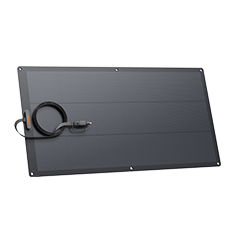
The charging source determines how you replenish the battery backup solution. Solar panels offer the most independence, especially during extended outages when grid power isn't available. Jackery Portable Power Stations support three charging options: solar panels, car chargers, and standard wall outlets, giving you flexibility regardless of the situation.
For homeowners who want to skip the complexity of assembling separate components, Jackery's plug-and-play solar generators combine battery, inverter, and charge controller in a single unit that requires no wiring or technical setup to get running.
Step 3: Installation and Wiring
Once your equipment is selected, it needs to be connected correctly and safely. A properly wired system uses thick-gauge wires and fuses to handle the load without risk of overheating or failure. The basic sequence is: connect the battery to the inverter, then to the charging source and charge controller, and finally connect the system to your home wiring via a transfer switch.
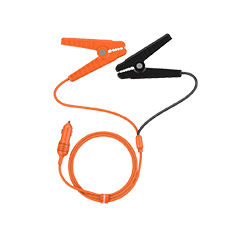
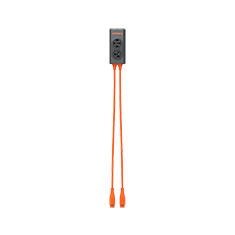
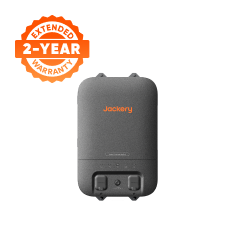
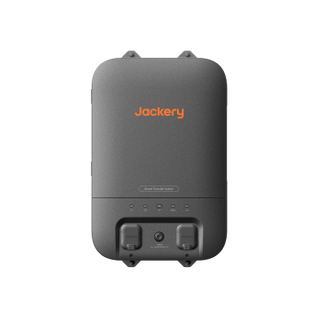
A transfer switch is essential, as it safely isolates your backup power from the utility grid, protecting both your equipment and utility workers during an outage. For Jackery users, this step is significantly simpler. Jackery Portable Power Stations are self-contained units that plug directly into your home setup without custom wiring, making them a practical choice for homeowners who want reliable emergency power without a complex installation.
If you want to install the transfer switch with the Jackery Portable Power Station, you can consider hiring a professional electrician.
Step 4: Test and Maintain Your System
An emergency power system for the home is only useful if it works when you need it. Schedule a test at least once every three months. You can run your critical appliances with the emergency power generators for the home for a short period to confirm everything functions as expected.
Check connections for corrosion, verify battery charge levels, and inspect solar panels or charging cables for damage. Keep a log of each test so you can spot any decline in battery performance over time. Most modern battery systems, including Jackery Portable Power Stations, display charge status and power output clearly, making routine checks quick and straightforward.
Hugh Richards, who works in financial services technology alongside his wife, a financial controller, can't afford to go dark when a hurricane rolls in or a winter cold snap cuts electricity for days. A failed car battery inverter and an unreliable gas generator taught him that the wrong solution is worse than none. Jackery Solar Generator kept the cottage's crawl space heater running during a cold snap, protecting the well and filtration system from thousands of dollars in pipe damage. It kept laptops, monitors, and modems live during planned 12-hour utility outages, letting him bill clients uninterrupted through two full workdays. For Hugh, the Jackery products sit charged and ready for weeks at a time, and when the wind finally decides the schedule, they're always at 99 percent. Check out more Jackery Stories like Hugh's to see how people use solar generators during emergencies and beyond.
What Size Generator Do I Need for Emergency Power Supply
Generally, a 3000-watt - 5000-watt generator can help you power essential home appliances, such as a refrigerator, fans, lights, and a sump pump. However, the exact size of the solar generator needed for emergency power will depend on the wattage of the appliances you want to run simultaneously and their power demands. Here's a simple method to calculate what size generator you need for an emergency power supply:
Step 1: List all the appliances that you will use simultaneously during an emergency. Note down their running and starting wattage. If you can't find the wattage directly on the appliance, consider multiplying amps and volts. You can also refer to the appliance wattage chart to understand the appliance's wattage consumption.
Step 2: Add all the running wattage of the listed appliances to get the total rated wattage of the solar generator.
Step 3: Find the appliance with the highest starting wattage and add the number to the total running watts. The obtained number will act as the solar generator's surge wattage.

Jackery Emergency Power Supply
Jackery is a global brand that manufactures solar generators, portable power stations, and solar panels. Solar-powered generators ensure that appliances remain powered during emergencies, such as when the electricity grid fails or there is a power outage. The emergency power supply solutions ensure stable electricity in the refrigerator to keep food fresh, an electric grill to cook food, lights to illuminate the space, and communication devices to stay in touch with loved ones.
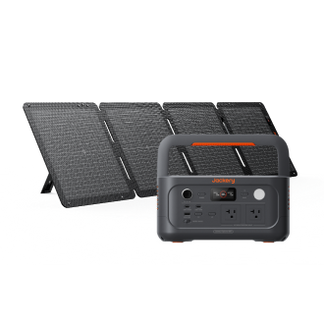
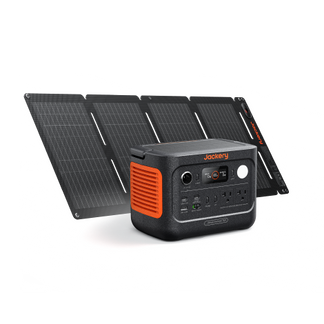
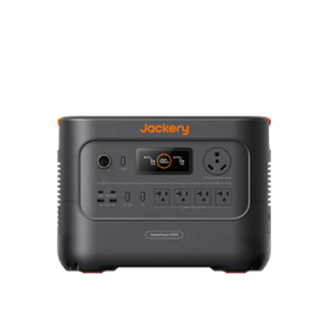
Here are the three Jackery Solar Generators available for powering emergency appliances at home:
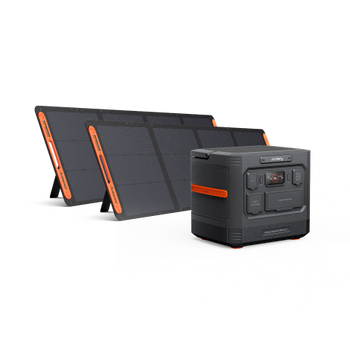
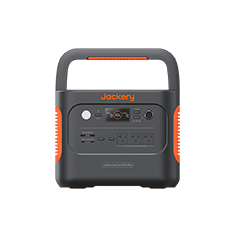
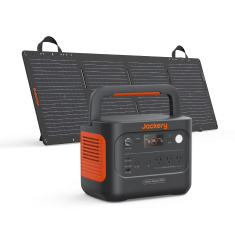
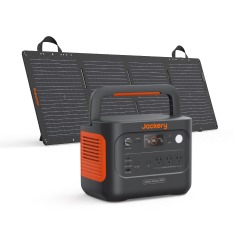
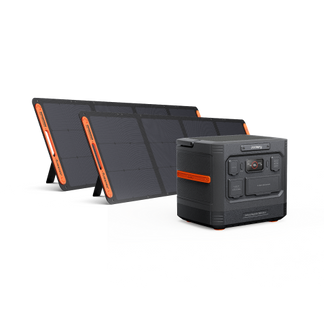
Jackery Solar Generator HomePower 3000
If you are a homeowner who wants serious emergency preparedness without committing to a permanent whole-home installation, the Jackery Solar Generator HomePower 3000 delivers reliable power to essential appliances. When the grid goes down during a storm, a wildfire, or a rolling blackout, this home battery backup keeps the refrigerator cold, the lights on, medical devices like CPAP machines running, and devices charged for everyone in the household. Paired with solar panels, it recharges during the day so you are not dependent on the grid coming back online to restore your supply, which is a critical advantage when outages stretch from hours into days.
Appliance Running Time
- Well Pump (1500W) = 1.7H
- Toaster Oven (1200W) = 2.1H
- Hair Dryer (1800W) = 1.4H
- Space Heater (1500W) = 1.7H
- Microwave Oven (1500W) = 1.7H
- Refrigerator (300W) = 8.1H
Who Should Buy This
If your household needs dependable backup power that keeps the essentials running through an outage without overcomplicating your setup, the Jackery Solar Generator HomePower 3000 is built for exactly that.

Customer Review
Powers our full-size Samsung fridge for 24 hours. Charges very fast from mains power. Looking forward to adding enough solar capacity to charge it.
— John V.
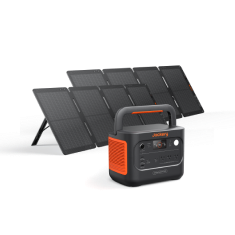
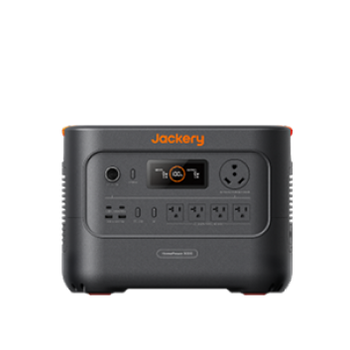
Jackery Solar Generator HomePower 3600 Plus
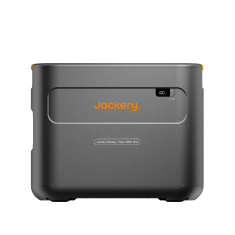
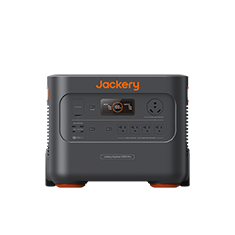
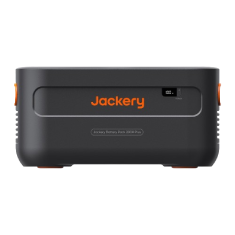
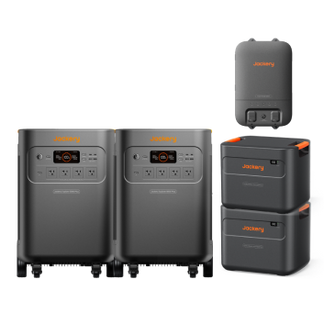
Families with medical equipment, home offices that can't afford downtime, or homeowners in regions where multi-day outages are a real seasonal risk need a reliable home battery backup solution like the Jackery Solar Generator HomePower 3600 Plus. Air conditioning, full-size refrigerators, washing machines, and multiple devices running simultaneously are all within its range, making it less of an emergency backup and more of a seamless power transition when the grid fails. It's also expandable with the help of the add-on battery packs, so you can increase the battery capacity up to 21kWh.
Appliance Running Time
- Well Pump (1500W) = 2.0H
- Toaster Oven (1200W) = 2.5H
- Hair Dryer (1800W) = 1.7H
- Space Heater (1500W) = 2.0H
- Microwave Oven (1500W) = 2.0H
- Refrigerator (300W) = 9.5H
Who Should Buy This
If you live in a larger home, rely on high-draw appliances, or want a backup power system that can sustain your household during an extended outage, the Jackery Solar Generator HomePower 3600 Plus is a reliable solution.

Customer Review
I am very happy to have my new Jackery and almost thought I would need to use it two times already because of the bad storms that have been predicted here in Ft Wayne, Indiana, since I bought it. It just makes me feel more at ease having it. I really would recommend this to anyone who worries about losing their power.
— David H.
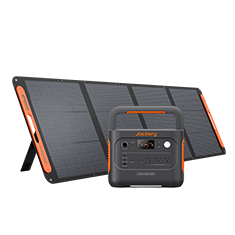
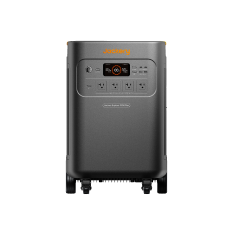
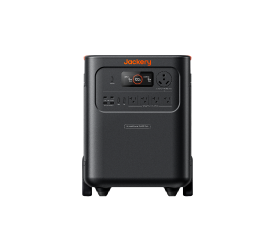
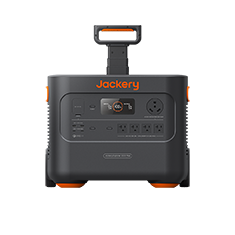
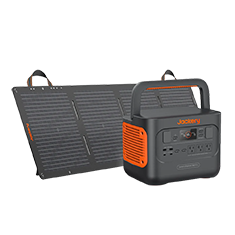
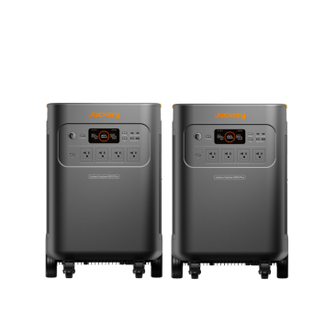
Jackery Solar Generator 5000 Plus
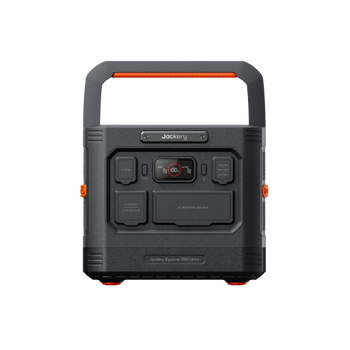
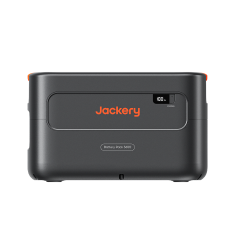
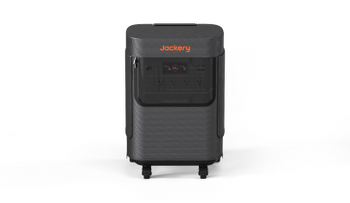
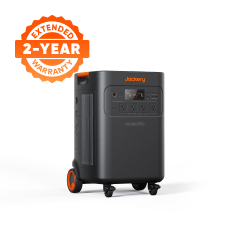
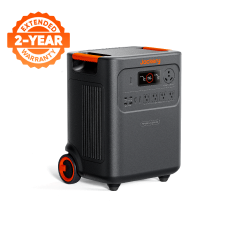
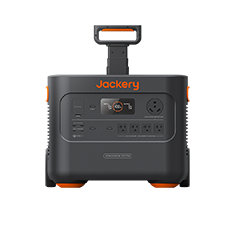
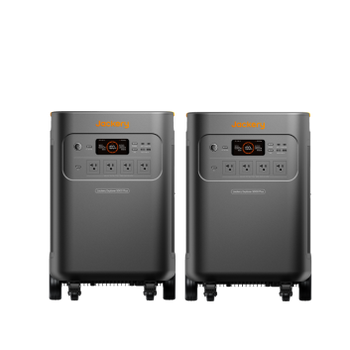
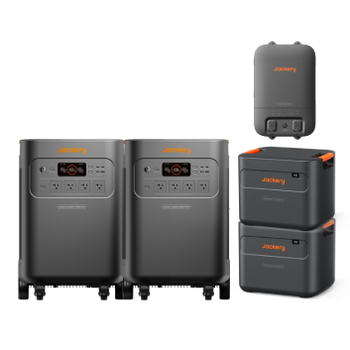
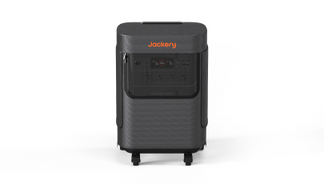
The Jackery Solar Generator 5000 Plus is built for extended outages and can run larger home appliances. It keeps your family safe and comfortable during emergencies by powering appliances like refrigerators, lights, etc. The quiet operation and simple setup ensure you get reliable, long-lasting power whenever you need it most. Whether it's a storm, power grid failure, or unexpected blackout, the Jackery Solar Generator 5000 Plus ensures your home remains a place of security and comfort.
Appliance Running Time
- Well Pump (1500W) = 2.6H
- Toaster Oven (1200W) = 3.3H
- Hair Dryer (1800W) = 2.2H
- Space Heater (1500W) = 2.6H
- Microwave Oven (1500W) = 2.6H
- Refrigerator (300W) = 12.2H

Who Should Buy This
If you want to run a home office that demands uninterrupted power or wants the confidence of knowing your essential household appliances can keep running no matter what the grid does, the Jackery Solar Generator 5000 Plus offers complete peace of mind.
Customer Review
I bought this as a backup power option for power outages. This is an absolute beast of a home battery supply. The Jackery 5000 Plus is a powerful and versatile power station with a 5040Wh capacity and 7200W output, making it perfect for a variety of needs. It offers multiple output options, including AC, DC, and USB ports, and can power appliances like refrigerators and AC for hours.
— Kendra.
What Should Be on Your Home Emergency Power Checklist?
A complete home emergency checklist covers five essentials: power, lighting, food and water, medical and safety supplies, and communication tools. Having these items ready in the emergency kit for home power outages means your household stays safe, comfortable, and connected regardless of how long the grid is down.
Power
- Jackery Solar Generator or Portable Power Station
- Solar panels for daytime recharging
- Fully charged power banks for phones and small devices
- Transfer switch for safe home integration
Lighting
- LED flashlights with spare batteries
- Headlamps for hands-free use
- Battery-powered or solar lanterns
- Glow sticks for children
Food and Water
- At least three days of non-perishable food
- Manual can opener
- Three gallons of water per person per day
- Water purification tablets or a portable filter
Medical and Safety
- First aid kit
- Prescription medications (minimum seven-day supply)
- Backup power for medical devices such as CPAP machines
- Fire extinguisher and carbon monoxide detector
Communication and Navigation
- Battery-powered or hand-crank emergency radio
- Fully charged devices and backup chargers
- Physical copies of important documents and contacts
- Local maps in case GPS is unavailable
FAQs for Emergency Power Supply
What is the emergency electrical supply system?
An emergency electrical supply system, also called an emergency power system, is a backup system that offers stable electricity to critical systems during a power outage or blackout. It is designed to supply power to essential appliances like lights and communication equipment.
How to generate electricity in an emergency?
One of the best ways to generate electricity in an emergency is by using a solar-powered generator. These generators have solar panels that convert solar energy into DC electricity, which is then converted into AC electricity via an inverter. The AC electricity is stored in the power stations or battery backups to power appliances.
What is the best type of emergency power supply for a home?
A solar generator is the most reliable power source during a power outage. It combines solar panels and power stations to generate electricity and supply electricity to essential household appliances.
How long can a battery backup system power my home?
The runtime of the battery backup system for a home will depend on the total wattage of the appliances you are powering at the same time and the running time of each appliance. For example, if you want to calculate how long a Jackery Solar Generator 5000 Plus can power a refrigerator (500W), you must visit the product page and then scroll to find the Running Time Calculator/Simulator. Enter the appliance's wattage to get an estimated runtime of the solar generator. However, the values are for reference purposes only and might vary from actual runtimes.
Conclusion
If you have a reliable emergency power supply, you can rest assured that your home appliances stay functional and safe during outages. However, you should consider choosing the right backup power source that helps you avoid the stress and inconvenience of losing electricity. Jackery Solar Generators provide a dependable, eco-friendly alternative without the noise or fuel dependency of traditional generators. Whether you need power for a few hours or several days, a well-planned emergency system can give you peace of mind.