

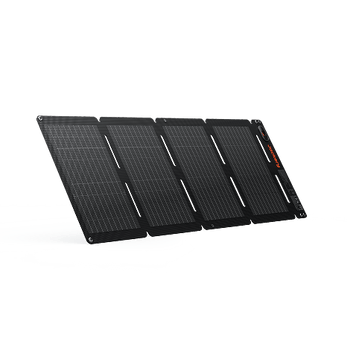


















![[Add-on] Jackery SolarSaga 500 X - Jackery](http://www.jackery.com/cdn/shop/files/add-on-jackery-solarsaga-500-x-1493607.webp?v=1786503068&width=324)
![[Add-on] Jackery Battery Pack 5000 Plus - Jackery](http://www.jackery.com/cdn/shop/files/add-on-jackery-battery-pack-5000-plus-6713401.webp?v=1786503068&width=324)

















Standard 72-hour kits fail in freezing temperatures where hypothermia kills faster than dehydration. To survive sub-zero conditions, your gear must prioritize insulation and caloric density. This guide focuses on building a specialized winter bug out bag designed to keep you warm, mobile, and fueled during a cold-weather crisis.
What Is a Winter Bug Out Bag (BOB)?
A winter survival kit prioritizes heat retention and caloric density to sustain one person for 72 hours in freezing conditions. Rather than building a separate bag, simply rotate gear by swapping summer items for thermal layers. Because winter gear is bulky, adopt a tiered system: carry immediate essentials in your backpack and store heavier equipment in your vehicle to maintain mobility.
Bag Selection and Packing Strategies
How Do You Select the Right Pack?
Select a 60L+ pack to accommodate bulky winter gear like sleeping pads and tents. If your current bag is too small, you may need to upgrade to the best bug out bag for family use, which typically offers larger capacities for extra thermal layers. External compression straps are essential to secure items that do not fit inside the main compartment.
Ensure the pack features a rain cover or use a heavy-duty pack liner to keep contents dry. Wet gear loses its insulating properties and increases the weight of your load. A waterproof barrier is non-negotiable in winter environments where driving snow can penetrate standard zippers.
Thick winter coats alter how a backpack sits on your frame. Adjust hip belts and sternum straps while wearing your full cold-weather layering system to ensure a proper fit. A pack that fits well over a t-shirt may restrict circulation or cause chafing when worn over a parka.
What Are the Best Packing Techniques?
Color-coded dry bags compartmentalize gear to prevent moisture damage. This organization prevents snow from soaking critical items if the pack is set down on slush. Grouping items by function (fire, food, shelter) speeds up retrieval time when fingers are numb.
Place heavy items, such as water and tools, close to the back and centered to maintain your center of gravity. A top-heavy or unbalanced pack increases the risk of slipping and injury on icy terrain. Stability is crucial when navigating slick surfaces.
Keep fire starters, go bag essentials, and an insulating layer in external pockets for rapid access. You need to reach these items without unpacking your entire bag in a blizzard. Stopping to dig for gear exposes the rest of your kit to the elements.
Critical Clothing and Shelter Systems
How Does the Layering Principle Work?
Layering regulates body temperature through a three-step system: base, mid, and shell. Follow this specific structure:
- Base Layer: Start with a base layer made of Merino wool or synthetic materials to wick moisture away from the skin. Never use cotton, as it loses insulation value when wet and holds moisture against the body. This cotton kills rule is the most important clothing guideline for winter survival.
- Mid-Layer: Add a mid-layer consisting of fleece or down/synthetic puffy jackets to trap body heat effectively. This layer creates a dead air space that retains warmth generated by your body. For detailed advice on technical fabrics, refer to this guide on mountaineering gear for specific material recommendations.
- Shell Layer: The shell layer must be a waterproof and windproof jacket and pants combo to protect against snow and wind chill. For extremities, pack wool socks with spares, waterproof gloves or mittens, and a wool hat that fully covers the ears. Frostbite attacks exposed skin first, so full coverage is essential.
What Are the Best Sleep and Shelter Options?
Select a sleeping bag rated 10°F lower than the lowest expected temperature for your specific region. Temperature ratings are often for survival, not comfort, so a buffer is necessary. If a new bag is too expensive, add a fleece liner to your existing bag to boost its rating.
Insulation from the ground is mandatory to prevent conductive heat loss. A sleeping pad with a high R-value (4.0 or higher) is essential; without it, the frozen ground will sap your body heat regardless of your sleeping bag's quality. Do not rely on yoga mats or air mattresses without insulation.
Four-season tents are often too heavy for a bug out bag. Consider a durable tarp paired with a reflective mylar bivvy to reflect emergency heat while keeping weight down. This combination blocks wind and snow while trapping radiant heat close to your body.
Food and Water Management in Freezing Temps
How Do You Manage Water Access and Storage?
Store wide-mouth bottles upside down to prevent caps from freezing and avoid hydration bladders, which freeze easily. Carry a single-walled metal cup to melt snow; eating it directly dangerously lowers body temperature. Finally, rely on chemical purification tablets rather than hollow-fiber filters, which can crack in freezing temperatures.
Why Is High-Calorie Nutrition Critical?
Winter survival requires 3,000+ calories per day to generate metabolic heat. The body burns significantly more calories just trying to stay warm in the cold. Aim for a 72 hour bug out bag list that prioritizes high-fat content. You need fuel to generate metabolic heat, especially while sleeping.
Prioritize fats and proteins like nut butters for sustained warmth, and avoid high-water foods that freeze solid. Opt for "no-cook" or "just add water" meals to save fuel and reduce the difficulty of cooking with numb fingers.
Tools, Fire, and Electronics
How Do You Maintain Fire and Heat?
- Ignition Sources: Carry three distinct ignition sources including stormproof matches, a ferro rod, and a lighter kept warm in a pocket. Redundancy is critical because lighters fail in the cold and matches can get wet. A ferro rod is the most reliable backup as it works when wet and cold.
- Tinder: Natural tinder is often wet or buried under snow during winter. Pack Vaseline-soaked cotton balls or commercial fire plugs to ensure ignition. These accelerants burn long enough to dry out damp twigs and get a sustainable fire going.
- Active Heat: Active heat sources are vital for dexterity. Hand warmers and body warmers provide critical warmth for fingers, allowing you to perform fine-motor tasks like tying knots or striking a lighter. Place them in gloves or boots to prevent frostnip.
How Do You Manage Electronics and Power?
Keep phones and power banks in internal pockets to preserve charge in cold temperatures. Lithium batteries deplete rapidly in the cold, and cold batteries can show a false empty reading and shut down devices unexpectedly.
Headlamps are essential for navigating long winter nights, which can last 14 hours or more. Use lithium primary batteries (like Energizer Ultimate) for superior cold-weather performance compared to standard alkalines. Always pack a spare set of batteries in a waterproof case.
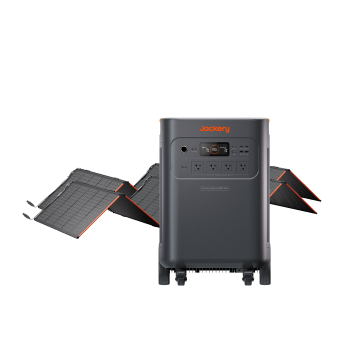
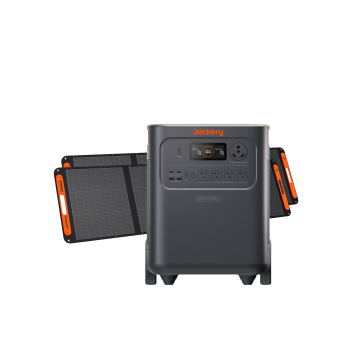
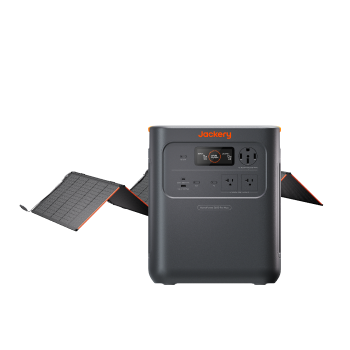
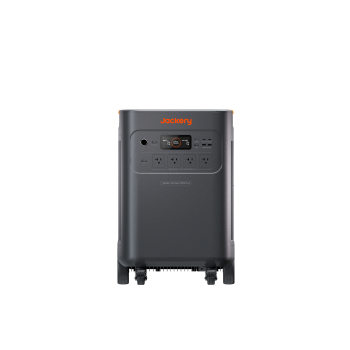
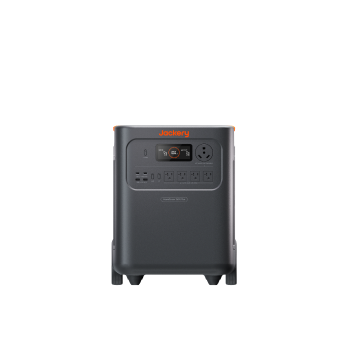
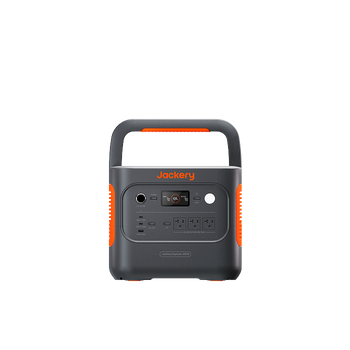
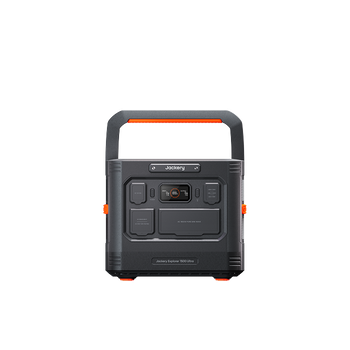
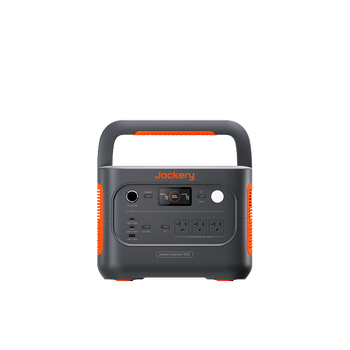
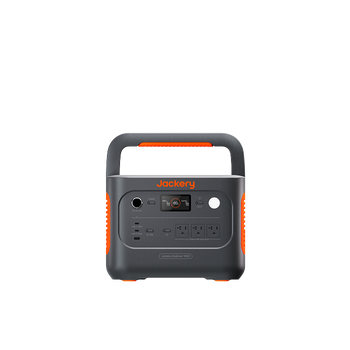
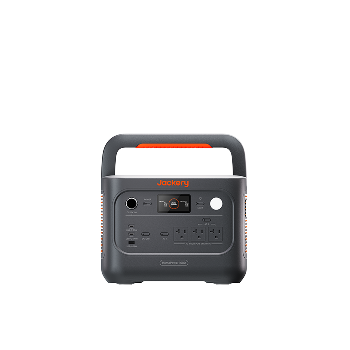
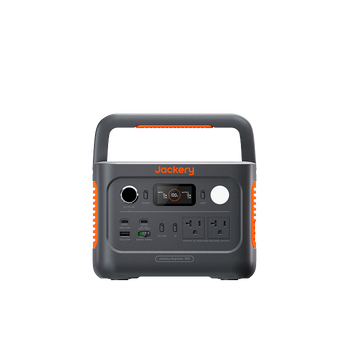
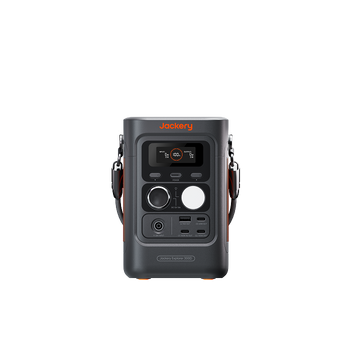
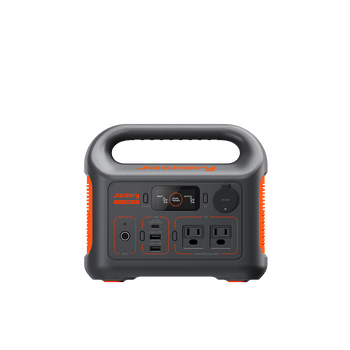
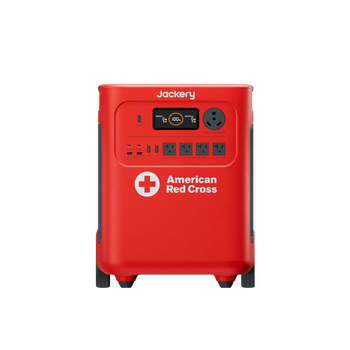
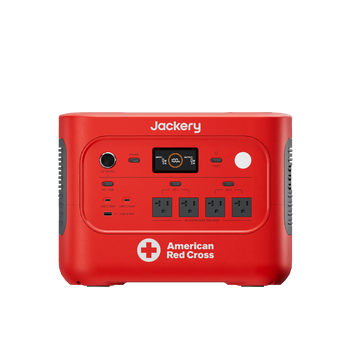
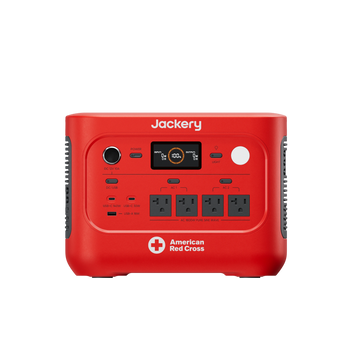
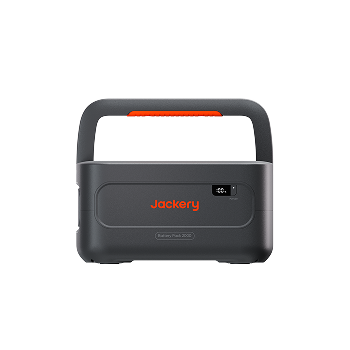
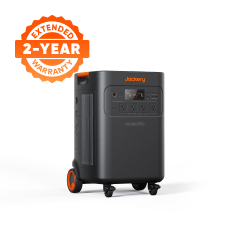
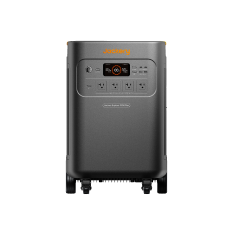
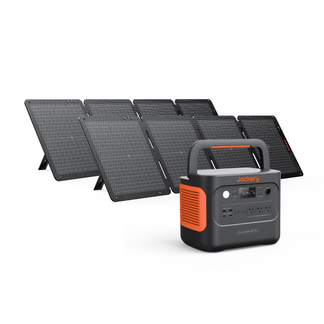
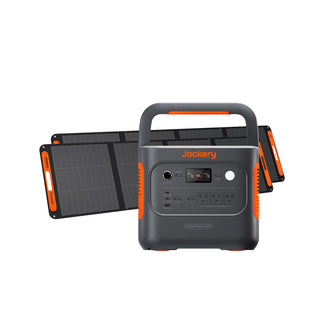
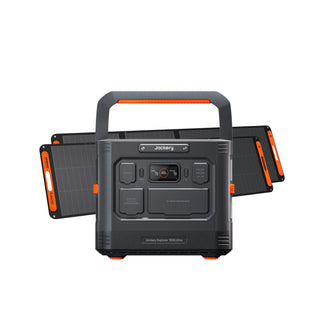
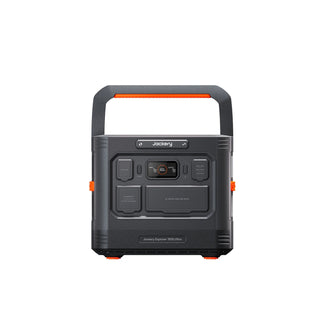
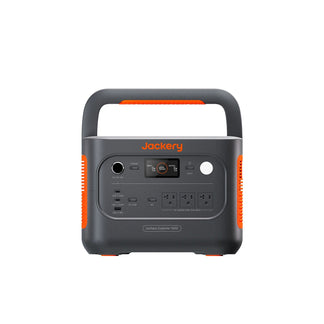
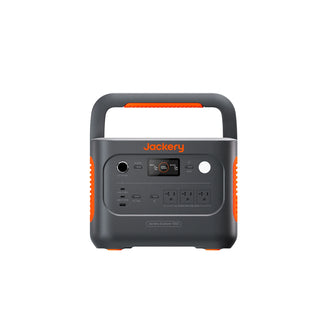
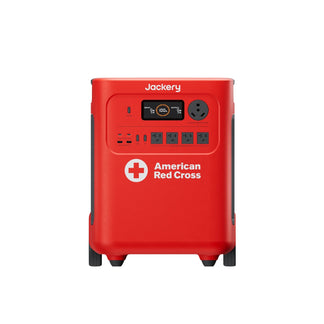
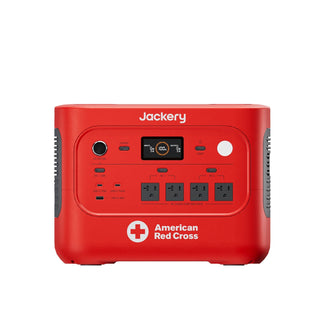
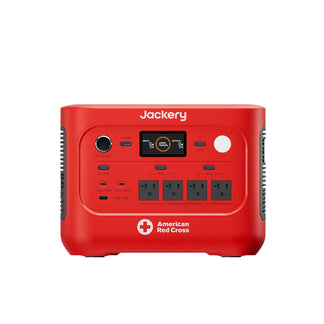
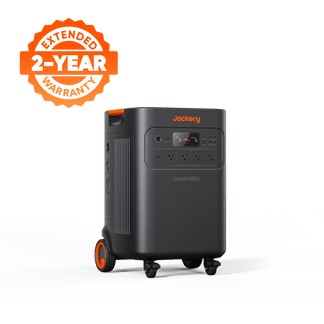
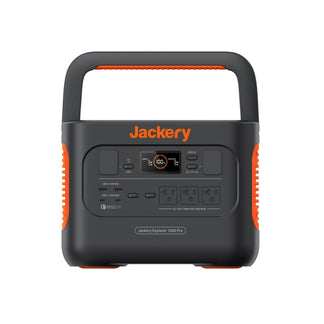
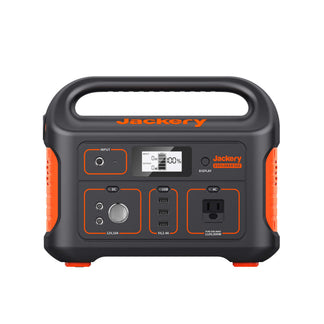
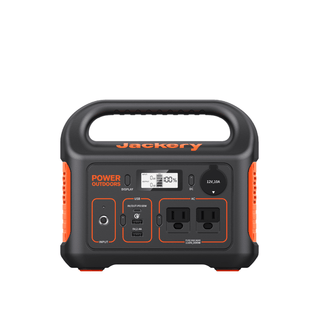
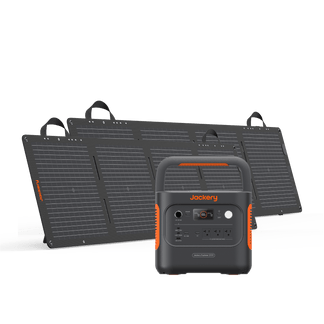
For vehicle-based bug outs, a larger power station ensures communication and medical device uptime when the car engine is off. Relying solely on a vehicle's starter battery risks stranding you if the battery dies from running accessories.
Health, Hygiene, and First Aid
What Are the Specific Health Risks in Winter?
Winter conditions introduce specific health risks that require targeted supplies:
- Hypothermia & Frostbite: Treat hypothermia immediately with chemical heat packs applied to the armpits, groin, and neck. Immediate rewarming is the primary treatment for hypothermia in the field. Know the signs of cold injury.
- Medication Stability: Liquid medications can freeze and lose potency or the bottle can burst. Keep insulin or epinephrine inside jacket pockets to maintain a safe temperature. Consult your doctor about the thermal stability of any life-saving prescriptions you carry.
- Waste Disposal: Frozen ground makes digging cat holes for waste disposal nearly impossible. Pack WAG bags (waste alleviation and gelling) for sanitary waste disposal. These bags contain gelling agents that neutralize waste and allow you to pack it out safely.
- Skin Protection: Cold wind causes skin to crack and bleed, creating open wounds susceptible to infection. Include lip balm and heavy moisturizer to prevent skin infections. Protecting your skin barrier is a vital part of winter hygiene.
Vehicle Preparedness and Base Camp Power
Why Is the Vehicle a Survival Asset?
Use your vehicle as primary shelter, keeping the tank half-full to prevent fuel line freezing. Load a specific vehicle kit with heavy items like snow shovels, traction boards, and wool blankets for self-rescue. Avoid idling for heat due to carbon monoxide risks; rely on independent power sources instead.
What Are Reliable Power Solutions?
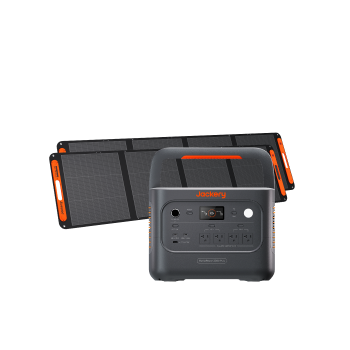
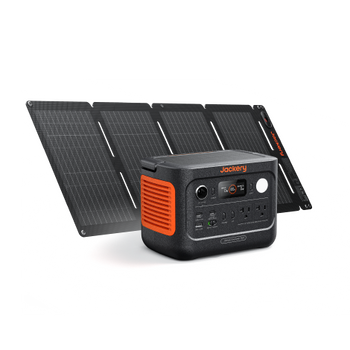
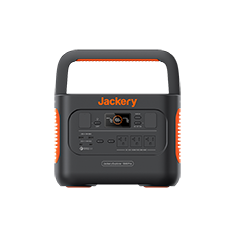
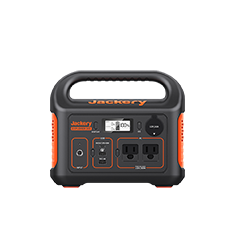
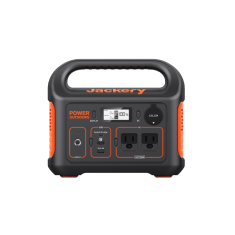
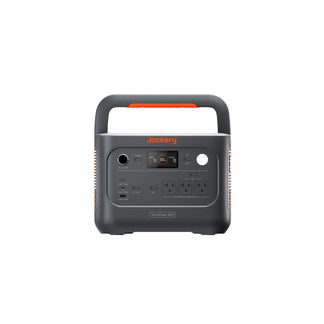
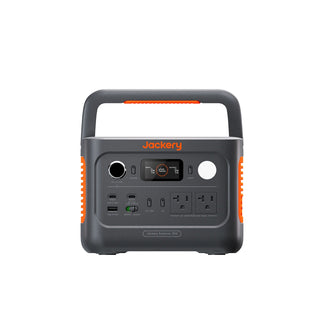
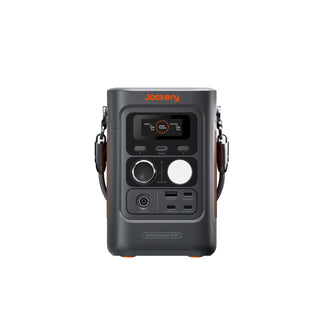
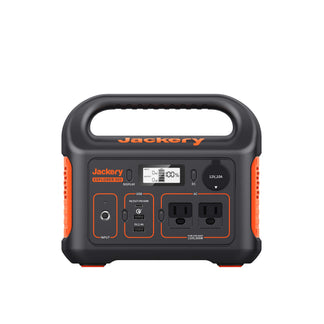
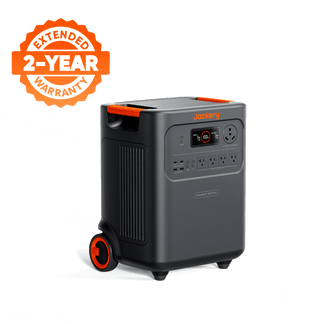
Portable power stations run survival appliances like electric blankets to reduce caloric demand. For vehicle-based sheltering, a robust power source provides psychological comfort and essential warmth.
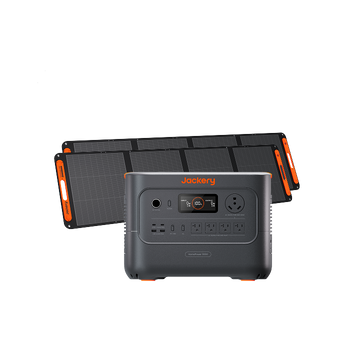
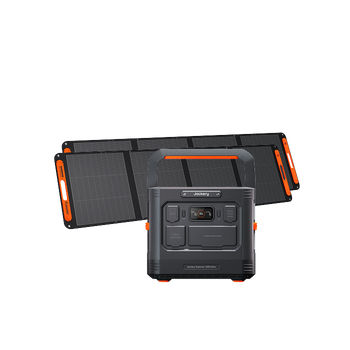
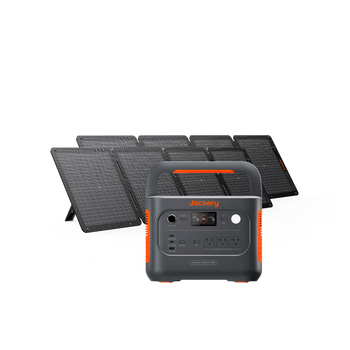
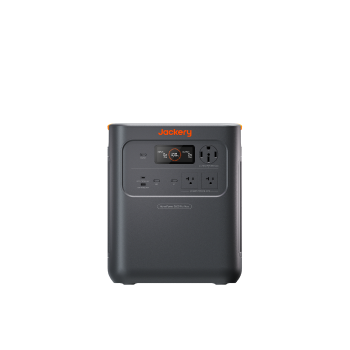
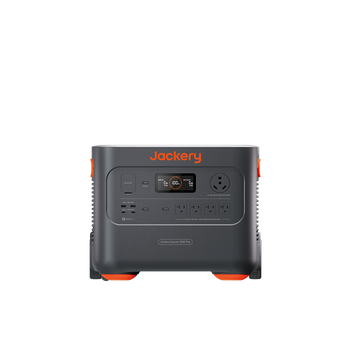
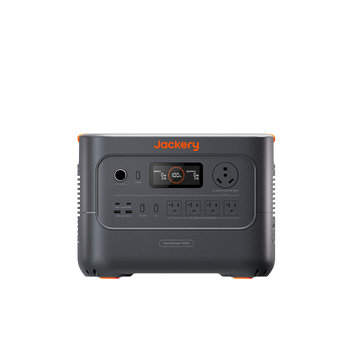
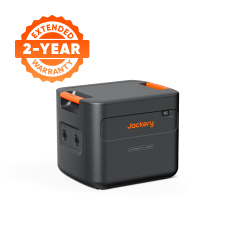
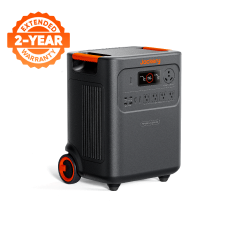
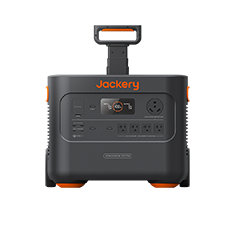
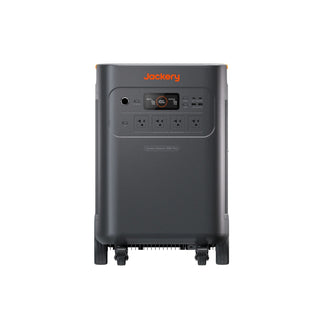
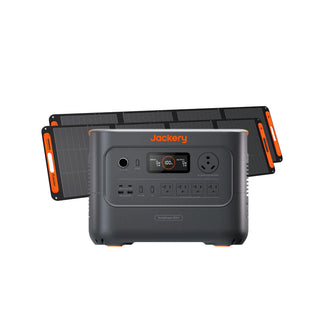
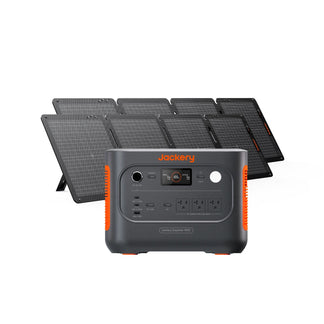
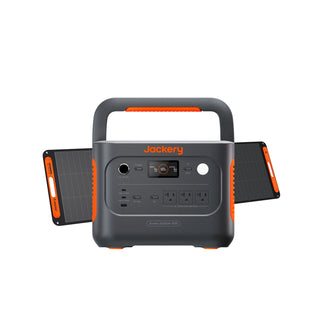
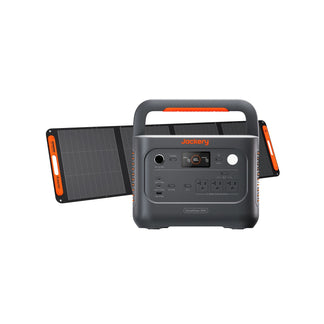
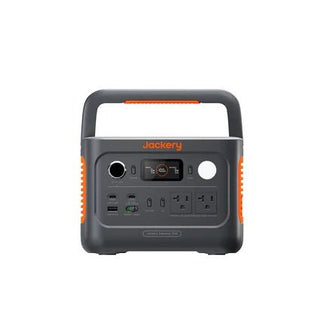
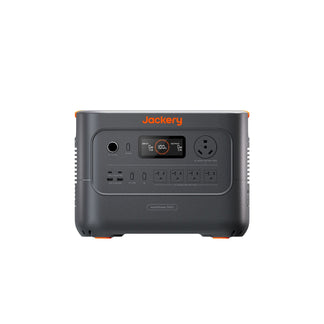
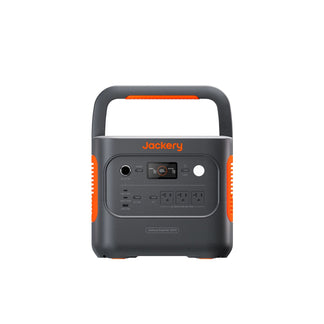
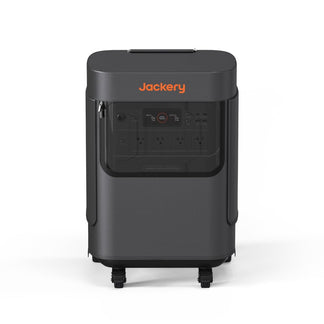
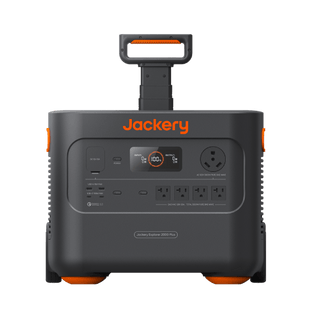
Jackery Explorer 1500 v2
- Capacity: 1536Wh
- Output: 2000W (Surge Peak 4000W)
- Cold Weather Performance: Operates in temperatures down to -4°F (-20°C)
- Charging: 0-100% in 1 Hour via AC (Emergency Charge)
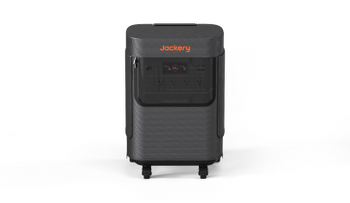
The Jackery Explorer 1500 v2 offers a balance of capacity and portability for vehicle kits. The generator's cold-weather performance ensures operation down to -4°F (-20°C) when standard batteries fail. With 2000W output, the unit can power high-draw devices like a portable kettle or space heater during stops. The fast-charging capability allows rapid readiness before leaving home. For more details on portable power, explore the Jackery Explorer 1500 v2 Portable Power Station.

Conclusion
Winter survival demands specialized gear because standard kits fail in sub-zero temperatures. Address shelter, water, and warmth first, as these are the immediate threats in cold environments. A standard kit is not enough when the temperature drops.
Start by auditing your current bag and swapping in the winter-specific layers and tools discussed above. Review your emergency go bag checklist and ensure every item is cold-weather rated. Preparation is the only barrier between you and the elements.
Frequently Asked Questions
How do I winterize a summer BOB?
Swap light sleeping bags for thermal models, add insulated layers, and switch from hollow-fiber filters to freeze-proof purification tablets.
What if I don't have a vehicle?
Use a larger backpack to accommodate bulkier winter gear and prioritize compact, multi-functional items to manage the increased weight.
Are there sustainable fire-starters?
Yes, use char cloth, fatwood, or birch bark, but keep them in a waterproof container to ensure they remain dry.
How do I save battery life in the cold?
Keep electronics and power banks in inner pockets close to your body heat to prevent rapid discharge.
What is the most overlooked hygiene item?
Hand sanitizer and a small trowel are critical for cleanliness when frozen ground makes digging waste holes difficult.


