





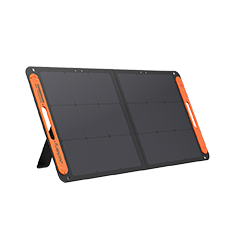



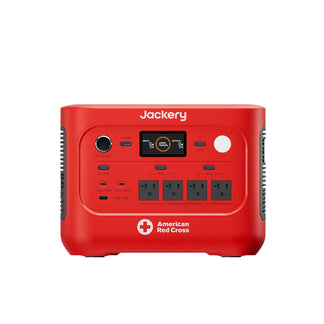

![[Add-on] Jackery SolarSaga 500 X - Jackery](http://www.jackery.com/cdn/shop/files/add-on-jackery-solarsaga-500-x-1493607.webp?v=1786503068&width=324)
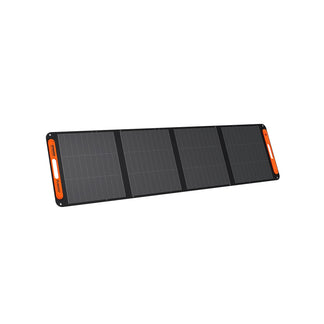
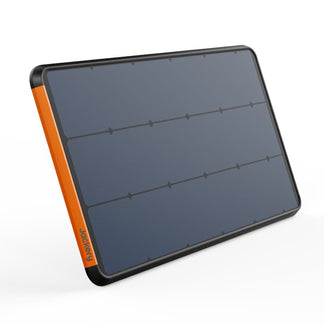
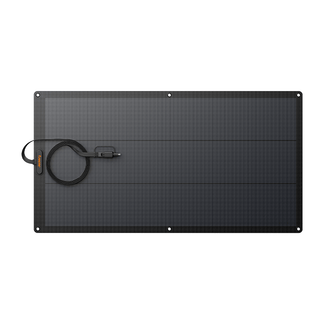
![[Add-on] Jackery Battery Pack 5000 Plus - Jackery](http://www.jackery.com/cdn/shop/files/add-on-jackery-battery-pack-5000-plus-6713401.webp?v=1786503068&width=324)









A robust plan is your most valuable asset during a winter storm. This Guide aims to show you how to structure your preparations around a winter storm power outage, ensuring the safety of you and your family.
How Do You Create a Household Emergency Plan?
Your family's plan should be simple and clear. Assign specific roles to each capable member, such as gathering supplies or checking on pets. Designate a primary and secondary meeting place in case of evacuation, and choose an out-of-area contact person for check-ins.
For more details on long-term planning, see our guide on how to prepare for a long-term power outage.
When Should You Evacuate?
Decide ahead of time what will trigger an evacuation. Clear triggers include the indoor temperature dropping below a safe level (e.g., 55°F) for a prolonged period, especially with vulnerable family members. An activated carbon monoxide alarm is an immediate and non-negotiable signal to evacuate your home.
Why Should You Conduct a "Blackout Drill"?
The best way to find gaps in your plan is to test it. Conduct a "blackout drill" by turning off the main circuit breaker for a few hours on a weekend. Use only your emergency supplies, test your backup power source, and practice setting up your warm room to see what works and what needs improvement before a real winter outage.
Essential Emergency Kit: Building Your Resilience
Start with compact, versatile gear that serves multiple purposes, which is especially important for those in apartments or with small budgets. A well-organized kit is the foundation of your ability to weather the storm comfortably. Aim for at least two weeks of supplies. You can find more ideas for your kit in our comprehensive list of prepper supplies.
1. Lighting and Communication
- Prioritize Safe Lighting: LED headlamps and lanterns are the safest and most efficient lighting options. They eliminate the fire risk associated with candles and provide bright, hands-free illumination for hours.
- Include Redundant Options: A hand-crank radio/flashlight combo is a reliable backup that requires no batteries. It ensures you always have access to light and information, even if all other power sources are depleted.
- Keep Devices Charged: Have multiple fully charged power banks ready for your smartphones and other small electronics. These are your first line of defense for maintaining personal communication. Consider a non-cordless home phone for landline communication.
- Maintain Communications: A battery-powered or hand-crank NOAA weather radio is essential for receiving official alerts and updates from authorities. This is crucial when cell towers and internet services are down. Enable Wireless Emergency Alerts (WEA) on your devices.
2. Food and Water
- Choose Smart Non-Perishables: Stock your kit with no-cook, calorie-dense foods like protein bars, dried fruit, nuts, and canned goods (fish, beans, soups). Always include a manual can opener.
- Outline Water Storage Strategy: Store at least one gallon of water per person, per day, for a minimum of three days, though a week's supply is better. Don't forget to account for pets and sanitation needs.
- Space-Saving Tips: For those in small apartments, collapsible water containers are an excellent space-saving option that can be filled just before a storm hits. Water-purification tablets are a compact backup for treating other water sources if your primary supply runs out.
- Safe Food Consumption: To minimize waste and prevent foodborne illness, follow a specific consumption order. Keep a thermometer in your refrigerator/freezer to monitor temperatures.
-
- First, eat perishable food from the refrigerator.
- Second, consume items from the freezer.
- Finally, use your shelf-stable non-perishables.
3. Warmth and Insulation
- Designate a "Warm Room": Designate a single, small, interior room (ideally with no or few windows) as your heated zone. By concentrating your family and your heat source in one space, you can maintain a safe temperature more efficiently.
- Seal the Room: Dramatically reduce heat loss by sealing the warm room from the rest of the house. Use blankets or towels over windows, place draft stoppers under doors, and close off heating vents to unused areas.
- Layering is Key: Dress in multiple layers of loose-fitting, lightweight clothing to trap body heat. Always include a hat, gloves, and warm wool socks, as significant heat is lost through your head, hands, and feet. Learn more about how to stay warm without power.
- Use Safe Heat Packs: Use hot water bottles or air-activated chemical heat packs for personal warmth. Tucking them inside a sleeping bag or under blankets can provide a significant and safe boost of heat throughout the night.
4. Safety and First Aid
- Mandate Carbon Monoxide Alarms: This is non-negotiable. Install battery-operated CO alarms on every level of your home, especially near sleeping areas. Test them monthly and replace the batteries twice a year
- Include a Fire Extinguisher: Keep a versatile, ABC-rated fire extinguisher in an accessible location like the kitchen or near your warm room. Ensure all capable family members know how to use it.
- Assemble a First-Aid Kit: Your first-aid kit should contain bandages, antiseptic wipes, pain relievers, and any personal items. Crucially, it must include at least a two-week supply of all essential prescription medications.
- Prepare Critical Documents: Store digital and physical copies of important documents in a waterproof bag or container. This includes IDs, birth certificates, insurance policies, and a list of emergency contacts and phone numbers. Keep a paper copy of your contact list.
Choosing and Safely Using a Backup Power Source
Understanding power terminology is key to selecting the right solution. Starting watts (or surge watts) refer to the initial burst of power an appliance needs to turn on, while running watts are the continuous power it uses. Watt-hours (Wh) measure a power station's capacity and determine how long it can run your devices.
The formula is simple: Runtime ≈ Power Station Capacity (Wh) / Appliance Wattage (W).
|
Power Solution Tier |
Description |
Best For |
|---|---|---|
|
Small Power Banks (mAh) |
Pocket-sized batteries for personal devices. |
Charging smartphones, tablets, and headlamps. |
|
Portable Power Stations (Wh) |
Clean, silent, indoor-safe battery generators. |
Running multiple small devices (lights, routers, laptops) and some small appliances. |
|
Inverter Generators (W) |
Fuel-powered engines that generate electricity. |
Powering larger appliances like refrigerators or heaters, but require outdoor operation due to CO emissions. |
|
Home Battery Systems |
Large, integrated systems wired into your home. |
Providing seamless, whole-home backup power. |
How Do You Size Your Power Solution?
Create an "energy budget" to determine your needs. List every device you consider essential during an outage and add up their total wattage. This calculation will guide you toward a properly sized power station.
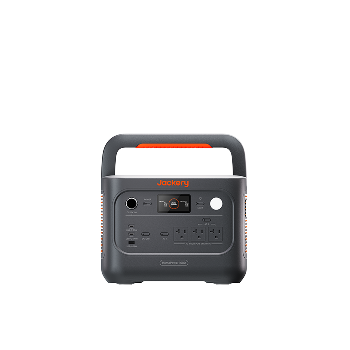
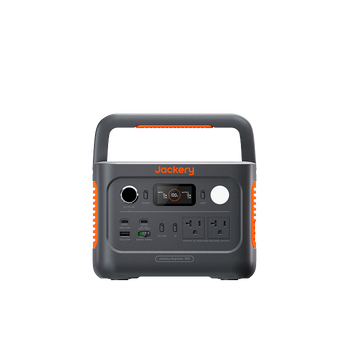
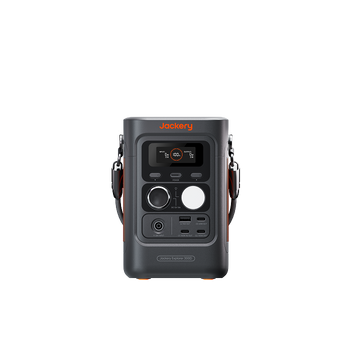
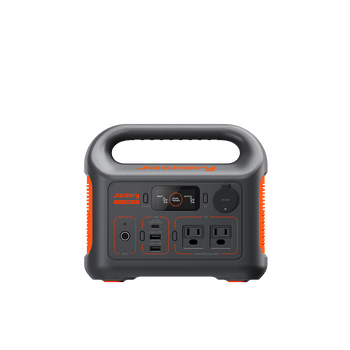
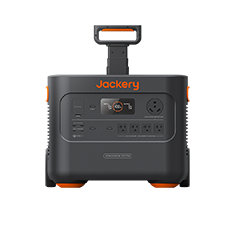
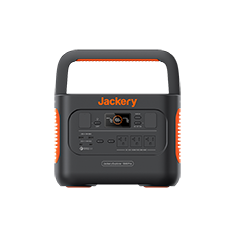
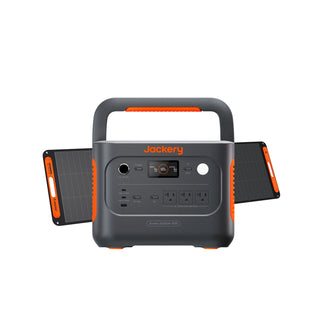
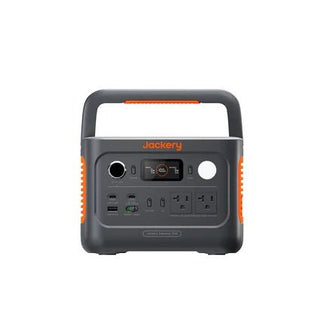
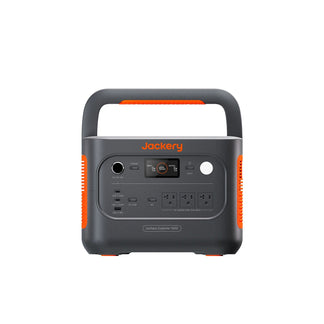
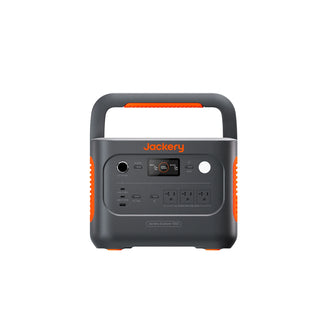
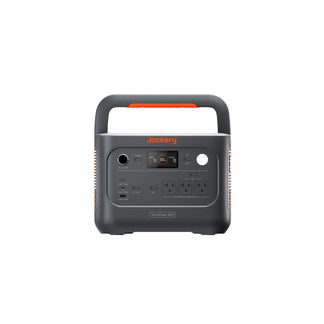
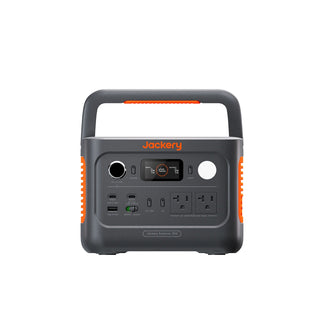
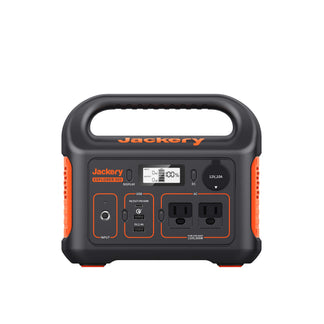
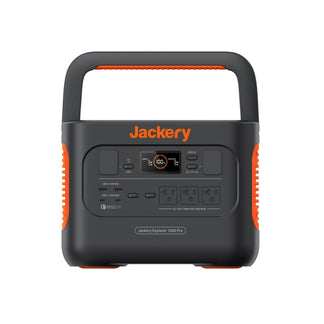
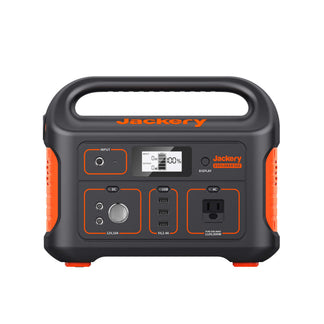
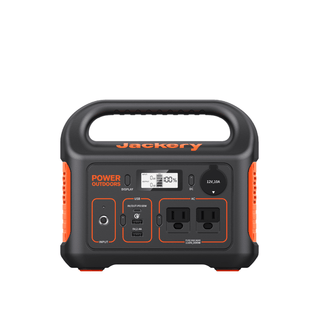
A mid-range portable power station is often sufficient for core needs. A 1-2kWh unit can typically run essentials like a router (10W), a few LED lights (20W), and a laptop (50W) for many hours, keeping you connected and comfortable.
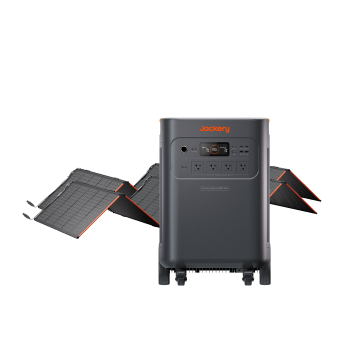
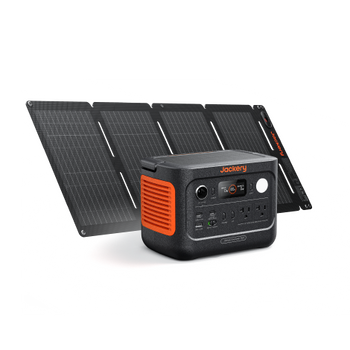
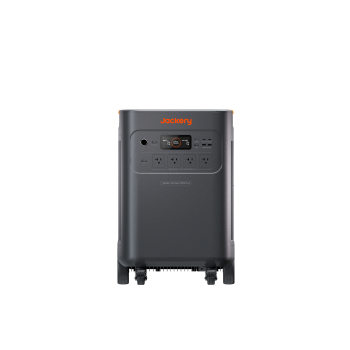
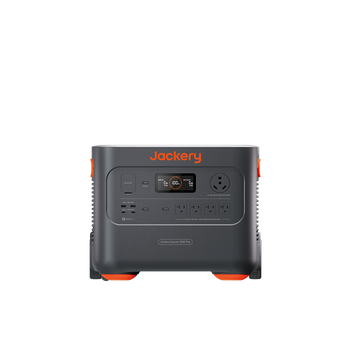
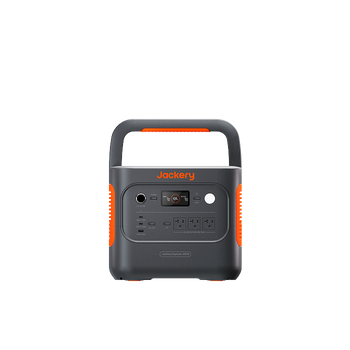
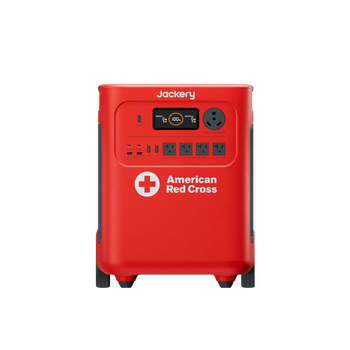
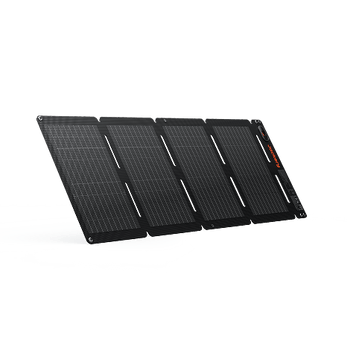
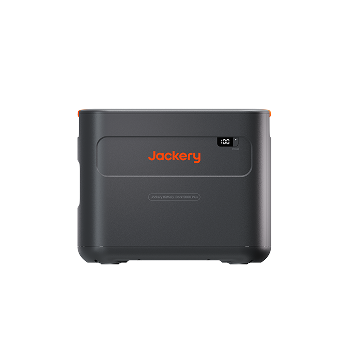
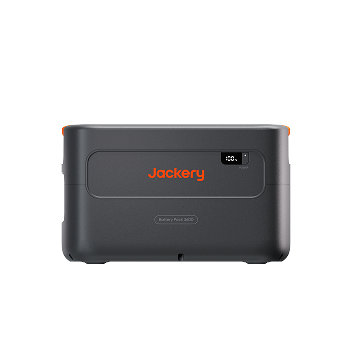
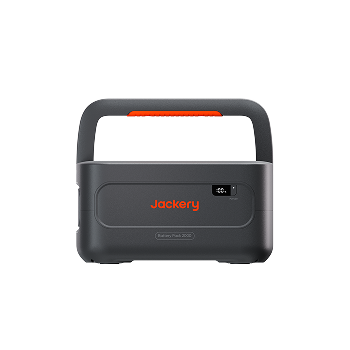
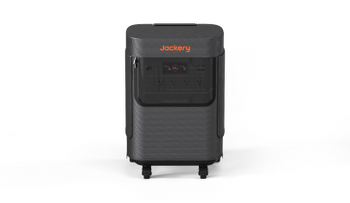
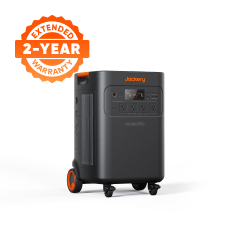
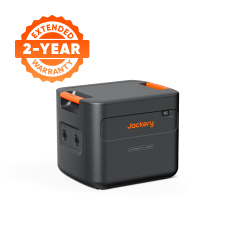
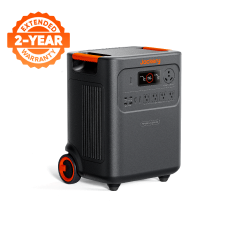
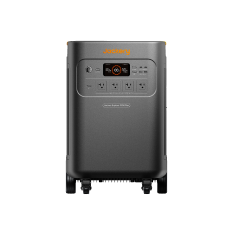
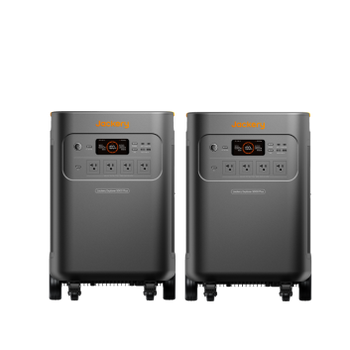
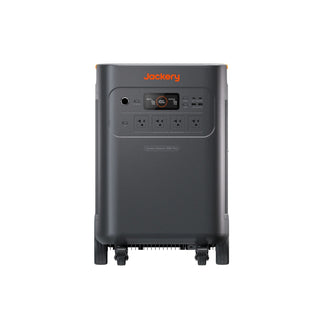
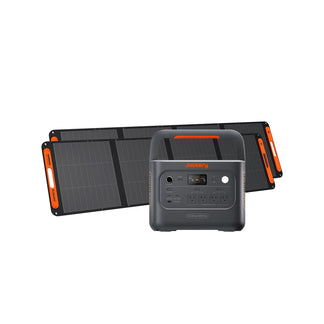
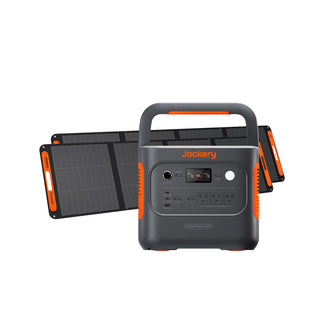
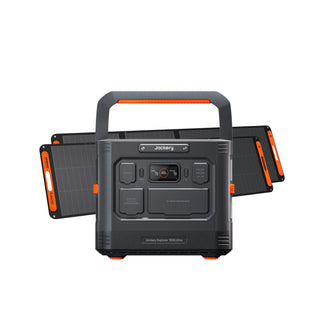
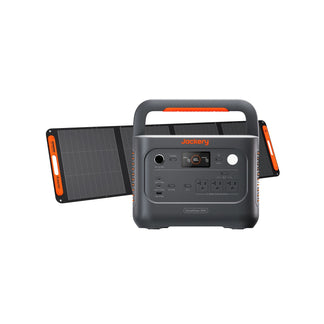
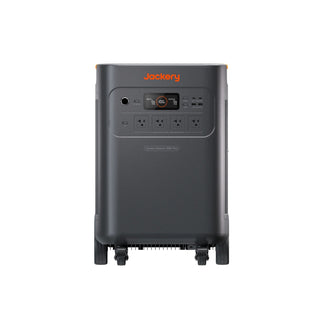
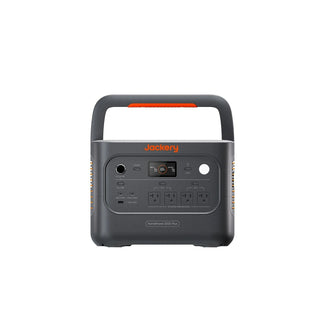
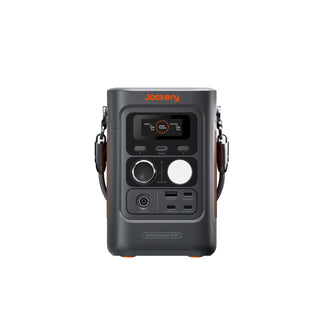
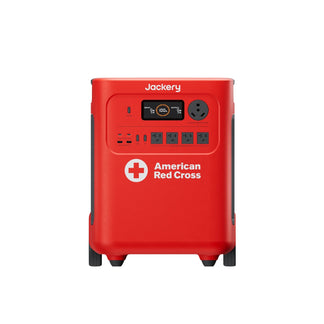
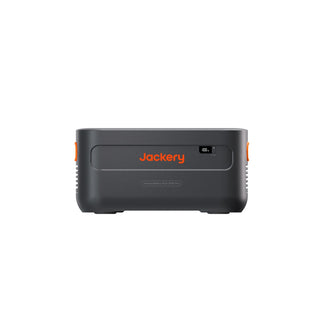
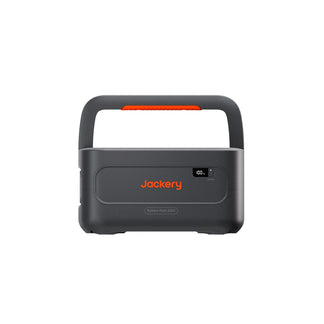
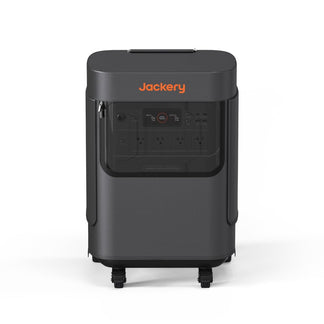
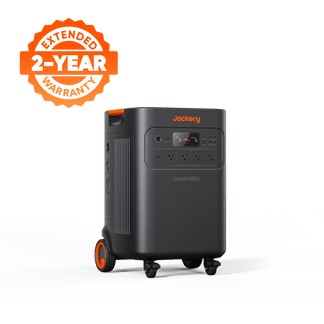
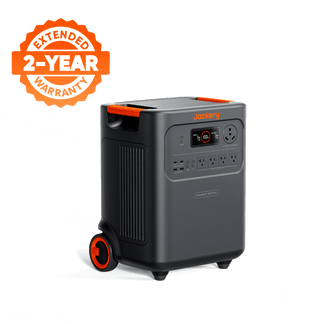
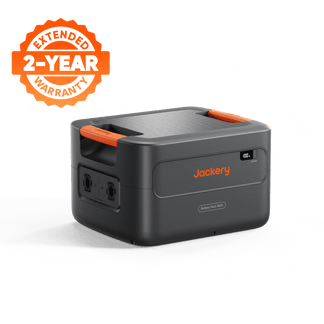
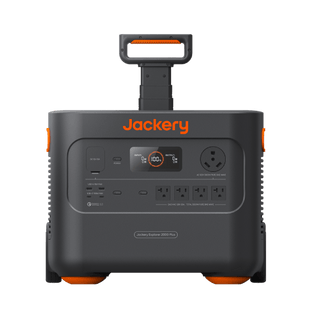
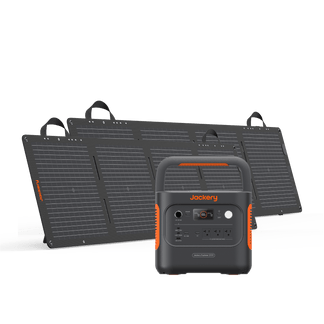
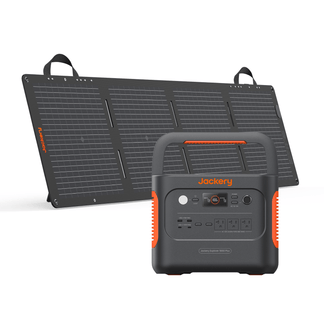
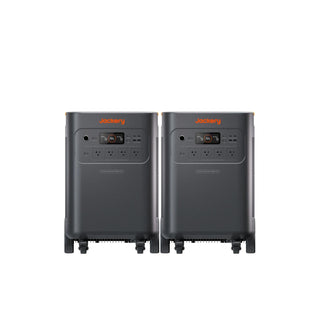
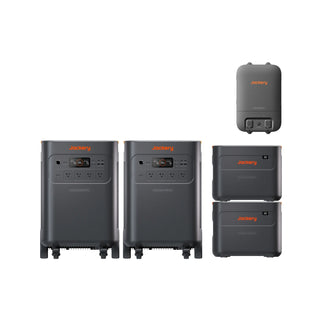
For running major appliances like a refrigerator (approx. 200W running) or a furnace fan (up to 1500W starting), you need a high-capacity system. For example, a powerful system like the Jackery Solar Generator 5000 Plus can handle these demands.
- Capacity: 5-60kWh (expandable)
- Output: 7200-14400W
- Use Case: With its massive capacity, it can power a 1500W furnace for 2.8 hours on a single charge, providing critical heat during a winter outage.
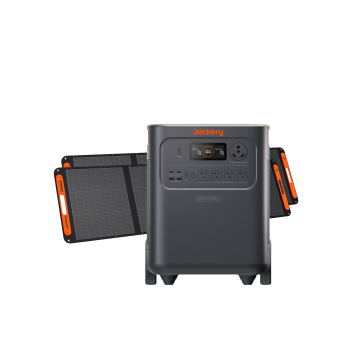
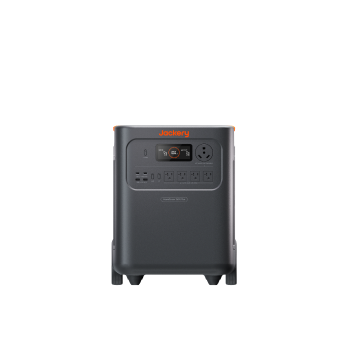
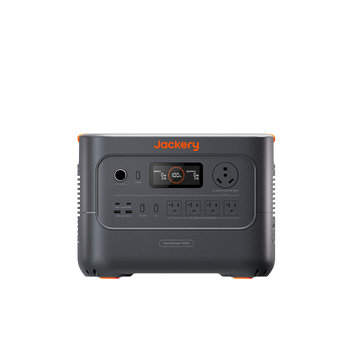
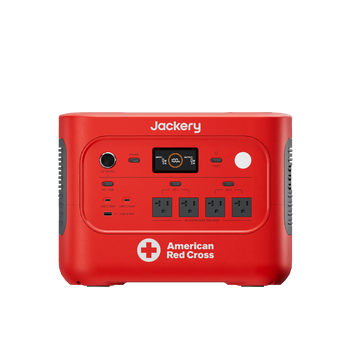
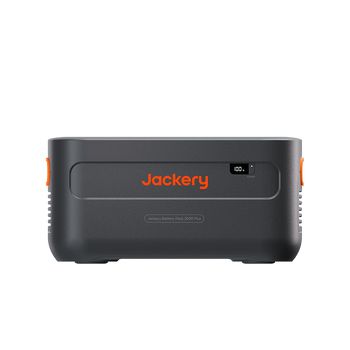
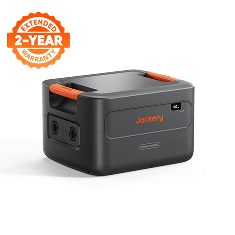
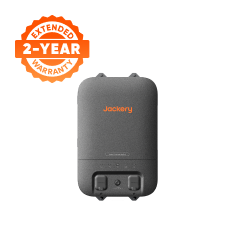
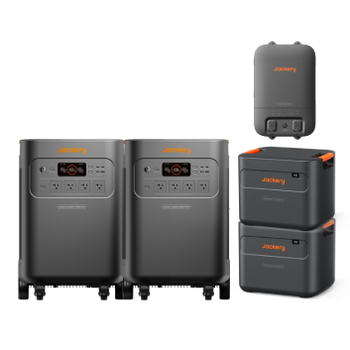
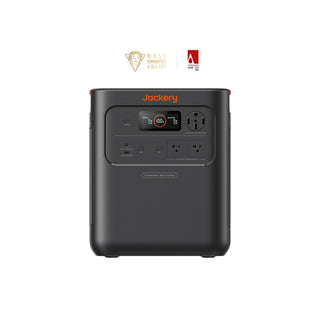
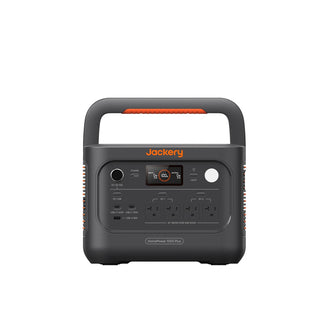
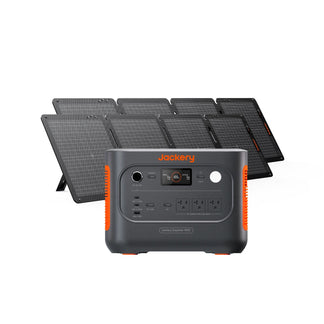
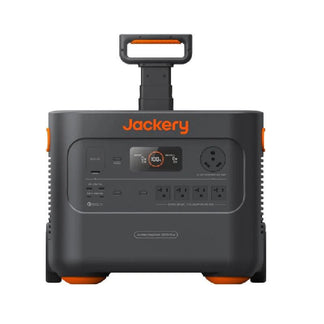
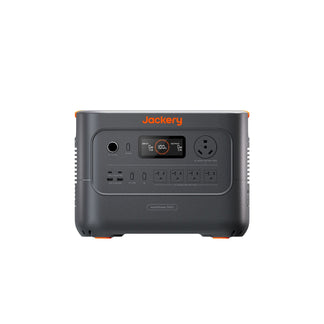
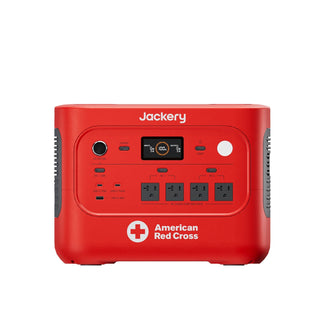
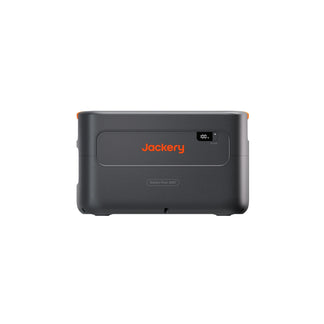
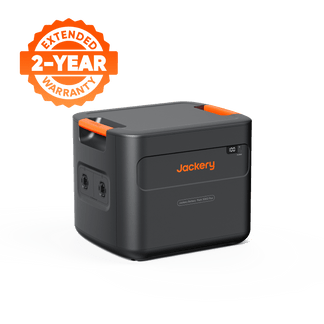
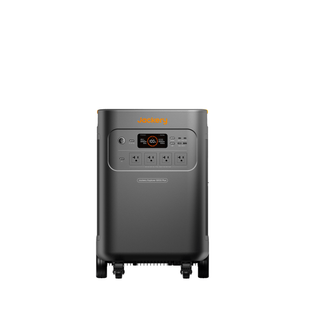
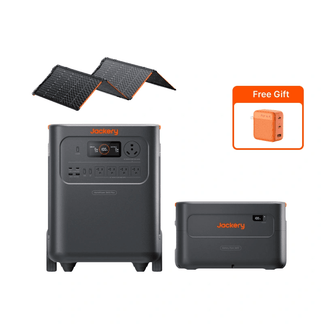
Modern systems also offer flexibility. An expandable power station like the Jackery Solar Generator HomePower 3600 Plus allows you to start with a base capacity and add more battery packs later.
- Base Capacity: 3.58kWh (expandable to 21kWh)
- Key Features: Supports 120V/240V dual voltage and offers UPS functionality with a <10ms switch time.
- Use Case: This is ideal for users who want to start with essential backup and scale up to a more robust home energy solution over time.

What to Do When the Power Goes Out
When the lights flicker and die, act calmly and methodically.
What Should You Do in the First 15 Minutes?
First, check your home's circuit breakers to rule out a tripped breaker. Next, contact your utility company to report the outage and get an estimated restoration time. Finally, unplug sensitive electronics like computers and televisions to protect them from a potential power surge when service returns.
How Do You Settle In for the Outage?
Move your family and emergency supplies into your designated "warm room" and seal it off. Conserve all resources: limit phone use to essential texts, keep refrigerator and freezer doors shut, and use emergency lighting sparingly. If it is safe to do so, check on elderly or vulnerable neighbors who may need assistance.
After the Storm: Recovery and Restocking
Once power is restored, your work isn't over. Safely inspect your home for damage, paying close attention to signs of burst pipes (look for water stains or drips) or other issues like hail damage. When checking your food supply, follow the simple rule: when in doubt, throw it out.
Immediately take inventory of all used supplies, including food, water, batteries, and first-aid items. Restock your emergency kit right away so you are prepared for the next event. Finally, discuss with your family what worked well and what could be improved, and refine your plan for the future.
Preparedness Is a Process, Not a Purchase
True preparedness is about having a plan, not just a pile of gear. The most critical elements of your winter storm plan are life-saving safety devices like battery-operated carbon monoxide detectors and a clear understanding of safe heating and power practices. You don't need to build a perfect kit overnight; even a basic kit and a well-thought-out warm-room plan make a tremendous difference.
Start small, build your supplies over time, and practice your plan. Share your preparations with neighbors and look for ways to support one another. A resilient community is the best defense against any emergency, ensuring everyone gets through the winter storm safely.
Frequently Asked Questions
How can I keep my pets safe and warm during a winter power outage?
Include pet food, extra water, and any pet medications in your emergency kit. Keep them in the "warm room" with you and provide extra blankets or a pet bed for insulation.
What are some common mistakes people make when preparing for or experiencing a winter power outage?
Common mistakes include using unsafe indoor heating sources, forgetting to install CO detectors, and opening the freezer too often. Avoid these by prioritizing safety, having the right alarms, and conserving cold air by keeping appliance doors shut.
Beyond the "warm room," are there other DIY insulation hacks I can use to retain heat in my home during a long-term outage?
Yes, you can tape bubble wrap over windows to create an extra layer of insulation or stuff towels and blankets into gaps under doors and around window frames. Closing curtains and blinds also helps trap a layer of air against the glass.
How can I manage waste and sanitation effectively if a power outage extends for many days and water services are also affected?
For sanitation, a bucket with a tight-fitting lid, heavy-duty garbage bags, and cat litter or sawdust can serve as a makeshift toilet. Use disposable plates and cutlery to minimize the need for washing dishes.
What financial considerations should I keep in mind when building my emergency kit, especially if I'm on a tight budget?
Prioritize life-safety items first, like a CO detector, first-aid kit, and water. Build your kit incrementally by adding one or two items each payday, and look for multi-use items to maximize value.


