

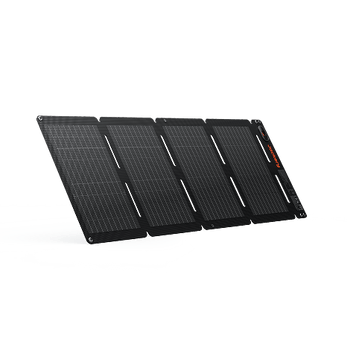




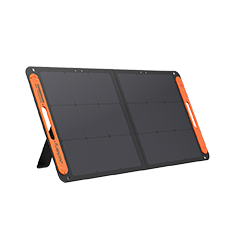
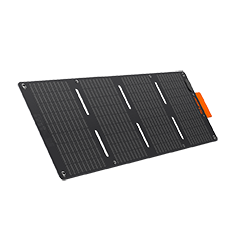
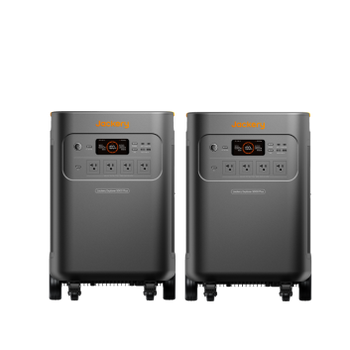




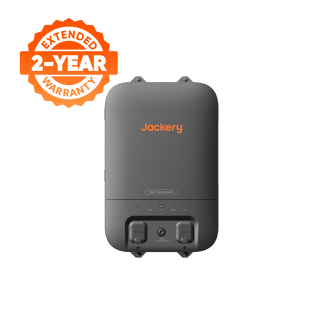
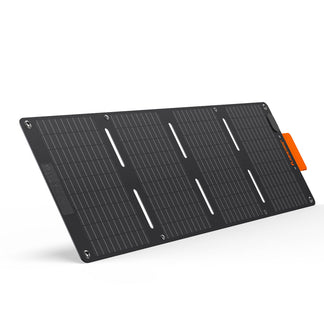
![[Add-on] Jackery SolarSaga 500 X - Jackery](http://www.jackery.com/cdn/shop/files/add-on-jackery-solarsaga-500-x-1493607.webp?v=1786503068&width=324)
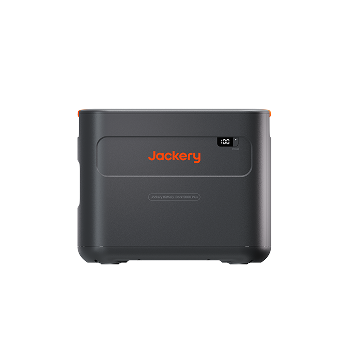
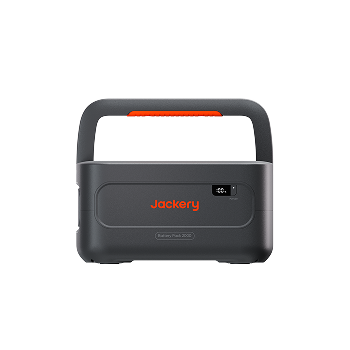
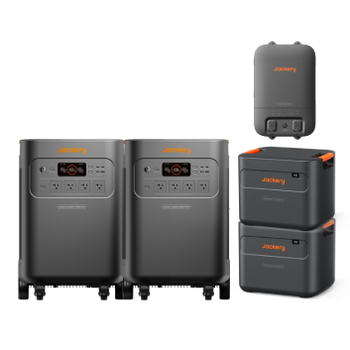
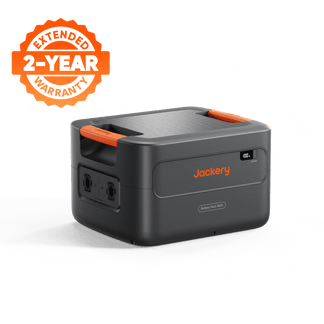
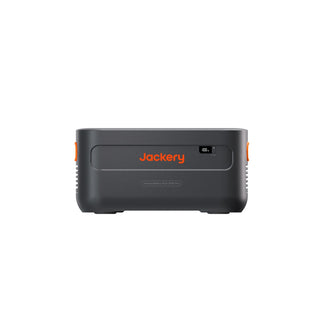
![[Add-on] Jackery Battery Pack 5000 Plus - Jackery](http://www.jackery.com/cdn/shop/files/add-on-jackery-battery-pack-5000-plus-6713401.webp?v=1786503068&width=324)








The 2026 Atlantic hurricane list is a near-replica of the hyperactive 2020 season, with one historic change: "Leah" has permanently replaced "Laura." Retired after a devastating Category 4 landfall in Louisiana, Laura is a stark reminder that seasonal forecasts don't matter—localized readiness does. It only takes a single storm to disrupt your life. Don’t wait until a hurricane is 48 hours away; the time to secure your home, backup power, and insurance is now.
Understanding the 2026 Atlantic Hurricane Names List
How the Naming System Works
The World Meteorological Organization (WMO) manages a highly structured naming system to keep the public informed and safe:
- The 6-Year Rotation: The WMO maintains six rotating lists of 21 names. This means the 2026 roster is scheduled to return again in 2032.
- Skipped Letters: The letters Q, U, X, Y, and Z are skipped because there are not enough recognizable, culturally distinct names starting with those letters.
- The 6-Year Gap: This time frame gives enough distance for retired names to fade from memory while keeping the overall system predictable.
- Retirement Balance: To avoid exhausting available names within a decade, only exceptionally destructive names are permanently retired.
The Official 2026 Atlantic Hurricane Names
The 21 names designated for the 2026 season are:
- Arthur
- Bertha
- Cristobal
- Dolly
- Edouard
- Fay
- Gonzalo
- Hanna
- Isaias
- Josephine
- Kyle
- Leah (New: permanently replaced "Laura")
- Marco
- Nana
- Omar
- Paulette
- Rene
- Sally
- Teddy
- Vicky
- Wilfred
Overflow Rules: The Supplemental List
If a season is exceptionally active and generates more than 21 named storms, the system adapts:
- The Supplemental List: Instead of the old system, a newly established supplemental naming list will kick in, featuring standard names like Adria, Braylen, Caridad, and Deshawn.
- Retirement of the Greek Alphabet: The old Greek alphabet system (Alpha, Beta, Gamma) was permanently retired after 2020. Similar-sounding storm names like Eta and Theta created severe translation and public safety confusion in bilingual warning areas.
Off-Season Storm Rules
Atlantic hurricane season officially runs from June 1 to November 30. Systems that form outside of this window follow strict calendar-driven rules:
- January Systems: If a storm forms in January, it takes the next unused name from the previous season's list.
- December Systems: If a storm forms in December (after the official November 30 end date), it pulls the first name from the upcoming season's list.
NOAA's 2026 Season Forecast: What the Numbers Mean
Early meteorological models indicate that a quieter season is the most likely outcome for 2026. However, coastal residents must remain vigilant.
2026 Probability Outlook
- Below-Normal Season: 55% probability (Most Likely)
- Near-Normal Season: 35% probability
- Above-Normal Season: 10% probability
Predicted Seasonal Ranges (70% Confidence Interval)
- Named Storms: 8 to 14
- Hurricanes: 3 to 6
- Major Hurricanes (Category 3 or stronger): 1 to 3
The Climate Drivers
- The El Niño Factor: The primary driver behind this below-average forecast is the development of El Niño in the Pacific. Warmer Pacific waters strengthen vertical wind shear over the tropical Atlantic, tearing apart convective storm formations before they can organize.
- The Counter-Drivers: Conversely, exceptionally warm Atlantic sea-surface temperatures and weaker trade winds across the Caribbean can act as fuel to counteract this wind shear. This means peak activity—occurring from mid-August through October—remains highly unpredictable.
The "Andrew" Lesson: Treat a below-average forecast as helpful context, not as physical protection. In 1992, the Atlantic produced only seven named storms (a historically quiet year). Yet, one of those was Hurricane Andrew, which devastated South Florida as a Category 5. The odds don't matter when you are the one boarding up windows—prepare your property as if a major storm is guaranteed to hit.
How Hurricane Names Are Assigned and Retired
The naming process is a carefully coordinated effort designed to ensure clear emergency communications.
The WMO Naming Process
- Annual Review: The World Meteorological Organization (WMO) committee meets annually to review the previous season and decide on retirements.
- Retirement Criteria: A name is retired if a storm is exceptionally deadly or costly. This judgment call ensures that reusing the name in the future would not be insensitive to survivors, and keeps the historical record clear.
- Linguistic Conventions: Replacement names must fit the linguistic conventions of the Atlantic basin, reflecting English, Spanish, French, and Dutch influences.
- Pronunciation Guides: The National Hurricane Center (NHC) publishes official pronunciation guides so the media can communicate clearly during emergency broadcasts.
Case Study: The Retirement of Laura (2020)
The decision to retire "Laura" and replace her with "Leah" in the 2026 list was straightforward due to her immense impact:
- Intensity: Category 4 landfall near Cameron, Louisiana (150 mph winds, 18-foot storm surge).
- Damage: $19 billion in structural destruction.
- Casualties: 42 fatalities.
Essential Home Power Preparation for Hurricane Season
Modern lithium battery banks are rapidly replacing traditional gasoline generators as the standard choice for residential backup power.
Gas Generators vs. Portable Battery Stations
|
Feature |
Gas Generators |
Portable Battery Stations |
|
Safety |
High Risk: Must be kept 20+ feet away from the home to prevent deadly Carbon Monoxide (CO) poisoning. |
Indoor-Safe: Silent with zero emissions; can be operated safely inside your living room or bedroom. |
|
Storm Usability |
Difficult: Requires running extension cords through open, wind-driven rain into a running gas engine. |
Easy: Kept indoors next to your essential devices. |
|
Maintenance |
High: Requires fuel stabilizers, regular engine runs, and constant gasoline refueling logistics during outages. |
Low: Can sit idle for months without degrading; recharges via wall outlets or solar panels. |
Pro-Tips to Maximize Battery Runtime During a Outage
If you are relying on a portable battery station during a blackout, use these strategies to stretch your power:
- Eliminate "Vampire Loads": Disconnect idle television screens, microwaves, and unused charging blocks. These draw constant trickle power.
- Use Smart Power Strips: Easily cut power to entire groups of non-essential electronics with a single switch.
- Prioritize Vital Devices: Keep the battery reserved for communication (phones, laptops), medical devices, and low-draw LED lighting.
Your Pre-Season Hurricane Checklist
Your preparation should begin months before a tropical watch is issued:
- Secure Emergency Power: Test your home backup batteries, charge them to 100% capacity, and verify all your AC and DC cabling.
- Mitigate Projectiles: Trim dead tree branches overhanging your roof, and secure outdoor items (patio furniture can become a deadly missile in 74 mph winds).
- Verify Flood Insurance: Standard homeowners insurance policies explicitly exclude flood damage. A separate policy under the National Flood Insurance Program (NFIP) takes 30 days to activate, meaning you cannot buy it once a storm enters the Gulf of Mexico. Roughly 25% of all flood insurance claims come from properties outside designated high-risk zones, making separate flood policies highly recommended.
- Document Property: Take detailed photos of every room and catalogue your valuable possessions, saving these files to a secure cloud folder for insurance adjusters. After a disaster, memory alone will not suffice when itemizing losses.
For a detailed breakdown of storm preparation steps, read our guide on How to Prepare for a Hurricane. To understand coastal weather cycles, review our analysis of Hurricane Season in the US.
Reliable Backup Power Solutions for Your Home
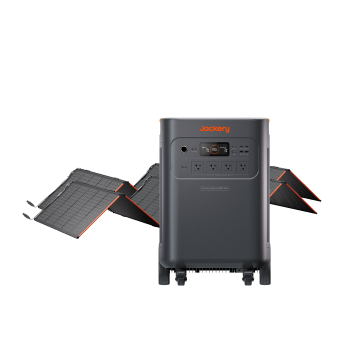
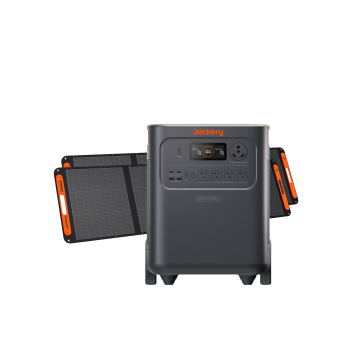
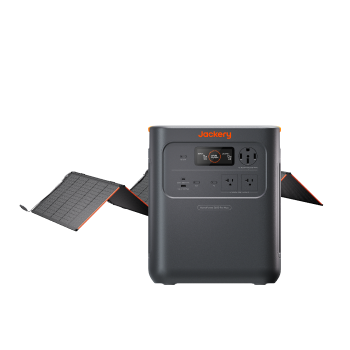
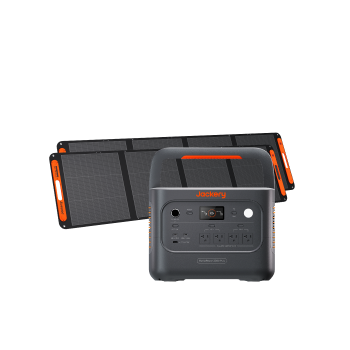
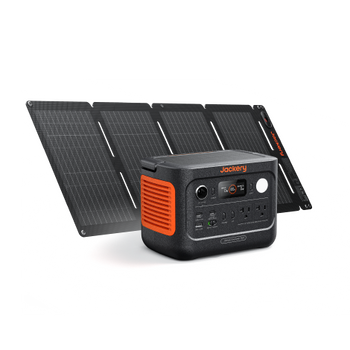
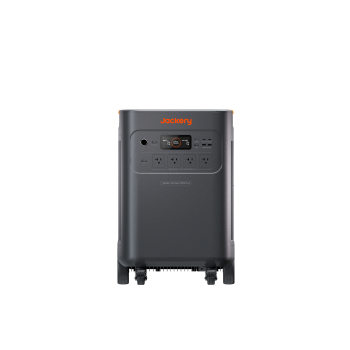
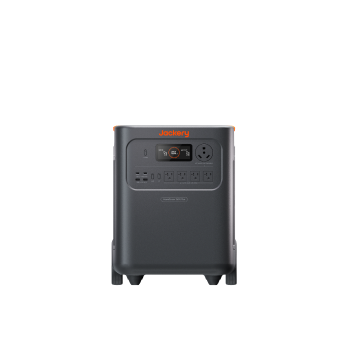
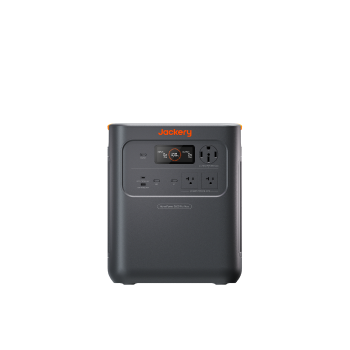
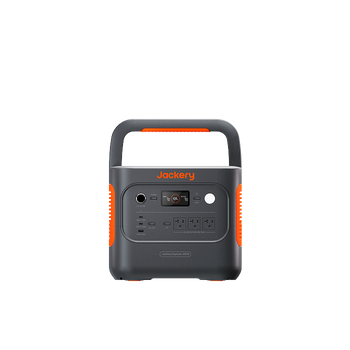
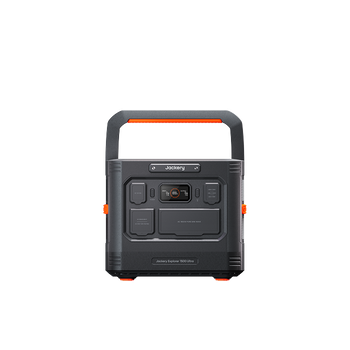
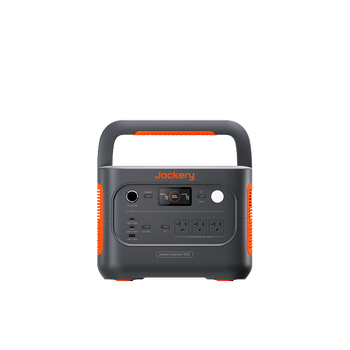
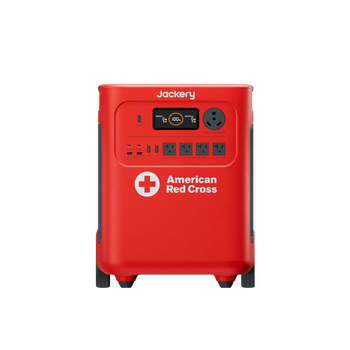
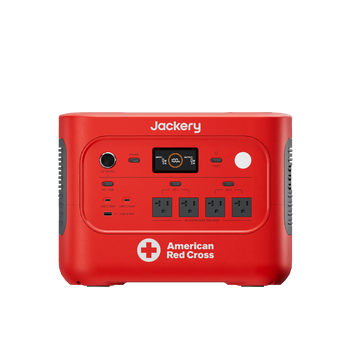
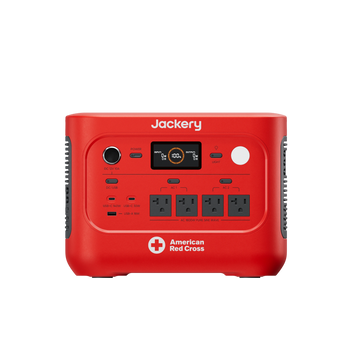
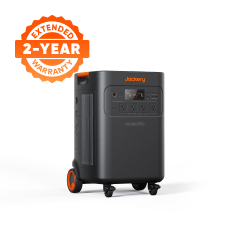
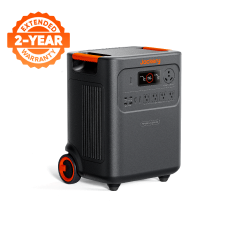
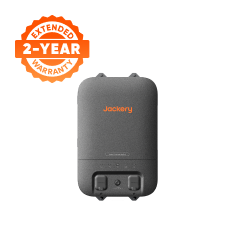
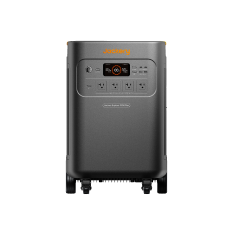
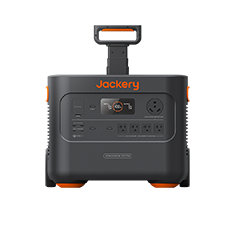
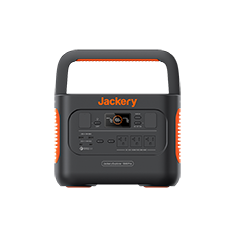
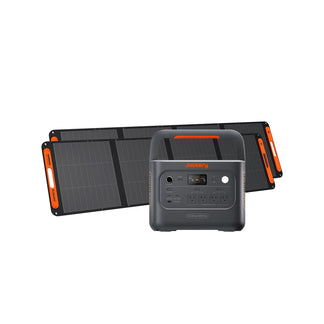
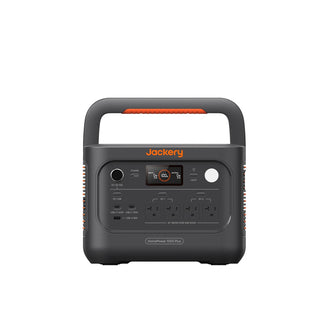
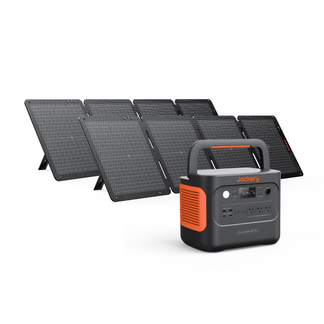
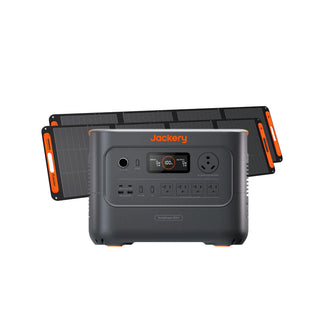
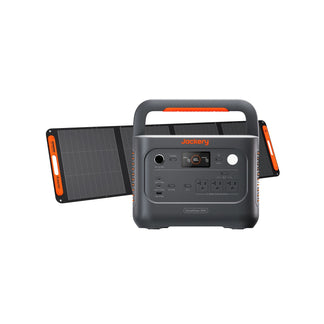
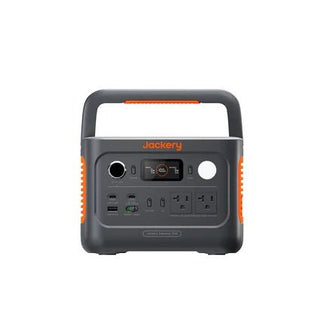
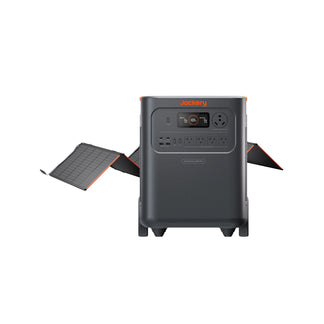
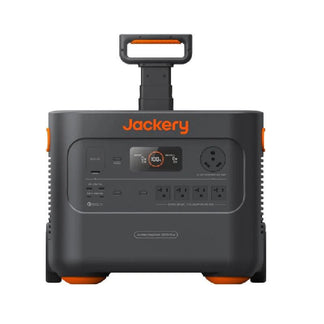
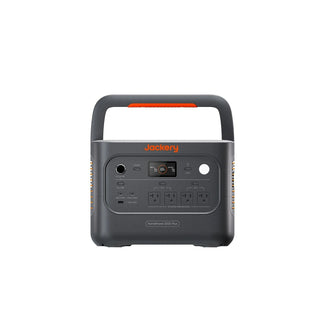
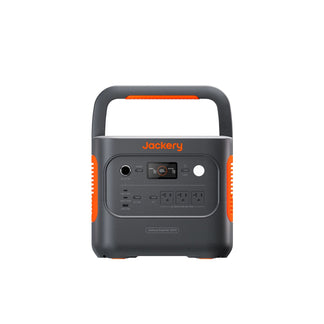
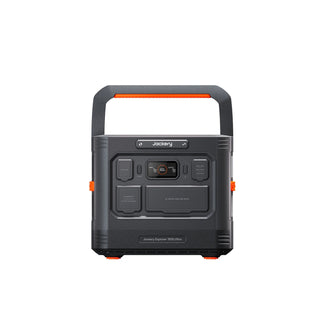
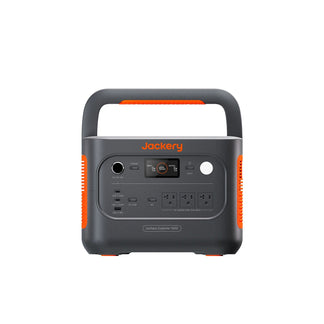
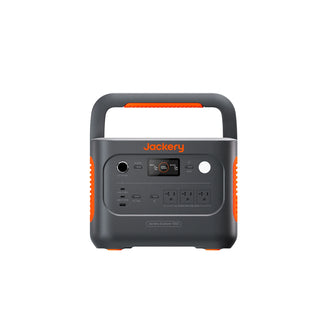
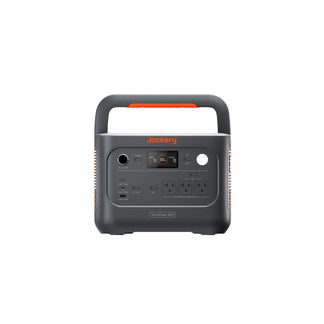
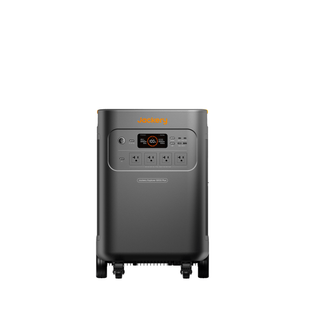
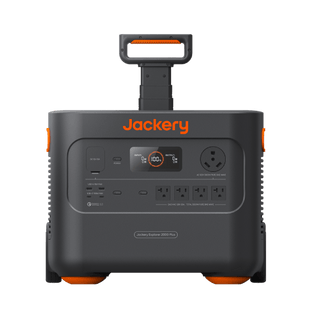
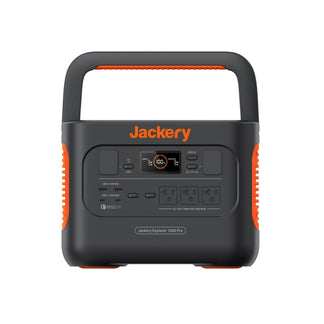
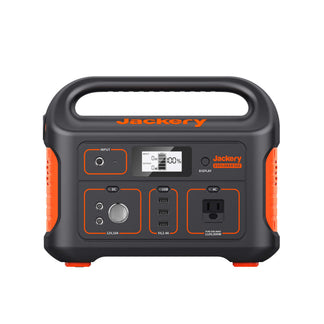
Emergency power preparation is about keeping critical life-support circuits alive—such as refrigerators, medical devices, emergency lighting, and sump pumps—until grid power can be restored. Three premium systems from Jackery provide ideal storm backup:
|
System Model |
Base Capacity |
Expandable To |
Key Runtime Example |
|
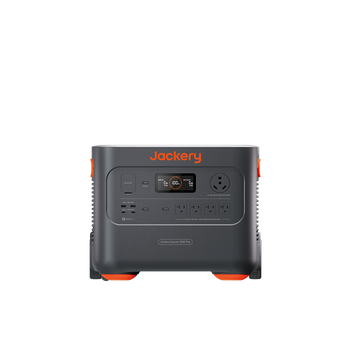
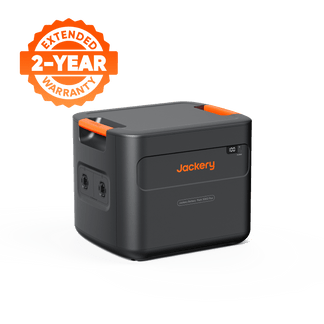
Jackery HomePower 3600 Plus |
3,584 Wh |
43 kWh |
Runs a refrigerator (80W) for 38 hours |
|
Jackery Explorer 5000 Plus |
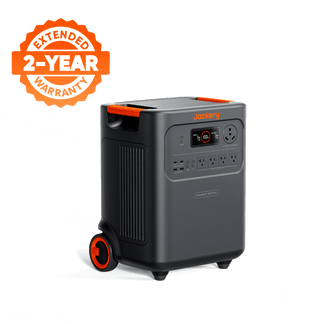
5,040 Wh |
60 kWh |
True 0ms UPS; runs sump pump (60W) for 40 hours |
|
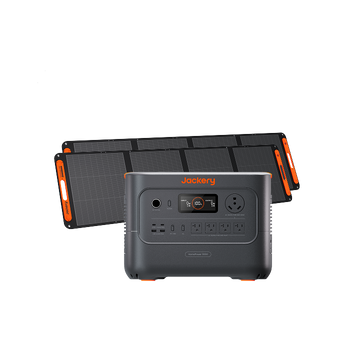
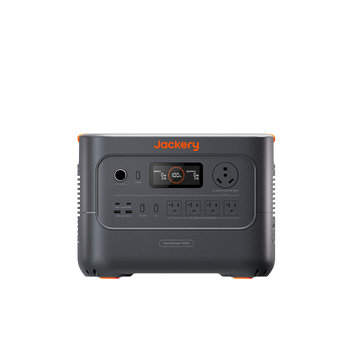
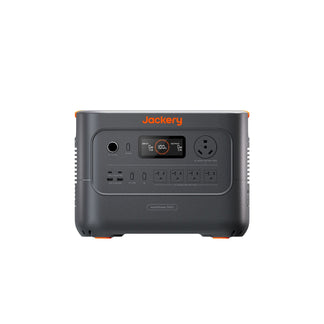
Jackery Explorer 2000 v2 |
2,042 Wh |
N/A |
Powers emergency light (5W) for 155 hours |
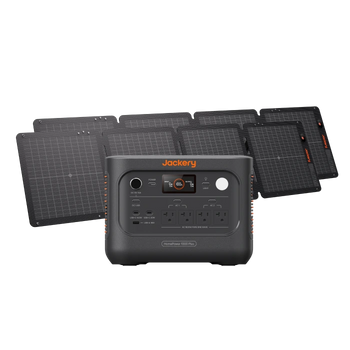
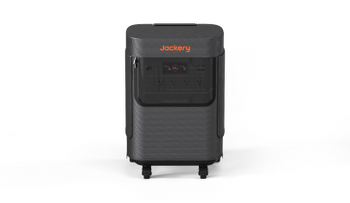
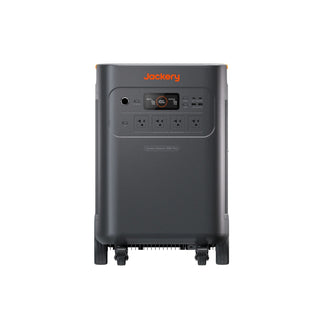
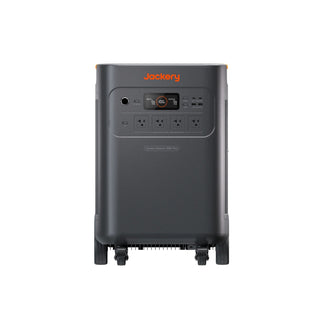
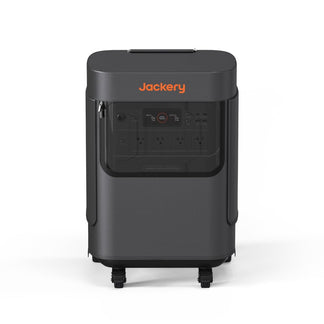
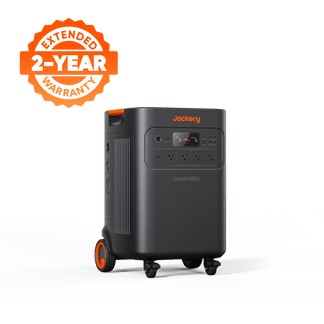
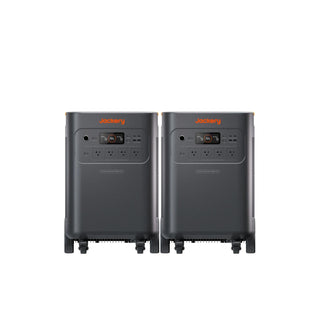
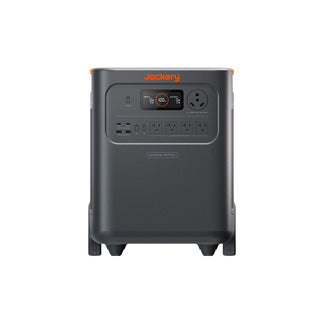
For standard homes, the Jackery Explorer 5000 Plus represents the gold standard for residential storm backup. It provides heavy-duty power and seamless home integration to keep your household running safely during extended outages.
Key Features & Technical Specifications:
- High Power Output: Delivers 7,200W of continuous output (with a 14,400W surge capacity) to run multiple heavy-draw appliances simultaneously without overloading.
- Critical Load Support: Easily handles high-demand equipment, including water pumps, central HVAC fans, and full-sized refrigerators.
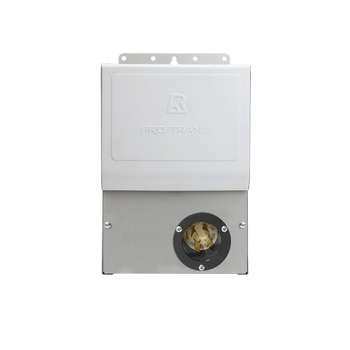
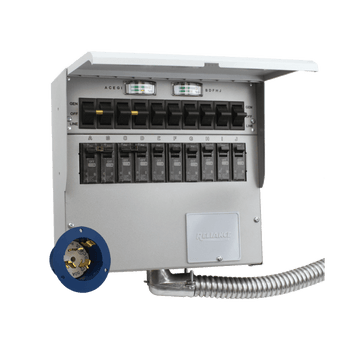
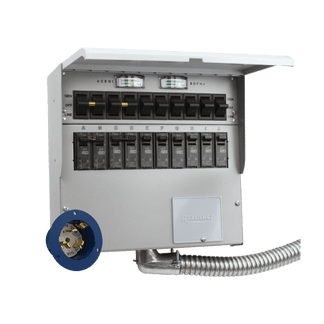
- Seamless Power Backup (0ms UPS): When integrated with your home’s breaker panel via a transfer switch, the system achieves a 0ms transfer time. Your critical appliances stay online during a blackout without a single flicker.
-
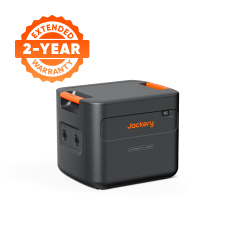
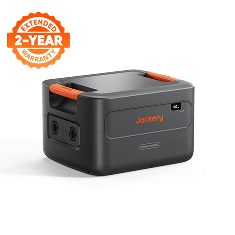
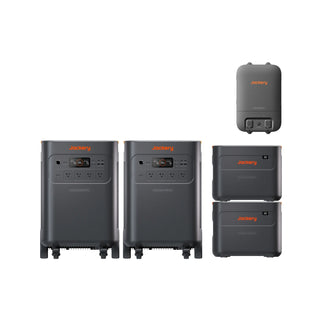
Massive Expandability: The system is fully expandable up to an outstanding 60 kWh, allowing you to sustain critical medical equipment and residential loads through extended, multi-day grid failures.
To calculate your home's total emergency electrical demands, check out our Essential Home Backup Power Guide.
Frequently Asked Questions
What is the difference between a hurricane watch and a warning?
A hurricane watch indicates that sustained winds of 74 mph or higher are possible in your area within 48 hours—you should begin boarding up windows, testing your emergency power systems, and monitoring local weather updates. A hurricane warning indicates that hurricane-force winds are expected within 36 hours—you must complete your storm preparations and evacuate immediately if advised by local officials.
Can I use a portable generator indoors during a hurricane?
No. Traditional gas or diesel generators must never be operated indoors due to extreme, fatal carbon monoxide poisoning risks. However, battery-powered solar generators do not combust fuels, run silently, and are completely safe to operate indoors right next to your appliances during a storm.
Is flood insurance required for my home?
Flood insurance is only federally mandated if you have a mortgage and live in a designated high-risk flood zone. However, standard homeowners policies explicitly exclude flood damage, and roughly 25% of all flood insurance claims come from properties outside designated high-risk zones, making separate flood policies highly recommended.
What should I include in a hurricane emergency kit?
Your emergency kit should contain at least one gallon of drinking water per person per day for three days, non-perishable canned food, a manual can opener, flashlights, spare batteries, first-aid medical supplies, basic hand tools, personal medications, and a secure waterproof folder holding your home inventory photos and documents.
How can I protect my boat during a hurricane?
If possible, pull your boat out of the water and trailer it to a secure inland storage facility. If your boat must remain in a marina slip, double up all dock lines with chafe-protection guards, clear all loose canvas and sails to reduce wind resistance, seal all hatches, and disconnect your starter batteries. Never remain aboard your vessel during a storm.


