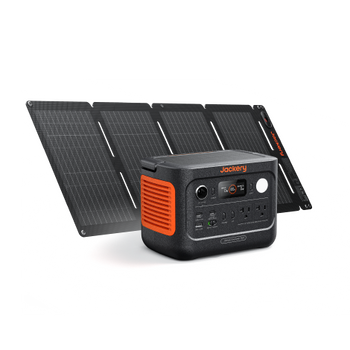











![[Add-on] Jackery SolarSaga 500 X - Jackery](http://www.jackery.com/cdn/shop/files/add-on-jackery-solarsaga-500-x-1493607.webp?v=1786503068&width=324)
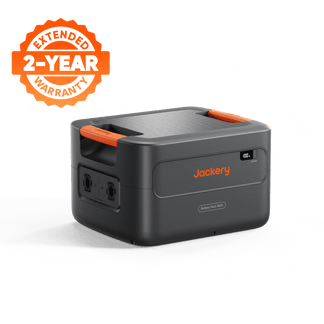
![[Add-on] Jackery Battery Pack 5000 Plus - Jackery](http://www.jackery.com/cdn/shop/files/add-on-jackery-battery-pack-5000-plus-6713401.webp?v=1786503068&width=324)










A severe thunderstorm outbreak cuts household power without warning. When convective weather systems—characterized by warm, moist air rising rapidly into unstable atmospheres—generate intense lightning, microburst downdrafts, and straight-line winds exceeding 58 mph, the utility grid can fail in a fraction of a second. The physical damage to above-ground transmission networks and substations often means your home goes dark instantly, and remains without power for days.
During these extreme weather events, food spoilage is an immediate, costly threat: an unopened refrigerator only keeps food safe for up to 4 hours, and a full freezer can hold temperatures for 48 hours. Within these narrow windows, families must scramble to protect hundreds of dollars in groceries as internal cabinet temperatures climb past the critical 40°F food safety threshold. Sizing a clean, indoor-safe battery system before the severe weather arrives is the most effective way to protect your home. This guide outlines pre-storm preparation checklists, electronics protection, the dangers of combustion generators, and scalable battery backup options.
Additionally, understanding the atmospheric physics of a convective storm outbreak can help you visualize the scope of the threat. These outbreaks are triggered when intense cold fronts collide with unstable, humid air masses, creating powerful upward convection currents. As these updrafts freeze in the upper troposphere, they generate heavy rain, large hailstones, and millions of volts of static electricity that discharge as cloud-to-ground lightning. When lightning strikes utility poles or wind-blown branches snap power lines, the grid experiences sudden, massive sags and surges, disrupting entire regional transmission networks in seconds.
Pre-Storm Preparation: The Hour-by-Hour Checklist
According to a comprehensive analysis of Department of Energy (DOE) data by Climate Central, weather-related events are responsible for a staggering 80% of all major power outages in the United States. Among these weather-driven grid failures, severe weather—including convective thunderstorms, high winds, and lightning—is the leading trigger, accounting for 58% of the blackouts.
Data from the U.S. Energy Information Administration (EIA) shows that the average American electricity customer experiences between 5.5 and 7.3 hours of power outages annually, with severe weather events pushing these durations far past the eight-hour mark—a medically significant window for storing temperature-sensitive prescriptions like insulin. Your active preparation must begin the moment a severe weather watch is issued:
- Water Storage: Store at least one gallon of potable water per person per day for drinking and basic sanitation. Fill your bathtub before the grid fails; this water can be used for flushing toilets or filtered for emergency consumption.
- Cold Food Preservation: Freeze large blocks of ice or water jugs in your freezer in advance. Move these ice blocks to a cooler to preserve critical food items if the power stays out for extended periods.
- Off-Grid Communications: Cell towers carry only 4 to 8 hours of battery backup. During a widespread outage, network congestion can block voice calls; rely on text messages or use dedicated satellite communicators.
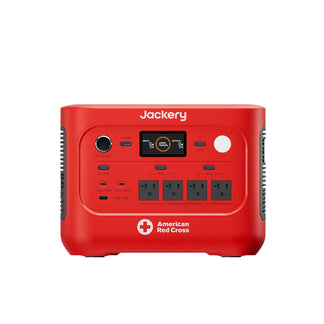
- Layered Backup Power: Charge all your cellphones, battery banks, and portable power stations to 100% capacity before the storm hits, establishing a layered, reliable power reserve.
To ensure complete off-grid resilience, plan your water storage metrics carefully. A standard 50-gallon water heater can serve as a vital emergency reservoir, but you must know how to drain the tank safely. Additionally, keep an emergency NOAA weather radio on hand to receive live, real-time alert updates from local meteorologists, as cellular towers are highly prone to physical damage and high network congestion during a major weather event.
Safeguarding Electronics: What to Unplug and What to Leave
The moment a severe weather warning is issued, unplug sensitive household electronics like computers, televisions, microwave ovens, and game consoles. When utility companies restore power after an outage, the grid often experiences massive, high-voltage surges as substations re-energize entire neighborhoods simultaneously. These transient voltage spikes can easily destroy delicate semiconductor boards and microprocessor control circuits in milliseconds. Doing this proactively before the storm hits is the only sure way to protect your equipment.
Your refrigerator is a unique problem. Its compressor is highly sensitive to voltage sags and surges. During a severe storm, keep the refrigerator unplugged from the wall outlet, or plug the appliance directly into a pure sine wave portable power station to maintain clean, isolated power. Additionally, unplug all other major appliances, leaving only a single light circuit switched on. This single bulb will signal when grid power is fully restored. When electricity returns, wait 5 to 10 minutes for the grid to stabilize before reconnecting your appliances.
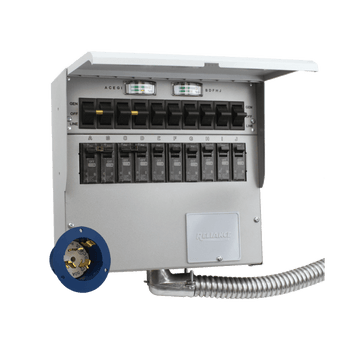
If you cannot unplug certain hardwired appliances, ensure your main electrical panel is equipped with a high-quality Whole-House Surge Protective Device (SPD). These devices are mounted directly to your breaker panel and are designed to clamp high-voltage transients from lightning strikes before they can travel through your home's branch circuits, providing an essential layer of structural defense against grid-level surges.
Portable Generator Pitfalls and Safer Backup Power Choices
Standard gas-powered generators represent a severe safety risk during a storm. Because they produce high levels of toxic carbon monoxide (CO), they must be operated at least 20 feet away from any door, window, or vent. Carbon monoxide binds to human hemoglobin 200 times more readily than oxygen, leading to rapid asphyxiation. Running a generator in a garage, basement, or under a low eave to keep it dry is highly lethal; unburned CO fumes can easily be drawn into your living spaces, resulting in fatal poisoning.
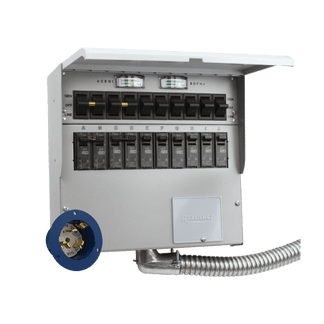
Furthermore, running extension cords through open windows during driving wind and rain introduces water ingress and shock hazards. Refueling a hot gas engine during a storm is also dangerous, as spilled fuel can easily ignite vapors on hot exhaust pipes. Backfeeding a home's wiring by plugging a generator directly into a wall outlet without an isolated transfer switch is highly illegal and can send lethal voltages back onto utility lines, endangering line workers. Battery-powered solar generators eliminate these physical risks entirely. They emit zero fumes, run silently, and require no volatile fuel storage, allowing you to operate them safely indoors directly next to your appliances. To calculate your home's total critical load requirements, consult our storm-specific outage preparation guide.
Why Battery Backup Systems Beat Fuel Generators
Indoor battery storage systems deliver critical operational advantages over traditional combustion engines during extreme weather events:
- Complete Indoor Safety: Battery generators produce zero carbon monoxide, allowing you to set them up inside your kitchen or bedroom with complete safety.
- Zero Fuel Storage: You do not need to store flammable gasoline cans in your garage, eliminating fire risks and the stress of storm-day fuel runs.
- Instant, Automatic Transfer: Equipped with an automatic UPS (Uninterruptible Power Supply) transfer, these systems switch over in milliseconds when the grid fails, keeping routers online without a reboot.
- Silent Operation: Operating at ultra-quiet noise levels, these systems do not generate the deafening roar of a gas engine, allowing you to sleep peacefully through the blackout.
- No Maintenance Friction: Battery backups require no fuel stabilizers, spark plug replacements, air filter cleaning, or tedious monthly engine exercise runs. They are completely maintenance-free, ready to run whenever needed.
Furthermore, standard gasoline fuel degrades rapidly in storage, forming lacquer deposits inside small engine carburetors within 30 days. To keep a traditional generator operational, you must manage fuel stabilizer schedules or regularly run the engine under load to prevent fuel varnish from clogging the jets. Battery-based solar generators completely eliminate this maintenance friction, sitting quietly in storage for months and remaining 100% ready to run instantly when a storm strikes.

Essential Home Backup Solutions for Storm Outages
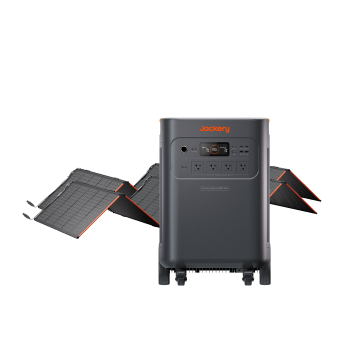
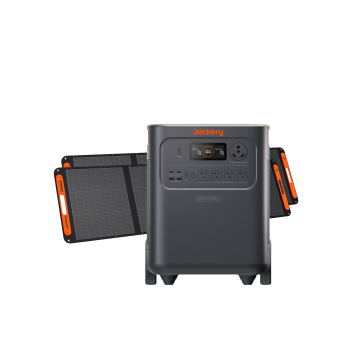
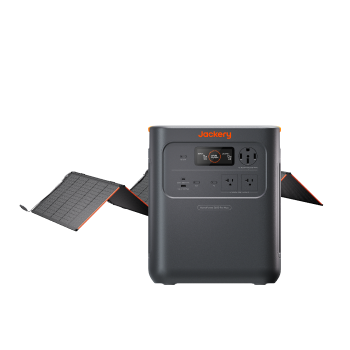
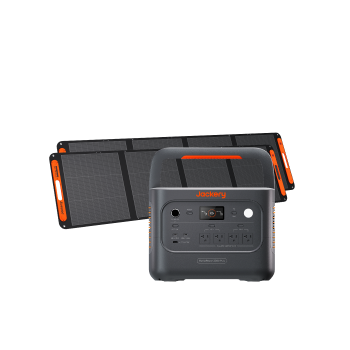
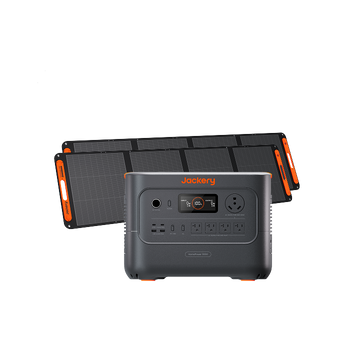
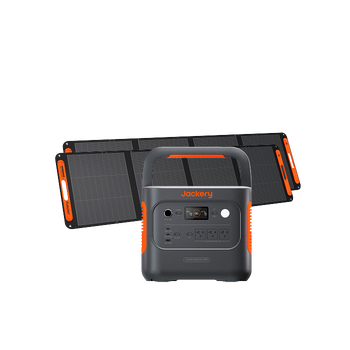
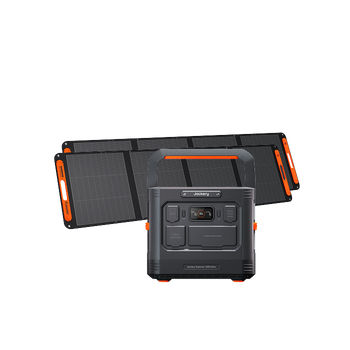
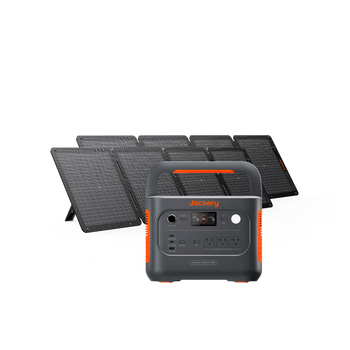
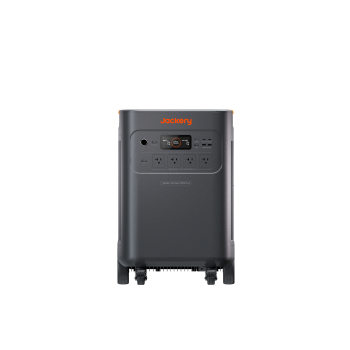
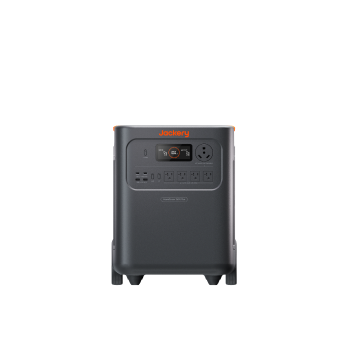
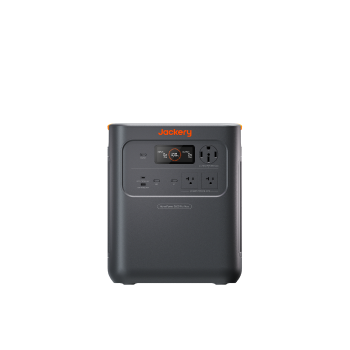
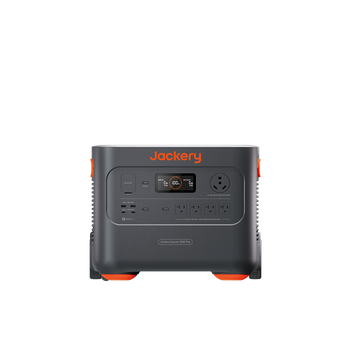
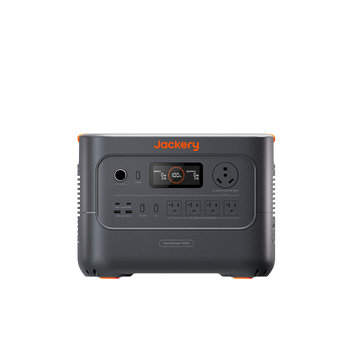
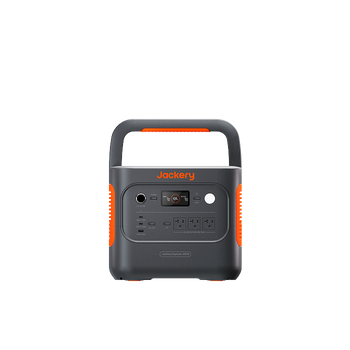
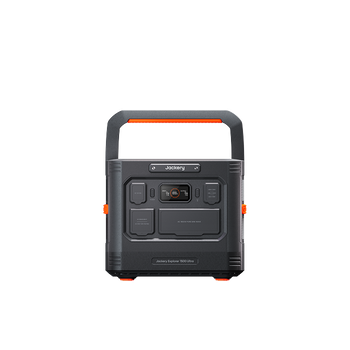
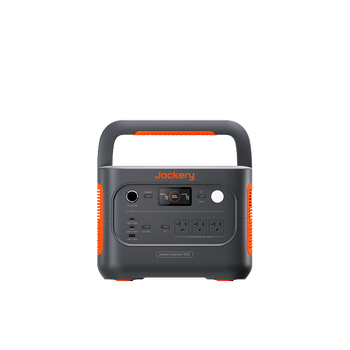
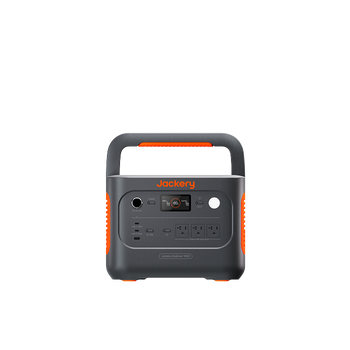
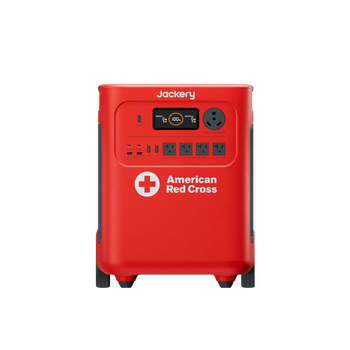
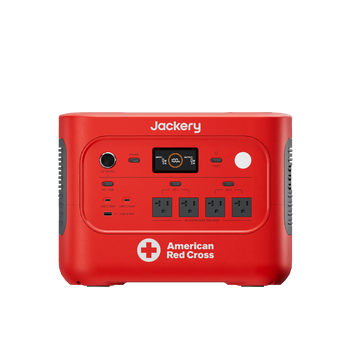
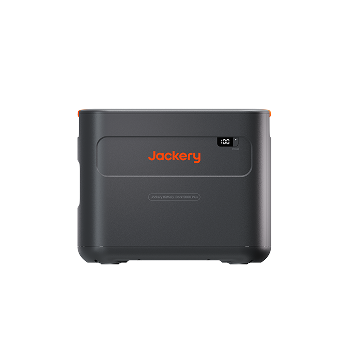
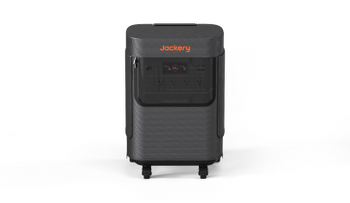
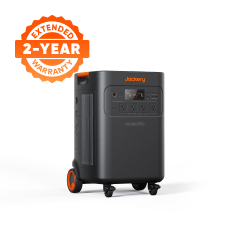
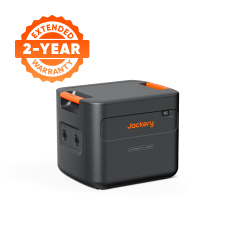
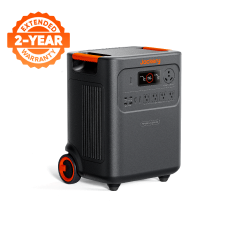
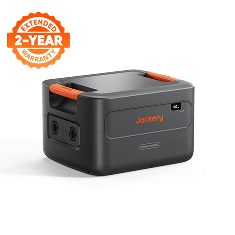
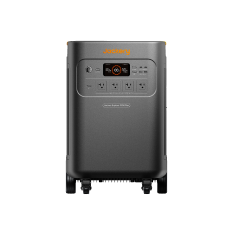
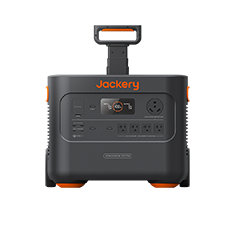
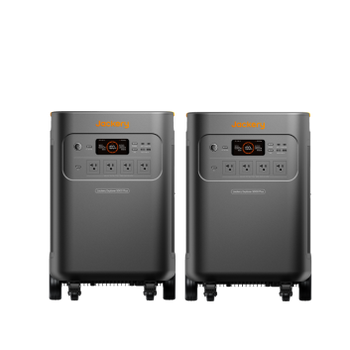
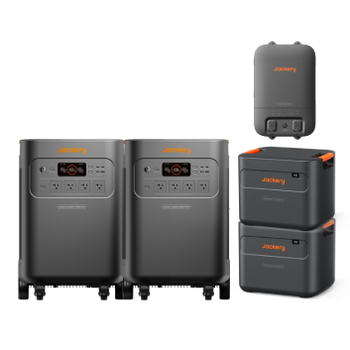
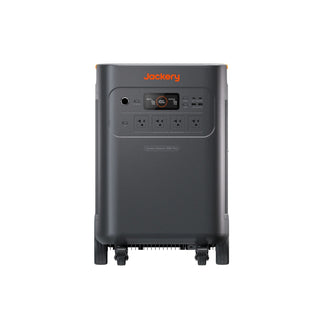
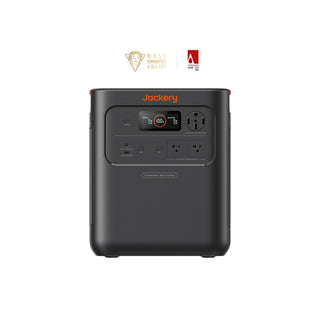
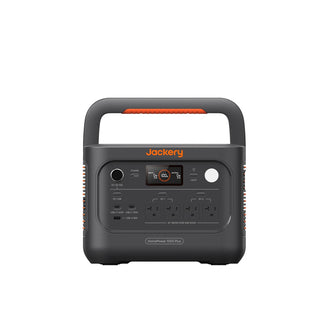
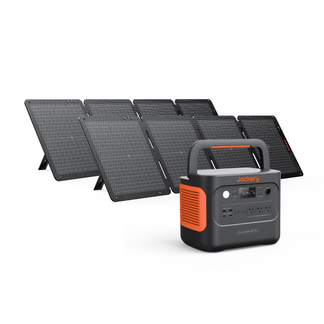
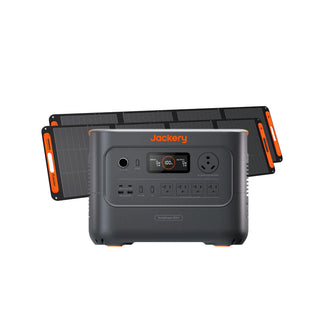
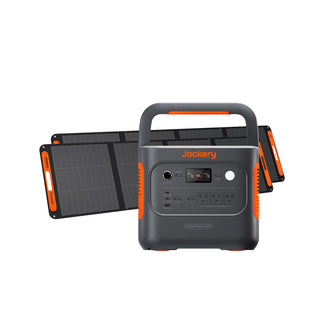
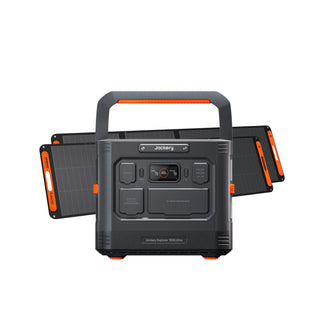
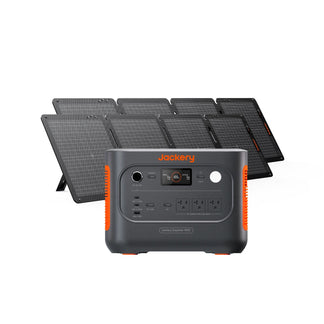
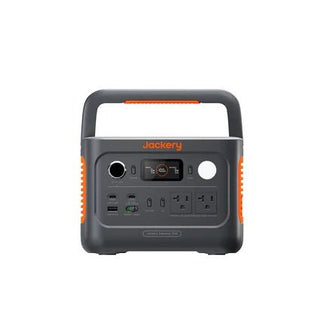
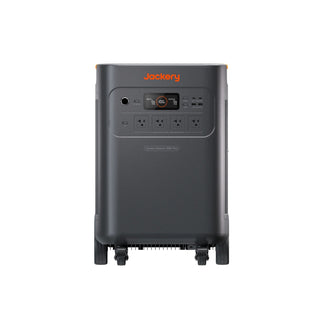
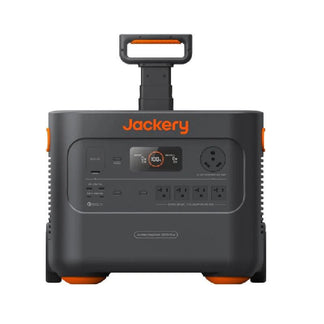
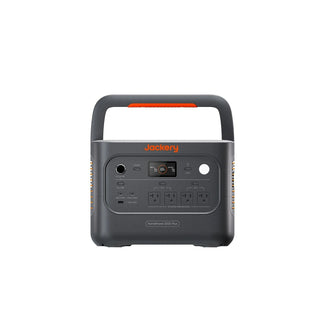
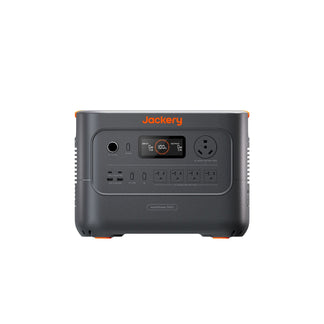
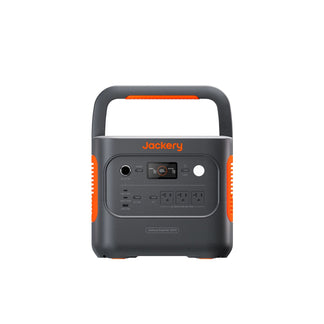
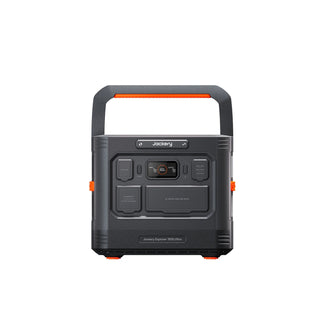
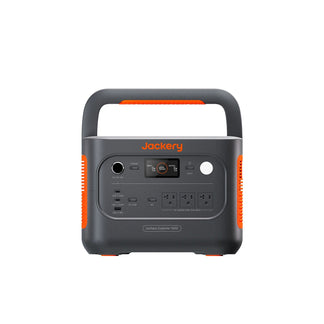
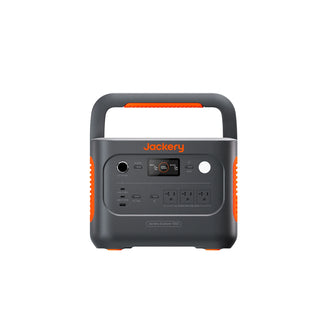
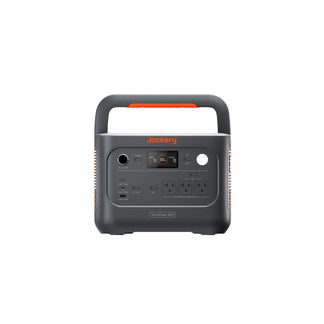
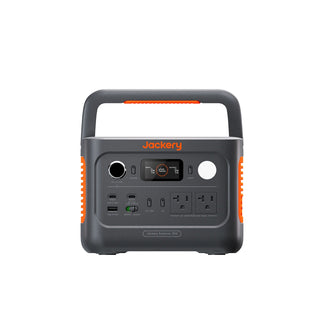
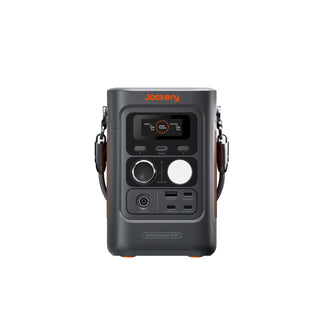
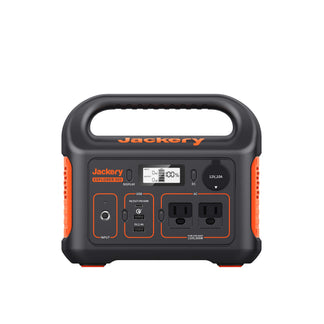
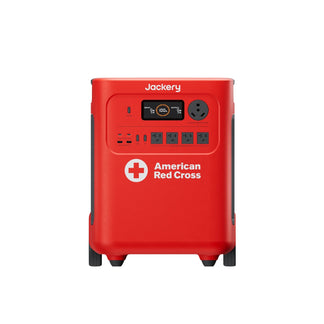
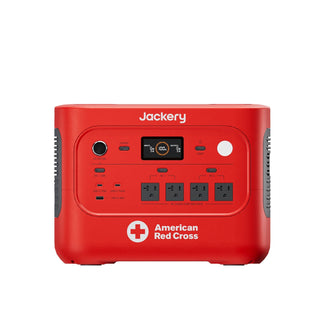
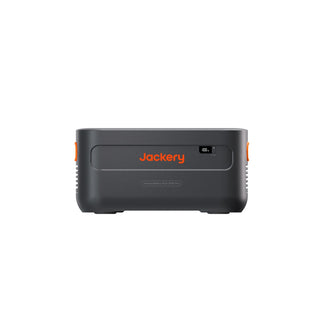
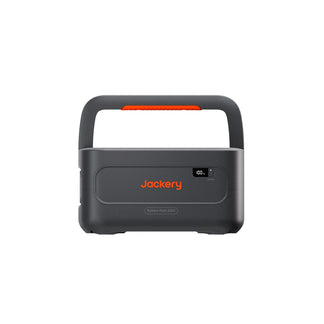
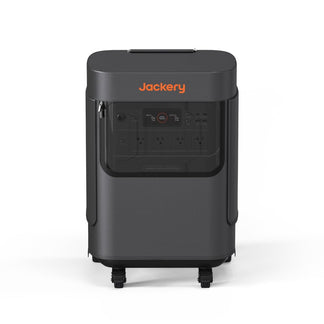
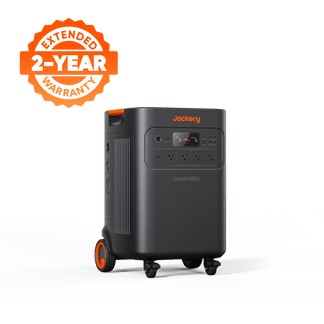
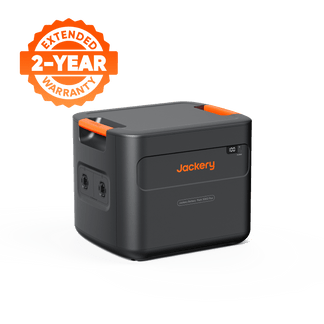
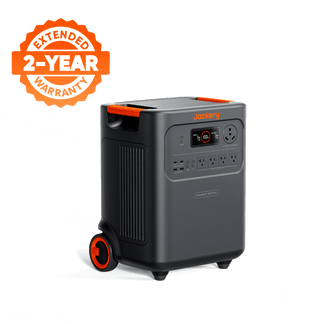
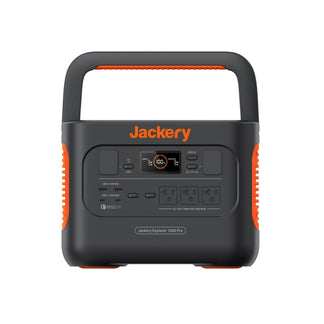
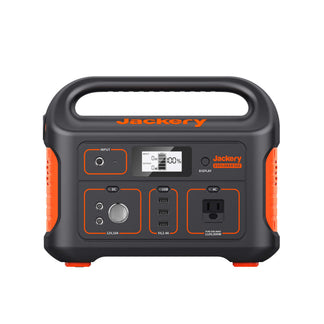
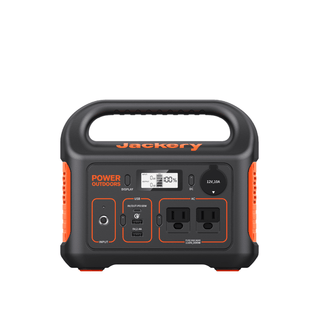
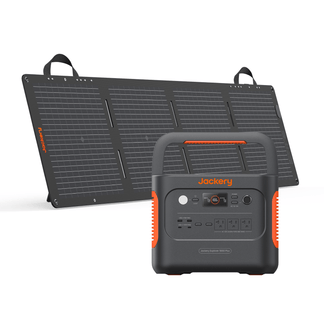
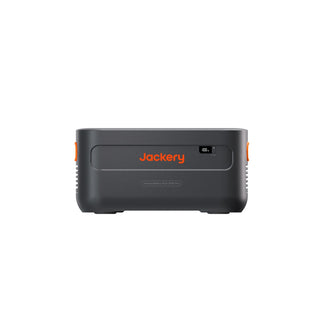
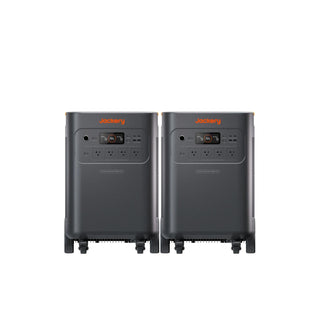
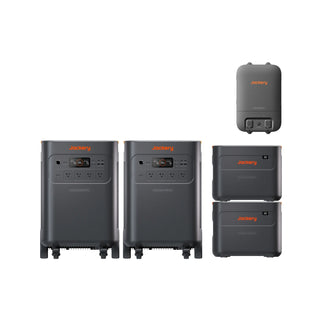
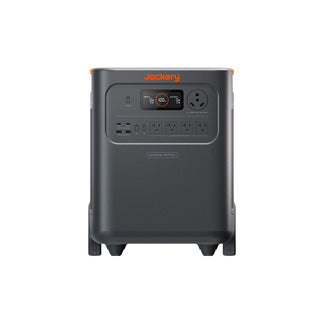
Two premium battery backup systems from Jackery provide ideal, scalable power to protect your home during severe storm blackouts:
|
System Specification |
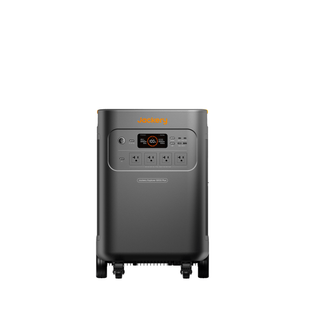
Jackery Solar Generator HomePower 3600 Plus |
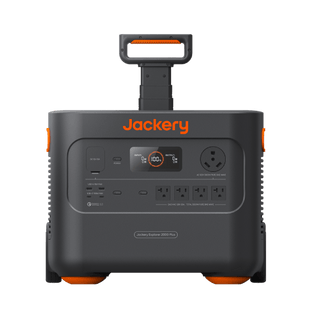
Jackery Solar Generator 5000 Plus |
|
Continuous / Surge Output |
3,600W (7,200W Surge) |
7,200W (14,400W Surge) |
|
Base Battery Capacity |
3,584 Wh |
5,040 Wh |
|
Expandable Capacity |
Up to 43 kWh |
Up to 60 kWh |
|
UPS Switchover Speed |
Rapid <20ms transfer |
True 0ms online UPS |
|
Best Application |
Runs a refrigerator (38 hrs) |
Powers deep well pumps, central AC fans, and key subpanels |
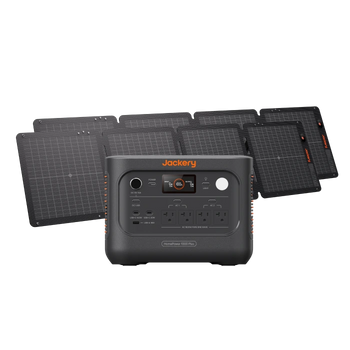
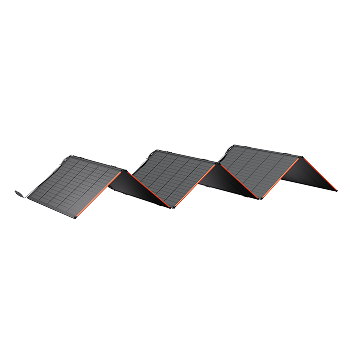
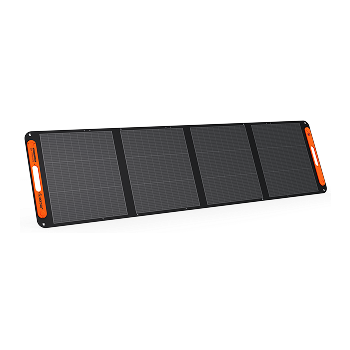
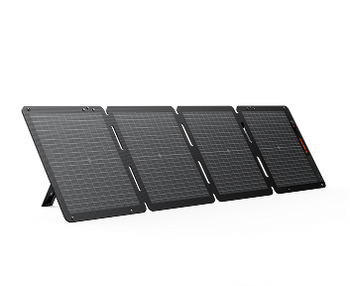
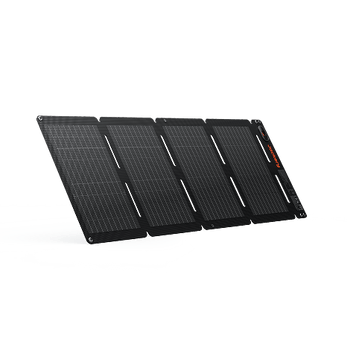
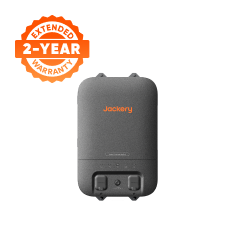
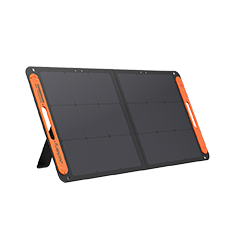
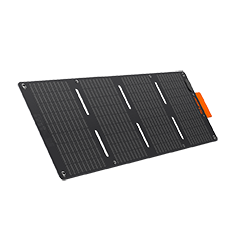
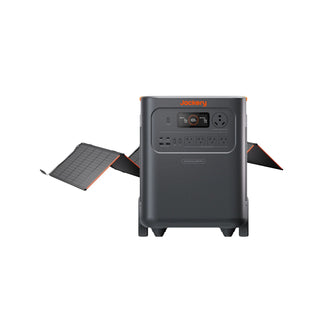
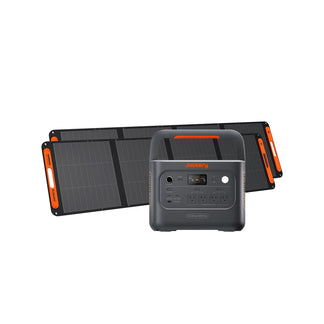
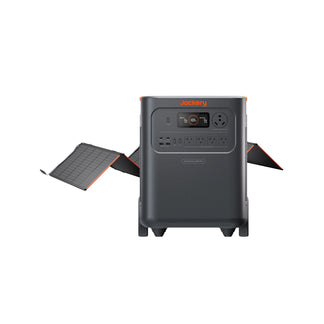
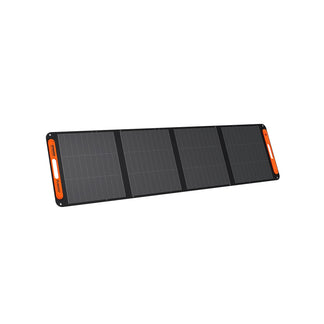
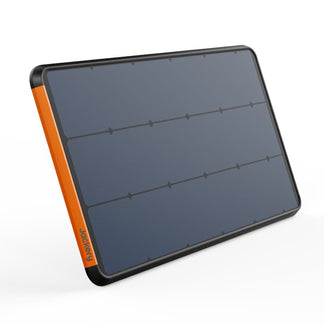
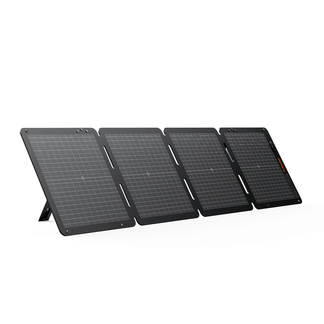
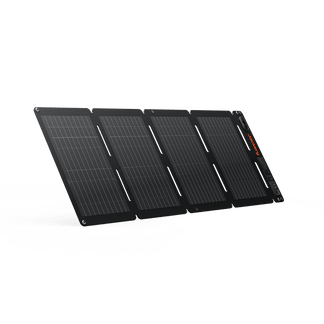
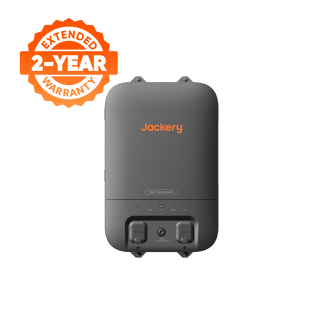
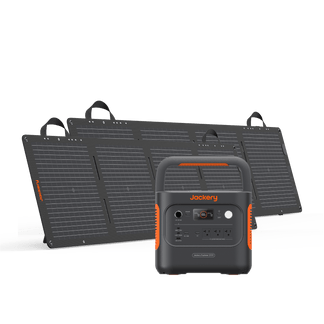
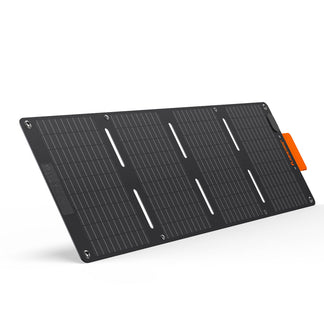
Once the severe weather passes, if local utility crews require days to clear fallen trees and restore down power lines, you can deploy the included high-efficiency SolarSaga panels to recharge your battery bank indefinitely. To review our complete clean energy backup guidelines, explore our essential home backup power strategies.
Frequently Asked Questions
What do I need before a severe thunderstorm outbreak hits?
Secure sufficient potable drinking water, canned non-perishable food, flashlights, spare batteries, a weather radio, and a pre-charged battery backup power source. Charge all of your mobile devices and power stations to 100% capacity before a watch escalates to a warning, and freeze large ice blocks in advance.
How do I keep essentials running indoors safely during an outage?
Use battery-powered LED lanterns or flashlights—avoid using candles or open-flame fuel lamps, which represent extreme fire and carbon monoxide hazards indoors. Run your critical appliances silently and cleanly using an indoor-safe battery generator, keeping the unit on a flat, non-combustible surface with adequate ventilation clearance.
How do I preserve food and manage the home during outages?
Keep your refrigerator and freezer doors closed: food stays safe for 4 hours in a fridge and up to 48 hours in a full freezer. If the outage continues beyond 4 hours, move perishable items (meat, dairy, eggs) into ice-filled coolers, and unplug all large household appliances to prevent surge damage when power returns.
How do I know if my food is still safe to eat after an outage?
Apply the strict USDA guideline: when in doubt, throw it out. Use an appliance thermometer to verify that your refrigerator's internal temperature never exceeded 40°F for more than two hours. Never taste food to check its safety, as harmful bacterial toxins can be odorless and tasteless.
How do I safely drain my water heater for emergency drinking water?
First, completely shut off the electricity breaker or natural gas valve supplying your water heater. Connect a clean garden hose to the drain valve located at the bottom of the tank, and open a hot water faucet upstairs to prevent vacuum locks, allowing you to drain up to 50 gallons of clean, emergency potable water safely.
What should I do with medications that require refrigeration during a long outage?
Store temperature-sensitive medications (like insulin or biological prescriptions) in a dedicated, pre-chilled cooler packed with reusable ice packs. Check the manufacturer's storage guidelines or consult your pharmacist in advance to confirm the specific temperature tolerance ranges for your prescriptions.


