






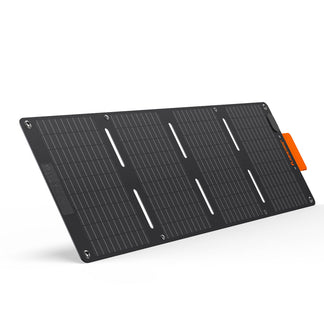
![[Add-on] Jackery SolarSaga 500 X - Jackery](http://www.jackery.com/cdn/shop/files/add-on-jackery-solarsaga-500-x-1493607.webp?v=1786503068&width=324)
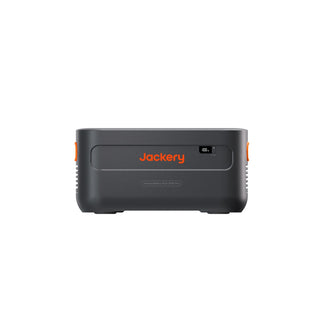
![[Add-on] Jackery Battery Pack 5000 Plus - Jackery](http://www.jackery.com/cdn/shop/files/add-on-jackery-battery-pack-5000-plus-6713401.webp?v=1786503068&width=324)







With residential utility rates climbing steadily across the United States, many consumers are actively exploring alternative power contracts to keep their monthly expenses under control, including prepaid electricity. Often marketed as a hassle-free, no-deposit alternative to traditional utility contracts, prepaid energy plans let you buy electricity upfront.
However, while they provide excellent near-term flexibility, they are rarely the cheapest option over the long run. Advertised per-kWh rates can often be misleading, hiding high transmission and delivery utility charges (TDU fees), minimum-usage penalties, and complex transaction surcharges in the fine print.
How Prepaid Electricity Works
In a standard postpaid utility contract, you use electricity for a month, receive a bill, and pay after the fact. A prepaid plan flips this timeline completely. You establish an online account with a retail electric provider (REP), deposit a starting balance, and draw down that balance in real-time as your home consumes kilowatt-hours. This means there are no monthly bills, no credit checks, and no cash security deposits required, making it highly accessible.
This system relies on Advanced Metering Infrastructure (AMI)—commonly known as smart grids and smart meters. These meters communicate your real-time electrical draw to your provider every 15 to 30 minutes, allowing for instantaneous billing and automatic disconnection. Because there is no long-term contract to lock in a low price, prepaid plans expose you to market volatility, and their total cost is heavily inflated by administrative fees, such as recurring daily maintenance charges and transaction fees for every top-up. Additionally, immediate, smart-meter-enabled automatic disconnection is legally concentrated primarily in Texas. In other deregulated states like Pennsylvania and Connecticut, strict utility customer protection mandates prevent instantaneous, algorithmic shutoffs.
The Pros: Skipping Deposits and Controlling Real-Time Costs
Despite their higher per-kWh rates, prepaid energy plans offer distinct advantages for specific household scenarios:
- No Security Deposits: Traditional postpaid plans often demand $100 to $500 upfront in security deposits if you have a limited credit history or a lower credit score. Prepaid plans bypass this barrier entirely, preserving your cash.
- Eliminate Bill Shock: By paying only for what you consume in advance, you avoid unexpected, high utility bills at the end of the month, allowing you to manage your weekly budget with complete certainty.
- Actionable Consumption Data: Most prepaid providers send daily text or email alerts displaying your remaining dollar balance and yesterday's exact usage, helping you identify energy-hungry appliances quickly.
- No Contract Commitments: Since there are no long-term contracts, you can switch providers or cancel your service at any time without facing expensive early termination fees (ETFs), which can reach up to $300 on standard plans.
For temporary college student housing, short-term seasonal leases, or individuals actively rebuilding their credit profiles, the administrative simplicity and same-day activation of prepaid energy completely justify the slightly higher rate-per-unit cost. It represents a low-barrier entry point to the modern energy market.

The Cons: Premium Rates and Disconnection Risks
While the flexibility is convenient, the financial and operational trade-offs of prepaid energy are significant. Because most prepaid plans feature variable rates, your per-kWh price can fluctuate month-to-month based on market demand, exposing you to severe price spikes during peak winter heating or summer cooling months.
The most critical risk is the immediate loss of power. If your account balance hits zero at midnight or during a weekend, your smart meter will automatically shut off your electricity. While some states prohibit disconnection during extreme weather events, navigating unexpected blackouts because of payment processing delays is a constant concern.
Additionally, some providers charge minor transaction fees for every top-up, which can add up over a year. There are also potential daily account maintenance fees—often $1 to $2 per day just to keep your account open. Finally, because prepaid providers do not report your on-time payments to major credit bureaus, these plans do not help you build your credit score, unlike standard utility contracts.
The Real Culprits: What's Driving Your High Utility Bills?
Whether you choose a prepaid or postpaid plan, your total utility cost is driven primarily by your home's physical consumption, not how you settle your account. If you want to keep your prepaid balance from draining too quickly, you must identify your household's largest energy-drawing appliances:
- HVAC Systems: Heating and cooling dominate your energy budget, consuming roughly 31% of your home's total electricity (with air conditioning demanding 19% and electric space heating units requiring 12%). Running a central air conditioner on a hot summer afternoon can consume 3,000 to 5,000 watts per hour, draining your prepaid balance rapidly.
- Water Heaters: Water heaters consume approximately 12% of a home's total electricity draw, particularly older electric tank models set above 120°F that run constantly to maintain hot water temperatures.
- Refrigerators: Run continuously 24/7, accounting for roughly 6% to 7% of your overall monthly power bill. Old, inefficient secondary refrigerators in garages can consume double the energy of modern models.
- Electric Dryers: Clothes washers and high-wattage electric dryers contribute roughly 5% of your monthly electricity draw, often requiring up to 5,000W of power during operation.
Before assuming your prepaid rate is the sole cause of your high expenses, evaluate your daily consumption. Understanding the underlying physical factors of why your electricity bill is so high is the first step to reducing your draw and protecting your prepaid balance. Simple steps, like setting your thermostat to 78°F in summer or washing laundry in cold water, can dramatically slow down your prepaid account's depletion.
State-Specific Baselines and Marketplace Shopping
If you live in a deregulated state, you can shop for prepaid plans using official state marketplaces (like Power to Choose in Texas, Energy Choice Ohio, or Connecticut's EnergizeCT). Before selecting a plan, always check your current bill's Price to Compare to see if a prepaid offer is competitive.
Always review the plan's Electricity Facts Label (EFL) to verify how rates scale across different consumption tiers (such as 500 kWh, 1,000 kWh, and 2,000 kWh). If you are shopping in Ohio, checking the standard average electric bill in Ohio provides an excellent benchmark. Similarly, if you are a Texas resident, analyzing the standard average electric bill in Houston ensures you are selecting a plan with a realistic, cost-effective structure.
Be skeptical of low headline rates. A plan advertising an attractive rate of $0.09/kWh can easily climb to $0.15/kWh once you account for base fees, utility transmission charges, and 'usage credit' pricing matrices, where an advertised promotional rate is only captured if your consumption crosses a strict monthly volume minimum (typically 1,000 kWh). If you fall short of this threshold, the credit is completely withheld, causing your actual average per-kWh price to skyrocket. Reading the EFL is the only way to avoid these hidden traps.
Prepaid vs. Postpaid: Sizing Matrix
This comparison matrix highlights the core structural differences to help you select the best contract for your home:
|
Feature Metric |
Prepaid Energy Plans |
Postpaid (Fixed-Rate) Plans |
|
Upfront Costs |
$0 Deposit (Requires starting account balance only) |
$100 – $500 Deposit typical (unless waived via credit score) |
|
Rate Stability |
Variable rates (can be 10% to 30% higher) |
Fixed, stable rates locked in for contract duration |
|
Disconnection Risk |
Immediate automatic shutoff when balance hits $0 |
Disconnection only after multiple missed payments and notices |
|
Contract Type |
None (Cancel or switch at any time) |
12 to 36-month contracts with early exit penalties |
|
Credit Score Impact |
None (No credit checks, does not report on-time payments) |
Can help build credit history if positive payments are reported |
Keep the Lights On: Emergency Solar Generators
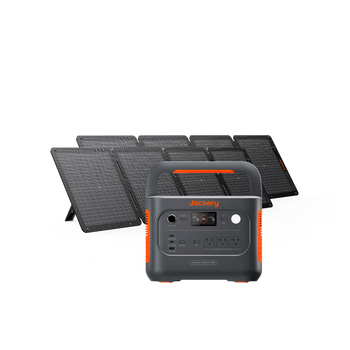
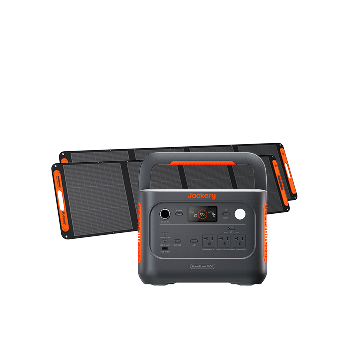
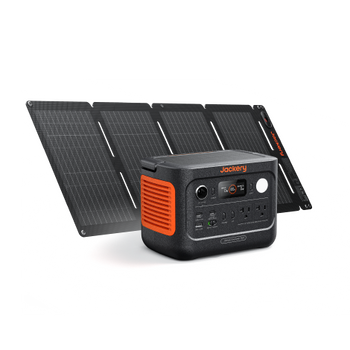
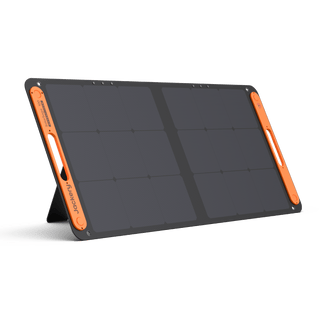
Because prepaid meters shut off automatically when your account balance reaches zero, having a reliable emergency backup system is critical to prevent your household from going dark during transaction processing delays. Portable solar generators serve as an exceptional backup solution, capturing clean, free solar energy during the day to run your essential appliances and help stretch your prepaid energy balance.
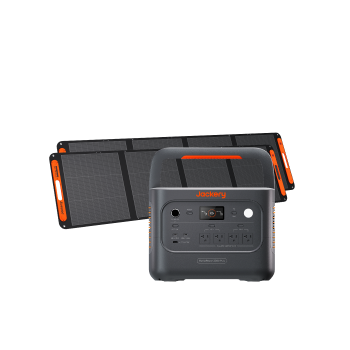
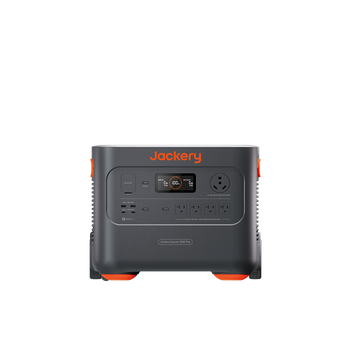
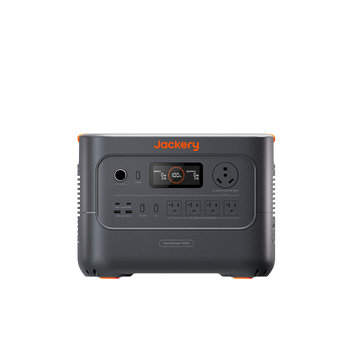
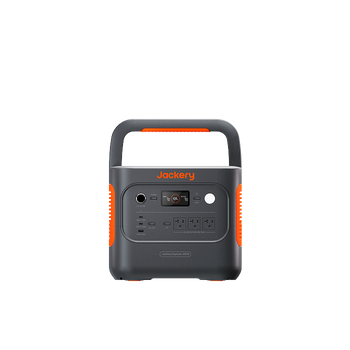
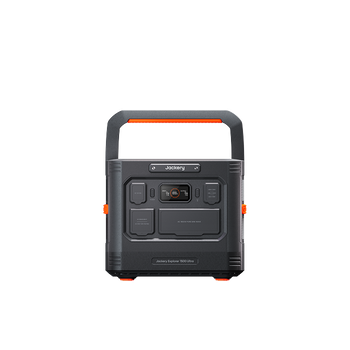
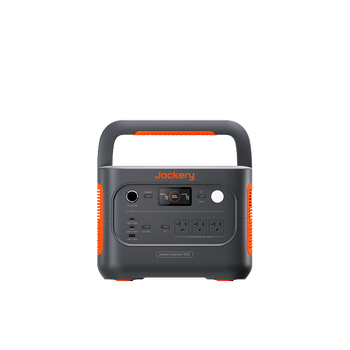
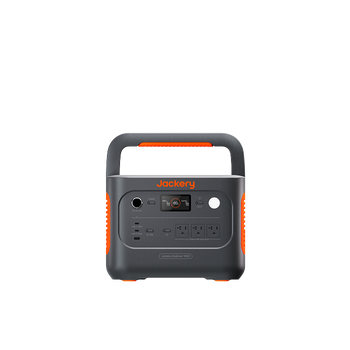
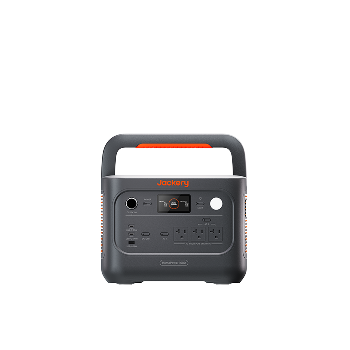
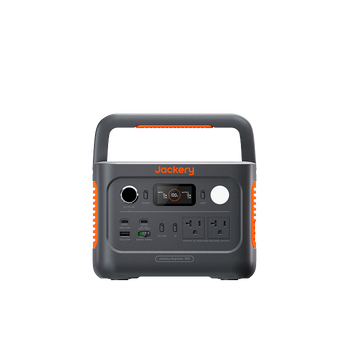
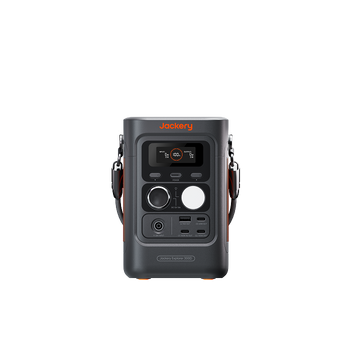
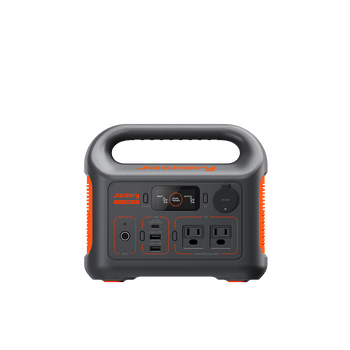
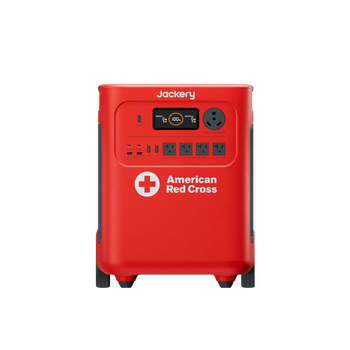
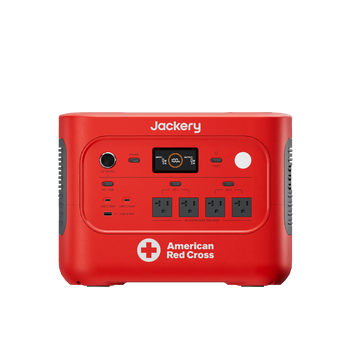
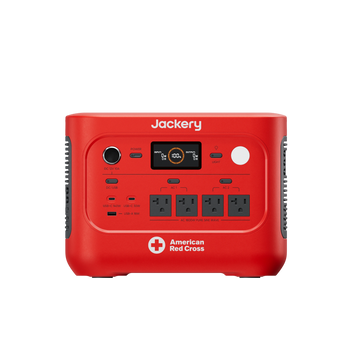
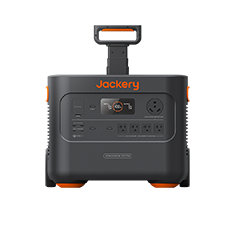
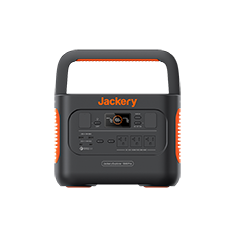
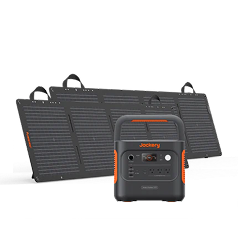
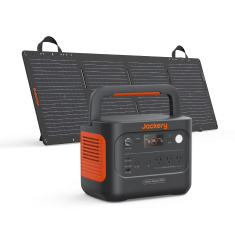
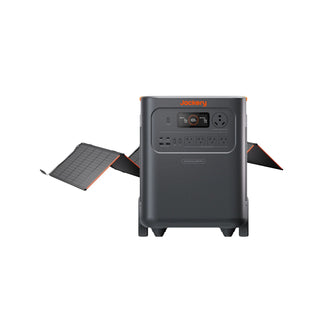
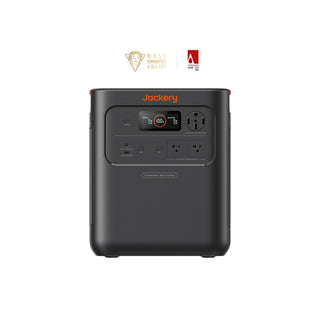
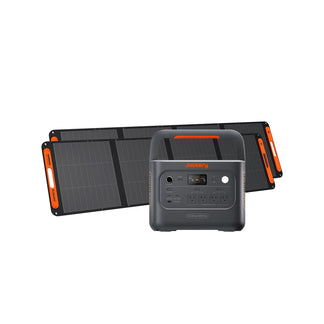
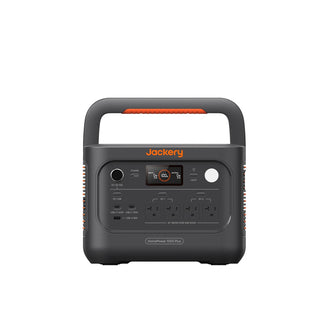
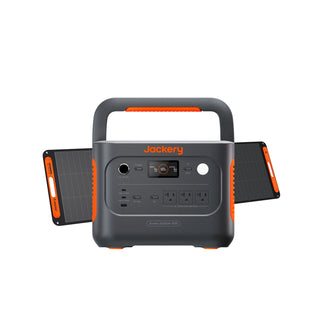
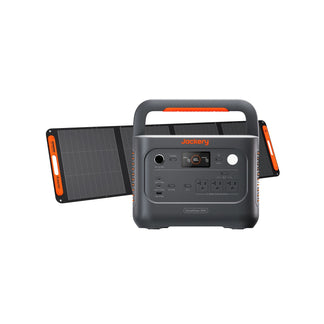
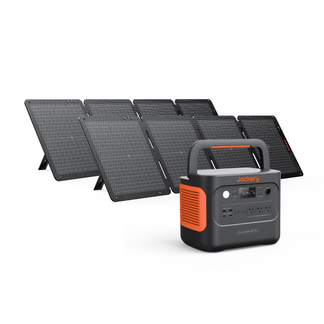
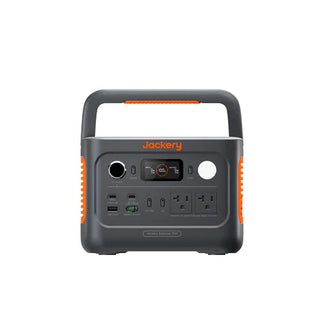
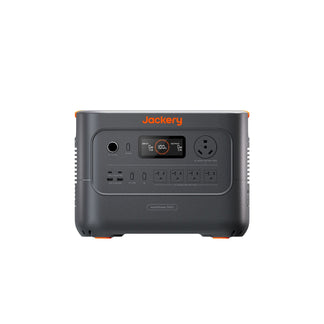
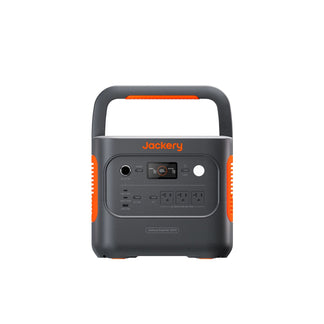
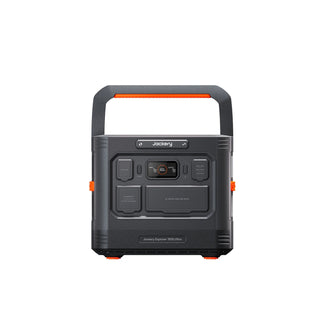
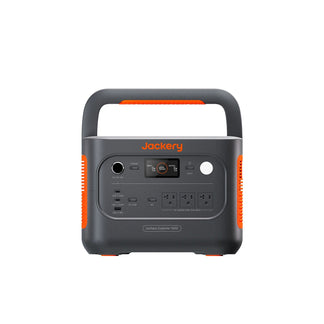
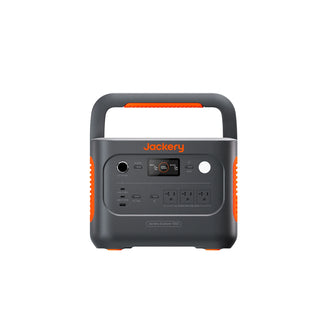
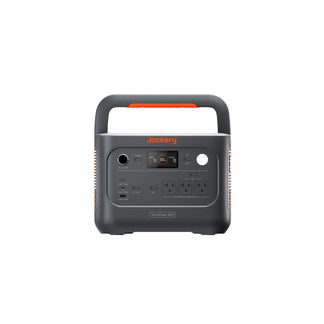
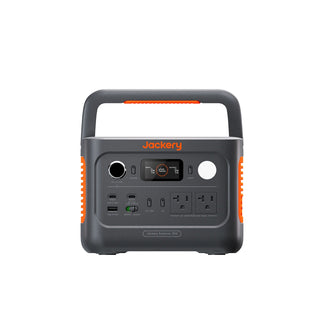
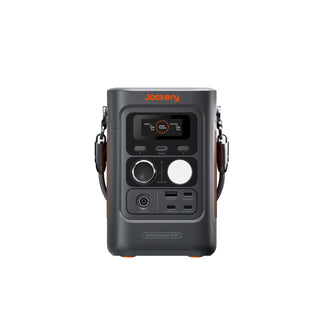
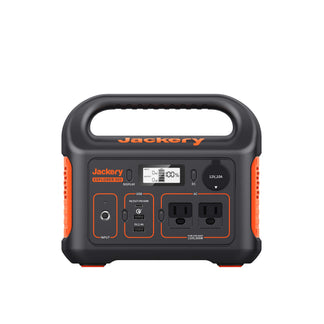
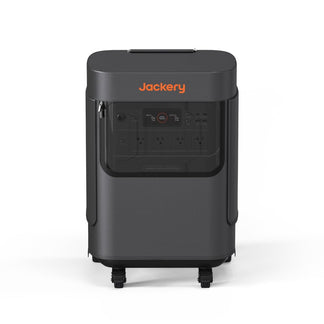
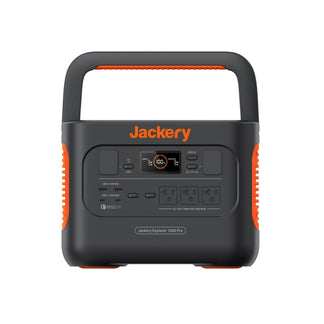
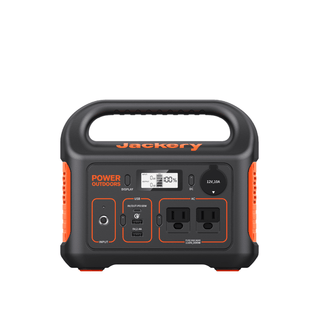
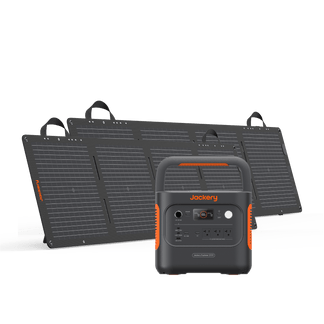
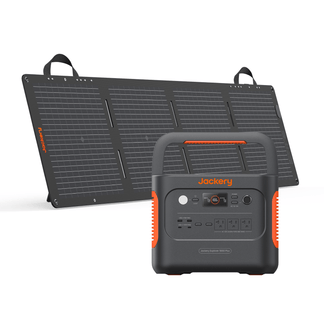
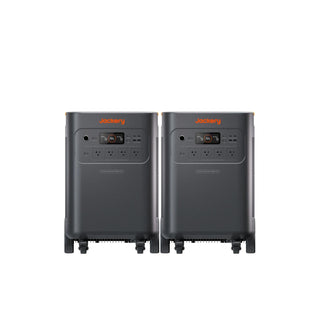
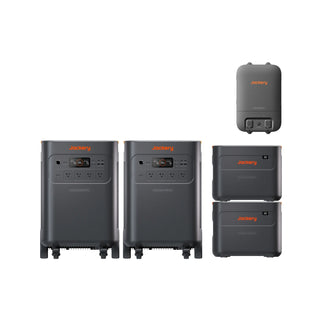
Three high-performance solar generators from Jackery provide ideal emergency backup:
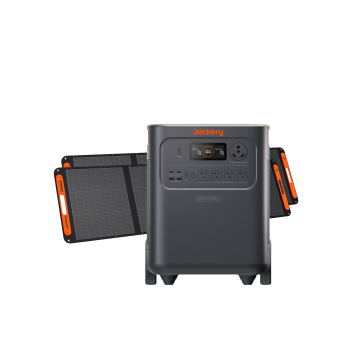
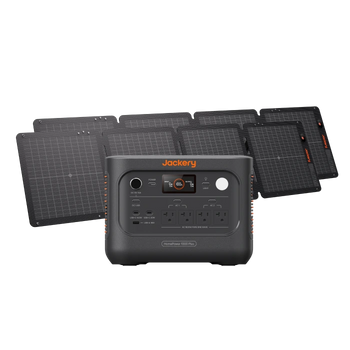
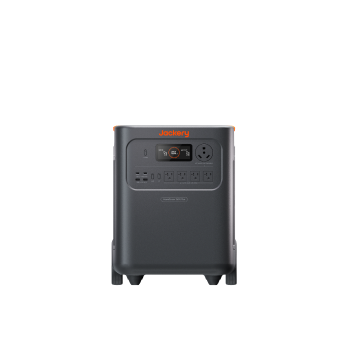
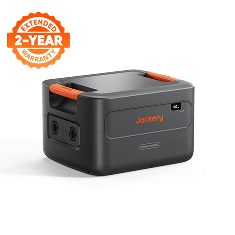
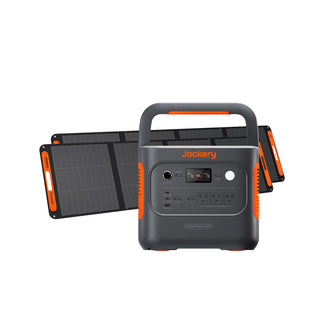
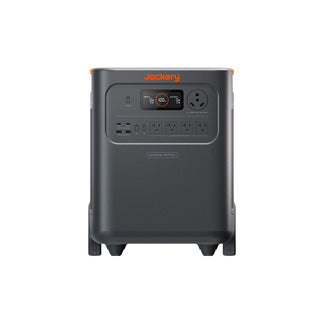
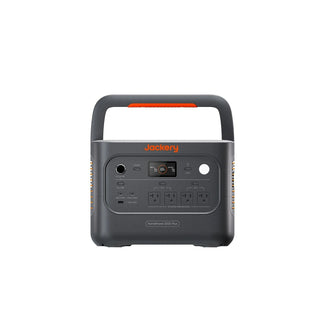
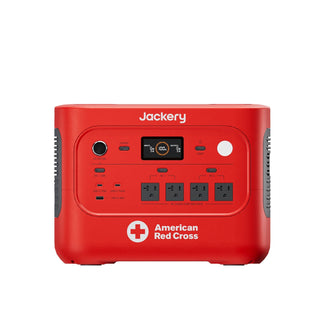
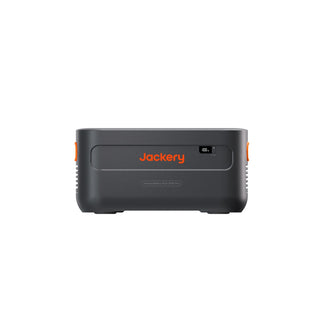
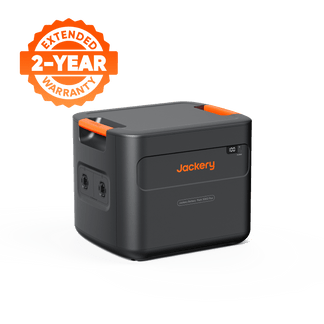
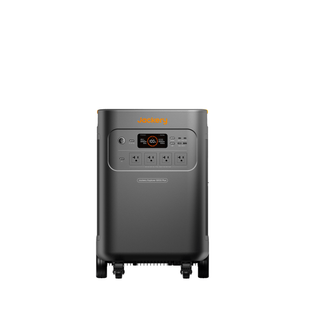
Jackery Solar Generator HomePower 3600 Plus: Delivers a 3,584 Wh base capacity (expandable up to 43 kWh) capable of running a standard refrigerator silently for up to 38 hours, preventing food spoilage if your prepaid meter is disconnected over a holiday weekend. It can recharge completely via AC wall power in just 2.5 hours.
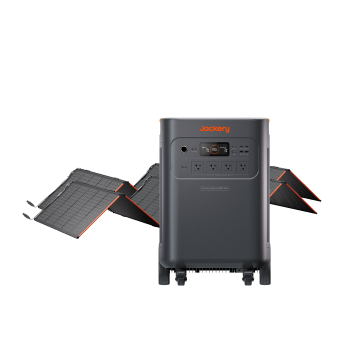
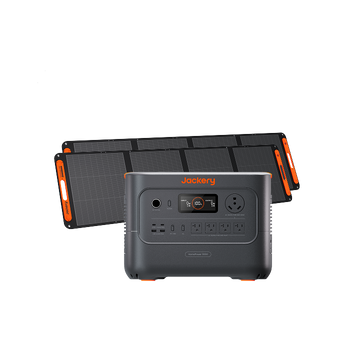
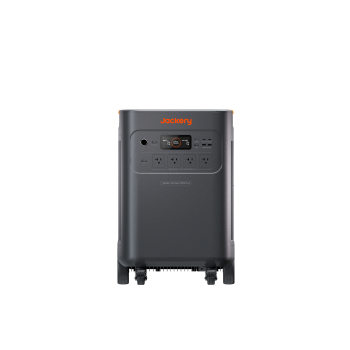
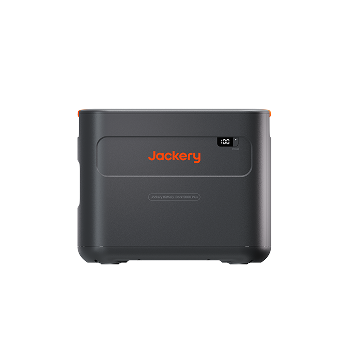
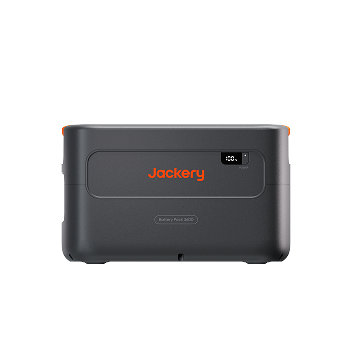
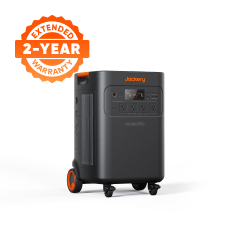
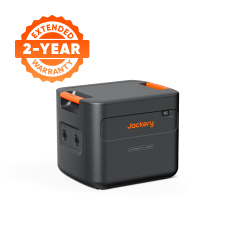
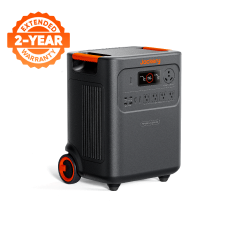
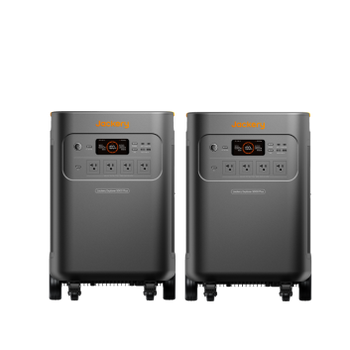
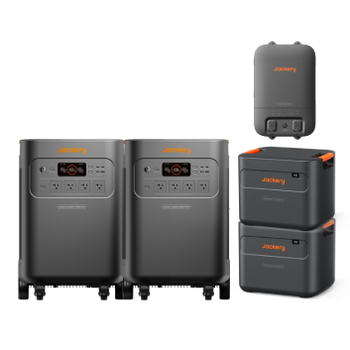
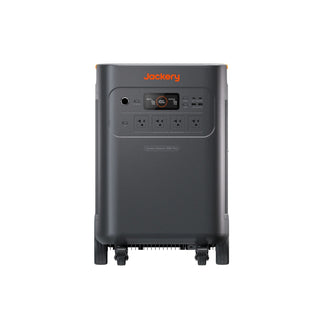
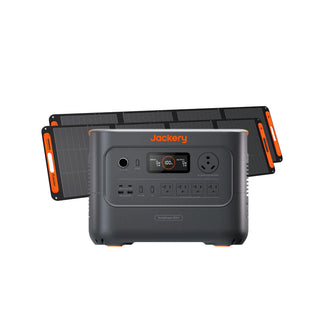
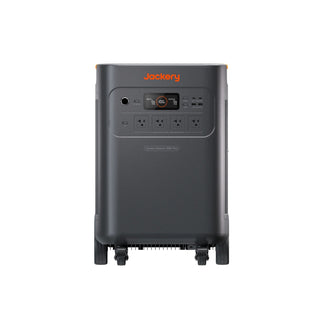
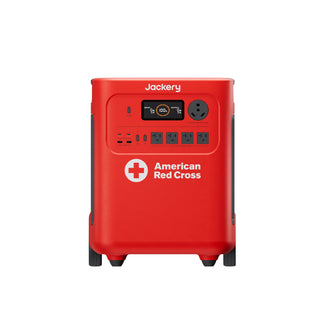
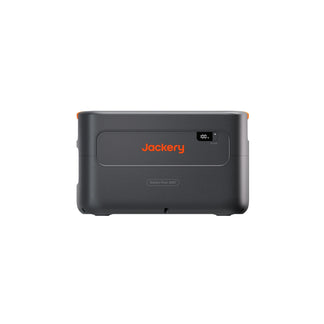
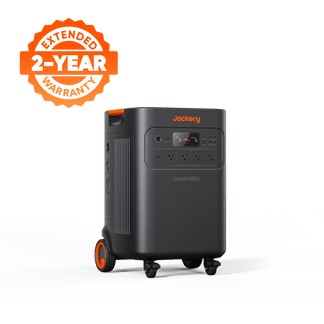
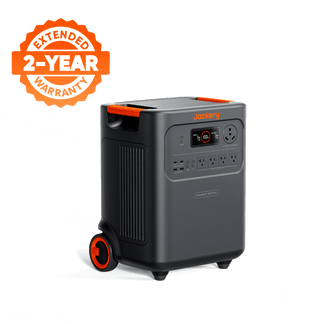
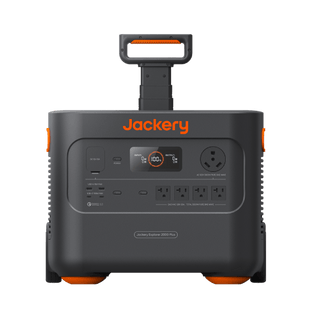
Jackery Solar Generator 5000 Plus: Houses a robust 5,040 Wh capacity (scalable up to 60 kWh) with a powerful 7,200W split-phase 120V/240V output, capable of running heavy home appliances like well pumps, water heaters, and electric ranges. It features an instantaneous 0-millisecond UPS automatic switchover to keep critical home medical devices running safely.
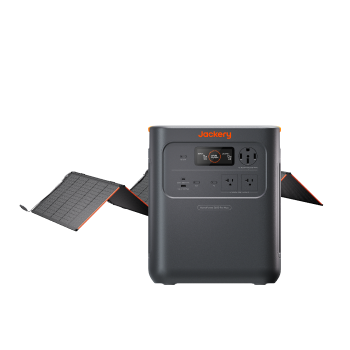
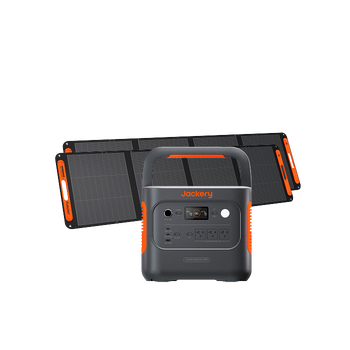
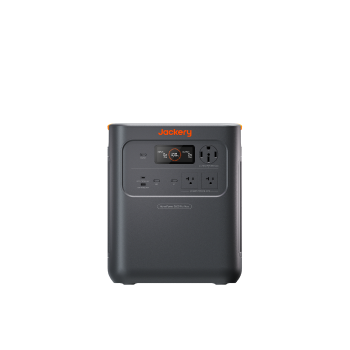
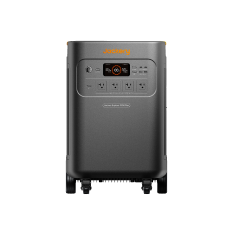
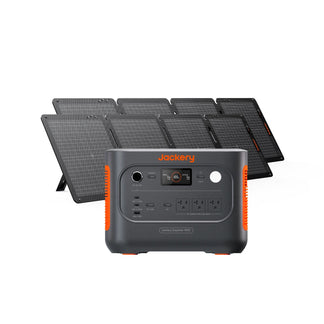
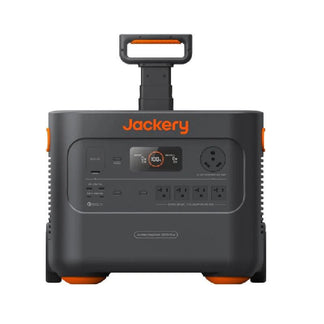
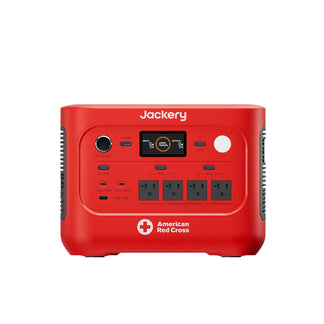
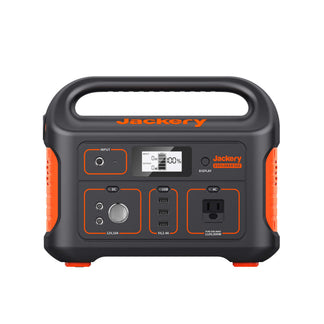
Jackery Solar Generator 2000 v2: Packs a 2,042 Wh capacity, capable of running continuous LED lighting circuits for up to 155 hours or powering a standard refrigerator during emergency disconnections. It can recharge completely via AC wall power in just 1.7 hours.
Frequently Asked Questions
Are prepaid electricity plans cheaper?
No. The continuous per-kWh rates on prepaid plans are typically higher than standard fixed-rate postpaid plans. However, you can save money by avoiding expensive security deposits, late payment fees, and long-term contract exit penalties. If your home has low, predictable energy consumption, the financial spread may be minimal.
Can I switch from prepaid to postpaid electricity?
Yes. Most energy suppliers allow you to transition from a prepaid account to a standard postpaid plan. However, you will need to undergo a credit verification check, and you may be required to pay a cash security deposit if your credit history is limited. Any remaining balance on your prepaid account is typically credited to your new postpaid bill.
What happens if my prepaid balance runs out overnight?
Your electricity will automatically turn off. While some state regulations prohibit utility disconnections during extreme temperature events or major holidays, standard smart meters will cut power automatically when your balance reaches $0. To restore your electrical service, you must immediately top up your account balance using your provider's mobile app or via an authorized retail payment location.
Do prepaid electricity plans have hidden fees?
Yes, they often do. Some plans charge daily connection fees, minimum-usage penalties, or transaction fees for every top-up. Always read your plan's Electricity Facts Label (EFL) carefully before signing up to verify all potential extra costs, as these hidden fees can dramatically inflate your average per-kWh rate.
Is prepaid electricity available in all US states?
No. Prepaid energy plans are only available in deregulated retail energy markets. Most options are found in Texas, Ohio, Pennsylvania, Illinois, Maryland, and Connecticut, where consumers have the legal right to choose their energy supplier. If you live in a regulated state, your default utility provider will manage all postpaid accounts under state-regulated rates.
Does prepaid electricity affect my credit score?
No. Because prepaid electricity plans do not require a credit check and do not report your on-time payment history to major credit bureaus, they have zero impact on your credit score. This is beneficial if you are avoiding hard credit pulls, but it also means the plan cannot help you build positive credit history.


